90 degree flange rotary joint
14In industrial pipeline systems, rotary joints are key components responsible for achieving stable transmission of fluid media between fixed pipelines...
View details rotary joints
Search the whole station
In industries such as petrochemicals, metallurgy, and power, rotary joints are key equipment for achieving medium transmission between rotating components of equipment and fixed pipelines. They often need to operate under harsh conditions of high temperature and high pressure resistance. Once a leak occurs, it not only causes media waste and environmental pollution, but may also lead to safety accidents, affecting production continuity and economic benefits of the enterprise. Therefore, exploring effective optimization solutions to solve the leakage problem of rotary joints under high temperature and high pressure conditions is of great practical significance.
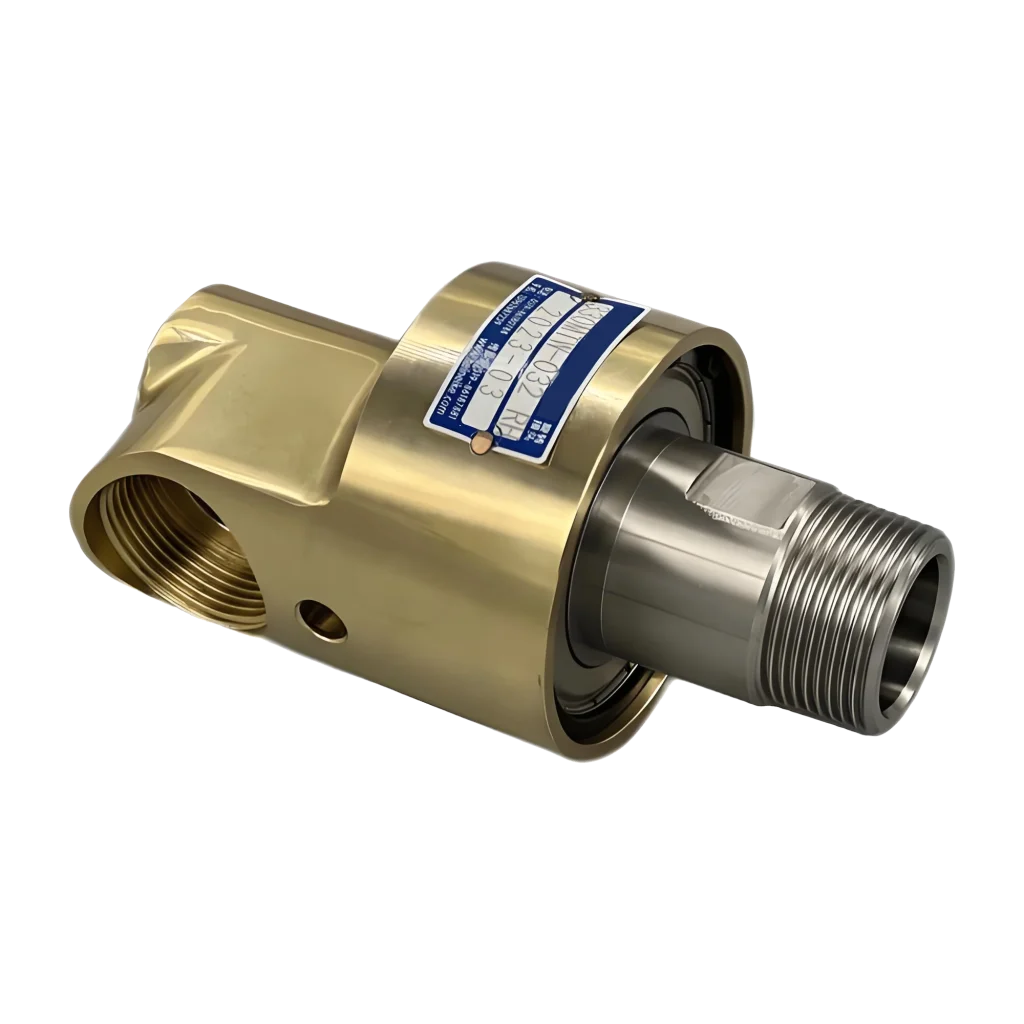
Common sealing materials such as rubber and polytetrafluoroethylene may experience aging, hardening, cracking, and other phenomena in high-temperature environments, leading to a decrease in sealing performance; Under high pressure, the sealing material may be extruded or deformed, unable to tightly adhere to the sealing surface, thereby causing leakage. In addition, different media are corrosive to sealing materials, and improper material selection can accelerate the damage of sealing materials. The sealing structure of some rotary joints is difficult to withstand complex stress changes under high temperature and high pressure conditions. For example, traditional single end sealing structures are prone to sealing surface separation under high pressure, leading to leakage; However, some sealing structures have insufficient compensation ability and cannot adapt to the thermal expansion and contraction of components caused by temperature changes, resulting in gaps on the sealing surface.
During the installation process, if the concentricity adjustment of the rotary joint is not accurate, it will cause uneven stress on the sealing surface and increase the risk of leakage. In daily use, the lack of regular maintenance and timely cleaning of sealing surface impurities and replenishment of lubricating grease can exacerbate the wear of sealing components and reduce sealing performance. In the actual production process, there may be frequent fluctuations in working conditions, such as sudden temperature increases and decreases, and sudden pressure increases and decreases. This unstable working condition will subject the components of the rotary joint to additional stress, leading to the failure of the sealing structure and causing leakage.
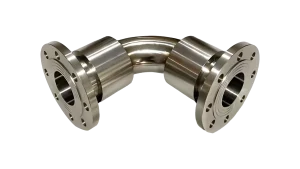
In industrial pipeline systems, rotary joints are key components responsible for achieving stable transmission of fluid media between fixed pipelines...
View details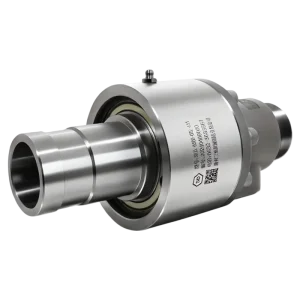
During the operation of a vertical packaging machine, the rotating joint of the transverse sealing shaft plays a crucial role...
View details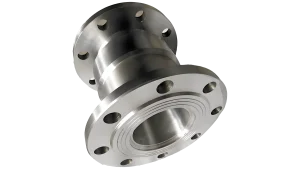
Adopting special surface heat treatment technology to achieve minimal friction and self-lubricating "thin film bearing" effect The wear condition of...
View details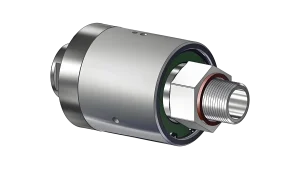
The direct hydraulic oil rotary joint of the high-pressure cleaning machine is a rotary sealing device designed specifically for high-pressure...
View details