 rotary jointsrotary joints
Search the whole station
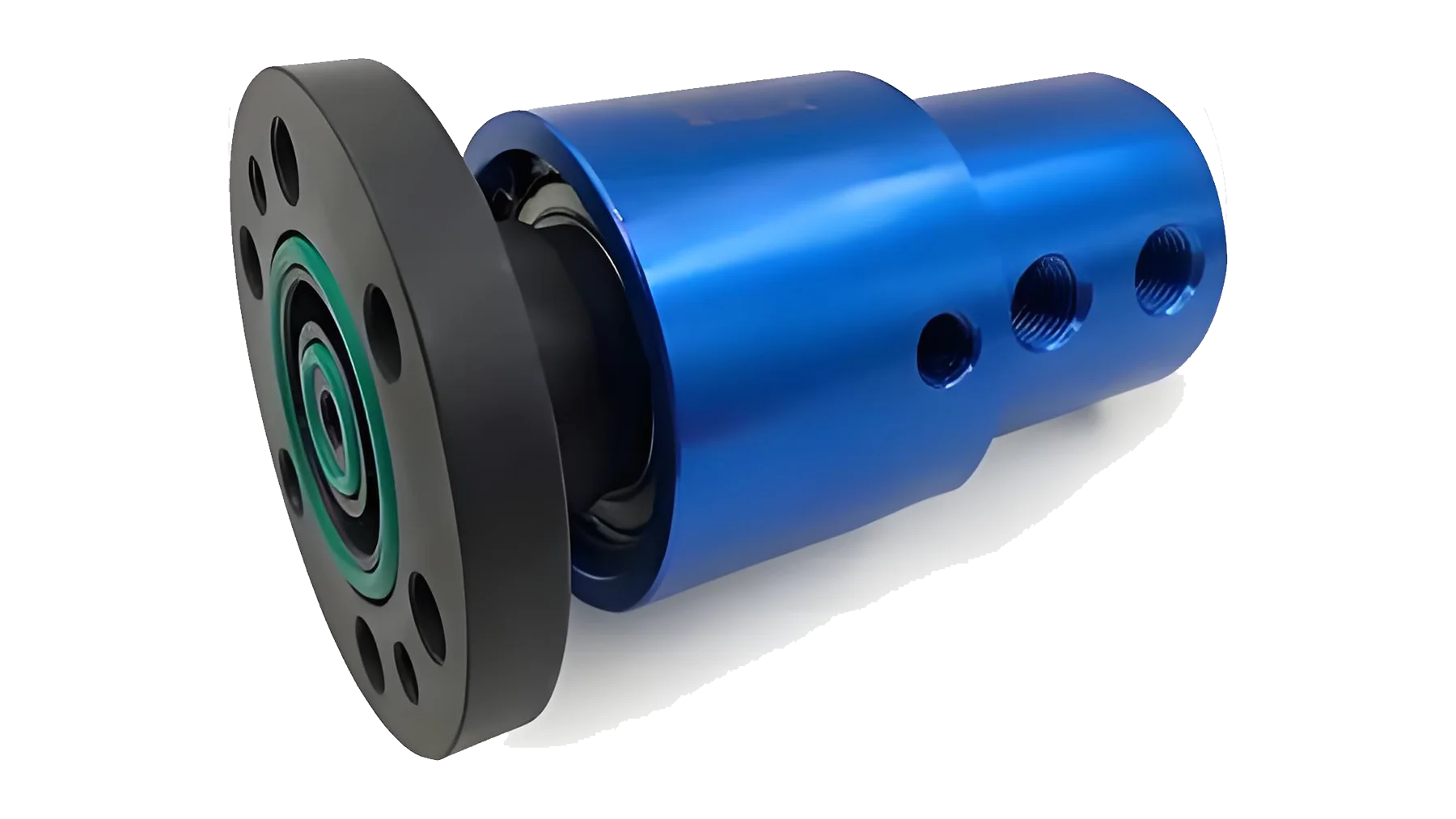
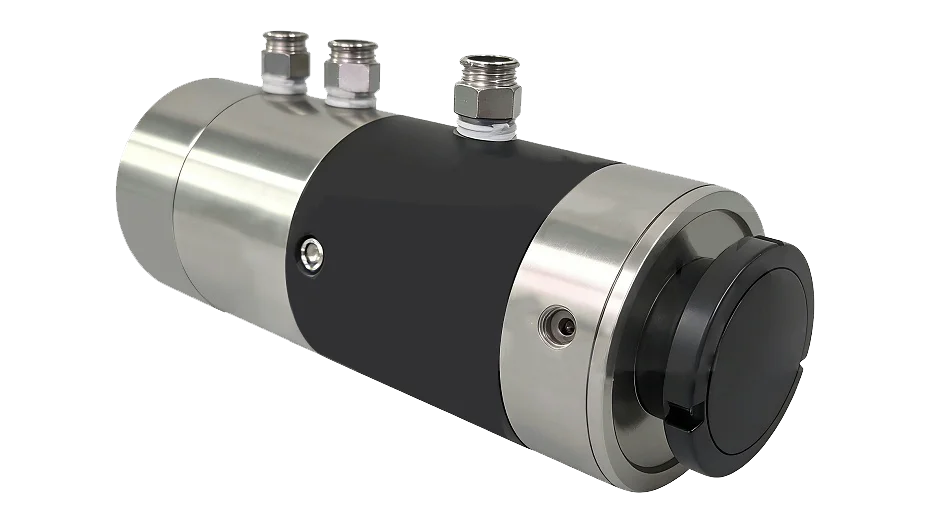
MSE04R06 is a multi-path rotary joint designed specifically for precision processes in semiconductor manufacturing. This device aims to solve the dynamic sealing problem between fixed fluid supply pipelines and high-speed rotating components (such as polishing machines, coating and developing machines, wet cleaning stations) during wafer processing
MSE04R06 is a multi-path rotary joint designed specifically for precision processes in semiconductor manufacturing. This device aims to solve the dynamic sealing problem between fixed fluid supply pipelines and high-speed rotating components (such as polishing machines, coating and developing machines, wet cleaning stations) during wafer processing. In response to the extreme requirements of the semiconductor industry for medium purity, corrosion resistance, and operational stability, MSE04R06 adopts special non-metallic contact materials and precision mechanical structures to ensure zero leakage, low particle precipitation, and long service life when transmitting corrosive media such as strong acids, strong alkalis, and ultrapure water.
Core design features
1. Ultimate corrosion resistance and high-purity material system
Strong corrosive chemicals such as hydrofluoric acid, concentrated sulfuric acid, and concentrated nitric acid are often involved in semiconductor wet process technology. The core advantage of MSE04R06 lies in the material selection of its liquid receiving components:
Non metallic main circuit design: The main flow channel is made of high-performance fluoroplastics (such as PFA or PTFE) or non-metallic materials. This design minimizes the leaching of metal ions into the fluid, avoids metal contamination on the wafer surface, and meets the requirements of semiconductor grade ultra-high purity.
Chemical inert seals: The sealing surface and sealing ring are made of special composite materials that are wear-resistant and corrosion-resistant (such as modified carbon powder graphite, tungsten carbide, or special engineering plastics). These materials not only withstand long-term immersion in strong acids and alkalis, but also have excellent chemical stability to prevent medium degradation or particle detachment.
Coating protection technology: For non liquid contact areas that require the use of metal structures, special anti-corrosion coatings are applied to further extend the lifespan of the equipment in harsh chemical environments.
2. Precision mechanical structure and long-life sealing
Multi bearing support system: Two high-precision precision bearings are integrated internally to ensure the smoothness and rigidity of the shaft during high-speed rotation. The low friction coefficient design enables the equipment to adapt to high-speed operating conditions while reducing the impact of vibration on the sealing surface.
Mechanical balance sealing technology: adopting end face mechanical balance sealing structure, effectively offsetting the force of fluid pressure on the sealing surface. Even under high working pressure, the sealing surface can maintain a tight fit, significantly reducing wear rates and extending service life to hundreds of millions of revolutions per minute.
Visual wear monitoring: Some models are designed to allow direct observation of the wear condition of internal seals through appearance. This feature helps with preventive maintenance, avoiding unexpected downtime or wafer scrap caused by seal failure.
3. Flexible pathways and configuration options
Multi channel design: Supports single circuit, dual circuit, and multi channel (2-26 channels optional) configurations, capable of simultaneously transmitting multiple different media (such as pure water, chemical solutions, gases, vacuum, etc.) to meet complex process requirements.
Flexible entrance direction: Supports side or rear entrance configuration, making it easy to install and adapt according to device space layout.
Integration capability of slip rings: Some hydraulic or multifunctional models can adapt slip rings to achieve synchronous transmission of electrical signals and fluids, suitable for intelligent semiconductor devices that require real-time monitoring or control.
MSE04R06 rotary joint is widely used in key processes of semiconductor front-end and back-end manufacturing:
Chemical mechanical polishing (CMP): used to deliver polishing solution and cooling water to high-speed rotating polishing heads, requiring extremely high wear resistance and no particle precipitation.
Wet cleaning and etching: In a single or multiple wafer cleaning machine, various acidic and alkaline cleaning solutions are transported to the rotating wafer cup to ensure the purity of the medium is not contaminated by metals.
Coating and developing equipment: used for precise distribution of photoresist and developing solution, requiring stable flow and no pulsation.
Thin film deposition (CVD/PVD): Some precursor delivery systems require rotating joints to achieve uniform coating.
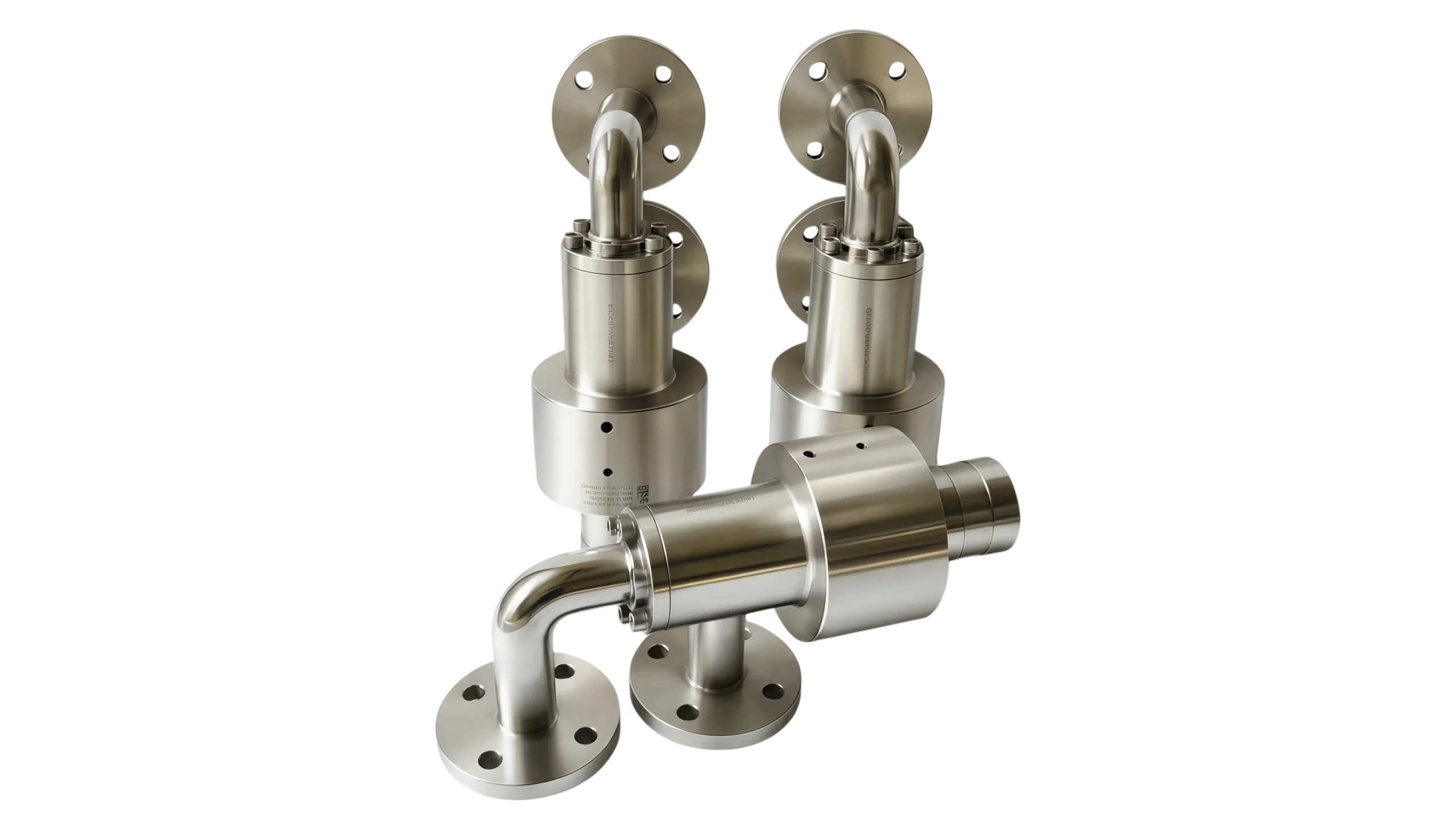
A rotary joint is a sealing device that connects stationary pipelines and rotating equipment, achieving leak free fluid transmission under 360 ° rotation. It allows fluid media to flow smoothly between fixed pipelines and rotating machines, and is a key component in industrial equipment
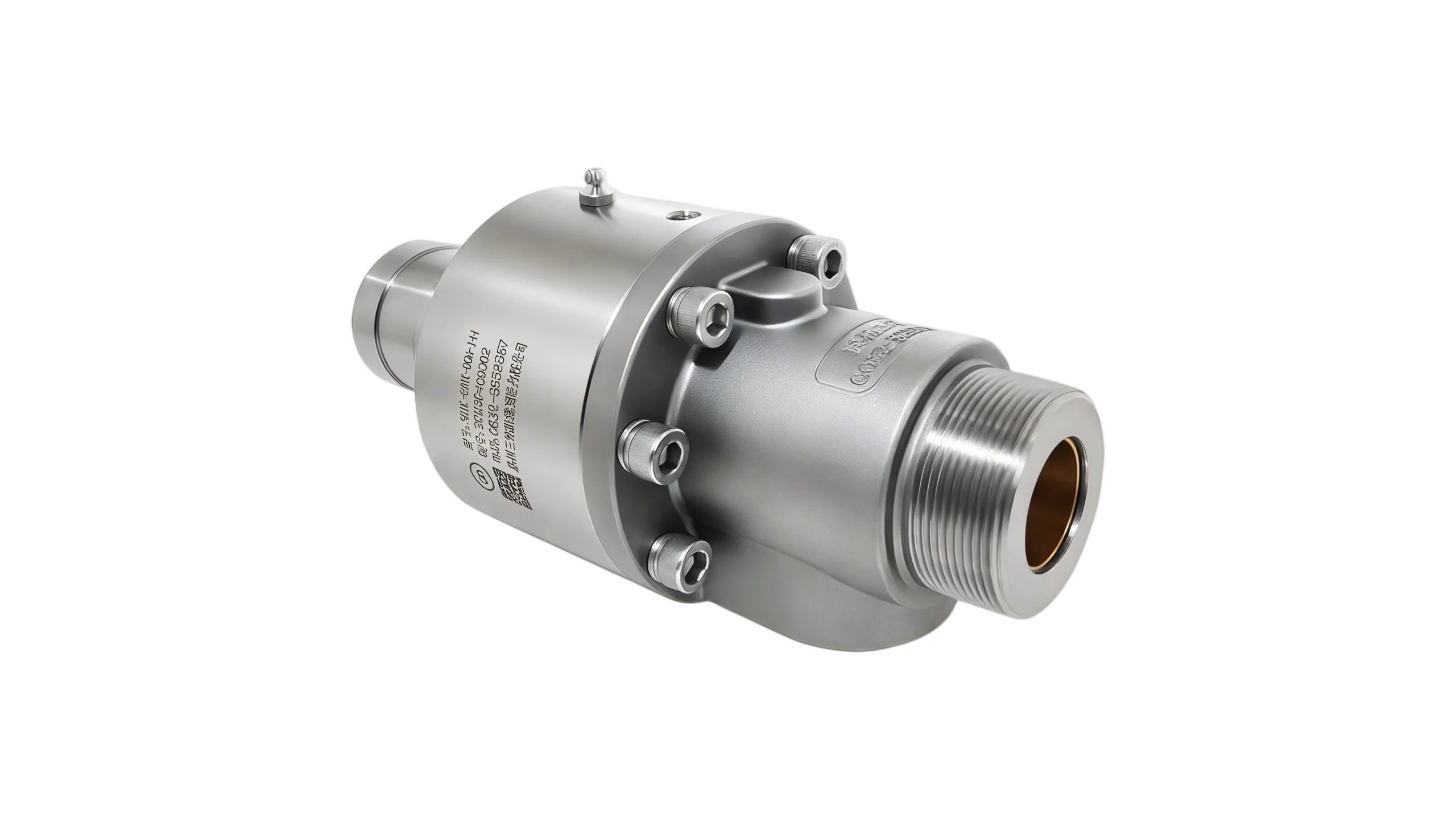
F90 swivel unions Transporting equipment components from a fixed pipeline system to high-speed rotating or reciprocating motion
Q32 swivel unions
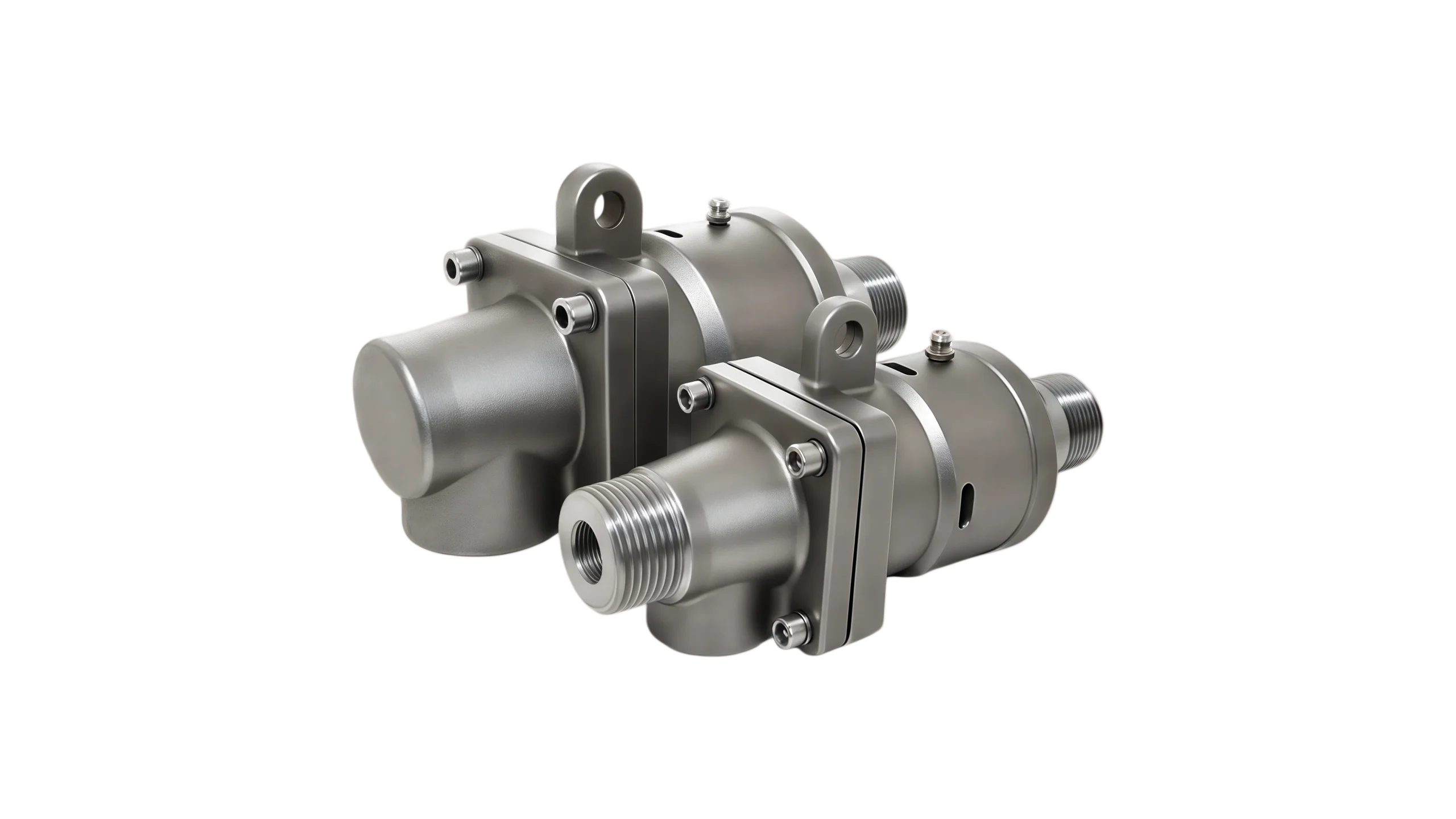
JD40 rotary joint is a key sealing component in industrial fluid transmission systems, usually referring to a rotary connection device with a diameter of DN40 (or corresponding British caliber). As a transitional sealing device that transports fluid media (such as water, steam, hydraulic oil, thermal oil, compressed air, etc.) from static pipelines to dynamic rotating or swinging equipment