 rotary jointsrotary joints
Search the whole station
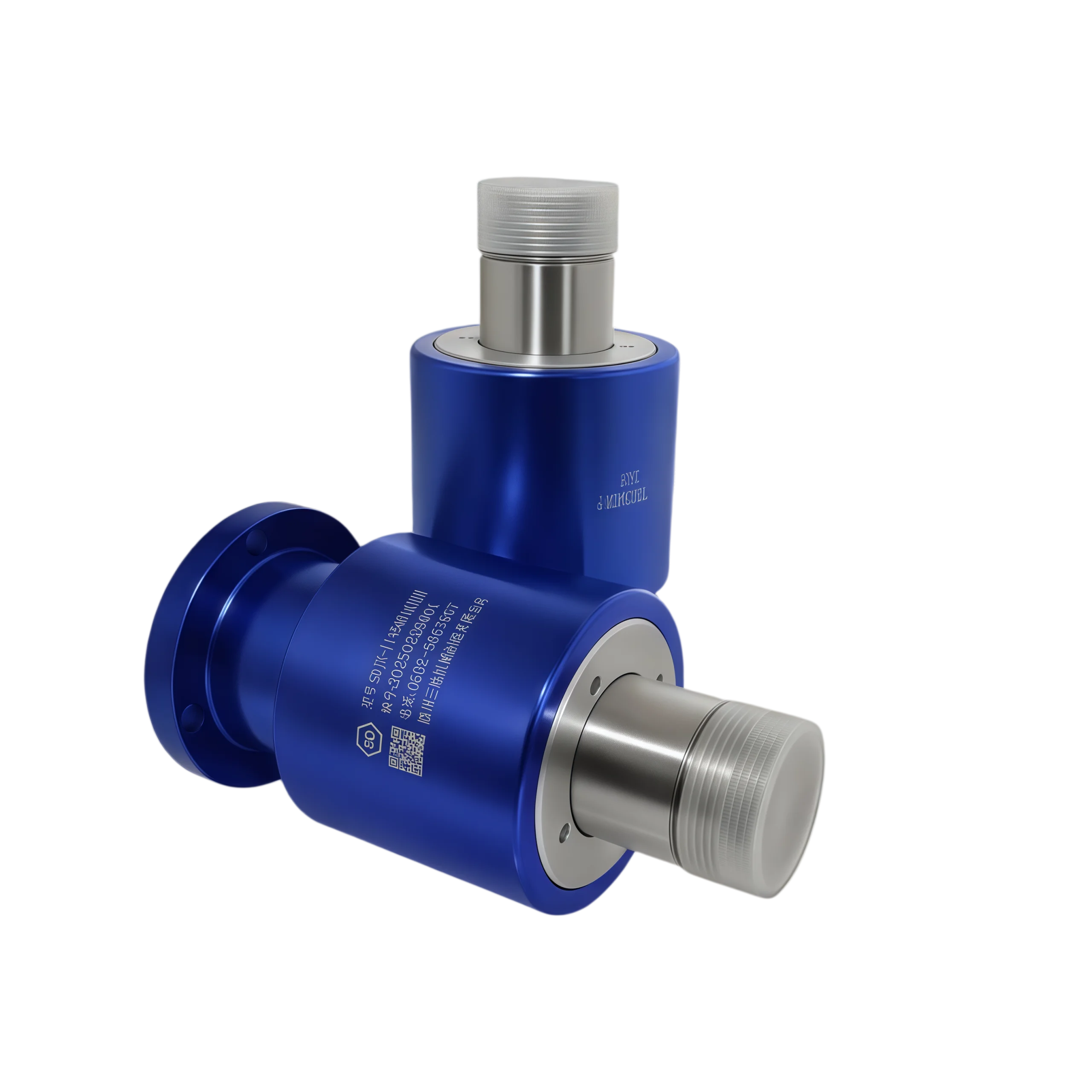
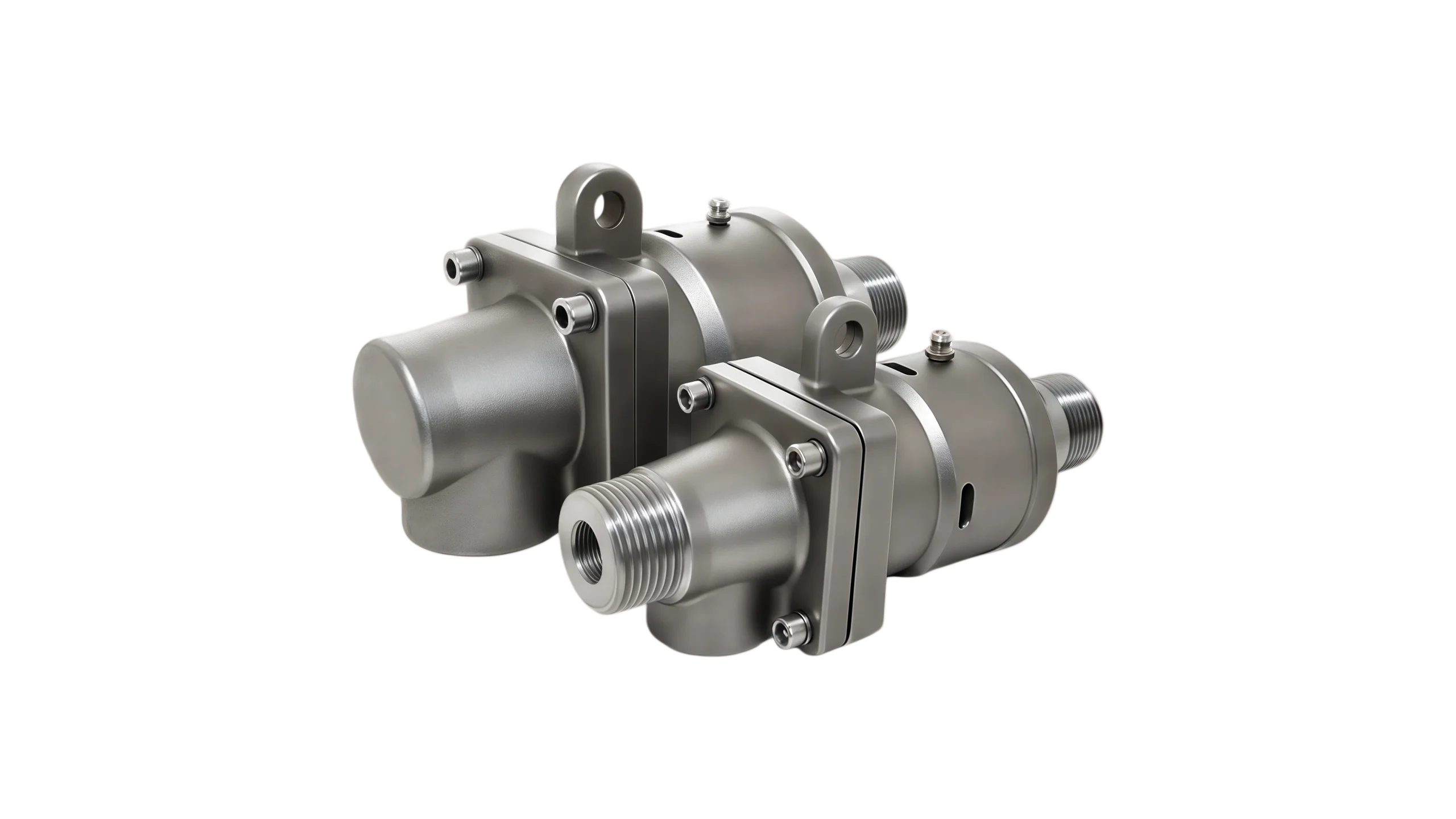
Model 145461 (common variants include 145461AA, 145461K) belongs to industrial grade fluid conveying rotary joints, mainly used in mining machinery, metallurgical equipment, and heavy engineering machinery
Model 145461 (common variants include 145461AA, 145461K) belongs to industrial grade fluid conveying rotary joints, mainly used in mining machinery, metallurgical equipment, and heavy engineering machinery. This series of products is known for its high reliability, long lifespan, and adaptability to harsh working conditions, and is commonly used in medium transmission systems for large rotating equipment such as semi autogenous mills and ball mills.
In the current industrial spare parts market, 145461AA is often circulated and used as a standard model for general-purpose high-performance rotary joints, widely used in heavy machinery manufacturing industrial belts such as Huixian, Henan.
2. Core parameters and technical features
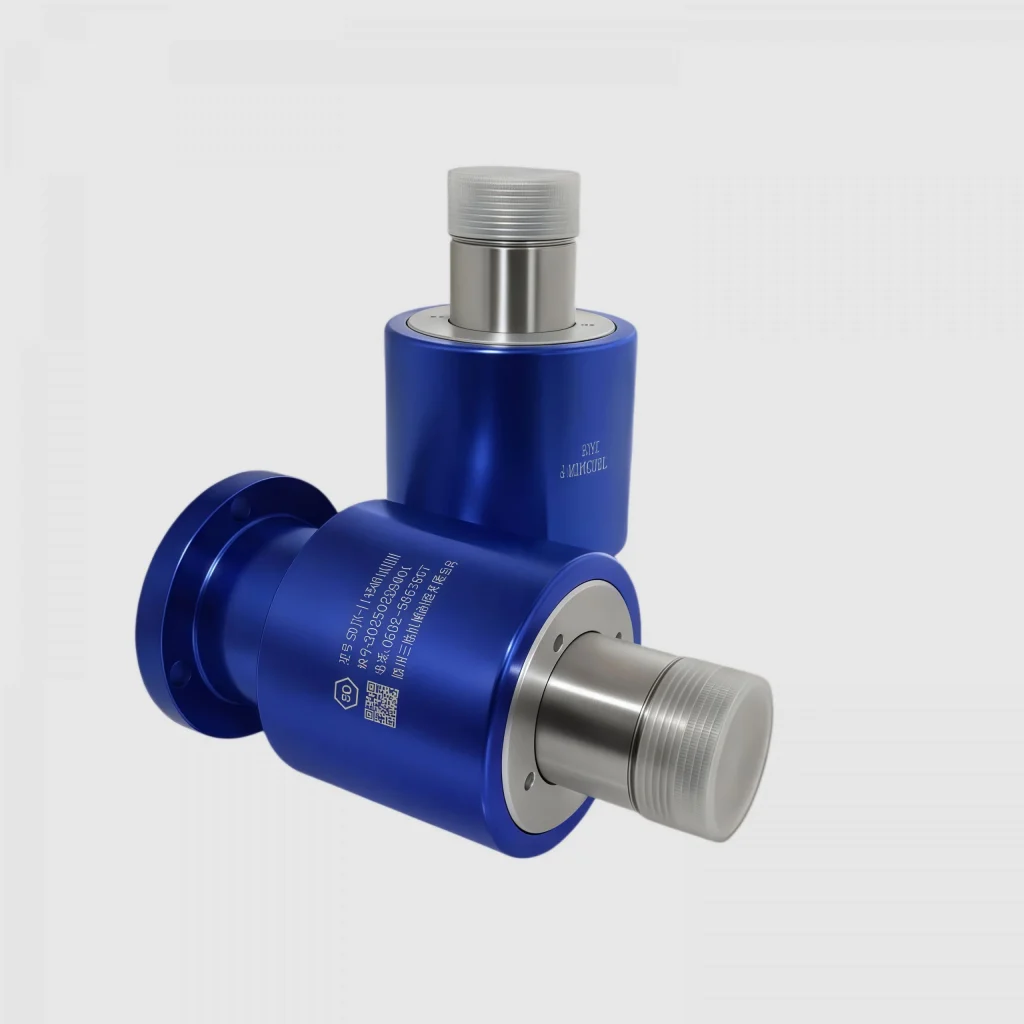
2.1 Specifications and Connection Methods
Caliber size: usually corresponding to 1-1/2 inches (around DN40), specific needs to be confirmed according to the actual pipeline interface.
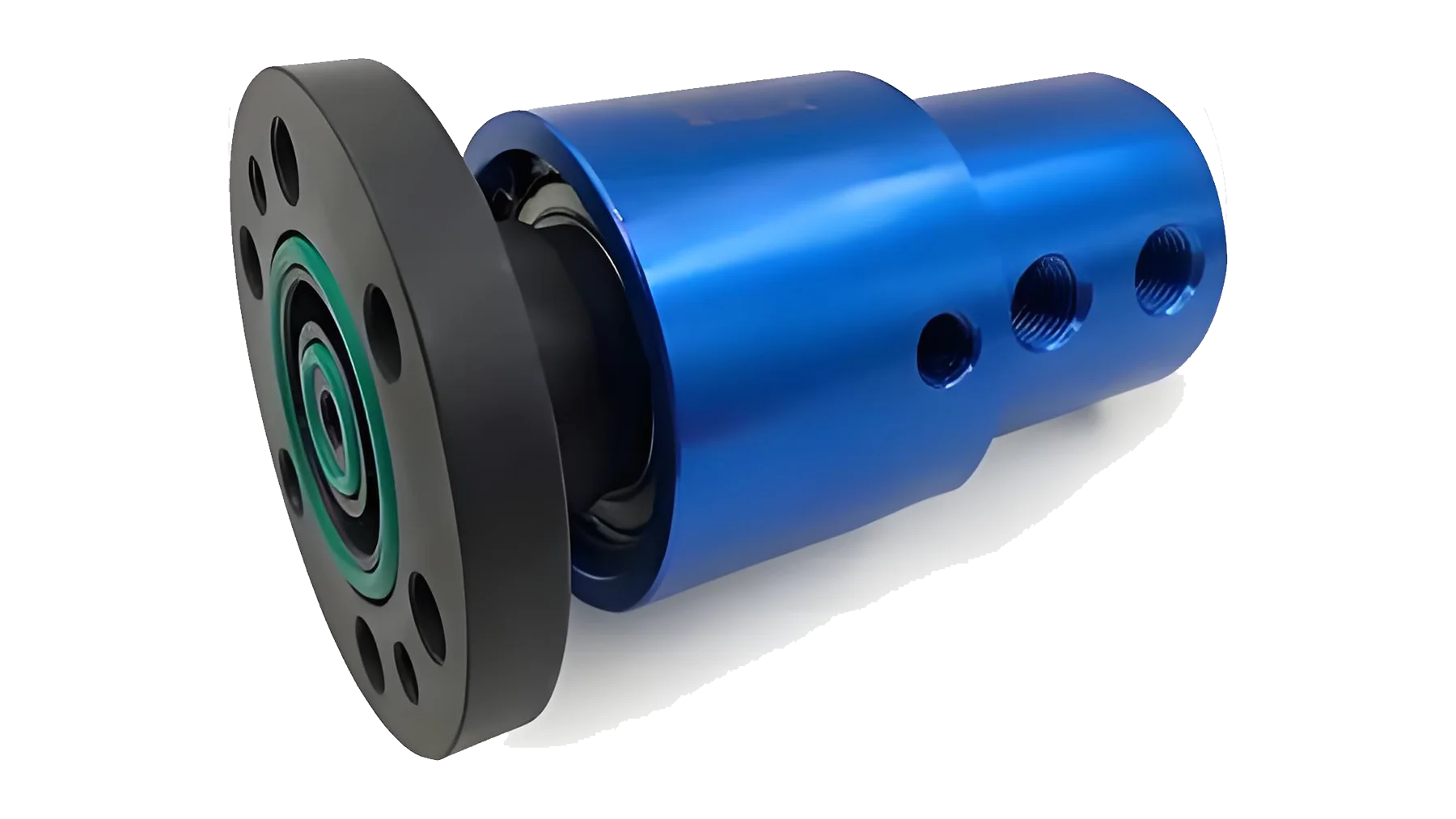
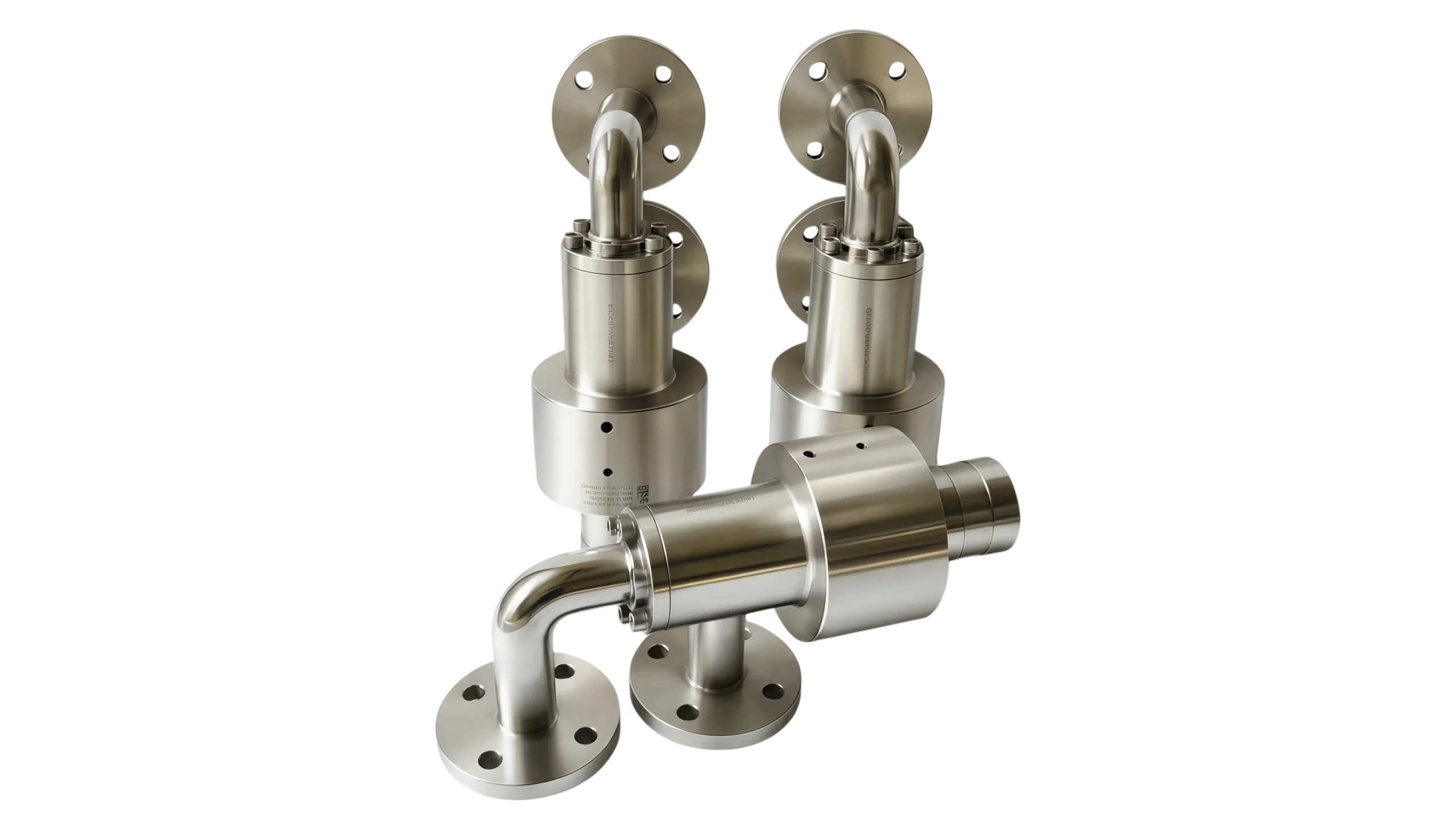
Connection form: Threaded or flanged connections are commonly used, and some customized versions support metal hose compensation connections to adapt to eccentricity and vibration during equipment operation.
Channel type: mostly designed as a single or double channel, used for transporting media such as water, oil, gas, or steam.
2.2 Structure and Materials
Sealing technology: adopting advanced R-SEAL sealing structure. This structure uses springs to push the axial displacement of the shell, automatically compensating for the wear of the sealing surface and achieving dynamic balanced sealing. The sealing surface is usually made of high wear-resistant materials such as carbon graphite, hard alloy, or silicon carbide, which have excellent wear and corrosion resistance.
Bearing support: Equipped with precision bearings (usually double bearing structure) internally, ensuring smooth operation under high load and low-speed heavy load conditions, low friction coefficient, and long service life.
Main material: The shell and key components are often made of high-quality carbon steel, alloy steel, or stainless steel, and some shells may use aluminum alloy to reduce weight and improve corrosion resistance.
2.3 Performance indicators
Applicable media: water, hydraulic oil, thermal oil, steam, air, and various chemical solvents.
Work environment: Designed specifically for heavy-duty, low-speed, and high-pressure environments, suitable for harsh working conditions such as mining crushing and grinding with high dust and strong vibration.
Pressure and temperature resistance: The specific value depends on the specific sub model, but this type of heavy-duty joint can usually withstand high working pressure and temperature fluctuations, and some high-temperature types can withstand media above 180 ℃.
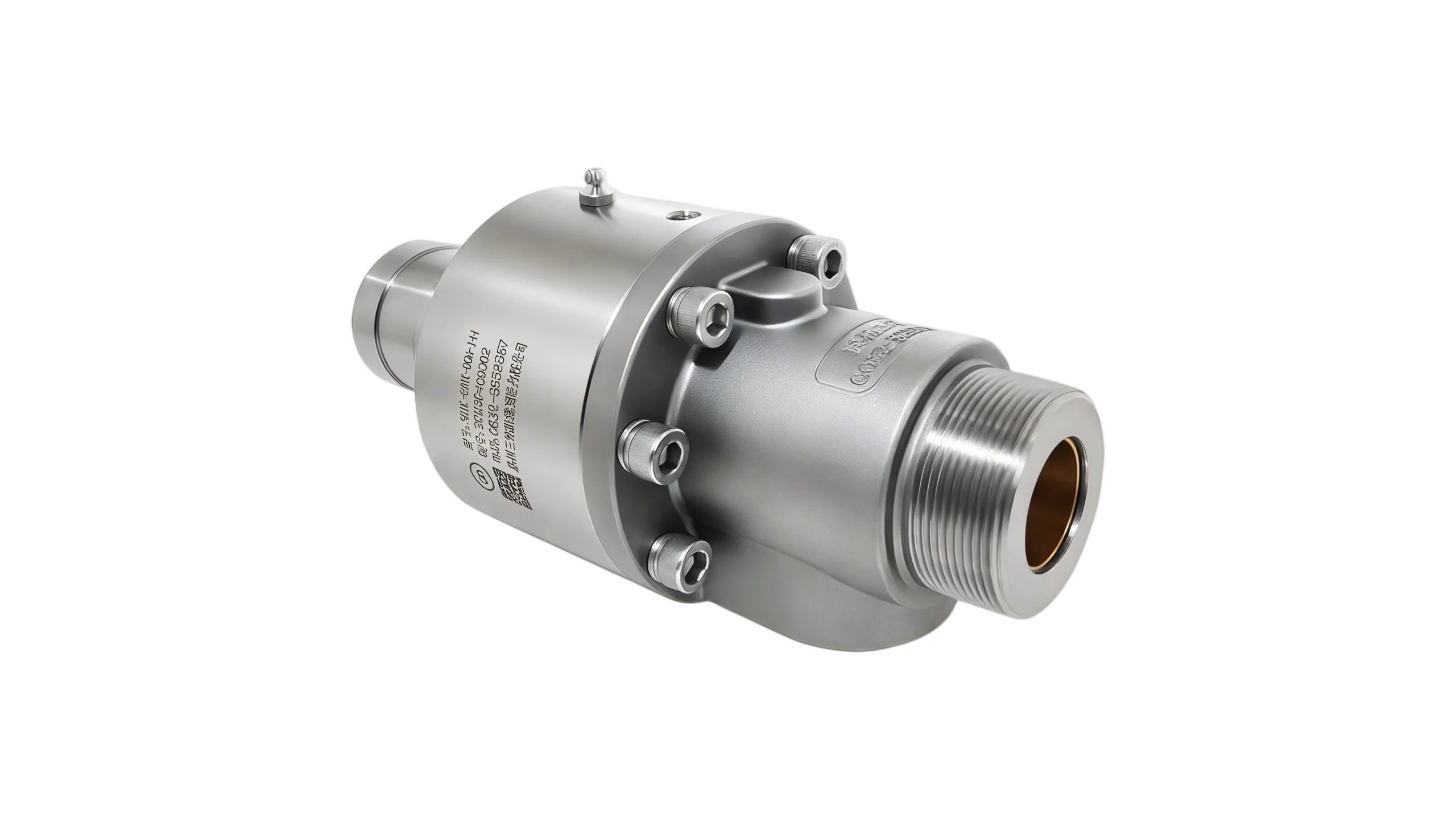
A rotary joint is a sealing device that connects stationary pipelines and rotating equipment, achieving leak free fluid transmission under 360 ° rotation. It allows fluid media to flow smoothly between fixed pipelines and rotating machines, and is a key component in industrial equipment
F90 swivel unions Transporting equipment components from a fixed pipeline system to high-speed rotating or reciprocating motion
Q32 swivel unions
JD40 rotary joint is a key sealing component in industrial fluid transmission systems, usually referring to a rotary connection device with a diameter of DN40 (or corresponding British caliber). As a transitional sealing device that transports fluid media (such as water, steam, hydraulic oil, thermal oil, compressed air, etc.) from static pipelines to dynamic rotating or swinging equipment