Application of BC type rotary joint in solvent-free laminating machine
18In modern industrial production, solvent-free laminating machines play a crucial role and are widely used in industries such as packaging...
View details rotary joints
Search the whole station
In the production process of lithium batteries, coating and pressing processes are crucial links. The stability of these processes is directly related to the quality and performance of lithium batteries, and rotary joints are important components to ensure the smooth progress of these processes. This article will explore how to avoid unnecessary losses caused by coating machines by selecting and maintaining suitable rotary joints for.
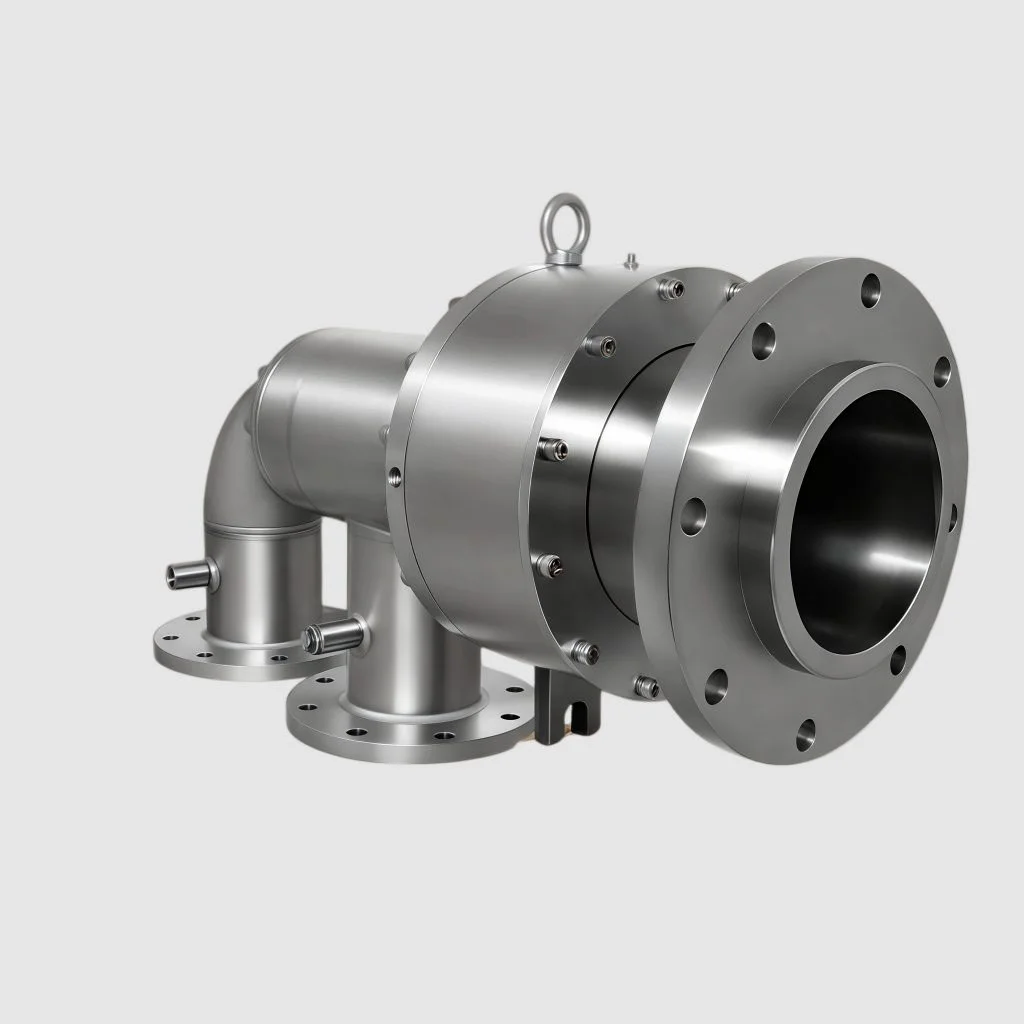
The coating machine is one of the key equipment in lithium battery production, which mainly achieves drying function by heating the roller through the thermal oil joint. Stable temperature control is the key to ensuring consistent coating density and thickness. we recommends two types of thermal oil connectors (also known as inlet heads) for coating machines: RXH type and SA type. The RXH type thermal oil rotary joint adopts a flat sealing design, suitable for low-temperature and high-speed working environments, with a speed of up to 500RPM. This joint can ensure efficient operation while maintaining good sealing, effectively responding to temperature fluctuations that may occur during the coating process. The SA type thermal oil rotary joint adopts a spherical sealing design, suitable for high temperature and low speed working environments, with a temperature of up to 280 ℃. This joint can maintain stable performance under high temperature conditions, ensuring uniform heat distribution of the rollers and improving coating uniformity.
To avoid unnecessary losses caused by rotating joints, special attention should be paid to the following points:
1. Stable temperature control system: The temperature before and after the coating machine should be consistent to ensure stable coating density and thickness. Choose a suitable thermal oil joint and regularly check its performance.
2. Preventing static electricity: On the coating line, a large amount of static electricity is easily generated on the surface of the substrate. Therefore, the material selection of rotary joints is very important, and copper and zinc must be prohibited to prevent equipment damage and safety hazards caused by static electricity.
3. Regular maintenance: Regularly inspect and maintain the rotary joints, promptly replace parts with wear or reduced sealing to ensure the long-term stable operation of the equipment.
In modern industrial production, solvent-free laminating machines play a crucial role and are widely used in industries such as packaging...
View details
rotary joints are widely used in many industrial fields such as lithium batteries, semiconductors, photovoltaics, new energy, machine tools, rubber...
View details
The rotating joint of mining machinery is essentially a precision electromechanical device that can maintain fluid transmission continuity and sealing...
View details
Compared to universal rotary joints, specialized rotary joints for the printing, packaging, and papermaking industry have been optimized in terms...
View details