Installation sequence of rotary joints
14The rotary joint should be installed correctly according to the installation and use instructions, otherwise its sealing performance and service...
View details rotary joints
Search the whole station
The threaded end connected metal hose joint is an extension product of JB/GQ0552-83 metal joint;
The metal joint is made of zinc alloy material by die-casting, and the surface is galvanized, sandblasted, or chrome plated; Tight structure, no pores, high strength. Reliable connection with metal hoses, with a beautiful and elegant appearance;
This metal joint is an end connection type used to connect a metal hose to a straight connector on the box body;
Recommend using British metal hose fittings or metric threaded metal fittings;
Various non-standard metal hose fittings and special metal fittings can be customized. Structure and characteristics:
Card sleeve type metal hose connector can connect non threaded steel pipes with hoses, eliminating the need for threading process, and only requiring the screw to be screwed in;
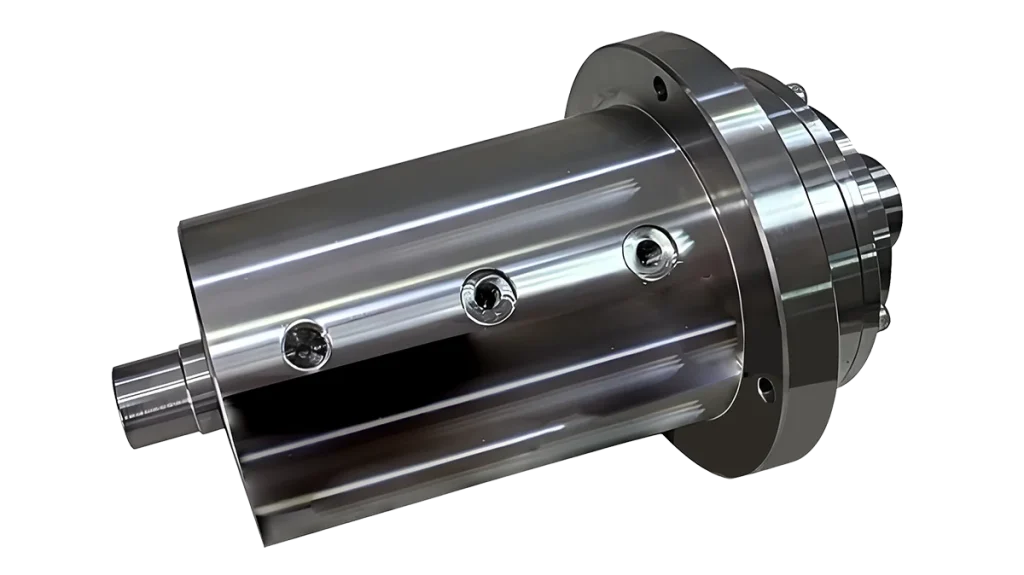
This metal joint is a sleeve type, used to connect metal hoses to unthreaded steel pipes;
Suitable steel pipes: thin steel wire conduit, black and white iron conduit (water and gas conduit);
When selecting a sleeve type metal joint, please pay attention to the specifications and dimensions of the connecting steel pipe and hose.
Installation precautions
We often see pipe joints on fittings in our daily lives. For this type of product, we need to install them effectively to ensure that they can function better. Let’s briefly talk about the installation method of a type of pipe joint – the sleeve type joint. When installing, the first step is to start and stop the sleeve type joint at the outlet of the water or oil pump. The purpose of doing so is to effectively reduce the impact caused by stretching or compression of the sleeve type joint. Therefore, we should add corresponding limit devices to the flange and its two ends. In addition, when installing sleeve type connectors, it is best to use large-diameter connectors. At the same time, in order to carry out installation more effectively and to effectively reduce some factors related to labor intensity, it is best to produce a relatively long short pipe at one end of the flange as a backup! Structure and characteristics:
Self fixing metal hose fittings can connect unthreaded steel pipes or unthreaded equipment outlets to hoses, eliminating the need for threading processes;
This metal joint is self fixing and is used to connect metal hoses to unthreaded steel pipes or unthreaded equipment outlets;
Suitable steel pipes: thin steel wire conduit, black and white iron conduit (water and gas conduit); Classification of various types of rotary joints:
Q series six flower shaped unidirectional rotary joint Q series unidirectional rotary joint
Q-type circular unidirectional rotary joint Q-type series circular bidirectional rotary joint
Q-type high-temperature unidirectional rotary joint Q-type high-temperature bidirectional rotary joint
Q-type double ball bidirectional inner tube fixed rotary joint Q-type double ball bidirectional inner tube rotary joint
Q-type double ball unidirectional rotary joint Q-type steam specific rotary joint
H-type bidirectional inner tube fixed rotary joint H-type bidirectional inner tube rotary joint
H-type unidirectional rotary joint HM type steel continuous casting machine special rotary joint
D-type bidirectional inner tube fixed rotary joint D-type bidirectional inner tube rotary joint
D-type unidirectional rotary joint RL/RF type metal hose
Installation:
1. During the handling and storage of rotary joints, collisions and drops should be avoided to prevent damage to the interface and internal components.
2. Install the machine as concentric as possible to ensure the good operation of the rotary joint.
3. When installing the rotary joint with threaded connection, attention should be paid to whether the thread direction of the inner and outer pipes corresponds to the rotation direction of the drum, and the thread direction of the inner and outer pipes should also be consistent.
4. The connection between the rotary joint and the pipeline must be made using flexible hoses (it is recommended to use metal hoses with good flexibility), and rigid connections are absolutely prohibited.
5. The inlet and outlet of the rotary joint should be directly connected to the hose as much as possible. To reduce the auxiliary weight of the joint and extend its service life.
6. The assembly of the inner tube should pay attention to the matching of dimensions and the auxiliary support of weight. It is recommended to use tolerance fit H8/e7 for the fit between the inner tube and the joint of the internal rotary joint.
7. The support and anti rotation of the rotary joint should be appropriate. Generally, the diameter of the rod should be 2mm smaller than the anti rotation hole to avoid affecting the free adjustment and compensation of the rotary joint.
The rotary joint should be installed correctly according to the installation and use instructions, otherwise its sealing performance and service...
View details
impurities in thermal oil are one of the main causes of oil leakage in rotary joints. Therefore, before solving the...
View details
In the production process of lithium batteries, coating and pressing processes are crucial links. The stability of these processes is...
View details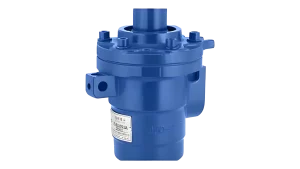
In modern industrial production, solvent-free laminating machines play a crucial role and are widely used in industries such as packaging...
View details