The difference between rotating joints for water and hot oil supply
11The water rotary joint is generally known to have a heat resistance temperature of over 120 degrees Celsius, as the...
View details rotary joints
Search the whole station
1、 Unidirectional flow type is equipped with rotary joints at both ends of the drum, allowing fluid to enter from one end and exit from the other end without using an inner pipe.
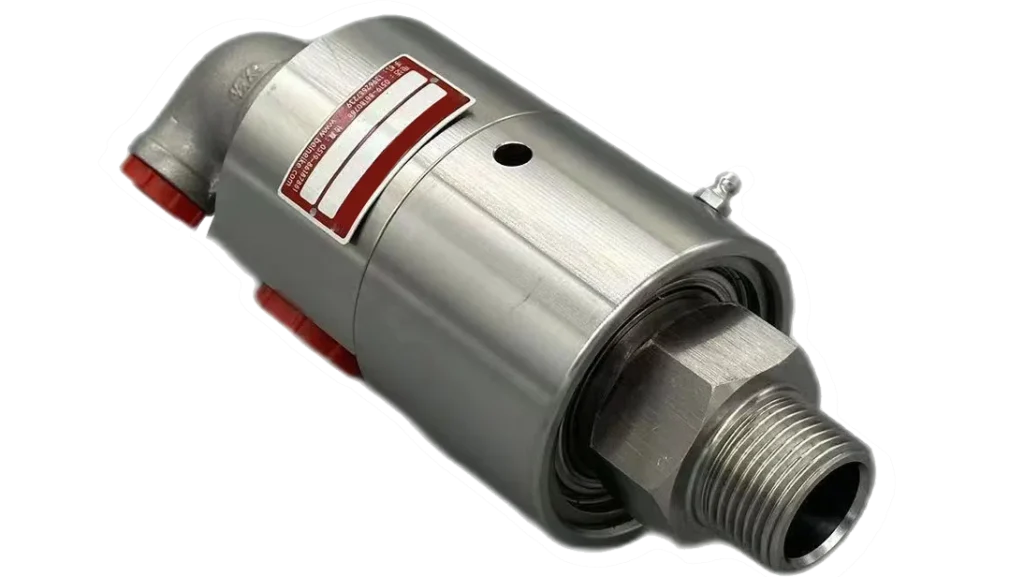
2、 Two way circulation type (fixed inner tube) is equipped with a rotary joint at one end of the drum, and fluid is introduced and discharged at this end. The rotation of the inner tube relative to the drum is stationary.
3、 The difference between the two-way flow type (fixed inner tube) and the previous type is that the rotary joint drum is equipped with different types of siphon tubes to discharge the condensate. This type is mostly used for steam type.
4、 Bi directional flow type (inner tube rotation) is a structure used for rotating joints where the inner tube is relatively fixed to the drum and rotates synchronously with the drum. At this time, fluid is introduced through the inner tube and discharged through the outer tube.
5、 The bidirectional flow type (inner tube rotation) is equipped with a siphon that runs synchronously with the rotating joint drum inside, to discharge the condensate. This type is mostly used for steam type.
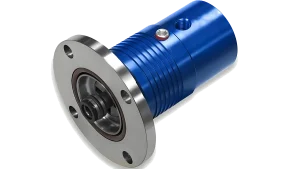
The water rotary joint is generally known to have a heat resistance temperature of over 120 degrees Celsius, as the...
View details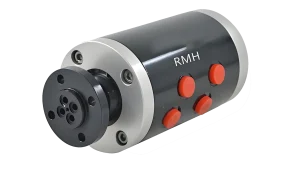
As the name suggests, a rotary joint should have good high temperature resistance and wear resistance. The quality of the...
View details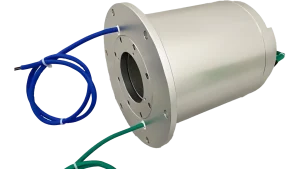
Central through-hole design: The significant feature of through-hole slip rings is the presence of a central through-hole, which allows other...
View details
Wear resistance, long service life, corrosion resistance, and no leakage: The sealing surface and sealing ring of the rotary joint...
View details