 rotary jointsrotary joints
Search the whole station
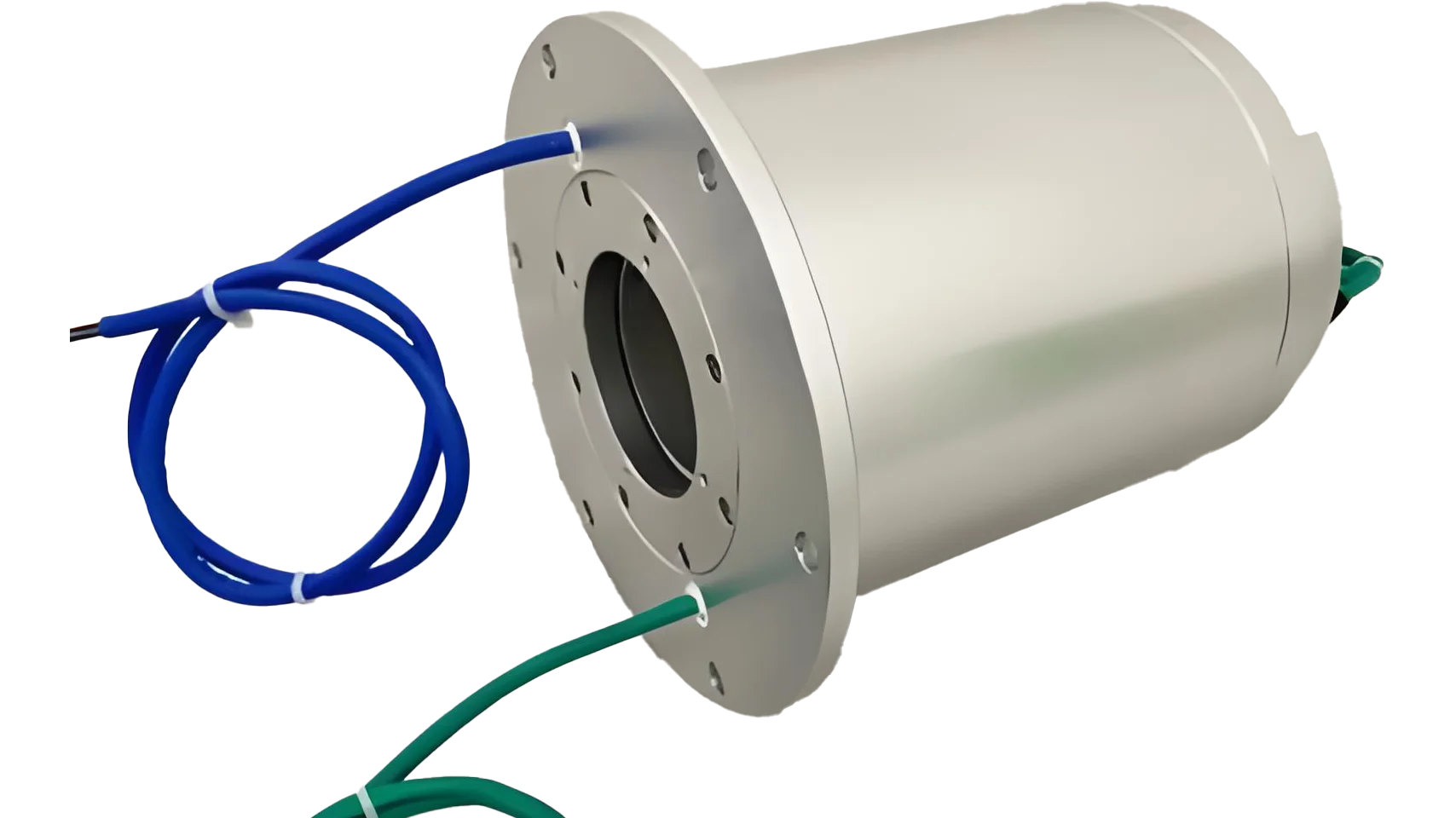
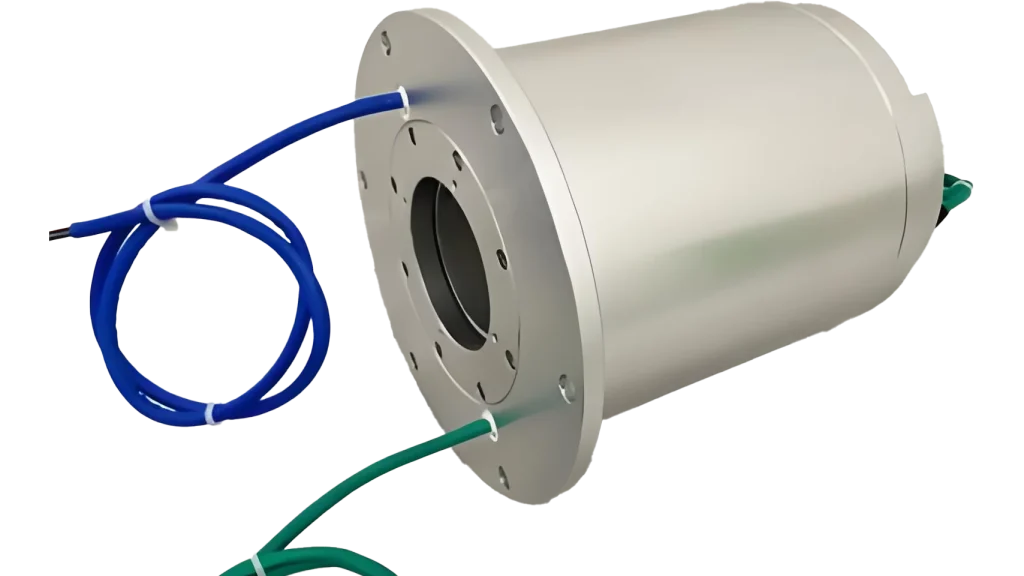
Central through-hole design: The significant feature of through-hole slip rings is the presence of a central through-hole, which allows other components (such as shafts, cables, pipelines, etc.) to pass through, achieving concentric installation between rotating and stationary components. This design can effectively utilize space and make the structure of the equipment more compact and reasonable
characteristic
Central through-hole design: The significant feature of through-hole slip rings is the presence of a central through-hole, which allows other components (such as shafts, cables, pipelines, etc.) to pass through, achieving concentric installation between rotating and stationary components. This design can effectively utilize space and make the structure of the equipment more compact and reasonable.
Multiple signal and power transmission: It can simultaneously transmit multiple types of signals, such as analog signals, digital signals, high-frequency signals, etc. It can also transmit electrical energy of different powers to meet the power supply and signal transmission needs of various electronic devices and actuators in rotating equipment.
Reliable Contact: Precious metal alloy brushes and high-precision conductive rings are usually used to ensure good electrical contact between the electric brush and the conductive ring during rotation, reducing contact resistance and wear, and improving transmission stability and reliability.
advantage
High space utilization: The design of the central through-hole allows the slip ring to be installed coaxially with other components, saving a lot of radial space. It is particularly suitable for rotating equipment with limited space, such as robot joints, rotating workbenches, medical equipment, etc., which helps with the miniaturization and lightweight design of the equipment.
Easy installation: The installation method of through-hole slip rings is relatively simple, just fit it on the rotating shaft and make appropriate fixing and electrical connections, without the need for complex installation structures and additional space layout, reducing installation difficulty and cost, and improving equipment assembly efficiency.
Strong compatibility: Due to the universality of its central through-hole, the through-hole slip ring can be matched with various types and specifications of rotating equipment. Only the appropriate slip ring model needs to be selected according to the specific shaft diameter, signal requirements, and power requirements. It has strong compatibility and interchangeability, making it convenient for equipment upgrades and maintenance.
Stable performance: Using advanced manufacturing processes and high-quality materials, the through-hole slip ring can maintain stable performance under high-speed and long-term operation, with low electrical noise, high insulation resistance, and good anti-interference ability, ensuring the quality and reliability of signal and energy transmission, reducing equipment failures and downtime.
Long service life: The application of good contact performance and wear-resistant materials enables the electric brushes and conductive rings of through-hole slip rings to have a long service life, withstand frequent rotational movements and electrical loads, reduce equipment maintenance costs and replacement frequency, and improve the overall operating efficiency and economy of the equipment.
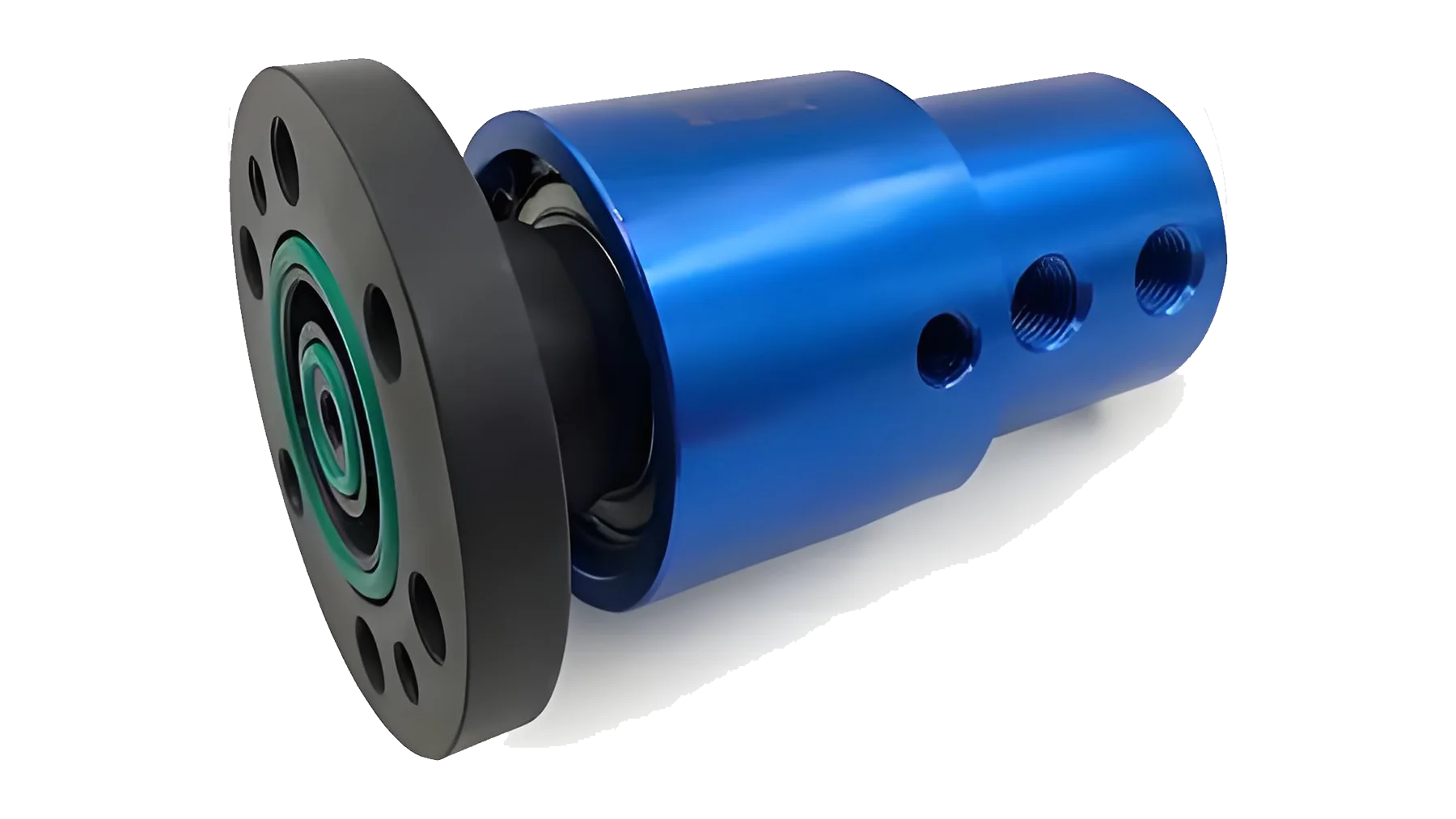
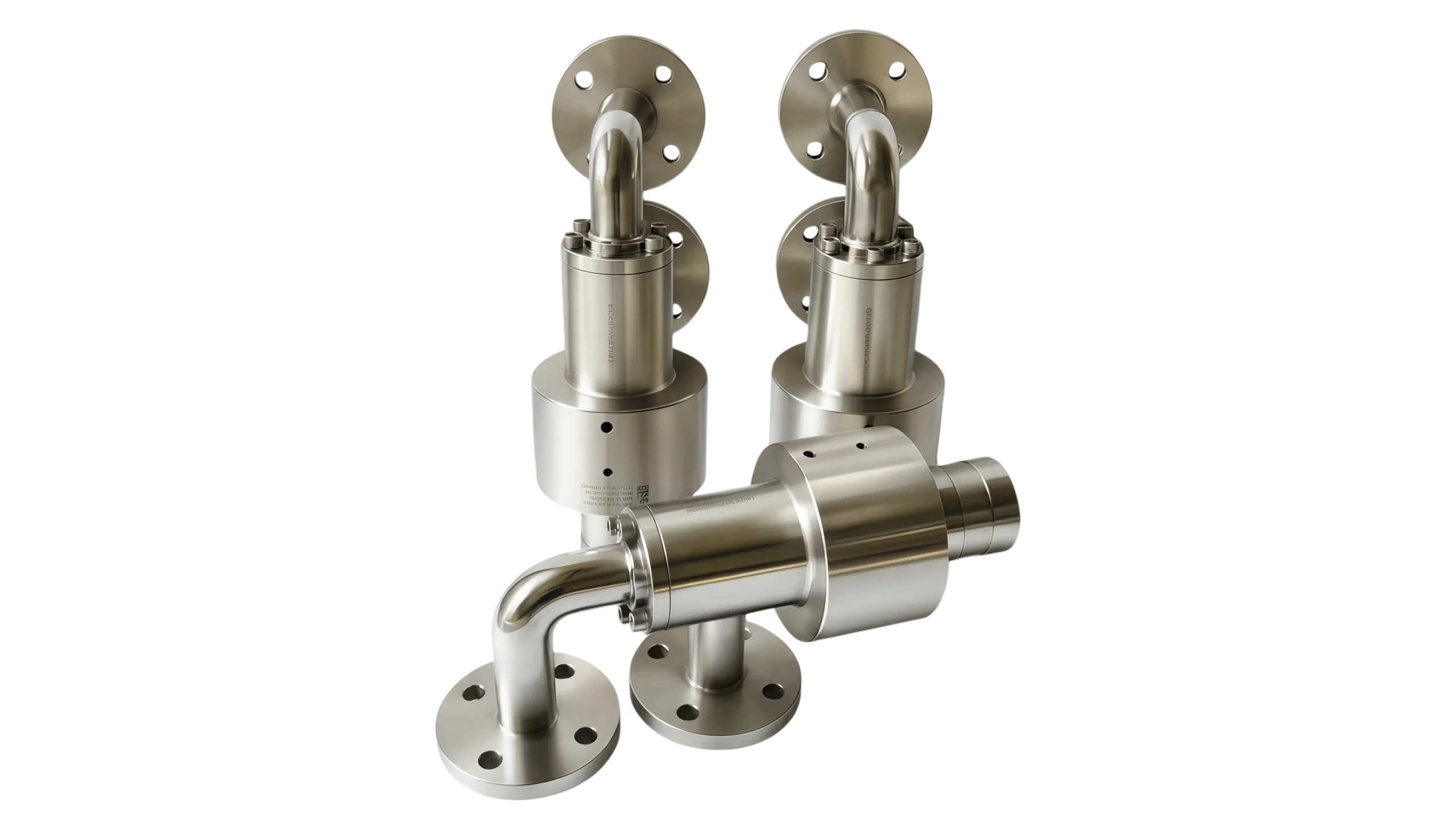
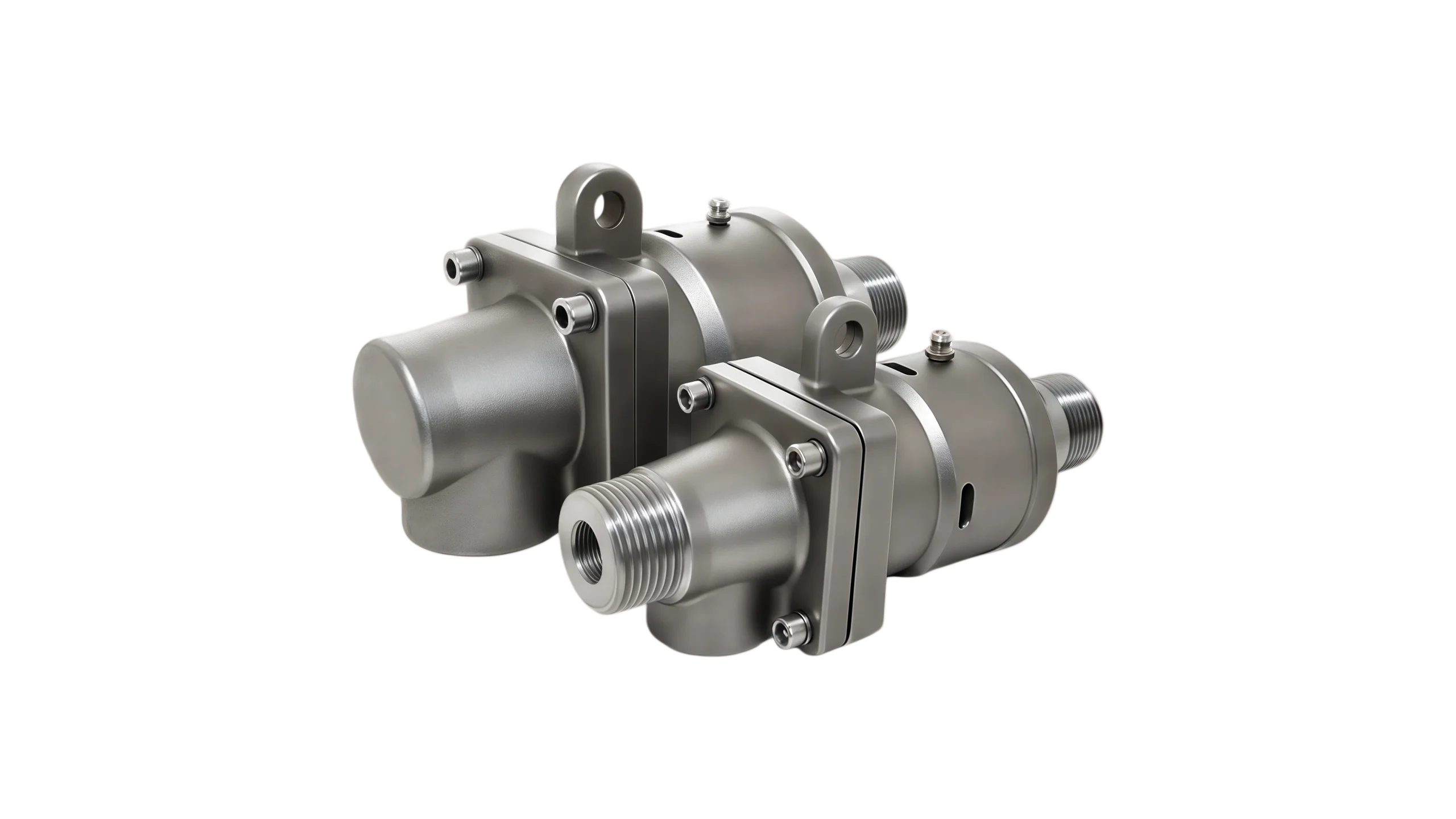
A rotary joint is a sealing device that connects stationary pipelines and rotating equipment, achieving leak free fluid transmission under 360 ° rotation. It allows fluid media to flow smoothly between fixed pipelines and rotating machines, and is a key component in industrial equipment
F90 swivel unions Transporting equipment components from a fixed pipeline system to high-speed rotating or reciprocating motion
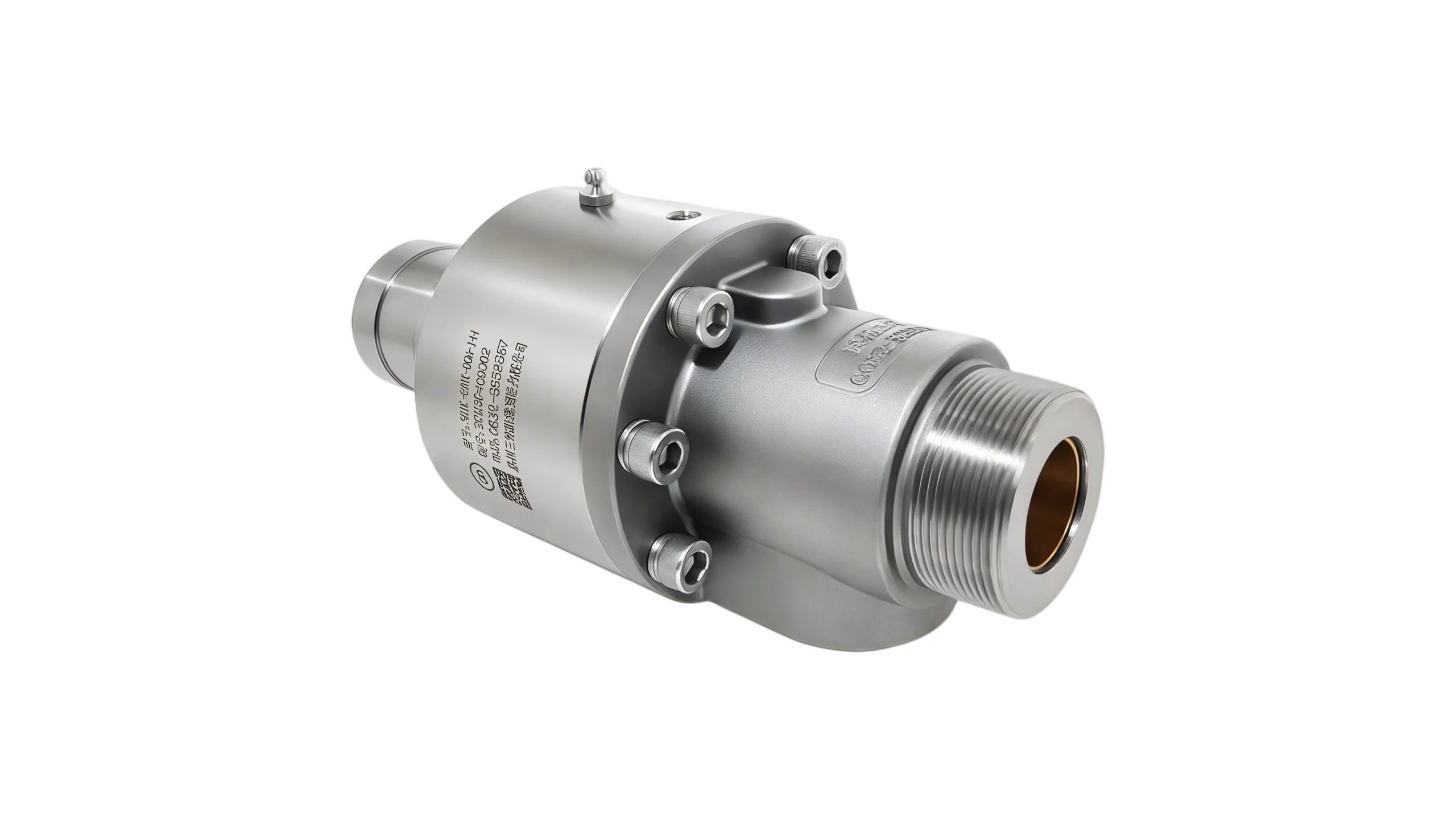
Q32 swivel unions
JD40 rotary joint is a key sealing component in industrial fluid transmission systems, usually referring to a rotary connection device with a diameter of DN40 (or corresponding British caliber). As a transitional sealing device that transports fluid media (such as water, steam, hydraulic oil, thermal oil, compressed air, etc.) from static pipelines to dynamic rotating or swinging equipment