Sealing material for high-pressure rotary joints
13As the name suggests, a rotary joint should have good high temperature resistance and wear resistance. The quality of the...
View details rotary joints
Search the whole station
The water rotary joint is generally known to have a heat resistance temperature of over 120 degrees Celsius, as the temperature of water is only 100 degrees Celsius for boiling water. So the temperature resistance of this type of rotary joint is generally not designed to be very high, as long as it can meet the requirements. So the question is whether it is possible to use this type of water rotary joint to connect thermal oil, and if so, what problems may arise?
Here we are conducting an experiment. In theory, it is dangerous and time-consuming to not operate in this way in actual production.
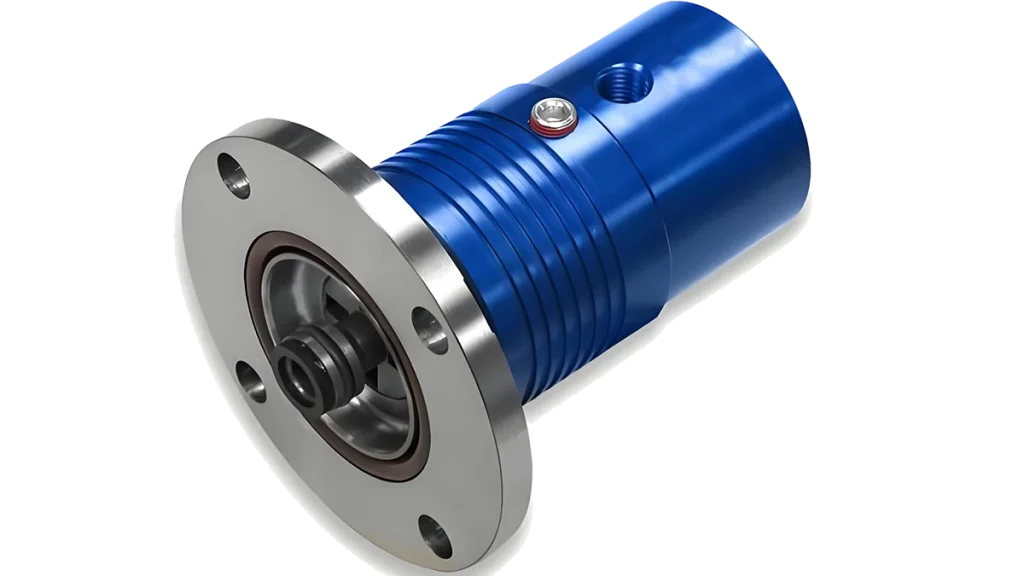
Firstly, as mentioned above, the heat-resistant design of the water supply rotary joint is not very high, and the heat transfer oil is generally stable and may reach 200 ℃ or above. Therefore, this temperature will inevitably cause cracks and other problems on the inner wall of the rotary joint due to high temperature. Additionally, the sealing gasket may shrink due to high temperature. If the bearing is not a high-temperature bearing, it may explode or other situations may occur. At least one situation is that if there is a problem with the gasket, the heat transfer oil will definitely enter the bearing interlayer, so the bearing rotation will definitely face resistance and problems. The ultimate problem is leakage. If workers accidentally touch it, it may also cause burns and other situations. So please do not use a general water rotary joint as a transmission channel for high-temperature media such as thermal oil.
In summary, water and hot oil rotary joints cannot be shared. Due to the different temperatures of the medium, manufacturers may use different internal seals when equipping rotary joints. Therefore, customers need to clearly explain the parameters of the rotary joint to the technical personnel when using it, so that they can recommend which rotary joint is suitable for our use.
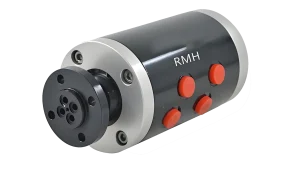
As the name suggests, a rotary joint should have good high temperature resistance and wear resistance. The quality of the...
View details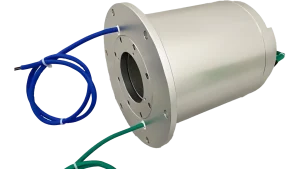
Central through-hole design: The significant feature of through-hole slip rings is the presence of a central through-hole, which allows other...
View details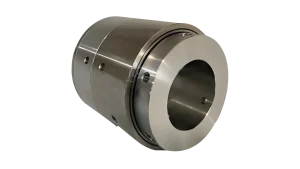
Wear resistance, long service life, corrosion resistance, and no leakage: The sealing surface and sealing ring of the rotary joint...
View details
High speed machining center and five axis linkage equipment: used for tool internal cooling (center water/air outlet), improving the stability...
View details