Special rotary joint for printing/injection molding machines
12Rotary joints play a crucial role in the efficient operation of printing and injection molding machines. A high-quality specialized rotary...
View details rotary joints
Search the whole station
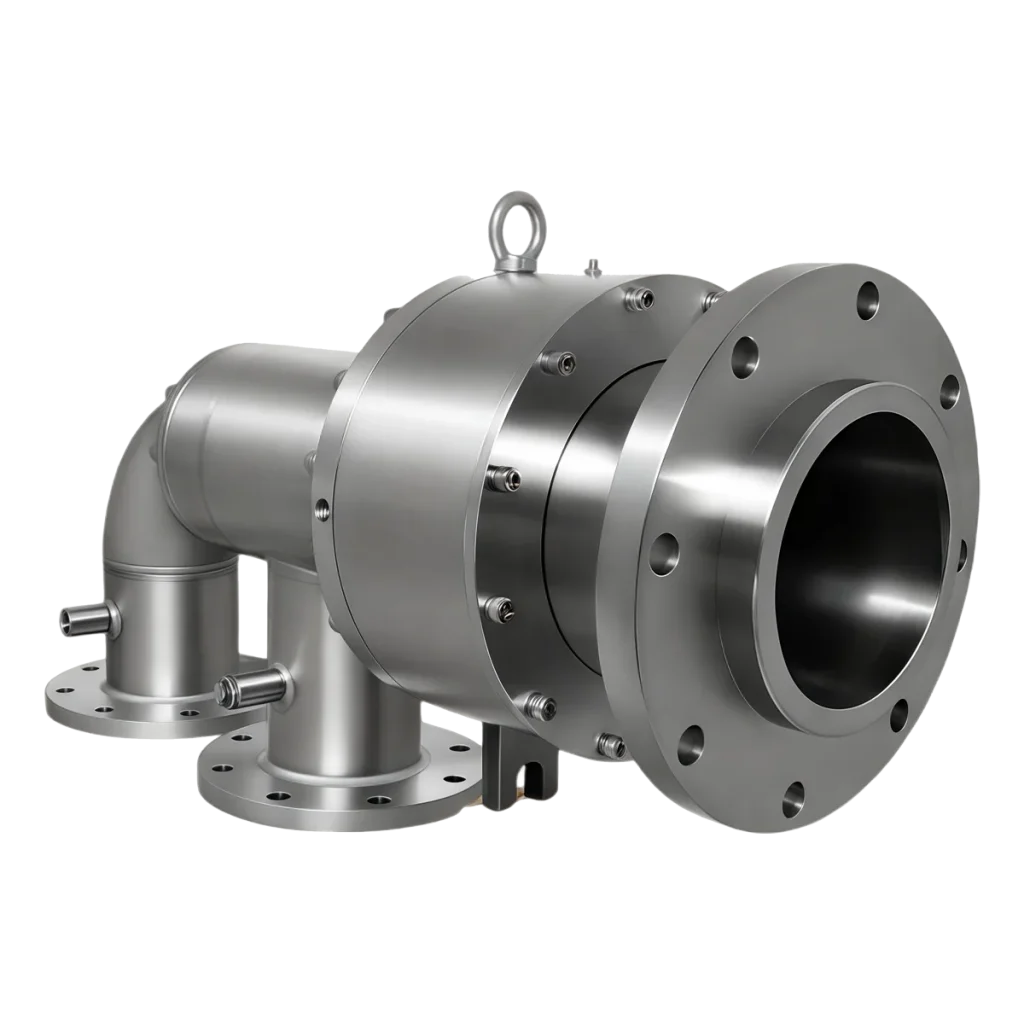
in the vast system of modern industry, heavy equipment is the main force of production, and its efficient and stable operation is crucial. The large-diameter rotary joint, as a key component connecting stationary pipelines and rotating equipment, is quietly playing the core role of a “fluid hub”, providing indispensable support for the smooth operation of heavy equipment. Large caliber rotary joints achieve stable transmission of liquids, gases, and other media under high-speed rotating conditions through high-precision sealing and dynamic balance design. It is like the joints of the human body, although not large in size, it can flexibly connect various parts, ensuring that the fluid medium circulates in the “body” of the device like blood. Whether in high-temperature and high-pressure steel smelting workshops, on turbulent ocean ships, or in chemical plants with complex chemical reactions, large-diameter rotary joints can ensure the continuous operation of equipment with their excellent performance.
eight million eight hundred and seventy-five thousand eight hundred and eighty-seven
In the steel industry, continuous casting machines are key equipment for production. During the casting process of fiery red molten steel, a large amount of cooling water is required to ensure the quality of the steel. The large-diameter rotary joint is installed on the crystallizer and cooling roller of the continuous casting machine, which can stably transport the cooling water to the parts that need to be cooled, and discharge the heated water to form a circulating cooling system. If the rotary joint malfunctions and the cooling water cannot be supplied normally, it will lead to high casting temperature, quality problems such as cracks and deformation, and may even cause production accidents, resulting in huge economic losses. In shipbuilding, various large mechanical equipment such as cranes, servos, etc. require rotating joints to achieve the transmission of fluid media. During navigation, ships are subjected to various external forces such as waves and sea winds, resulting in significant vibrations and impacts on equipment. Large caliber rotary joints must have good sealing performance and anti vibration ability to ensure stable transmission of hydraulic oil, lubricating oil and other media during equipment rotation, ensuring the normal operation of the equipment. Otherwise, once a leak occurs, it will not only affect the performance of the equipment, but may also cause pollution to the marine environment.
In the field of chemical engineering, many reaction processes require high temperature, high pressure, and strong corrosive environments. Large caliber rotary joints need to withstand harsh working conditions to accurately transport various chemical media to the reaction equipment. For example, in petrochemical distillation towers, rotary joints are responsible for transporting high-temperature steam and liquids to various parts of the tower, achieving material separation and purification. If the sealing performance of the rotary joint is poor, resulting in medium leakage, it may cause serious safety accidents such as fire and explosion, posing a huge threat to personnel life and property safety. Large caliber rotary joints play a crucial role in heavy equipment. It not only solves the problems of limited flow, sealing failure, and complex installation and debugging of traditional joints, but also ensures the continuous operation of heavy equipment, becoming an indispensable key component in industrial production. With the continuous development of industrial technology, the performance requirements for large-diameter rotary joints are also increasing. Their future development prospects are broad and worthy of our in-depth research and attention.
Rotary joints play a crucial role in the efficient operation of printing and injection molding machines. A high-quality specialized rotary...
View details
n industries such as petrochemicals, metallurgy, and power, rotary joints are key equipment for achieving medium transmission between rotating components...
View details
In industrial pipeline systems, rotary joints are key components responsible for achieving stable transmission of fluid media between fixed pipelines...
View details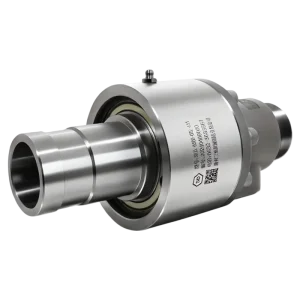
During the operation of a vertical packaging machine, the rotating joint of the transverse sealing shaft plays a crucial role...
View details