What are the model classifications of high-speed rotary joint
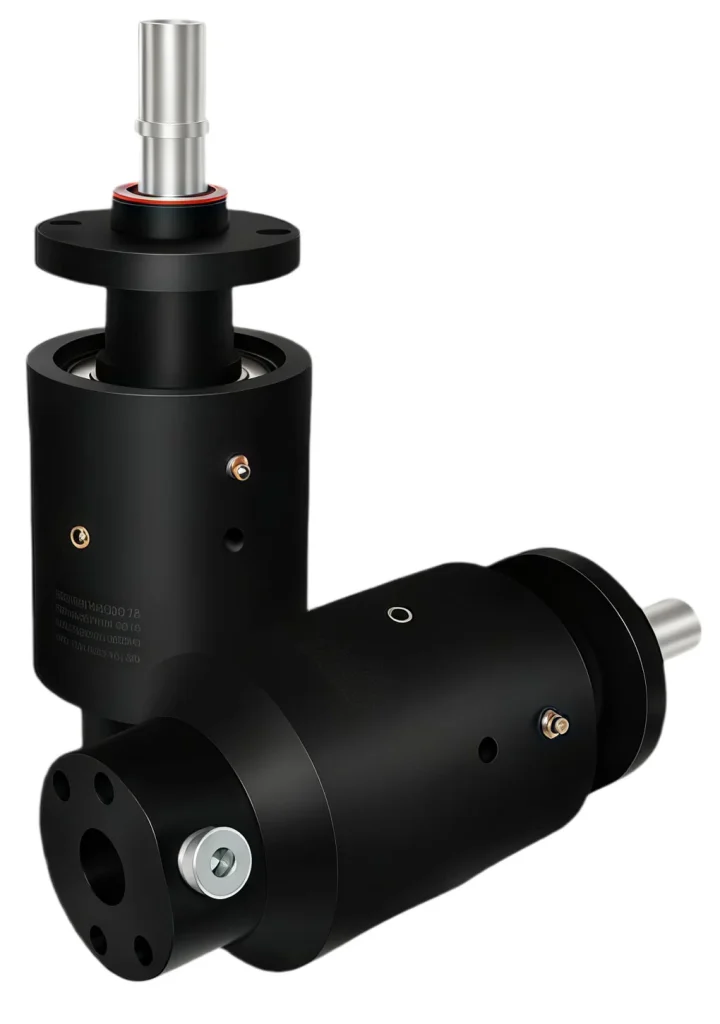
43A high-speed rotary joint is a precision mechanical device used for transmitting fluid media
View details rotary joints
Search the whole station
Due to differences in structural characteristics, tolerance parameters (pressure, temperature, speed, etc.), and functional design, different types of rotary joints have significantly different application scenarios, as detailed below:
1. Divided by the number of pathways
Single-channel rotary joint
The structure is simple, capable of transmitting only one type of fluid (such as a single liquid, gas, or steam), and has a relatively low cost.
Application scenario: Simple rotating equipment suitable for one-way fluid transmission, such as:
Paper machine drying cylinder (transmitting steam for heating and drying paper)
Plastic calender roller (transmitting hot oil or steam to control temperature)
Dyeing machine guide roller (transmitting hot water or steam for dyeing and finishing)
Multi-channel rotary joint
The interior is equipped with multiple independent flow channels, allowing for the simultaneous transmission of various fluids (such as hydraulic oil and cooling water, different types of ink, etc.), thus preventing fluid mixing.
Application scenario: Applicable to complex rotating equipment that requires the collaborative work of multiple media, such as:
Engineering machinery hydraulic slewing mechanism (simultaneously transmitting hydraulic oil and coolant)
Medical rotational imaging instrument (transmitting contrast medium and cooling liquid)
Multi-color printing machine roller (transmitting different color inks and cleaning solutions)
II. Classification by sealing method
Mechanical seal rotary joint
The sealing is achieved through precise coordination between the rotating and stationary rings, featuring excellent high-pressure and high-temperature resistance, as well as high sealing reliability. However, the structure is relatively complex and the cost is high.
Application scenario: It is suitable for working conditions with high pressure, high temperature, or strict sealing requirements, such as:
Petrochemical reaction kettle (transmitting high-temperature and high-pressure media such as hot oil and steam)
Power plant steam turbine (transmitting high-pressure steam)
Rotating nozzle of high-pressure cleaning equipment (transmitting high-pressure water)
O-ring sealed rotary joint
Sealing is achieved through the elastic deformation of rubber O-rings, which feature a simple structure and low cost. However, they exhibit poor temperature resistance (typically ≤120℃), pressure resistance (typically ≤1MPa), and wear resistance.
Application scenario: Applicable to low-pressure, normal temperature, and fluid-clean environments, such as:
Food processing machinery mixing shaft (for transmitting cooling liquid or sterile water)
Rotating conveyor roller for packaging machinery (transmitting compressed air)
III. Classification by Rotational Speed
Low-speed rotary joint (typically ≤500 rpm)
The design of the sealing structure focuses on static sealing stability, with weaker adaptability to rotational speed, but it can withstand higher pressure.
Application scenario: Applicable to low-speed, high-load equipment, such as:
Rubber vulcanizing machine (transmitting steam or hot oil, with low speed but requiring pressure resistance)
Rotating filter cylinder of wastewater treatment equipment (transmitting cleaning water)
High-speed rotary joint (typically ≥1000 rpm)
Utilizing lightweight structures and high-precision bearings, the impact of centrifugal force is minimized, and the seals exhibit strong wear resistance.
Application scenario: Suitable for high-speed rotating equipment, such as:
Centrifugal dryer (transmitting hot air during high-speed rotation)
CNC machine tool spindle (transmitting cutting fluid, requiring compatibility with high-speed spindle rotation)
IV. Classification by transmission medium type
Liquid rotary joint (for transmitting water, oil, coolant, etc.)
The sealing design focuses on preventing liquid leakage, and the structure adapts to the viscosity characteristics of the liquid.
Application scenarios: such as injection molding machines (transmitting cooling water circuits) and steel rolling machines (transmitting cooling lubricating oil).
Gas rotary joint (for transmitting compressed air, steam, inert gas, etc.)
Strict control of gas leakage is necessary, and usually a tighter sealing structure is employed.
Application scenarios: such as rotary components of pneumatic tools (transmitting compressed air) and rotary joints of steam irons (transmitting high-temperature steam).
Powder/slurry rotary joint
The flow channel design prevents blockage, and the seals are wear-resistant (suitable for particulate media).
Application scenarios: such as ceramic forming equipment (transferring ceramic slurry) and grain processing machinery (transferring powder materials).
In summary, when selecting a rotary joint, it is necessary to make a comprehensive judgment based on parameters such as the passage requirements, medium characteristics, rotational speed, pressure, and temperature of the specific application scenario, to ensure the stability of fluid transmission and the operational efficiency of the equipment.
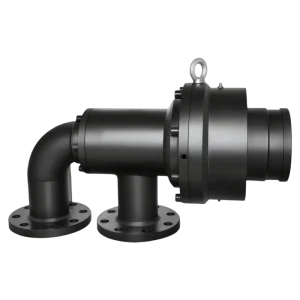
A high-speed rotary joint is a precision mechanical device used for transmitting fluid media
View details
how to install and maintain rotary joint, How to correctly install and maintain a rotary joint, right to install rotary...
View details
What should be considered when selecting a rotary joint, how to select a rotary joint, rotary joint
View detailsWhat is a rotary joint and what is its function, What is a rotary joint, what is rotary joint function
View details