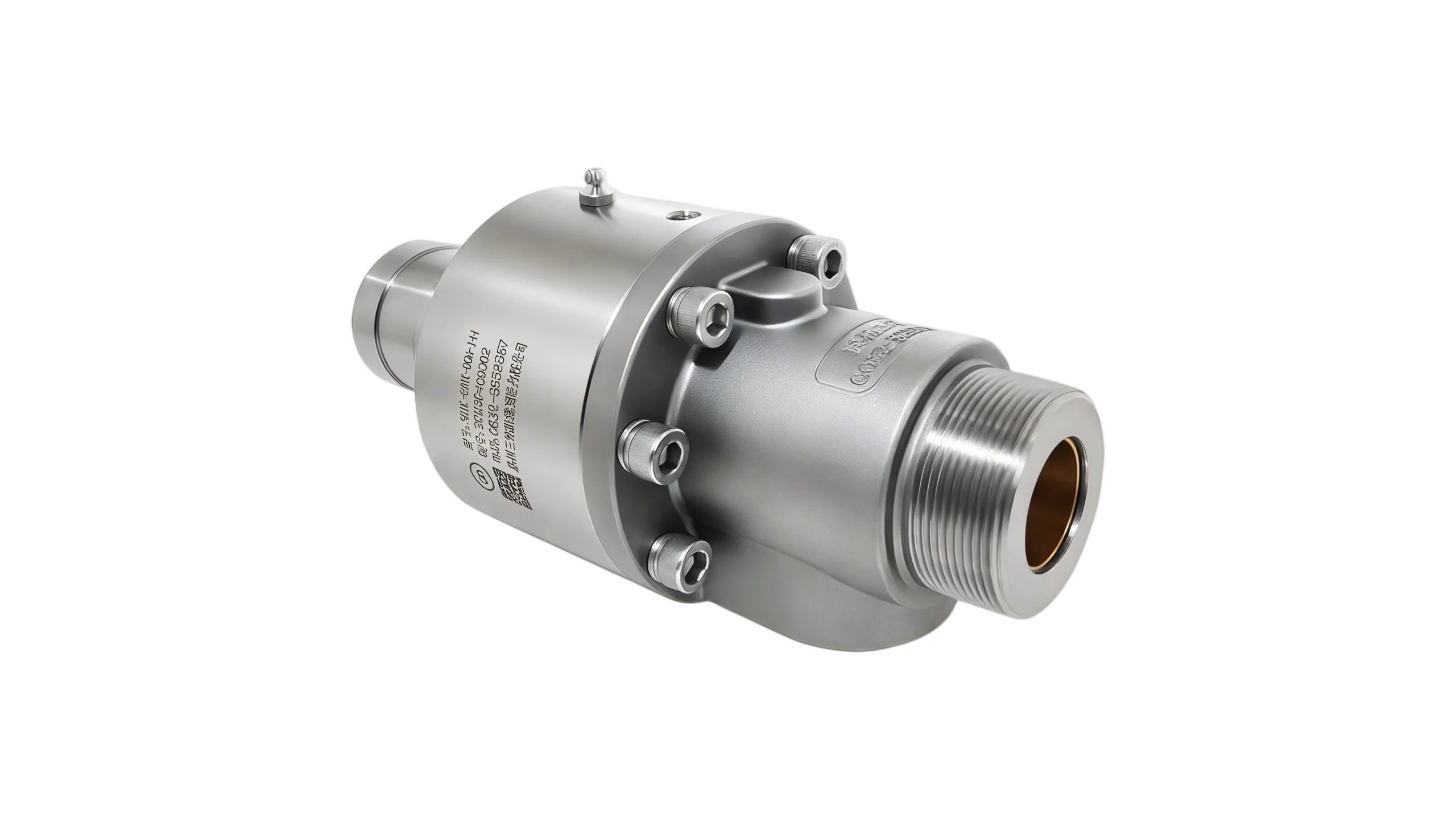
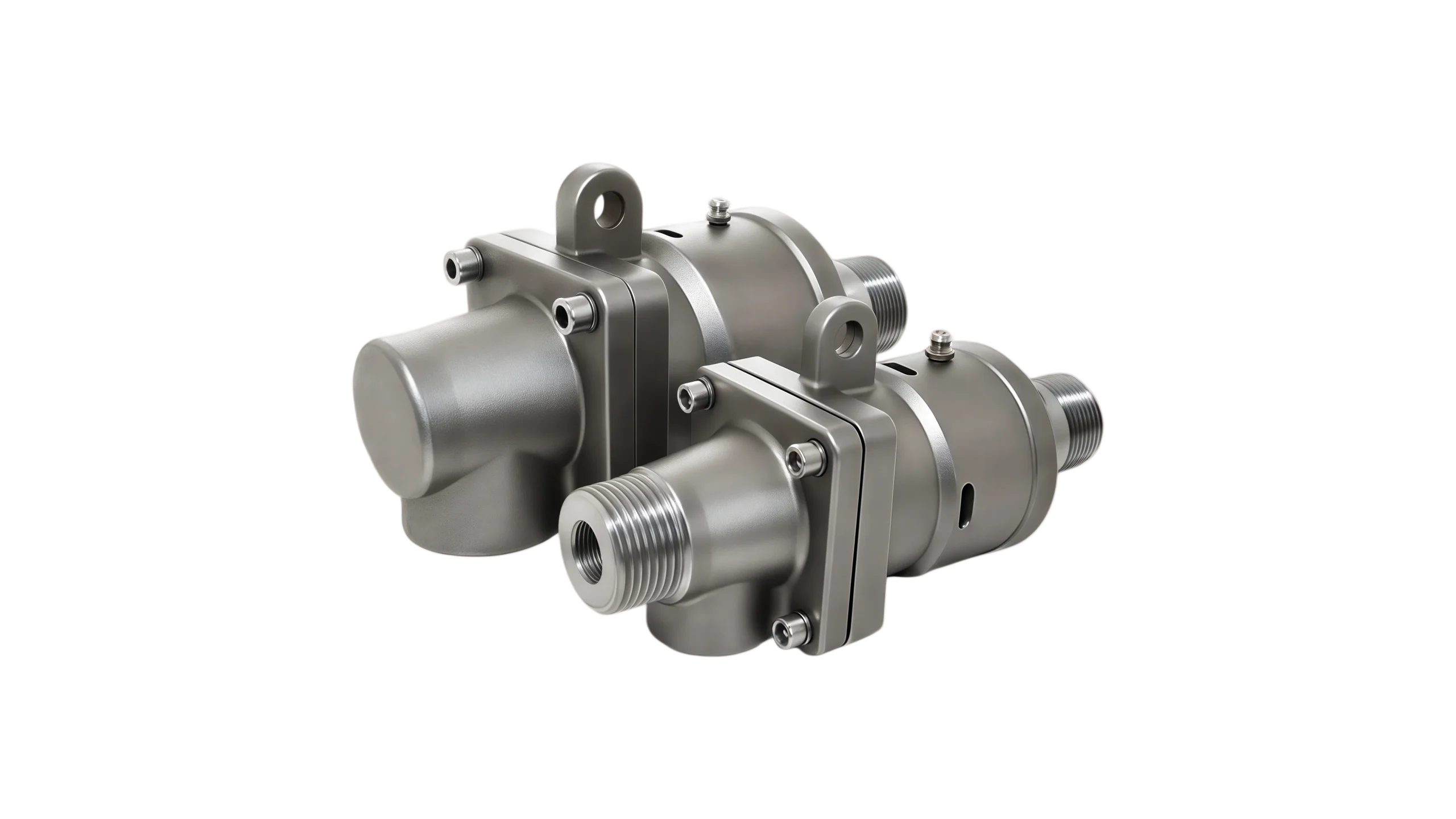
 rotary jointsrotary joints
Search the whole station
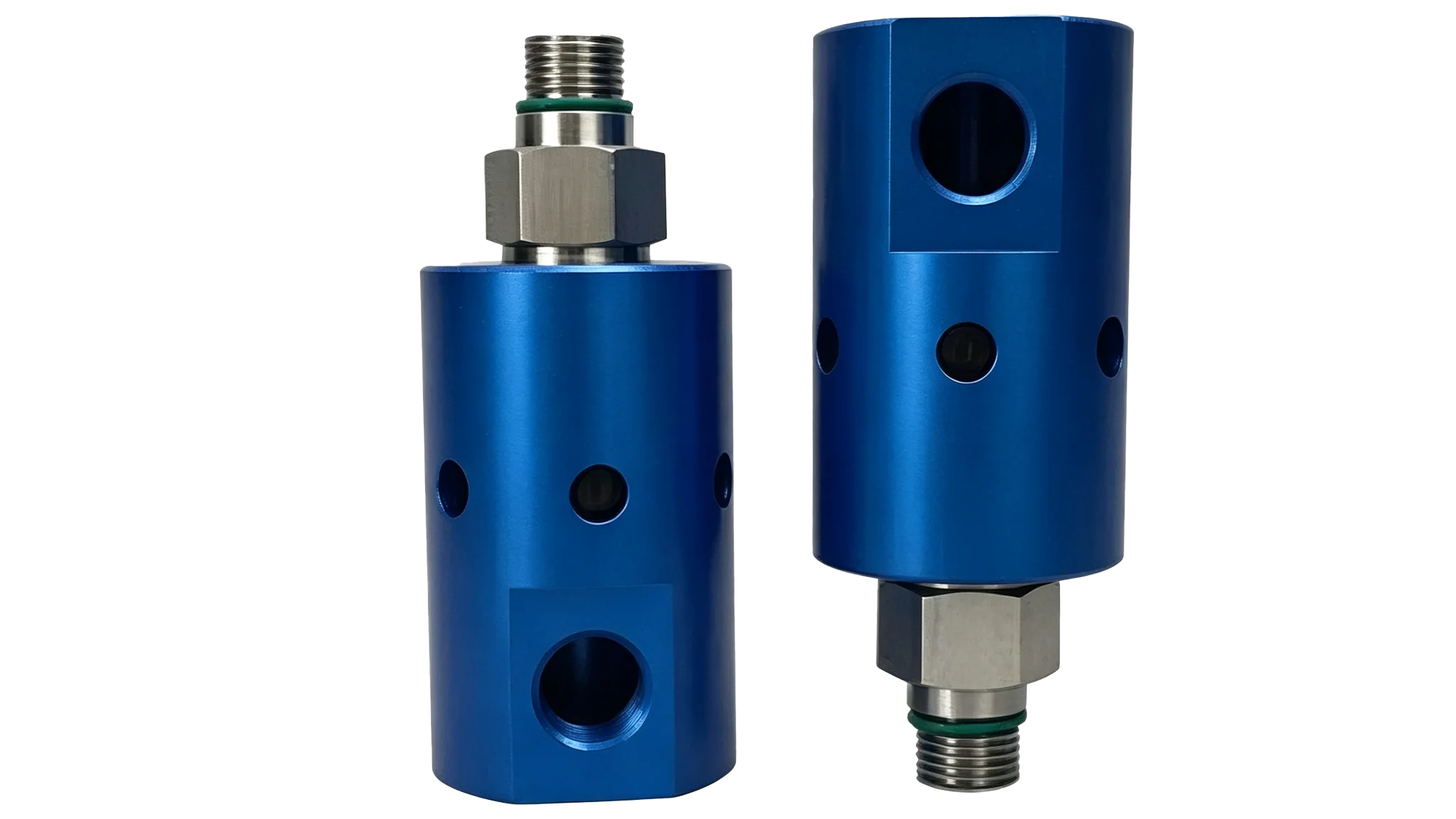
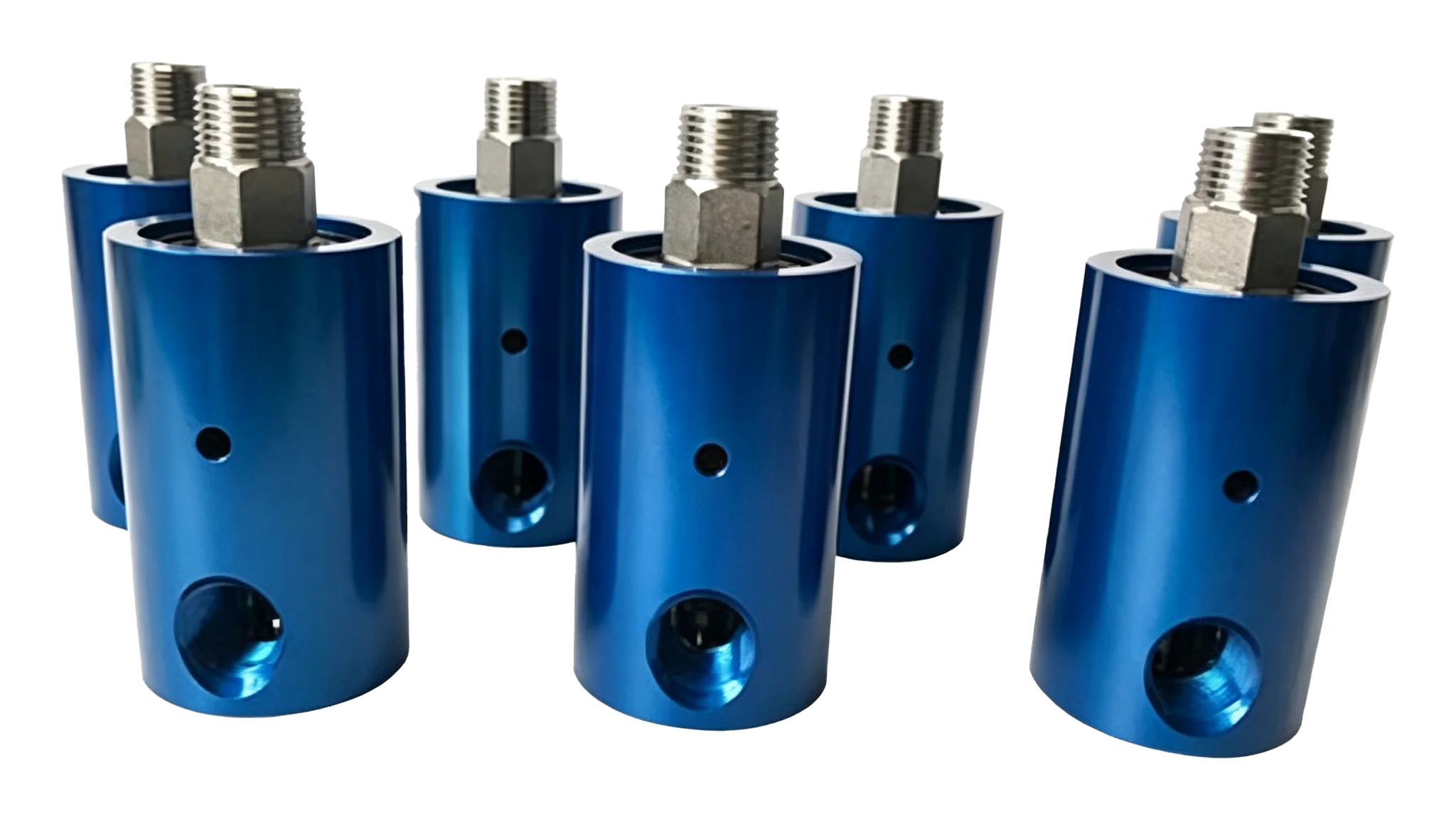
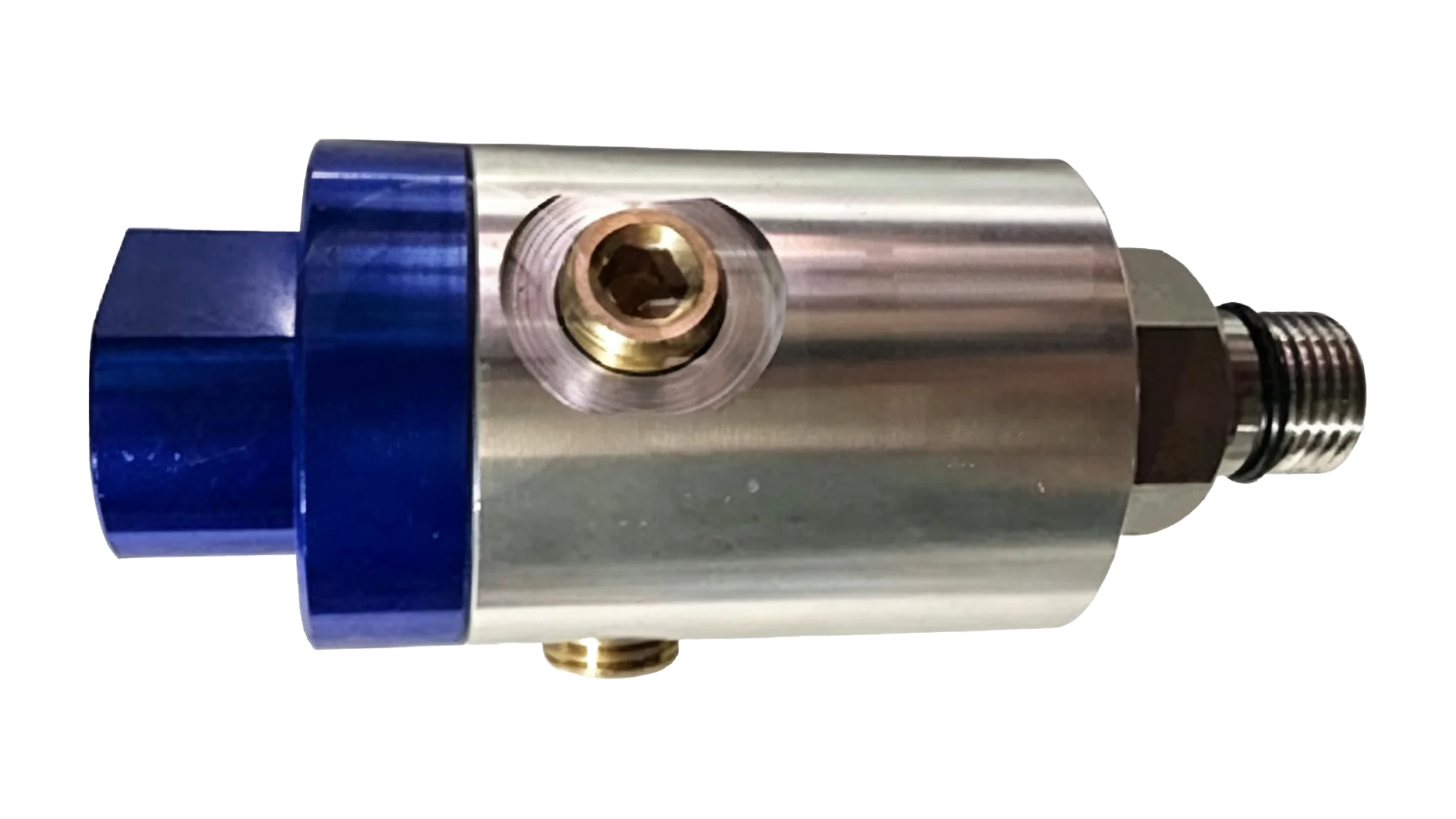
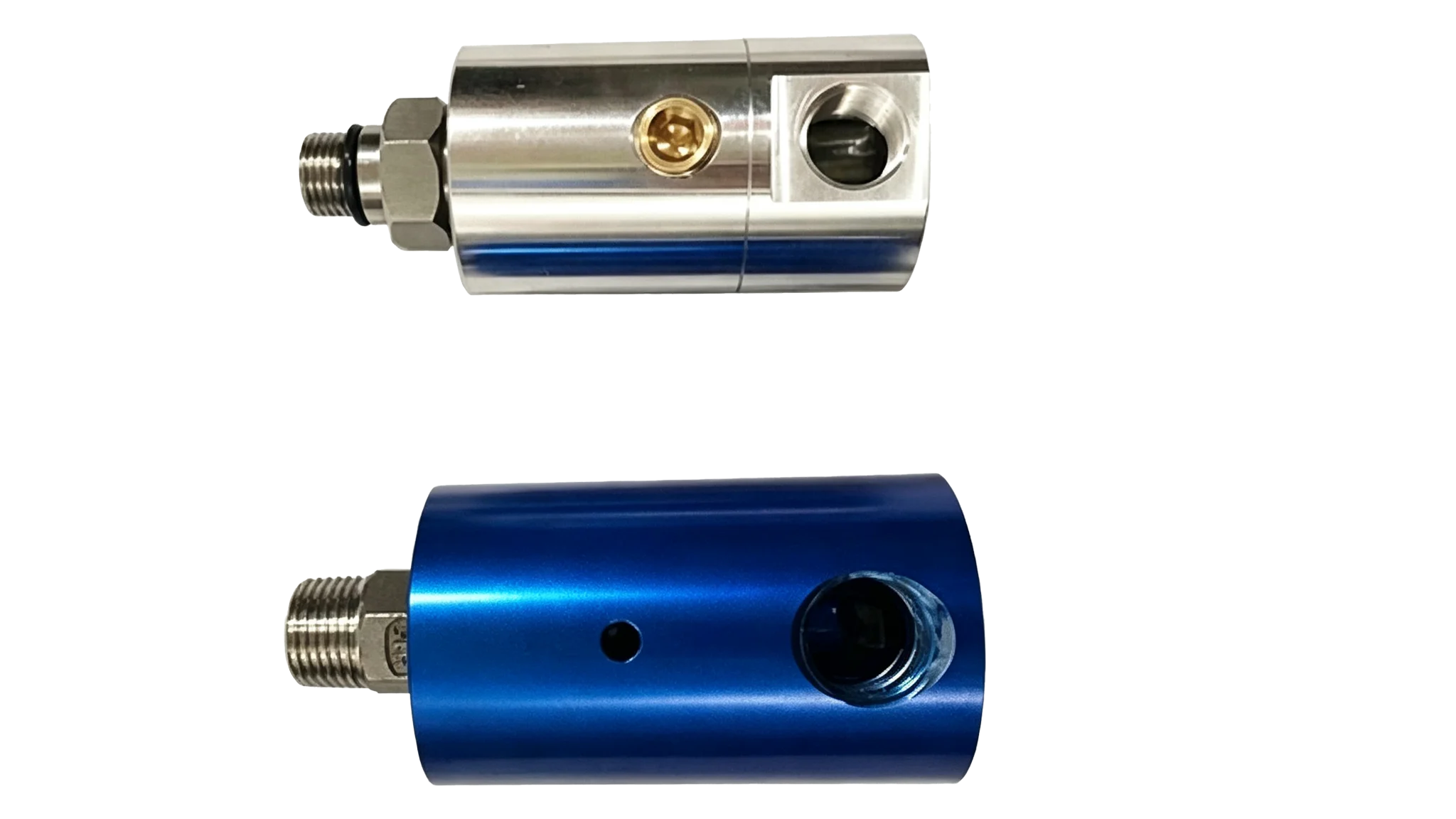
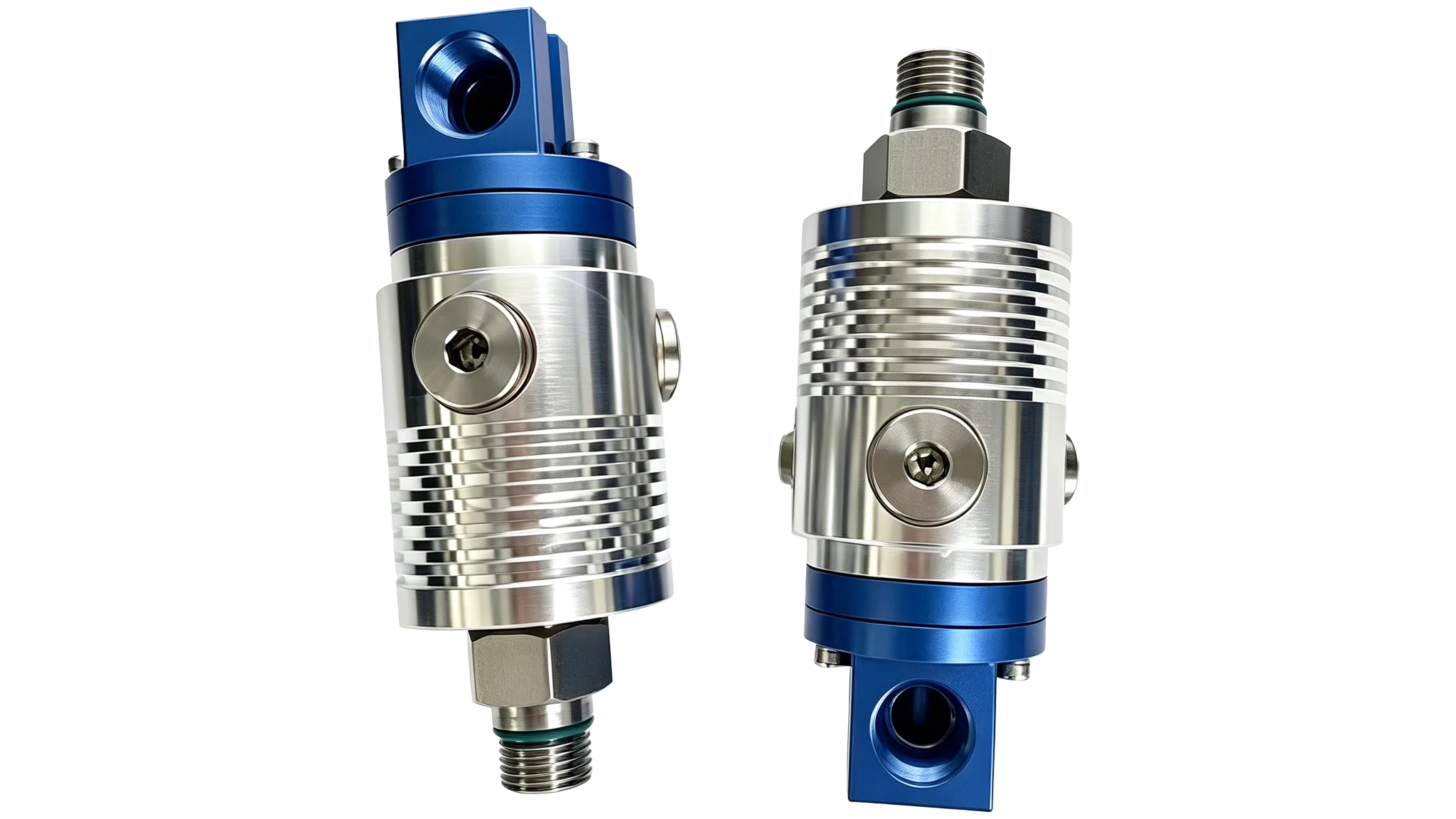
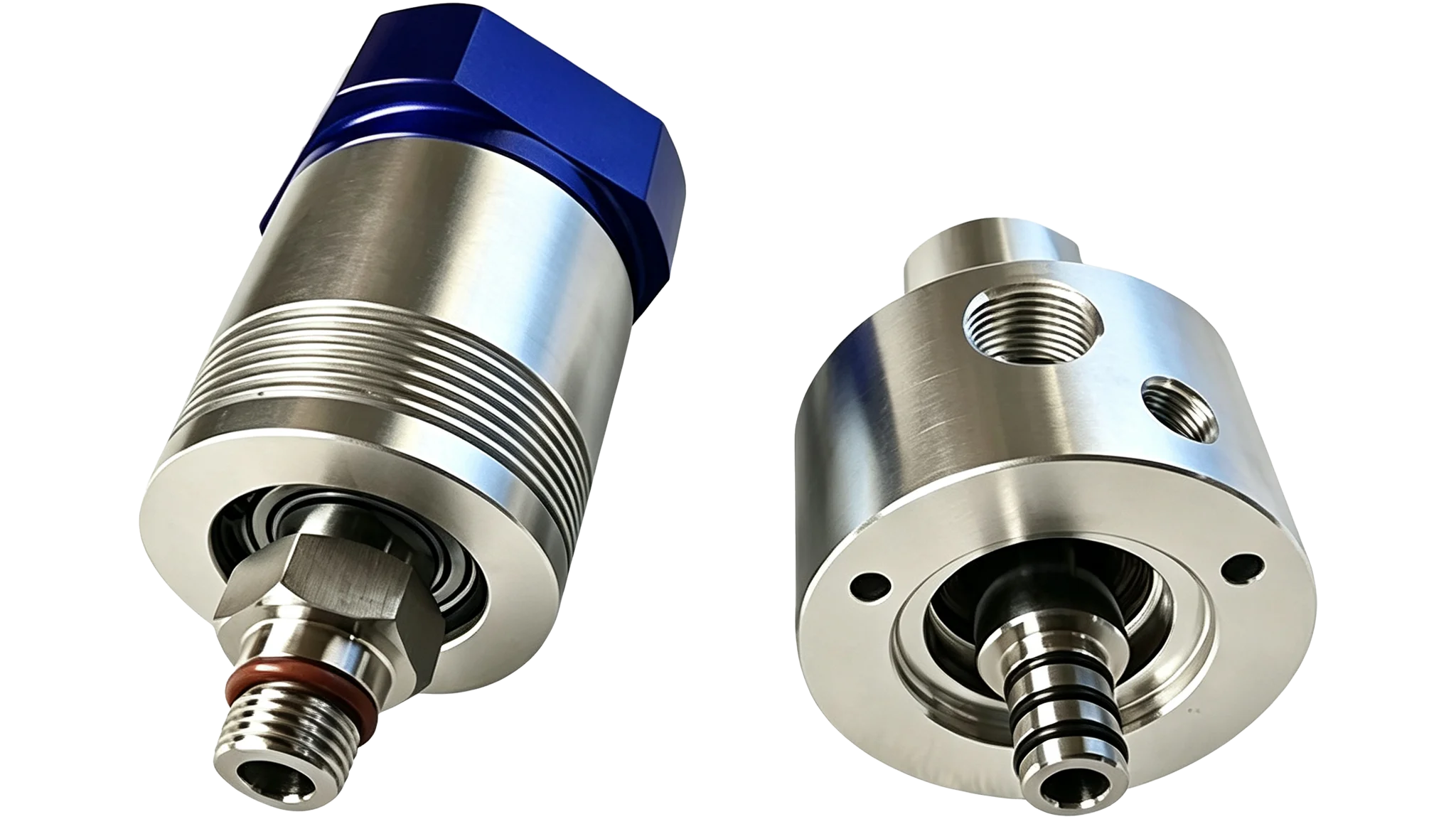
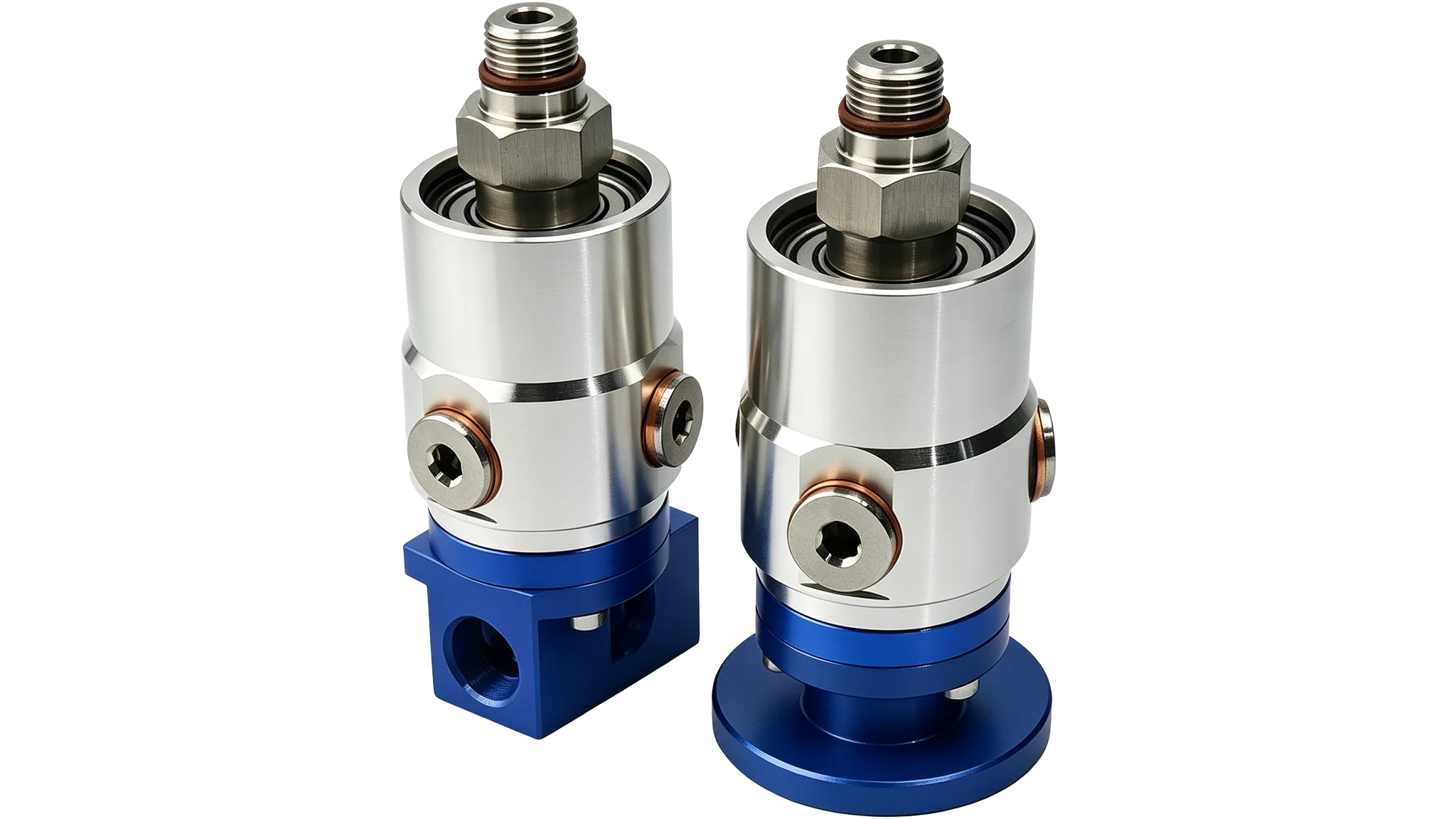
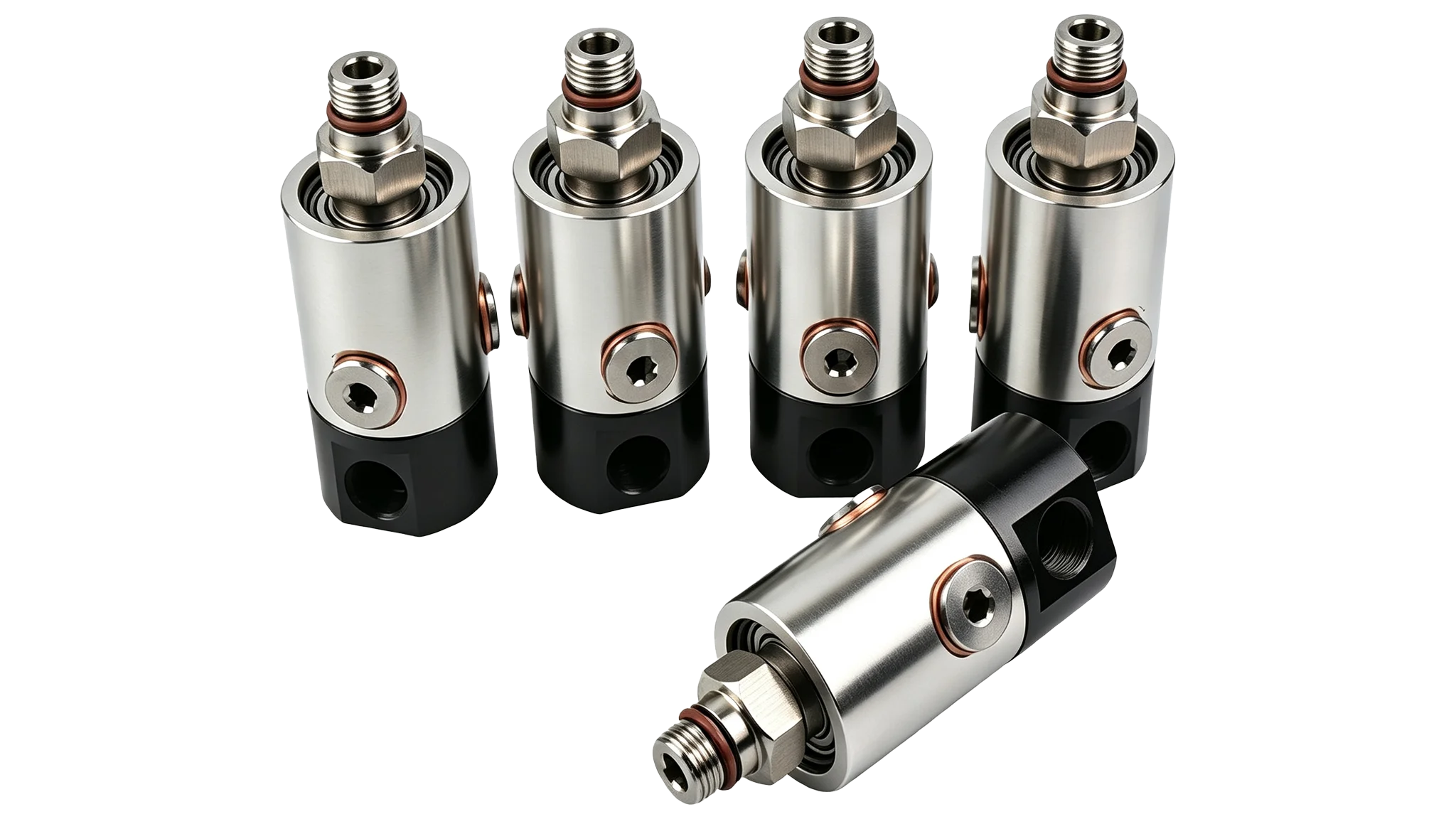
The CNC machining center water outlet rotary joint is a high-speed fluid sealed transmission device designed specifically for the internal cooling system of machine tool spindles. Its core function is to continuously and leak free coolant (water/emulsion) from stationary pipelines into the high-speed rotating spindle center hole, achieving internal cooling and chip removal of the tool
Machining center water outlet rotary joint 1109 902-141-188 2620 customized processing
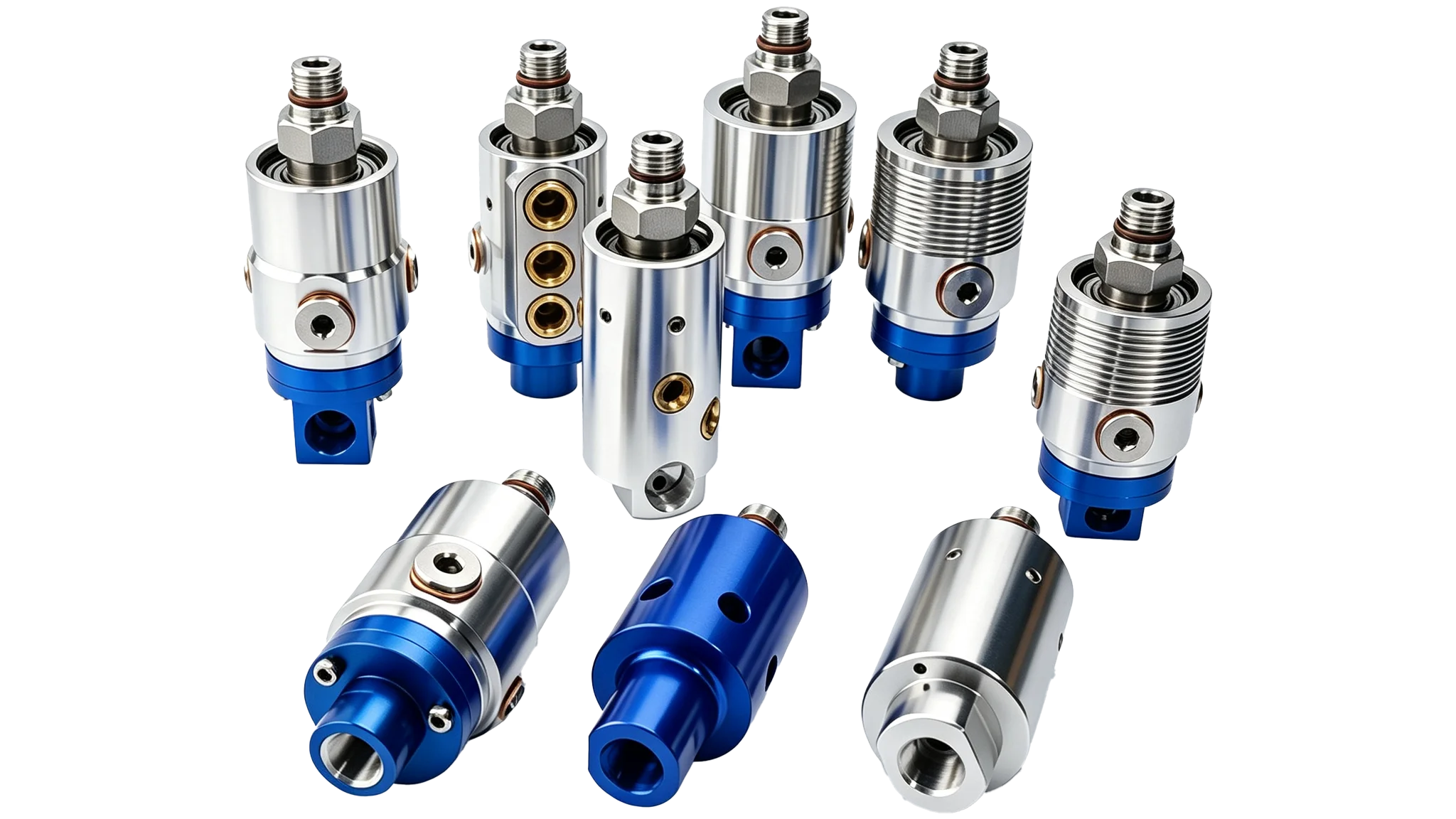
SD’s A-series rotary joint is a high-performance, high-precision rotary joint used for passing coolant, water, air, and hydraulic oil. A-series rotary joints are commonly used in the machine tool industry, such as automatic lines, deep hole drills (gun drills), main 12000 rpm, SD rotary joint shafts, drilling machines, milling machines, rotary indexing workbenches, machine tools, CNC machining centers, grinders, presses, clutches, and so on. The A-series rotary joint is a product developed by Jiangsheng Company based on decades of experience in mechanical seal design and application. Through in-depth research on sealing surface and load optimization, sealing wear characteristics, and application, it is designed for the machine tool industry.
Deep hole gun drilling machine spindle center water outlet rotary joint
High speed drilling machine rotary joint, high-speed drilling machine rotary joint machining center fixture, Jiangsheng rotary joint 12000 revolutions,
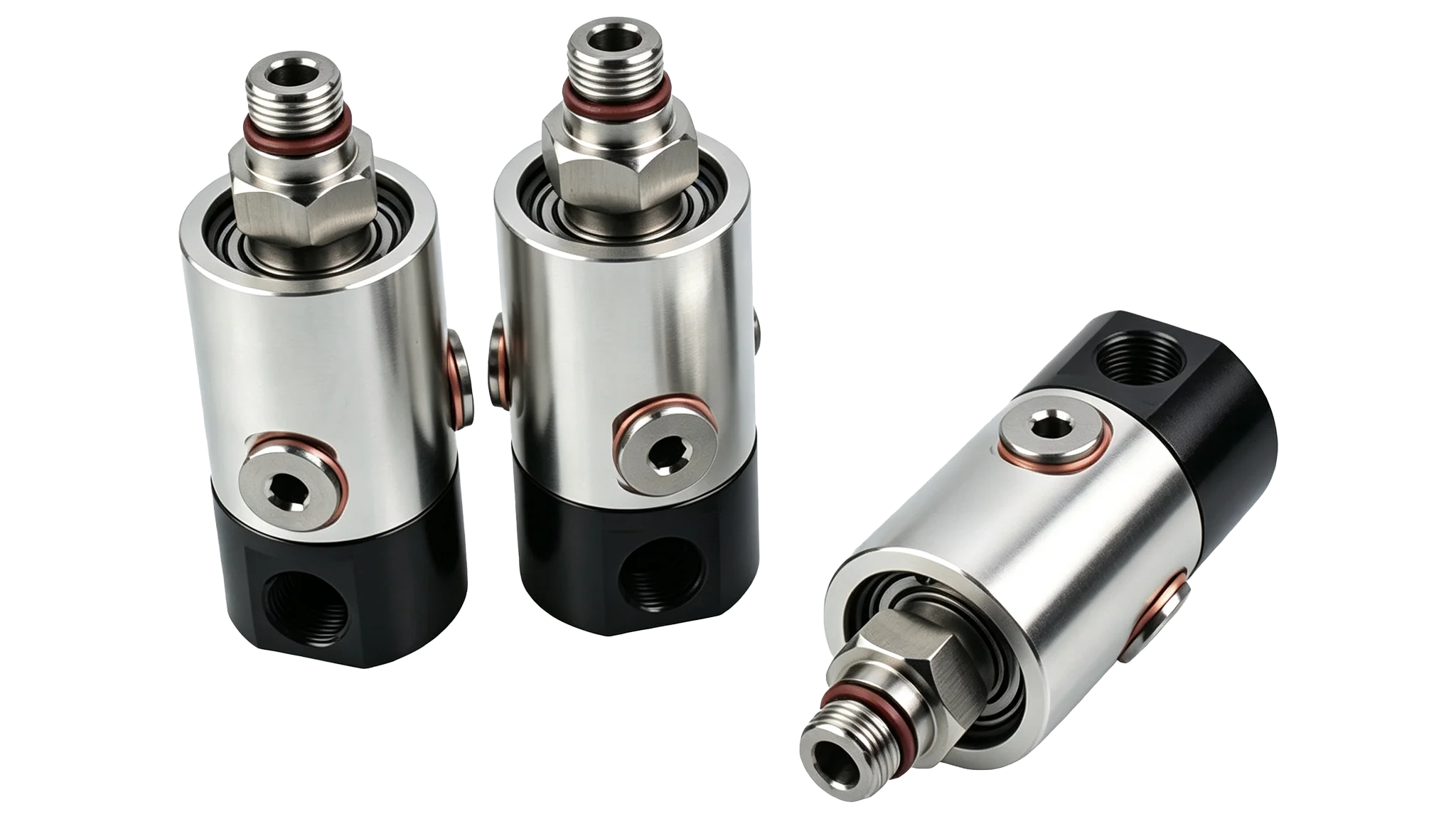
SD rotary joint is a rotating mechanical sealing device used to transport and remove heat transfer media for fixed pipelines and rotating drums. The heat transfer media used in rotary joints include steam, water, heat transfer oil, hydraulic oil, and coolant. Machining center fixture tooling
SD’s A-series rotary joint is a high-performance, high-precision rotary joint used for passing coolant, water, air, and hydraulic oil. A-series rotary joints are commonly used in the machine tool industry, such as automatic lines, deep hole drills (gun drills), main 12000 rpm, Jiangsheng rotary joint shafts, drilling machines, milling machines, rotary indexing workbenches, machine tools, CNC machining centers, grinders, presses, clutches, and so on. The A-series rotary joint is a product developed by Jiangsheng Company based on decades of experience in mechanical seal design and application. Through in-depth research on sealing surface and load optimization, sealing wear characteristics, and application, it is designed for the machine tool industry.
This rotary joint can meet demanding working conditions
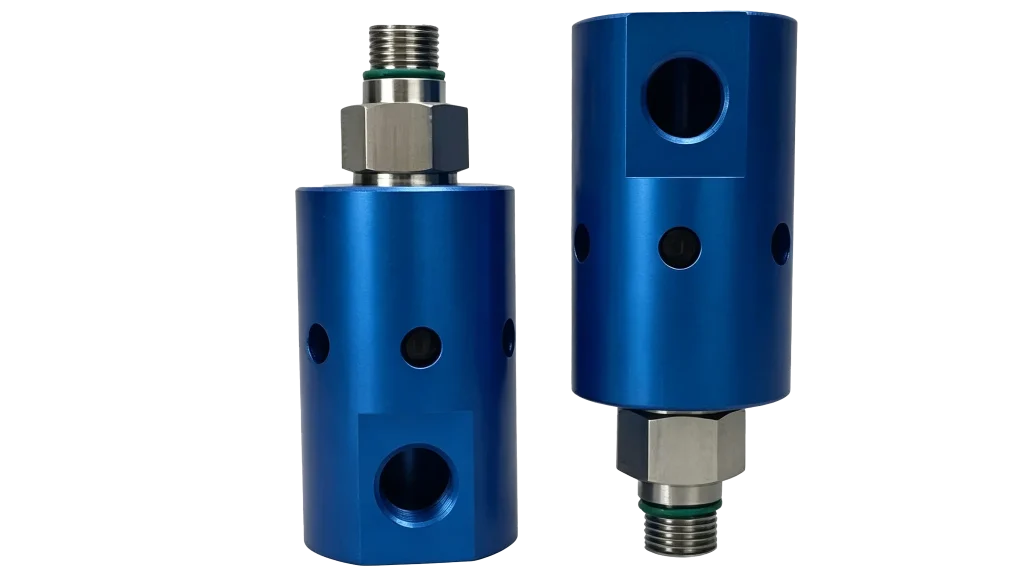
In the fast-paced world of modern manufacturing, pushing your machinery to run faster and cut deeper is the name of the game. However, with increased speed and friction comes a massive byproduct: heat. Managing this heat effectively separates profitable, high-precision shops from those constantly battling broken tools and scrapped parts.
At the very heart of this thermal management is a mechanical marvel that often goes unnoticed until something breaks. Mastering the mechanics of CNC machining center water outlet rotation is crucial for anyone looking to optimize their machining processes, minimize downtime, and maximize component longevity.
Let’s dive into the inner workings of spindle cooling, explore the hardware that makes it possible, and outline practical steps for maintaining your system.
For decades, machinists relied on external nozzles to spray coolant onto the cutting zone. But when evaluating through spindle coolant vs flood cooling systems, the limitations of traditional flood cooling quickly become apparent. In deep-hole drilling or complex pocketing, external coolant simply bounces off the workpiece or evaporates before it ever reaches the cutting edge.
When you compare internal vs external cooling efficiency, delivering fluid directly through the tool wins every time. Internal systems blast coolant precisely where the chip meets the cutting edge. This direct application is one of the primary high pressure coolant through spindle benefits, guaranteeing optimal chip evacuation and lubrication in the tightest of spaces.
Furthermore, pinpoint cooling plays a massive role in reducing thermal expansion in cnc machining. By keeping the tool and the workpiece at a consistent temperature, you can maintain incredibly tight dimensional tolerances over long production runs.
How exactly does high-pressure fluid travel from a stationary pump pipe into a spindle spinning at 15,000 RPM? The answer lies in the rotary union (or rotary joint). This component handles the complex physics of cnc machining center water outlet rotation, providing a sealed interface between the stationary plumbing and the rotating spindle shaft.
The sealing mechanism inside the rotary union is the most critical point of failure. Because of the immense friction generated by high RPMs, choosing the right material is vital:
Many modern machines utilize advanced joint designs to increase versatility. For example, the advantages of dual-flow rotary unions include the ability to channel both liquid coolant and compressed air through the same assembly independently. This allows operators to seamlessly switch from liquid cooling to through-spindle air blasts for dry machining operations without changing out hardware.
Pushing coolant through a spinning tube isn’t just about plumbing; it’s about physics. As spindle speeds increase, centrifugal force effects on coolant flow become a significant factor. The spinning motion creates an outward pressure that can restrict the forward flow of the fluid. To overcome this, through-spindle coolant (TSC) systems require high-pressure pumps (often 300 to 1,000 PSI) to punch through the rotational forces and deliver a consistent stream.
Because these high pressures force fluid through incredibly tight tolerances inside the rotary joint, clean coolant is strictly non-negotiable. The coolant filtration requirements for tsc systems usually mandate filtering down to at least 25 microns—and often down to 5 microns for very high-pressure systems. Failure to filter out microscopic metal chips will rapidly destroy the rotary union’s mating seal faces.
A reliable cooling system requires vigilance. Maintaining cnc rotary joint assemblies should be a regular part of your preventative maintenance schedule. Here is how to handle common issues:
Preventing rotary union seal failure starts with two rules: never run the rotary union “dry” (without coolant flow to lubricate the seals) and keep your coolant meticulously filtered.
If you’re already facing a puddle on your machine table, knowing how to fix coolant leaking from cnc spindle assemblies is critical. First, check the rotary union’s weephole. A few drops are normal, but a steady stream indicates blown internal seals. To fix this, safely power down the machine, remove the spindle cover, detach the coolant supply hoses, and replace the rotary union cartridge. Always inspect the drain lines; a clogged drain line can force backed-up coolant past the spindle bearings, leading to catastrophic spindle failure.
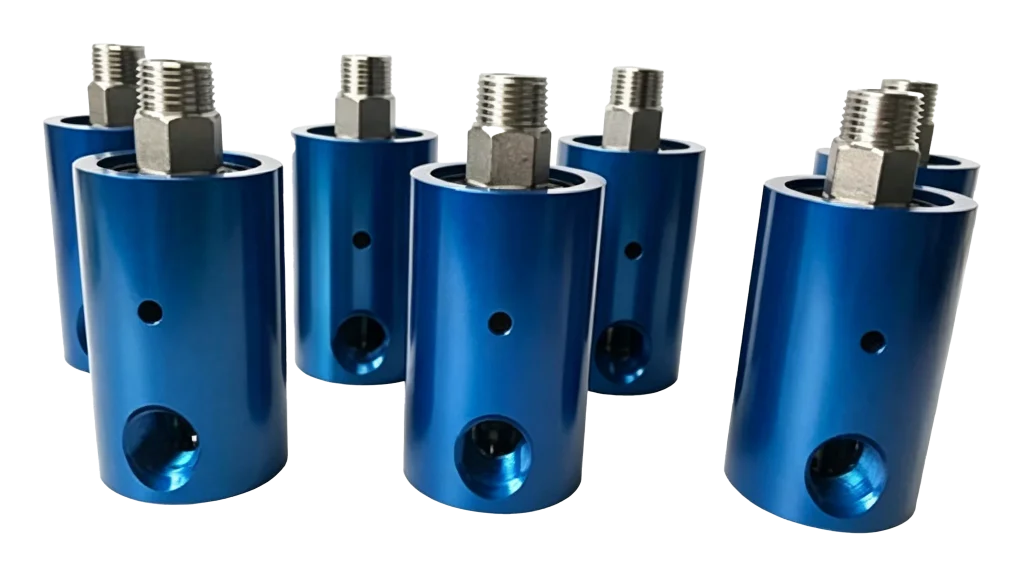
If your machine is shaking or sounding unusually loud during high-RPM cuts, you may be experiencing issues with your fluid joints. Troubleshooting vibration in rotating coolant unions usually comes down to checking for runout. A misaligned rotary union or worn-out bearings inside the joint assembly can introduce severe harmonics. Ensure the union is perfectly concentric with the spindle shaft during installation, and use a dial indicator to check for runout if vibrations persist.
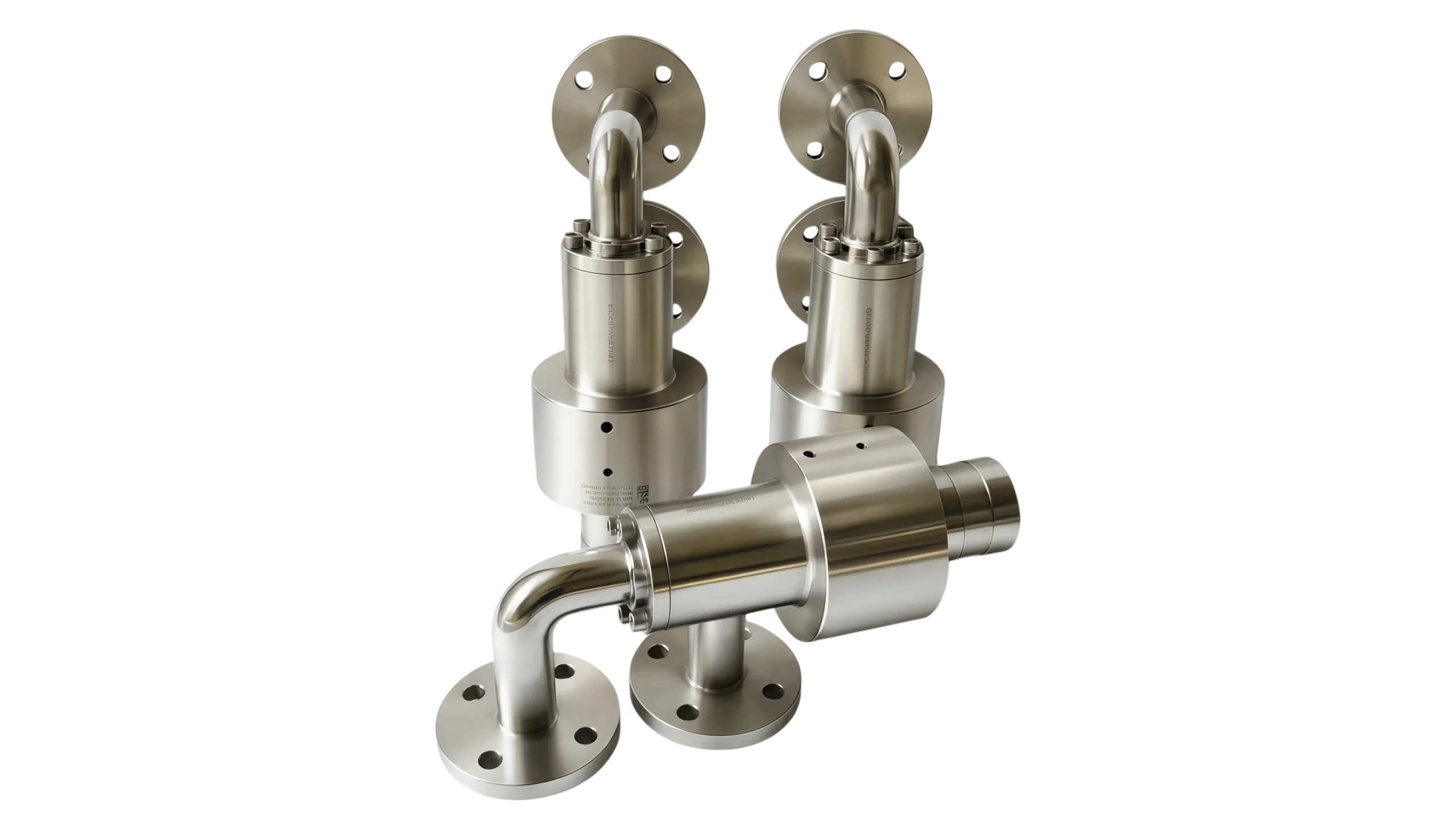
A rotary joint is a sealing device that connects stationary pipelines and rotating equipment, achieving leak free fluid transmission under 360 ° rotation. It allows fluid media to flow smoothly between fixed pipelines and rotating machines, and is a key component in industrial equipment
F90 swivel unions Transporting equipment components from a fixed pipeline system to high-speed rotating or reciprocating motion
Q32 swivel unions
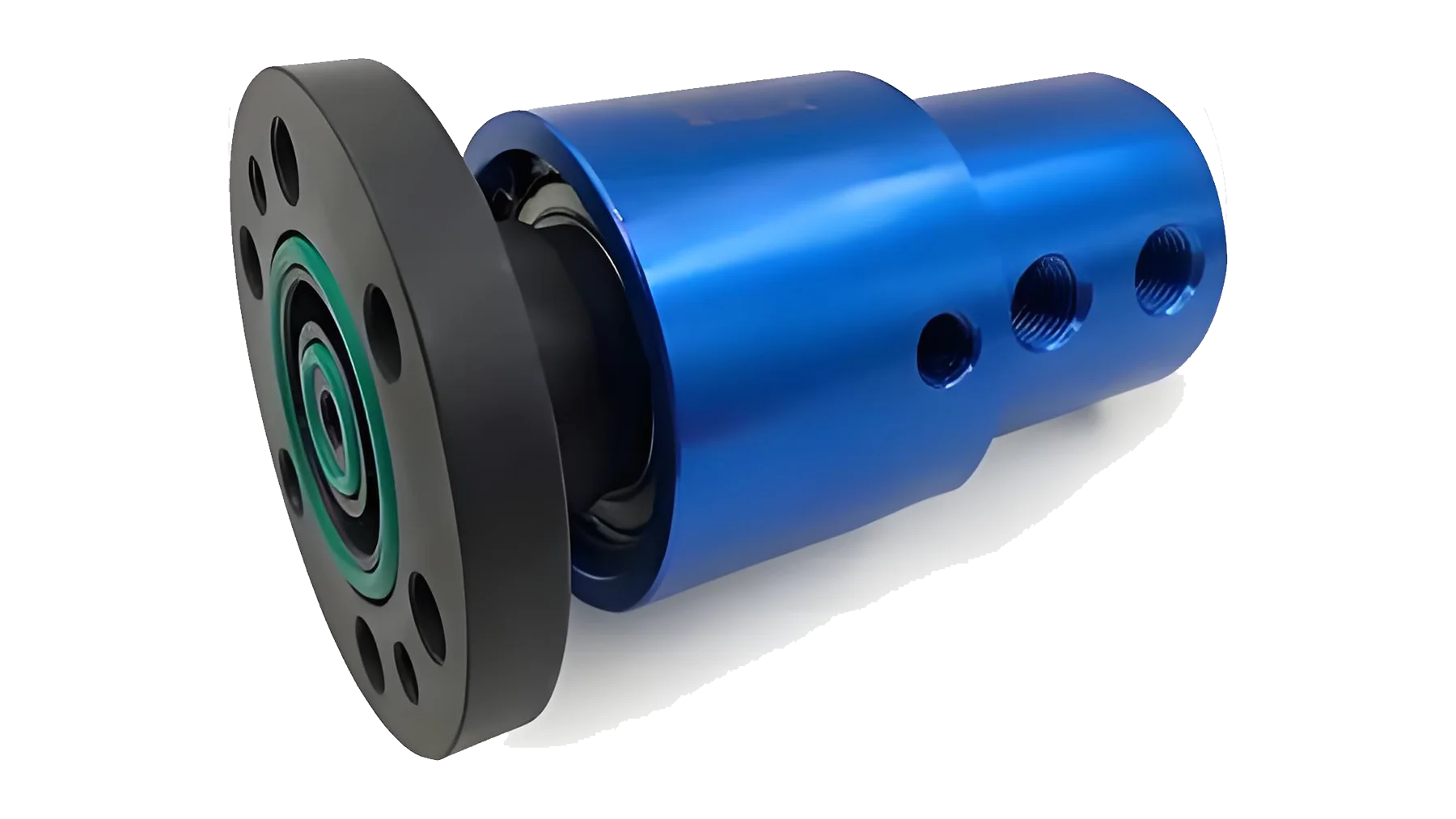
JD40 rotary joint is a key sealing component in industrial fluid transmission systems, usually referring to a rotary connection device with a diameter of DN40 (or corresponding British caliber). As a transitional sealing device that transports fluid media (such as water, steam, hydraulic oil, thermal oil, compressed air, etc.) from static pipelines to dynamic rotating or swinging equipment