 rotary jointsrotary joints
Search the whole station
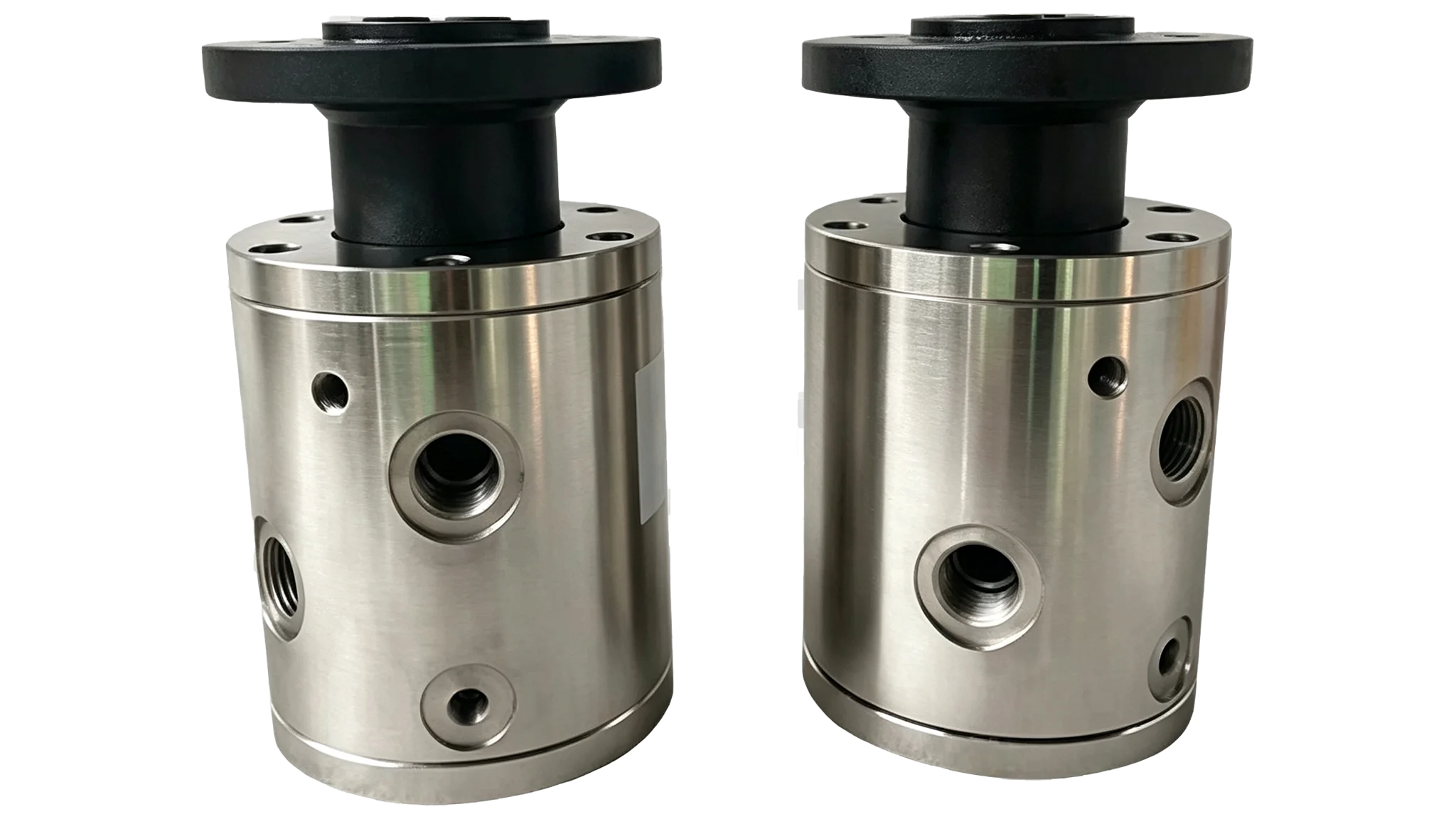
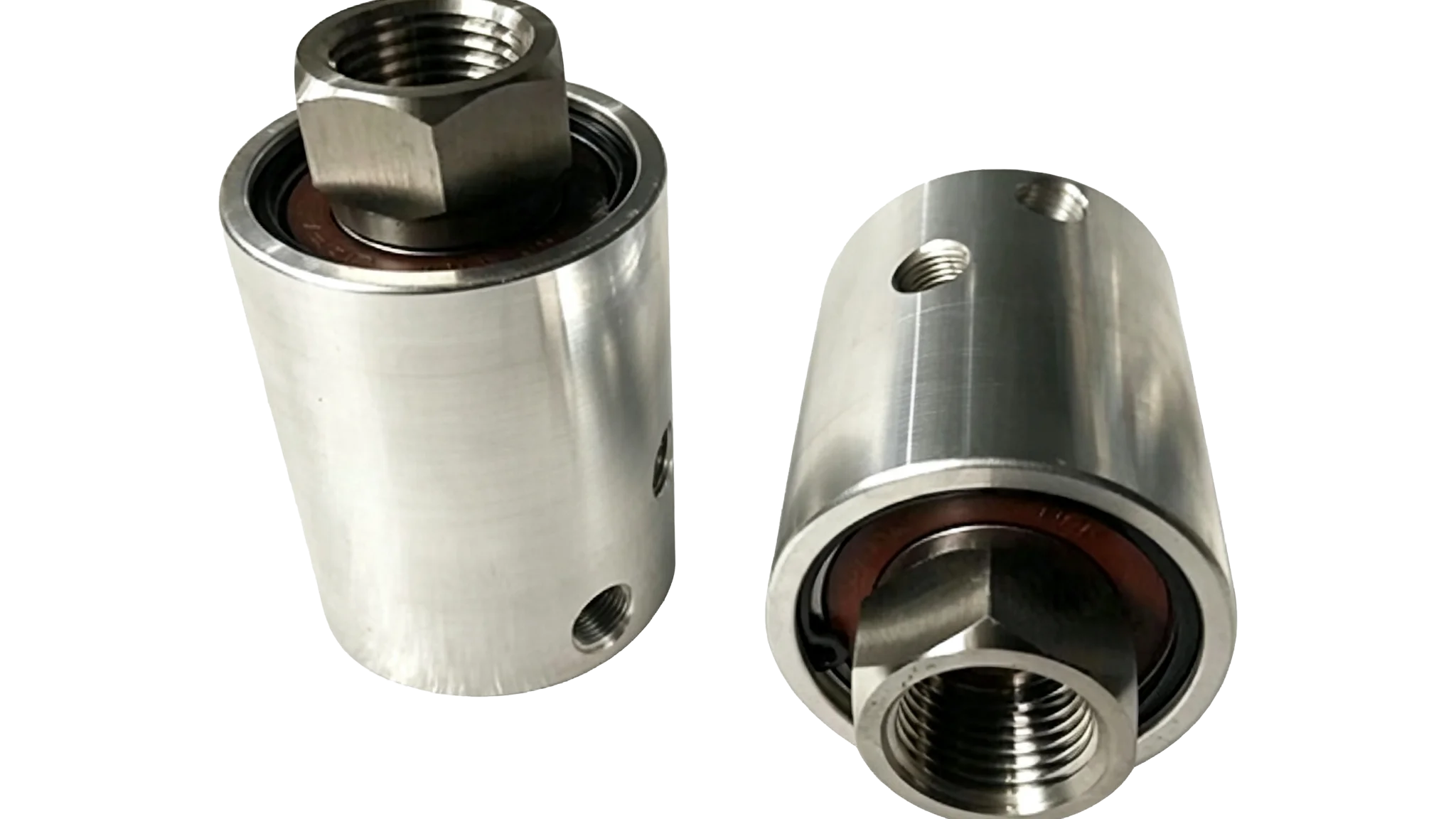
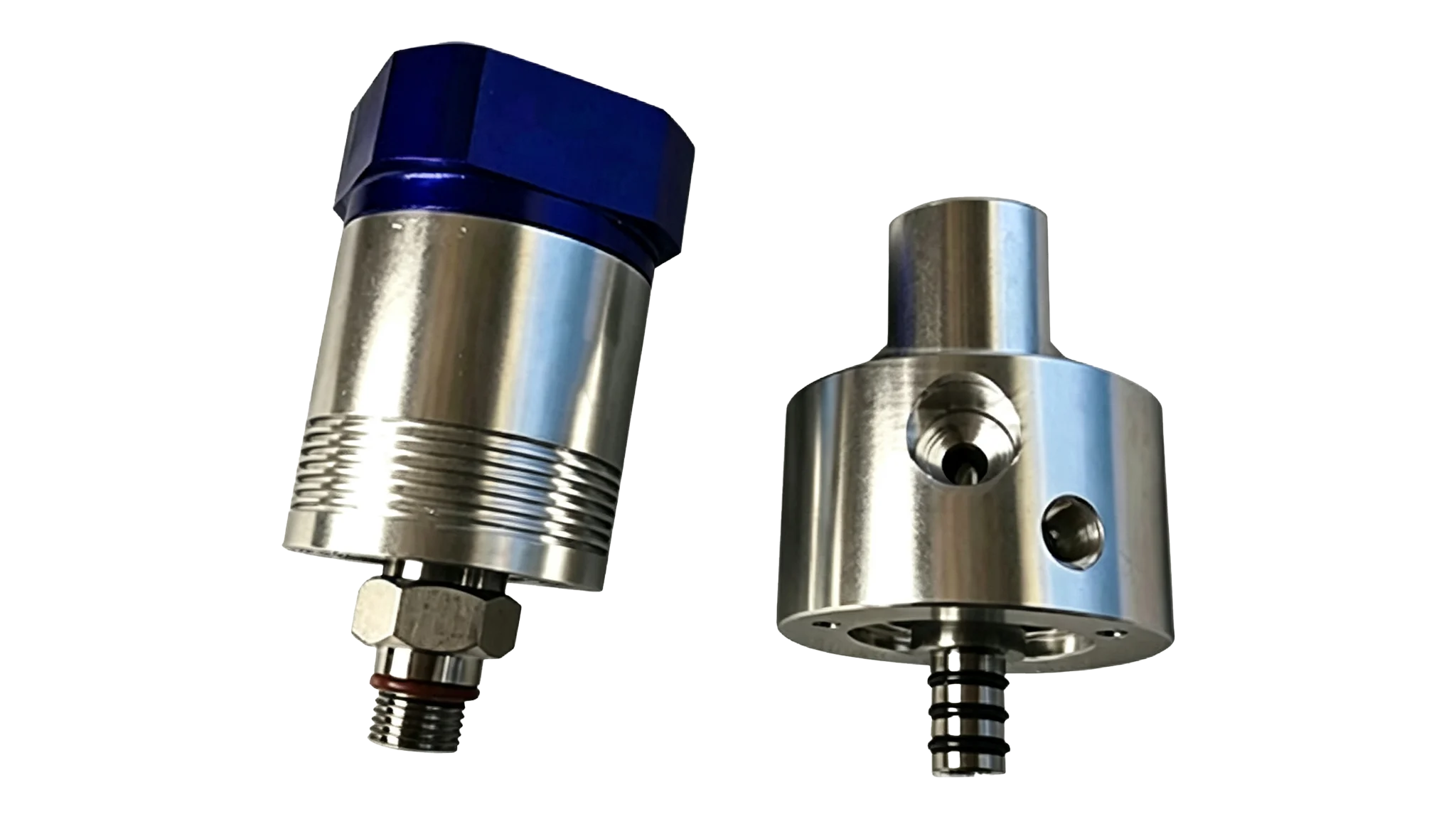
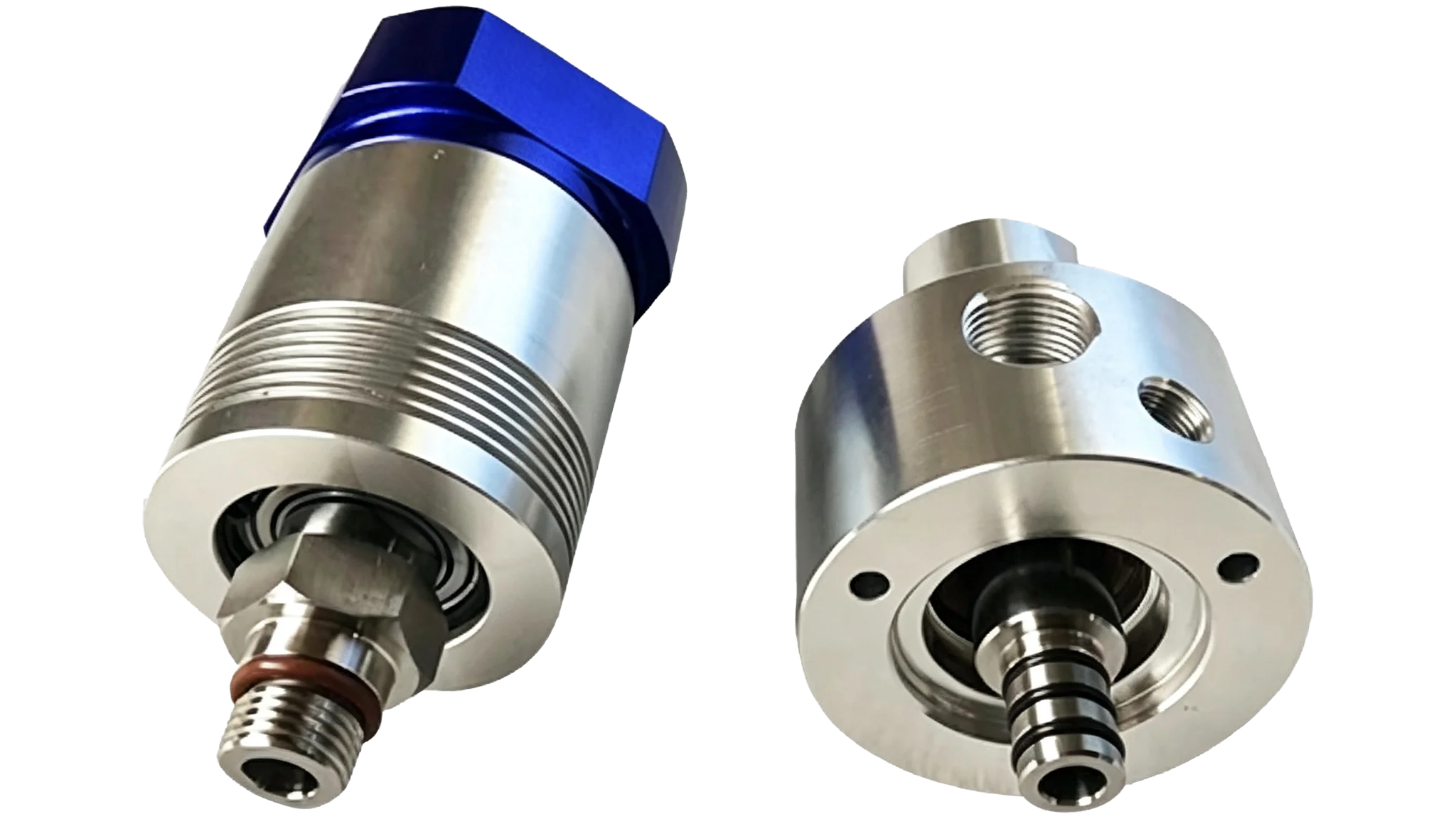
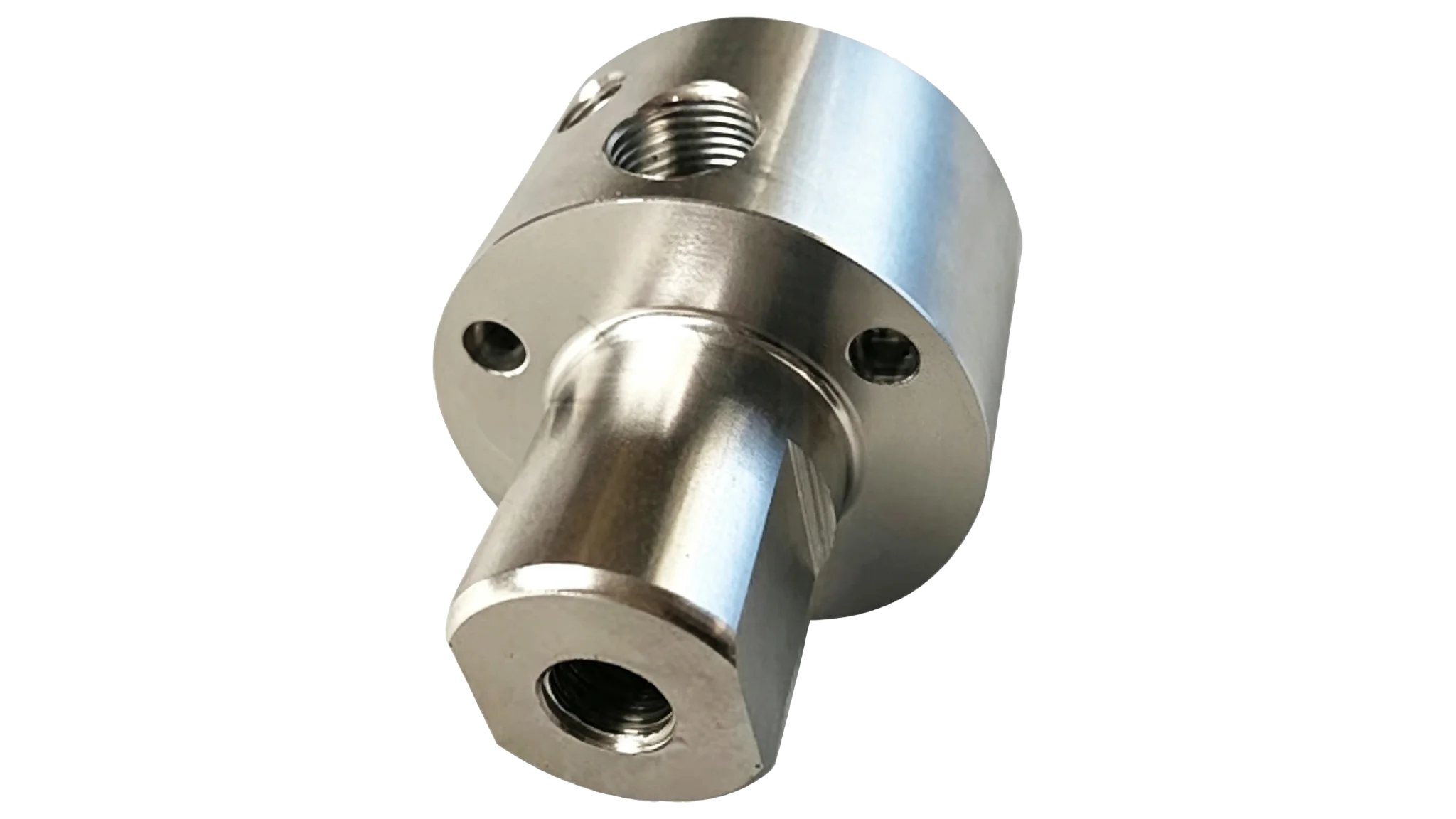
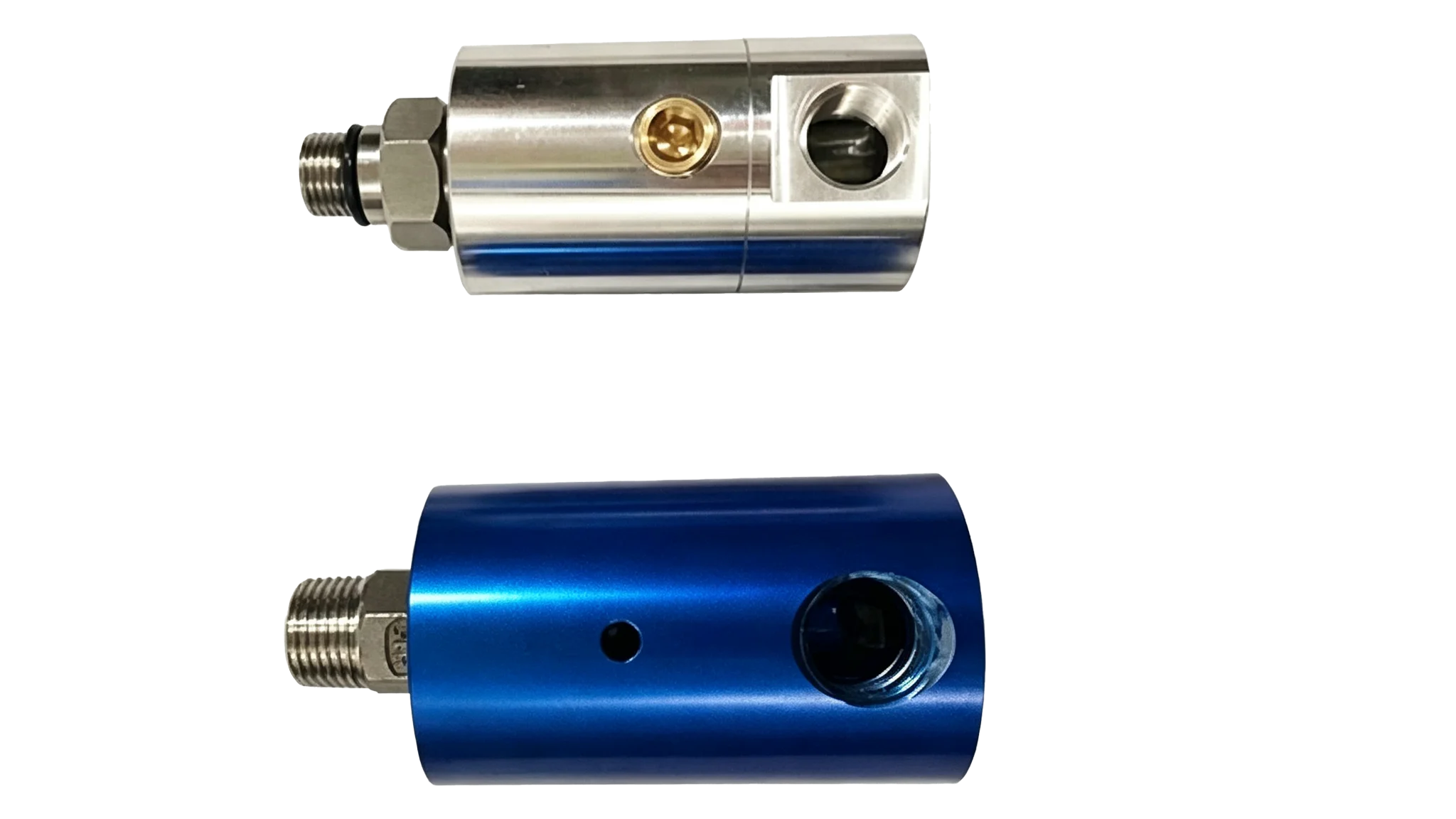
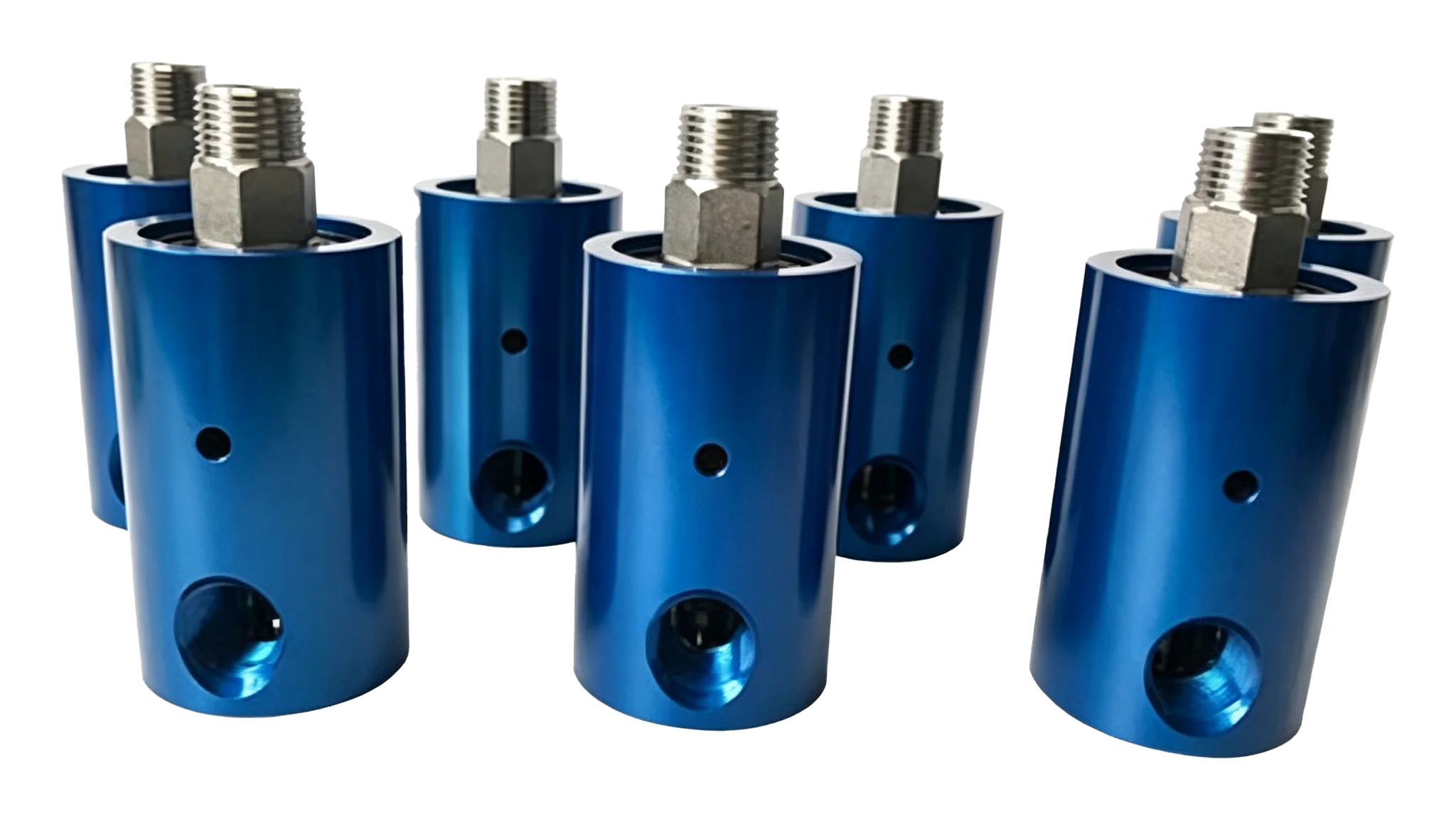
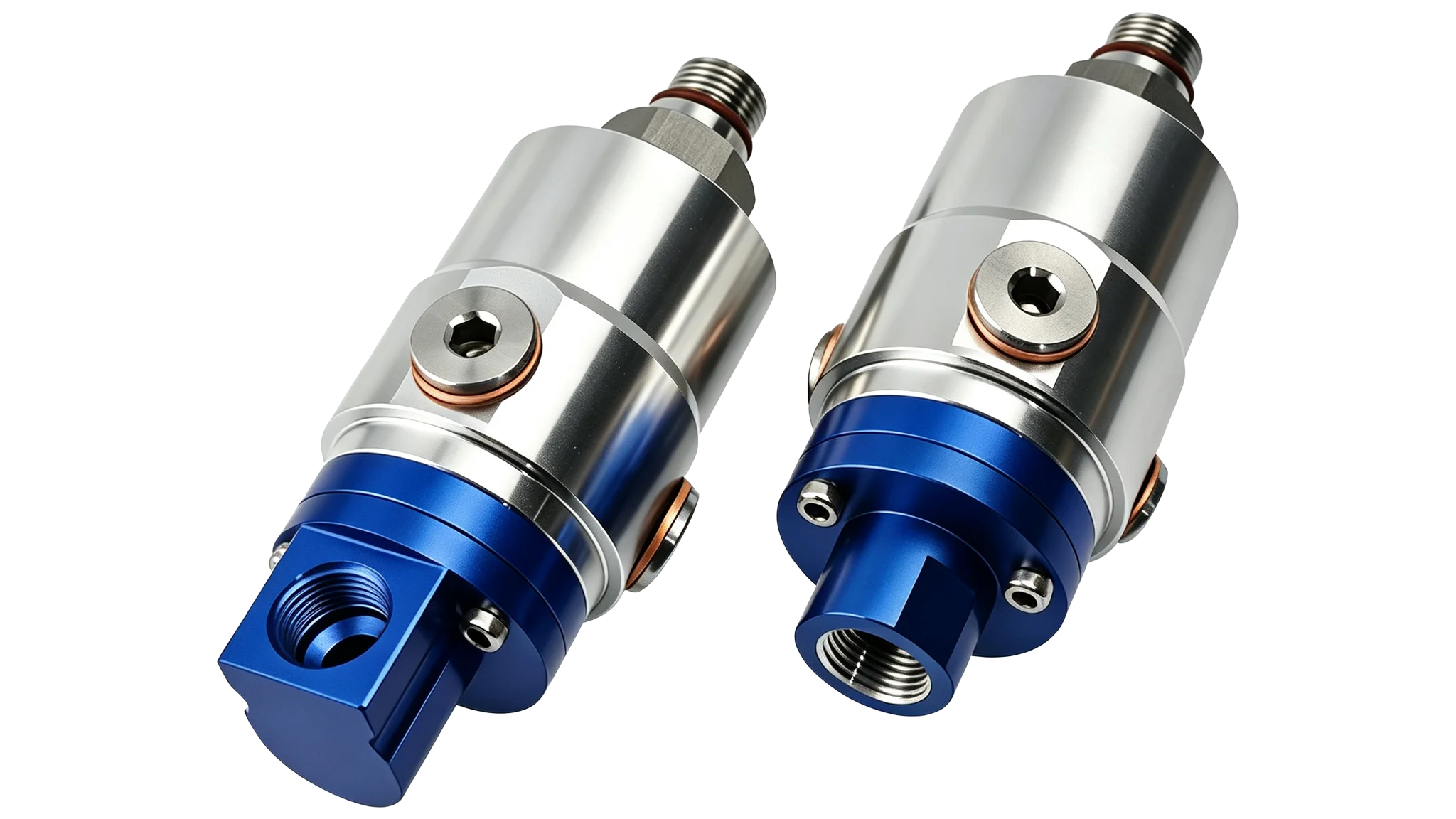
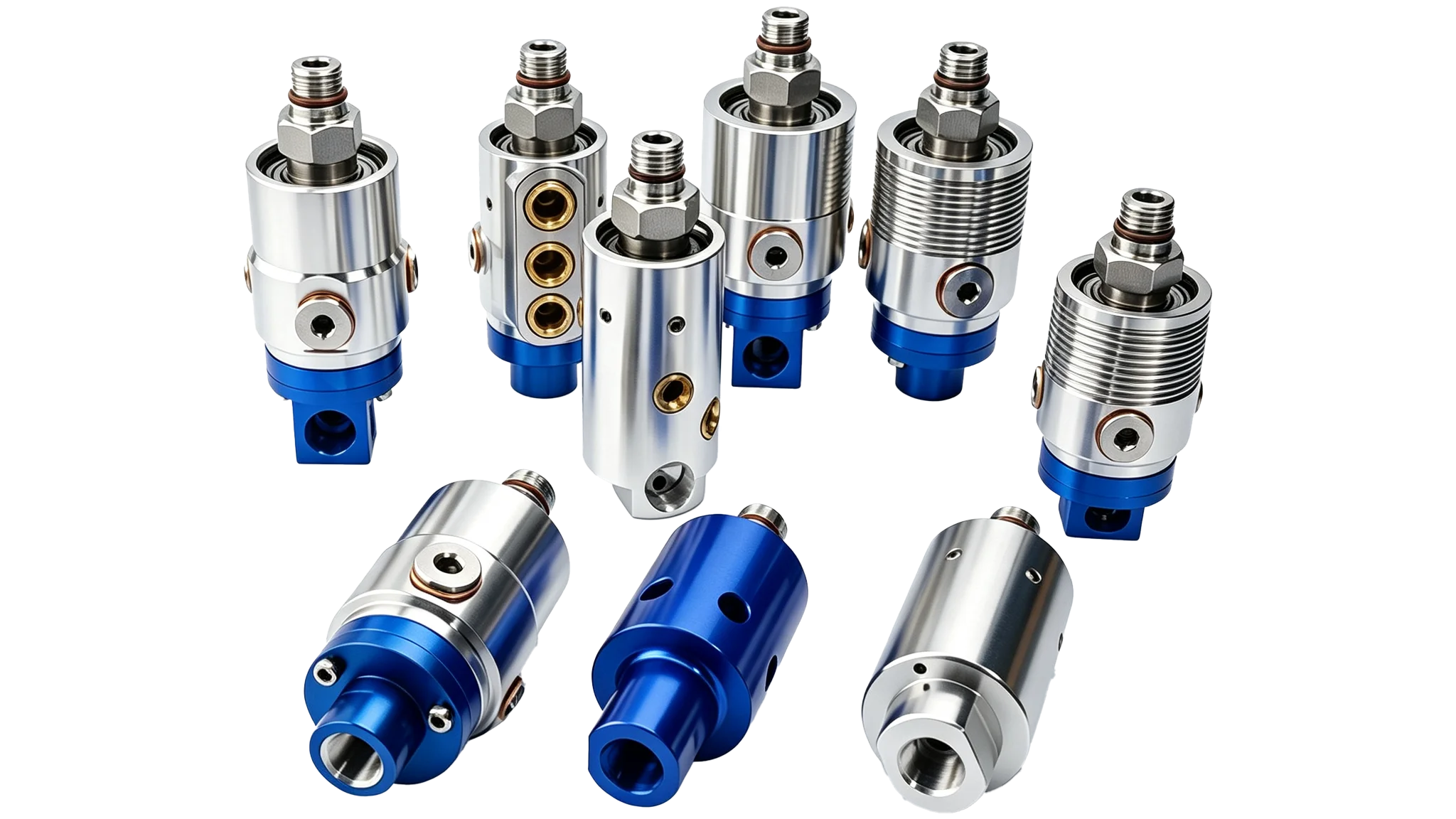
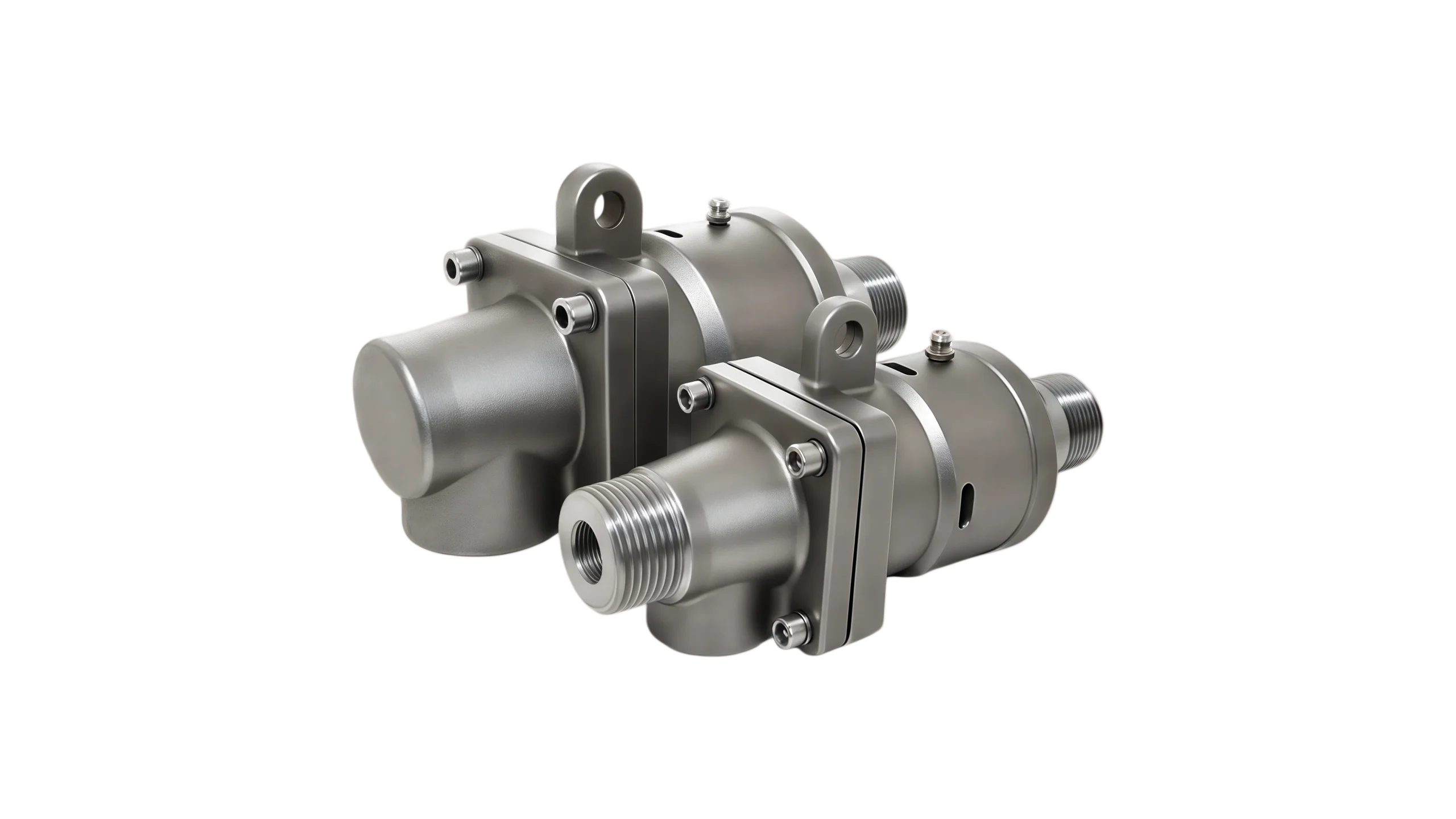
Internal thread high-speed rotary joint is a fluid dynamic sealing device designed specifically for high-speed working conditions, which uses internal thread connection to fix pipelines. Its core function is to transport media from stationary pipelines to rotating components without damage
Structural Description
Single channel for coolant or MQL
Technology allows unlimited dry operation without medium pressure
Full flow design, unobstructed passage, avoiding residual impurities
The threaded rotor supported by bearings is easy to install
Double angle contact ball bearing
Maze structure and multiple large leakage ports to protect ball bearings
The balanced mechanical seal uses silicon carbide, which has a long service life, even under harsh operating conditions
Anodized aluminum shell for corrosion resistance
Product Description:
1. Maze style sealed box drainage can also protect bearings
2. High precision bearings operate stably without vibration
3. Hardened stainless steel rotor
4. Stainless steel springs installed outside the fluid
5. Excellent balanced sealing ensures low friction
6. The shell is made of aluminum alloy
7. Wear resistant, heat-resistant, and impact resistant tungsten carbide cover
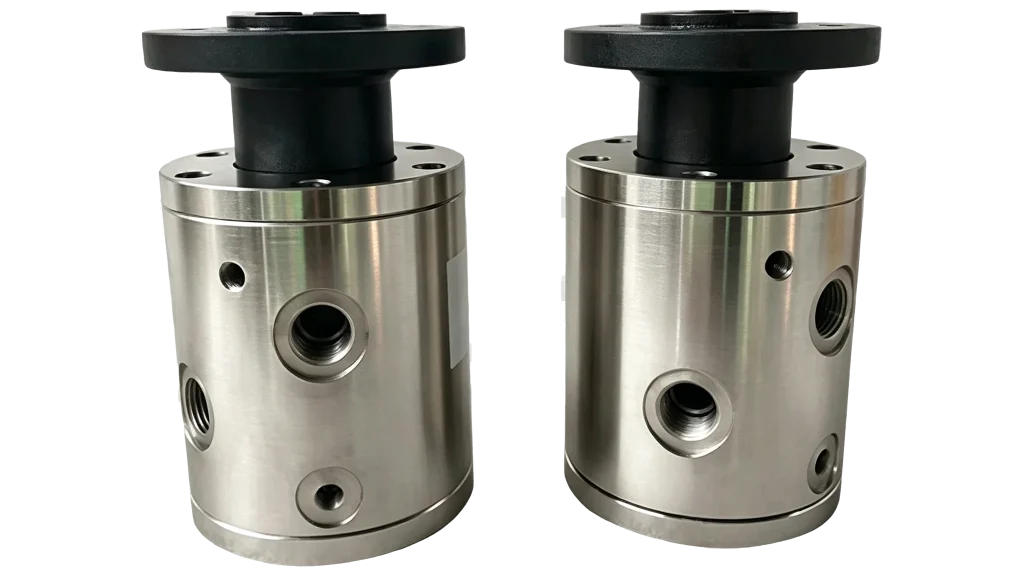
In modern manufacturing, efficiency and precision are paramount. Whether you are running complex CNC machinery, printing presses, or specialized packaging equipment, the ability to transfer fluids reliably into rotating components dictates the success of your entire operation. At the heart of this process is a specialized piece of engineering: the internal thread high-speed rotary joint.
Designed to seamlessly transfer coolant, oil, water, or air from a stationary supply to a rapidly moving machine part, these advanced high-speed connectors are engineered to withstand immense mechanical stress. Let us dive into the mechanics, selection, and maintenance of these crucial industrial components.
When equipment operates at thousands of revolutions per minute, standard plumbing fittings simply will not survive. A high-speed rotary joint relies on precision-engineered seals and bearings to maintain a leak-free connection under extreme dynamic conditions.
The lifeblood of any rotary union is its sealing mechanism. Engineers must carefully select high RPM mechanical seal materials to prevent catastrophic failures. Often, the debate centers around ceramic versus tungsten carbide seal durability. Ceramic seals offer excellent thermal stability and are highly resistant to chemical corrosion, making them ideal for water-based coolants. Tungsten carbide, on the other hand, provides unmatched hardness and wear resistance, excelling in environments where abrasive particles might be present in the fluid.
Furthermore, modern joints frequently utilize balanced seal technology for high speed spindles. A balanced seal minimizes the hydraulic pressure acting on the seal faces. By reducing this friction, the joint operates cooler and lasts significantly longer, effectively resolving the challenge of heat dissipation in industrial rotary seals.
As speeds increase, centrifugal forces threaten to pull rotating components out of alignment. Reducing centrifugal force impact on rotary joints is critical to maintaining a tight seal. Manufacturers achieve this through precision balancing of the rotating shaft and utilizing high-precision angular contact bearings. Additionally, leveraging the benefits of self-supported rotary joint designs—where the joint houses its own internal bearings rather than relying on the machine’s external support—ensures perfect alignment and drastically extends the lifespan of the unit.
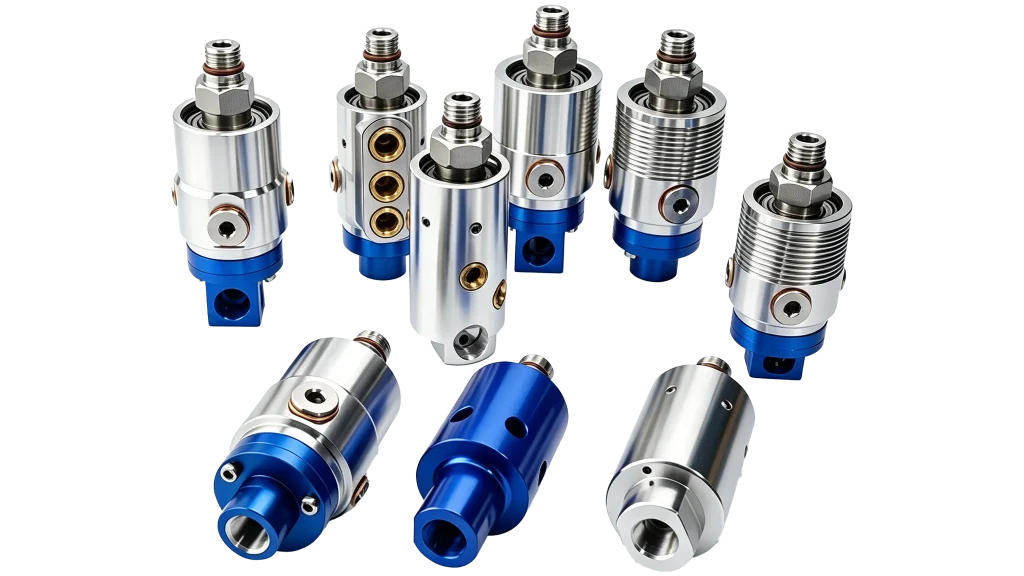
When specifying a rotary union for your machinery, one of the primary decisions involves comparing internal versus external thread rotary unions.
An internal thread high-speed rotary joint offers several distinct advantages, particularly in tight spatial envelopes. Because the threads are machined into the inner diameter of the rotor, the overall footprint of the joint is reduced. This is highly beneficial for compact machine designs. It also protects the delicate threads from external damage during handling and operation.
However, correctly mating these components requires attention to detail. Selecting the right torque for internal thread connections is vital. Over-tightening can distort the internal rotor, leading to seal face misalignment and premature failure, while under-tightening risks fluid bypass and mechanical decoupling under load. Always consult the manufacturer’s torque specifications and use a calibrated torque wrench during assembly.
Nowhere is the need for reliable fluid transfer more evident than in advanced machining centers. When determining CNC spindle cooling system design requirements, engineers must account for both high rotational speeds and high fluid pressures.
Through-spindle coolant systems rely on rotary joints to blast coolant directly at the cutting tool tip. This clears chips instantly and prevents thermal damage to the workpiece. To achieve this safely, operators must be aware of the maximum operating pressure for coolant rotary joints. Pushing a joint beyond its rated pressure can overcome the mechanical spring force holding the seals together, resulting in instantaneous flooding. By properly matching the joint’s pressure ratings to the machine’s coolant pump, facilities can ensure continuous, safe operation.
Even the highest quality rotary joint will fail if installed incorrectly or neglected. Following best practices ensures maximum uptime and protects your expensive machinery.
Knowing how to install internal thread swivel joints correctly is the first step toward a leak-free system.
To ensure longevity, implement a strict maintenance schedule. Here are key maintenance tips for high speed swivel couplings:
A rotary joint is a sealing device that connects stationary pipelines and rotating equipment, achieving leak free fluid transmission under 360 ° rotation. It allows fluid media to flow smoothly between fixed pipelines and rotating machines, and is a key component in industrial equipment
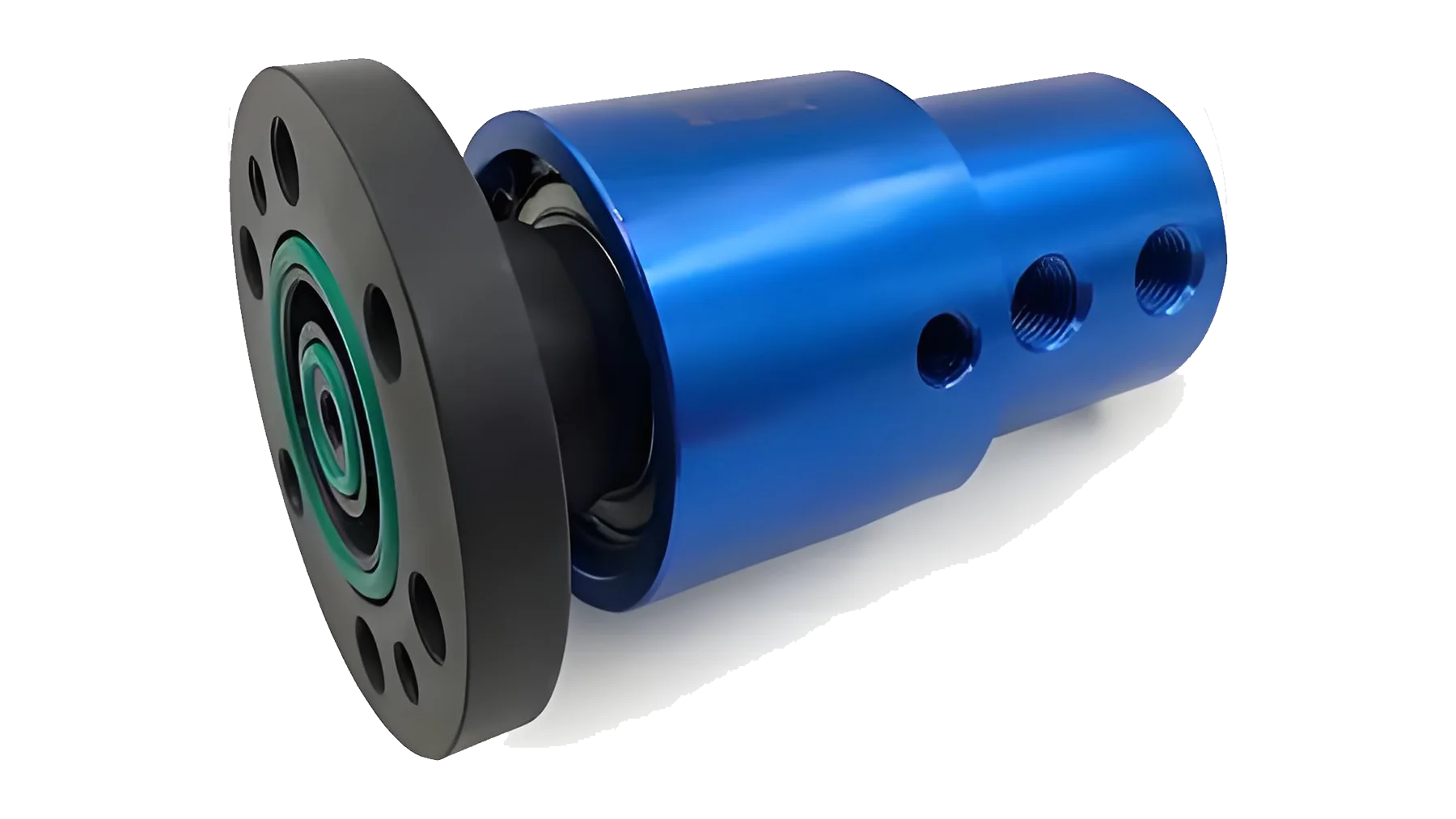
F90 swivel unions Transporting equipment components from a fixed pipeline system to high-speed rotating or reciprocating motion
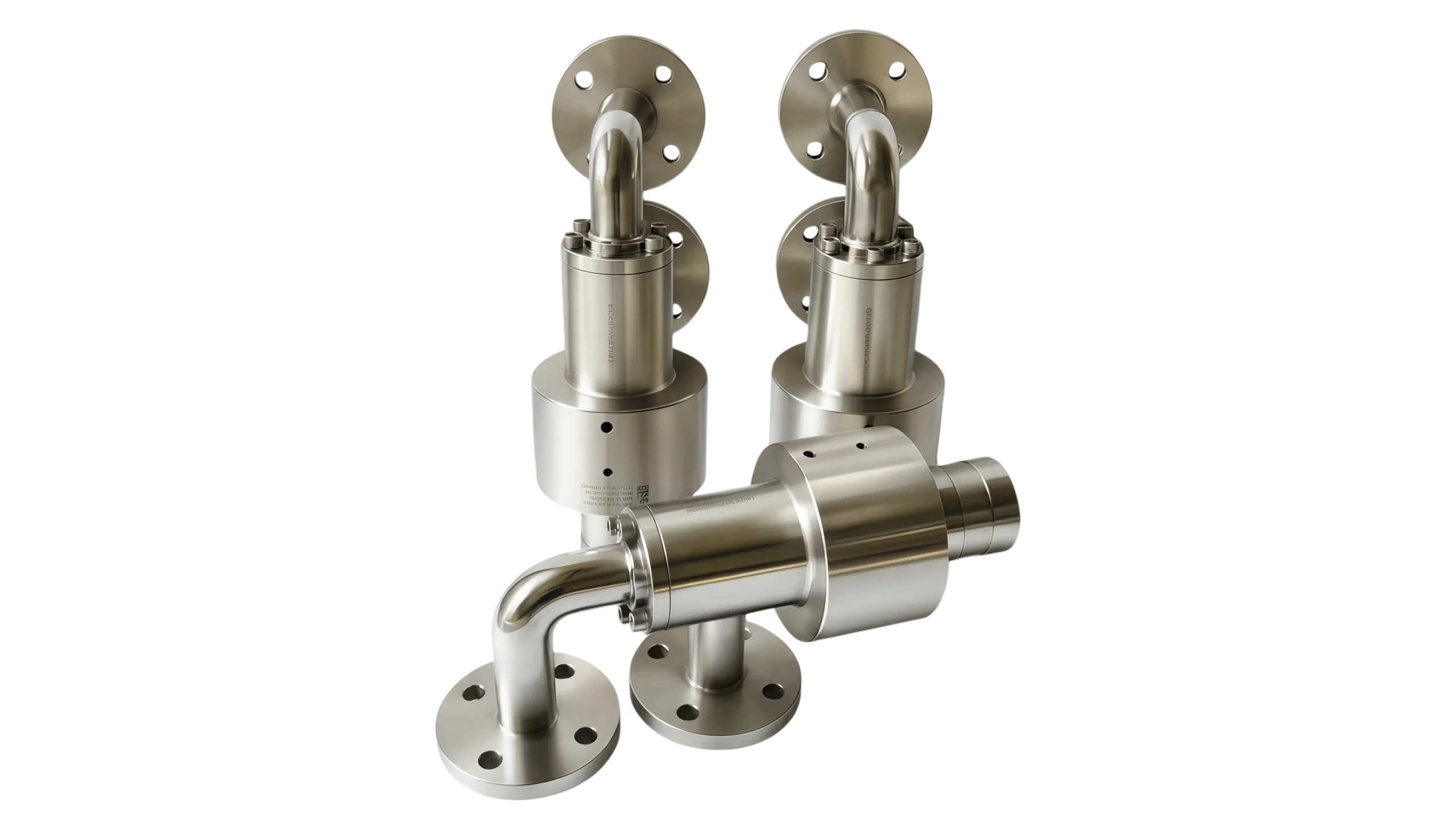
Q32 swivel unions
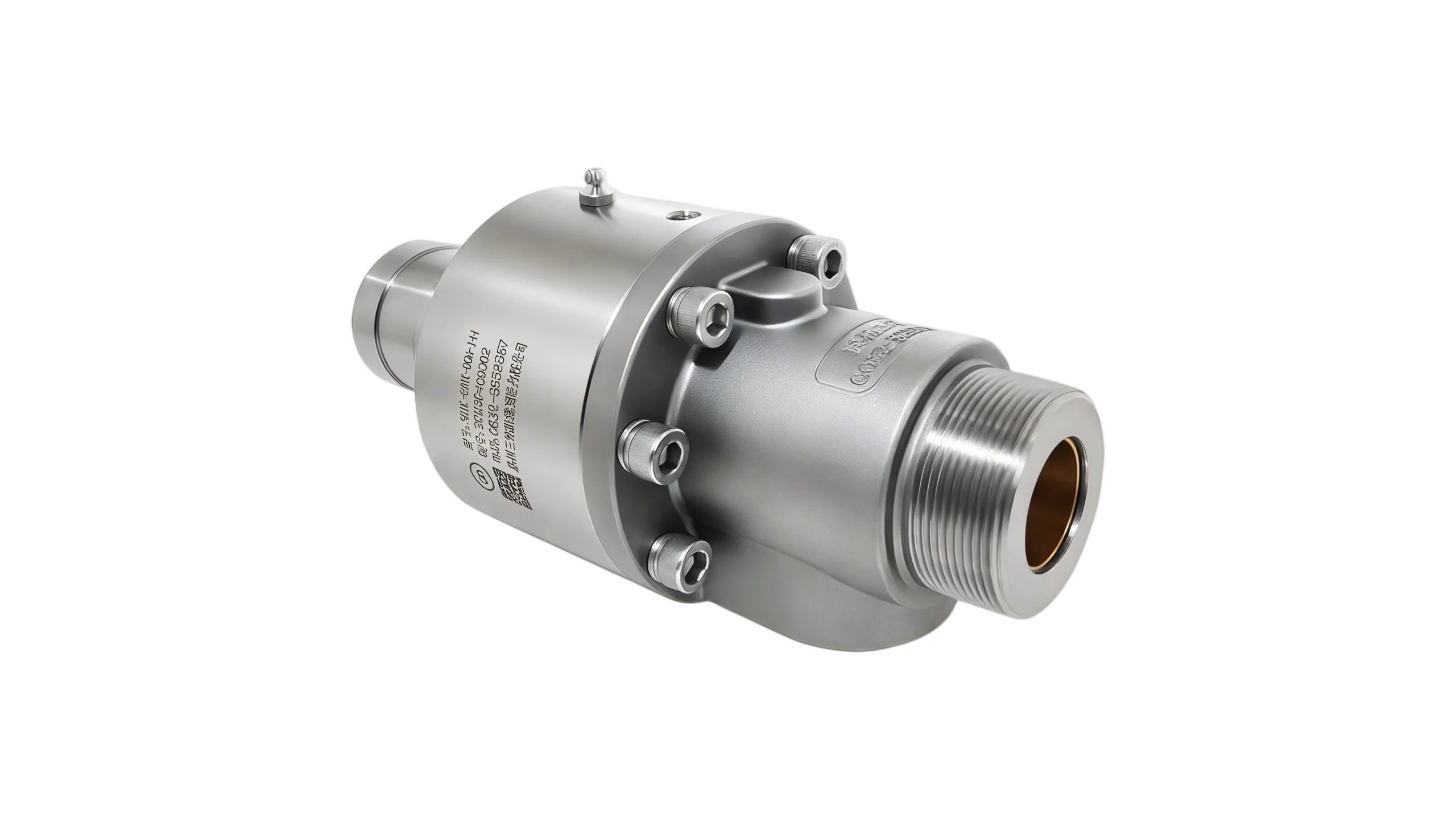
JD40 rotary joint is a key sealing component in industrial fluid transmission systems, usually referring to a rotary connection device with a diameter of DN40 (or corresponding British caliber). As a transitional sealing device that transports fluid media (such as water, steam, hydraulic oil, thermal oil, compressed air, etc.) from static pipelines to dynamic rotating or swinging equipment