 rotary jointsrotary joints
Search the whole station
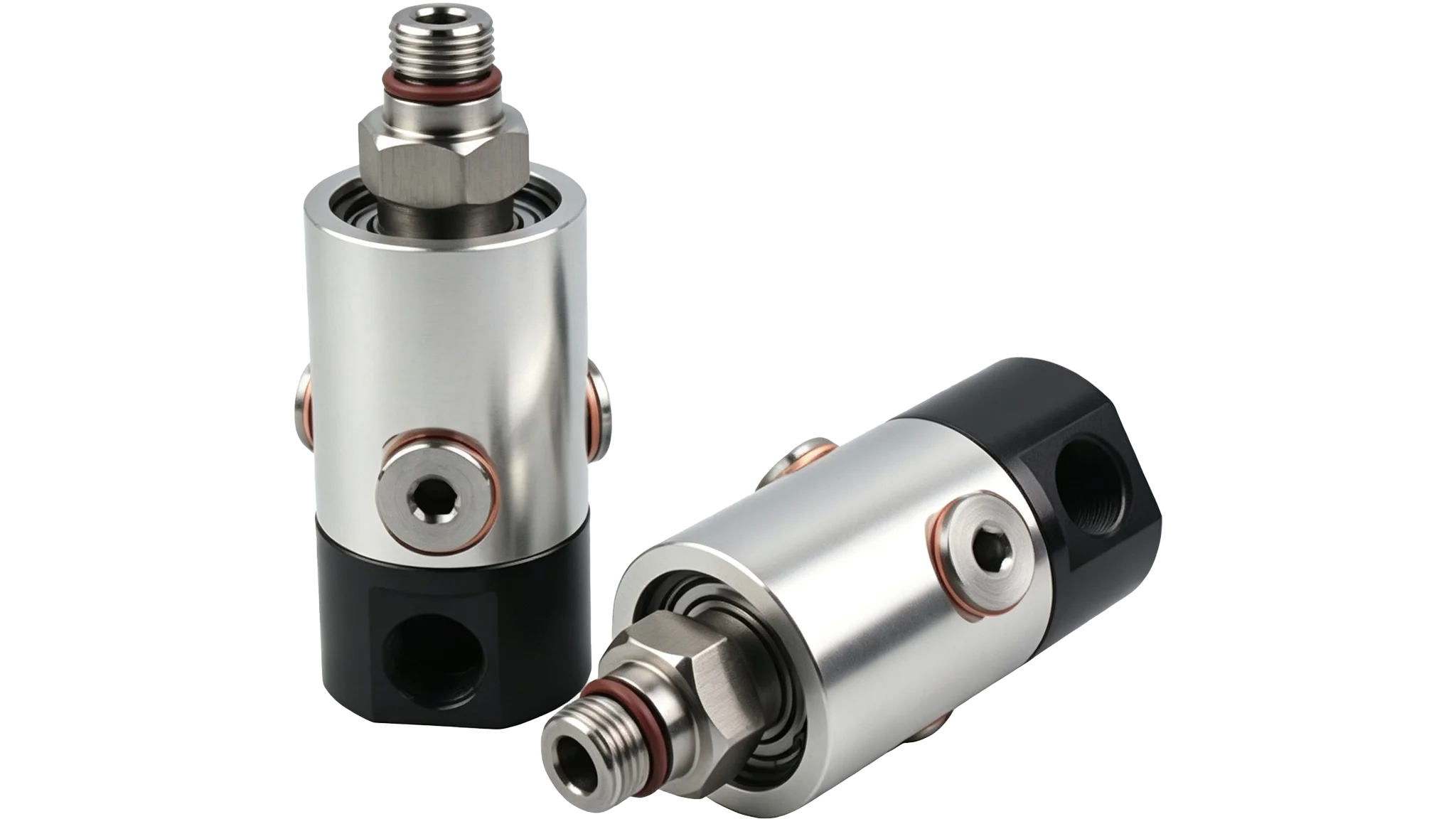
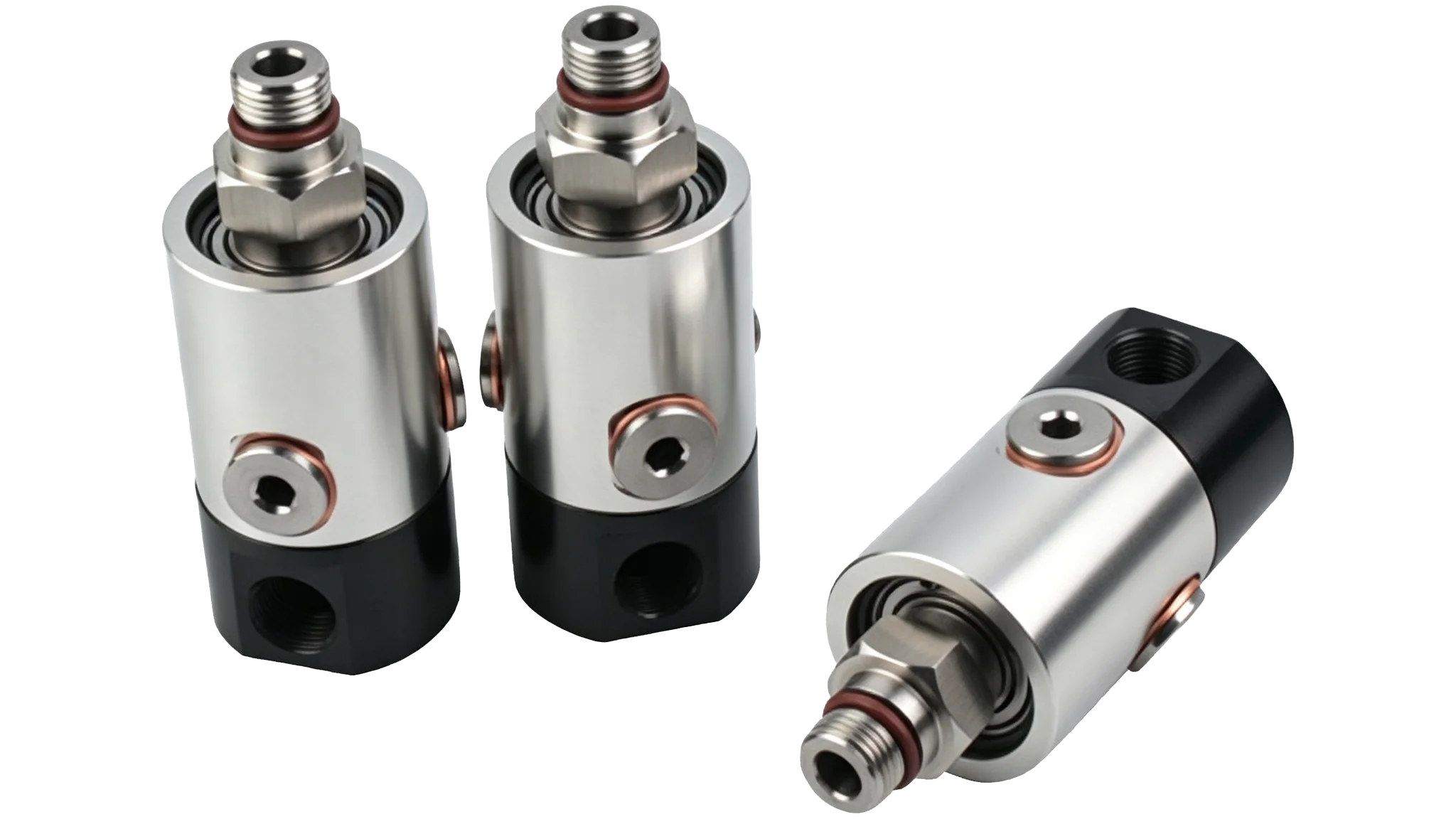
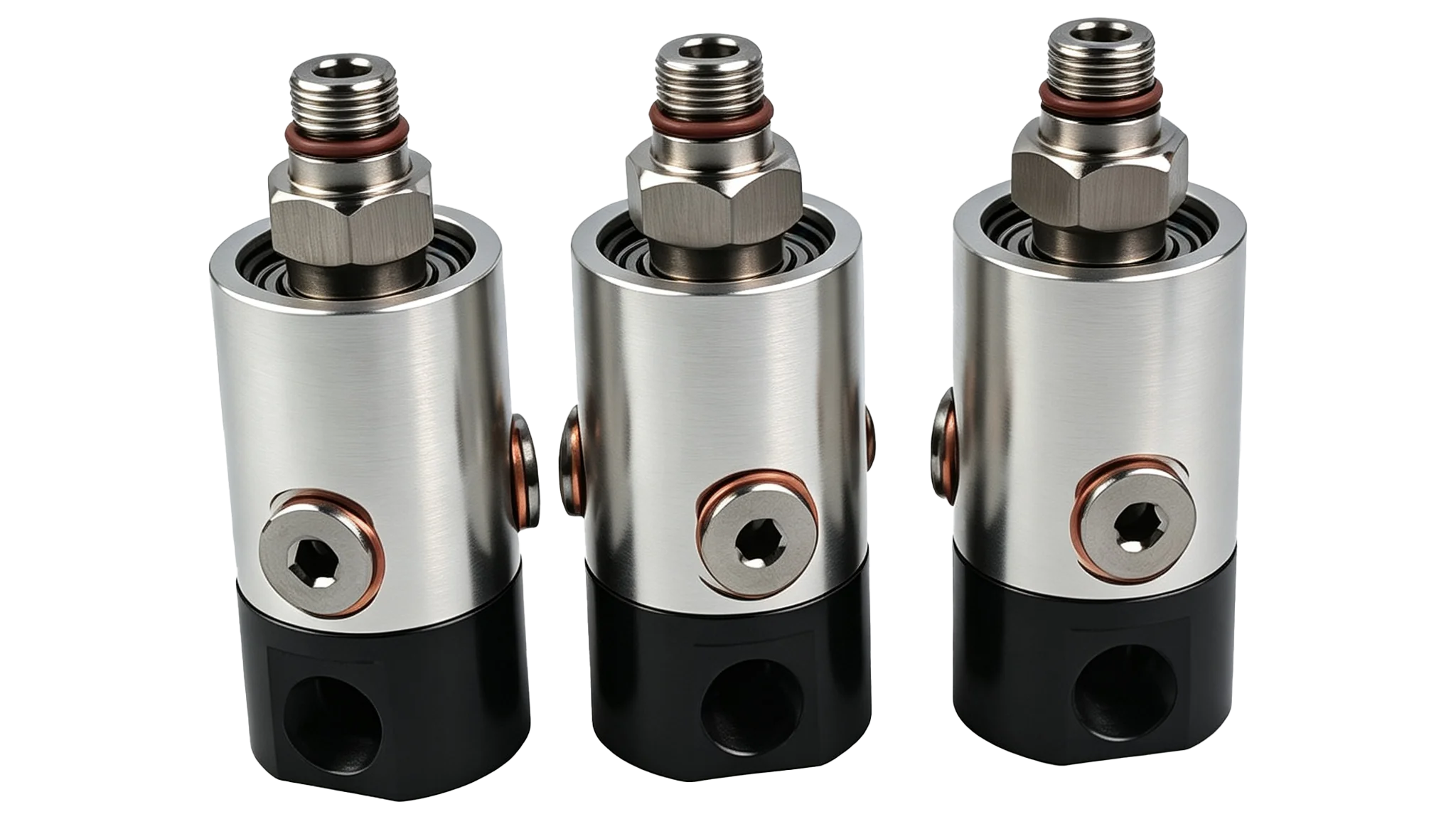
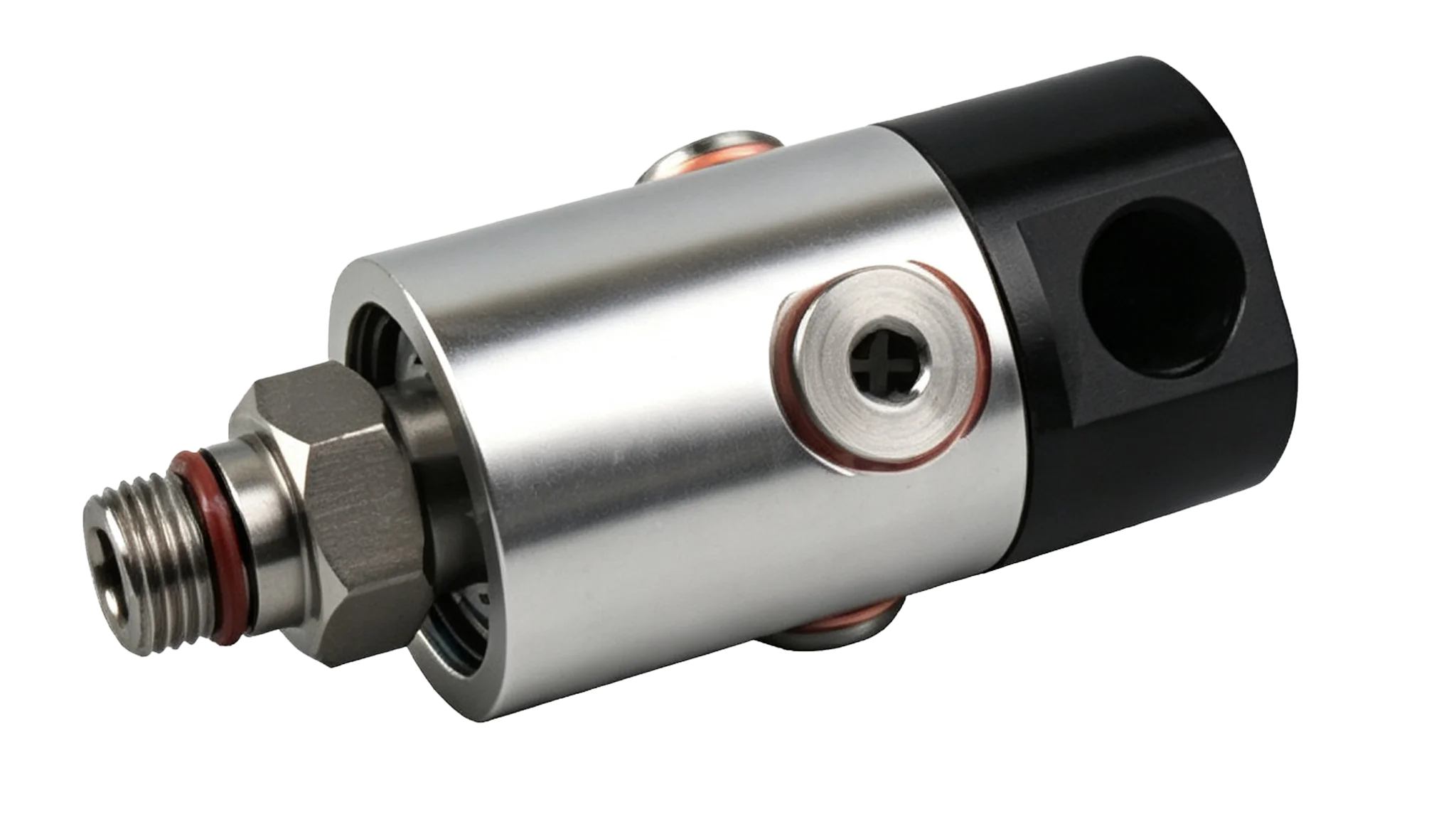
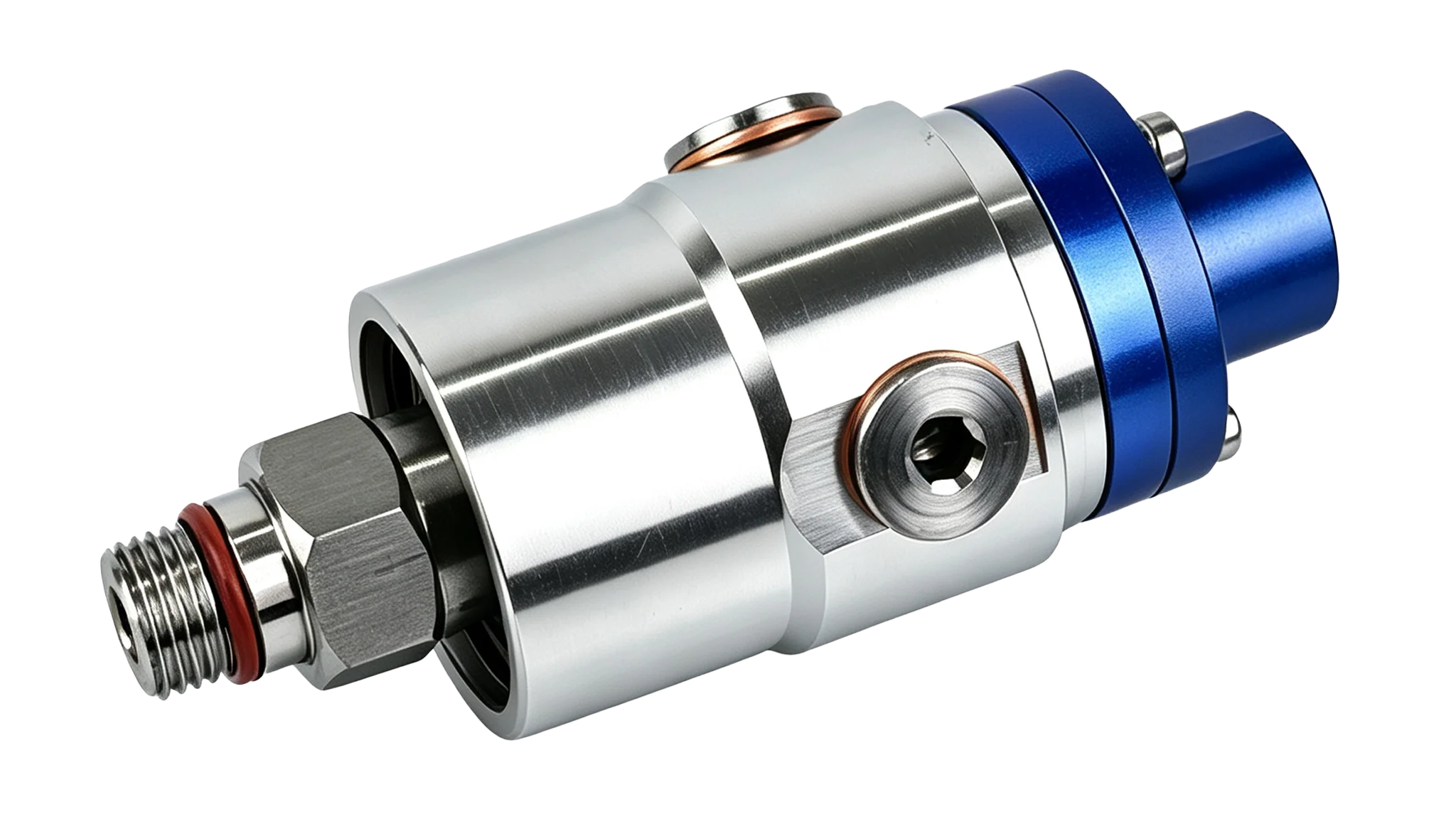
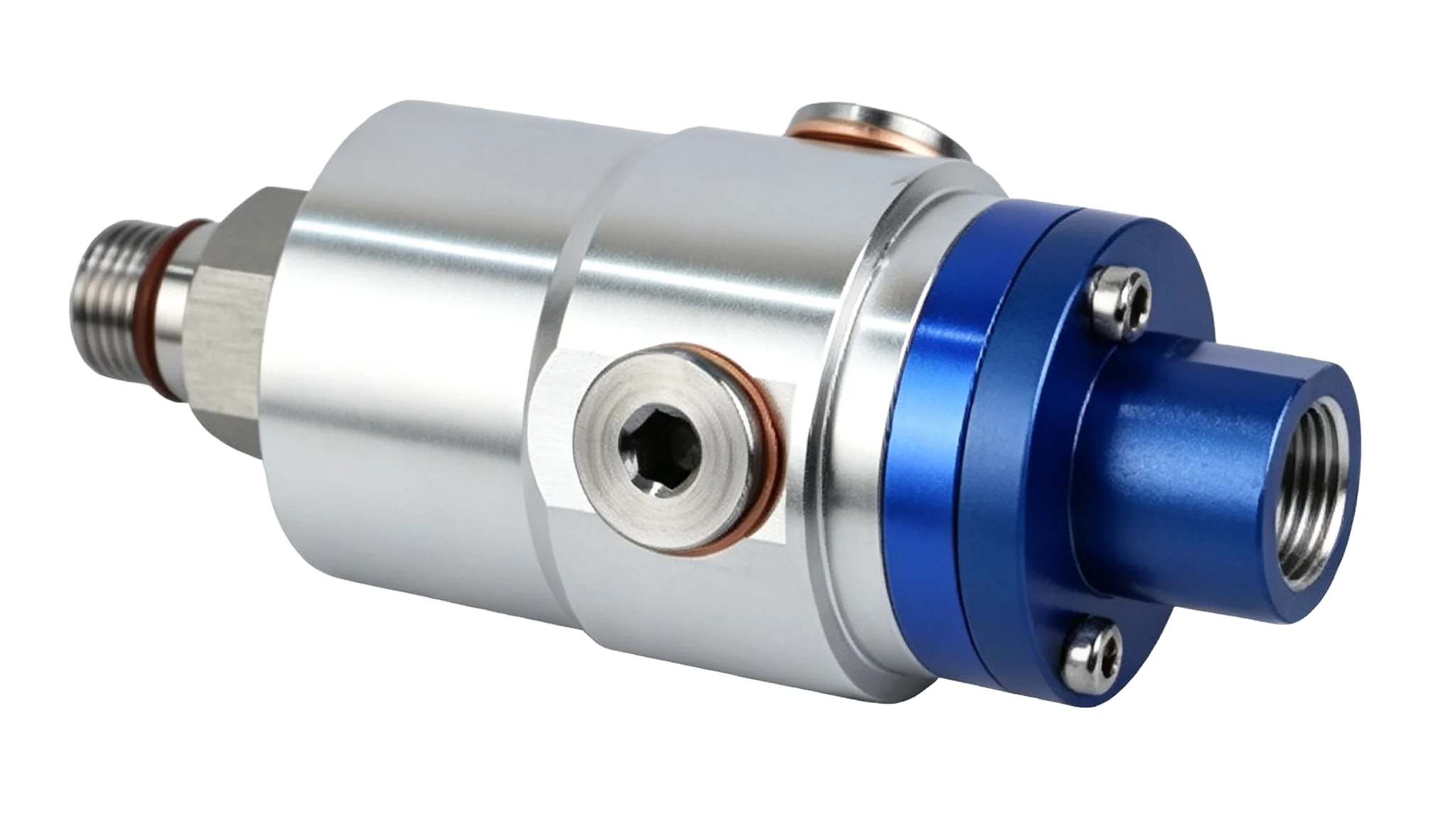
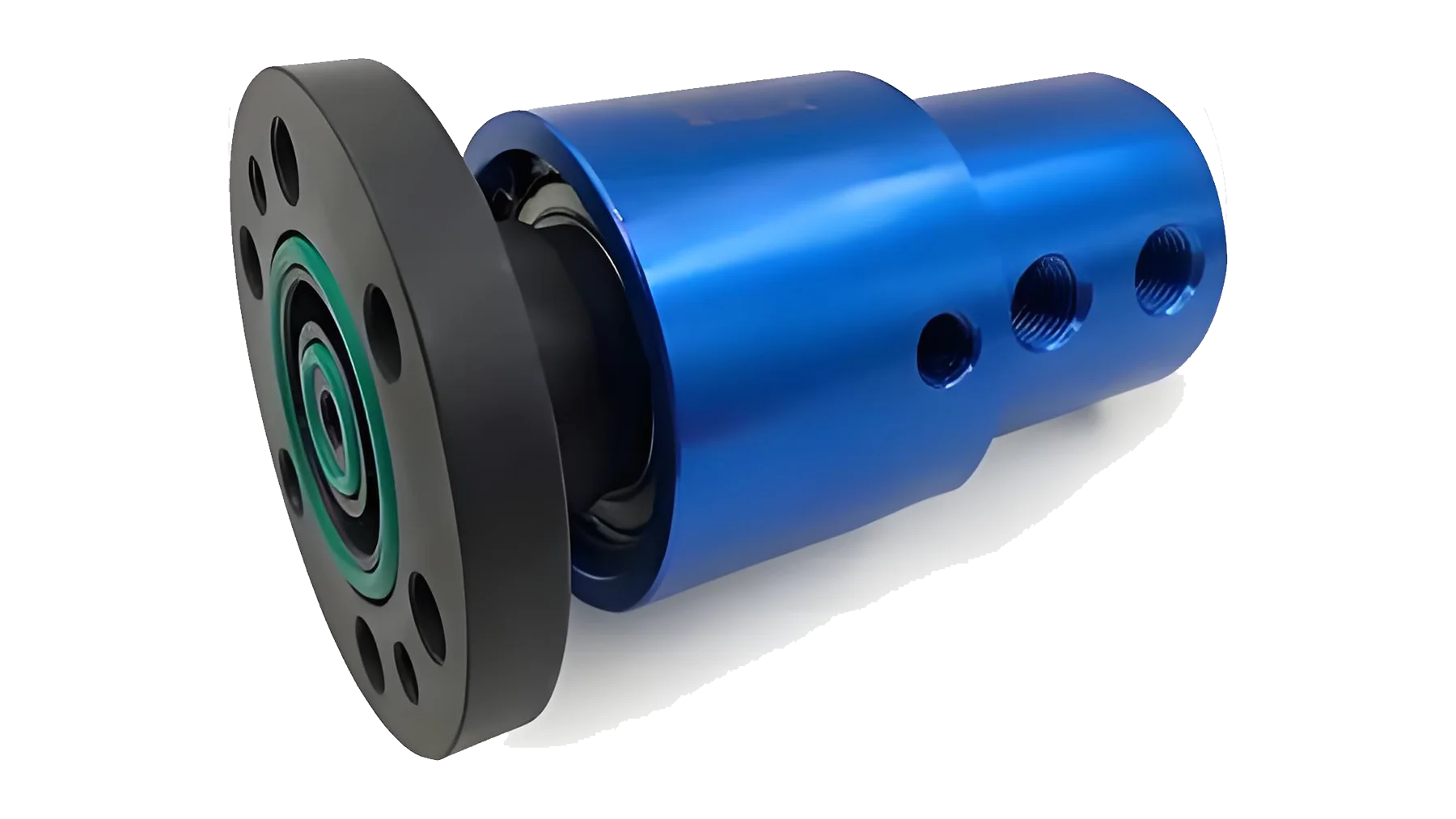
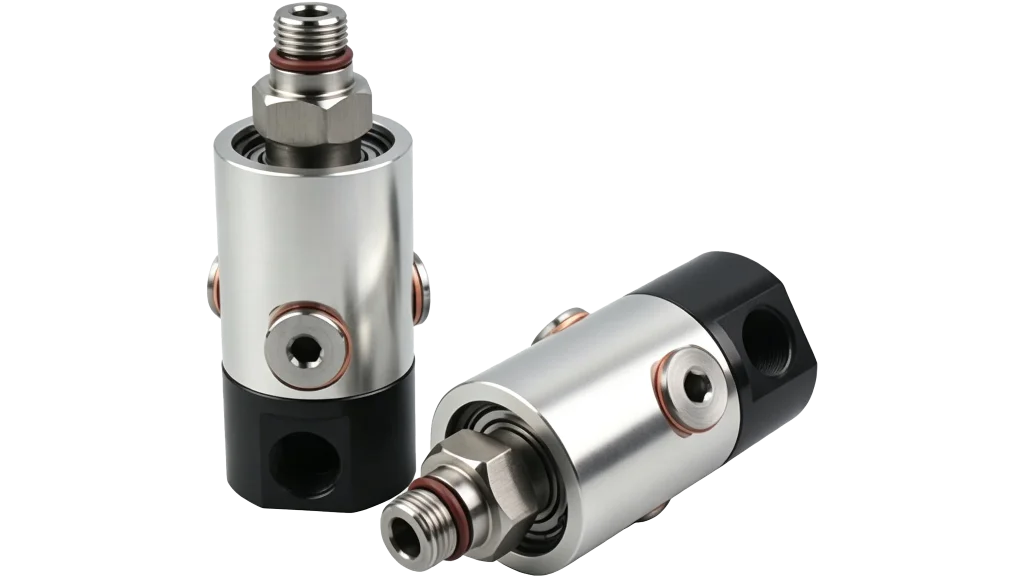
The center outlet rotary joint is a precision sealing device designed to transport coolant and other fluids from a stationary pipeline to the center hole of a high-speed rotating spindle without leakage. Its core solution is to solve the medium transmission problem of internal cooling and tool loosening action in deep hole machining
Structural Description
Single channel for coolant or MQL
Technology allows unlimited dry operation without medium pressure
Full flow design, unobstructed passage, avoiding residual impurities
The threaded rotor supported by bearings is easy to install
Double angle contact ball bearing
Maze structure and multiple large leakage ports to protect ball bearings
The balanced mechanical seal uses silicon carbide, which has a long service life, even under harsh operating conditions
Anodized aluminum shell for corrosion resistance
Product Description:
1. Maze style sealed box drainage can also protect bearings
2. High precision bearings operate stably without vibration
3. Hardened stainless steel rotor
4. Stainless steel springs installed outside the fluid
5. Excellent balanced sealing ensures low friction
6. The shell is made of aluminum alloy
7. Wear resistant, heat-resistant, and impact resistant tungsten carbide cover
Intended use:
The rotating joints of the 902, 903, 1109, 1110, 1111, 1121, 1151, and 1129 series are designed to provide cooling lubricant to rotating tools. During periods of stillness, compressed air can usually be used
The tool fixing area for removing chips. Rotating joint design for operation at ambient temperature
Temperature and medium temperature range from 3 ° C to 3 ° C; C to high. 70° C。
Definition of media:
It is a lotion composed of water and oil-based additives
Cutting oil
MQL Minor lubrication
For information on the working parameters and dimensions of rotary joints, please refer to
Catalog or model specific installation diagram.
The specified rotating joint design is used for non explosive environments and non flammable media.
In modern manufacturing, pushing the limits of speed, accuracy, and efficiency is a daily requirement. When you are tasked with creating precise cavities that extend deep into a metal workpiece, standard machining techniques simply do not cut it. You enter the specialized world of deep hole drilling. At the heart of this complex operation lies a highly engineered, seemingly modest piece of hardware that dictates the success or failure of the entire process: the central water outlet deep hole drilling rotary joint.
Often referred to simply as a coolant union or rotary swivel, this component bridges the gap between your machine’s stationary coolant supply and the rapidly spinning cutting tool. When dealing with extreme depth-to-diameter ratios, getting coolant to the cutting edge is the difference between a perfectly finished part and a catastrophic tool failure.
In this comprehensive guide, we will explore the engineering behind the central water outlet deep hole drilling rotary joint. We will dive deep into seal technologies, optimal pressure settings, maintenance protocols, and advanced troubleshooting techniques that will help you extend tool life, optimize your CNC centers, and eliminate costly downtime.
To truly appreciate the technology behind a central water outlet deep hole drilling rotary joint, you first need to understand why delivering fluid directly through the center of a tool is necessary.
For decades, machinists relied on external flood cooling. While this works well for shallow operations, it presents a massive physical limitation as tools get longer and holes get deeper. If you are drilling a hole with a 15:1 or 30:1 depth-to-diameter ratio, the centrifugal force of the spinning tool acts as an invisible wall, flinging external coolant away before it ever reaches the bottom of the hole.
When comparing internal cooling vs external flood cooling efficiency, the data heavily favors internal systems. External flood cooling can lead to thermal shock, poor chip evacuation, and premature tool breakage in deep cavities. Conversely, central water outlet deep hole drilling forces the cutting fluid directly down the core of the tool, right to the cutting edge where the heat is generated. The fluid then flushes the metal chips back up the flutes (or through the inner tube, depending on the tool design) and out of the hole.
Whether you are performing precision aerospace machining or large-scale borehole drilling for industrial energy sectors, establishing a reliable internal cooling feed is non-negotiable.
A rotary joint (or rotary union) must perform a challenging mechanical balancing act: it must transfer high-pressure fluid from a static hose into a spindle or tool rotating at thousands of revolutions per minute, all without leaking a single drop.
When a machine is equipped with a High pressure through-spindle coolant system, the rotary joint must be capable of handling intense fluid dynamics. The fluid is pushed through the stationary housing, past the mechanical seals, into the spinning rotor, and down through the spindle directly into the tool.
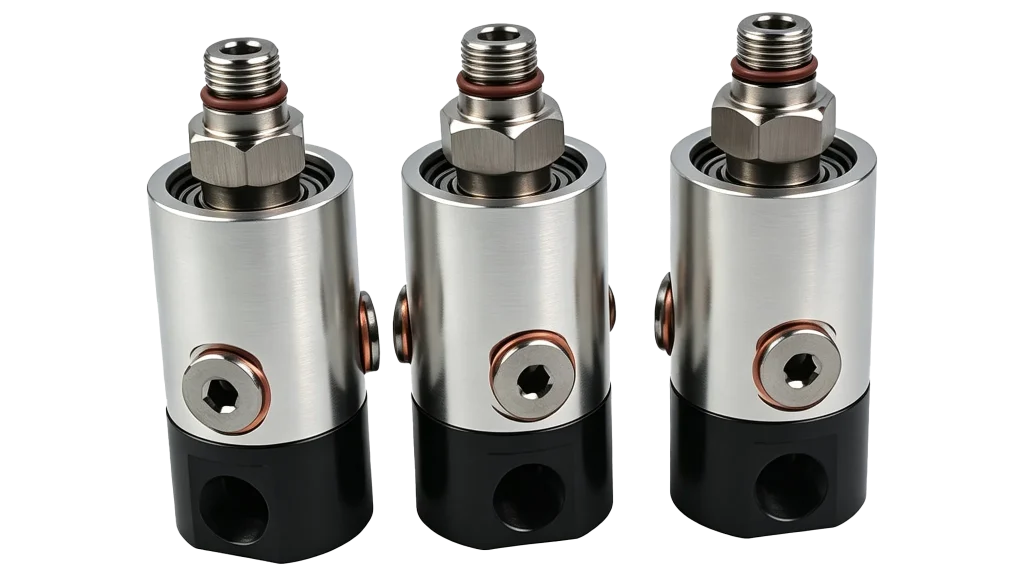
The success of a central water outlet deep hole drilling rotary joint hinges entirely on its seals. As the spindle RPM increases, the friction at the seal interface generates immense heat. Choosing the correct mechanical seal materials for high-speed machining is paramount for operational stability.
When machining materials like cast iron or cast aluminum, microscopic metal particles often remain suspended in the coolant. Here, the advantages of ceramic seal faces in abrasive environments become incredibly clear. Ceramic materials, such as silicon carbide, are highly resistant to the scratching and scoring caused by these abrasive micro-particles. This resistance ensures the seal face remains perfectly flat and mated, drastically reducing the risk of premature leakage.
Delivering coolant to the cutting edge is only half the battle; delivering it at the correct pressure and volume is what actually clears the chips and cools the tool.
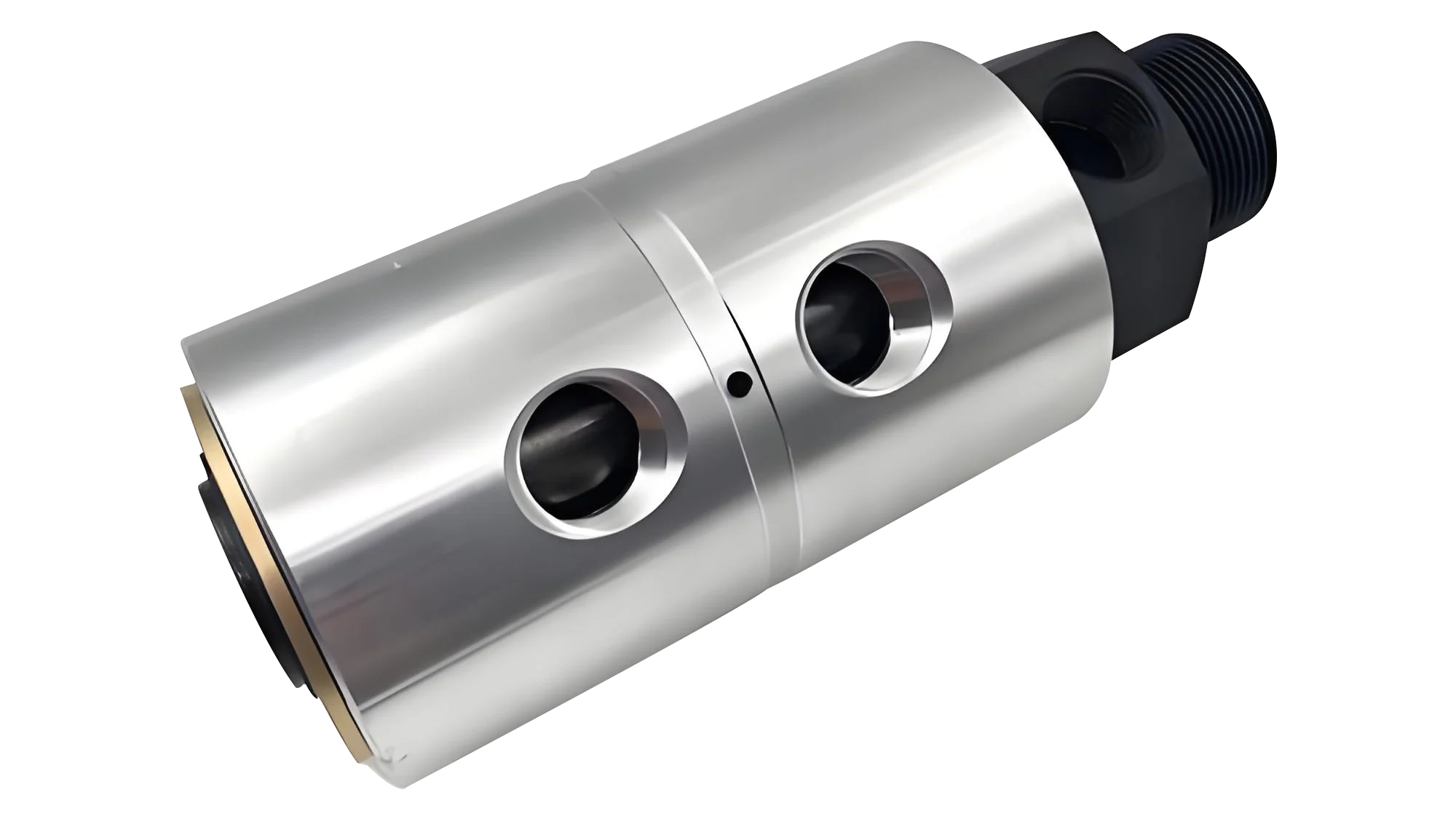
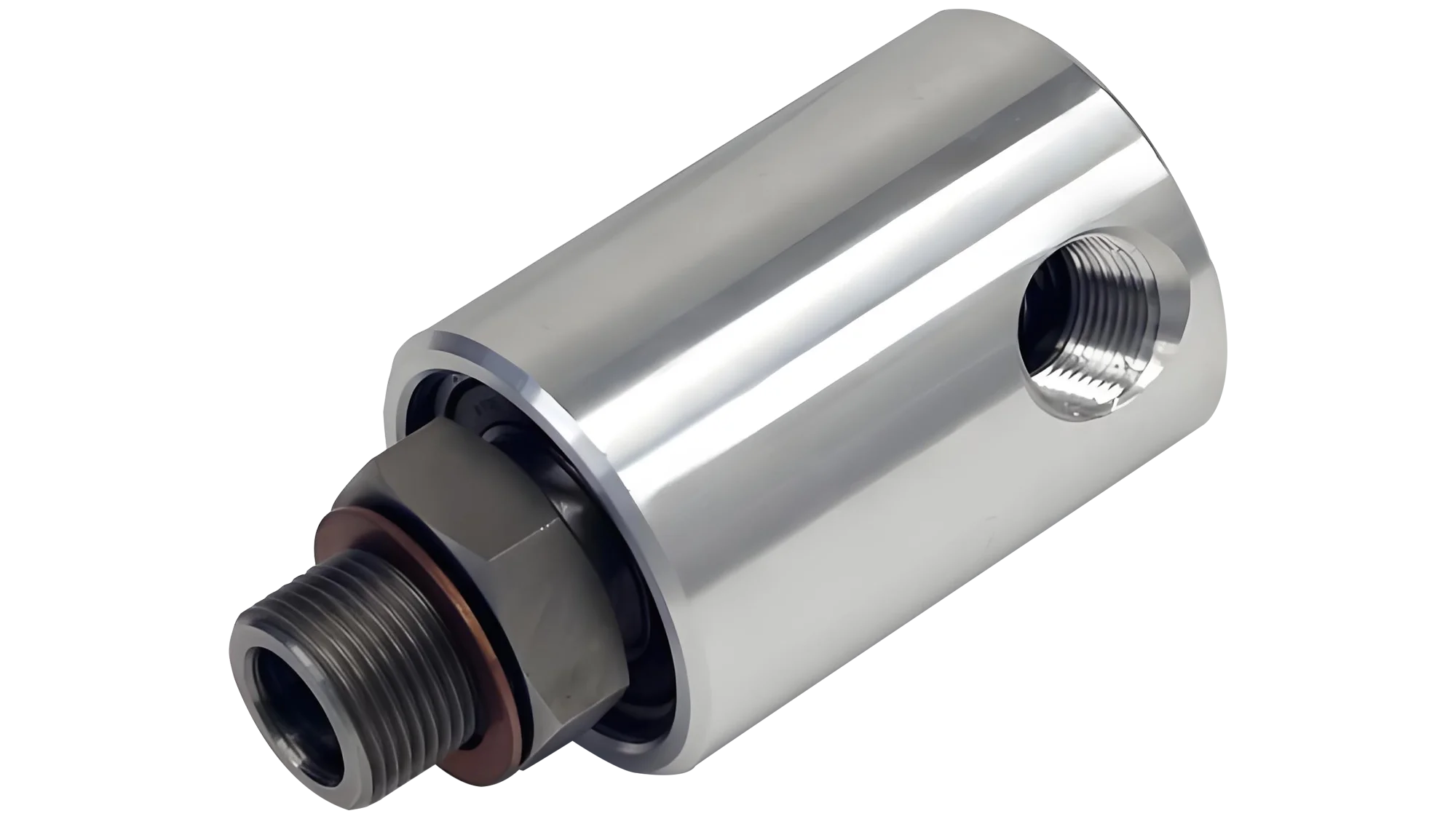
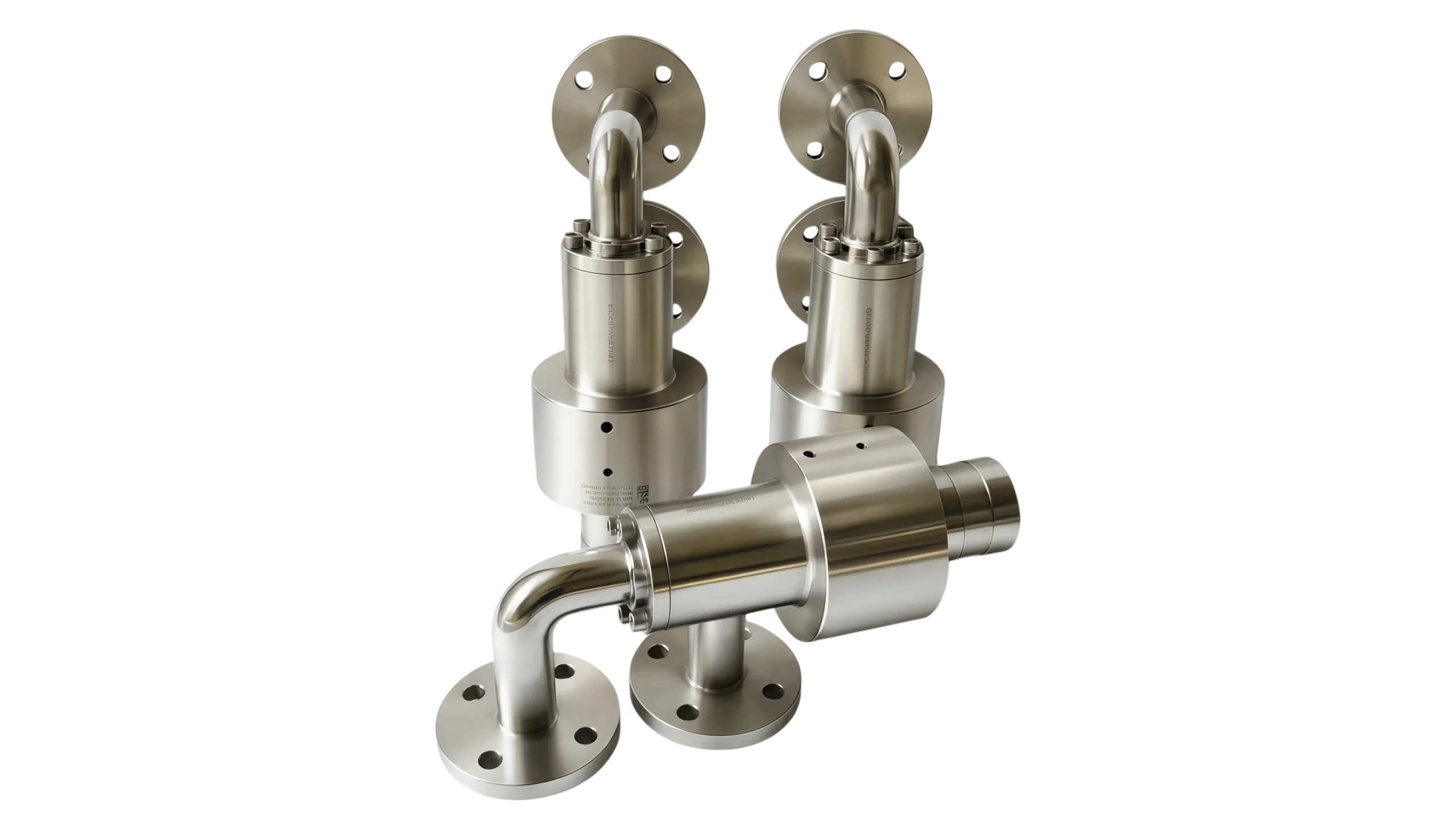
A rotary joint is a sealing device that connects stationary pipelines and rotating equipment, achieving leak free fluid transmission under 360 ° rotation. It allows fluid media to flow smoothly between fixed pipelines and rotating machines, and is a key component in industrial equipment
F90 swivel unions Transporting equipment components from a fixed pipeline system to high-speed rotating or reciprocating motion
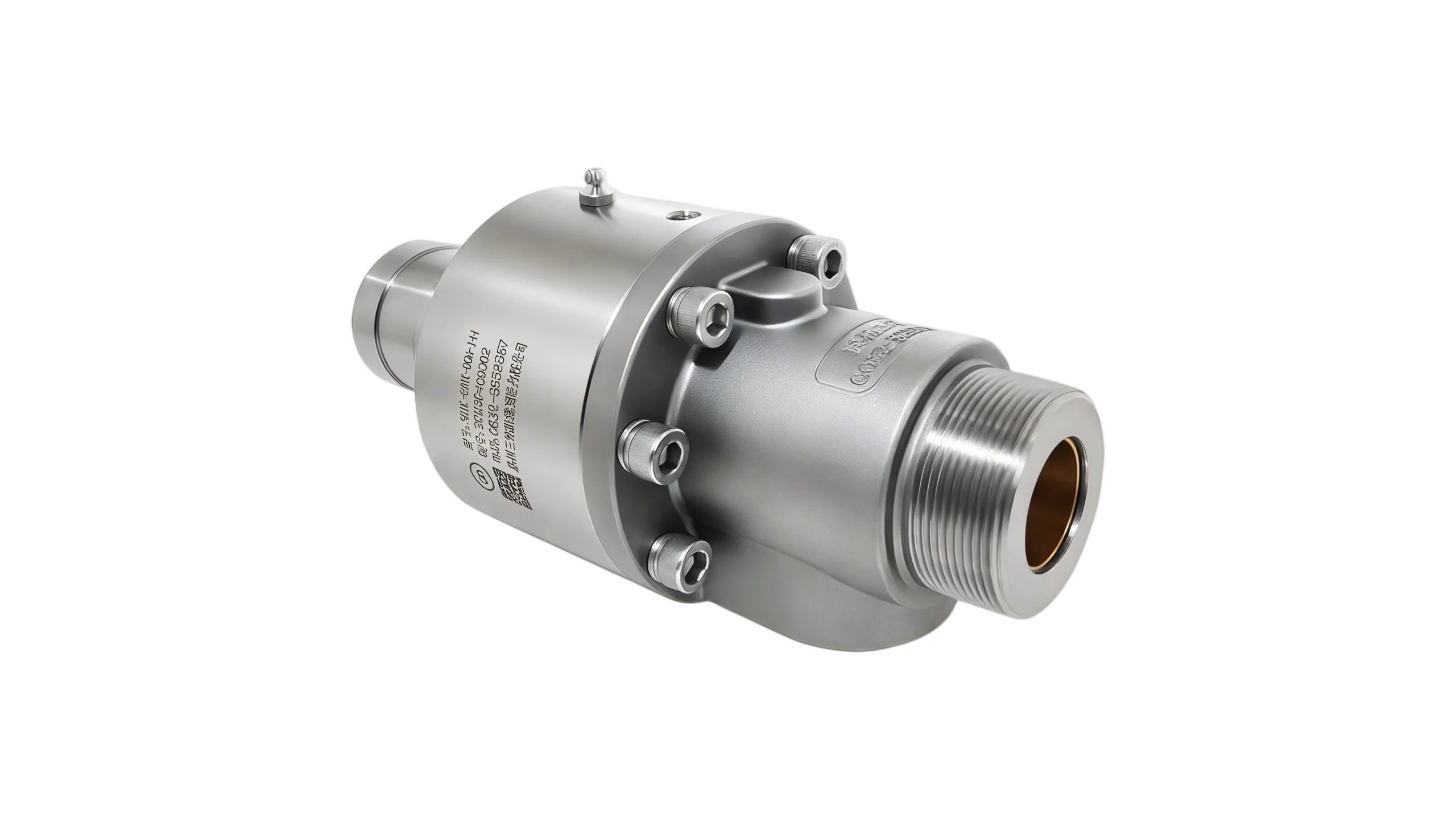
Q32 swivel unions
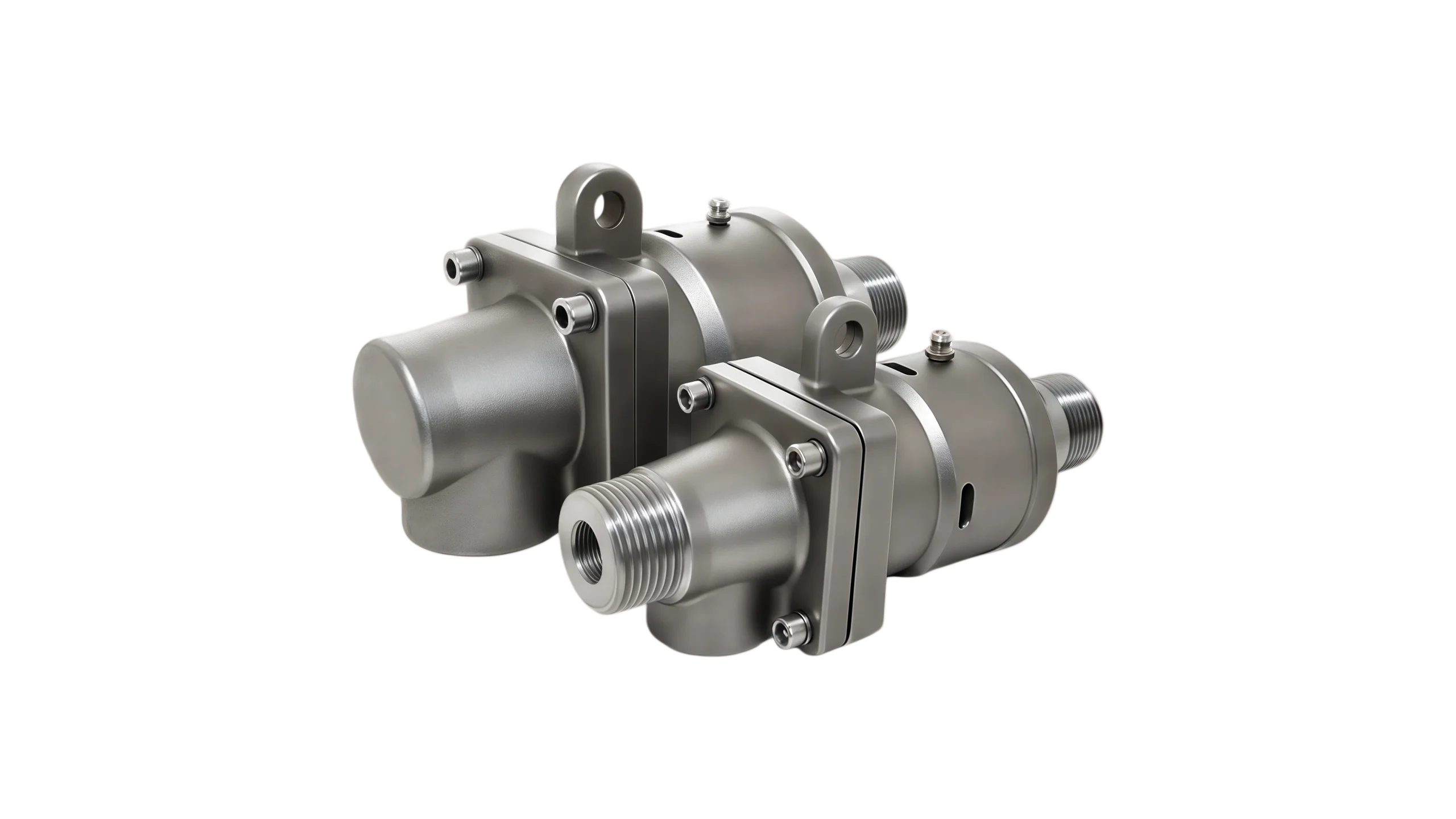
JD40 rotary joint is a key sealing component in industrial fluid transmission systems, usually referring to a rotary connection device with a diameter of DN40 (or corresponding British caliber). As a transitional sealing device that transports fluid media (such as water, steam, hydraulic oil, thermal oil, compressed air, etc.) from static pipelines to dynamic rotating or swinging equipment