The differences in application scenarios of rotary joint?
40What are the differences in application scenarios for different types of rotary joints?
View details rotary joints
Search the whole station
Rotating joints are precision and vulnerable components. Scientific daily maintenance can not only prevent liquid and air leakage but also significantly extend their service life. We can start with the following core aspects for maintenance:
Routine patrol inspection and basic examinationCheck for leaks: This is the most intuitive inspection. Pay attention to the joints and connections between pipes, as well as the sealing areas of the shell, for any signs of medium leakage. Slight drips are often early signs of wear on the seals.
Monitor for abnormal noises: When the equipment is operating, pay attention to whether there are any abnormal friction sounds, sharp whistles, or vibrations coming from the rotating joint area. If there are, it usually indicates severe wear of the internal bearings or a deviation in concentricity.
Fastening connectors: Vibrations generated by long-term operation of equipment may cause screws or flange bolts to loosen. It is recommended to regularly (such as monthly or quarterly) inspect and tighten the connecting parts.
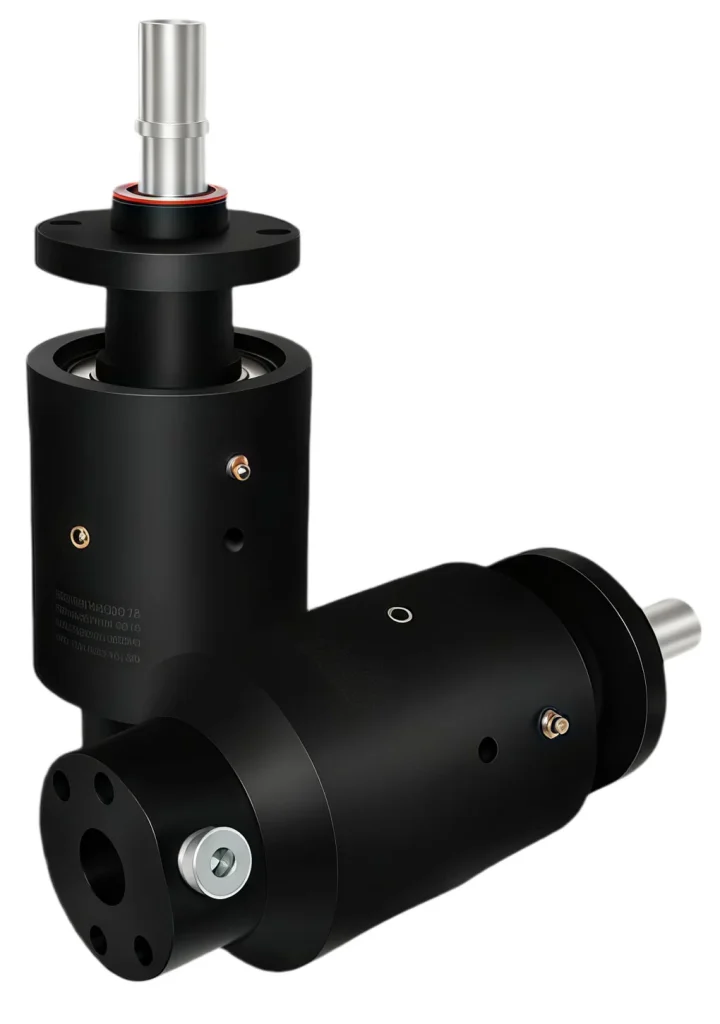
Media and pipeline environment maintenance
Strictly prevent foreign objects from entering (install filters): Hard particles such as welding slag, iron chips, and scale are the “number one killer” of the sealing surface of rotary joints. It is strongly recommended to install a precision filter at the front end of the inlet/inlet pipeline and regularly clean the filter screen to ensure that the medium entering the joint is clean.
Ensure lubrication (for specific media): If ordinary water or non-lubricating gas is being transmitted, the seal will wear out faster. Under permissible operating conditions, a small amount of lubricant can be added to the medium, or a small amount of lubricating grease can be injected through the oil filling hole (if present) periodically, to reduce dry friction on the sealing surface.
Preventing internal scaling: If transporting high-temperature water or heat transfer oil, long-term exposure to high temperatures can easily lead to carbon buildup or scale formation inside, potentially causing the seals to become stuck. It is recommended to regularly use a dedicated cleaning agent to perform circulating cleaning on the interior of pipelines and joints.
Installation status and operation specifications
Check the hose status: It is emphasized again that the hose connected to the rotary joint must be a metal hose. Regularly check the hose for any signs of twisting, aging, damage, or being pulled too tightly. The hose must maintain a natural bend to absorb vibrations and displacements from the equipment, preventing external forces from being transmitted to the joint.
No stepping or hanging heavy objects: It is absolutely forbidden to use the rotary joint as a support point or handrail for equipment, or to hang heavy objects, cables, etc. on it. External pressure can directly cause deformation of the housing or damage to internal precision parts.
Regular deep maintenance and storage
Regularly replace seals: Seals are consumables. Even if there is no obvious leakage, it is recommended to proactively disassemble and replace the seals and O-rings after a certain period of equipment operation (such as continuous operation for half a year or a year, depending on the frequency of use) to prevent potential issues.
Handling of long-term downtime: If the equipment needs to be shut down for an extended period (such as over a week), it is recommended to drain the residual medium from the rotary joint to prevent rusting or scaling, which could cause it to become stuck. Before re-starting, manually rotate the equipment (if operable) or run it at low speed for a few minutes to ensure there is no blockage, and then introduce the medium normally.
What are the differences in application scenarios for different types of rotary joints?
View details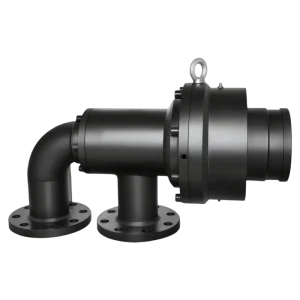
A high-speed rotary joint is a precision mechanical device used for transmitting fluid media
View details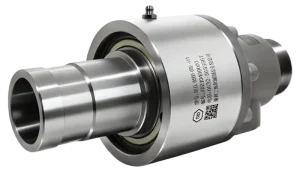
how to install and maintain rotary joint, How to correctly install and maintain a rotary joint, right to install rotary...
View details
What should be considered when selecting a rotary joint, how to select a rotary joint, rotary joint
View details