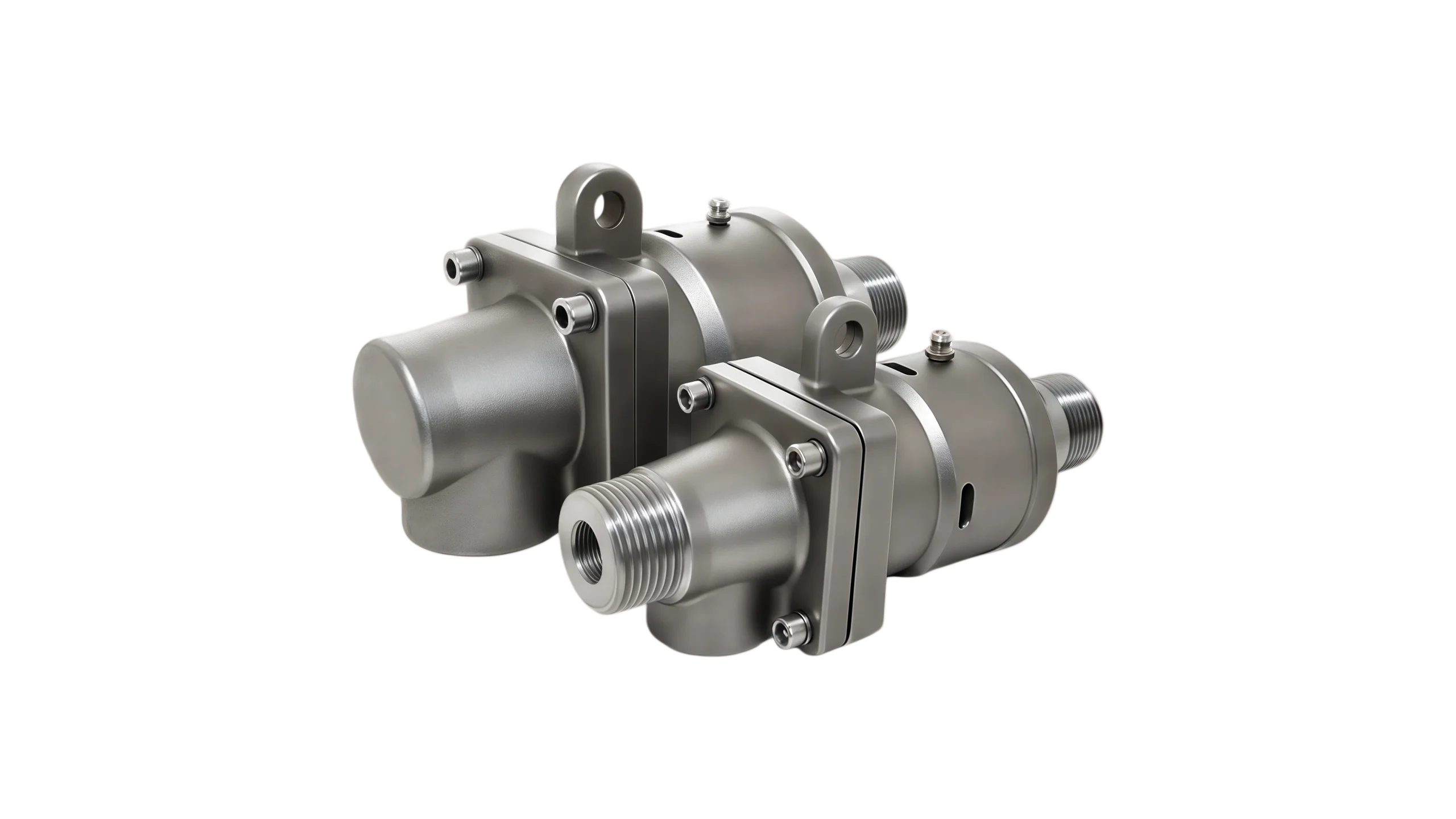
 rotary jointsrotary joints
Search the whole station
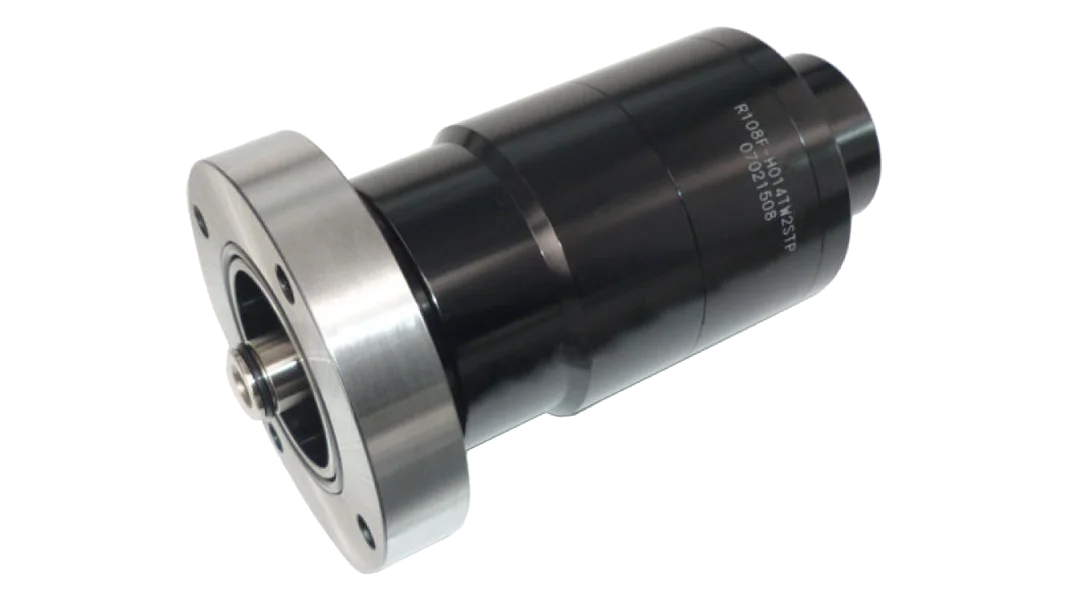
R108F series rotary joint is a high-speed fluid transmission component designed specifically for rubber vulcanizing machines, rolling machines, and various rubber processing equipment. This series of products belongs to the dual channel high-speed rotary joint, designed to solve the problem of continuous transportation of high-temperature media between rotating components
The R108F series rotary joint is a high-speed fluid transmission component designed specifically for rubber vulcanizing machines, rolling machines, and various rubber processing equipment. This series of products belongs to the dual channel high-speed rotary joint, designed to solve the problem of continuous transportation of high-temperature media between rotating components (such as vulcanization drums, hot rollers) and stationary pipelines. Its core function is to achieve a stable transition of media such as steam, thermal oil, cooling water, or compressed air from static systems to dynamic rotating systems while ensuring sealing, effectively preventing media leakage, streaming, and external pollution, thereby ensuring the temperature control accuracy and production efficiency of the vulcanization process.
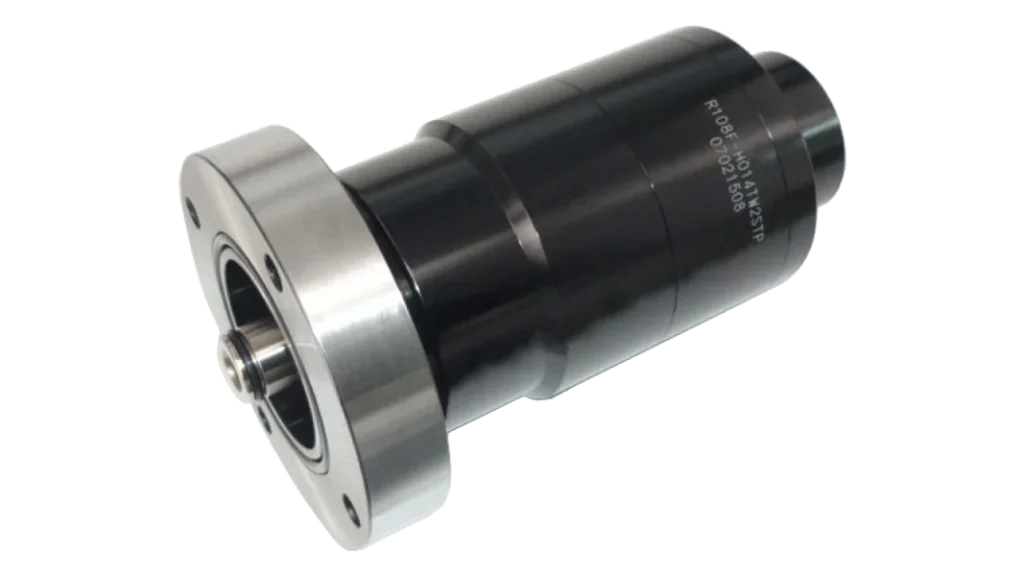
The R108F series adopts a precision mechanical structure design to ensure stability and long lifespan under high-speed rotation:
3.1 Key Components
The precision bearing support is equipped with two high-precision imported bearings inside, which respectively support the front and rear ends of the rotor. This dual support structure not only ensures the concentricity and smooth operation of the rotor, but also significantly reduces rotational resistance and friction torque, enabling it to withstand high-speed operation above 3000 RPM.
Balanced mechanical seal: High wear resistant and self-lubricating materials such as silicon carbide, hard alloy, or impregnated graphite are used as sealing ring pairs. The balanced design effectively counteracts the load of medium pressure on the sealing surface, reduces wear, and significantly extends the service life.
Shell material: usually made of quenched and tempered carbon steel or stainless steel, which has excellent corrosion resistance and structural strength. Some lightweight designs may use aluminum or copper alloys to enhance heat dissipation performance.
Maintenance interface: The housing is equipped with oil nozzles for regular lubrication of bearings, and observation holes for visual inspection of seal wear and leakage status, facilitating preventive maintenance.
3.2 Working principle
When the drum or roller of the vulcanizing machine rotates, the inner tube (or core shaft) of the R108F joint rotates synchronously with the equipment, while the outer shell remains stationary. The medium enters through the stationary shell, passes through the rotating sealing surface through the internal flow channel, enters the inner tube, and is transported to the interior of the rotating equipment. The dynamic balance between the sealing surfaces is maintained by a micrometer sized fluid film, which converts solid friction into mixed friction, thereby achieving zero or micro leakage transmission during high-speed rotation.
4. Advantages of vulcanizing machine application scenarios
In equipment such as rubber flat vulcanizing machines and drum automatic vulcanizing machines, the R108F series has the following application advantages:
Accurate temperature control: Stable steam or thermal oil transmission ensures uniform temperature of the vulcanization mold, improving the vulcanization quality and consistency of rubber products.
High speed adaptability: For modern high-speed vulcanization production lines, its rated speed of 3000 RPM can meet the needs of rapid mold opening and continuous production, reducing downtime caused by joint failures.
Anti vibration and wear resistance: Optimized internal flow channel design (such as spiral guide) reduces vibration caused by fluid pulsation, combined with high hardness sealing materials, effectively resisting the possible wear of impurity particles during vulcanization process.
Convenient maintenance: Modular design and visualized wear monitoring mechanism make seal replacement and bearing maintenance easier, reducing maintenance costs throughout the entire lifecycle.
A rotary joint is a sealing device that connects stationary pipelines and rotating equipment, achieving leak free fluid transmission under 360 ° rotation. It allows fluid media to flow smoothly between fixed pipelines and rotating machines, and is a key component in industrial equipment
F90 swivel unions
Q32 swivel unions
JD40 rotary joint is a key sealing component in industrial fluid transmission systems, usually referring to a rotary connection device with a diameter of DN40 (or corresponding British caliber). As a transitional sealing device that transports fluid media (such as water, steam, hydraulic oil, thermal oil, compressed air, etc.) from static pipelines to dynamic rotating or swinging equipment