 rotary jointsrotary joints
Search the whole station
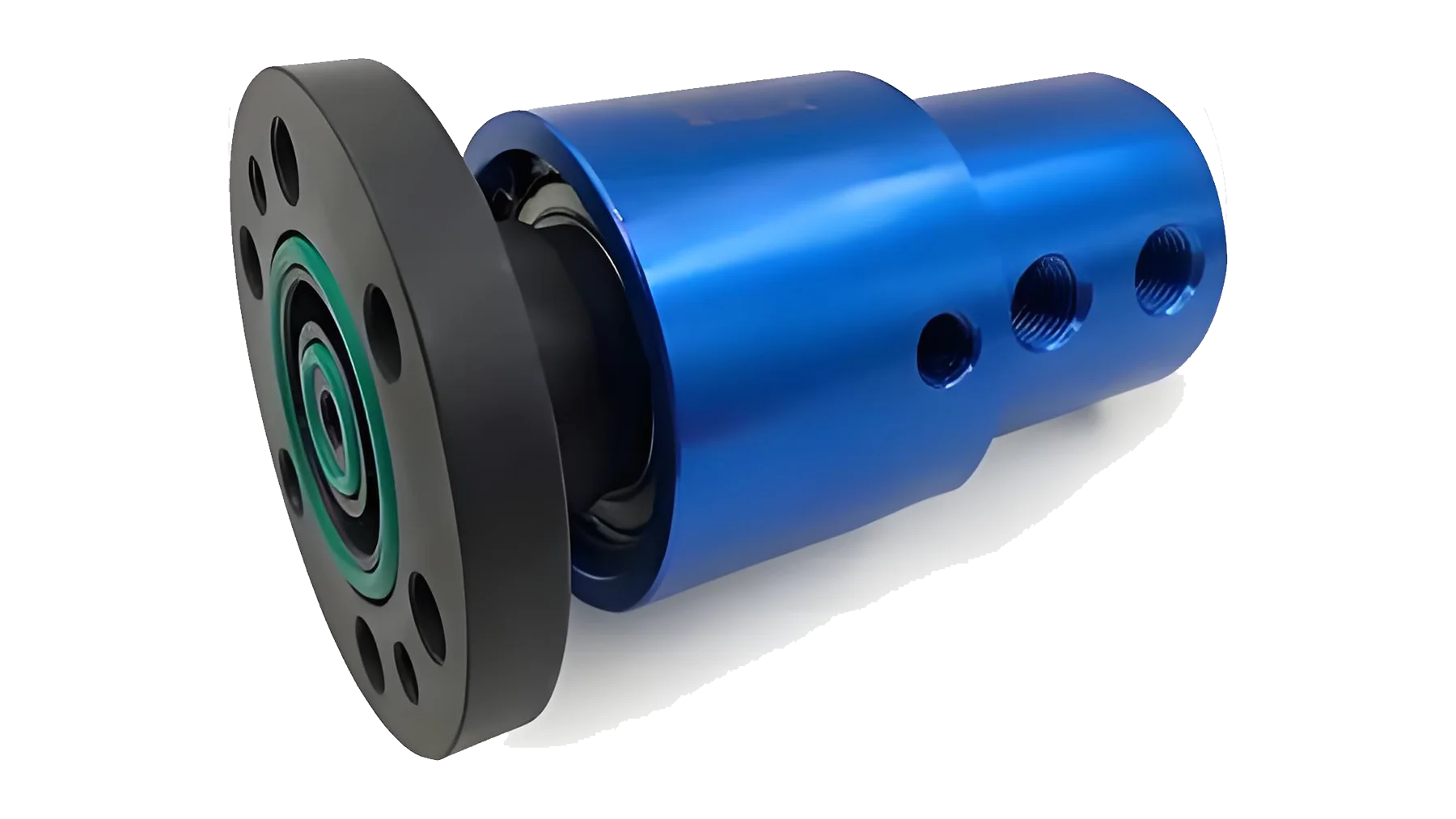
The specialized rotary joint for steel continuous casting (usually HM type or XKA/HMDU embedded series) is designed for the internal cooling of continuous casting machine rollers. Its core features include embedded installation, balanced sealing, temperature and pressure resistance, compact integration, and adaptation to water cooling
Usage conditions:
Experimental pressure: 1.8 MPa
Pressure: 1.2 MPa
Temperature: 230 ℃
Speed: 60 rpm
Media: water, coolant
Axial expansion and contraction: 10 mm
Skewness angle: 0.1 °

Product application scope: Steel and metallurgical industry
The specialized rotary joint for steel continuous casting (usually HM type or XKA/HMDU embedded series) is designed for the internal cooling of continuous casting machine rollers. Its core features include embedded installation, balanced sealing, temperature and pressure resistance, compact integration, and adaptation to water cooling.
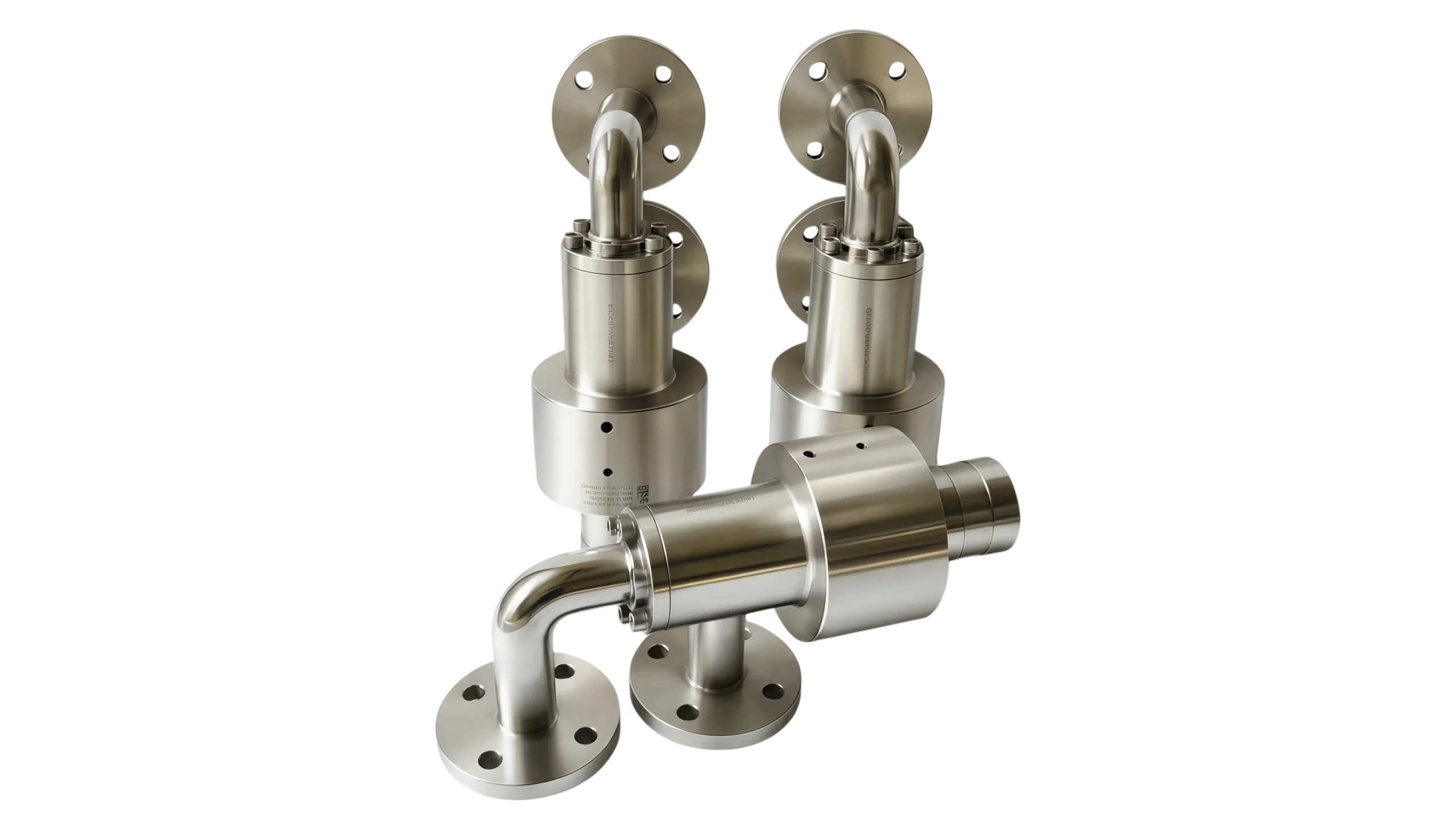
Embedded structure: Most of the shell is embedded inside the rolling mill, with only the exposed elbow interface, saving space and synchronously rotating. It is a key component of the “internal cooling roller” and improves the roller life.
Balanced sealing design: using end face mechanical seals (commonly equipped with ceramic/silicon carbide/bronze friction pairs), axial force self balancing, reducing specific pressure and wear, partially inverted and concealed to shorten axial dimensions and facilitate maintenance.
Strong adaptability to working conditions: typical parameters are ≤ 1.2 MPa pressure, ≤ 120 ℃ temperature, ≤ 60-100 r/min speed (some reinforced types reach 150 ℃/200 r/min), the medium is mainly cooling water or thin oil, and the material is mostly stainless steel, alloy steel or cast steel corrosion-resistant.
Compact and integrated structure: Abandoning traditional axial serial seals, using integrated shells and inverted seals to reduce leakage points, supporting axial expansion compensation (such as 100mm) to adapt to roller thermal expansion deformation.
Oil free/self compensating bearings: commonly equipped with oil-free lubricated bearings or rolling supports, the spring automatically compensates for the sealing surface after wear, and some have visible wear scales; Flexible metal hoses must be used for connection, and rigid installation is prohibited.
Special series identification: such as HM, HMDU, XKA type, different from converters or universal joints, emphasizing high concentricity, low friction torque, and anti impurity (rust/scale) sealing.
Preparation work before installing the rotary joint:
1. Check if the type, specification, and model of the rotary joint are correct, and if there are any missing parts connecting the machine and pipeline used for assembly.
2. When the hollow shaft of the rotary joint is connected by threads, it should be checked whether the rotation direction of the threads is opposite to the rotation direction of the assembled rotating body, and whether the size design is the same.
3. For rotary joints equipped with rolling bearings, the date of manufacture should be checked. If the original lubricating grease has failed due to a long period of time, the rotary joint should be disassembled before installation to remove the failed grease,
And clean the parts.
We should also pay attention to its maintenance and upkeep in daily use, so as to extend its service life, especially for new equipment and machines, filter screens should be installed to effectively prevent abnormal wear and tear;
Over a long period of time, dirt or rust may form on the joint. When using it again, attention should be paid to the phenomenon of jamming, and regular refueling is necessary to ensure the normal operation of the machine and rotating joint; During the process of transferring storage,
Handle with care and avoid collision; Regularly inspect the damaged condition of the joint, especially the sealing end face, and replace it promptly if severe wear is found.
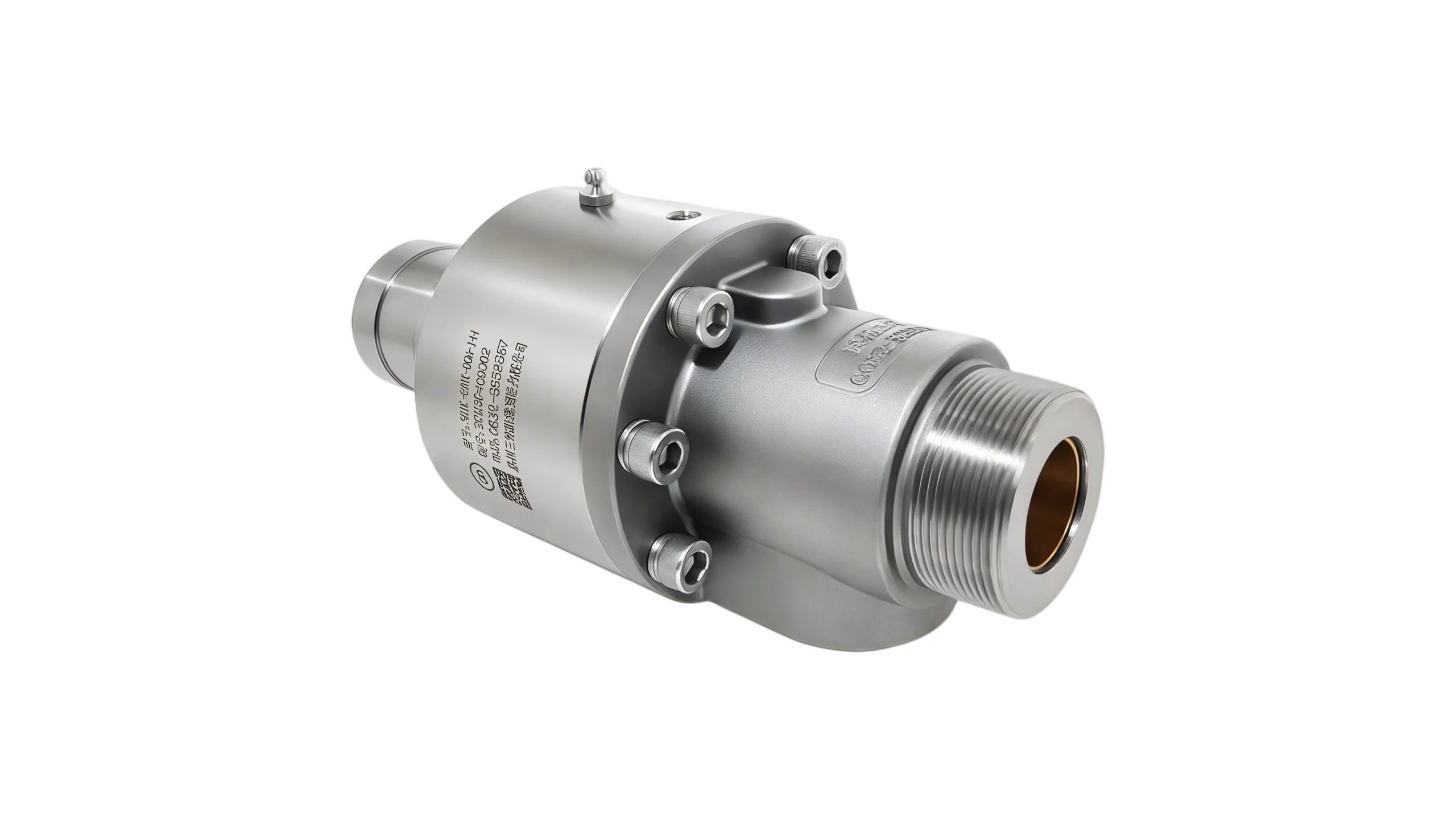
A rotary joint is a sealing device that connects stationary pipelines and rotating equipment, achieving leak free fluid transmission under 360 ° rotation. It allows fluid media to flow smoothly between fixed pipelines and rotating machines, and is a key component in industrial equipment
F90 swivel unions
Q32 swivel unions
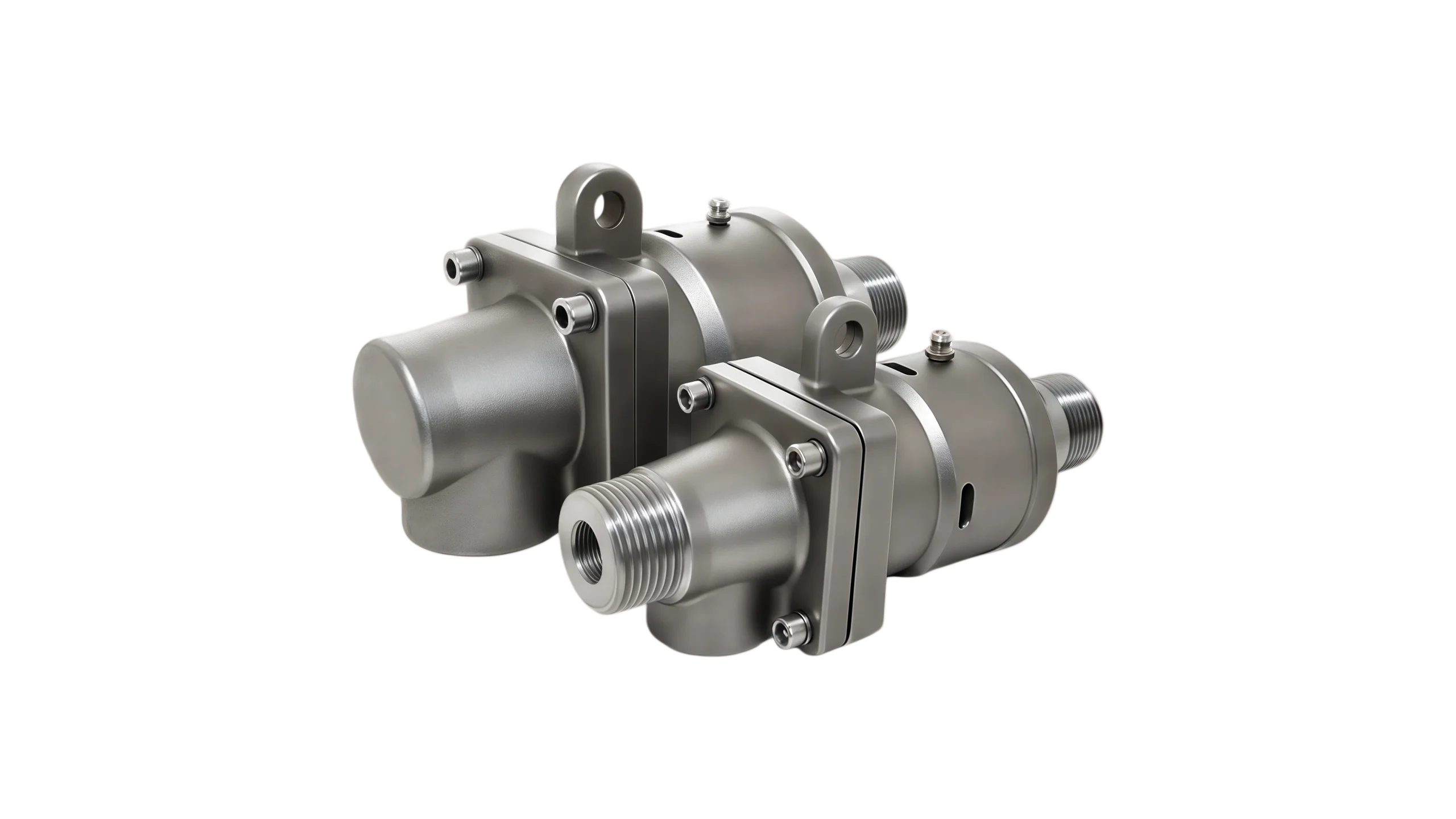
JD40 rotary joint is a key sealing component in industrial fluid transmission systems, usually referring to a rotary connection device with a diameter of DN40 (or corresponding British caliber). As a transitional sealing device that transports fluid media (such as water, steam, hydraulic oil, thermal oil, compressed air, etc.) from static pipelines to dynamic rotating or swinging equipment