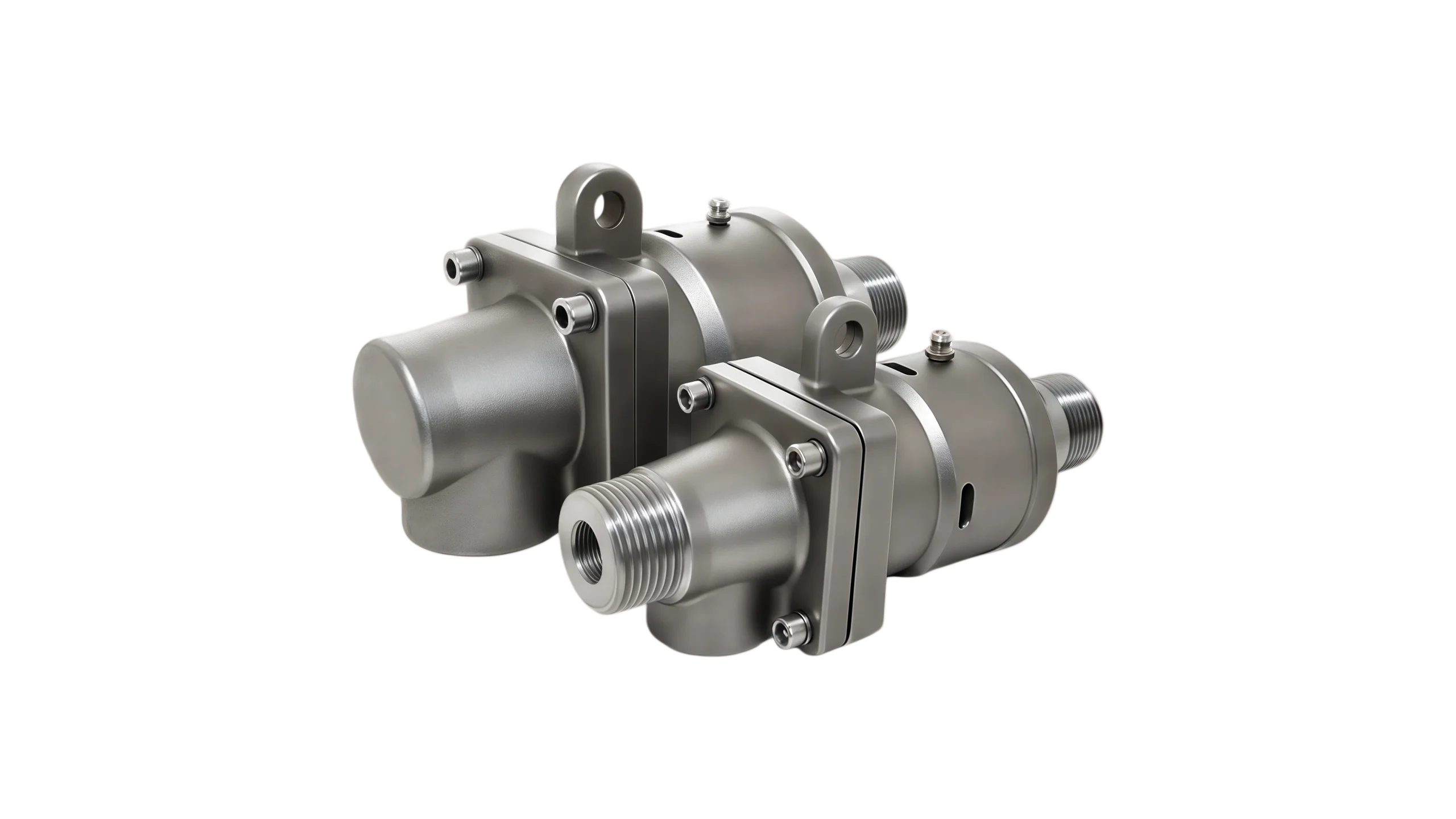
 rotary jointsrotary joints
Search the whole station
Excellent corrosion resistance: Copper can naturally form a dense and strong adhesion alkaline copper carbonate protective film in air and water, effectively preventing further corrosion of internal metals. This characteristic makes it suitable for freshwater and seawater (within allowable limits)
Copper and its alloys (such as brass and bronze) are ideal materials for industrial accessories, possessing the following basic characteristics:
1. Excellent corrosion resistance: Copper can naturally form a dense and strong adhesion alkaline copper carbonate protective film in air and water, effectively preventing further corrosion of internal metals. This characteristic makes it suitable for freshwater and seawater (within allowable limits)
It has good corrosion resistance in various non oxidizing acid, alkali, salt solutions, and atmospheric environments at flow rates.
2. Excellent thermal conductivity: Copper is an excellent thermal conductor (with a thermal conductivity of approximately 400 W/m · K), which is particularly important for cooling systems that require heat exchange or temperature control, enabling rapid temperature response and uniform heat distribution.
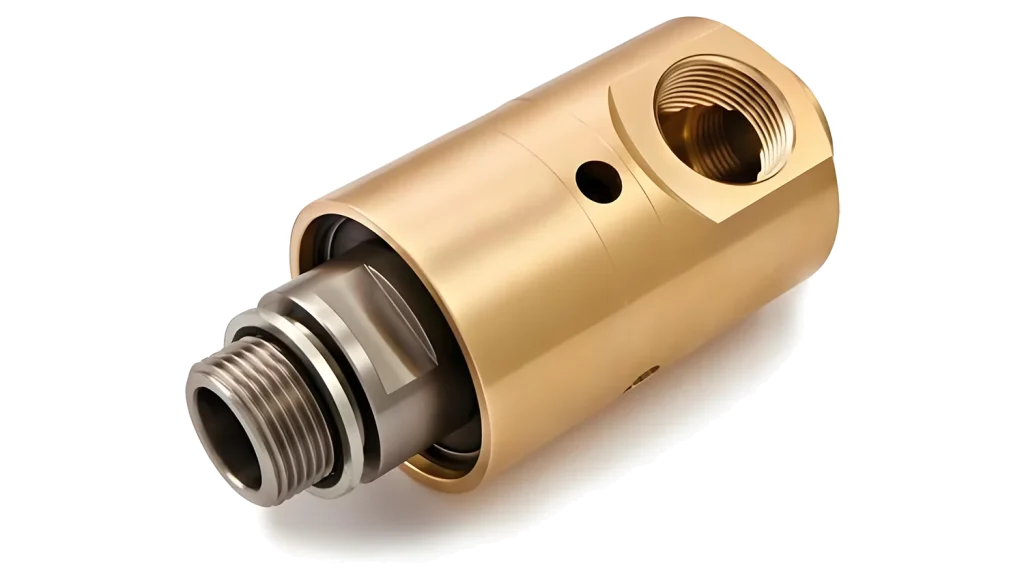
3. Good mechanical properties: Copper materials can achieve a balance between high strength and hardness through alloying treatment. For example, brass has an elongation of ≥ 30%, which is suitable for frequent opening and closing conditions, while special copper alloys (such as C14440) have tensile strength
The strength can reach 1200-1400 MPa.
4. Natural antibacterial properties: Copper and its alloys have the ability to inhibit and kill common waterborne pathogens such as Escherichia coli and Legionella, which makes copper joints an important hygiene advantage in drinking water systems.
Core materials and processes
Main material: Made of high-quality brass (such as HPb59-1) or cast bronze. Brass has good thermal conductivity, corrosion resistance, and mechanical processing properties, making it suitable for cooling environments.
Surface treatment: Usually treated with passivation, nickel plating, or zinc plating to enhance oxidation and corrosion resistance, and extend service life.
Sealing components: Equipped with high-performance seals internally, common materials include nitrile rubber (NBR),or polytetrafluoroethylene (PTFE), ensuring zero leakage under high pressure and temperature changes.
Performance advantages of copper joints in cooling valves
Based on the above material characteristics, copper joints exhibit the following specific advantages in cooling valve applications:
1. High temperature resistance: Experimental data shows that after 600 hours of continuous operation at 120 ℃, the sealing performance of heat-resistant copper joints deteriorates by less than 5%, meeting the high temperature durability requirements of ASTM B584
Sex makes it suitable for medium and low pressure steam systems.
2. Sealing reliability: The copper joint is processed with high precision, and a good seal can be formed between the ball and the valve seat to prevent medium leakage. The combination design of trapezoidal protrusions and annular grooves makes the stress distribution of pipeline connections uniform
, further improving the sealing performance
3. Convenient operation: The copper ball valve has a simple structural design, and only needs to be rotated 90 degrees for opening and closing, making it easy and fast to operate. The handle conforms to ergonomic design, making it easy to use and particularly suitable for situations that require frequent operation
4. Low maintenance cost: Copper valves have a simple structure consisting of limited components such as spheres, valve bodies, valve stems, and seals. This design not only reduces the failure rate but also makes maintenance work easier
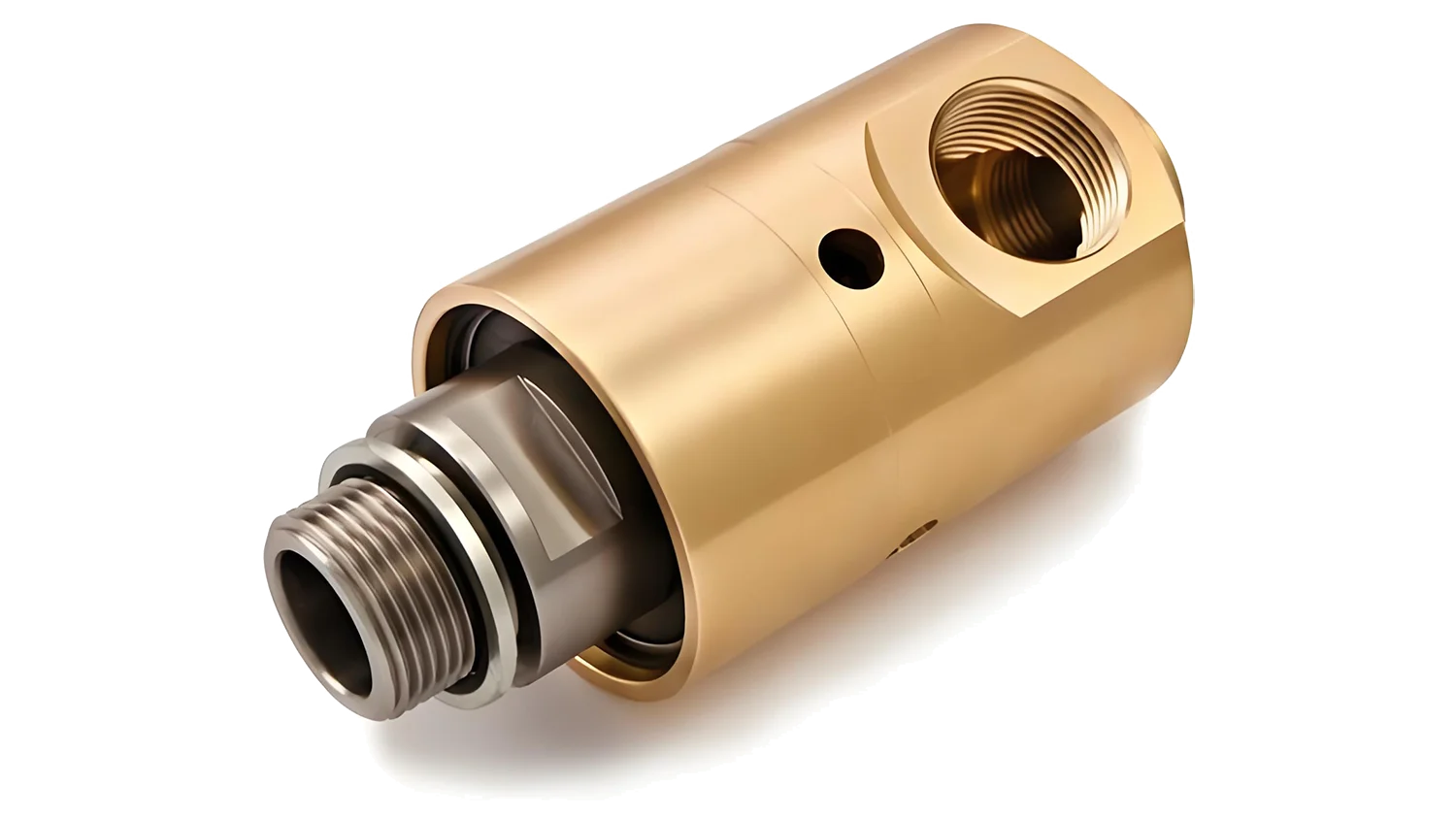
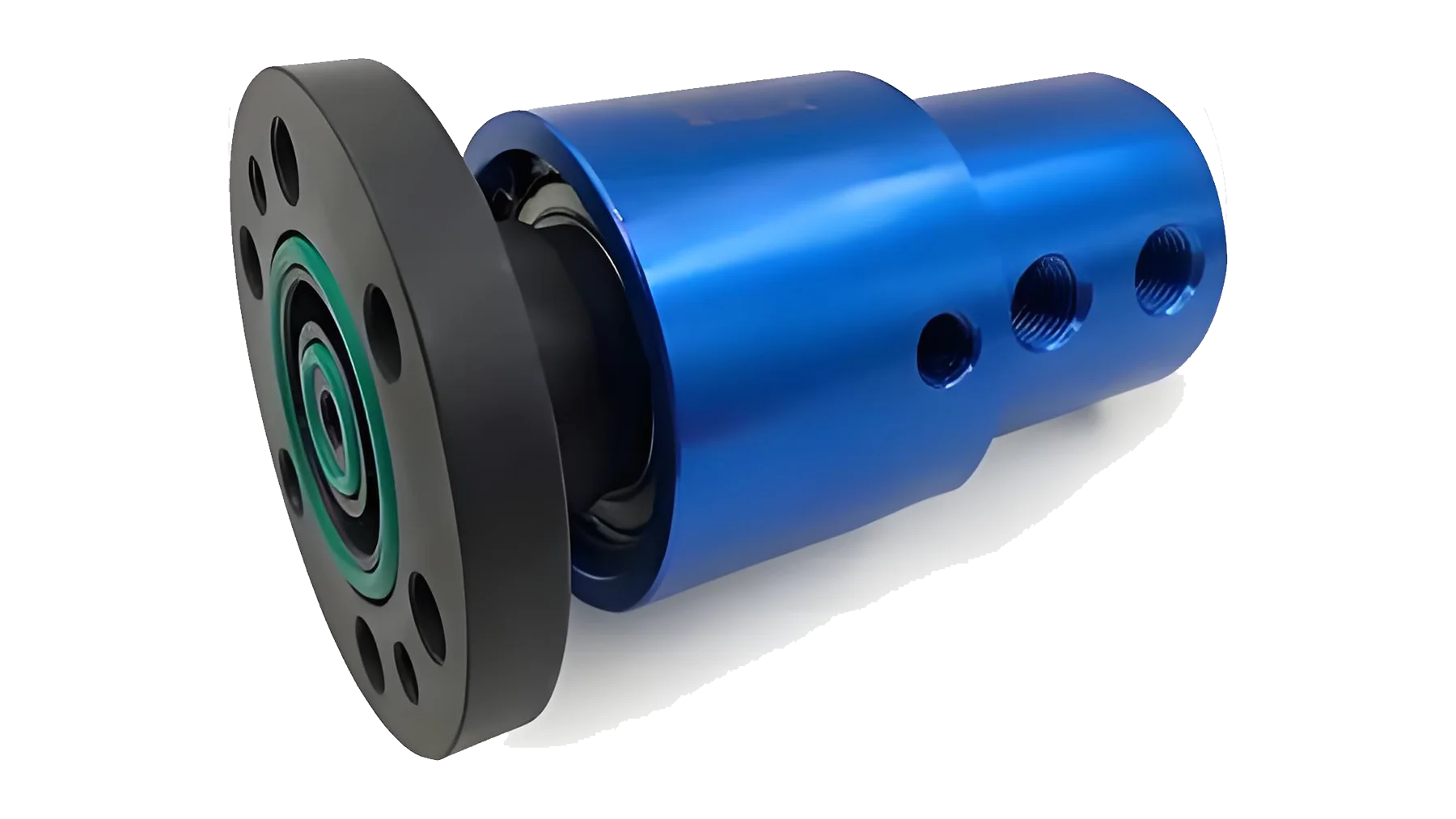
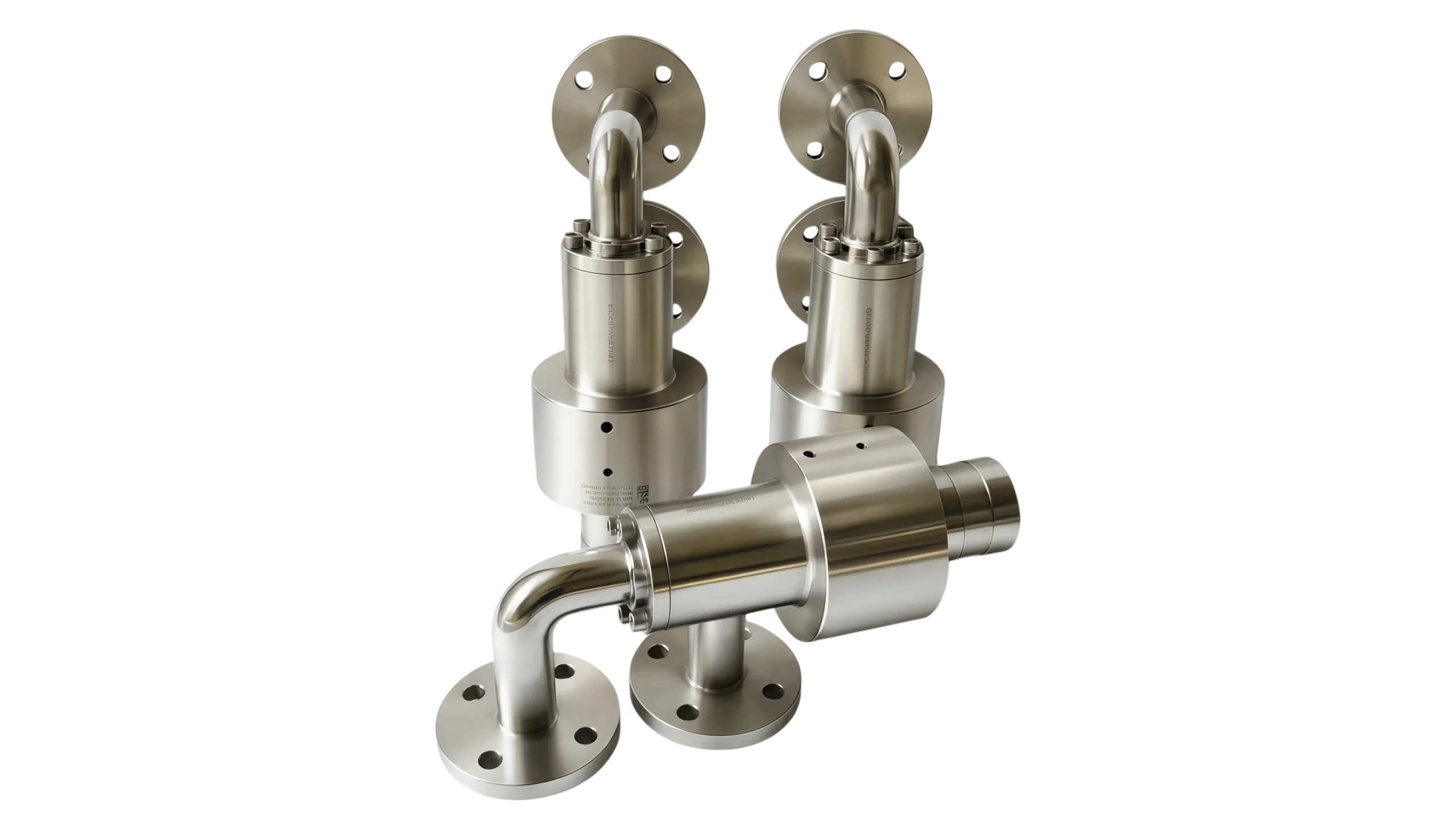
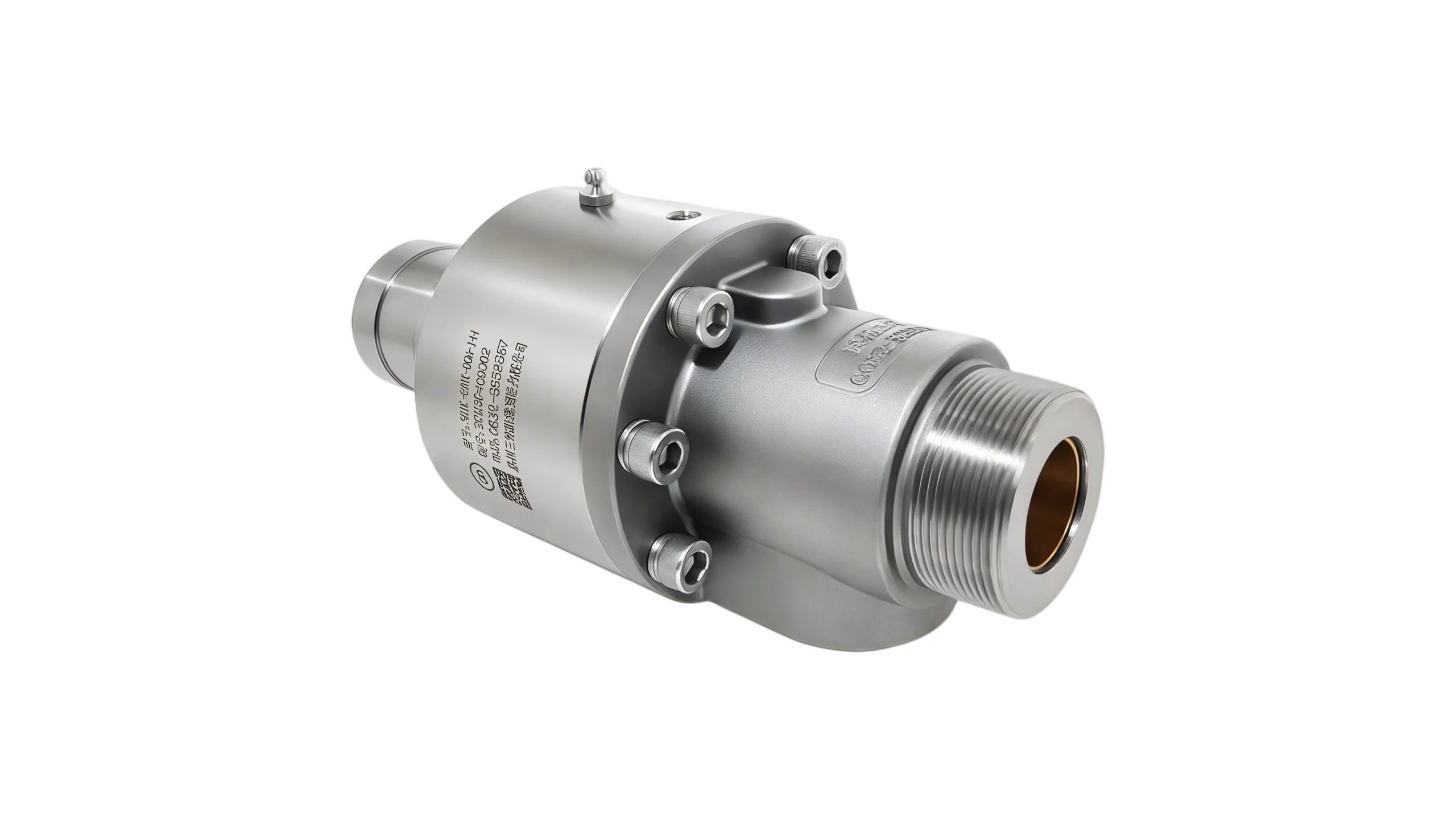
A rotary joint is a sealing device that connects stationary pipelines and rotating equipment, achieving leak free fluid transmission under 360 ° rotation. It allows fluid media to flow smoothly between fixed pipelines and rotating machines, and is a key component in industrial equipment
F90 swivel unions
Q32 swivel unions
JD40 rotary joint is a key sealing component in industrial fluid transmission systems, usually referring to a rotary connection device with a diameter of DN40 (or corresponding British caliber). As a transitional sealing device that transports fluid media (such as water, steam, hydraulic oil, thermal oil, compressed air, etc.) from static pipelines to dynamic rotating or swinging equipment