Structural principle of rotary joint
15The structure of a rotary joint consists of three main parts, namely the rotating part, the resting part, and the...
View details rotary joints
Search the whole station
Rotary joints are common sealing components in industrial equipment used for transferring fluids or gases. Proper use of rotary joints can extend their lifespan and ensure safe operation of equipment. Here are some key usage precautions:
Long term disuse of the machine can cause rusting and damage to the rotating joint. Please be aware that there may be jamming or leakage when using it again.
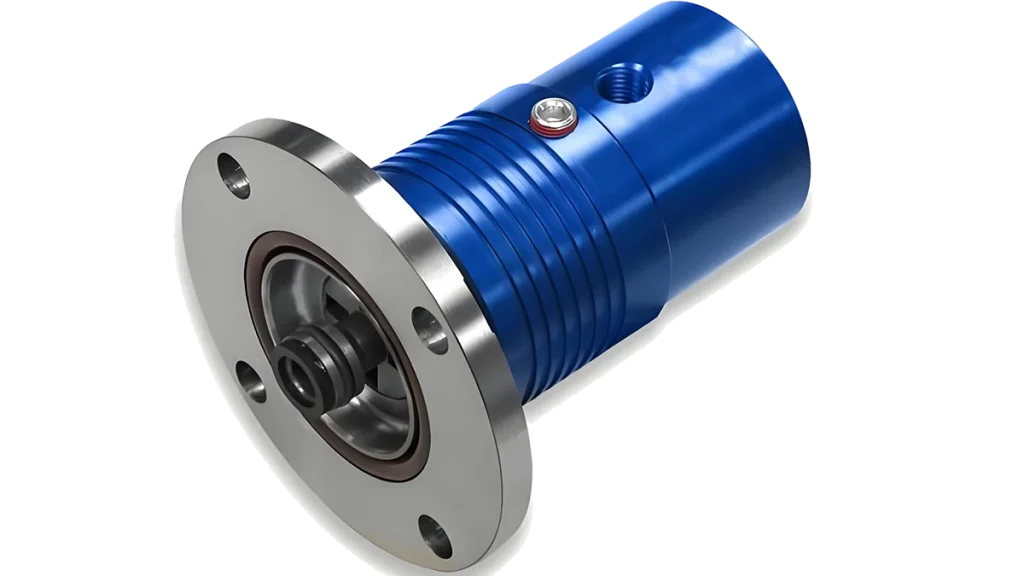
Do not allow rotating joints with different centers of rotation to continue running, in order to avoid wear or damage.
The inlet and outlet of the rotary joint must be equipped with hoses and cannot be replaced with steel pipes to reduce vibration and stress.
Select good hoses and maintain appropriate length to ensure flexibility and resistance to breakage.
Do not directly add other accessories at the inlet and outlet of the rotary joint. If the device is to be installed, it should be added after the hose.
The interior of the piping and rollers should be kept clean, as new machines often suffer from abnormal damage to the rotating joints due to internal uncleanliness.
Whether the supporting device of the rotary joint is appropriate affects its stability and service life.
The rotation axis of the rotary joint and the fixed inner tube must be either left or right, and attention should be paid to the correct rotation direction during design and manufacturing.
Use rotating joints that meet the conditions (refer to fluid, pressure, size, speed, rotation direction, inner pipe, or other necessary items).
Whether the inner tube is properly selected and assembled should pay attention to the fit of dimensions and whether the weight is too heavy.
When using a screw type rotary joint, attention should be paid to whether the specifications of the connecting screws are correct and whether the length of the locking roller is sufficient.
During transportation, the rotating joint should avoid collision or falling, otherwise it is prone to bending of the rotating shaft and splitting of internal parts.
When not flowing, avoid prolonged operation to prevent dry grinding damage.
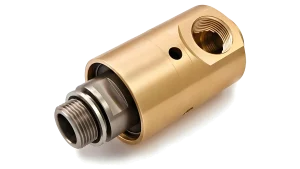
The structure of a rotary joint consists of three main parts, namely the rotating part, the resting part, and the...
View details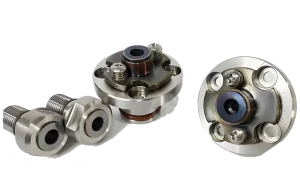
RIX rotary joint is a precision fluid connection component used to secure the medium transport between pipelines and rotating components....
View details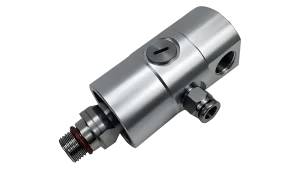
The A10-1771-05L high-speed rotary joint is a high-performance, high-precision rotary joint used for passing coolant, water, air, and hydraulic oil....
View details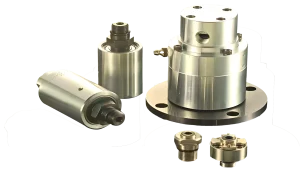
Features of "RIX 9072": nominal pressure resistance of about 22MPa, speed of 3000rpm, flange connection, mostly made of 304/316L stainless...
View details