What should be paid attention to when installing a rotary joints
53What should be paid attention to when installing a rotary joint, What should be paid attention to when installing a...
View details rotary joints
Search the whole station
The rotary joint is a specialized type of rotary joint designed for low-speed, high-pressure applications involving multiple media and multi-channel equipment. It serves devices such as machining center rotary tables, hydraulic workstations, coilers, converters, ladle turrets, hydraulic machinery, and multi-channel high-pressure controllers. Rotary joints are commonly used but also prone to wear. To save costs and extend the lifespan of rotary joints, maintenance is necessary. So, how can we maintain and care for rotary joints to achieve a longer service life?
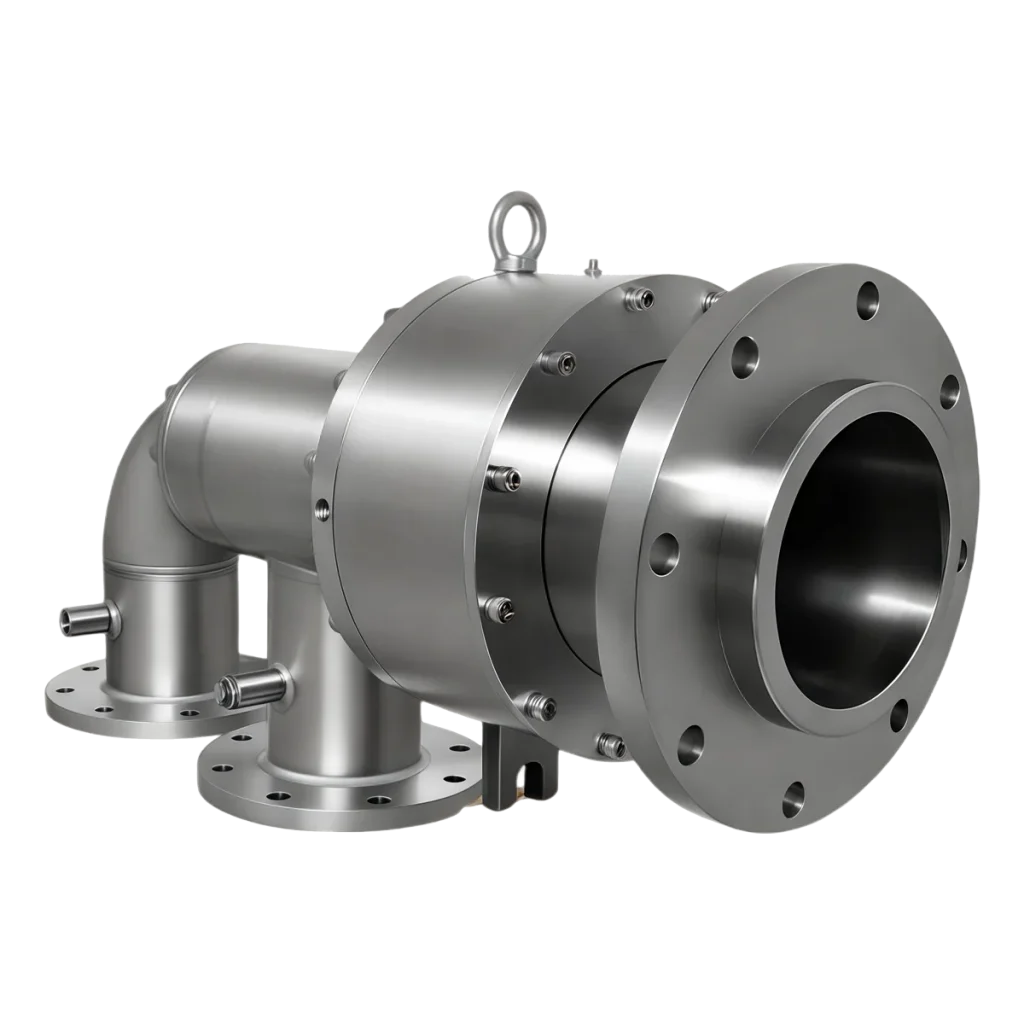
1. Pack tightly to prevent debris from entering. When storing, avoid collisions to prevent damage to the rotating joint mechanism.
2. Do not let the rotary joint idle for an extended period.
3. Regularly clean and maintain the rotary joint to keep the interior clean. When installing and using it on new equipment, a filter screen should be added at the front end of the joint to prevent solid particle contaminants from entering the joint, causing wear and even failure of the rotary joint sealing surface, leading to leakage.
4. When transmitting high-temperature liquids, the temperature of the medium should be gradually increased to avoid emergencies such as sudden cracking.
5. Regularly add lubricating oil to the rotary joint to ensure good lubrication, reduce internal wear, and extend its service life.
6. Regularly inspect the rotary joint for damage. If the sealing surface is damaged, it should be replaced promptly. The replacement and maintenance of worn sealing components are simple, without the need to purchase new ones, thus saving costs.
7. If the equipment is shut down for an extended period, it should be turned regularly to prevent rusting inside the rotary joint and on the sealing surface, which could lead to leakage accidents during startup.
8. Inspect the wear condition and thickness variation of the sealing surface (normal wear is generally 5-10mm); observe the friction track of the sealing surface to see if there are issues such as intermittent or scratched points. If any of the above conditions are present, replacement should be carried out immediately.
What should be paid attention to when installing a rotary joint, What should be paid attention to when installing a...
View details
what is a rotary joint, what is a rotary union, what is a swivel union
View details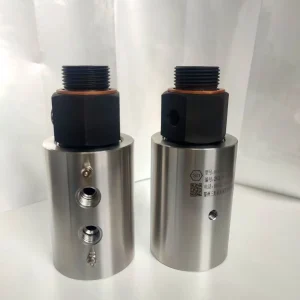
The characteristics of pneumatic rotary joints: imported high-speed bearings are used internally to support the front and rear ends of...
View details