Introduction to slip rings stability
52Introduction to slip ring stability
View details rotary joints
Search the whole station
A rotary joint is a pipeline connecting device, serving as a fluid dynamic sealing device that transfers fluid medium from a fixed pipeline to a pipeline or equipment that rotates or swings at an angle. It was successfully developed and produced by the American Johnson Company in 1931 [1], and can be used to transmit various media such as gas, liquid, and oil. It is widely used in various fields such as construction machinery, new energy, steel metallurgy, high-end machine tools, aerospace, and more
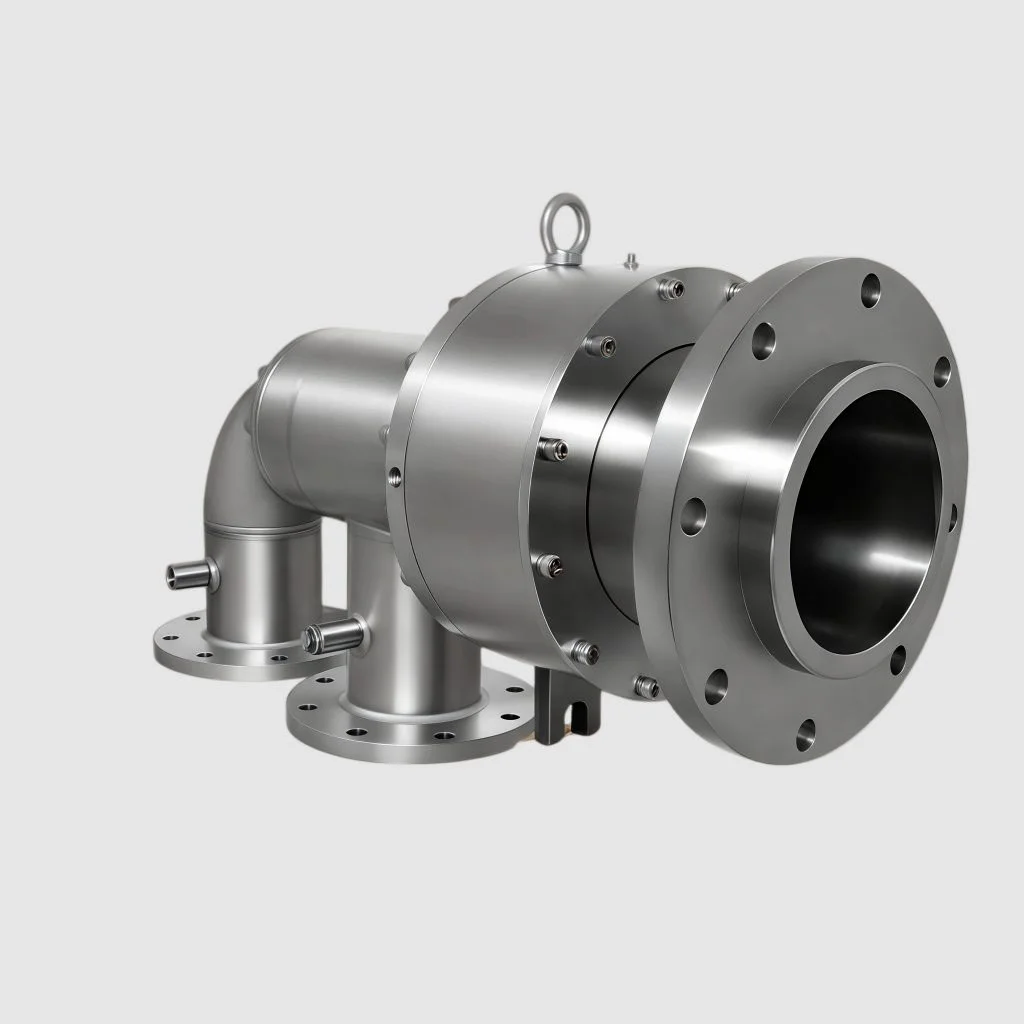
1. Before installation, ensure that no foreign objects are mixed into the sealing surface.
2. For connectors with inspection holes, please install them with the inspection holes facing downwards.
3. During pipeline installation, avoid installing valves or other heavy objects on the rotary joint.
4. In the case of threaded installation, the thread direction should be convenient for tightening (easy to handle) relative to the rotation direction. When observing the rotation direction of rollers, drums, etc. from the installation direction of the rotary joint, it should be left-hand thread for clockwise rotation and right-hand thread for counterclockwise rotation.
5. For the connection between the rotary joint and the piping section, use flexible pipes. Please avoid directly installing pipes using steel pipes, as this will constrain the joint.
6. When stopping the rotation of the rotary joint, please only perform the joint’s rotation stoppage and refrain from applying any other constraints.
7. Under the condition of maximum operating pressure, please avoid using the highest rotational speed.
8. When used under high temperature conditions, if ball bearings are employed, lubricating grease must be applied. If a certain duration is exceeded (varying depending on the frequency of use), oiling must be performed.
9. When applying lubricating grease, please remove the plug to facilitate the application.
10. Please do not leave it in a stopped state for an extended period. Otherwise, it may rust, causing issues such as fluid leakage.
11. For connectors equipped with inspection holes, if fluid leaks from the inspection hole, it indicates that the connector needs to be replaced.
12. In case of any malfunction, please repair or replace it promptly. In the event of fluid leakage, do not continue to operate it, otherwise it may cause a major accident.
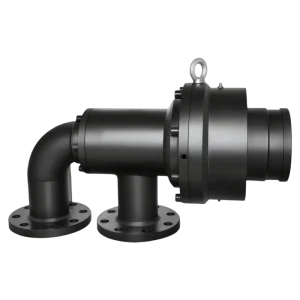
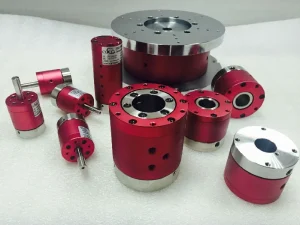
what is a rotary joint, what is a rotary union, what is a swivel union
View details
The characteristics of pneumatic rotary joints: imported high-speed bearings are used internally to support the front and rear ends of...
View details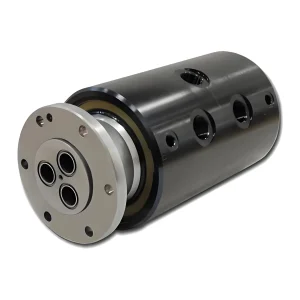
hydraulic rotary joint, high-pressure rotary joint, multi-path rotary joint, high-speed rotary joint, high-temperature rotary joint, single channel rotary joint, special...
View details