Working principle of pneumatic multi-path rotary joints
41We independently design multiple channels on a single pneumatic rotary joint product, which can simultaneously transmit compressed air, vacuum hydrogen,...
View details rotary joints
Search the whole station
A rotary joint is a sealing device that connects stationary pipelines and rotating equipment, achieving leak free fluid transmission under 360 ° rotation. It allows fluid media to flow smoothly between fixed pipelines and rotating machines, and is a key component in industrial equipment.
To choose the correct type of the rotary joint, first to understand the function and classification of the rotary joint. A rotary joint is a transition connection seal that inputs a fluid medium from a static system to a dynamic rotating system. The correct selection of rotary joint, can give full play to its use performance, prolong the service life, improve the working efficiency of the equipment. There are many classification criteria for rotary joints, which can be classified according to the circulation medium, channel number, sealing form, temperature, pressure, speed, etc.
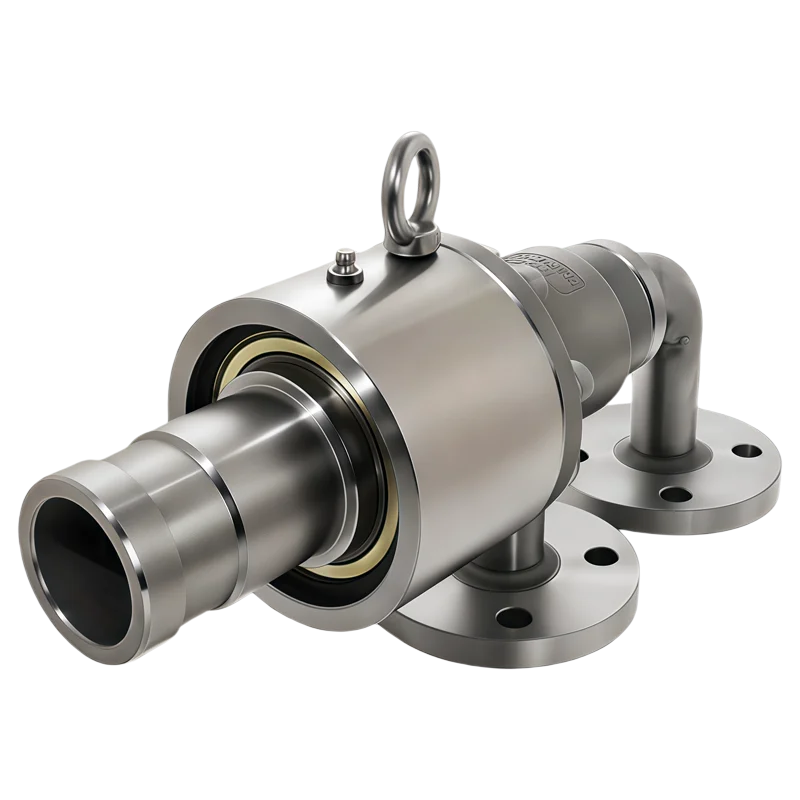
Classification of rotary joints :
2.According to the number of channels, it can be divided into single-pass rotary joint, double-pass rotary joint and multi-pass rotary joint.
3, according to the different sealing forms, it can be divided into mechanical seal rotary joint and hydraulic seal rotary joint.
4, according to the different pressure, can be divided into low pressure rotary joint, medium pressure rotary joint and high pressure rotary joint.
5, according to the different temperature, can be divided into normal temperature rotary joint and high temperature rotary joint.
6, according to the different speed, can be divided into low-speed rotary joint and high-speed rotary joint.
The versatility of these devices means that industrial rotating union applications span nearly every major manufacturing sector globally. Here are a few prominent examples:
Paper and Corrugated Packaging The paper industry relies heavily on high temperature steam rotary joints. During the paper-making process, massive hollow steel cylinders are heated with pressurized steam to dry the wet paper pulp. These steam joints must withstand intense heat and constant rotation, utilizing dual-flow siphon systems to extract the condensed water (condensate) out of the cylinder while simultaneously pumping in fresh steam.
Machine Tool and CNC Machining Modern CNC milling machines spin cutting tools at excess of 20,000 RPM. To prevent the cutting tool from melting, high speed cooling water unions (often utilizing specialized coolant) are attached to the back of the machine spindle. These unions pump coolant directly through the center of the spinning cutting tool (through-spindle coolant), instantly cooling the cutting edge and blasting away metal chips.
Plastics and Rubber Manufacturing In extrusion and calendering processes, large rollers must be kept at very specific temperatures to ensure plastic film or rubber sheets cure correctly. Rotary joints are used to circulate hot thermal oil or chilled water through these rollers, maintaining strict thermal tolerances.
A rotary joint is a precision instrument. Even the highest-quality union will fail rapidly if it is installed incorrectly. Knowing exactly how to install rotary unions is the first step in ensuring a long operational lifespan.
1. Never Hard-Pipe a Rotary Joint The golden rule of installation is to never connect rigid steel piping directly to the housing of the joint. Machine vibration, thermal expansion, and minor misalignments will transfer immense stress through rigid pipes directly into the joint’s bearings, causing them to shatter. Always use flexible hose connections for rotary joints. A flexible metal or rubber hose acts as a shock absorber, isolating the joint from external piping stress.
2. Proper Alignment The rotating shaft of the union must be perfectly concentric with the rotating drum or spindle it is attached to. If the joint wobbles during rotation (runout), the internal mechanical seal faces will separate slightly with every revolution, leading to immediate weeping and eventual blowout.
3. Anti-Rotation Mechanisms Because the shaft is spinning, friction will naturally try to pull the stationary housing along with it. Installers must use an anti-rotation lug or a customized bracket to hold the housing in place. However, this bracket must allow for a small amount of float; rigidly clamping the housing defeats the purpose of the flexible hose.
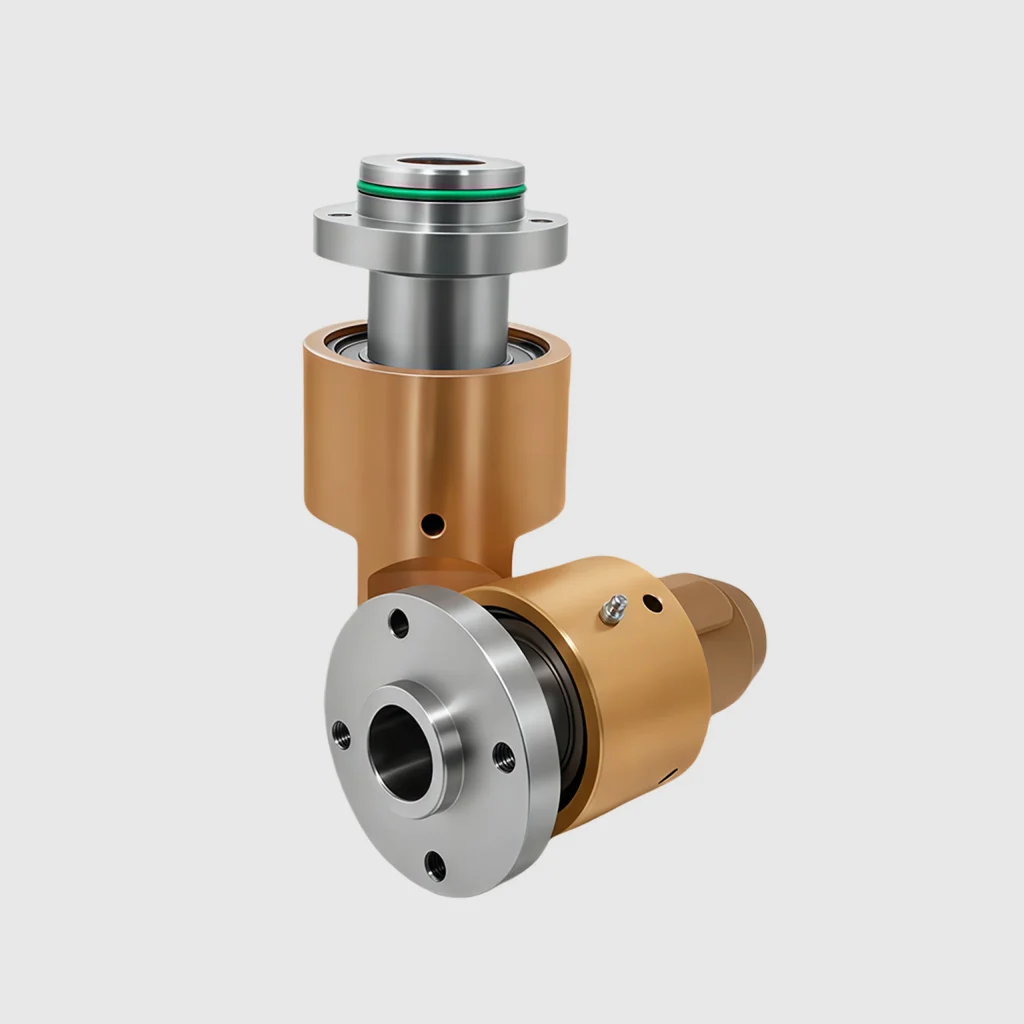
Even with perfect installation, mechanical seals and bearings are wear parts that eventually require attention. Adhering to rotary joint maintenance best practices will drastically reduce unplanned machine downtime.
When a rotary joint begins to leak profusely or make unusual noises, immediate diagnosis is required. Here is a brief guide to mechanical seal failure troubleshooting:
Understanding exactly what-is-rotary-joints reveals the hidden complexity behind the machines that manufacture the products we use every day. From the fundamental physics of how do rotary unions work to the intricate differences between a carbon seal vs tungsten carbide, these devices require a high degree of engineering precision.
Whether you are designing a multi-passage fluid transfer system for a robotic assembly line or specifying high temperature steam rotary joints for a textile mill, the rules of engagement remain the same. Prioritize high-quality rotary joint design, strictly adhere to rotating pressure joint specifications, always utilize flexible hose connections, and implement a rigorous maintenance schedule.
By treating these fluid transfer components with the respect and precision they demand, you can prevent hydraulic fluid leakage, eliminate costly mechanical seal failures, and ensure your rotating machinery operates seamlessly for years to come.

We independently design multiple channels on a single pneumatic rotary joint product, which can simultaneously transmit compressed air, vacuum hydrogen,...
View detailsHydraulic rotary joint is a connecting and sealing device that inputs fluid medium from a stationary pipeline into rotating equipment....
View details
Long term use of rotary joints can cause leakage, which is generally caused by insufficient concentricity of the joint docking;...
View details
rotary joint is a sealing device that connects stationary pipelines and rotating equipment, achieving leak free