Selection and selection steps for rotary joints forms
42The working principle of rotary joints is a topic of interest to many customers, and different specifications and models of...
View details rotary joints
Search the whole station
Firstly, it is necessary to understand the working principles and functions of these two types of rotary joints.
The sealing surface and sealing ring are made of special materials, which are wear-resistant, long-lasting, corrosion-resistant, and leak free. By visually inspecting the appearance of the product, the wear of the internal seal can be observed, preventing mechanical shutdown or damage, achieving a preventive effect and reducing losses. Worn seals are easy to replace and repair, without the need to purchase new products, saving costs.
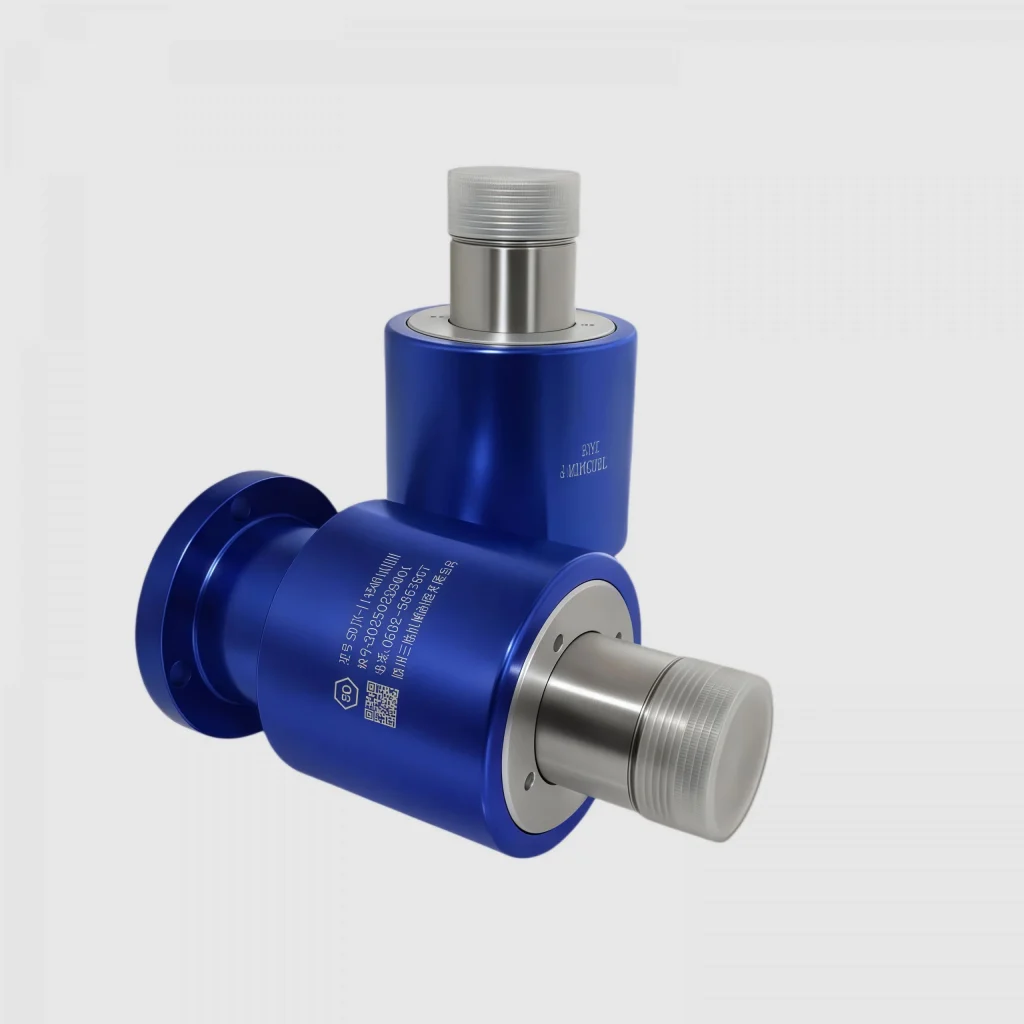
In summary, they are different in terms of transmission media and application fields. The main medium of pneumatic rotary joints is various gases, while hydraulic rotary joints are a type of rotary joint with strong pressure resistance. The conveying medium is mainly high-temperature fluid medium, which is corrosion-resistant and not easy to leak.
Pneumatic rotary joint is a transitional sealing device that inputs gas medium from a static system to a dynamic rotary system. Its components include joints, filters, solenoid valves, cylinders, vacuum equipment, gas pipes, etc. It is a high-quality rotary joint with a very high performance to price ratio. Currently, all series of pneumatic rotary joint components produced can replace products from advanced international countries and have significant price advantages.
The connection method of hydraulic rotary joints can be selected according to the working conditions. There are independent pipelines inside, which can be selected according to different working conditions to achieve maximum efficiency. There are two precision bearings inside the rotary joint, which are stable, durable, firm and flexible, with low friction coefficient, and can operate at high speed. Generally speaking, hydraulic rotary joints are commonly used to deliver hydraulic media to hydraulic actuators on rotating equipment. At the same time, the inlet of the transmission medium can freely choose the side or rear end according to the working conditions.
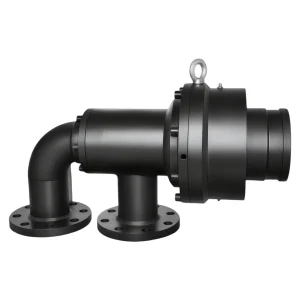
The working principle of rotary joints is a topic of interest to many customers, and different specifications and models of...
View details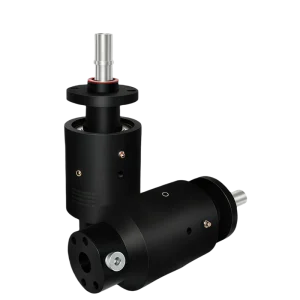
Split type structure, easy to disassemble and repair, capable of online replacement, reducing downtime losses and overall replacement costs
View detailsAdopting a balanced sealing design with precision grinding, suitable for use in high-temperature and high-speed working conditions
View details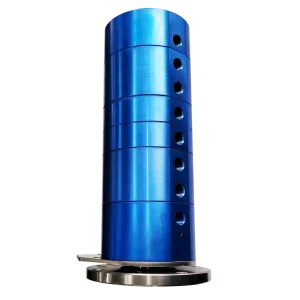
The ML08R003F rotary joint is a high-precision dynamic sealing component designed specifically for semiconductor wafer manufacturing equipment. This model of...
View details