Advantages of MXB series rotary joint
49Split type structure, easy to disassemble and repair, capable of online replacement, reducing downtime losses and overall replacement costs
View details rotary joints
Search the whole station
1、 Selection of rotary joint form
The working principle of rotary joints is a topic of interest to many customers, and different specifications and models of rotary joints have different working principles. Before using rotary joints, we should learn more about them in order to facilitate our design. Below, we will visually explain the working principle of the rotary joint based on its circulation method in the form of graphics and text.
Install a rotary joint at one end of the roller, which also has the function of fluid inlet and outlet at this end. This type requires a horizontal inner tube locked to the rotary joint, allowing liquid to flow in from the inner tube. The height needs to exceed half of the roller before the liquid can flow out from the gap between the roller and the inner tube. This type is mostly suitable for water and hot oil systems.
2. Dual pathway – fixed inner tube
Install a rotary joint at one end of the roller, which also has the function of fluid inlet and outlet at this end. This type requires a horizontal inner tube locked to the rotary joint, allowing liquid to flow in from the inner tube. The height needs to exceed half of the roller before the liquid can flow out from the gap between the roller and the inner tube. This type is mostly suitable for water and hot oil systems.
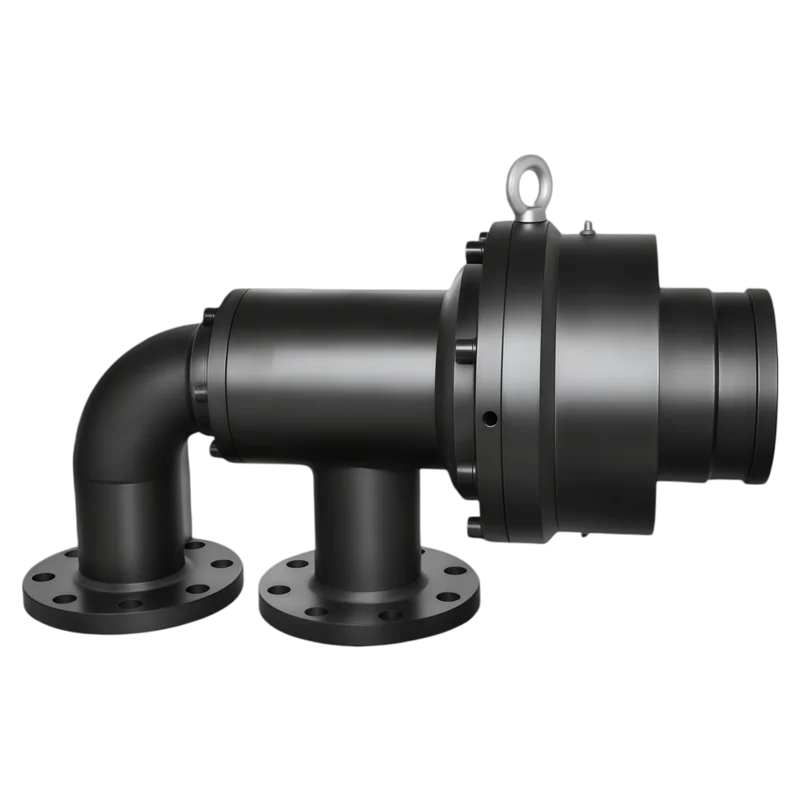
2. Dual channel fixed siphon
Install a rotary joint on one side of the roller, and a bent pipe must be installed to lock onto the rotary joint. The inclined mouth of the bent pipe should be aligned with the bottom of the roller to facilitate the suction of condensed water. This type is used in steam systems.
2. Dual channel fixed siphon
This type is a tight connection between the inner tube and the inner fluid through-hole of the roller to prevent fluid backflow and affect the heating efficiency of the roller. The inner tube and roller operate synchronously. This type can effectively improve the heat exchange rate of the fluid inside the roller. This type is commonly used in water and hot oil systems. shortcoming
2、 Selection steps for rotary joints
(1) Firstly, determine the type of rotary joint to be used based on the structure of the device connected to the rotary joint: if the structure of the device determines that the input medium and output medium are implemented on the same side of the device, then a compound type rotary joint must be selected. If the structure of the device determines that the input medium and output medium are implemented on both sides of the device, then a single way rotary joint must be selected.
(2) If the equipment requires the simultaneous transportation of multiple media or the output of media to multiple locations, consideration should be given to using a multi-path rotary joint.
(3) Select the diameter of the rotary joint based on the required input and output medium flow rate.
(4) Select a rotary joint with corresponding performance based on the pressure of the medium and the speed of the equipment.
(5) Determine the flange or threaded connection and inner pipe rotary or fixed connection based on the structure of the device and rotary joint connection. At the same time, remember that if a rotary joint with threaded connection is selected, the rotation direction of the equipment must be clearly defined.
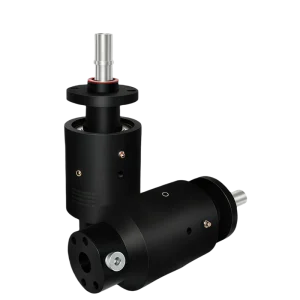
Split type structure, easy to disassemble and repair, capable of online replacement, reducing downtime losses and overall replacement costs
View detailsAdopting a balanced sealing design with precision grinding, suitable for use in high-temperature and high-speed working conditions
View details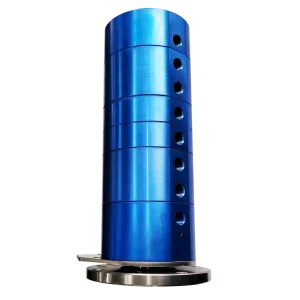
The ML08R003F rotary joint is a high-precision dynamic sealing component designed specifically for semiconductor wafer manufacturing equipment. This model of...
View details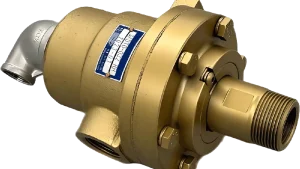
SC-O type heat transfer oil rotary joint is an industrial sealing device specifically designed for the transmission of high-temperature heat...
View details