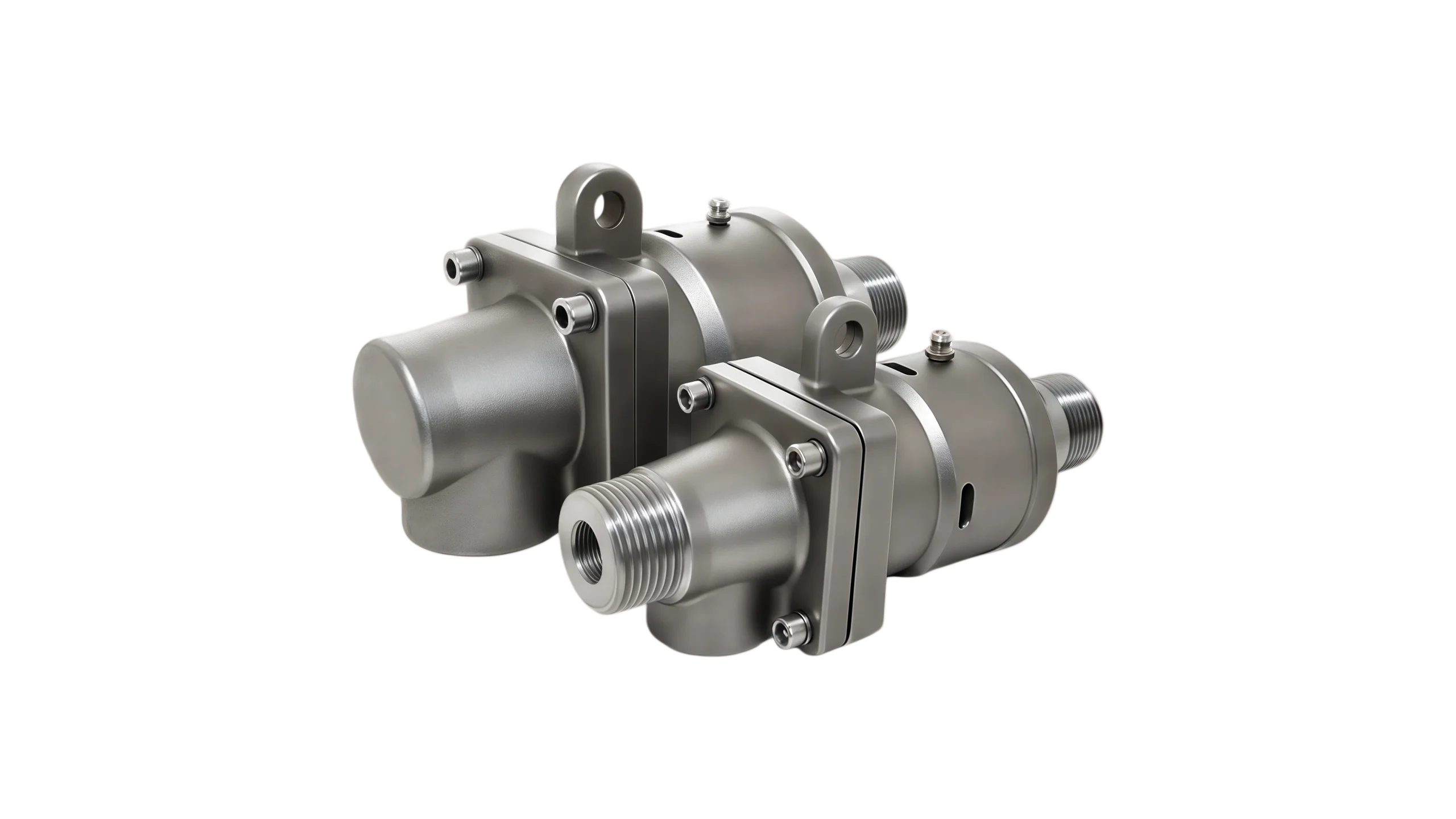
 rotary jointsrotary joints
Search the whole station
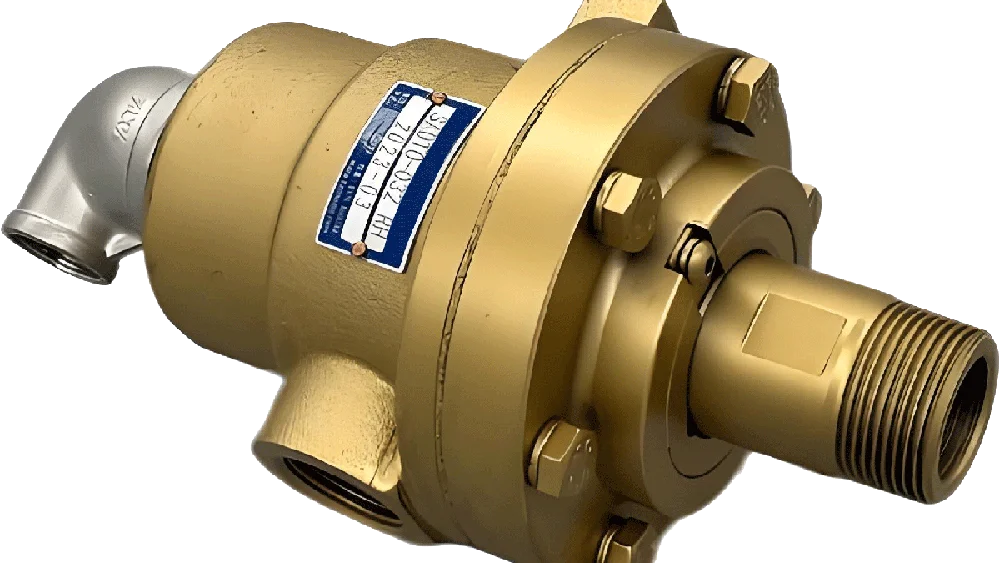
SC-O type heat transfer oil rotary joint is an industrial sealing device specifically designed for the transmission of high-temperature heat transfer oil media. Its main function is to introduce high-temperature fluid from static pipelines into dynamically rotating equipment components. This model belongs to the SC series rotary joint
SC-O type heat transfer oil rotary joint is an industrial sealing device specifically designed for the transmission of high-temperature heat transfer oil media. Its main function is to introduce high-temperature fluid from static pipelines into dynamically rotating equipment components. This model belongs to the SC series rotary joint, which is widely used in heating and cooling systems in industries such as rubber, chemical, printing and dyeing due to its unique structural design, excellent sealing performance, and long service life.
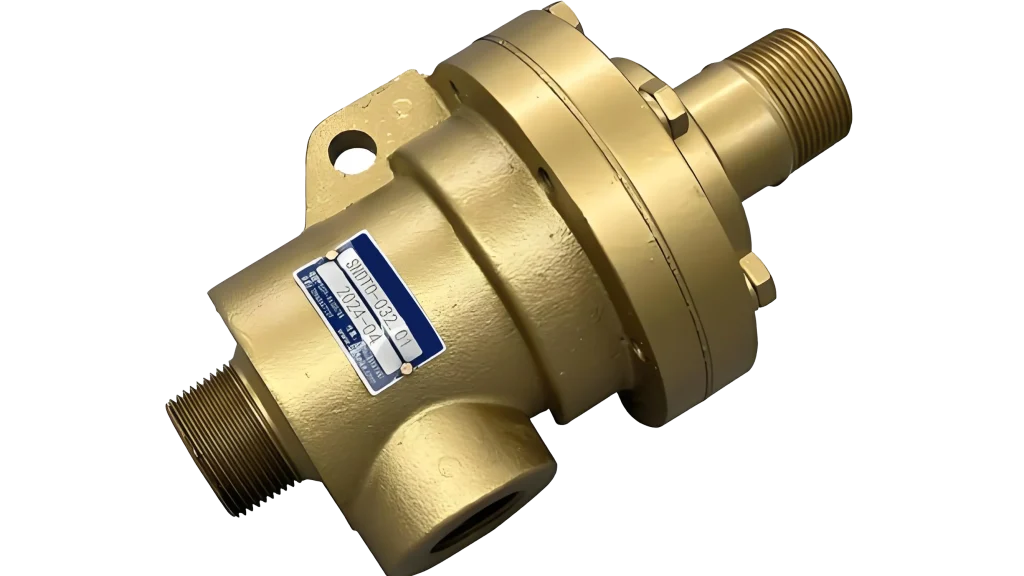
The structure design of SC-O type rotary joint is compact and reasonable, mainly composed of core components such as elbow, shell, end cover, outer tube, graphite ring (sealing ring), etc. Its working principle is based on spherical sealing and spring compensation mechanism:
Spherical sealing design: adopting a “reverse spherical” structure, that is, the sealing ring has a convex spherical sealing surface, matched with a spherical end cap with a concave spherical surface. This design exponentially increases the ability of the spherical surface to withstand sealing pressure, effectively preventing the sealing ring from breaking under high pressure and significantly improving its service life.
The axial compensation mechanism relies on cylindrical springs to push the shell along the axial direction, automatically compensating for the gap caused by wear of the sealed graphite ring, thereby maintaining effective isolation between the internal medium and the external air at all times.
Double sealing structure: Spherical rings and Vespan seals are respectively installed at the front and rear ends of the end cap to form a double sealing barrier, further preventing the occurrence of “leakage”.
Temperature difference structure design: Through special temperature difference structure design, the risk of thermal deformation and brittle fracture of cylindrical springs in high temperature environments is reduced, ensuring long-term sealing reliability.
3. Technical advantages and characteristics
Compared to traditional rotary joints, SC-O type has the following significant advantages:
Low processing cost and high strength: The outer spherical structure on the outer tube has been eliminated, making the processing of the outer tube more convenient and reducing manufacturing costs; Meanwhile, convex spherical seals are more capable of withstanding pressure compared to concave spherical seals.
Anti impurity entry: The product design includes a structure to prevent impurities in the heat transfer oil from entering the interior of the shell, reducing accidental wear of the sealing surface by impurities and extending the overall service life.
Stable operation: There are guide rings and anti rotation devices between the outer tube and the shell to ensure concentricity and stability during rotation. Some models are also equipped with an inner tube through structure, suitable for specific reflux or unidirectional flow needs.
Long life performance: In practical applications, SC type joints demonstrate excellent durability, with cases showing that they maintain good operating conditions even after 3 years of continuous use.
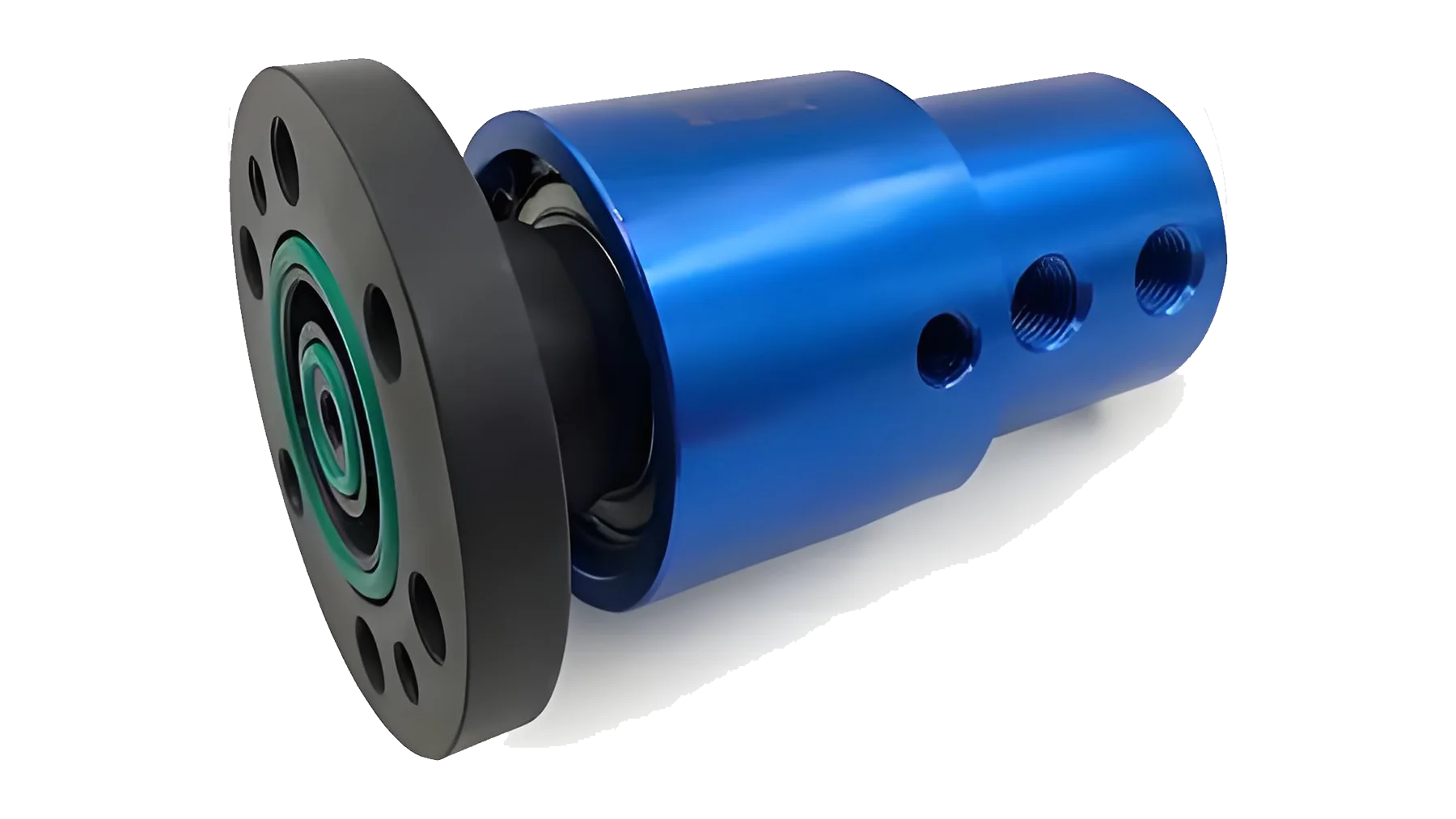
A rotary joint is a sealing device that connects stationary pipelines and rotating equipment, achieving leak free fluid transmission under 360 ° rotation. It allows fluid media to flow smoothly between fixed pipelines and rotating machines, and is a key component in industrial equipment
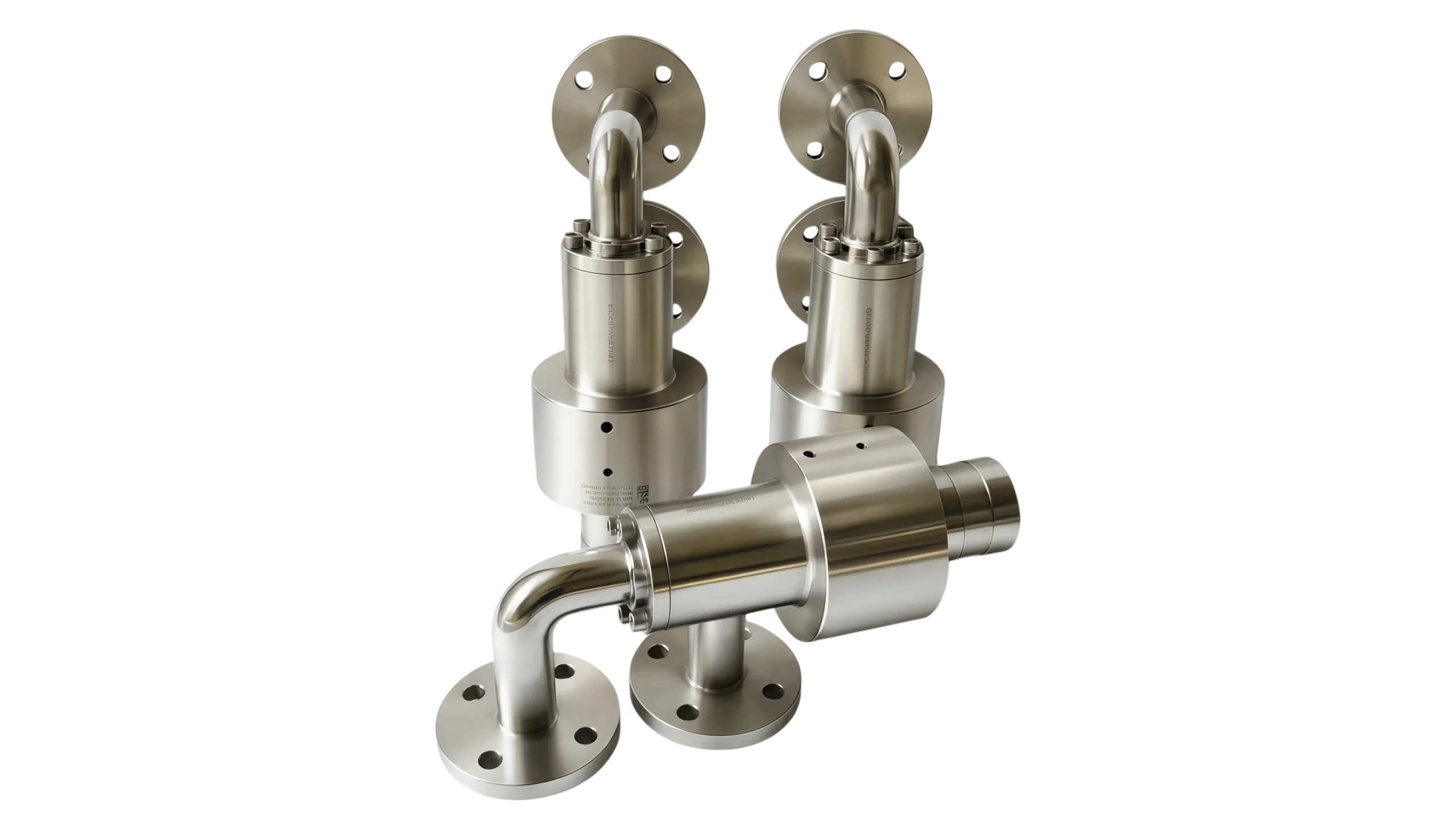
F90 swivel unions Transporting equipment components from a fixed pipeline system to high-speed rotating or reciprocating motion
Q32 swivel unions
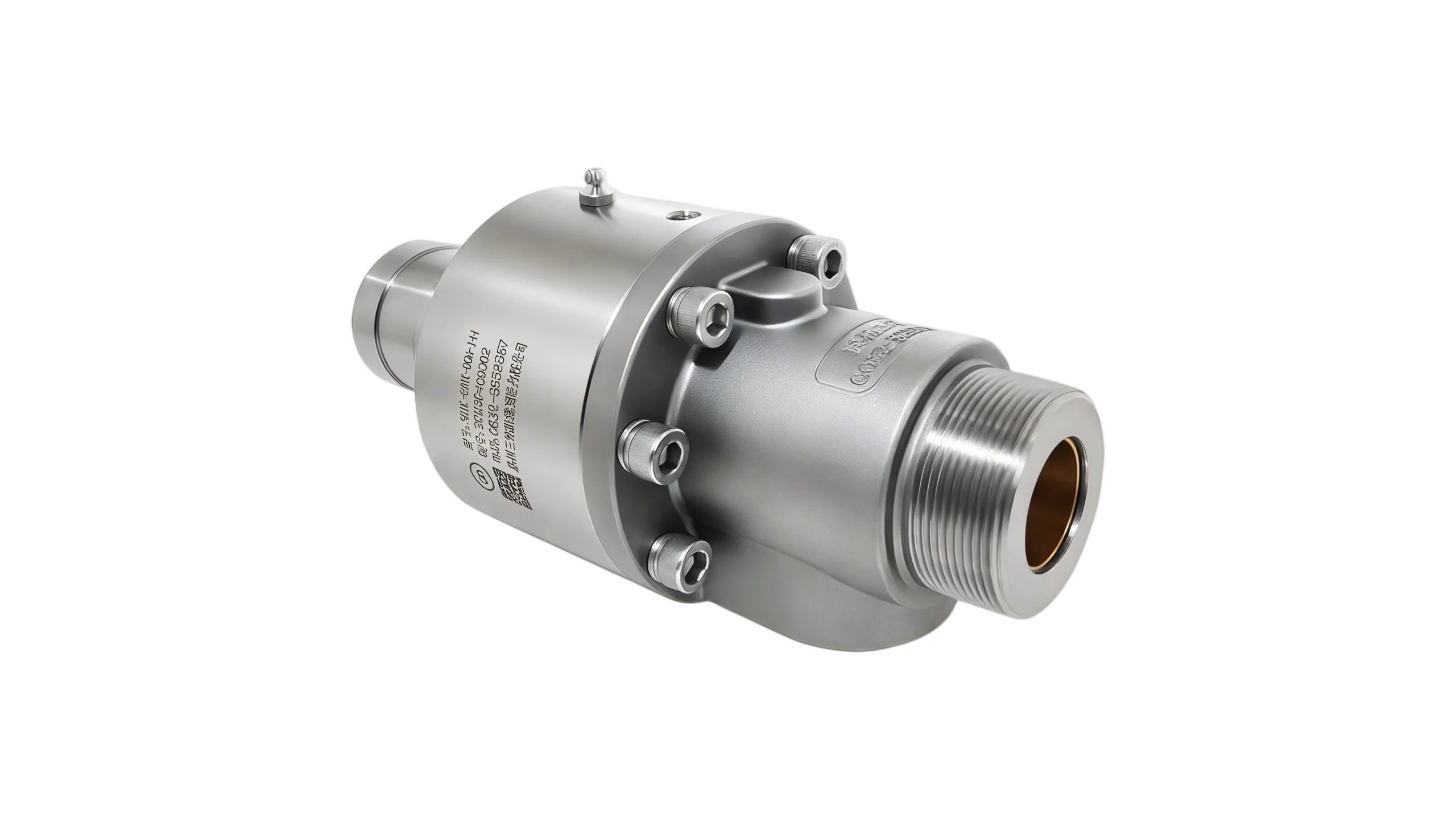
JD40 rotary joint is a key sealing component in industrial fluid transmission systems, usually referring to a rotary connection device with a diameter of DN40 (or corresponding British caliber). As a transitional sealing device that transports fluid media (such as water, steam, hydraulic oil, thermal oil, compressed air, etc.) from static pipelines to dynamic rotating or swinging equipment