How to choose a high-speed rotary joints
47In order to enable a part of the pressurized fluid pipeline of the rotary joint to rotate around the axis...
View details rotary joints
Search the whole station
When evaluating modern industrial process heating solutions, many manufacturing facilities rely on thermal oil systems to safely and effectively manage high temperature heat transfer fluids. If you look at the ongoing debate of steam boilers vs thermal fluid heaters, the latter frequently wins out. This is largely due to low pressure high temperature heating advantages, which allow plants to achieve precise temperature control for industrial processes without the heavy, expensive, and heavily regulated equipment required for pressurized steam.
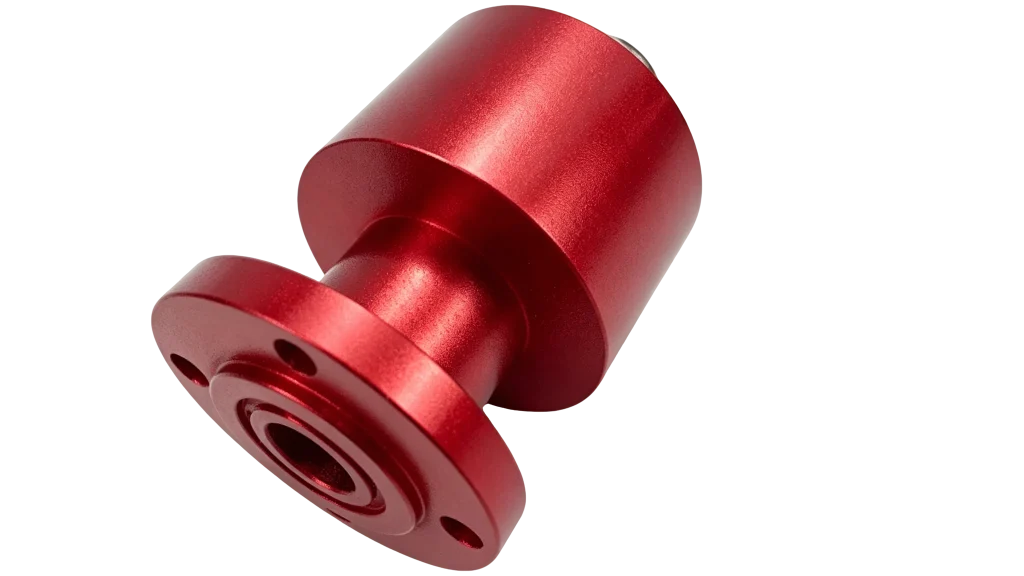
In applications where heat must be transferred to moving machinery—such as rotating cylinders in paper mills, textiles, or plastics—the construction of thermal oil rotary joint assemblies is critical. These precision-engineered devices connect stationary supply pipes to rotating drums, allowing hot fluid to flow in and out without leaking.
Because they endure intense mechanical stress and extreme temperatures, these joints are constructed using robust carbon-graphite seals, high-grade ball bearings, and stainless-steel housings. A well-constructed rotary joint minimizes friction and wear, directly supporting the overall energy efficiency of fluid phase heating by keeping thermal energy perfectly contained within the rotating equipment.
A rotary joint is just one part of the puzzle. A reliable heating network relies on a synergy of high-quality closed-loop industrial heating circuit components. To build and maintain a safe infrastructure, facility managers should focus on:
The lifeblood of your operation is the oil itself. Plant operators frequently weigh the benefits of synthetic vs mineral heat transfer oils. While mineral oils are highly cost-effective for standard operations, synthetic fluids generally offer superior thermal stability for extreme-temperature applications.
Understanding your fluid’s limits is a matter of safety. Operators must always know what is the flash point of heat transfer oil currently in use. Operating below this critical temperature threshold is a fundamental step in mitigating fire risks in organic fluid heaters.
Furthermore, avoiding system downtime means understanding common heat transfer fluid degradation causes, primarily thermal cracking and oxidation. If you are wondering how to prevent thermal oil oxidation, the most actionable solution is to blanket your expansion tank with an inert gas, like nitrogen. This simple step displaces oxygen, preserving the fluid’s lifespan and preventing the formation of corrosive sludge.
Optimizing a thermal fluid network requires attention to both mechanical design—especially the rugged construction of your rotary joints—and proactive fluid management. By combining robust engineering with smart maintenance practices, industrial facilities can ensure safe, efficient, and highly controllable process heating for years to come.
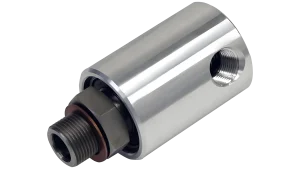
In order to enable a part of the pressurized fluid pipeline of the rotary joint to rotate around the axis...
View details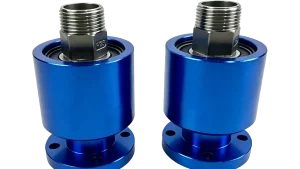
The stainless steel quick connector for punch press clutch is a key component used in pneumatic stamping equipment to connect...
View details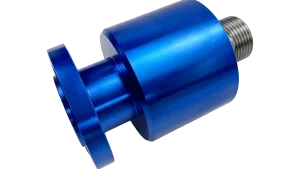
The clutch intake rotary joint for ball mills is a key fluid dynamic sealing device that connects a fixed gas...
View details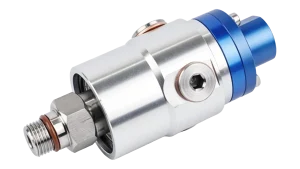
902-120-188 is a 902 series single channel high-speed rotary joint, specifically designed for machine tool spindle internal cooling or MQL...
View details