Application and Testing of High-Pressure Rotating Joint
47Application and Testing of High-Pressure Rotating Joints
View details rotary joints
Search the whole station
The interior of the rotary joint is made of precision parts, which can ensure stable operation during high-speed rotation and can work normally in harsh environments such as high temperature or high pressure. Different types of rotary joints also have special requirements for materials. Here are several commonly used materials for rotary joints.
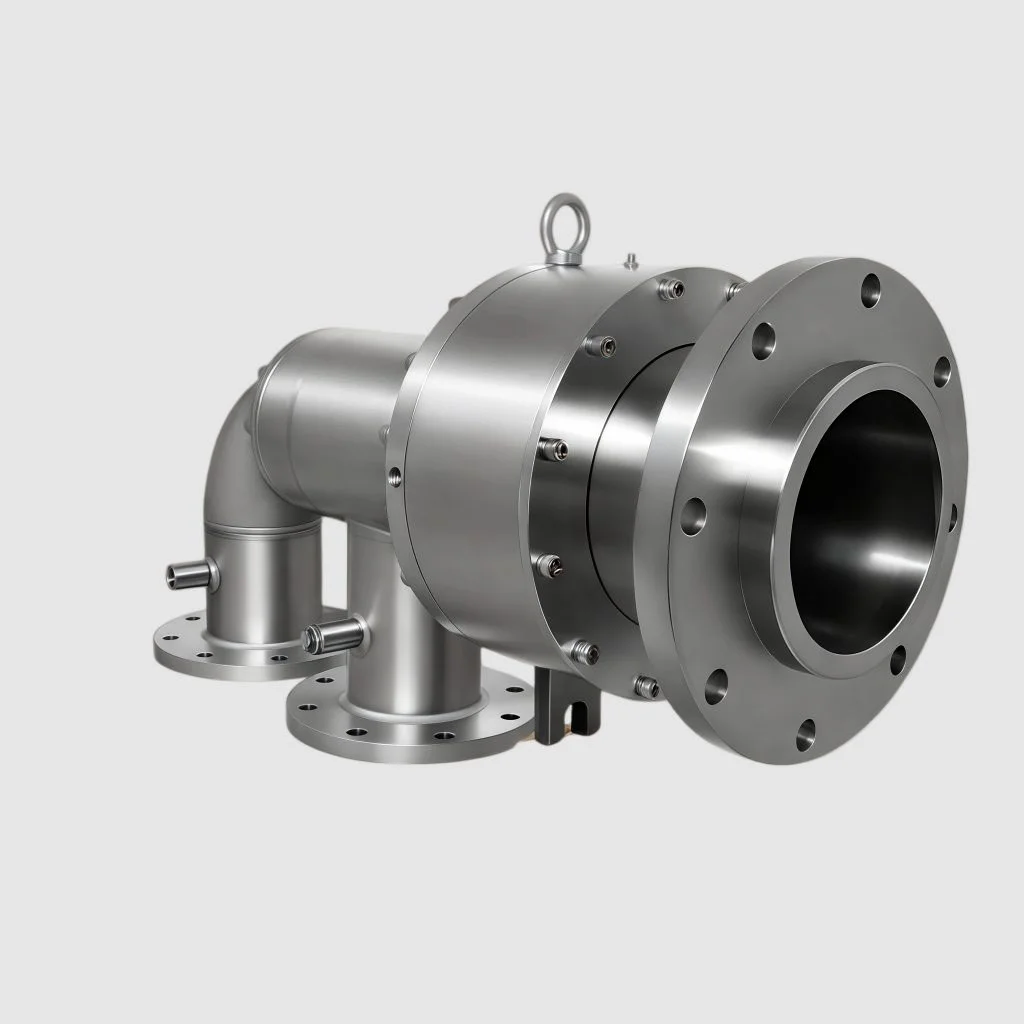
Common materials for rotary joints
1. Made of stainless steel, 304 stainless steel has strong rust resistance and can withstand high temperatures up to 1000 ℃. It also has good corrosion resistance to alkaline solutions and most organic and inorganic acids; 316L stainless steel, also known as titanium steel, has corrosion resistance and high temperature resistance.
2. Made of carbon steel material, grade 45 carbon steel, with high strength, good plasticity, and toughness, it is used to manufacture small section quenched and tempered parts. The rotary joint has a high load and the stress of the normalized parts is low. Surface hardened parts with lower strength requirements can also be used, but cracks will form during water quenching and the shape of the parts will be complex. The parts should be quenched in hot water, which results in poor weldability.
3. Ductile iron can improve the mechanical properties, plasticity, and toughness of cast iron, achieving higher strength than carbon steel.
4. Silicon carbide special ceramics have lower density than ordinary graphite rings, higher flexural and compressive strength, lower coefficient of thermal expansion, and more stable temperature resistance, while imported graphite rings are more wear-resistant and heat-resistant.
The outer shell of the rotary joint is made of copper and can withstand high-speed rotation. If there are special requirements, remember to use the corresponding materials. For example, the heat resistance temperature of high-temperature rotary joints is determined by the heat resistance of each component. The heat-resistant temperature should be specified before use, but it must be lower than this temperature during use.
Application and Testing of High-Pressure Rotating Joints
View details
Reasons and solutions for leakage of rotary joints,
View details
how to maintain rotary joints in winter, the methods of maintenance for swivel unions
View details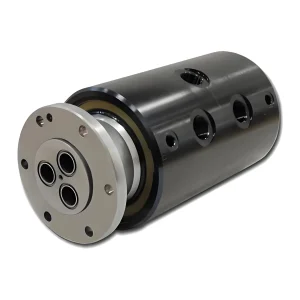
Reasons and solutions for periodic leakage of rotary joints
View details