Maintenance methods for rotary joint in winter
42how to maintain rotary joints in winter, the methods of maintenance for swivel unions
View details rotary joints
Search the whole station
Reason 1: The contact surface between the oil-free bearing end face and the collision pair is not tight or cracked (caused by installation or transfer).
Solution: Remove the rotary joint and replace the oil-free bearing or conflict compensation ring.
Reason 2: The collision sealing surface has not been worn in.
Solution: After the rotating joint has run in and reached equilibrium roughness for a period of time, it will stop leaking.
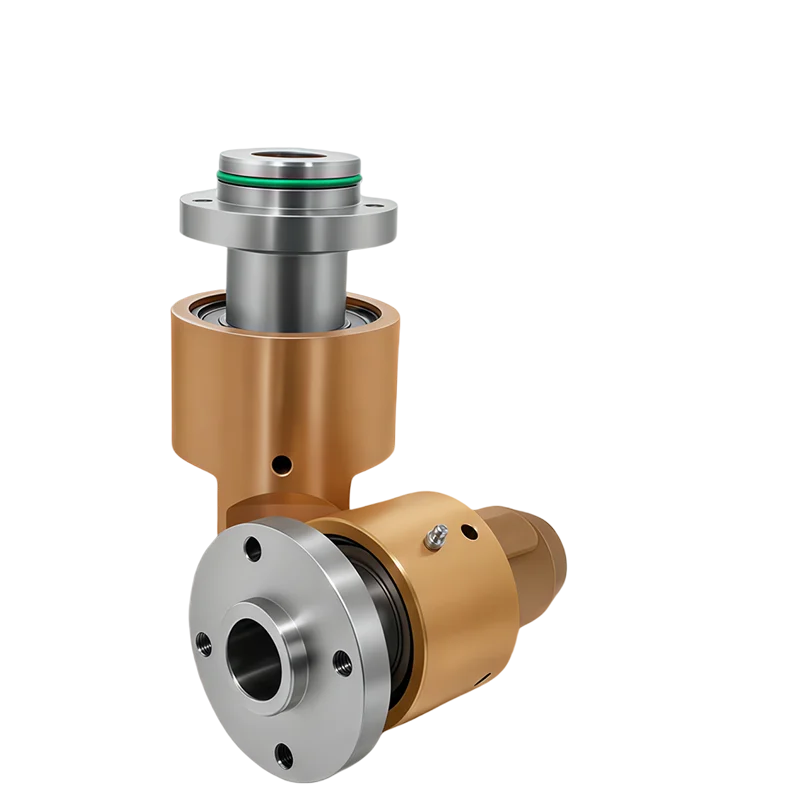
Reason 3: The gap between the bottom hole of the shell or bottom cover and the hollow shaft is not equal (the sealing ring is tilted).
Solution: Adjust the structure of the suspension, support, or guide rod to ensure the concentricity of the hollow shaft, housing, and supporting rotor.
Reason 4: Poor concentricity between the hollow shaft and the shaft body with a rotating joint.
Solution: Check the size and accuracy, check the sealing of the metal hose, and adjust the fixed connection with the rotary joint.
Reason 5: During installation or installation, high hardness granular solids or foreign objects enter the collision sealing surface.
Solution: Grind the conflicting surface or replace the equipment.
Reason six: The spring of the rotary joint is less than the pressure.
Solution: Change the plan and replace the spring.
Reason 7: The thickness of the gasket between the hollow shaft flange and the roller connection boss and pit is uneven.
Solution: There is a leakage at the connection point of the device. Remove the gasket with uniform thickness.
Reason 8: The assembly machine has low precision (large perpendicularity of the end face, large radial and axial clearances) and high vibration.
Solution: Identify the cause and repair the equipment.
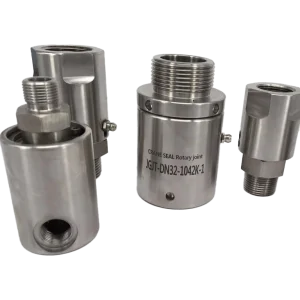
how to maintain rotary joints in winter, the methods of maintenance for swivel unions
View details
Reasons and solutions for periodic leakage of rotary joints
View detailsThe key to choosing a high-temperature rotary joint lies in its material
View details
High quality rotary joints have the characteristics of wear resistance, corrosion resistance, and good sealing. During the use of rotary...
View details