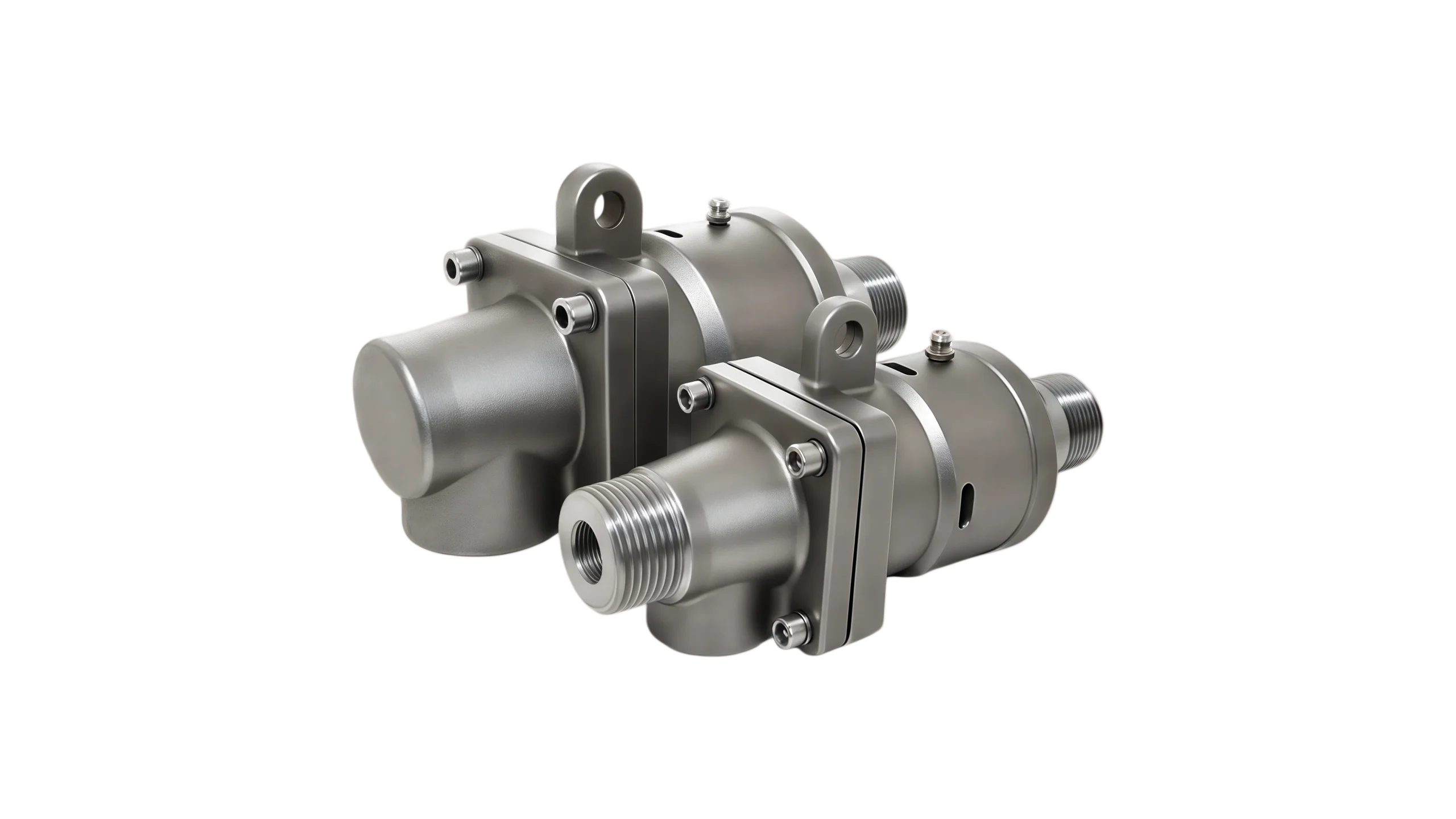
 rotary jointsrotary joints
Search the whole station
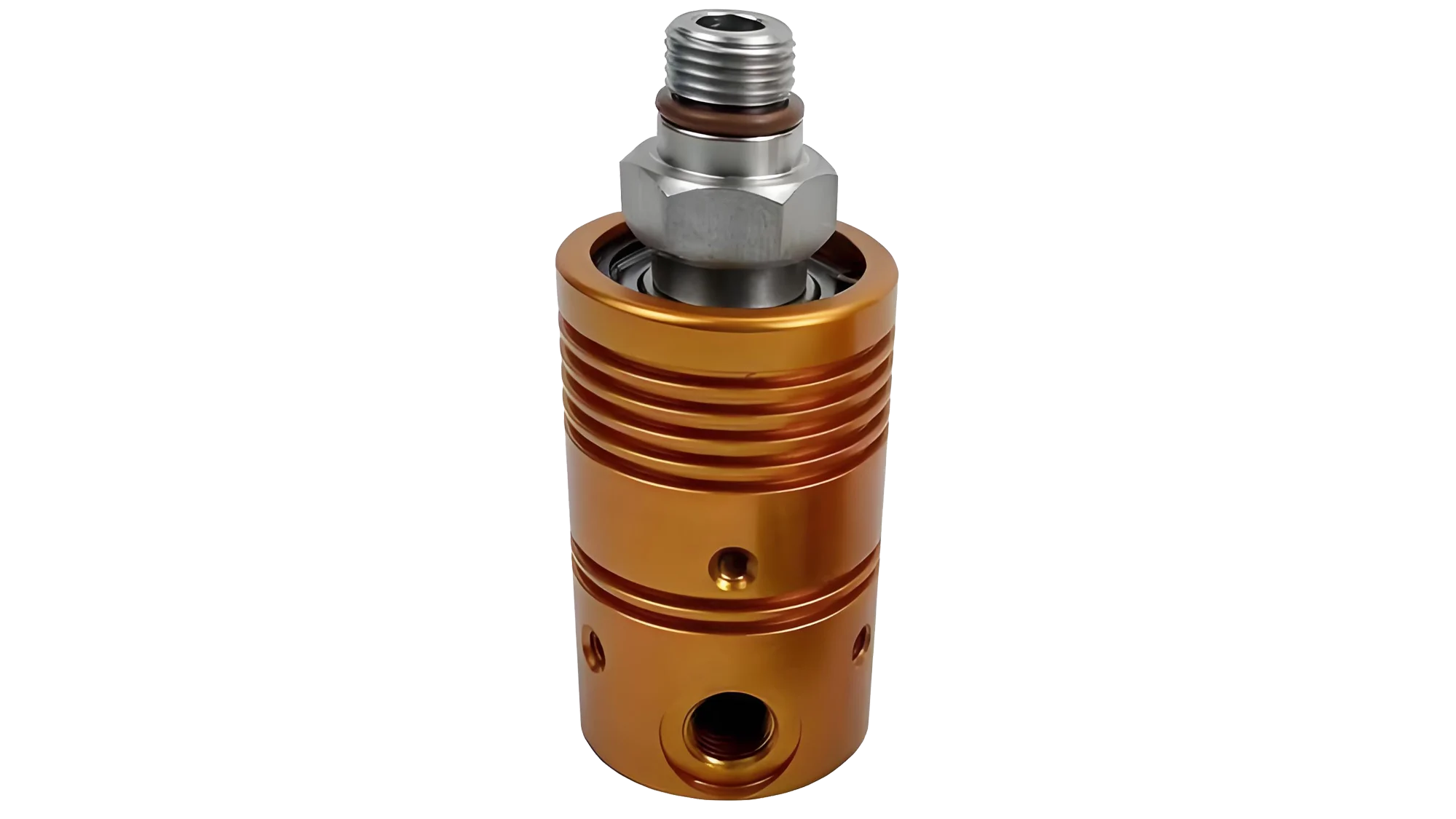
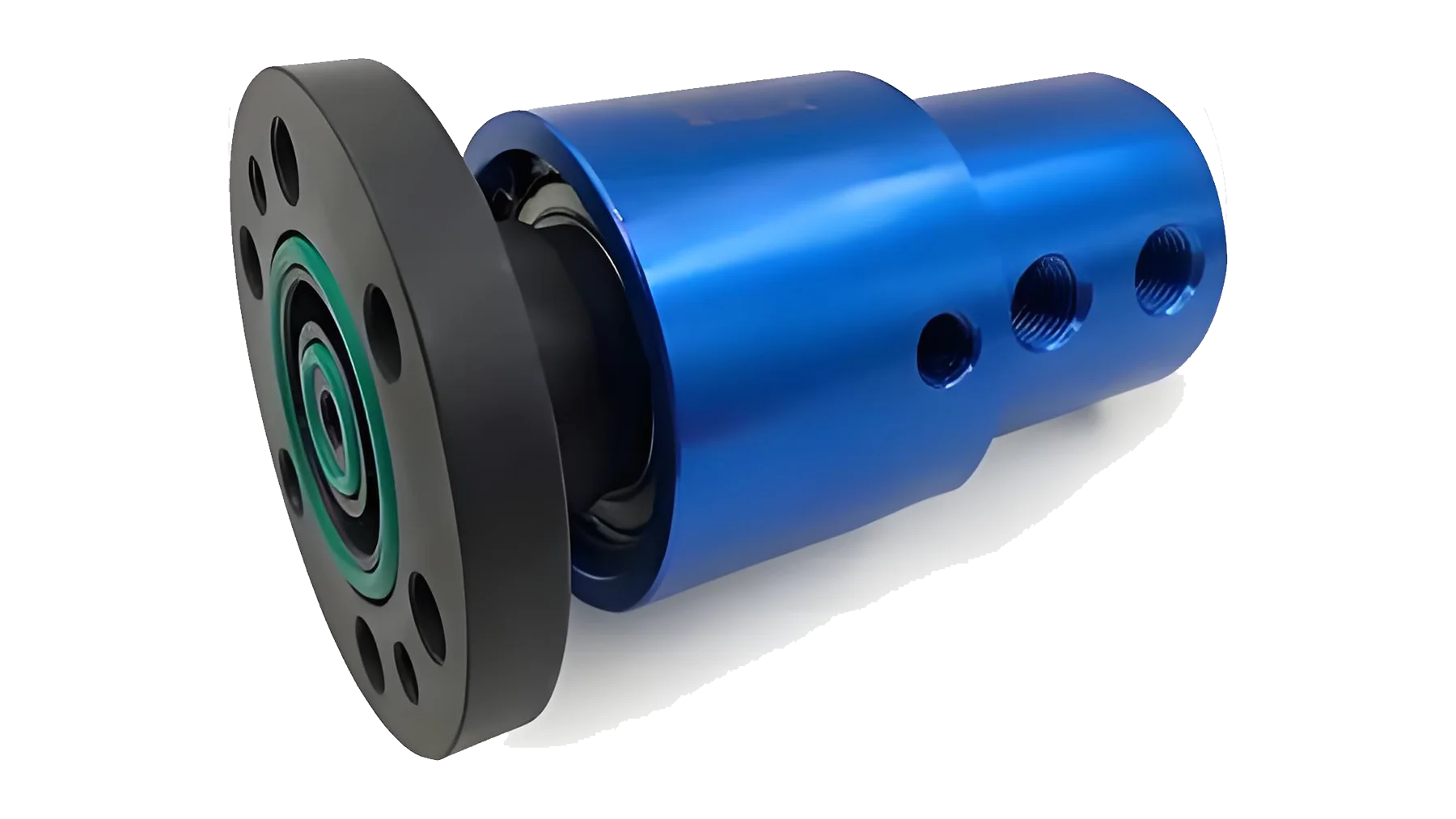
High speed rotary joints are mainly used for the transmission of fluid media in high-speed rotating equipment. This type of joint can ensure the stability and sealing of transmission while rotating at high speed, avoiding leakage and contamination
High speed rotary joints are mainly used for the transmission of fluid media in high-speed rotating equipment. This type of joint can ensure the stability and sealing of transmission while rotating at high speed, avoiding leakage and contamination. Its structural design is very clever, achieving seamless fluid transmission in a rotating state through special sealing devices and rotating mechanisms.
Main application areas
High speed rotary joints are widely used in major manufacturing industries worldwide, covering the following 12 main industries:
Paper making and printing: drying cylinder steam transmission, drying equipment.
Plastic and rubber: extruder cooling and lubrication, injection molding machine temperature control.
Textile and printing and dyeing: heat setting machine, drying drum.
Steel and Metallurgy: Continuous Casting Equipment, Blast Furnace Mud Cannon Hydraulic Connections.
Chemical and Pharmaceutical: Reactor Stirring and Drying Equipment.
Machine tools and mechanical processing: CNC machine tool center water outlet, deep hole machining cutting tool cooling.
Other: Food machinery, woodworking machinery, energy equipment, etc
Installation knowledge of rotary joints
1. During the handling and storage of rotary joints, collisions and drops should be avoided to prevent damage to the interface and internal components.
2. Install the machine as concentric as possible to ensure the good operation of the rotary joint.
3. When installing the rotary joint with threaded connection, attention should be paid to whether the thread direction of the inner and outer pipes corresponds to the rotation direction of the drum, and the thread rotation direction of the inner and outer pipes should also be consistent.
4. The connection between the rotary joint and the pipeline must be made using flexible hoses (it is recommended to use flexible metal hoses), and rigid connections are absolutely prohibited.
5. The inlet and outlet of the rotary joint should be directly connected to the hose as much as possible. To reduce the auxiliary weight of the joint and extend its service life.
6. The assembly of the inner tube should pay attention to the matching of dimensions and the auxiliary support of weight.
7. The support and anti rotation of the rotary joint should be appropriate. Generally, the diameter of the rod should be 2mm smaller than the anti rotation hole to avoid affecting the free adjustment and compensation of the rotary joint.
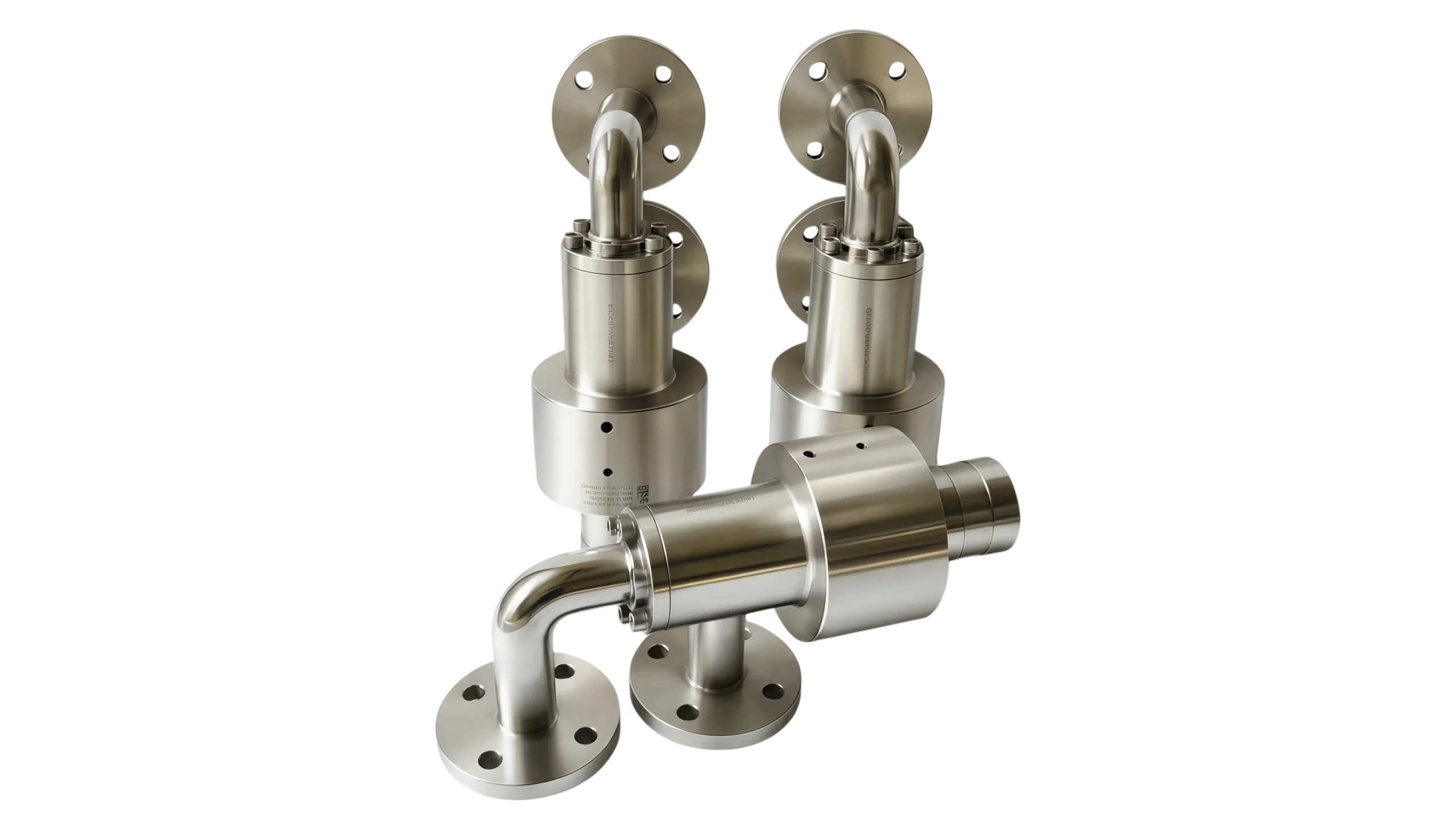
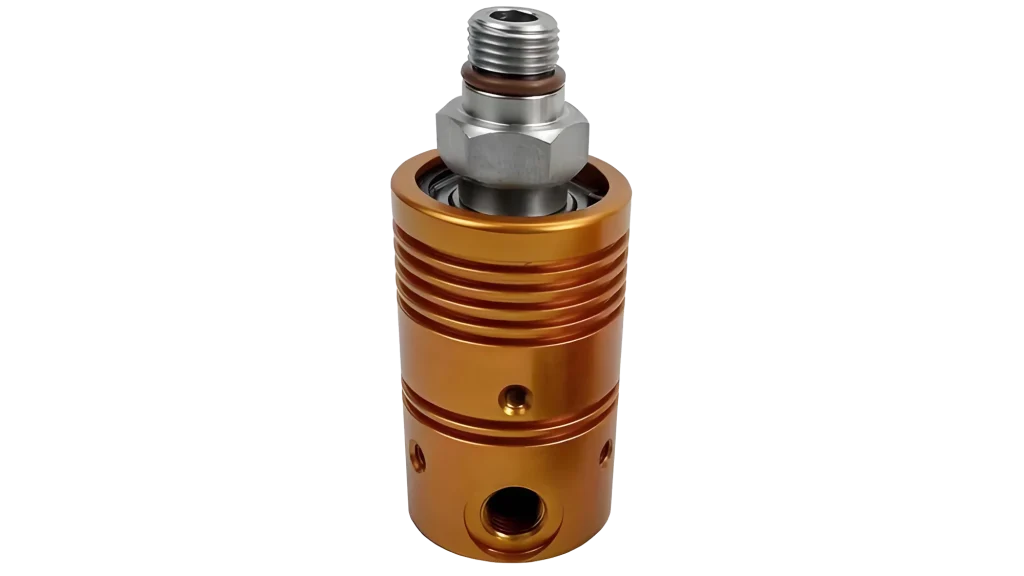
A rotary joint is a sealing device that connects stationary pipelines and rotating equipment, achieving leak free fluid transmission under 360 ° rotation. It allows fluid media to flow smoothly between fixed pipelines and rotating machines, and is a key component in industrial equipment
F90 swivel unions Transporting equipment components from a fixed pipeline system to high-speed rotating or reciprocating motion
Q32 swivel unions
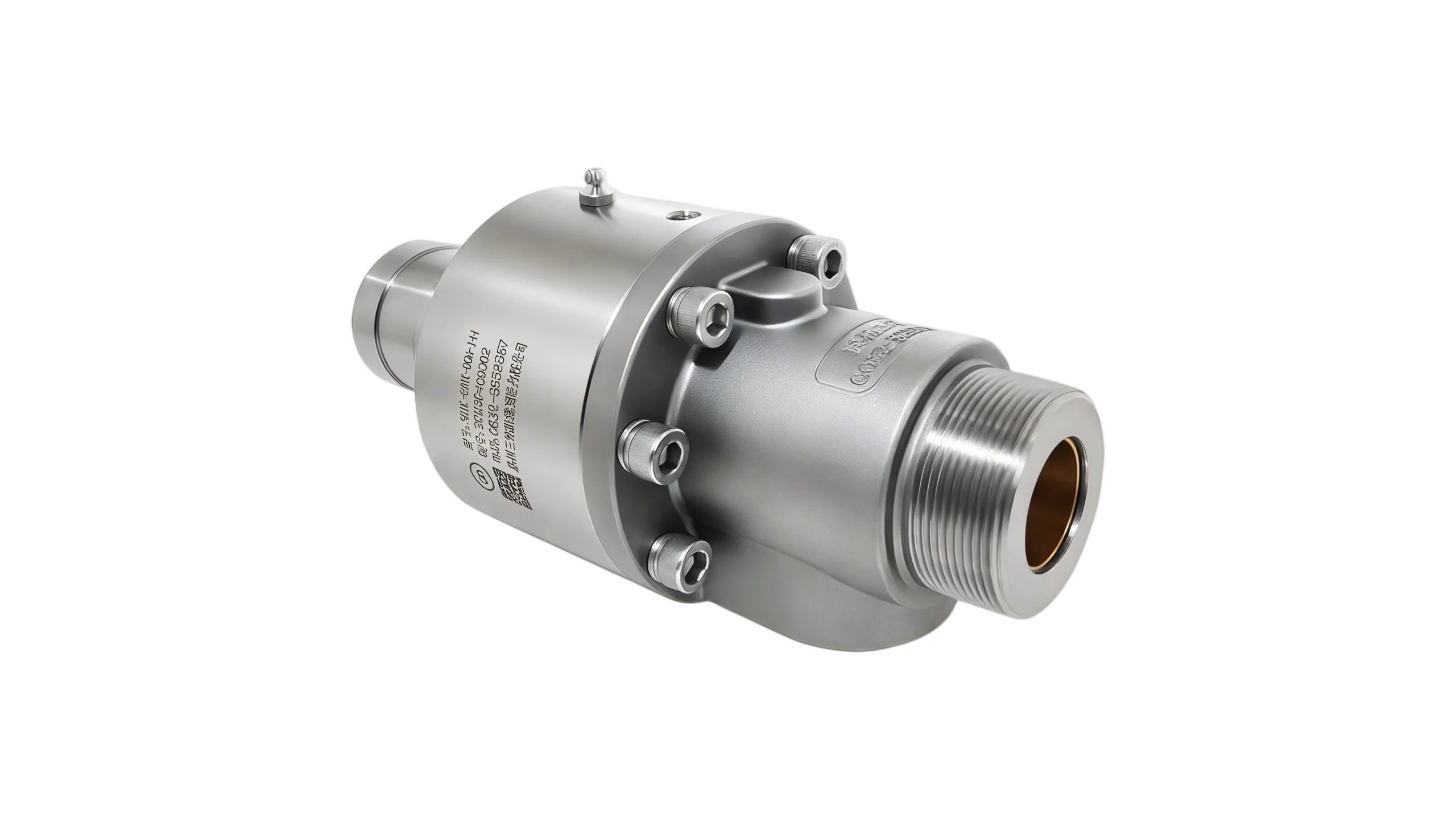
JD40 rotary joint is a key sealing component in industrial fluid transmission systems, usually referring to a rotary connection device with a diameter of DN40 (or corresponding British caliber). As a transitional sealing device that transports fluid media (such as water, steam, hydraulic oil, thermal oil, compressed air, etc.) from static pipelines to dynamic rotating or swinging equipment