 rotary jointsrotary joints
Search the whole station
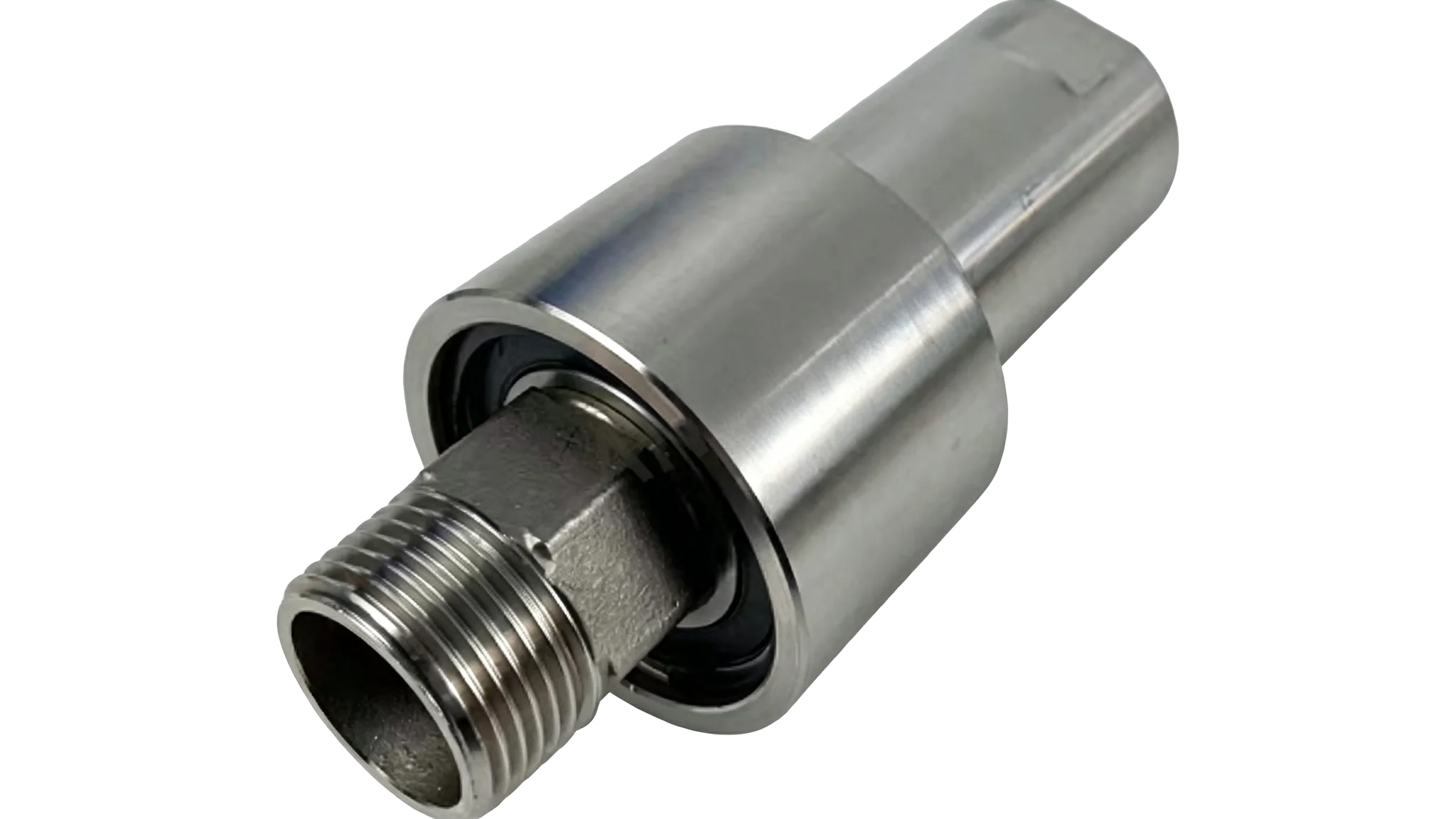
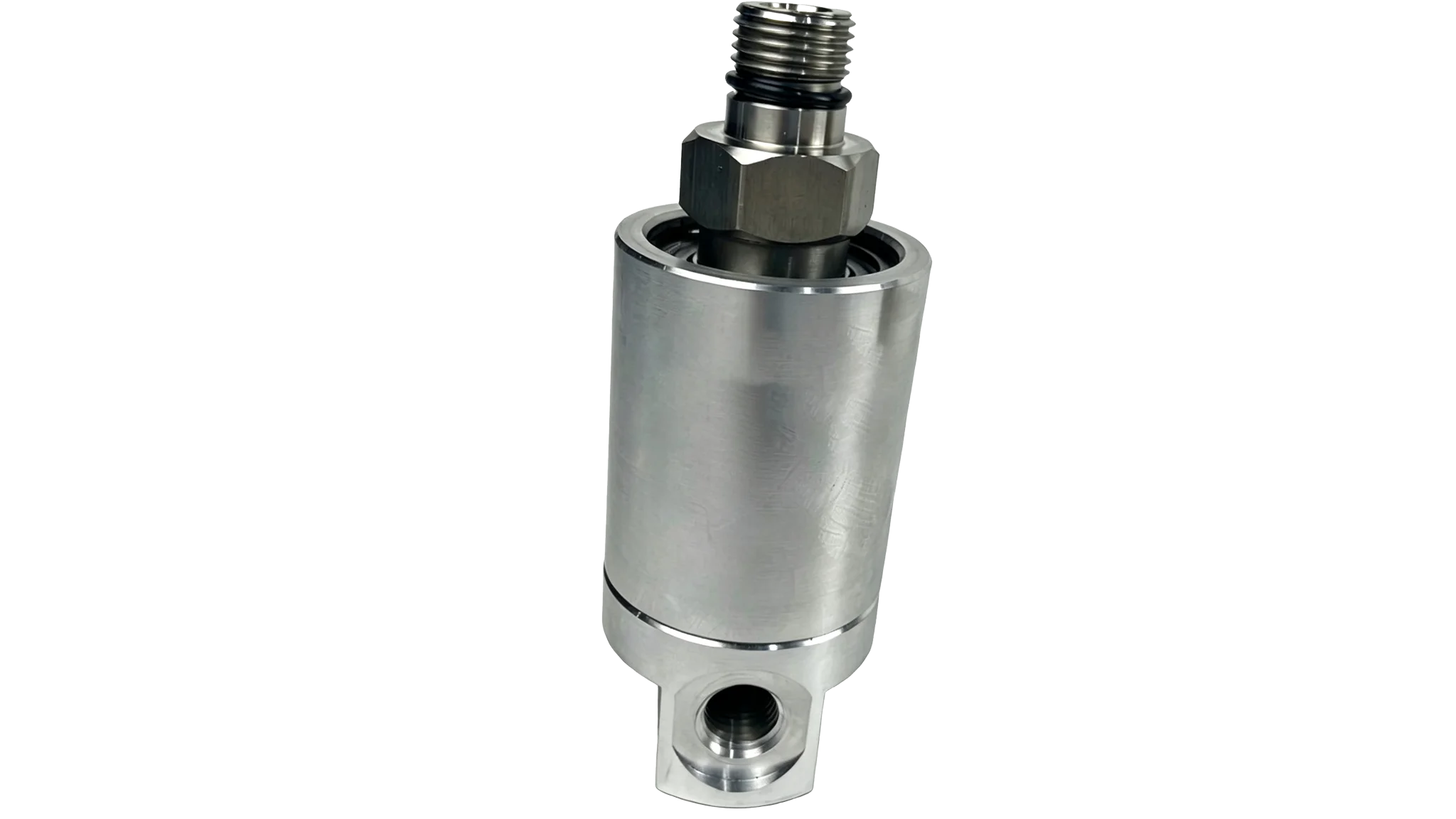
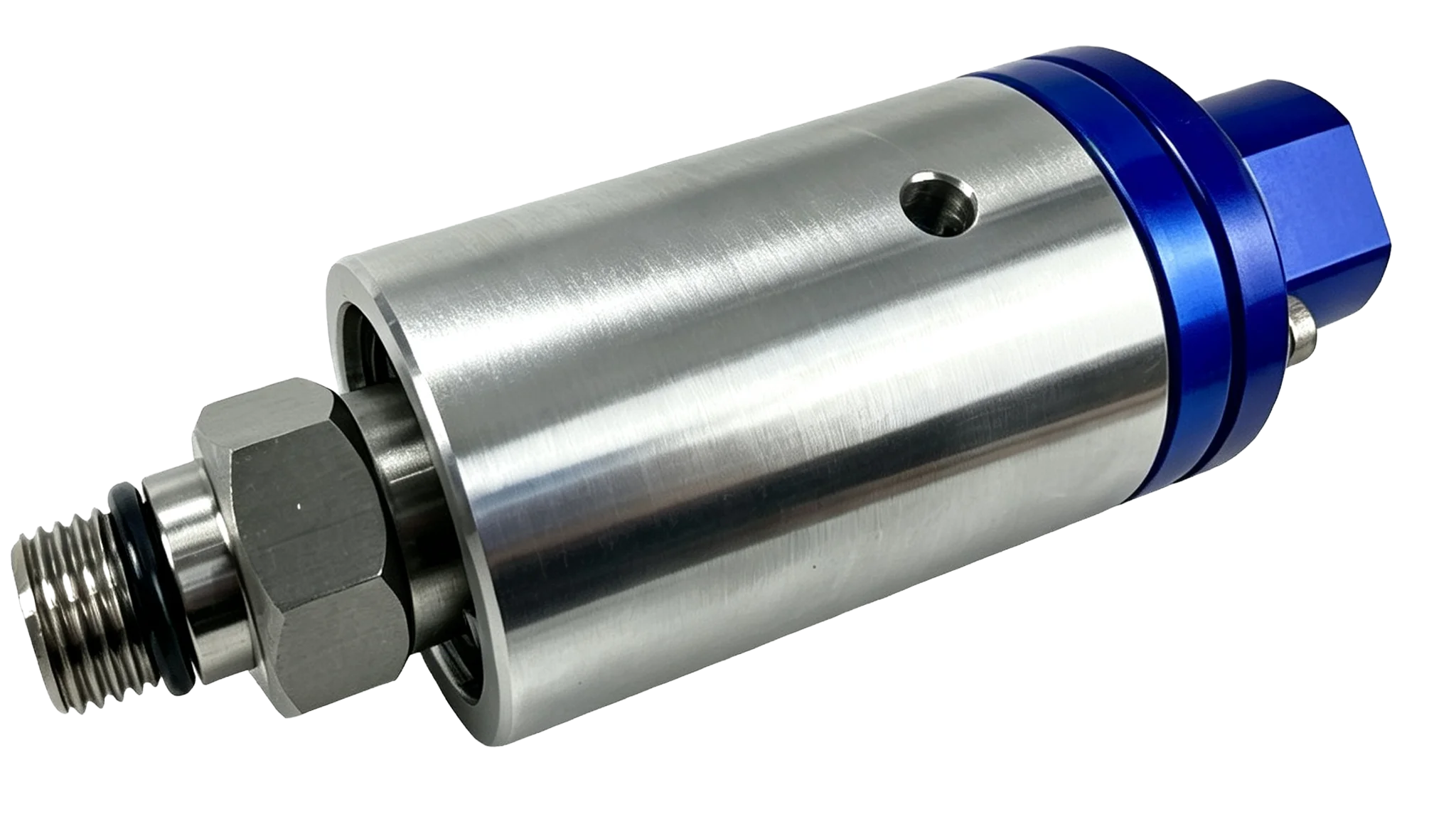
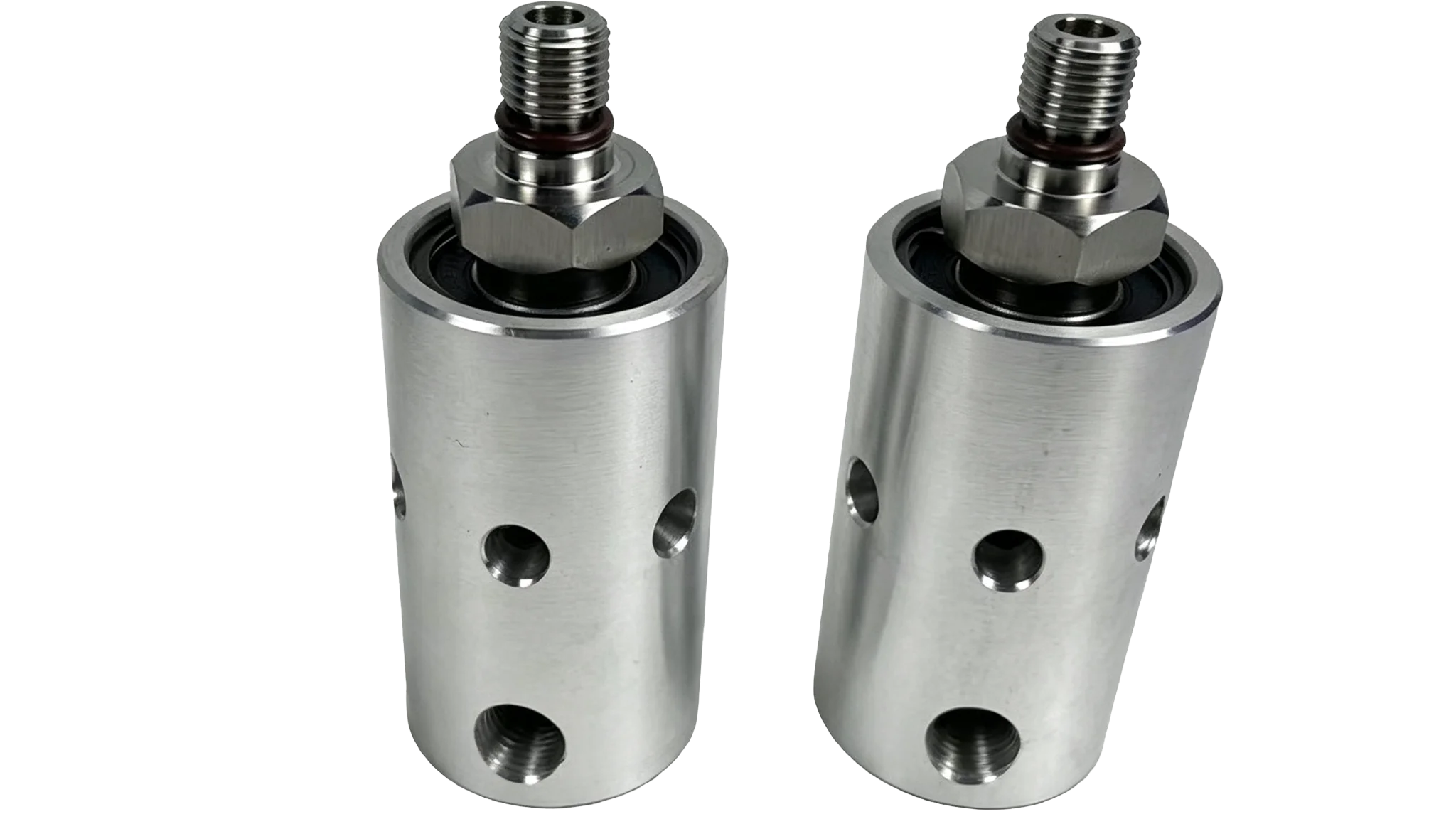
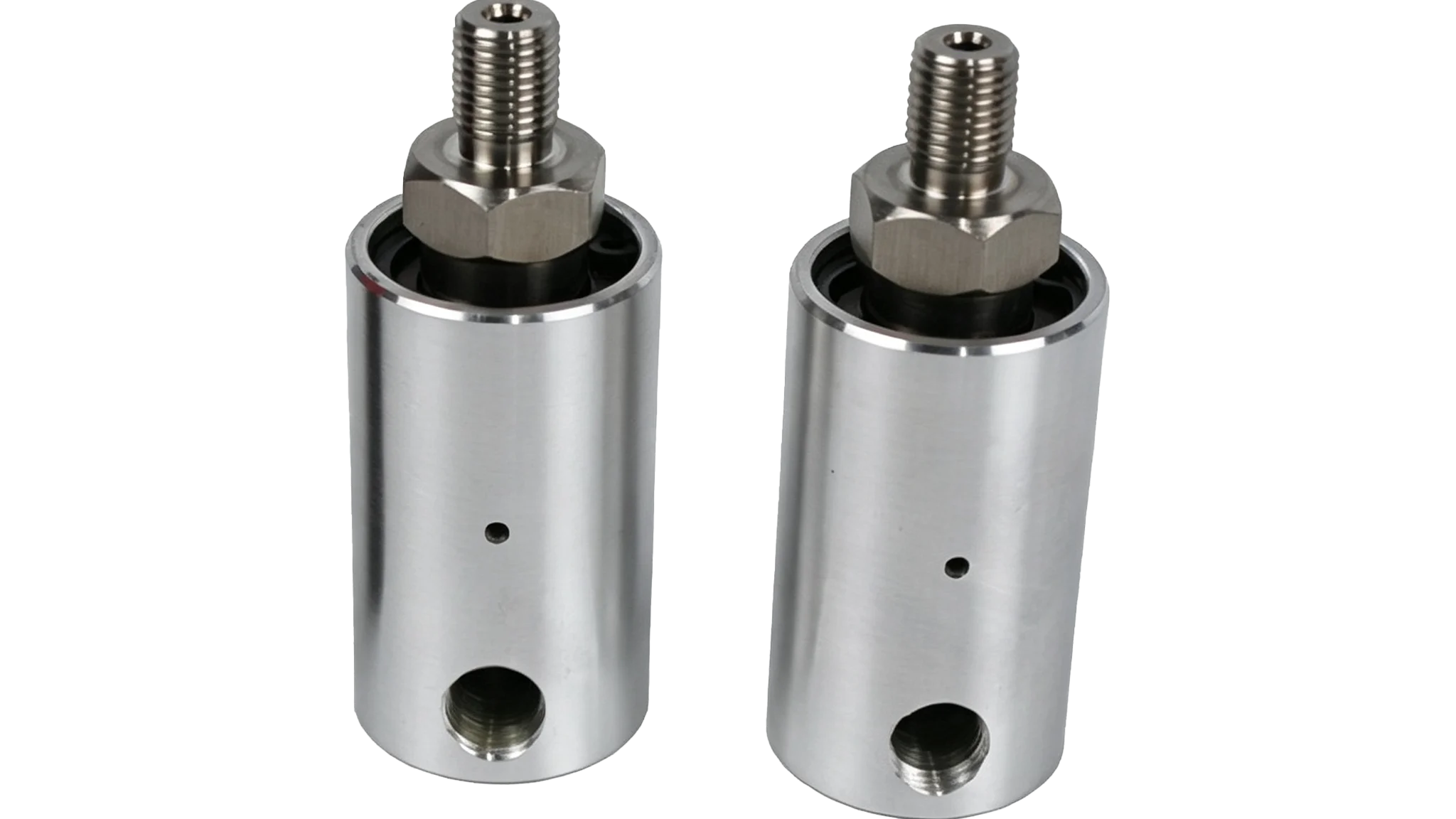
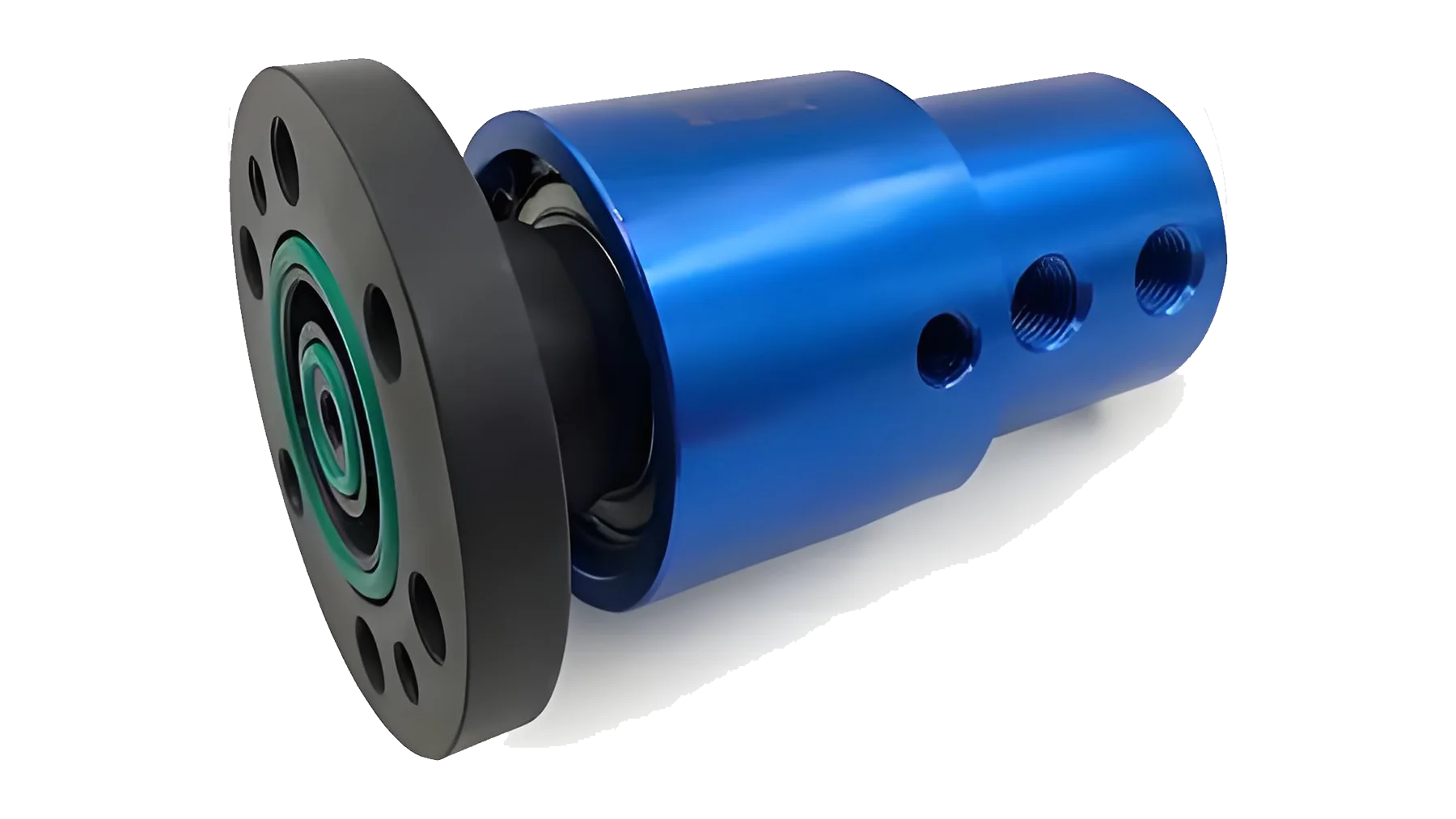
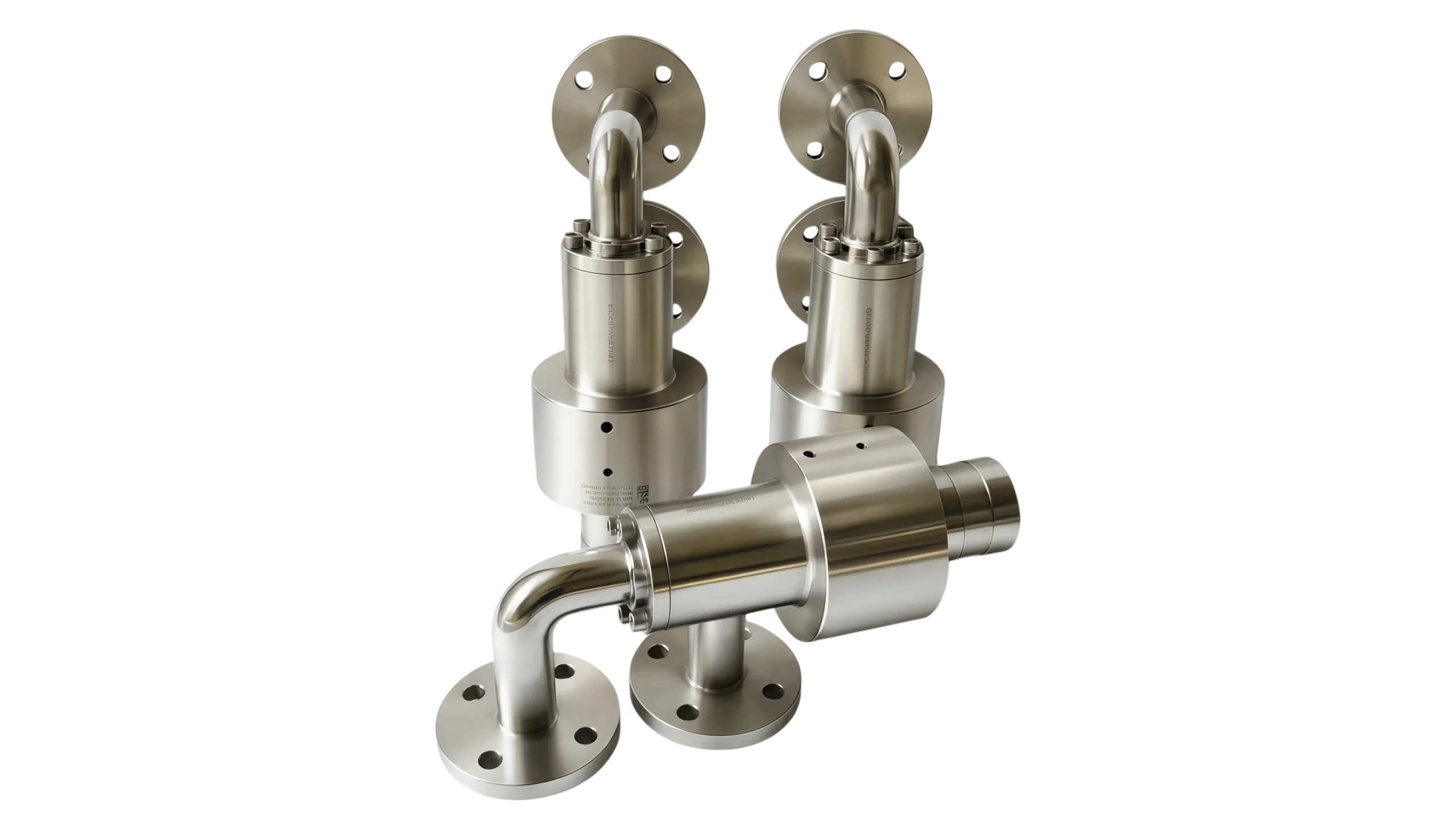
The reverse thread high-speed rotary joint of the pipe reel is a high-speed rotating sealing connector in the pipe reel system that uses a “reverse thread (left-hand) threaded interface”, specifically designed to prevent the joint from loosening due to rotation during the process of hose retraction.
The reverse thread high-speed rotary joint of the pipe reel is a high-speed rotating sealing connector in the pipe reel system that uses a “reverse thread (left-hand) threaded interface”, specifically designed to prevent the joint from loosening due to rotation during the process of hose retraction.
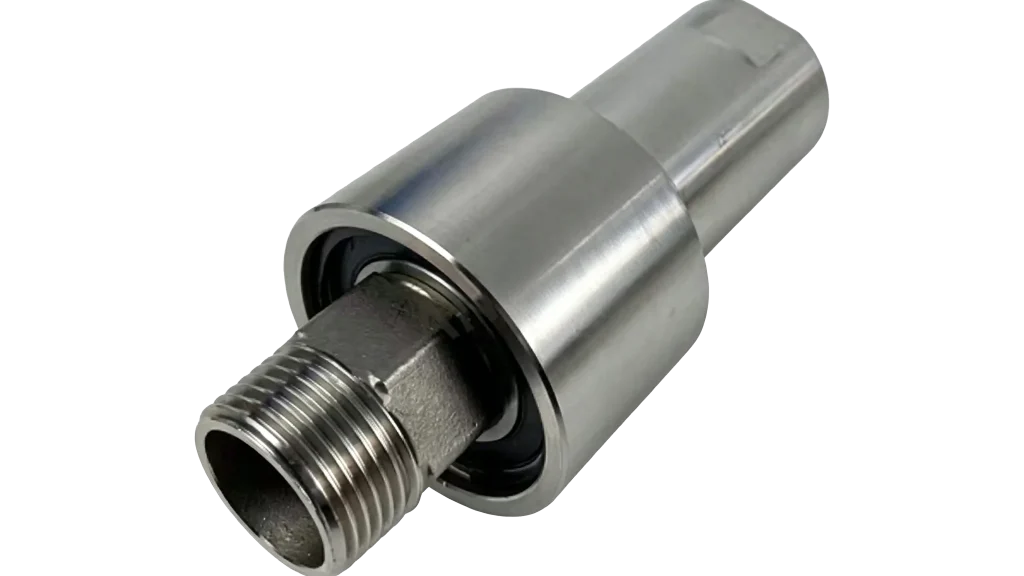
In modern industrial applications, the seamless transfer of fluids, gases, power, and data through rotating equipment is not just an operational requirement—it is a critical necessity. Whether you are dealing with heavy-duty construction machinery, offshore drilling rigs, or advanced manufacturing robotics, the efficiency of your equipment relies heavily on the integrity of its rotational connections. At the heart of this complex integration is a highly specialized component: the reverse wire rotary joint of pipe reel systems.
Managing electrical wiring and high-pressure fluids simultaneously within a rotating drum presents a unique set of engineering challenges. If poorly designed, cables twist, hoses rupture, and operations grind to a halt. In this comprehensive guide, we will explore the intricate mechanics behind these specialized joints, how to select and install them, and the maintenance strategies required to keep your operations running smoothly.
To grasp the full functionality of industrial reels, you must first understand the mechanics of a reverse wire rotary joint. In standard hose reels, a basic swivel allows the drum to turn while maintaining a fluid connection. However, when you introduce electrical components—such as sensors, control valves, or power lines—the complexity multiplies.
A reverse wire rotary joint is a hybrid engineering marvel. It is designed to handle bidirectional rotation (reversing) while managing both fluid media and electrical currents. This requires sophisticated internal wiring management for rotating drums to ensure that as the reel pays out and retracts, the internal cables do not tangle, stretch, or snap.
Historically, fluid and power were kept strictly separate in industrial machinery. Today, space constraints and the demand for automated, smart equipment have driven the development of advanced electrical rotary joints. These components house isolated chambers. One section acts as a traditional rotary union for fluids, while another section integrates an electrical slip ring.
This hybrid design is essential for preventing cable twisting in hose reels. By allowing the electrical connections to rotate continuously or bidirectionally without physical wire twisting, operators can safely transfer power and data alongside hydraulic oil, water, or compressed air.
Effective rotary joint design balances several competing physical forces: pressure, friction, rotational speed, and temperature. The fundamental architecture of a rotary joint consists of a stationary input (the stator), a rotating output (the rotor), bearings to facilitate smooth movement, and a sealing system to prevent leaks.
In many complex fluid handling systems, you might wonder why use a reverse flow rotary joint? A reverse flow design allows fluid to be pumped in both directions through the joint without compromising the integrity of the seals.
This is particularly useful in applications requiring system flushing, pressure relief, or backwashing. For example, in agricultural spraying or chemical processing, clearing the lines by reversing the fluid flow prevents cross-contamination. A reverse wire rotary joint equipped with reverse flow capabilities ensures that neither the electrical wiring nor the fluid seals are damaged by sudden changes in flow direction or rotational reversing.
Selecting the right swivel joint for industrial reels is a process that requires a deep understanding of your specific application. A one-size-fits-all approach inevitably leads to premature component failure.
When your application requires the simultaneous transfer of different media—such as hydraulic fluid to power a motor, cooling water to regulate temperature, and electrical signals to transmit sensor data—you need a multi-passage rotary union.
When reviewing multi-passage rotary union specifications, you must evaluate:
For heavy machinery, standard swivels simply will not suffice. A high-pressure fluid transfer swivel is built with heavy-walled housings, high-tensile steel, and reinforced thrust bearings to withstand extreme internal forces.
When dealing with complex hydraulic systems on booms or cranes, a hydraulic rotary manifold for hose reels is often deployed. These manifolds act as a centralized hub, directing high-pressure hydraulic fluid to multiple different lines simultaneously while the reel turns. They are precision-machined to ensure that pressure drops are minimized, which is vital for maintaining the responsiveness of hydraulic tools connected to the end of the line.
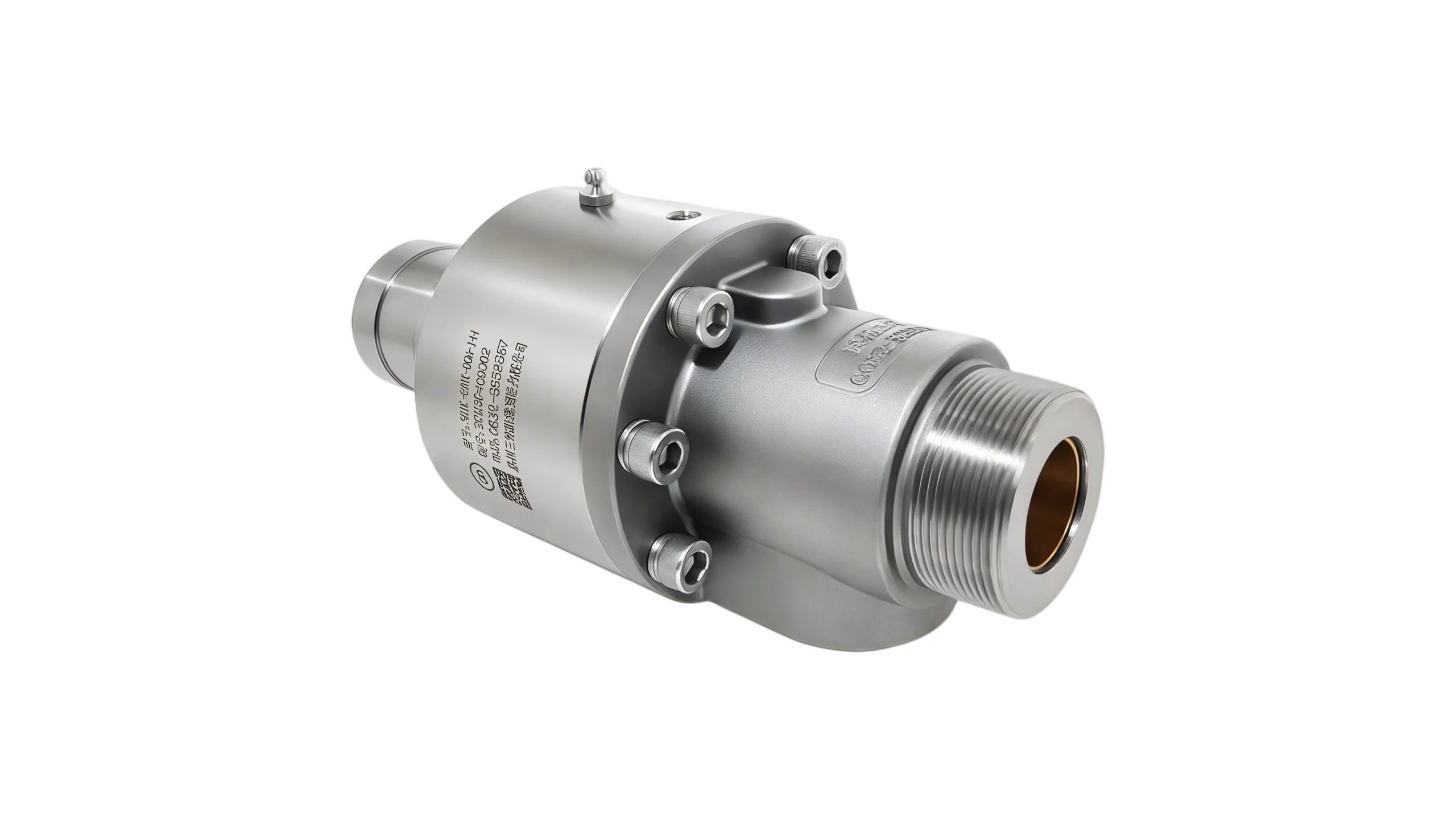
A rotary joint is a sealing device that connects stationary pipelines and rotating equipment, achieving leak free fluid transmission under 360 ° rotation. It allows fluid media to flow smoothly between fixed pipelines and rotating machines, and is a key component in industrial equipment
F90 swivel unions Transporting equipment components from a fixed pipeline system to high-speed rotating or reciprocating motion
Q32 swivel unions
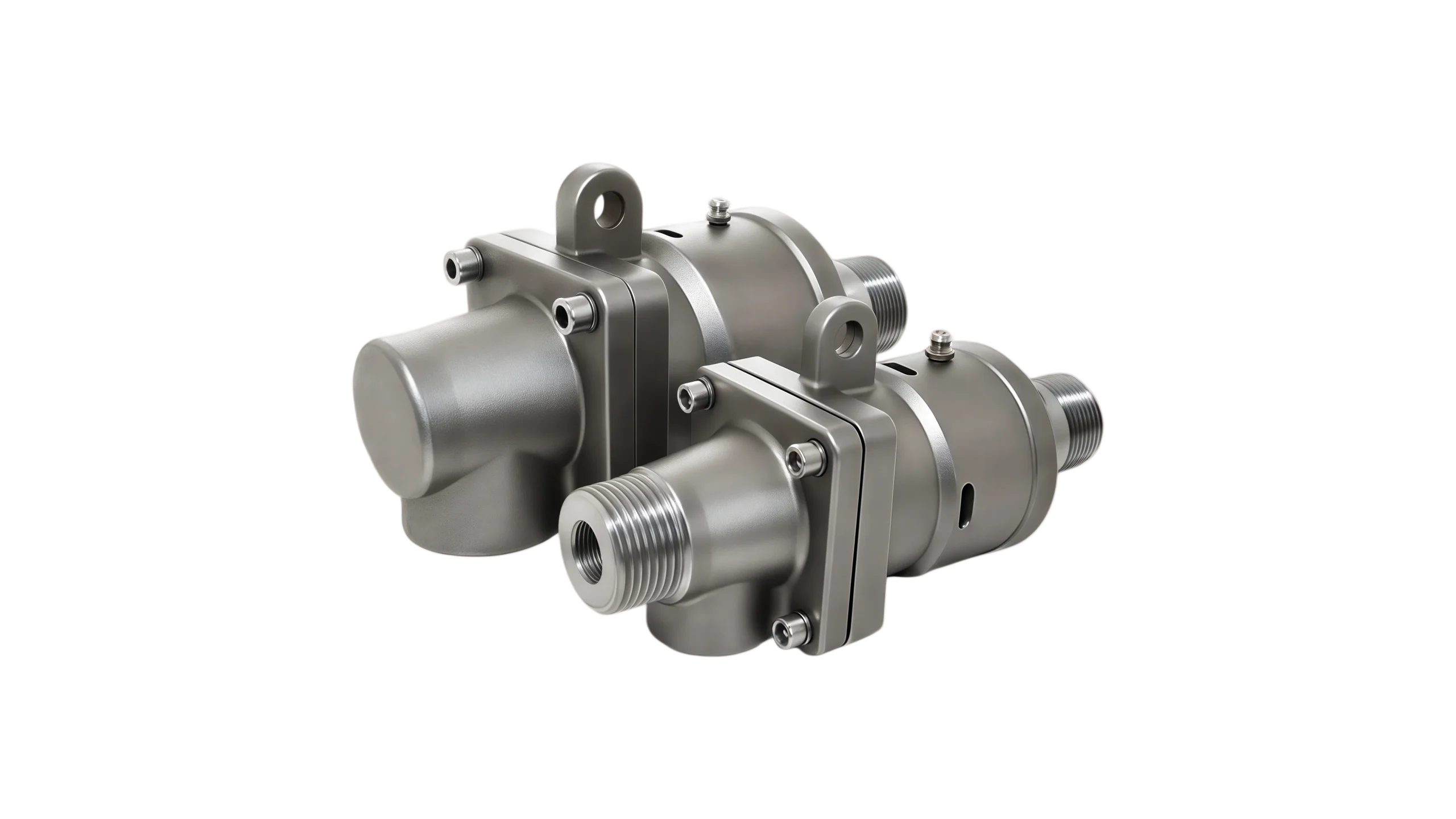
JD40 rotary joint is a key sealing component in industrial fluid transmission systems, usually referring to a rotary connection device with a diameter of DN40 (or corresponding British caliber). As a transitional sealing device that transports fluid media (such as water, steam, hydraulic oil, thermal oil, compressed air, etc.) from static pipelines to dynamic rotating or swinging equipment