 rotary jointsrotary joints
Search the whole station
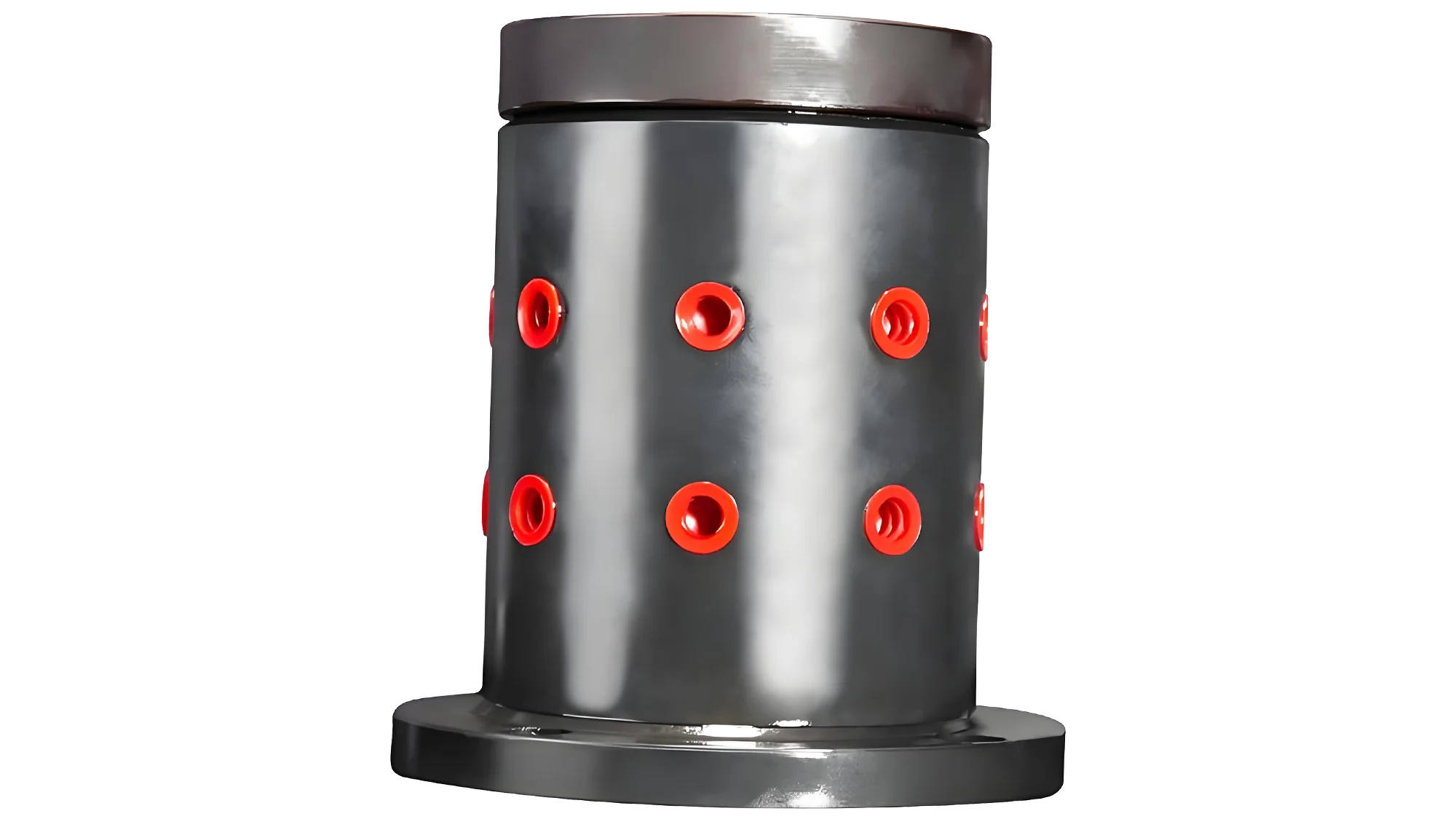
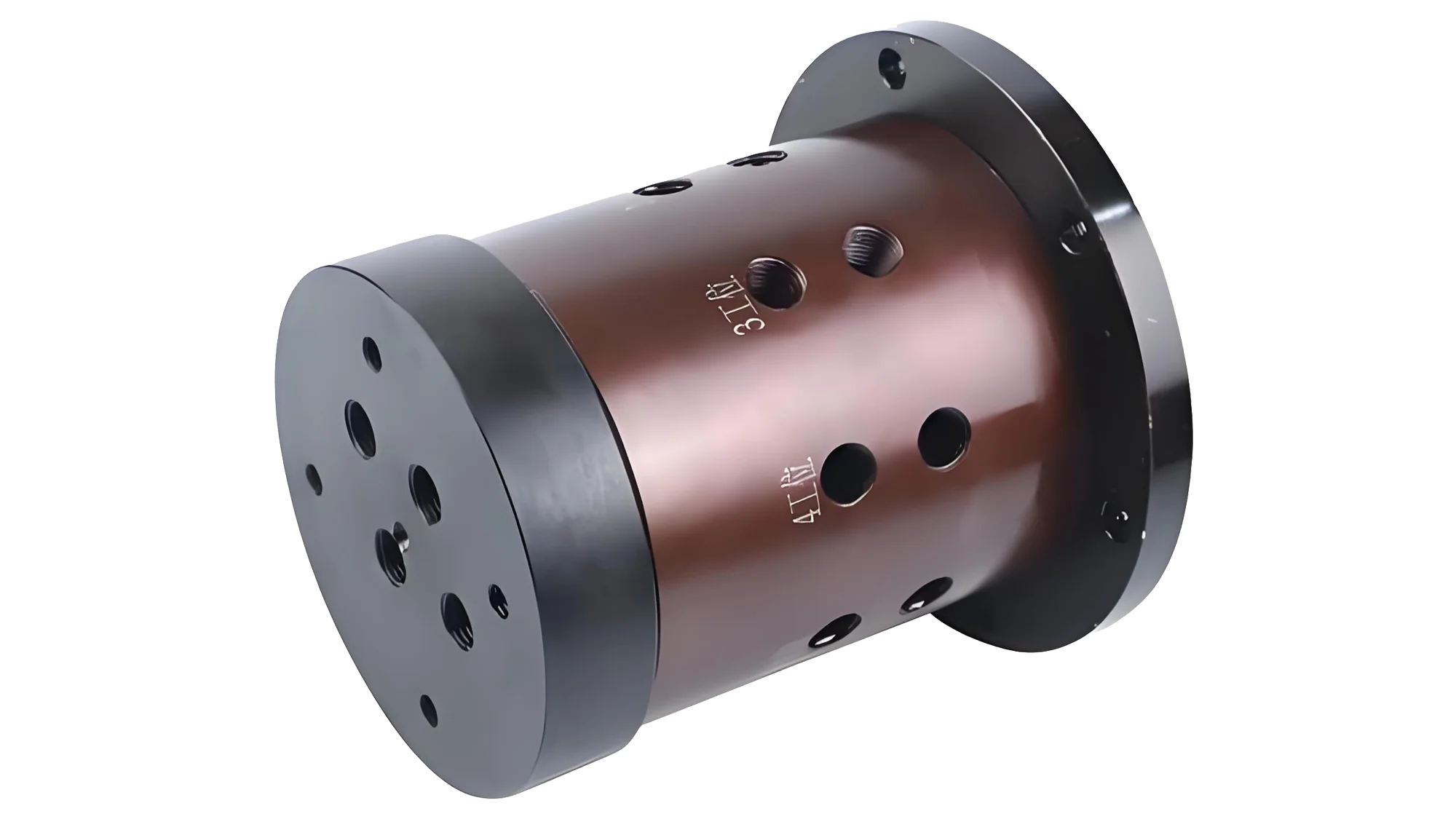
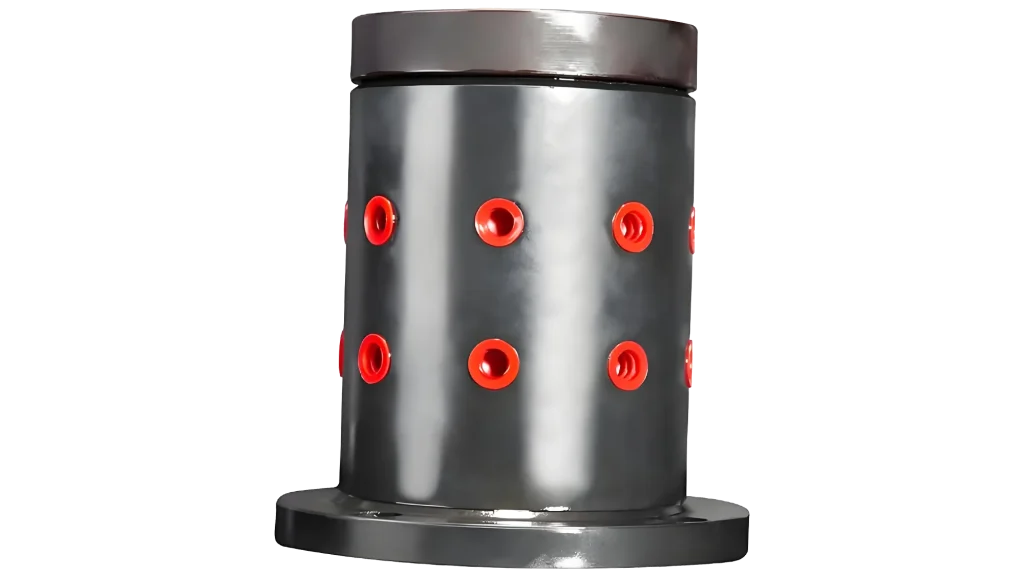
An oil pressure rotary diverter valve (usually referring to a rotary diverter valve or rotary distributor in hydraulic/pneumatic systems) is a precision control device used to convert fluid pressure energy from a single oil or gas source into mechanical motion and distribute it to multiple actuators in a specific order or proportion
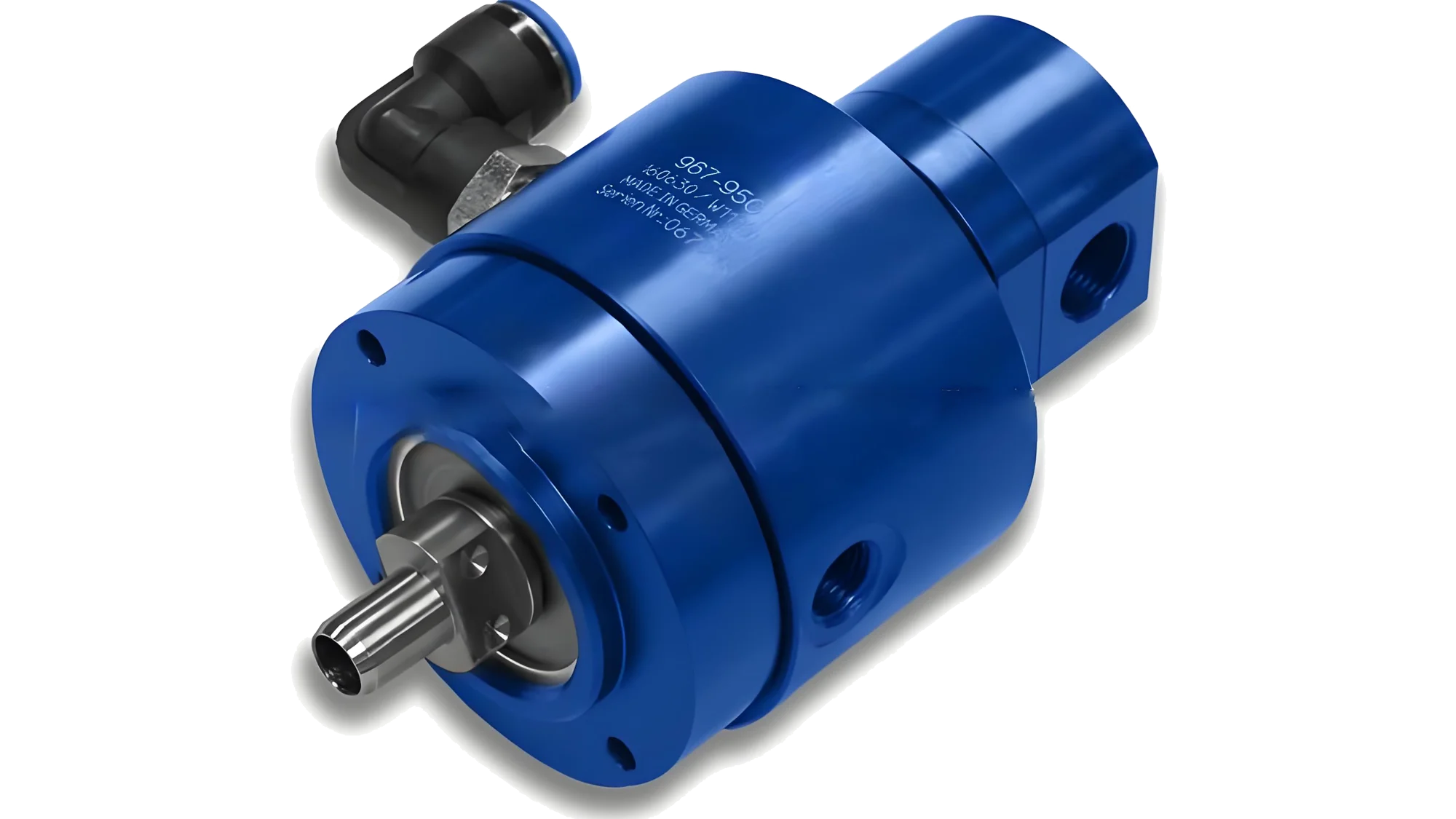
An oil pressure rotary diverter valve (usually referring to a rotary diverter valve or rotary distributor in hydraulic/pneumatic systems) is a precision control device used to convert fluid pressure energy from a single oil or gas source into mechanical motion and distribute it to multiple actuators in a specific order or proportion. This device is widely used in automated production lines, engineering machinery, and heavy equipment. Its main function is to achieve synchronous or sequential control of complex actions such as clamping, releasing, and rotating at multiple workstations
Supported by two wide and high-precision bearings, the operation is smooth, and the bearings do not require maintenance for life
High speed and high-pressure sealing structure, no contact wear of sealing rings, ensuring long-term trouble free operation of the product;
Lower rotational torque;
Adopting a special product structure, there is no frictional heat generated during high-speed operation;
The rotational torque is not affected by working pressure and temperature;
The working range of the speed is wide, and it can reach up to 6500 RPM at high speeds;
Drain hole design to prevent leakage to the external environment;
Being able to tailor products to meet the needs of customers
Important note:
The K series products adopt a gap sealing structure, and the discharge hole L must be connected to the return oil tank using an oil pipe during installation, and the return oil pipeline must not be blocked to form pressure;
2. There is mutual leakage in the internal channels, and attention should be paid to the compatibility of different fluids to prevent cross contamination;
3. High precision connectors, the working fluid should be filtered before use, with a filtration accuracy of not less than 10 μ m;
4. The increase in temperature will reduce the viscosity of hydraulic oil, causing an increase in internal leakage. A cooling device is required during use;
5. The hydraulic system needs to have an automatic pressure regulator to compensate for pressure loss caused by internal leakage in the joints
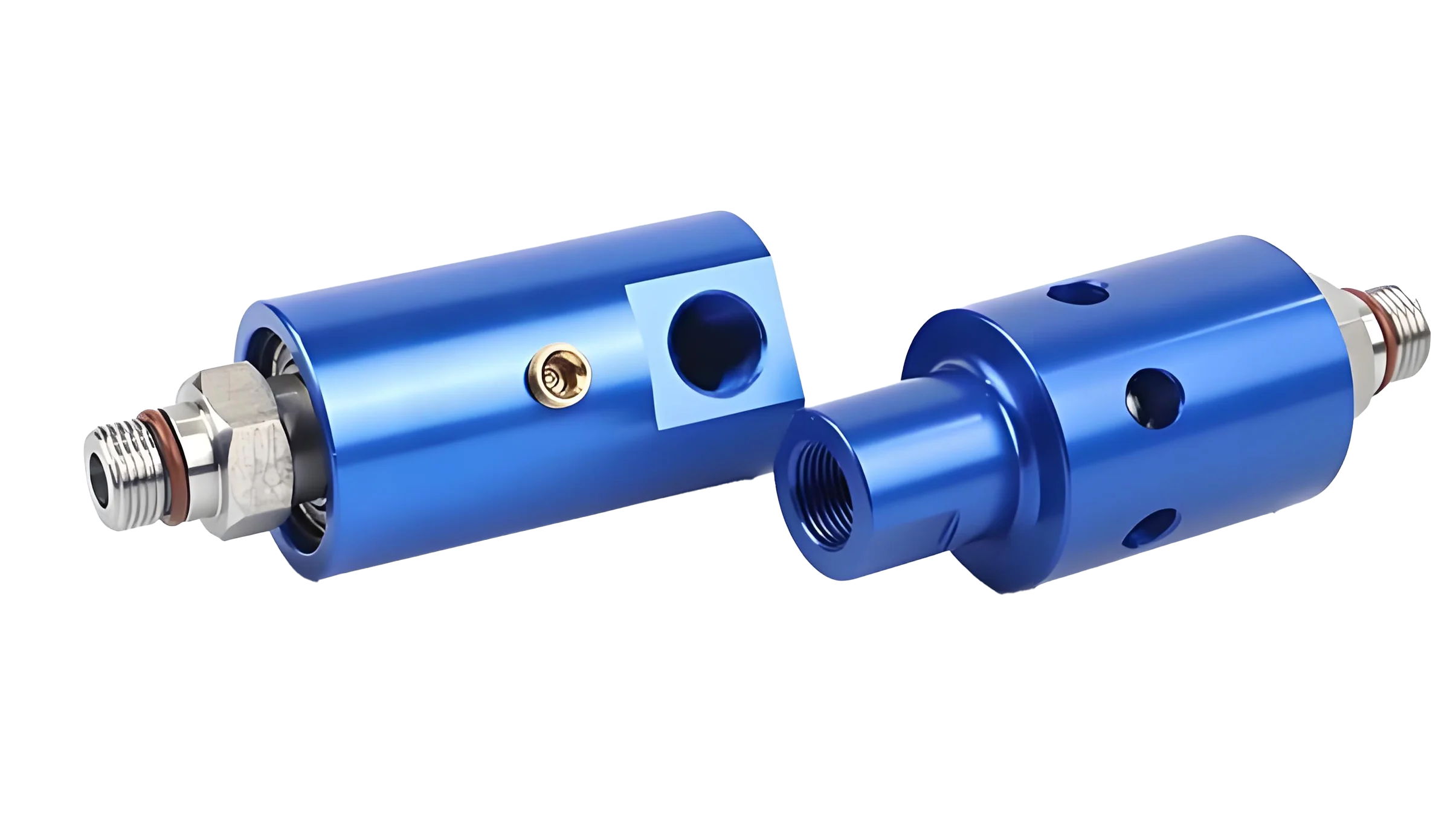
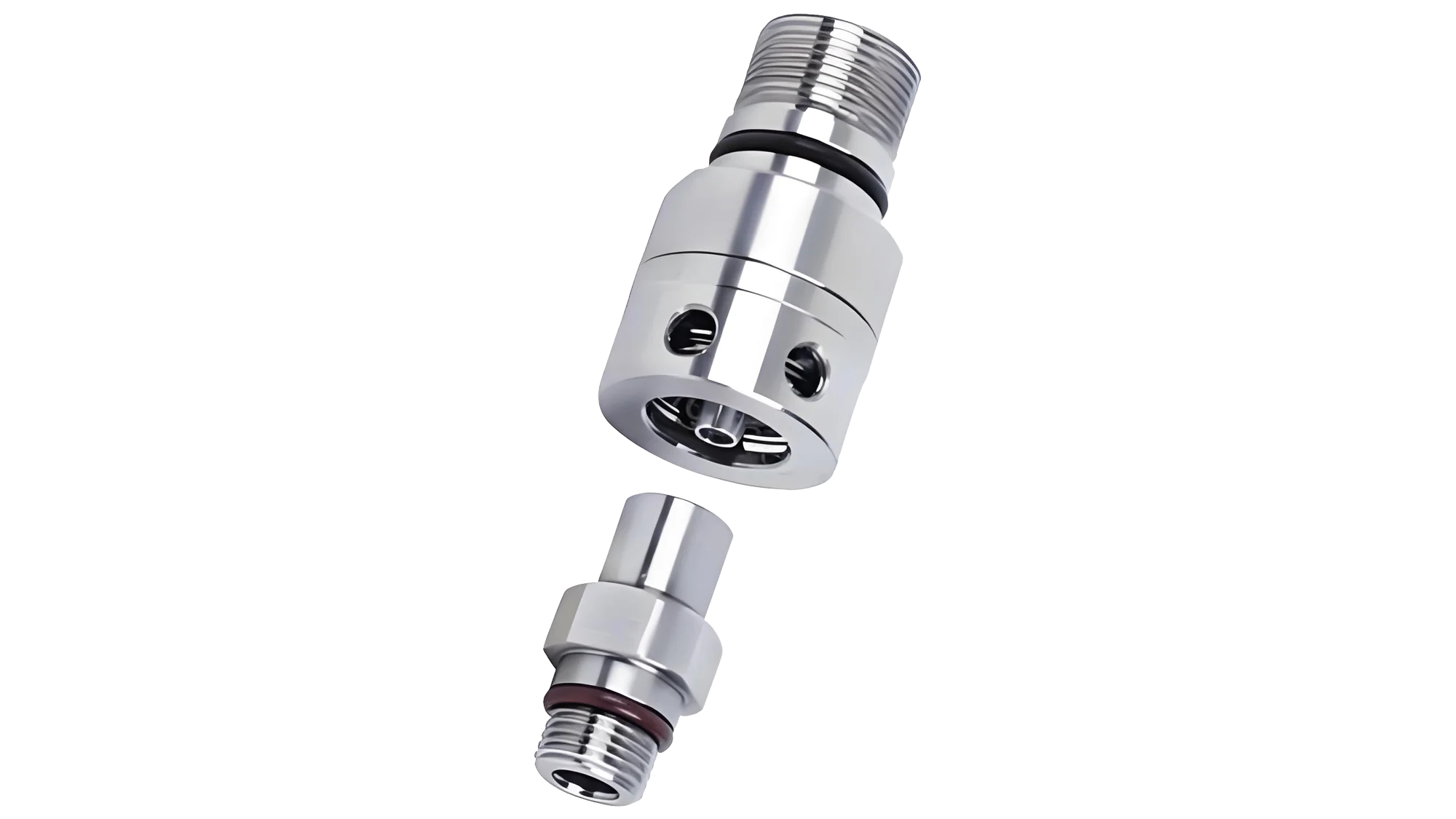
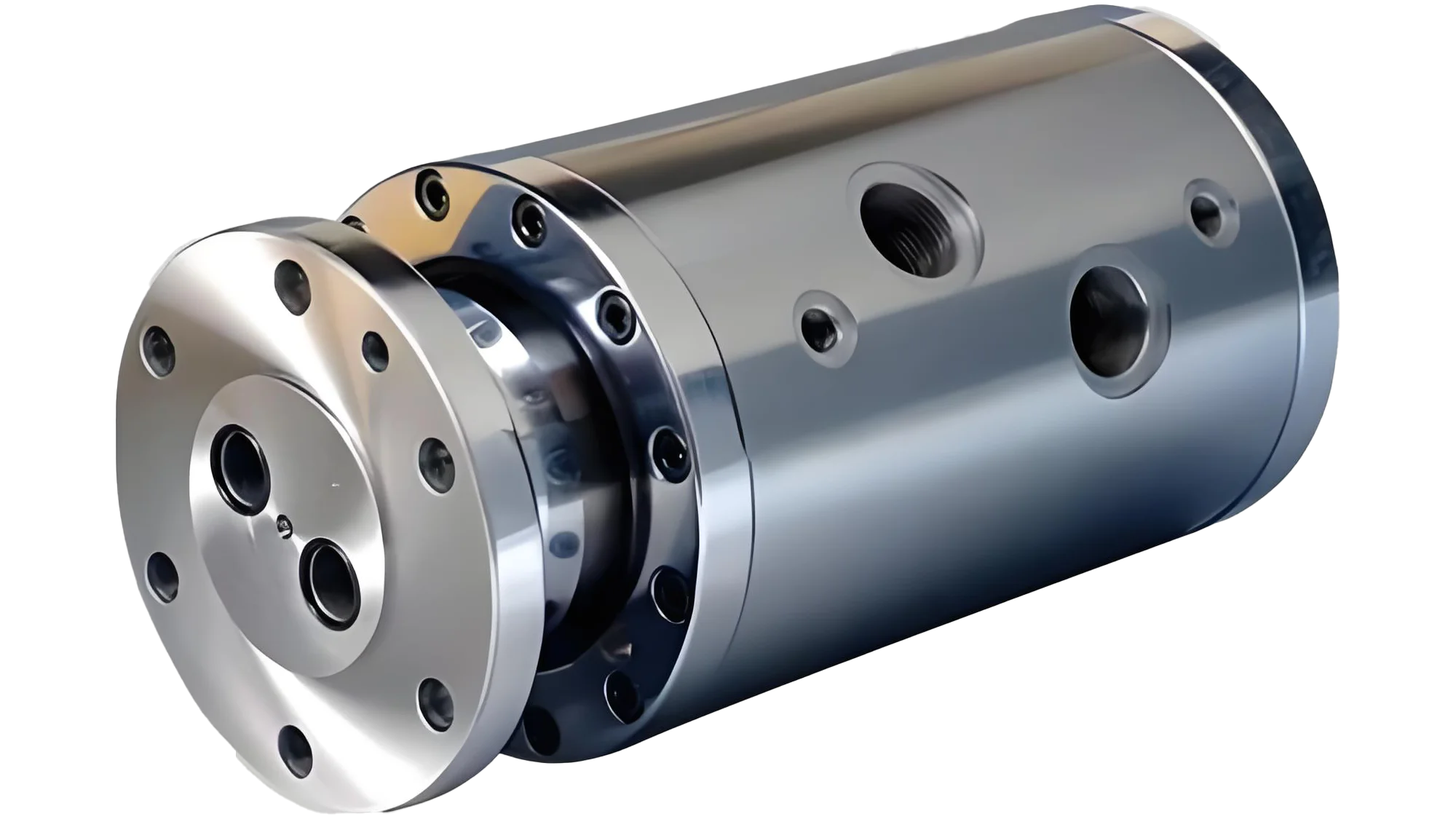
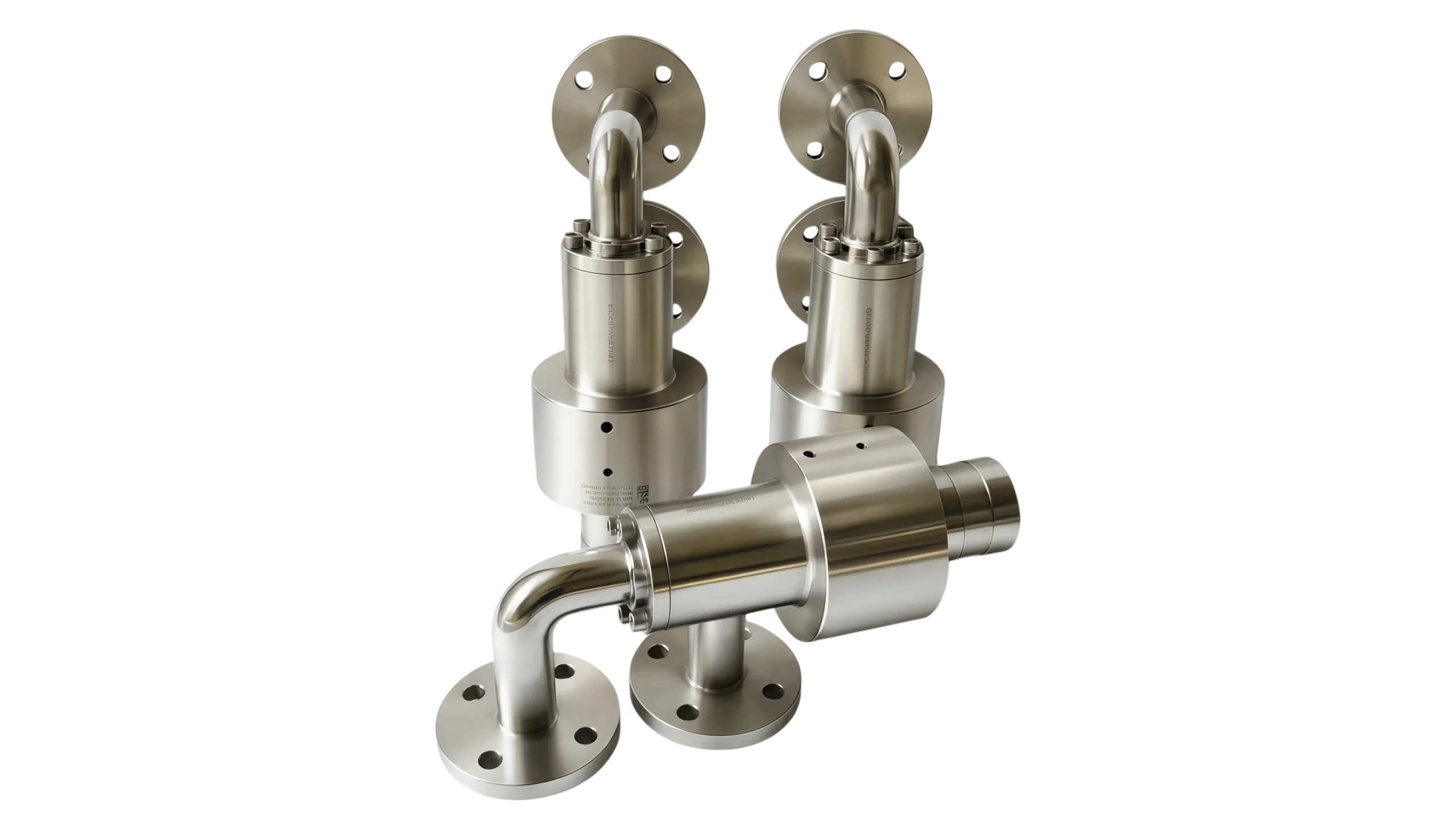
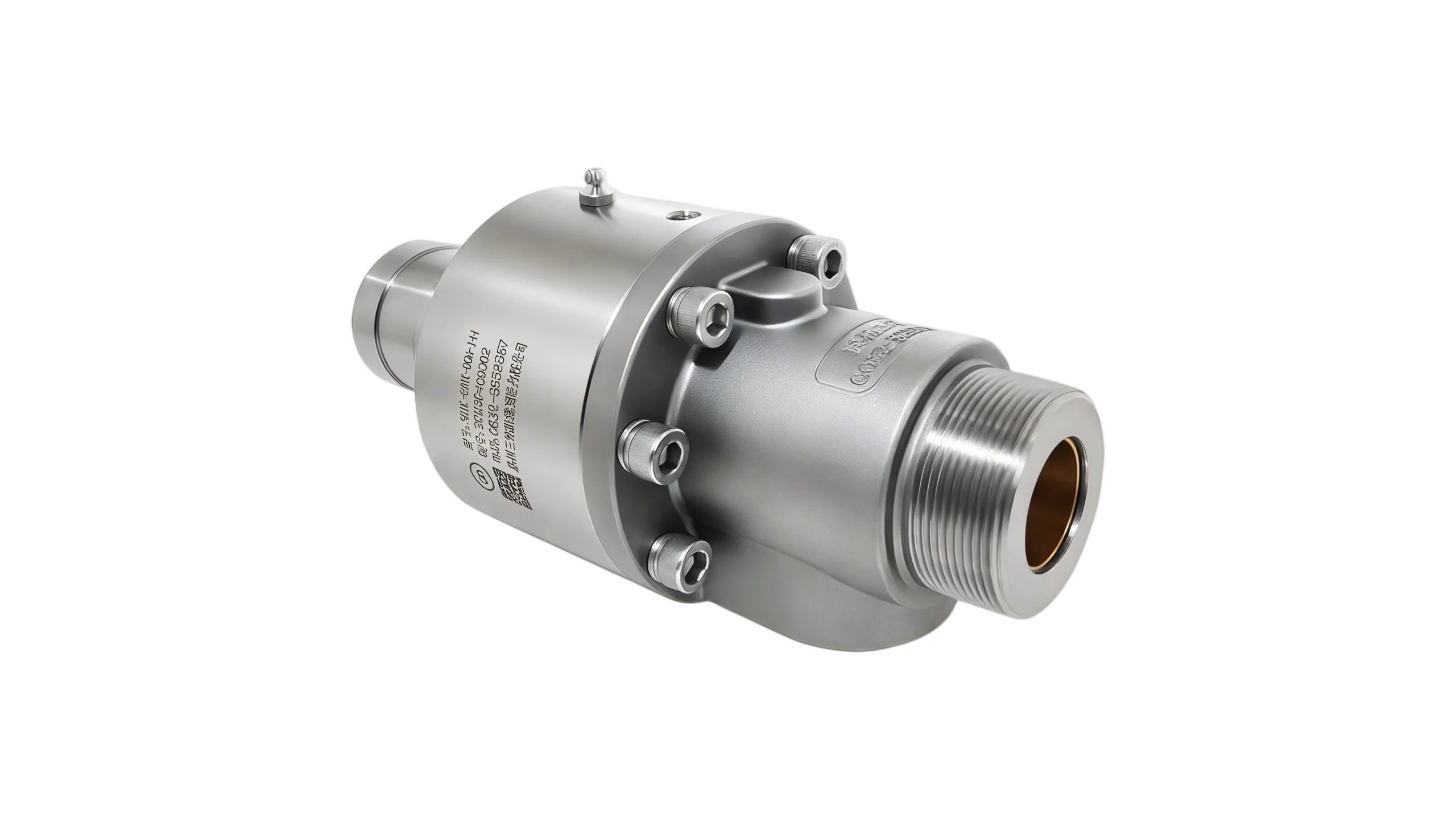
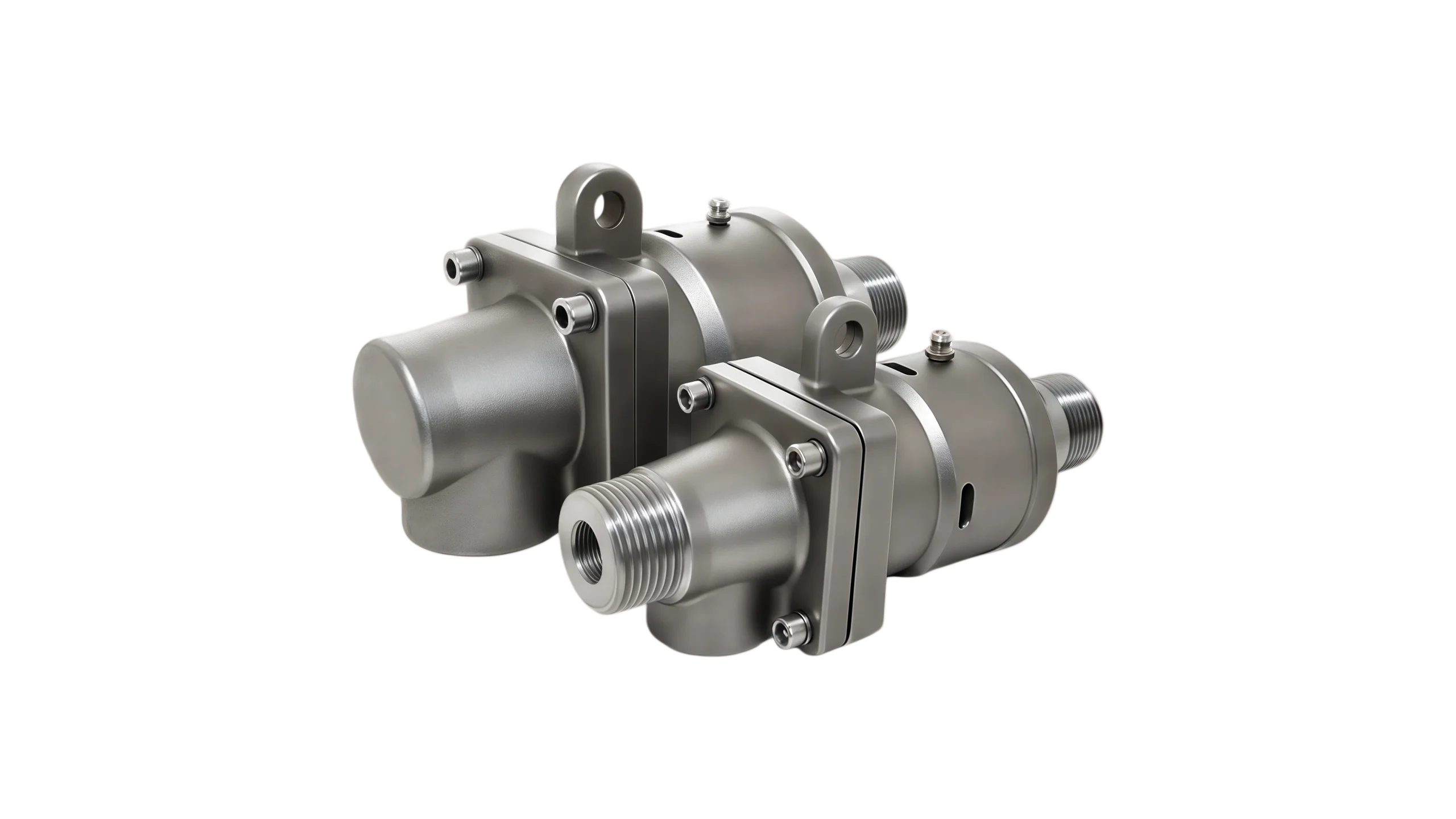
A rotary joint is a sealing device that connects stationary pipelines and rotating equipment, achieving leak free fluid transmission under 360 ° rotation. It allows fluid media to flow smoothly between fixed pipelines and rotating machines, and is a key component in industrial equipment
F90 swivel unions Transporting equipment components from a fixed pipeline system to high-speed rotating or reciprocating motion
Q32 swivel unions
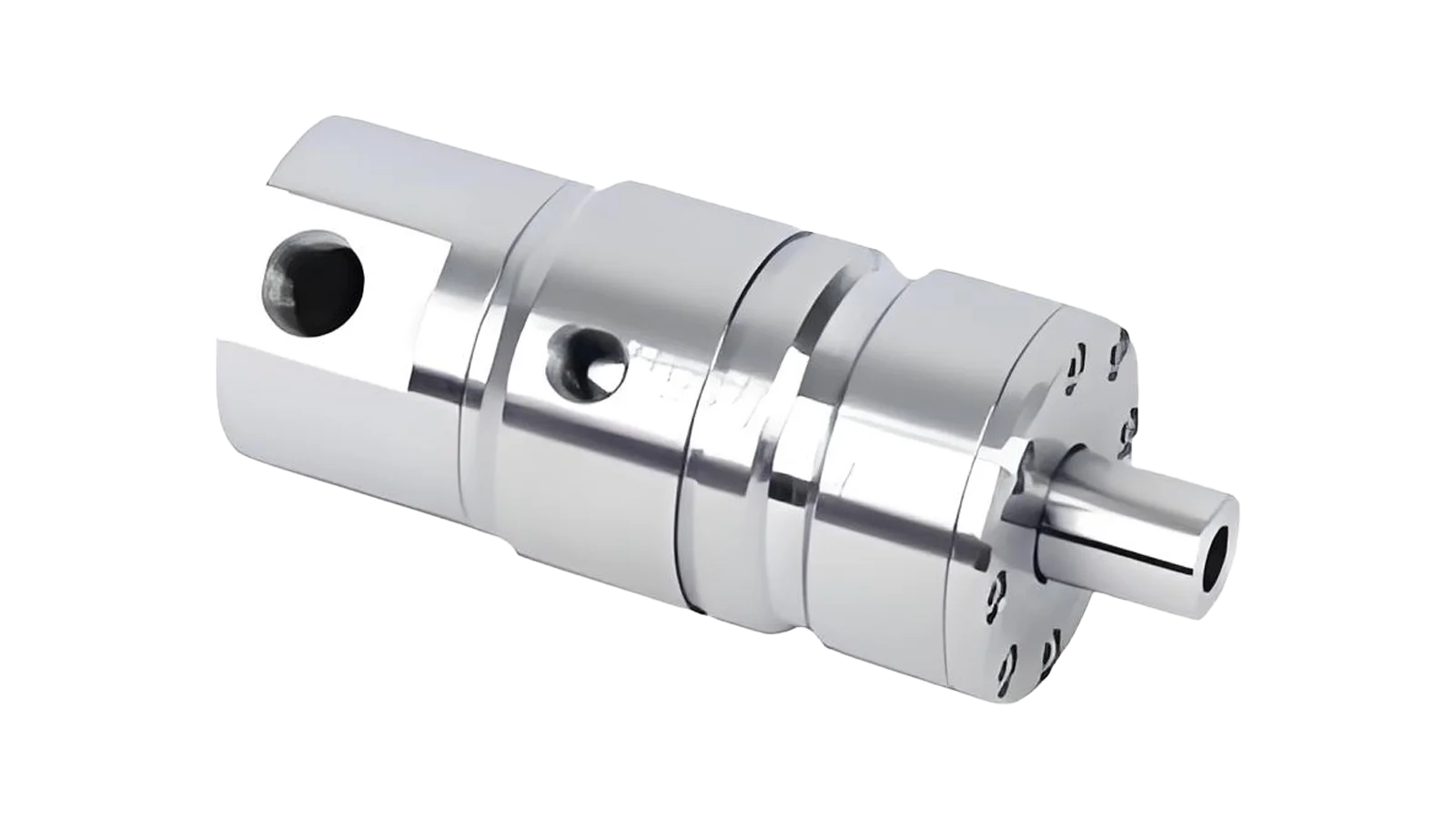
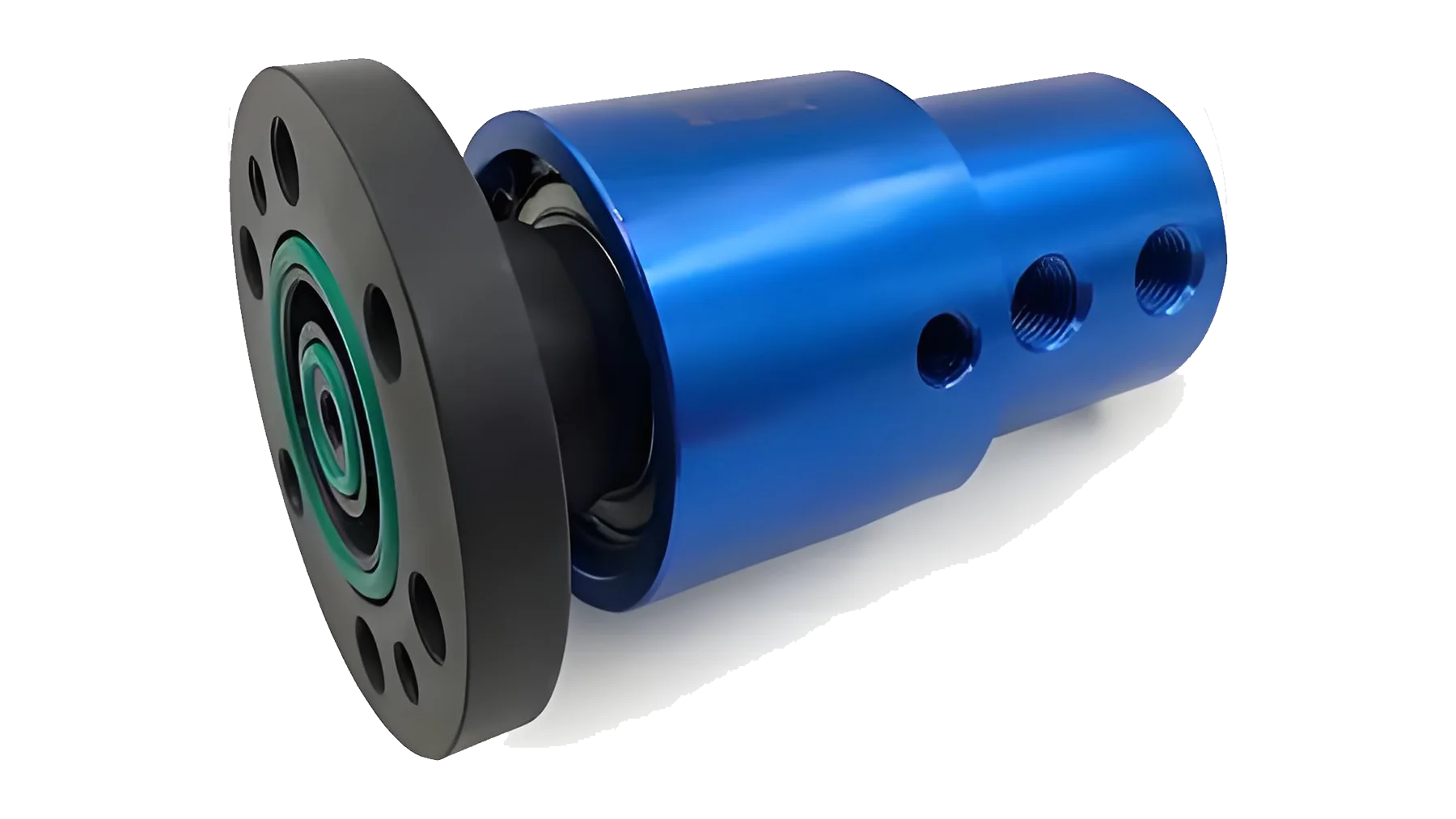
JD40 rotary joint is a key sealing component in industrial fluid transmission systems, usually referring to a rotary connection device with a diameter of DN40 (or corresponding British caliber). As a transitional sealing device that transports fluid media (such as water, steam, hydraulic oil, thermal oil, compressed air, etc.) from static pipelines to dynamic rotating or swinging equipment