 rotary jointsrotary joints
Search the whole station
Rotary joints have excellent adaptability to working conditions and can operate normally under extreme conditions such as high temperature, low temperature, high pressure, and vacuum
Rotary joints have excellent adaptability to working conditions and can operate normally under extreme conditions such as high temperature, low temperature, high pressure, and vacuum. In high temperature environments, it can withstand temperatures of several hundred degrees without affecting performance; In low-temperature environments, the material still maintains good toughness and sealing properties; Faced with high-pressure working conditions, its structural design and material strength can withstand enormous pressure without deformation or damage; In a vacuum environment, it can also ensure good sealing effect and meet the special needs of different industrial fields.
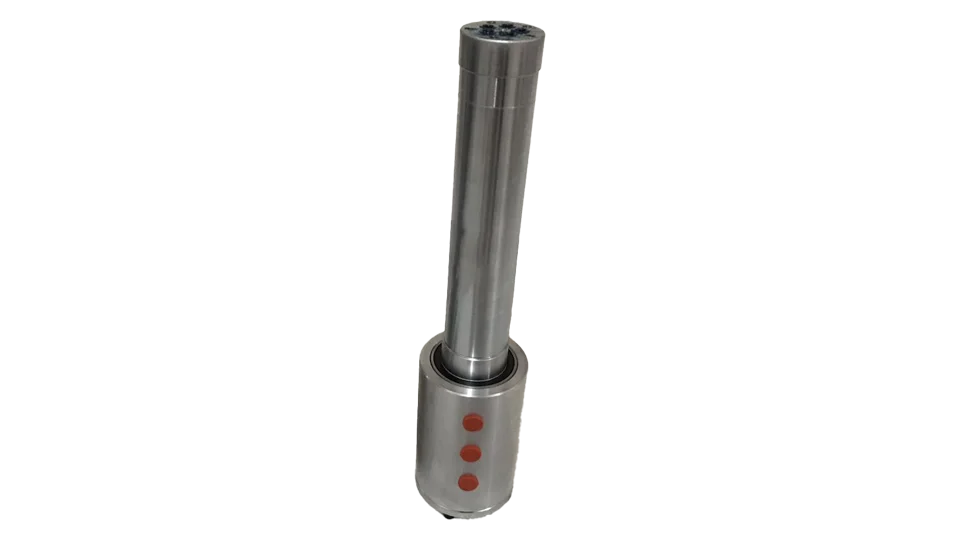
1. Performance parameters
Speed: Normal type ≤ 3000rpm, high-speed type 3000-20000rpm, ultra high speed type (such as aviation) ≥ 20000rpm.
Pressure: Low pressure type ≤ 1.6MPa, medium pressure type 1.6-10MPa, high pressure type 10-30MPa (such as hydraulic equipment), ultra-high pressure type ≥ 30MPa (such as high-pressure cleaning machines).
Temperature resistance range
Room temperature type: -20 ℃~120 ℃ (water, air medium);
Medium temperature type: 120 ℃~300 ℃ (steam, hot oil);
High temperature type: 300 ℃~600 ℃ (molten metal liquid, requiring ceramic/metal sealing);
Low temperature type: -200 ℃~-40 ℃ (for liquid nitrogen and LNG equipment, low-temperature resistant alloys are required).
2. Structure and interface parameters
Number of Passages
Single channel (transmitting a single medium), dual channel (gas-liquid separation), multi-channel (gas+liquid+electric synchronous transmission, such as 4-8 channels)
Interface Specification
Thread types: NPT, BSP, G thread, etc., common sizes G1/4 “~G2”;
Flange standards: DIN, ANSI, JIS, pressure rating PN10~PN100;
Quick change interface: Suitable for quick connection of hoses (such as ISO 7241-A type).
3. Material and sealing parameters
main material
Cast iron (HT300), stainless steel (304/316L), titanium alloy (TA2), aluminum alloy (6061), ceramic (Al ₂ O3).
sealing material
Soft seal: Fluororubber (FKM, temperature resistance -20 ℃~200 ℃), Silicone Rubber (VMQ, temperature resistance -60 ℃~250 ℃);
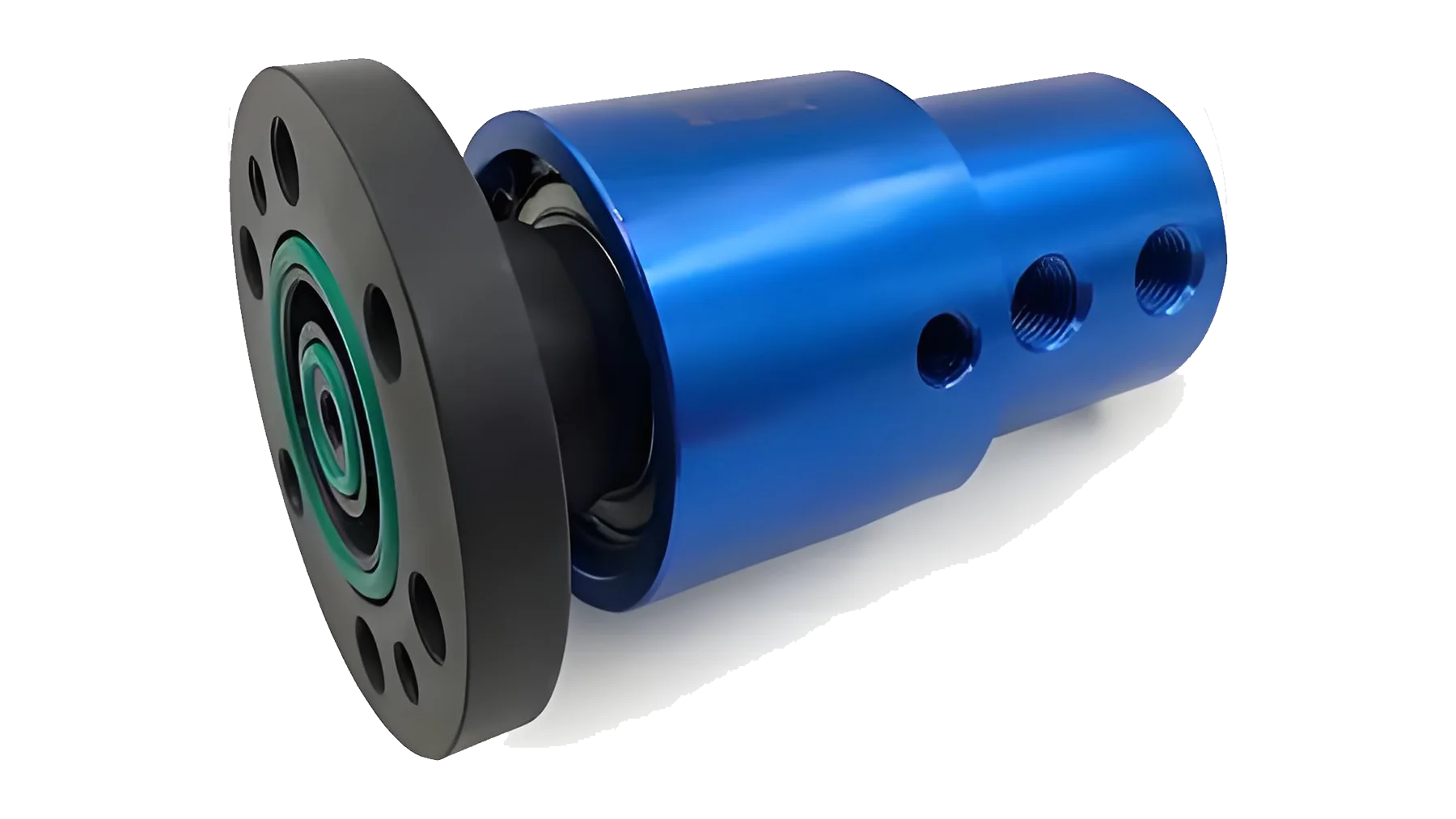
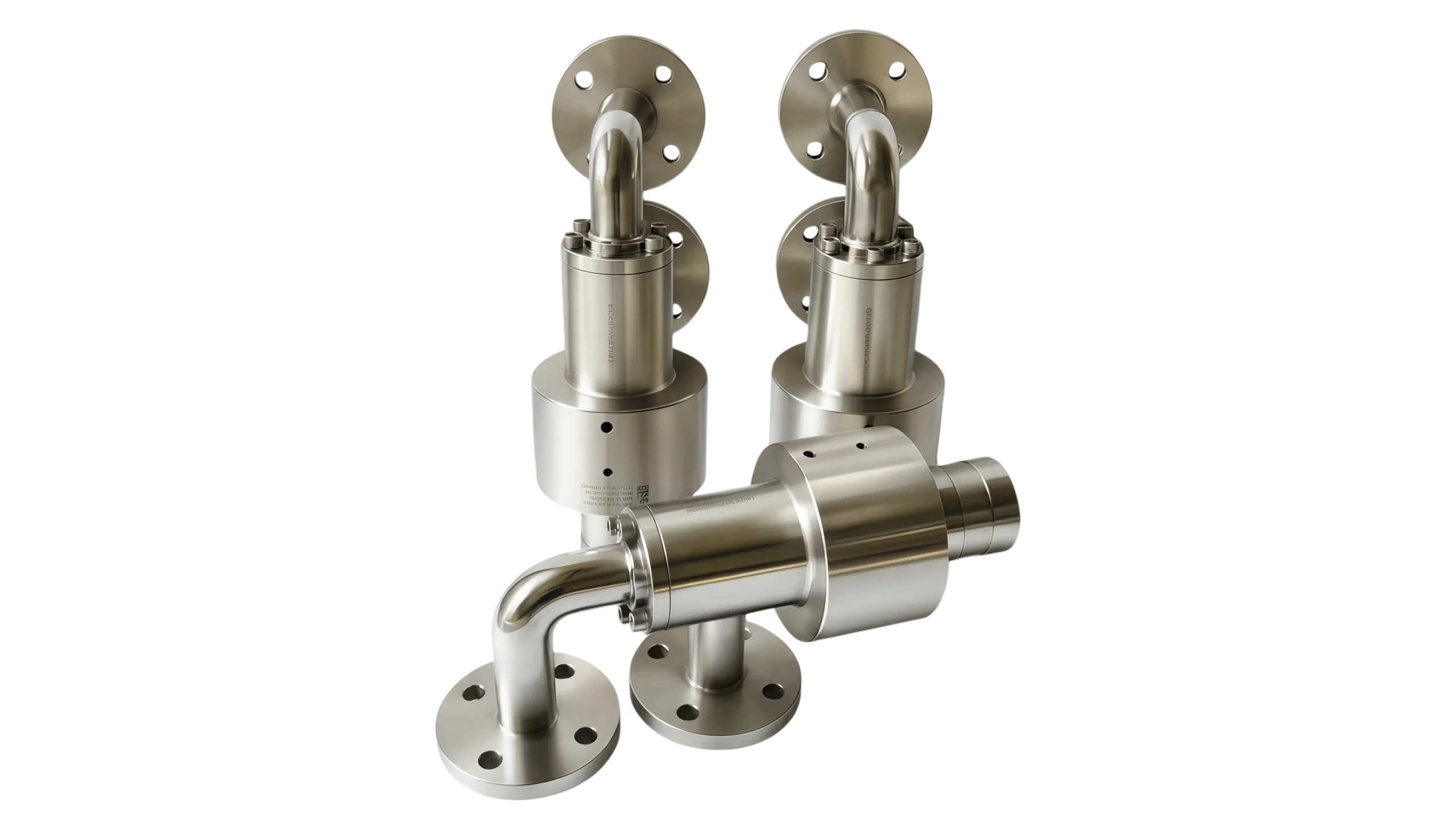
A rotary joint is a sealing device that connects stationary pipelines and rotating equipment, achieving leak free fluid transmission under 360 ° rotation. It allows fluid media to flow smoothly between fixed pipelines and rotating machines, and is a key component in industrial equipment
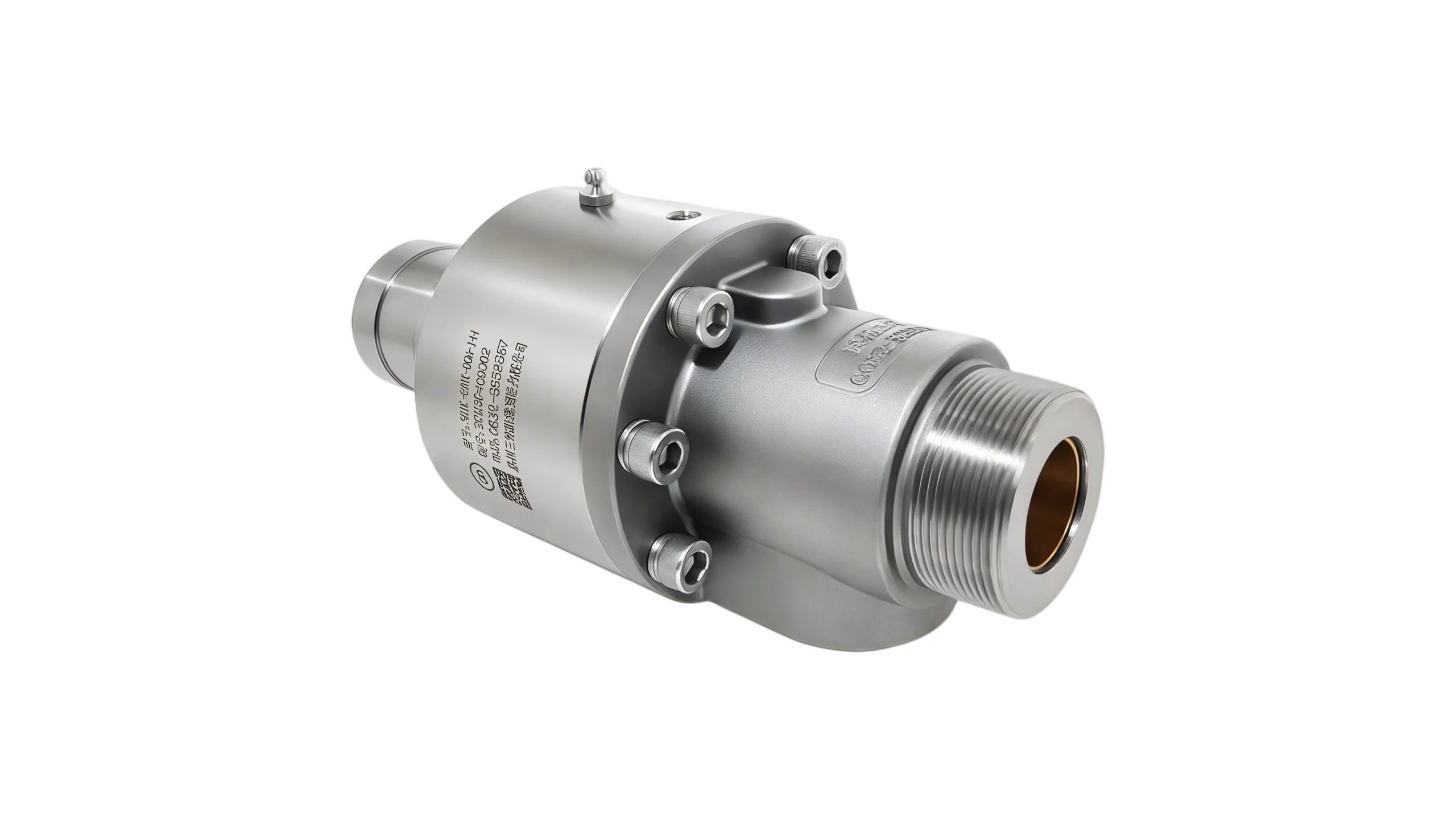
F90 swivel unions Transporting equipment components from a fixed pipeline system to high-speed rotating or reciprocating motion
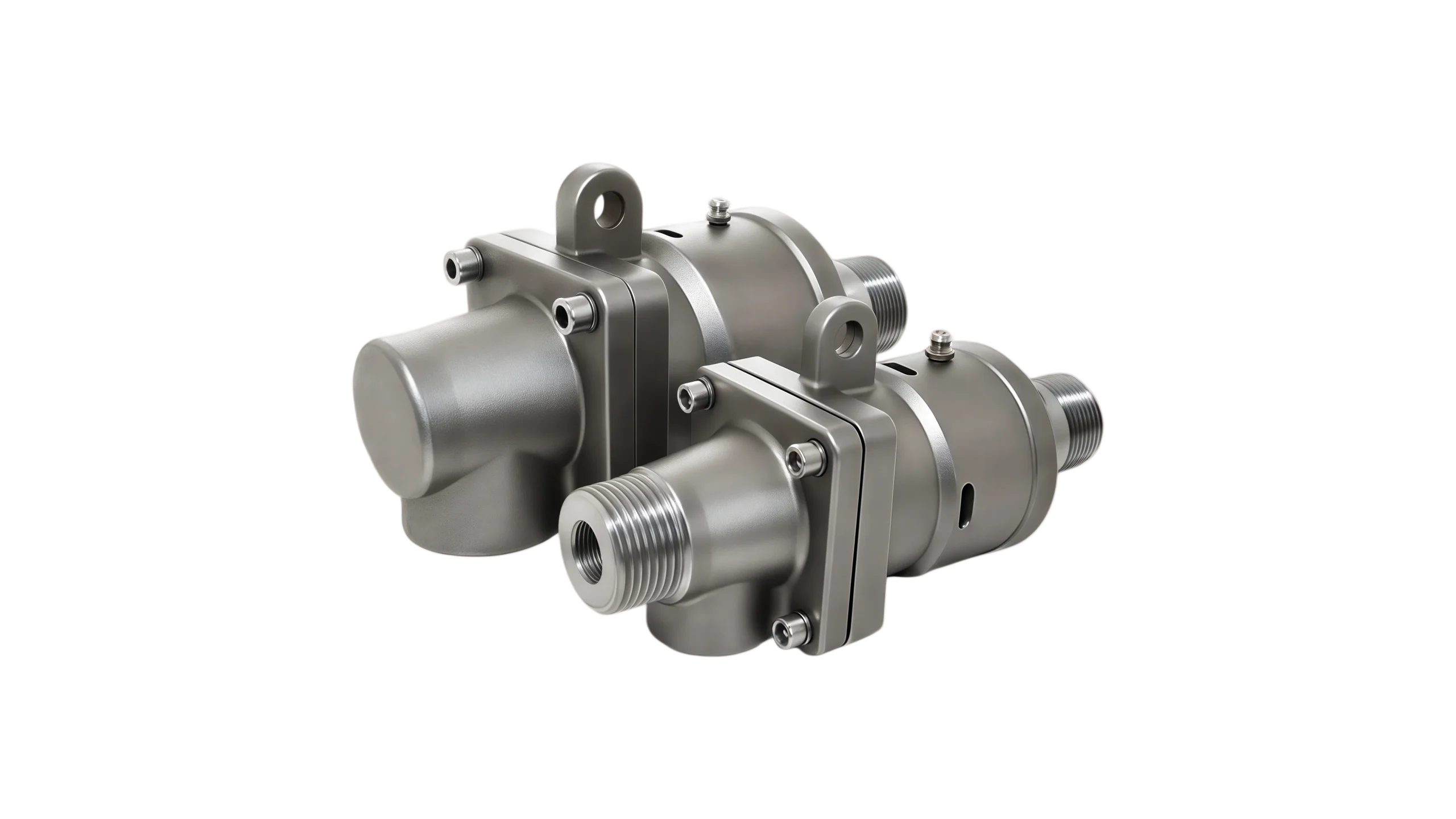
Q32 swivel unions
JD40 rotary joint is a key sealing component in industrial fluid transmission systems, usually referring to a rotary connection device with a diameter of DN40 (or corresponding British caliber). As a transitional sealing device that transports fluid media (such as water, steam, hydraulic oil, thermal oil, compressed air, etc.) from static pipelines to dynamic rotating or swinging equipment