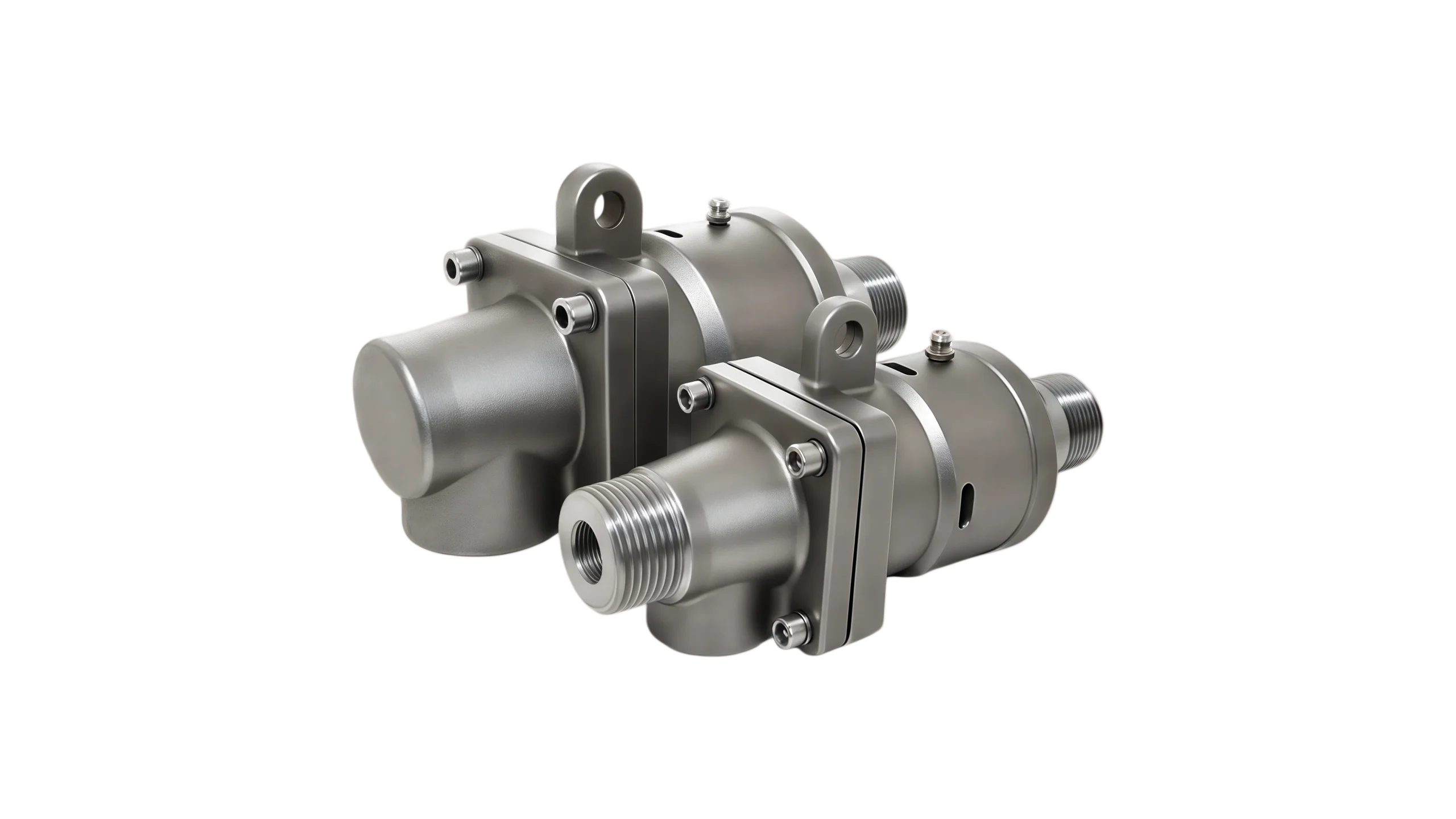
 rotary jointsrotary joints
Search the whole station
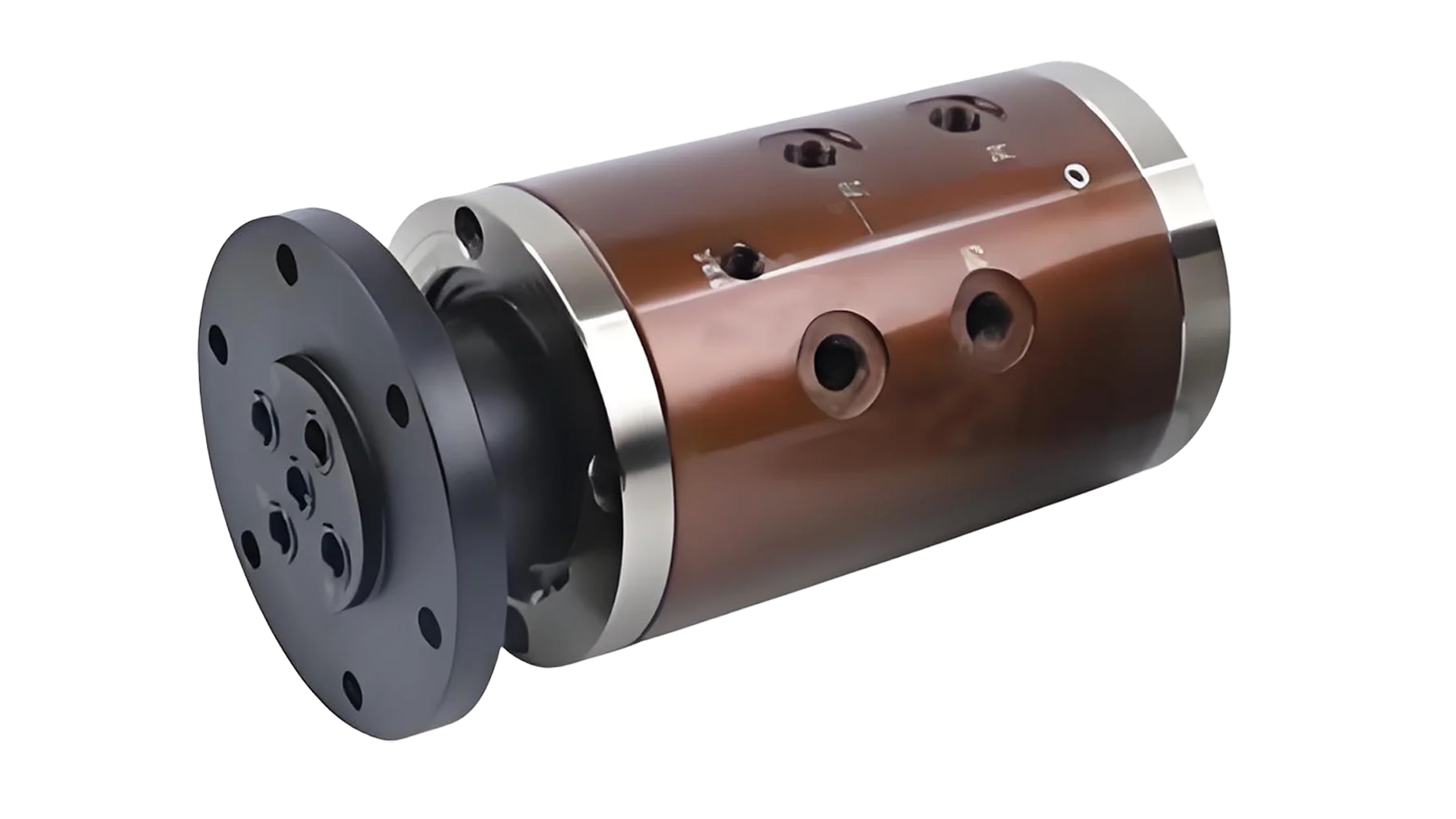
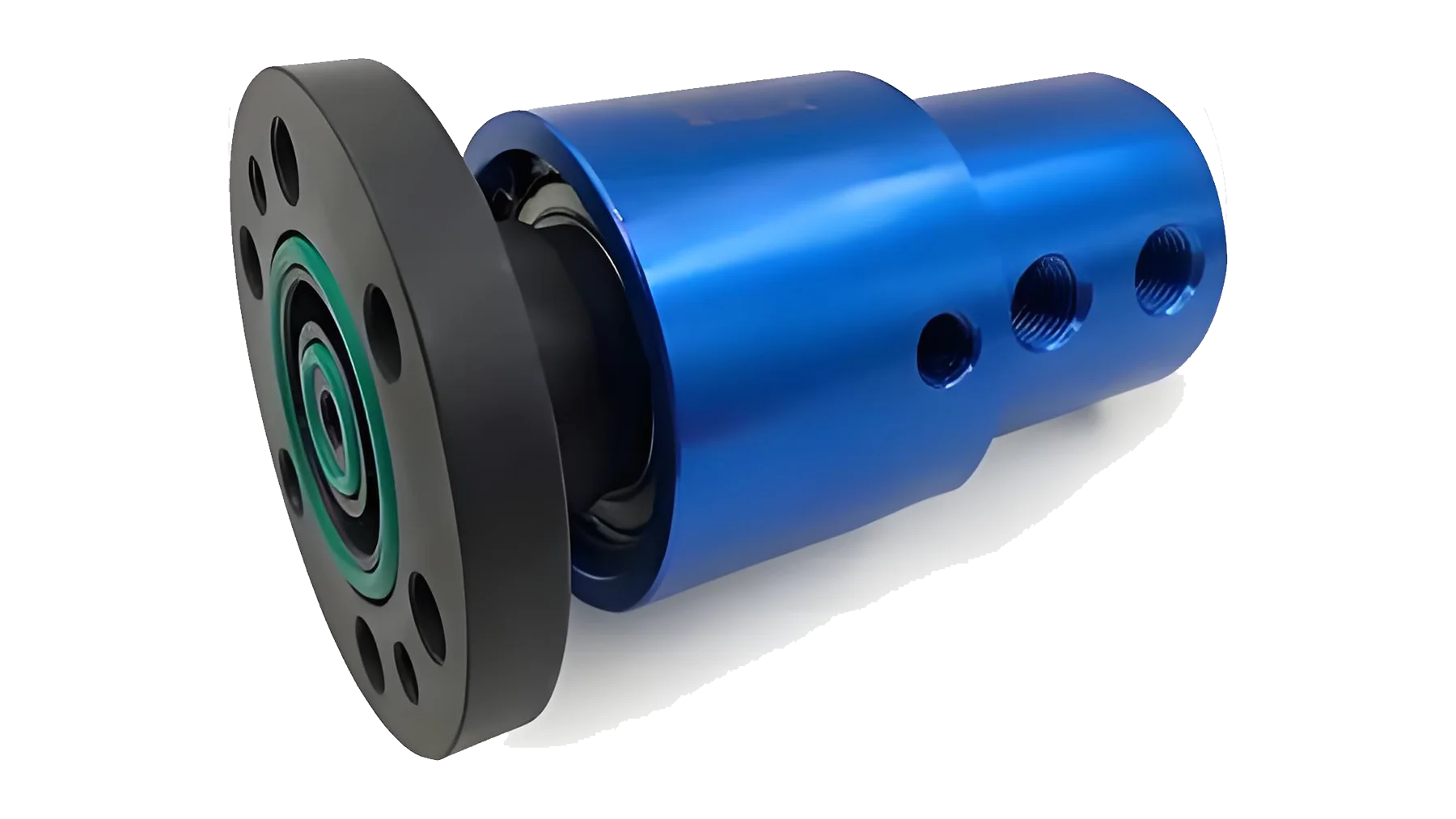
The flange connection of machine tool fixtures for high-temperature rotary joints, as a key component in industrial equipment, plays an important role that cannot be underestimated. In harsh environments such as high temperature, high speed, and high pressure, this type of joint can ensure the stability and safety of machine tool fixtures, ensuring the smooth progress of the production process
Product Features
The flange connection of machine tool fixtures for high-temperature rotary joints, as a key component in industrial equipment, plays an important role that cannot be underestimated. In harsh environments such as high temperature, high speed, and high pressure, this type of joint can ensure the stability and safety of machine tool fixtures, ensuring the smooth progress of the production process.
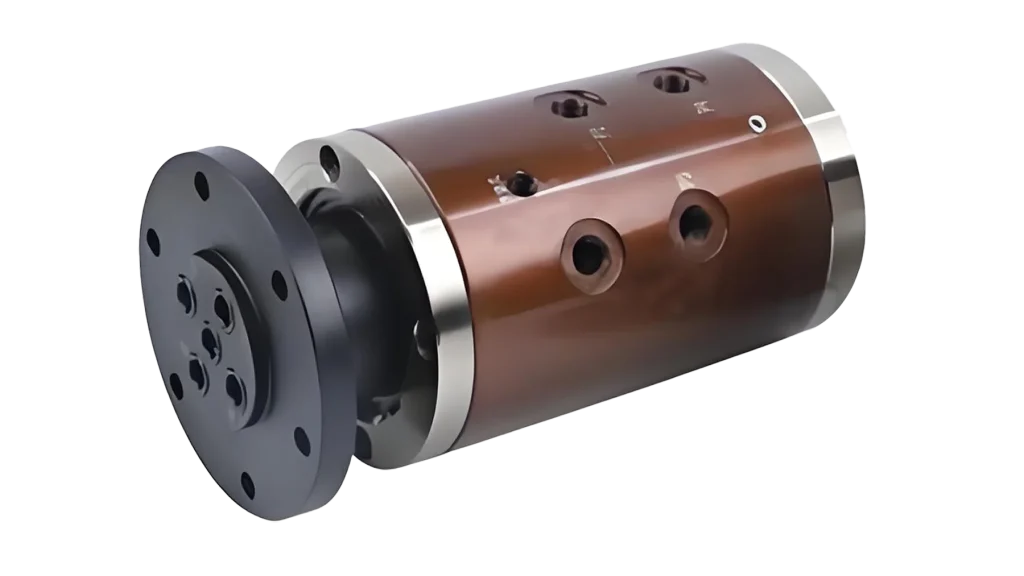
Connection method: Using flange connection (usually two end flange ), it is easy to fix with the machine tool fixture body bolts, with strong installation rigidity and good alignment, suitable for fixture integration with limited space but high reliability.
Temperature resistance: Designed for high temperature environments (commonly 200 ° C-450 ° C, depending on the sealing material), seals are often made of graphite, silicon carbide, PPL or metal bellows, and the shell is often made of stainless steel (such as 316L) or alloy steel, which is heat-resistant and deformation resistant.
Sealing structure: Single or double end mechanical seals are commonly used, some with spring compensation or spherical self centering design, low leakage rate (up to ≤ 10 ⁻⁹ Pa · m ³/s), and some with integrated cooling chamber guide rings to cool down and extend service life.
Bearings and Speed: Equipped with self-aligning roller bearings or precision ceramic bearings, it supports medium to high speed rotation (usually<3000 rpm, depending on the model), with low friction torque, smooth operation, and reduced fixture vibration.
Application scenario: Mainly used for dynamic pathways of coolant (water/oil), compressed air or cutting fluid in CNC machining centers, automatic tool changing systems, and rotary worktable fixtures, requiring no leakage, heat shock resistance, and long maintenance free cycles.
Selection key: It is necessary to match the medium type (water, oil, steam, gas), temperature and pressure, speed, and flange standards (such as ISO 7005, ANSI B16.5). Some products support dual channel independent pathways and are suitable for complex fixture functions.
This type of joint emphasizes compact integration, thermal stability, and sealing durability. It is a non universal high-temperature rotary joint designed specifically for dynamic working conditions of fixtures. During installation, attention should be paid to flange parallelism and axial torque (diagonal pre tightening).
Customized processing: Yes
Type: Rotary joint for machine tool fixtures
Model: JS
Material: Stainless steel
Nominal diameter: supports customization (mm)
Connection type: flange thread
Scope of application: Rotating joints for construction machinery
Is it a cross-border export exclusive source of goods: No
High speed: 300RPM;
High pressure resistance: 25MPa;
Applicable media: hydraulic oil, compressed air, coolant
Operating temperature: -20 ℃ -80 ℃
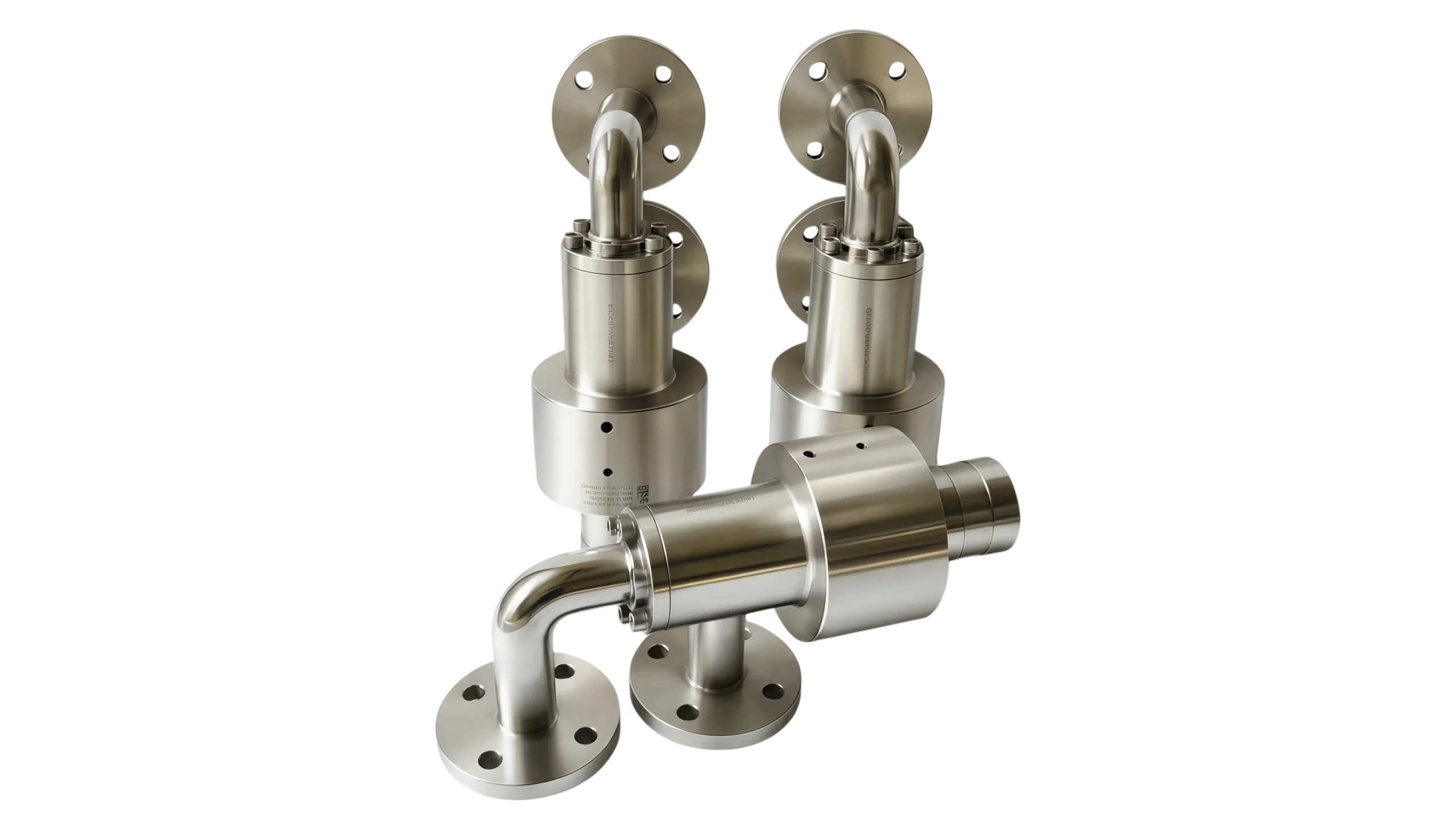
A rotary joint is a sealing device that connects stationary pipelines and rotating equipment, achieving leak free fluid transmission under 360 ° rotation. It allows fluid media to flow smoothly between fixed pipelines and rotating machines, and is a key component in industrial equipment
F90 swivel unions Transporting equipment components from a fixed pipeline system to high-speed rotating or reciprocating motion
Q32 swivel unions
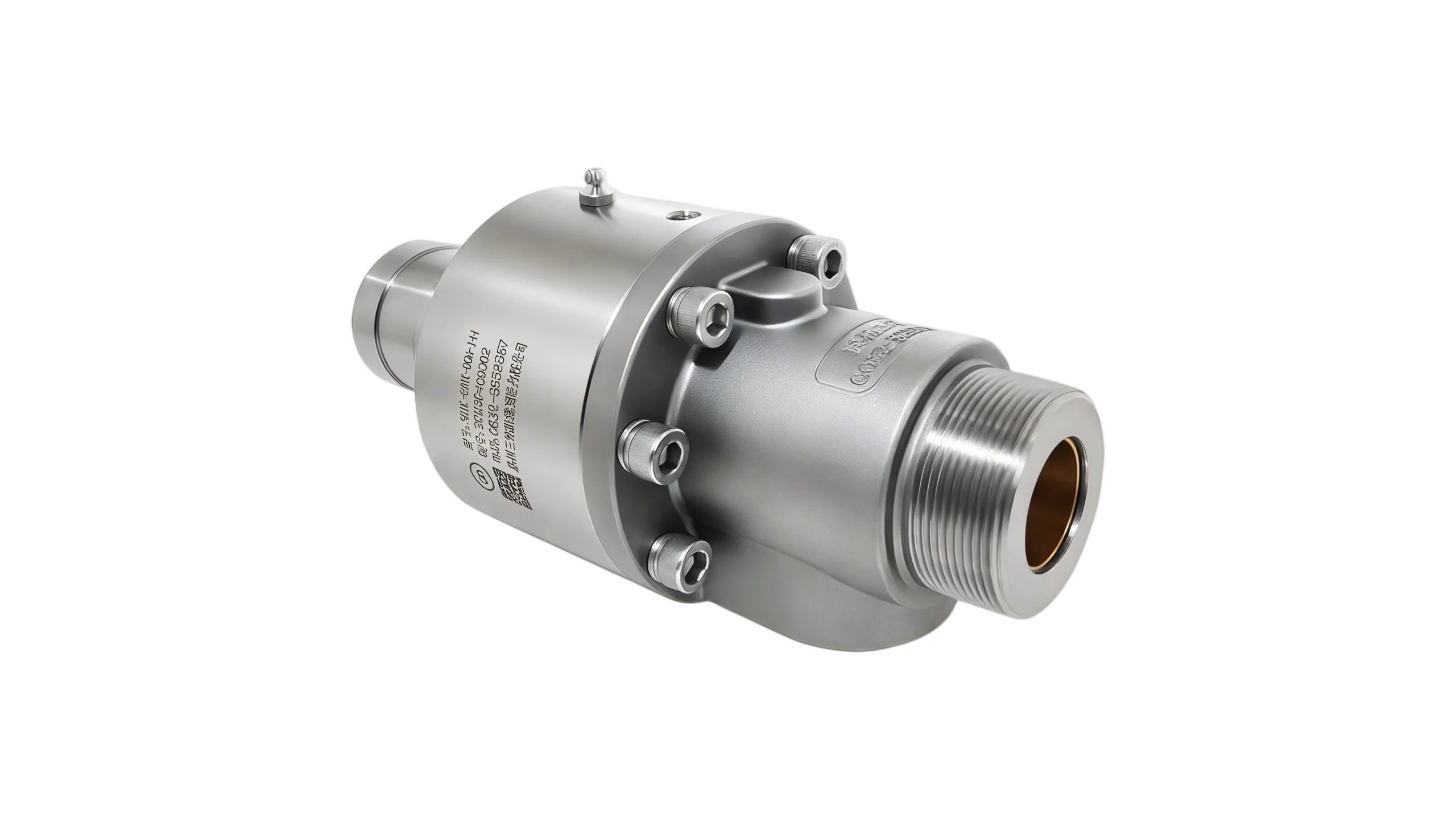
JD40 rotary joint is a key sealing component in industrial fluid transmission systems, usually referring to a rotary connection device with a diameter of DN40 (or corresponding British caliber). As a transitional sealing device that transports fluid media (such as water, steam, hydraulic oil, thermal oil, compressed air, etc.) from static pipelines to dynamic rotating or swinging equipment