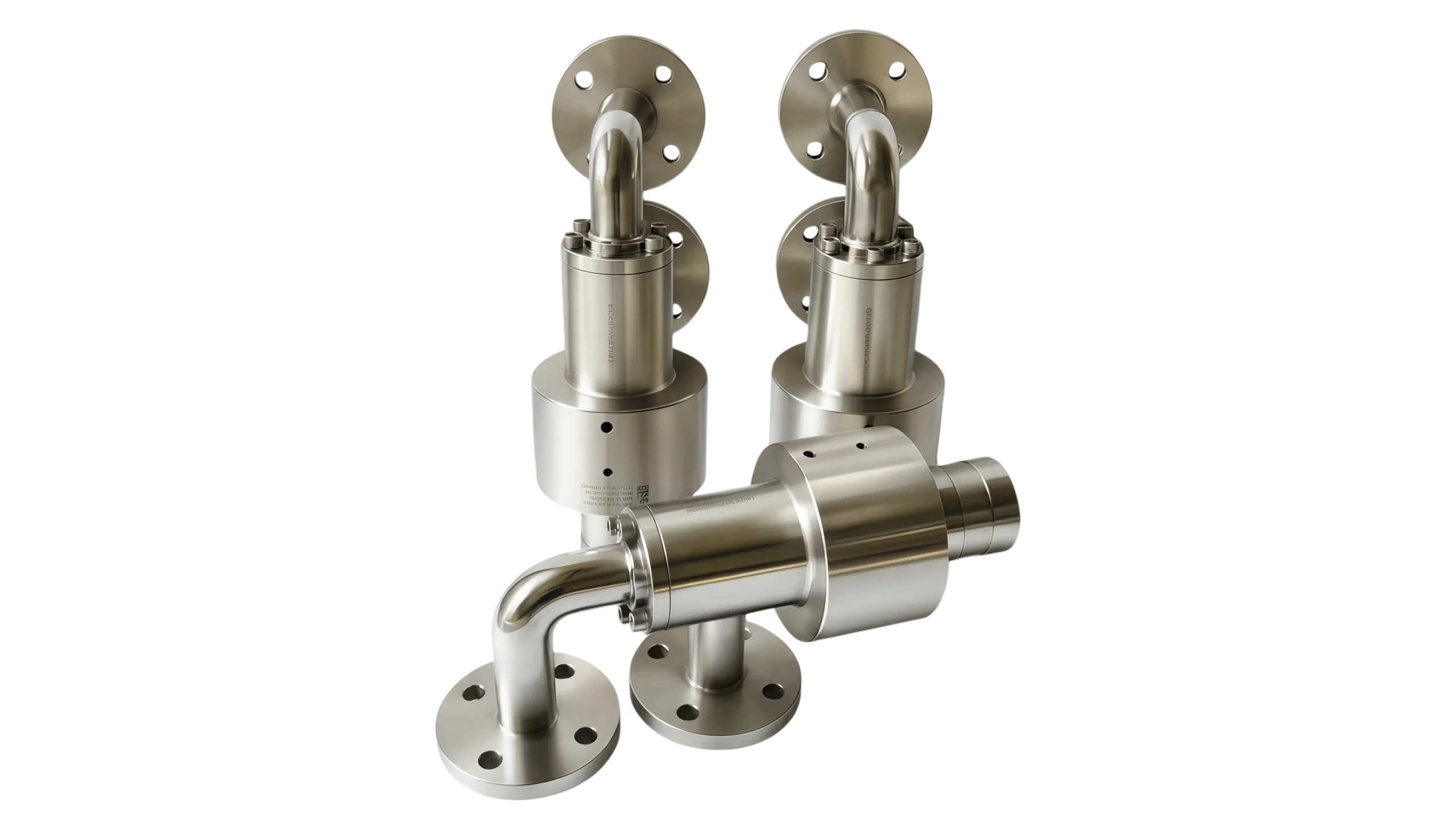
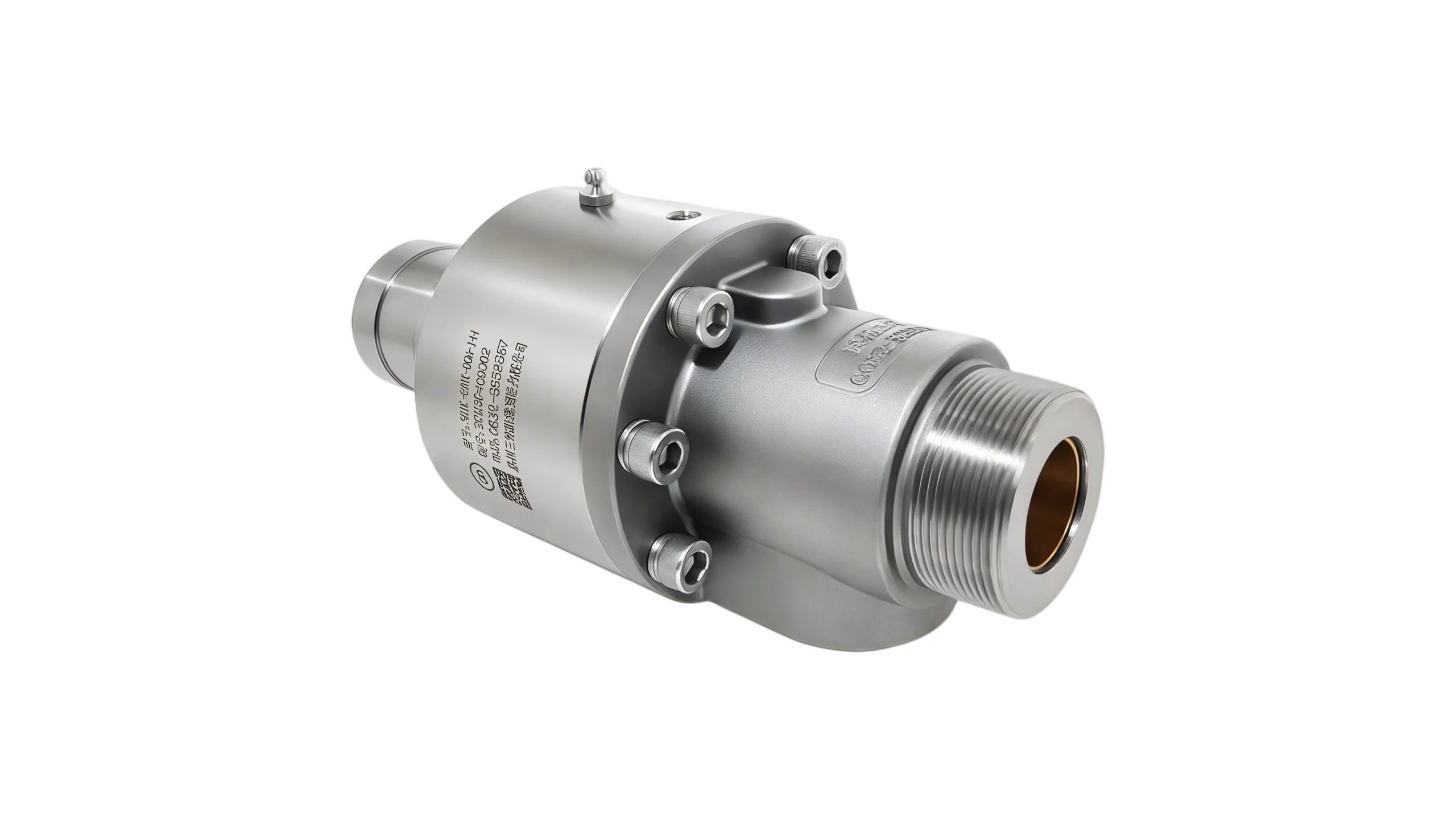
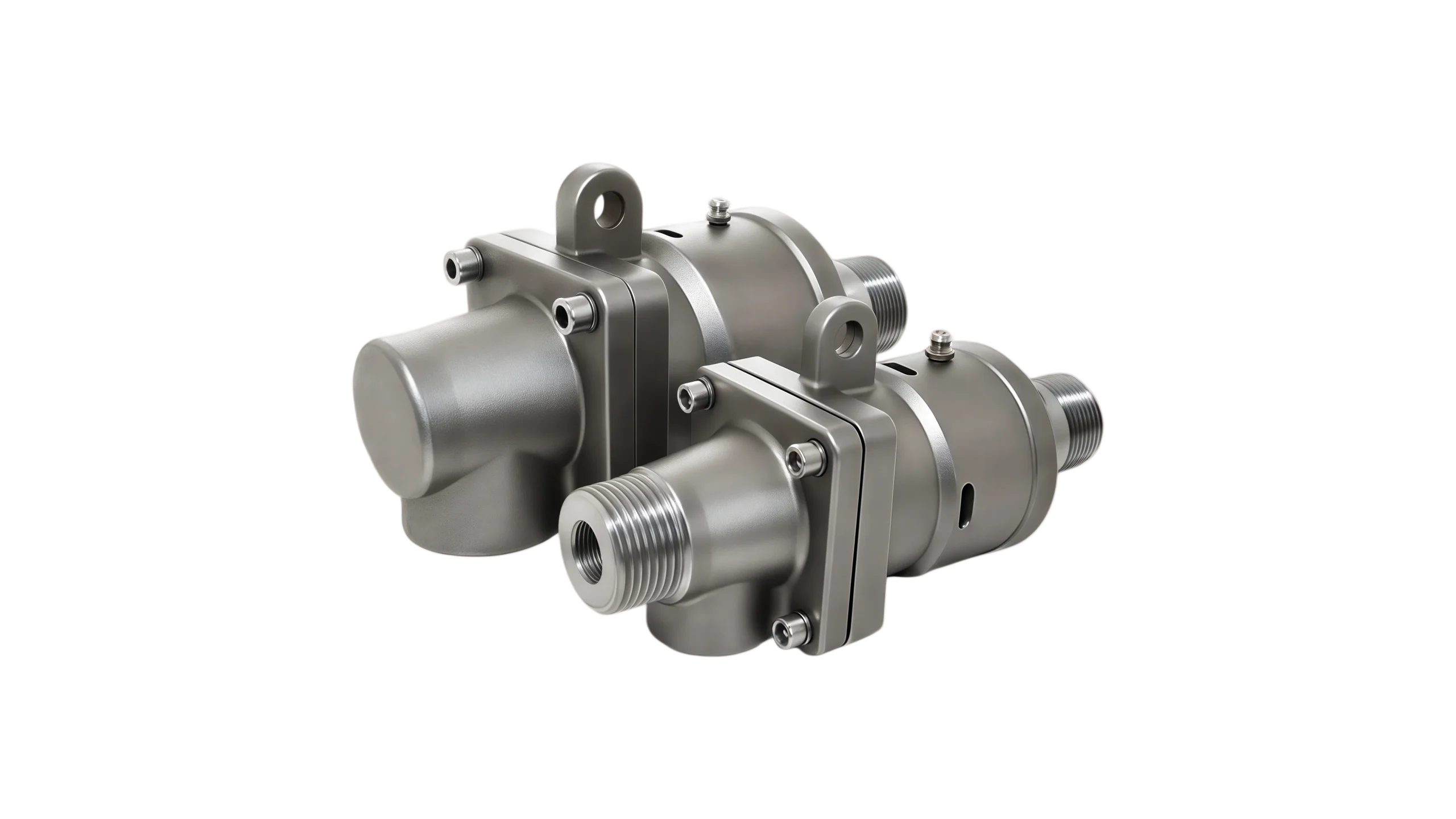
 rotary jointsrotary joints
Search the whole station
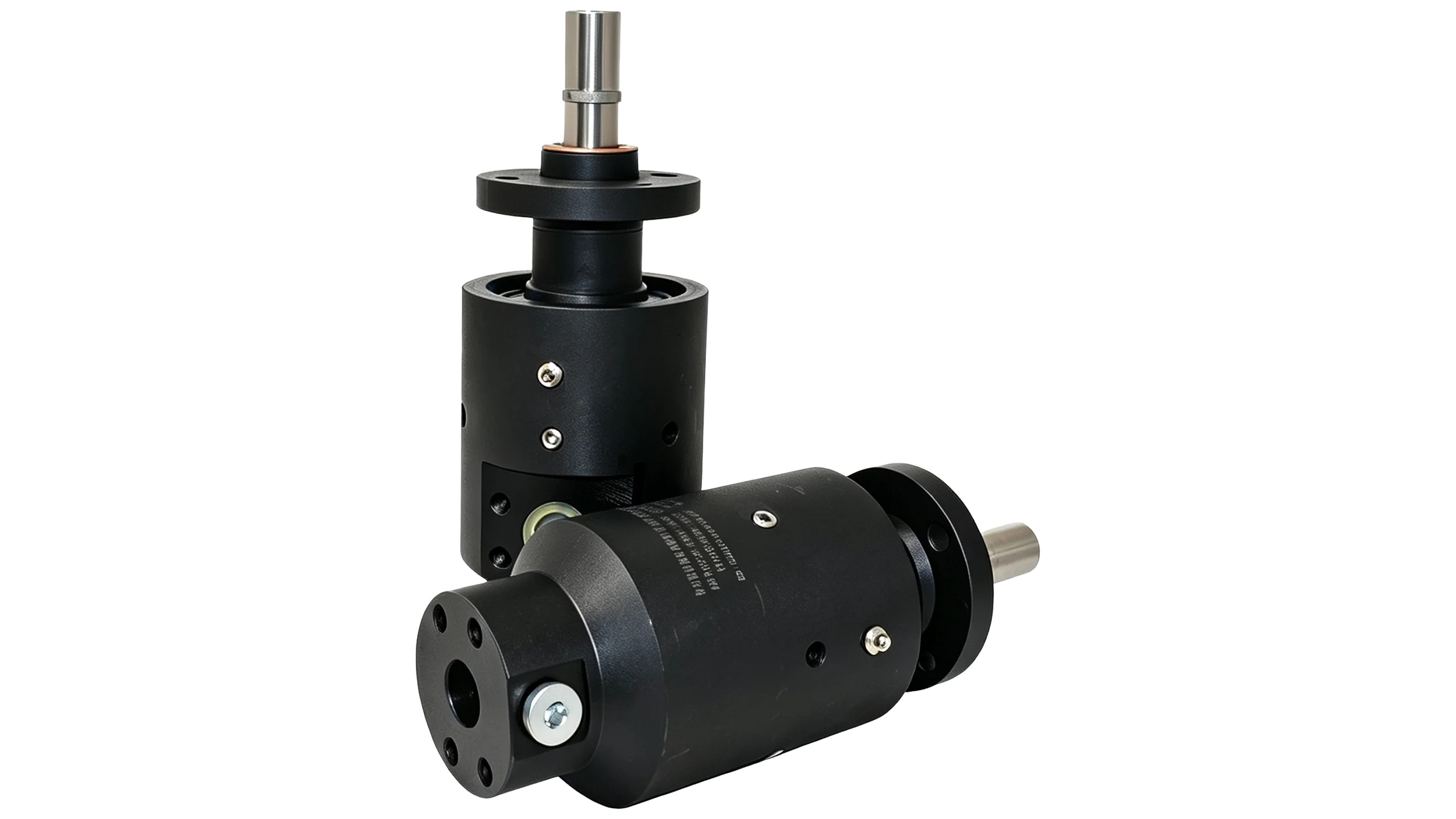
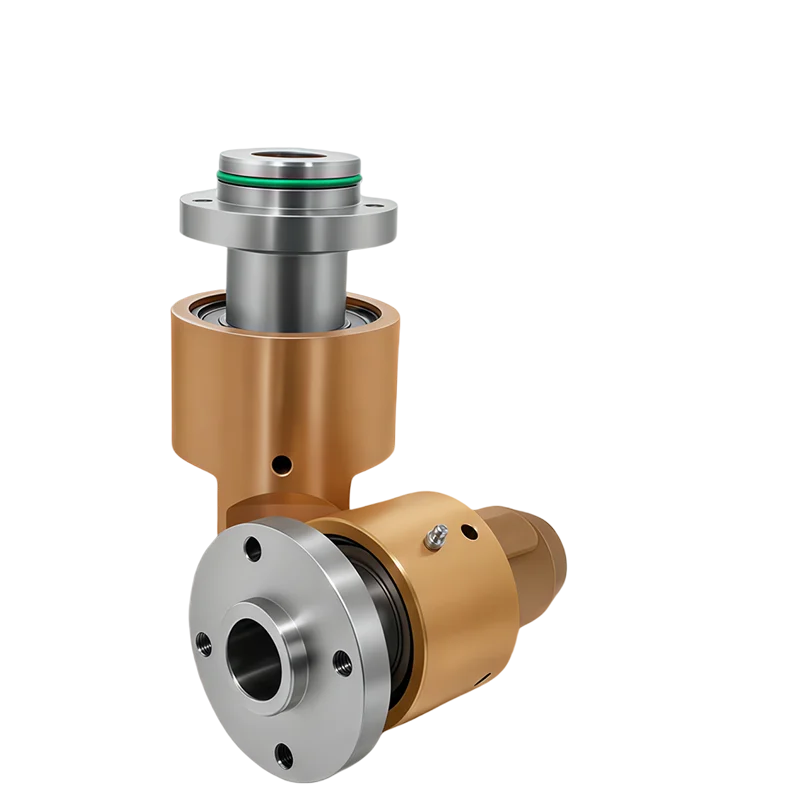
Hydraulic rotary joint is a rotary sealing device used to transmit fluid media in low-speed and high-pressure hydraulic systems. It can continuously transport hydraulic oil, cutting fluid and other media between fixed pipelines and rotating equipment, and is widely used in machining centers, engineering machinery, wind power generation and other equipment
Hydraulic rotary joint is a rotary sealing device used to transmit fluid media in low-speed and high-pressure hydraulic systems. It can continuously transport hydraulic oil, cutting fluid and other media between fixed pipelines and rotating equipment, and is widely used in machining centers, engineering machinery, wind power generation and other equipment.
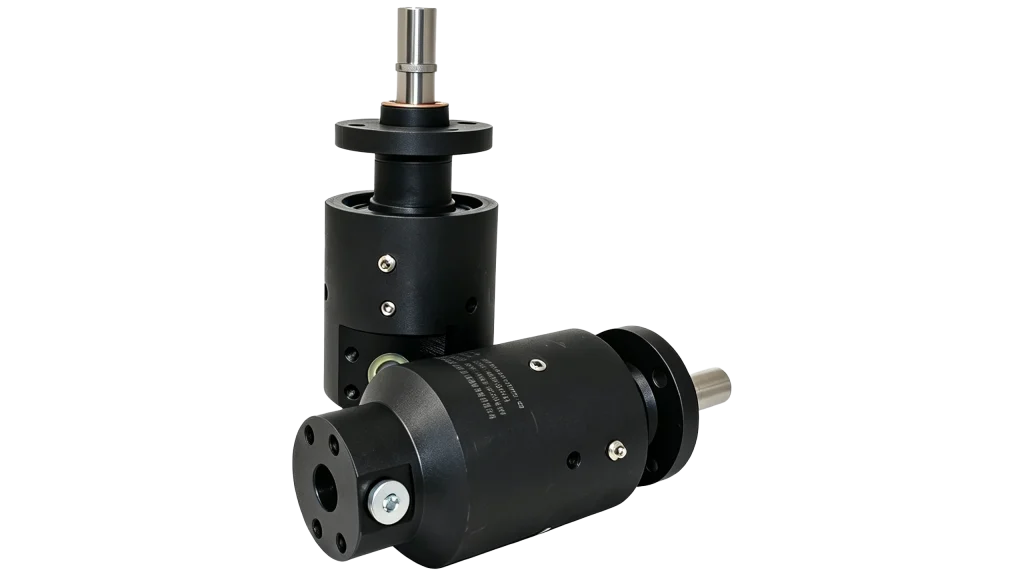
Core principle: By supporting rotating components with precision bearings and using wear-resistant materials such as carbon graphite and tungsten carbide on the sealing surface, fluid transmission between fixed pipelines and rotating equipment can be achieved without leakage.
Structural composition:
Shell and rotor: The shell material can be aluminum alloy, stainless steel, or brass, and the rotor is connected to the equipment with threads or flanges.
Sealing system: Combining dynamic and static seals, springs provide continuous compensating pressure, and the wear condition can be visually observed from the appearance.
Bearing support: There are two precision bearings inside, with low friction coefficient, supporting high-speed operation, and some models can reach a speed of up to 3000RPM.
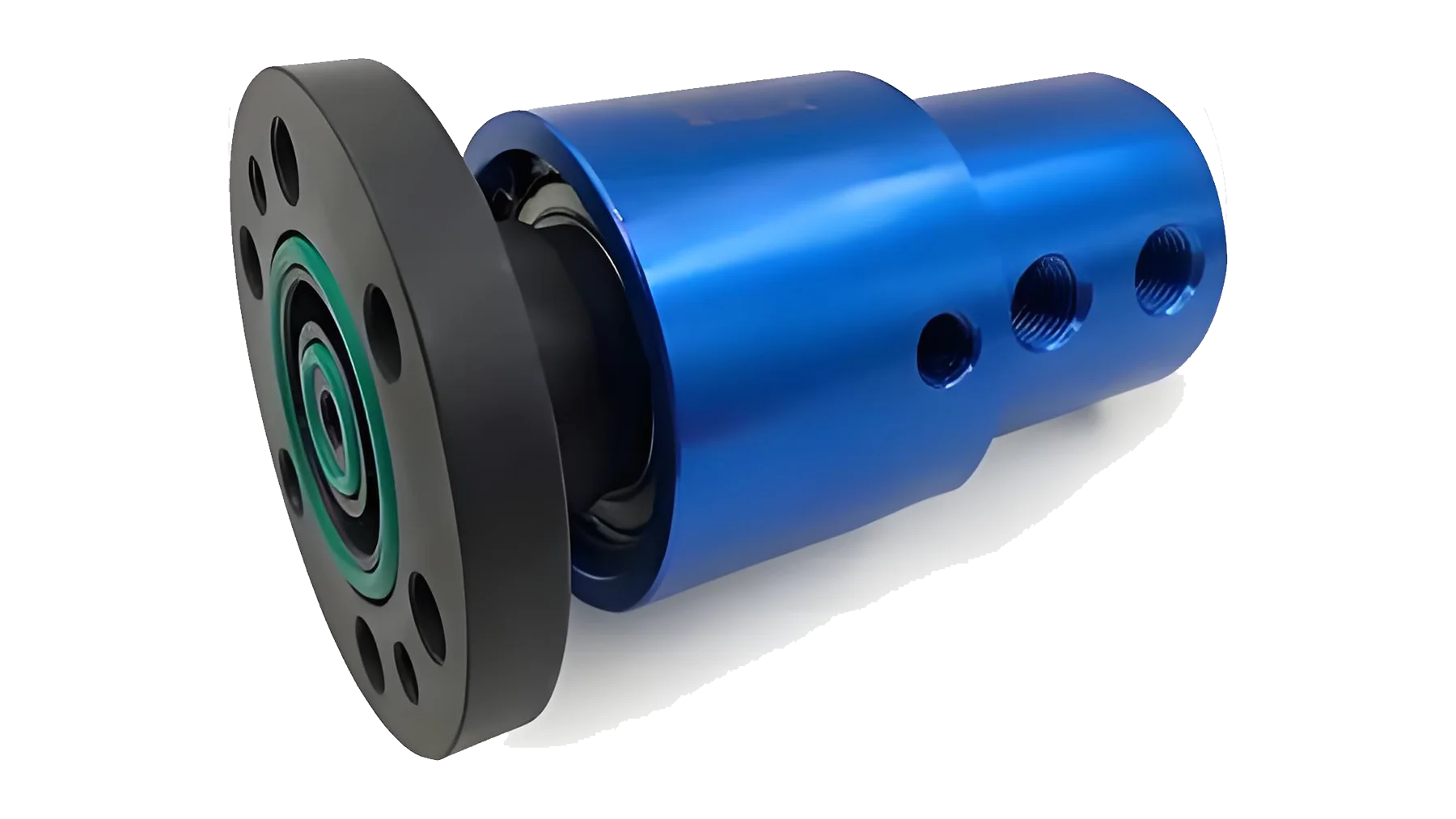
Path design: A single path can only transmit one medium, while multiple paths can mix and transmit multiple media, up to a maximum of 26 paths. Some models also integrate conductive slip rings to transmit electrical signals.
In the complex world of modern industrial machinery, transferring power and media between stationary sources and rotating parts is a critical engineering challenge. Whether you are dealing with towering wind turbines, heavy excavators, or automated manufacturing robotics, fluids need to move flawlessly. This is exactly where a hydraulic rotary joint comes into play.
Acting as the vital bridge in your hydraulic systems, these components ensure smooth, continuous operation without twisted hoses or catastrophic fluid losses. In this comprehensive guide, we will explore the inner workings of these devices, how to select the right configuration, and the best practices for keeping them running at peak efficiency.
At its core, a hydraulic rotary joint is a precision mechanical device designed to transfer fluid under pressure (or vacuum) from a stationary inlet pipe to a rotating outlet. Often referred to simply as a rotary union, this device relies on specialized bearings and mechanical seals to maintain a leak-free connection while the equipment spins.
You may also hear the term hydraulic coupling or fluid swivel union used in the field. While these terms are frequently used interchangeably, they all describe components dedicated to maintaining safe, reliable fluid transmission in dynamic equipment.
Industry professionals often debate the nuances of a rotary union vs swivel joint. While both allow for rotational movement, their applications differ. A swivel joint is typically designed for slow, oscillating, or pivoting movements—think of a hinged hose on a loading arm. Conversely, a rotary union is engineered for continuous, high-speed, and continuous rotation.
Not all industrial systems have the same fluid transfer needs. Recognizing the difference between single passage vs multi-port designs is the first step in selecting the right component.
Moving fluids at high velocities and extreme pressures requires robust, uncompromising engineering. High pressure fluid transfer demands durable construction, specifically when outfitting heavy duty industrial swivels used in construction and mining equipment.
To ensure optimal performance, system designers must focus on the physics of fluid dynamics. For instance, calculating flow rate through rotating ports is an essential step during the design phase. If the cross-sectional area of the joint’s internal passages is too narrow, it will cause an unacceptable pressure drop, fluid turbulence, and excessive heat generation, ultimately starving the machine of the power it needs.
Temperature is another critical factor. When machinery runs hot, you must strictly observe the operating temperature limits for elastomers. Standard rubber O-rings will quickly harden, crack, and fail if pushed past their thermal thresholds, leading to massive fluid losses.
Preventing leakages in rotating equipment is the primary goal of any maintenance team. The secret to a leak-free hydraulic rotary joint lies entirely in its internal seals.
Selecting right seal materials for oil is a balancing act between pressure, rotational speed (RPM), fluid chemistry, and temperature:
Using the wrong seal material will result in rapid degradation, introducing contaminants into your hydraulic system and leading to severe mechanical failures.
A rotary joint is a sealing device that connects stationary pipelines and rotating equipment, achieving leak free fluid transmission under 360 ° rotation. It allows fluid media to flow smoothly between fixed pipelines and rotating machines, and is a key component in industrial equipment
F90 swivel unions Transporting equipment components from a fixed pipeline system to high-speed rotating or reciprocating motion
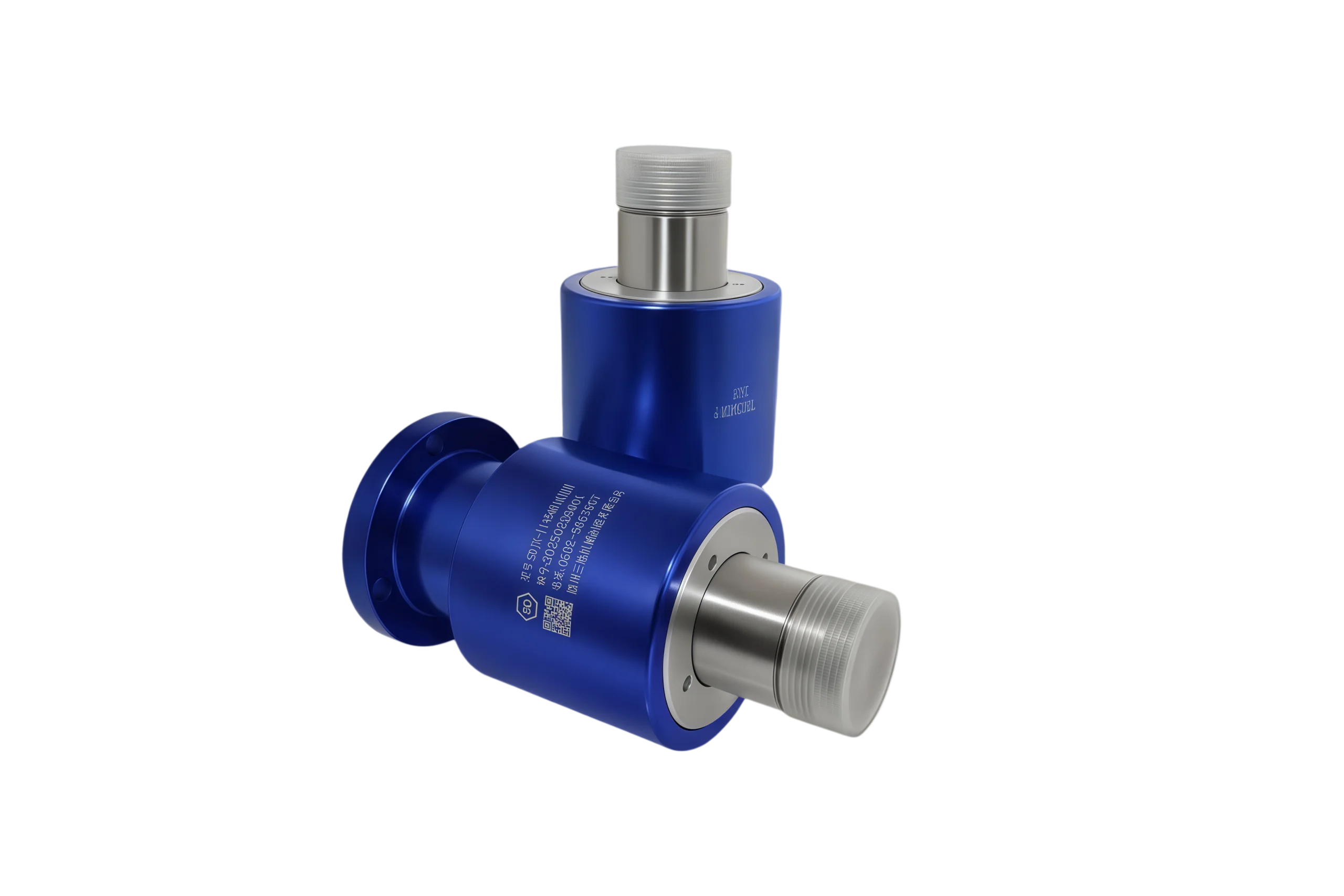
Q32 swivel unions
JD40 rotary joint is a key sealing component in industrial fluid transmission systems, usually referring to a rotary connection device with a diameter of DN40 (or corresponding British caliber). As a transitional sealing device that transports fluid media (such as water, steam, hydraulic oil, thermal oil, compressed air, etc.) from static pipelines to dynamic rotating or swinging equipment