 rotary jointsrotary joints
Search the whole station
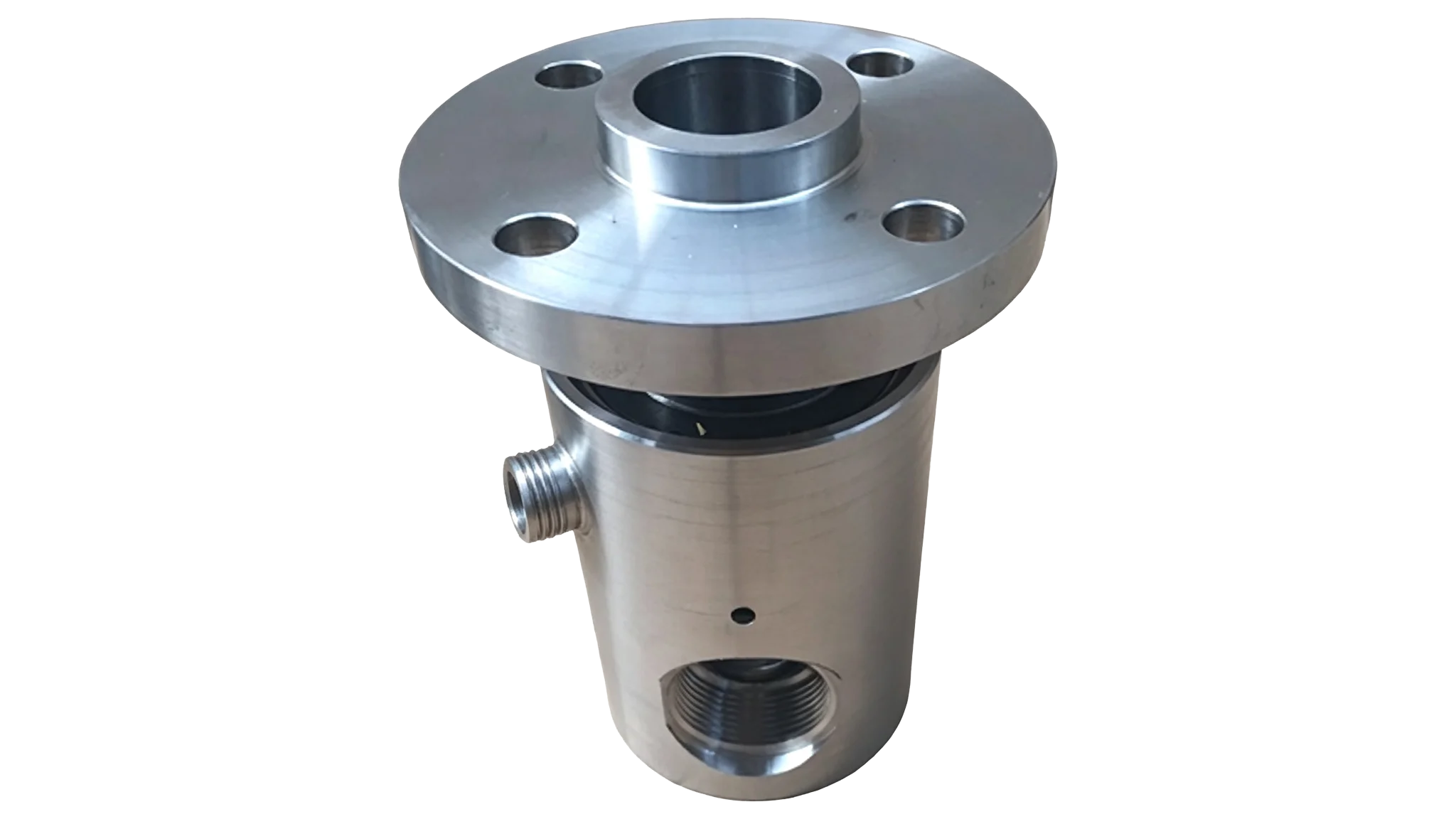
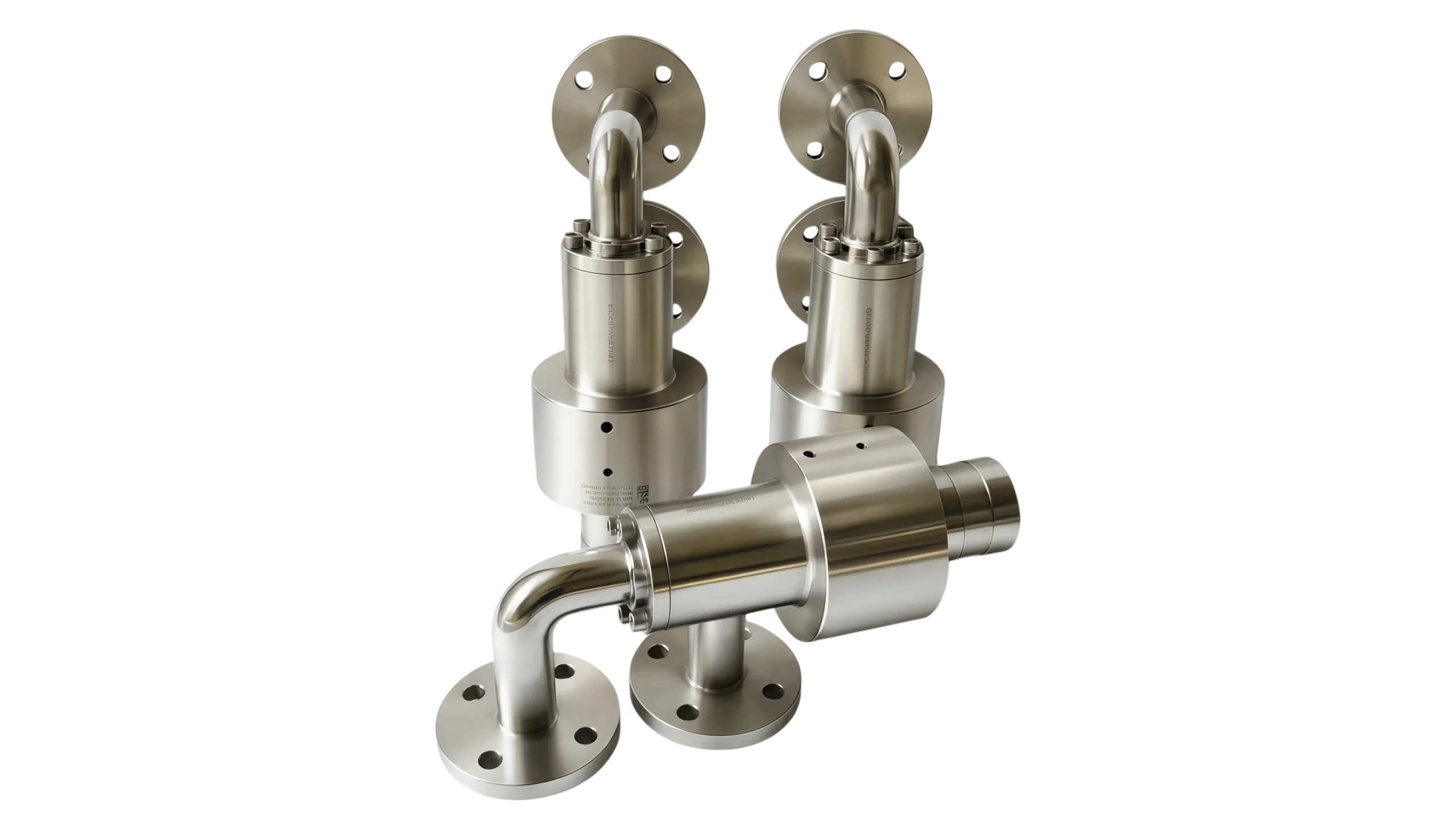
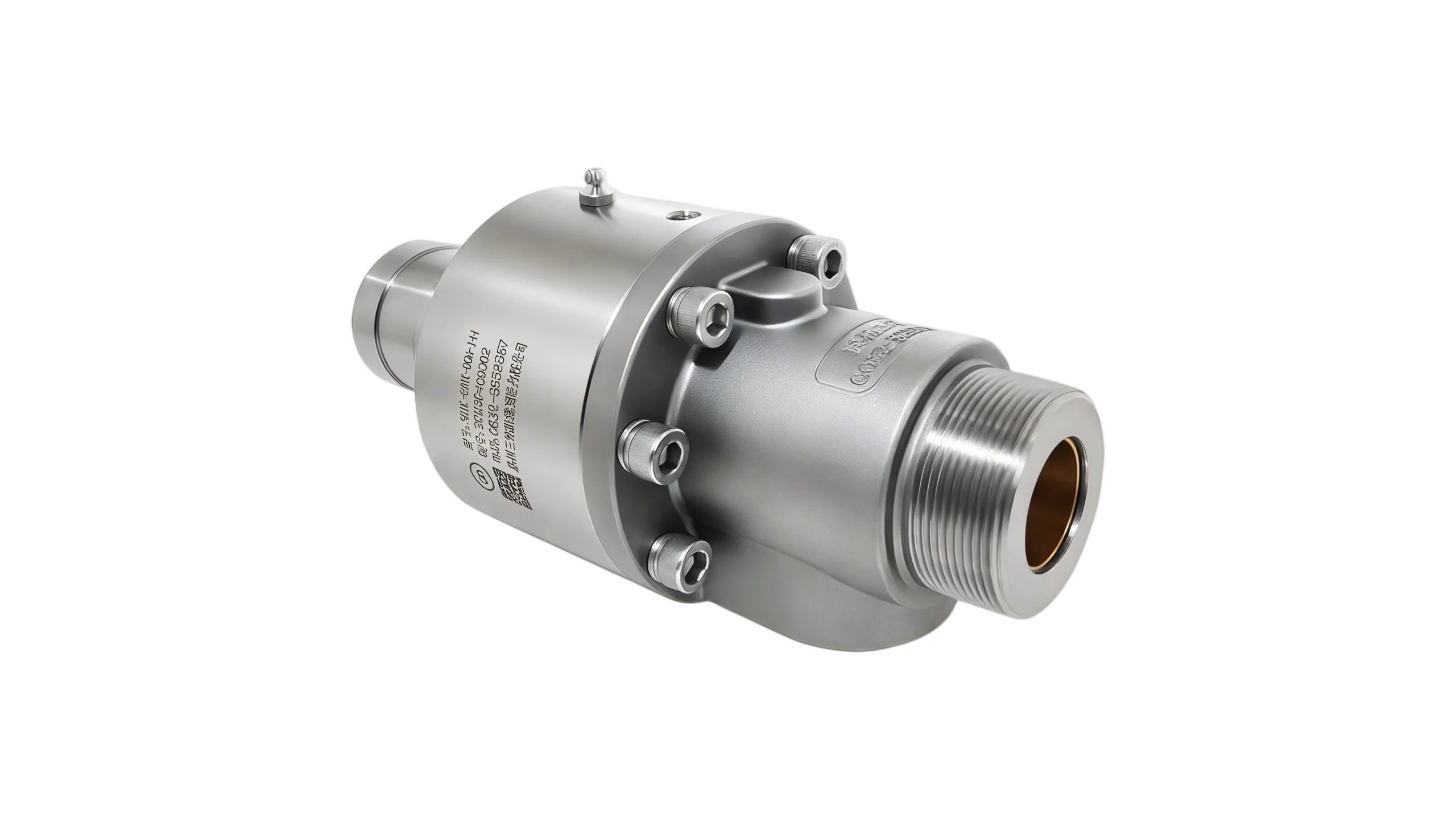
the HD-F type stainless steel rotary joint stands out for its exceptional durability and engineering precision
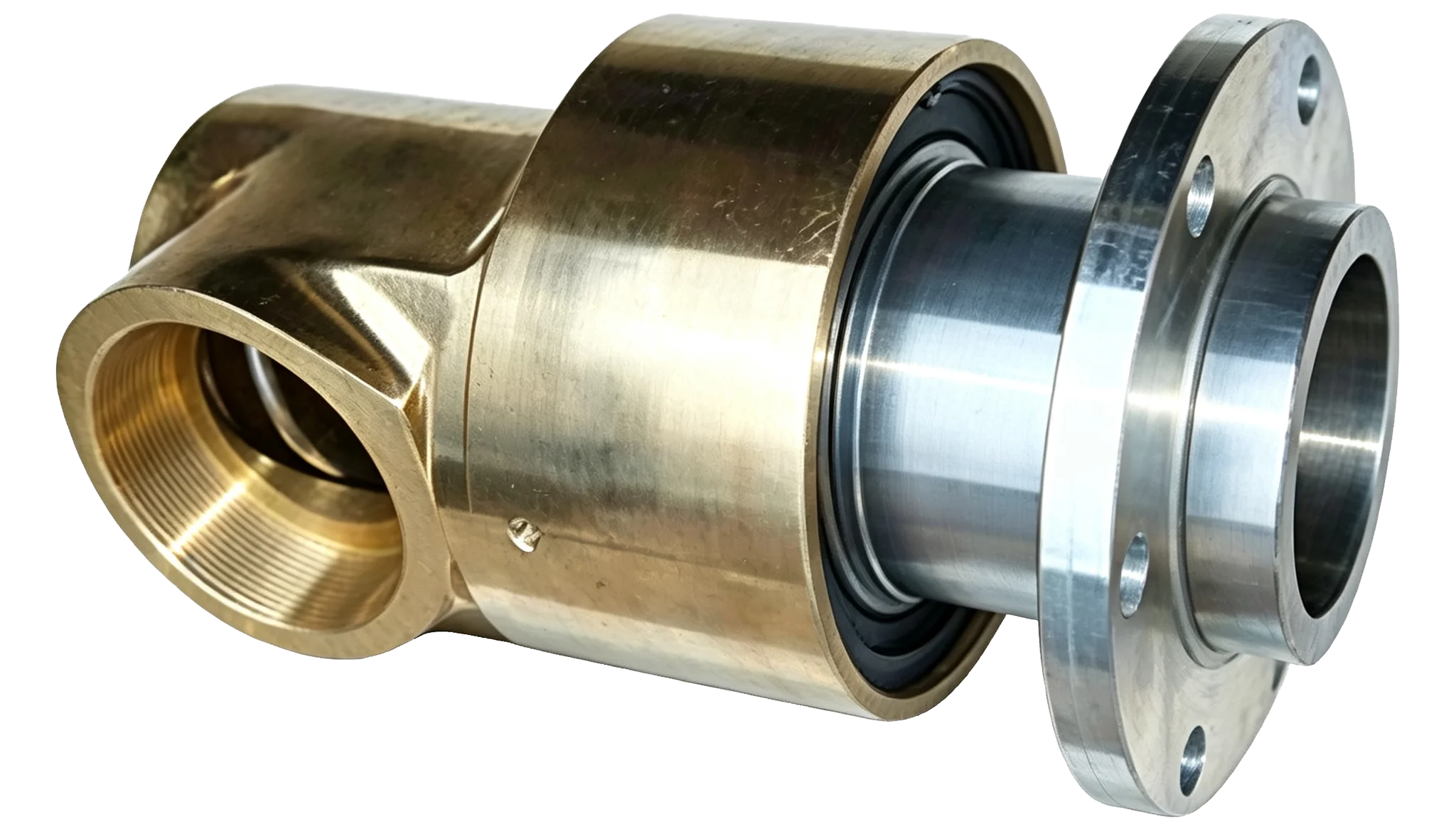
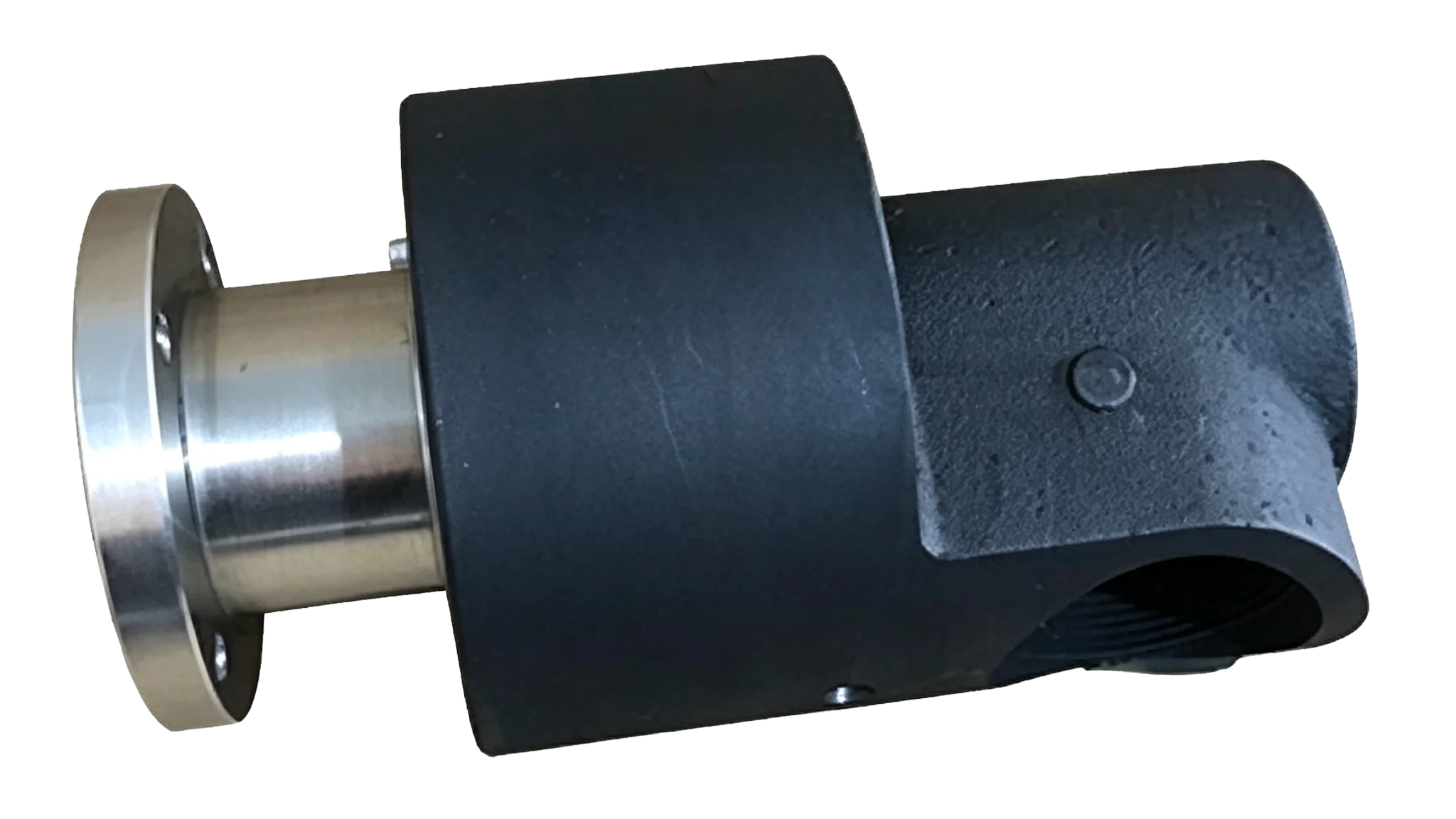
H-type rotary joint, also known as cooling water rotary joint, is a series of products specially designed for cooling, divided into unidirectional flow HD type rotary joint and bidirectional flow HS type rotary joint
Applicable media: water, hydraulic oil, coolant, vacuum, compressed gas, etc
Applicable industries: Widely used in equipment that uses high-temperature oil or steam, such as plastic rolling, mixing machines, hydraulic equipment, coating machinery, etc
High pressure: 1.0MPa
High speed: 1000rpm
High temperature: 0-80 ℃ 80-250 ℃
In the demanding world of industrial machinery, establishing a reliable connection between stationary supply pipes and rotating equipment is absolutely critical. Among the many rotary joint types available today, the HD-F type stainless steel rotary joint stands out for its exceptional durability and engineering precision. As a premium stainless steel joint, it integrates perfectly with industrial steam transfer pipe connectors to ensure seamless fluid, gas, and thermal media transmission, significantly reducing the risk of unexpected downtime.
When evaluating fluid transmission hardware, plant managers and mechanical engineers frequently ask: what is the maximum RPM for stainless swivel joints? While precise speed limits depend on the specific diameter and media being transferred, the HD-F series is expertly engineered for high-speed reliability. It achieves this high performance through a balanced seal design for rotating machinery, which drastically reduces internal friction and premature seal wear.
Furthermore, this component leverages state-of-the-art corrosion resistant mechanical seal technology. Depending on the abrasive qualities of your operating media, engineers can evaluate carbon graphite vs ceramic rotary joint bearings to optimize the unit’s longevity. Thanks to its robust construction, the HD-F series delivers exceptional high pressure tolerance for thermal oil applications. Additionally, specially manufactured models comply with stringent food grade stainless steel rotary union standards, making them entirely safe for the food, beverage, and pharmaceutical industries.
Understanding how to maintain stainless steel rotary unions is the most effective way to protect your equipment investment. Keep these actionable best practices in mind:
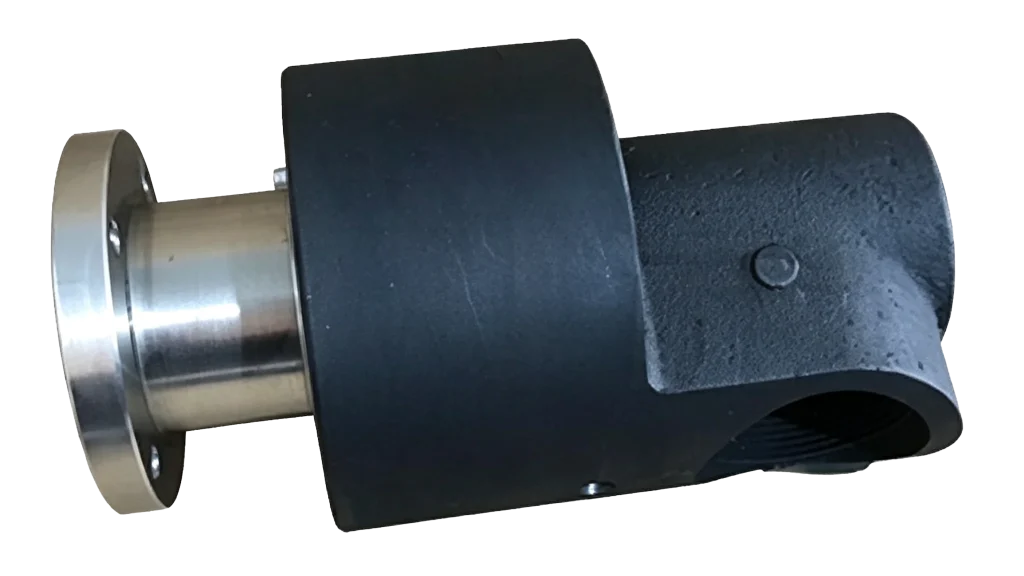
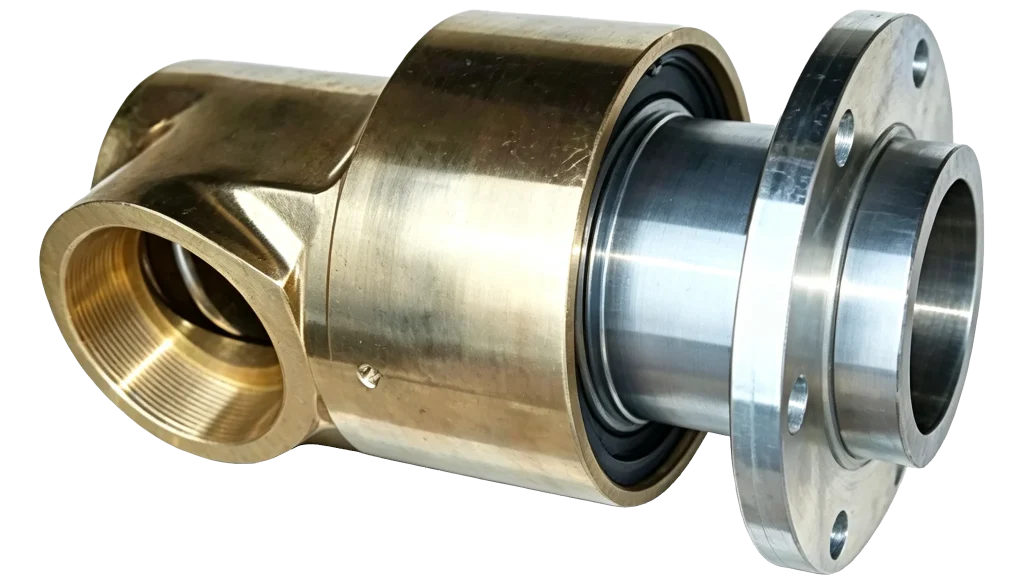
H-type rotary joint, also known as cooling water rotary joint, is a series of products specially designed for cooling. It has the characteristics of small volume, light weight, and small friction torque. It adopts flat sealing technology, and the friction group selects different pairs of impregnated graphite, bronze, tungsten carbide, and silicon nitride materials according to the medium environment, which can resist the influence of impurities such as rust, scale, and debris on the sealing surface. Our seals are completed on CNC machine tools and special grinding machines, with a mirror like surface, making the sealing more reliable. At the same time, high-precision rolling bearings are also used to ensure smooth rotation.
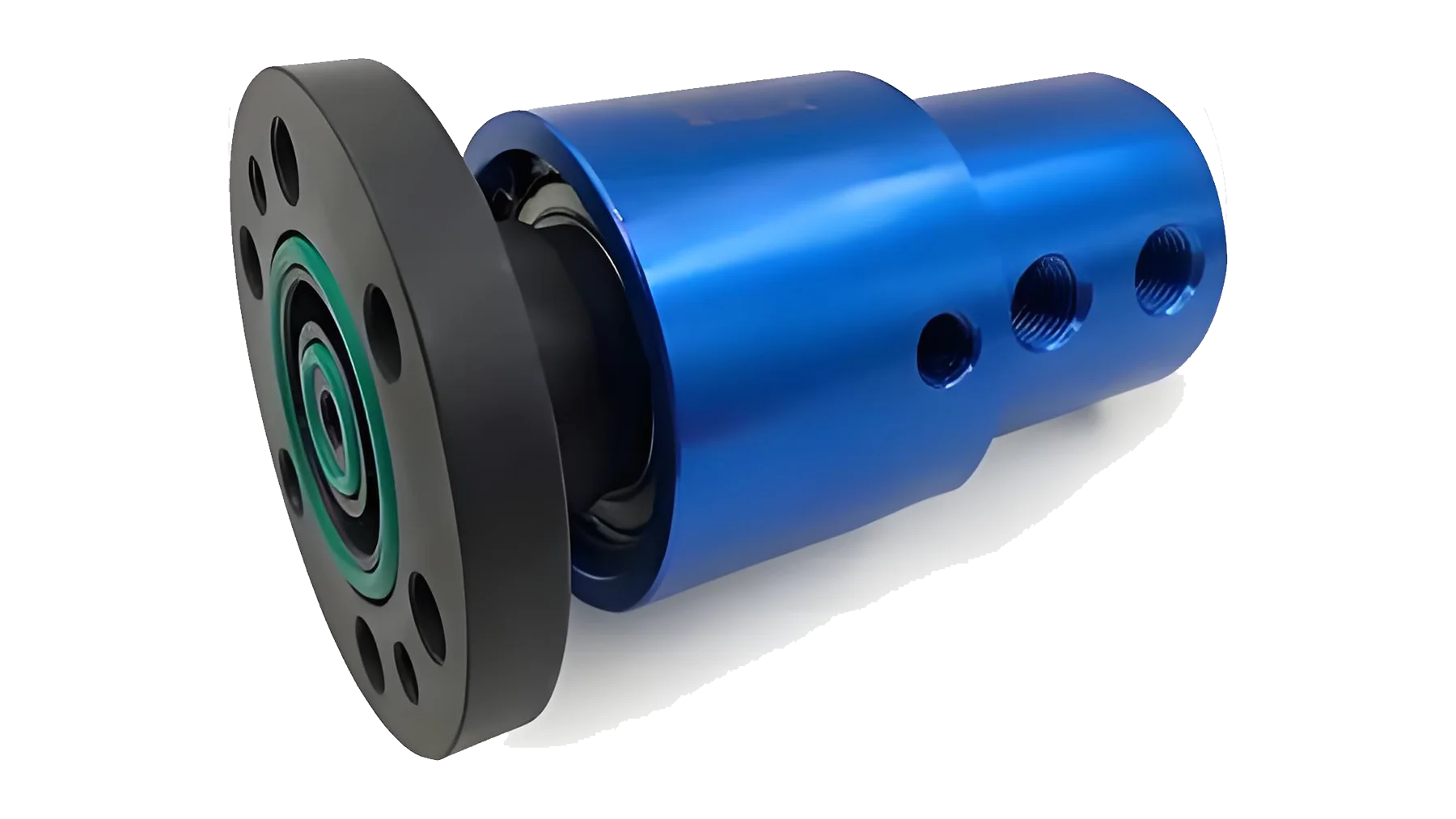
The H-type rotary joint is named after its shell structure, where H refers to a copper shell structure. As H-type rotary joints are mostly copper shells, they are referred to as H-type rotary joints. According to the circulation mode, it can be divided into HD type unidirectional circulation rotary joint and HS type bidirectional circulation rotary joint. HS type bidirectional flow rotary joints are divided into HS-G type bidirectional flow fixed internal pipe rotary joints and HS-X type bidirectional flow internal pipe rotary joints according to the installation form of the inner pipe. If the outer pipe of the rotary joint is connected to the equipment shaft neck using a flange connection, add the suffix F, such as HS-XF40-20, HS-GF40-20, where 40mm refers to the nominal flow diameter of the outer pipe of the rotary joint being 40mm, and 20mm refers to the nominal flow diameter of the inner pipe of the rotary joint being 20mm. The outer pipe of the rotary joint is connected to the equipment shaft neck using a threaded connection without adding a suffix, such as HS-X40-20, HS-G40-20, but the rotation direction of the outer pipe of the rotary joint should be opposite to that of the equipment drum. In this way, Tighter and tighter
A rotary joint is a sealing device that connects stationary pipelines and rotating equipment, achieving leak free fluid transmission under 360 ° rotation. It allows fluid media to flow smoothly between fixed pipelines and rotating machines, and is a key component in industrial equipment
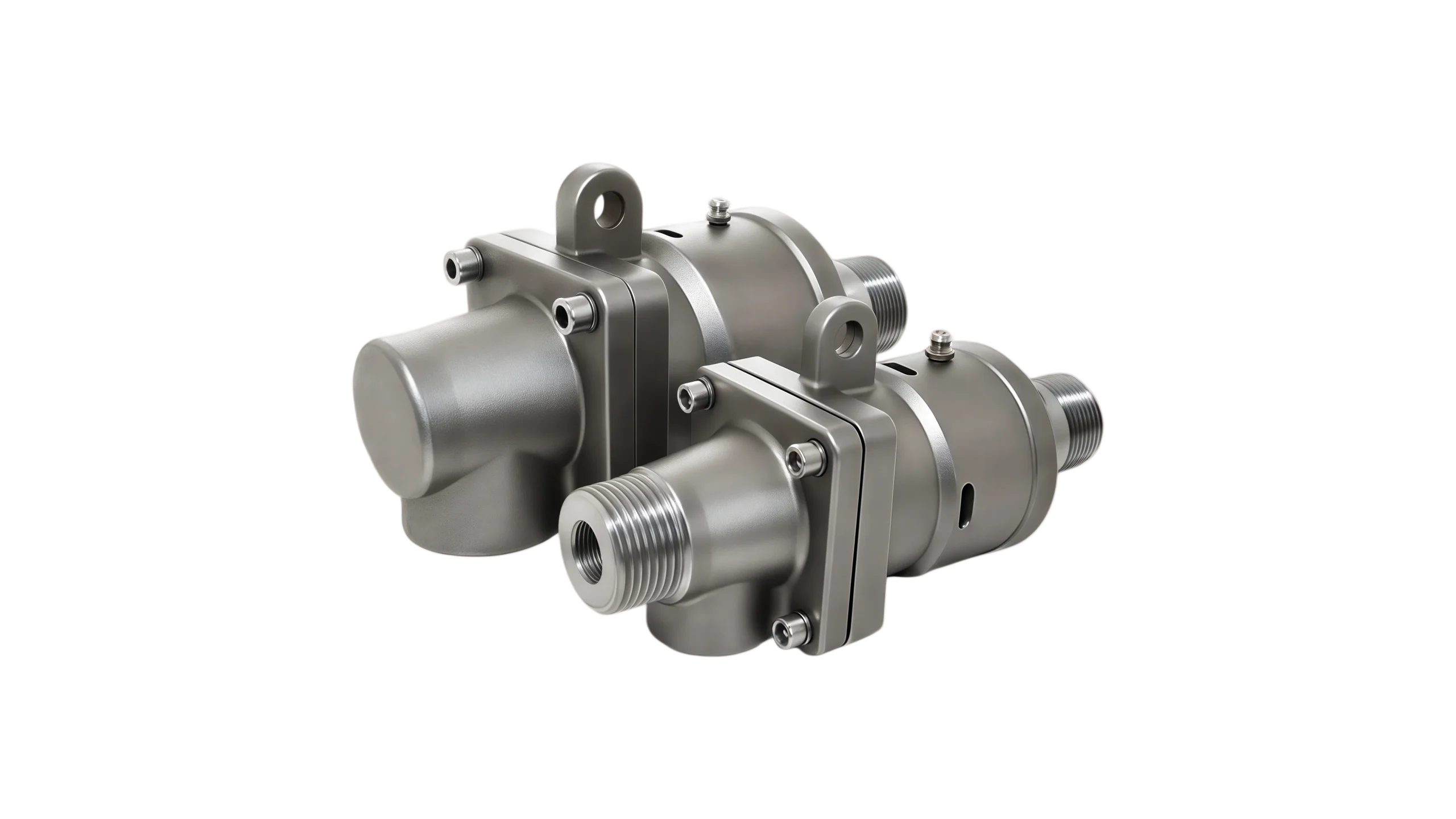
F90 swivel unions Transporting equipment components from a fixed pipeline system to high-speed rotating or reciprocating motion
Q32 swivel unions
JD40 rotary joint is a key sealing component in industrial fluid transmission systems, usually referring to a rotary connection device with a diameter of DN40 (or corresponding British caliber). As a transitional sealing device that transports fluid media (such as water, steam, hydraulic oil, thermal oil, compressed air, etc.) from static pipelines to dynamic rotating or swinging equipment