 rotary jointsrotary joints
Search the whole station
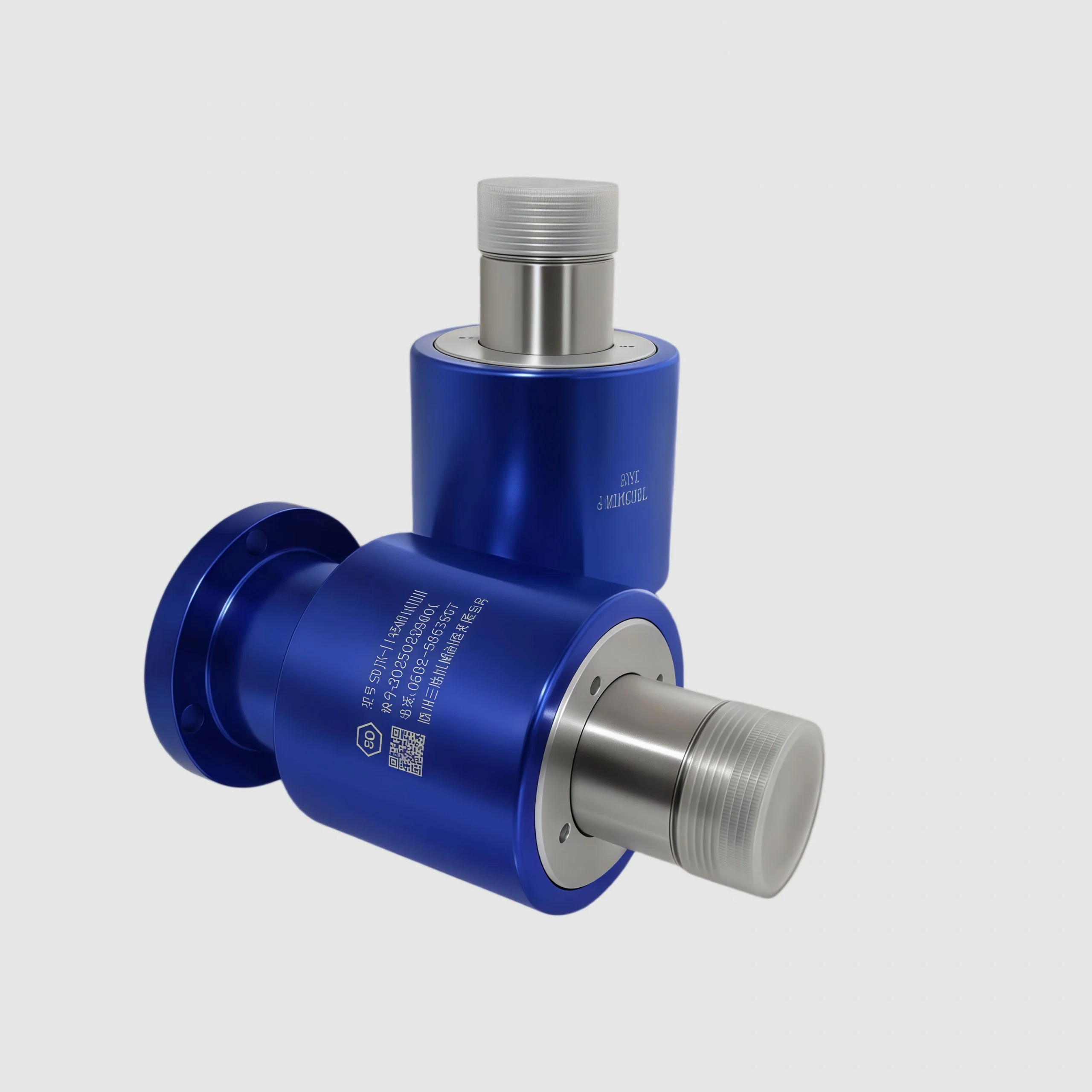
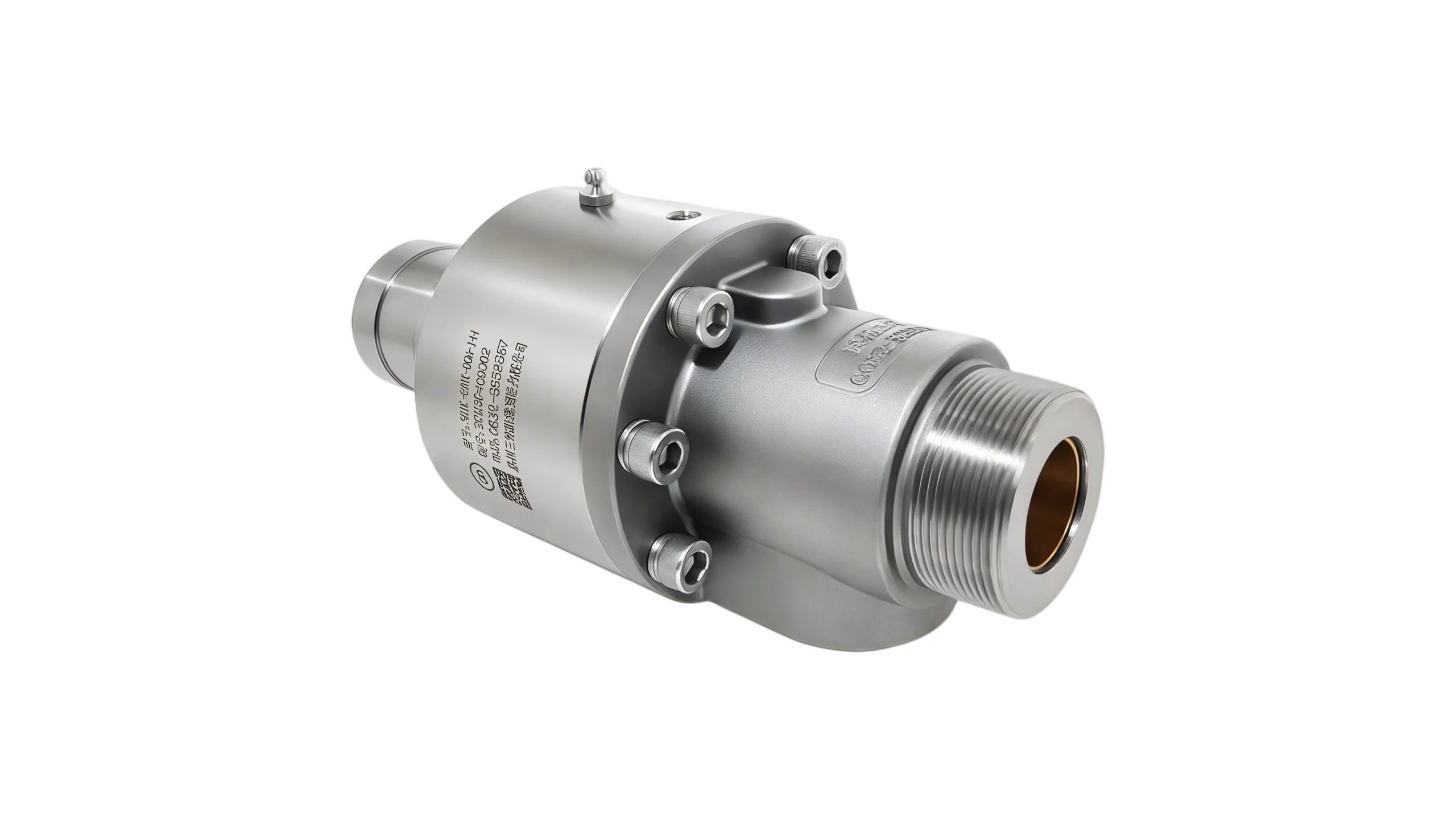
H32 rotary joint is a rotary joint used for cooling water, belonging to a single/double channel flat sealing structure, dedicated to the transmission of industrial roller cooling medium.
In the demanding world of industrial fluid management, transferring liquids or gases between stationary and moving parts without damaging hoses is a constant challenge. This is where H32 swivel unions come into play. If you have ever wondered exactly how do swivel unions work, they function as mechanical bridges that allow seamless fluid flow while machinery rotates. Specifically designed for rigorous environments, h32 swivel unions are critical for keeping your hydraulic systems running smoothly, safely, and efficiently.
When integrating heavy duty industrial hydraulic joints into your operation, selecting the right configuration is vital. System designers often face the task of choosing between single and dual flow swivels based on media requirements. For more complex automation, they may even need to upgrade to multi-passage fluid transfer manifolds to route different fluids simultaneously without cross-contamination.
The internal mechanics directly dictate performance. For example, comparing ball bearing vs plain bearing swivels reveals that ball bearings offer lower friction for continuous, fast rotation, whereas plain bearings excel at handling extreme radial loads. Environmental factors also play a significant role, making the use of corrosion resistant swivel materials like treated stainless steel or brass essential for long-term durability. Finally, understanding the nuances of NPT vs BSPP swivel port connections guarantees a secure, standardized, and leak-free fit during assembly.
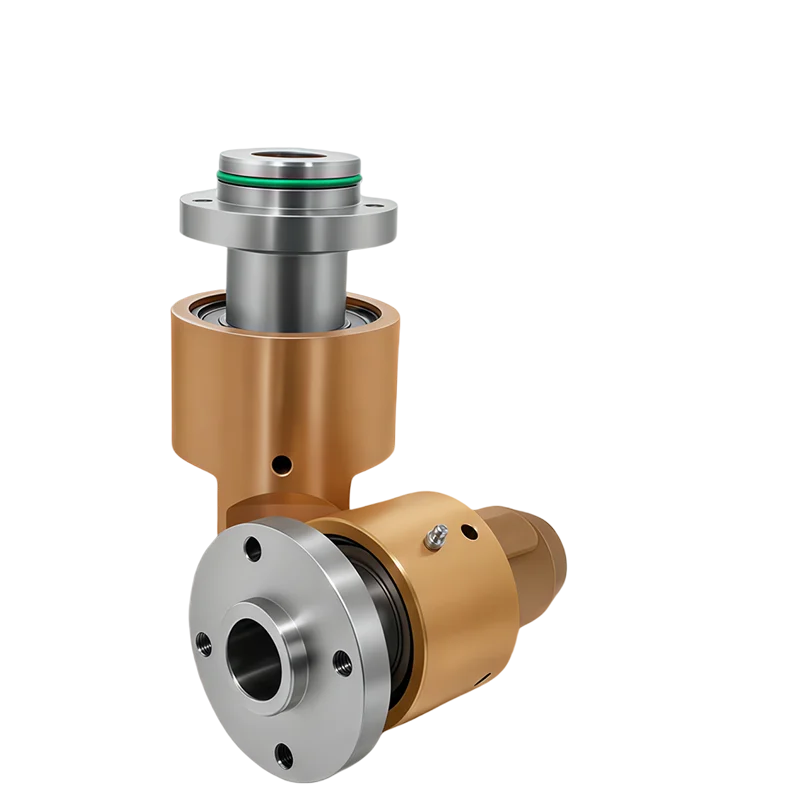
One of the most immediate advantages of installing these rotary components is the hydraulic hose torque reduction benefits. By absorbing rotational forces, they prevent hoses from twisting, fatiguing, and eventually bursting.
However, sustaining this mechanical efficiency relies heavily on selecting the correct high-pressure rotary seal types. Industry experts frequently highlight PTFE seal performance in rotating joints because of its remarkably low friction, heat tolerance, and chemical resistance. This makes PTFE-equipped joints perfect for continuous, high-stress applications.
Knowing exactly how to install hydraulic rotating joints is your first line of defense against premature breakdowns. Always ensure perfect alignment—side-loading, rigid piping stress, or forcing a misaligned joint is a primary culprit when investigating what causes swivel union failure.
Once your system is operational, consistent swivel joint maintenance is crucial. Follow these actionable tips for extending rotary union service life:
Investing time into understanding and caring for your rotary joints prevents costly downtime. By choosing the right flow configurations, robust materials, and committing to proactive maintenance routines, your hydraulic fluid systems will deliver reliable performance year after year.
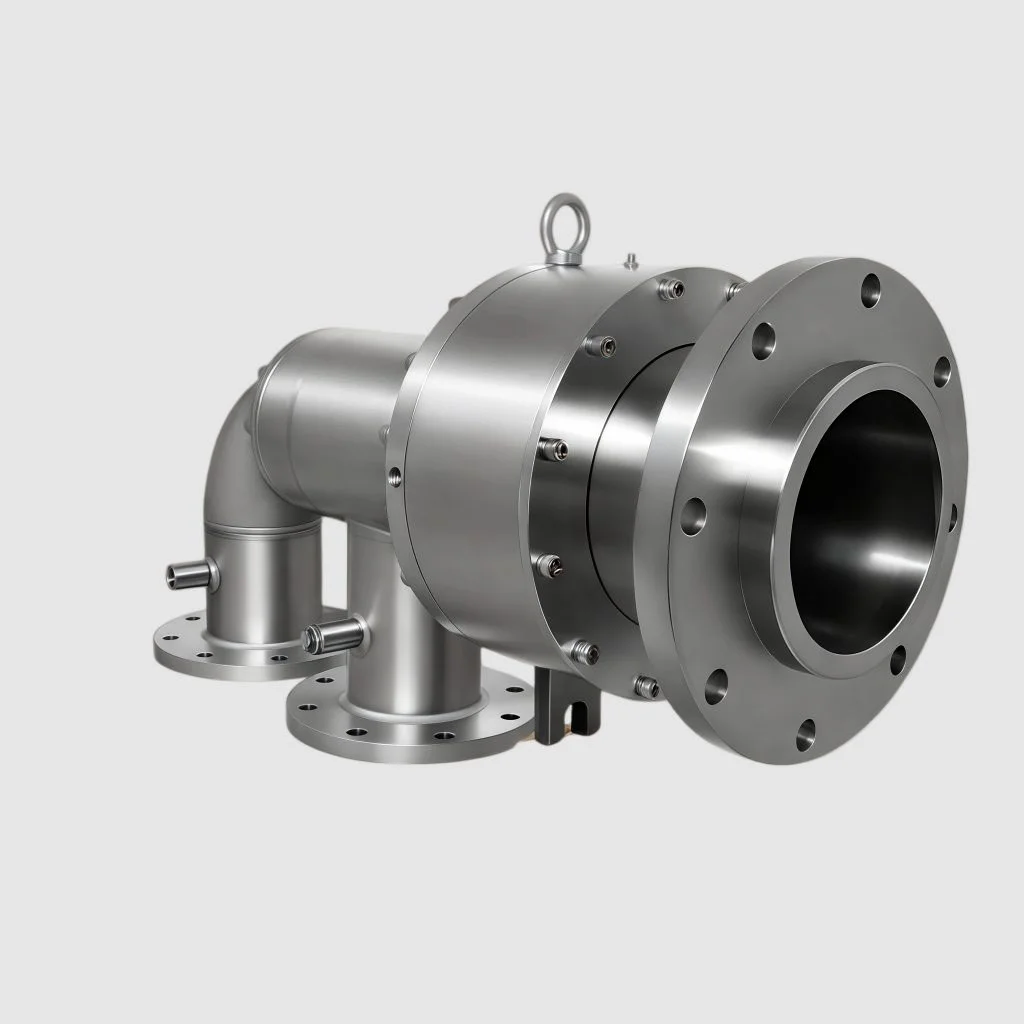
A rotary joint is a sealing device that connects stationary pipelines and rotating equipment, achieving leak free fluid transmission under 360 ° rotation. It allows fluid media to flow smoothly between fixed pipelines and rotating machines, and is a key component in industrial equipment
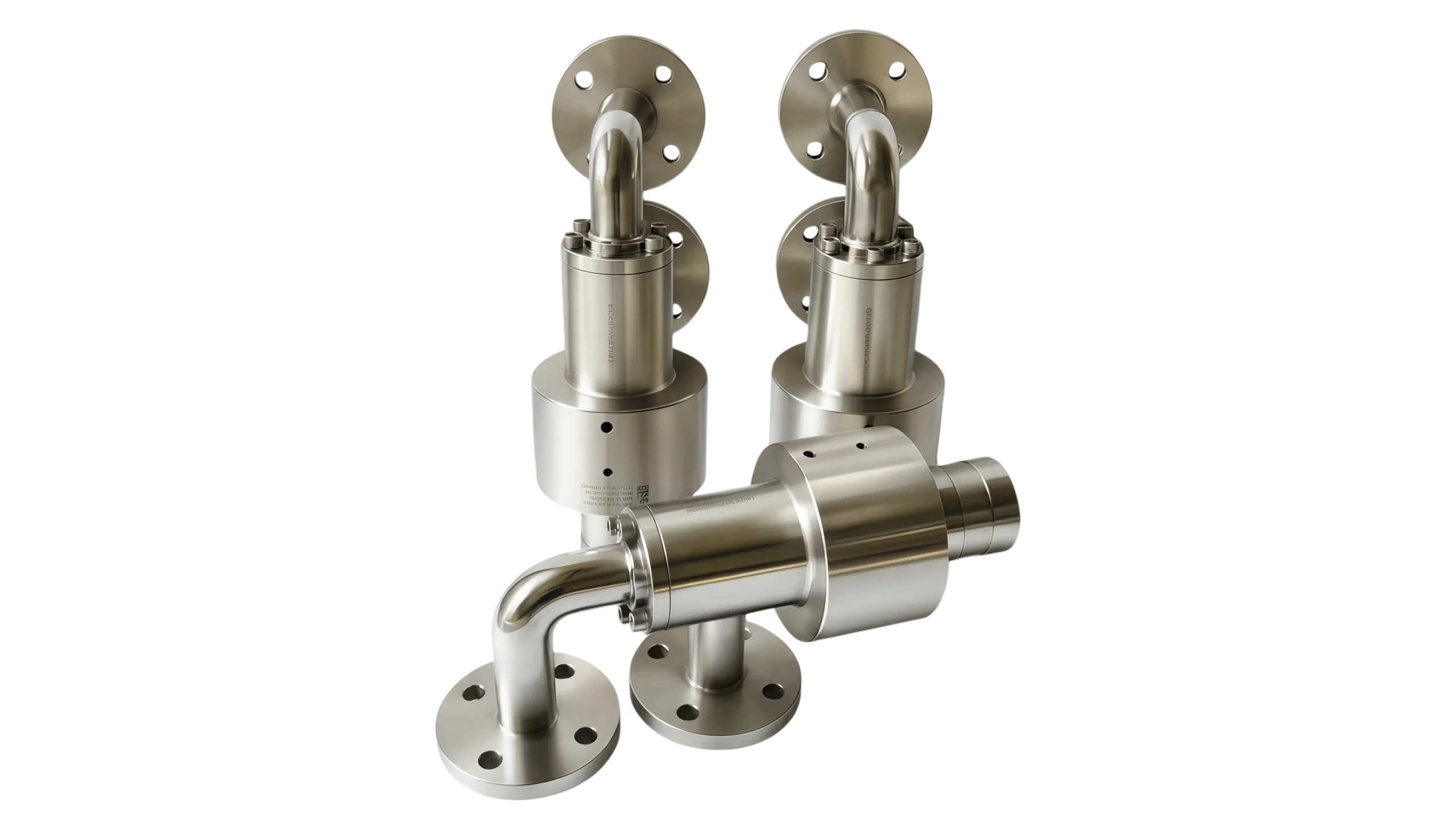
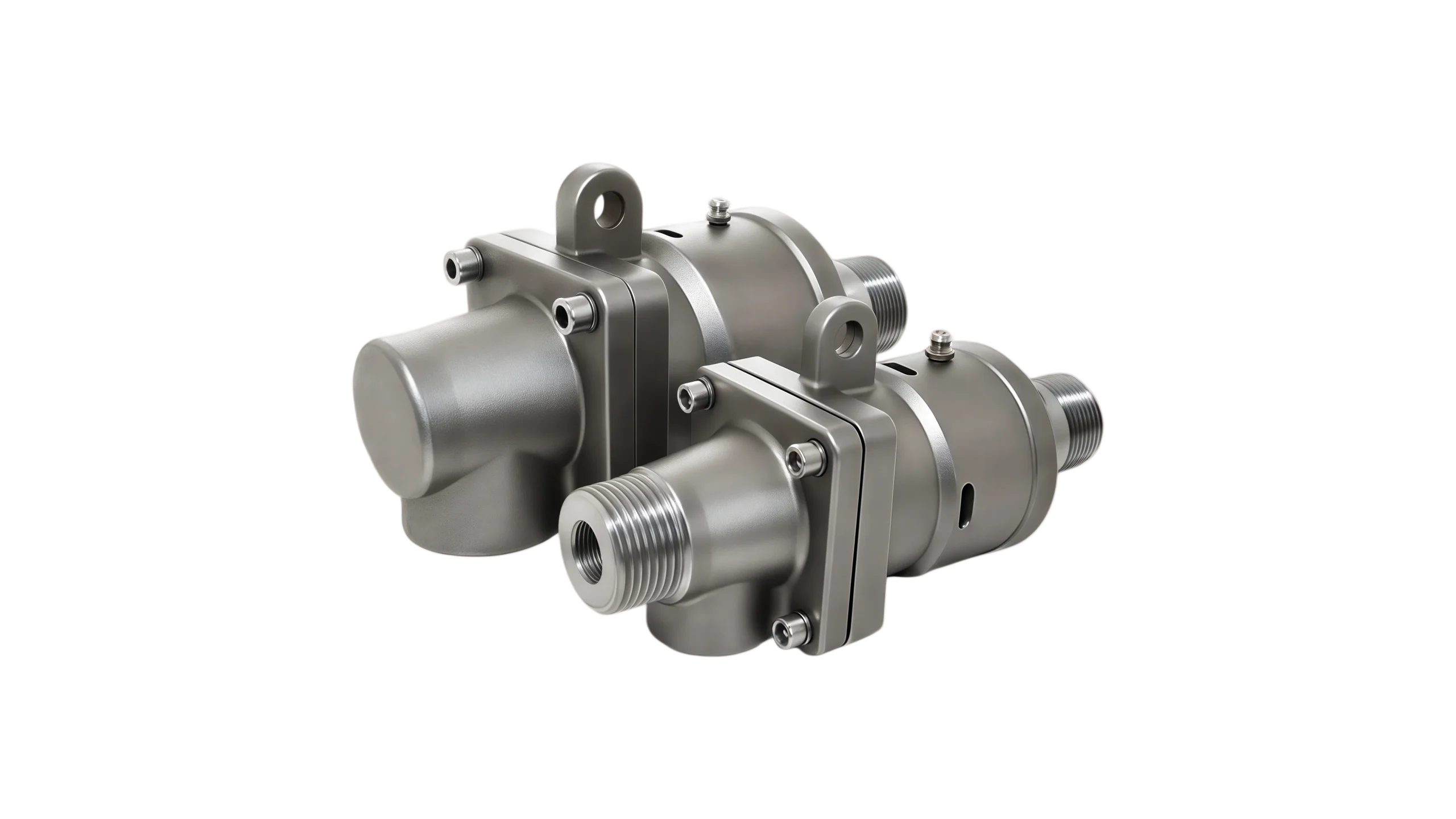
F90 swivel unions Transporting equipment components from a fixed pipeline system to high-speed rotating or reciprocating motion
Q32 swivel unions
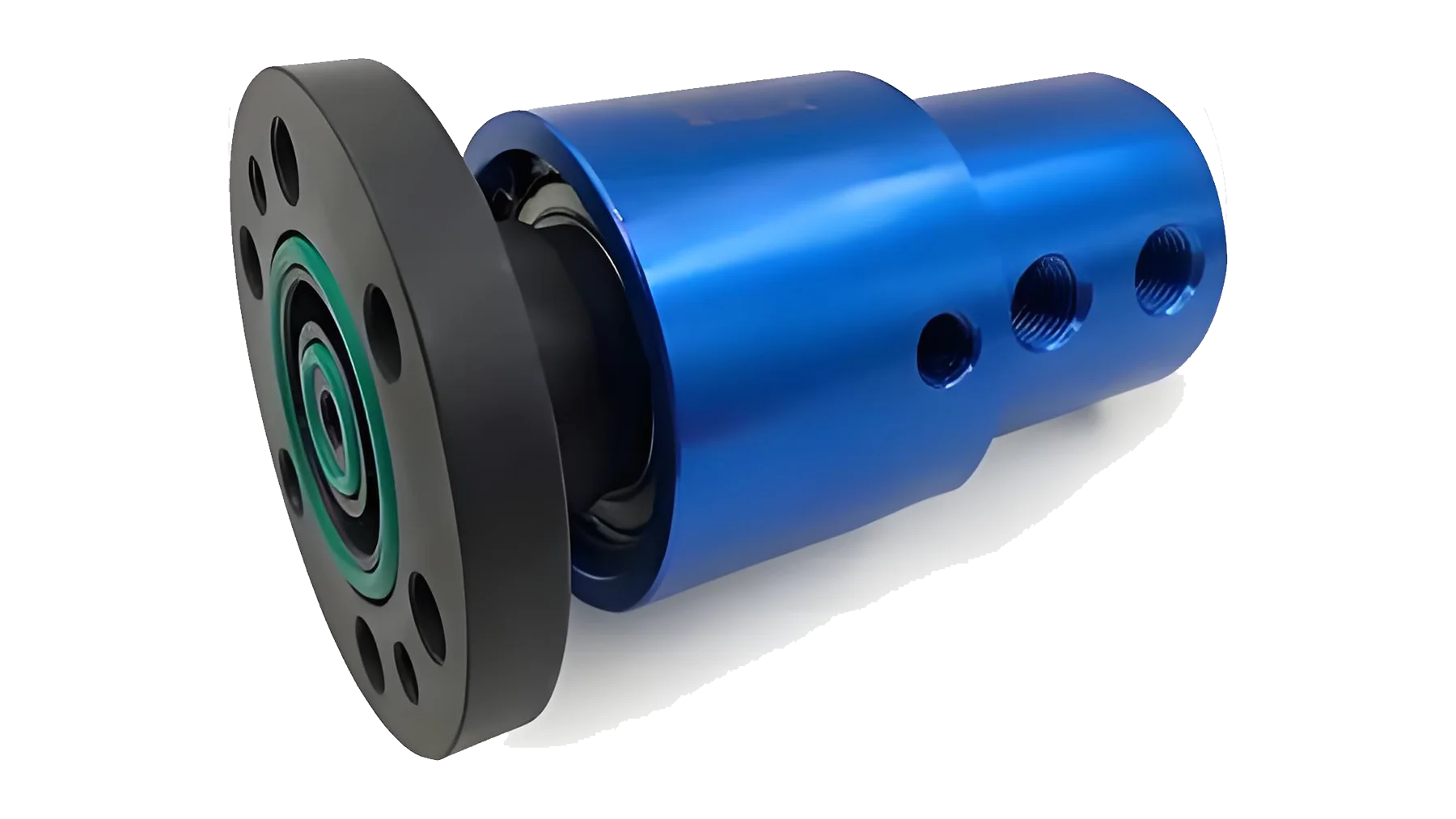
JD40 rotary joint is a key sealing component in industrial fluid transmission systems, usually referring to a rotary connection device with a diameter of DN40 (or corresponding British caliber). As a transitional sealing device that transports fluid media (such as water, steam, hydraulic oil, thermal oil, compressed air, etc.) from static pipelines to dynamic rotating or swinging equipment