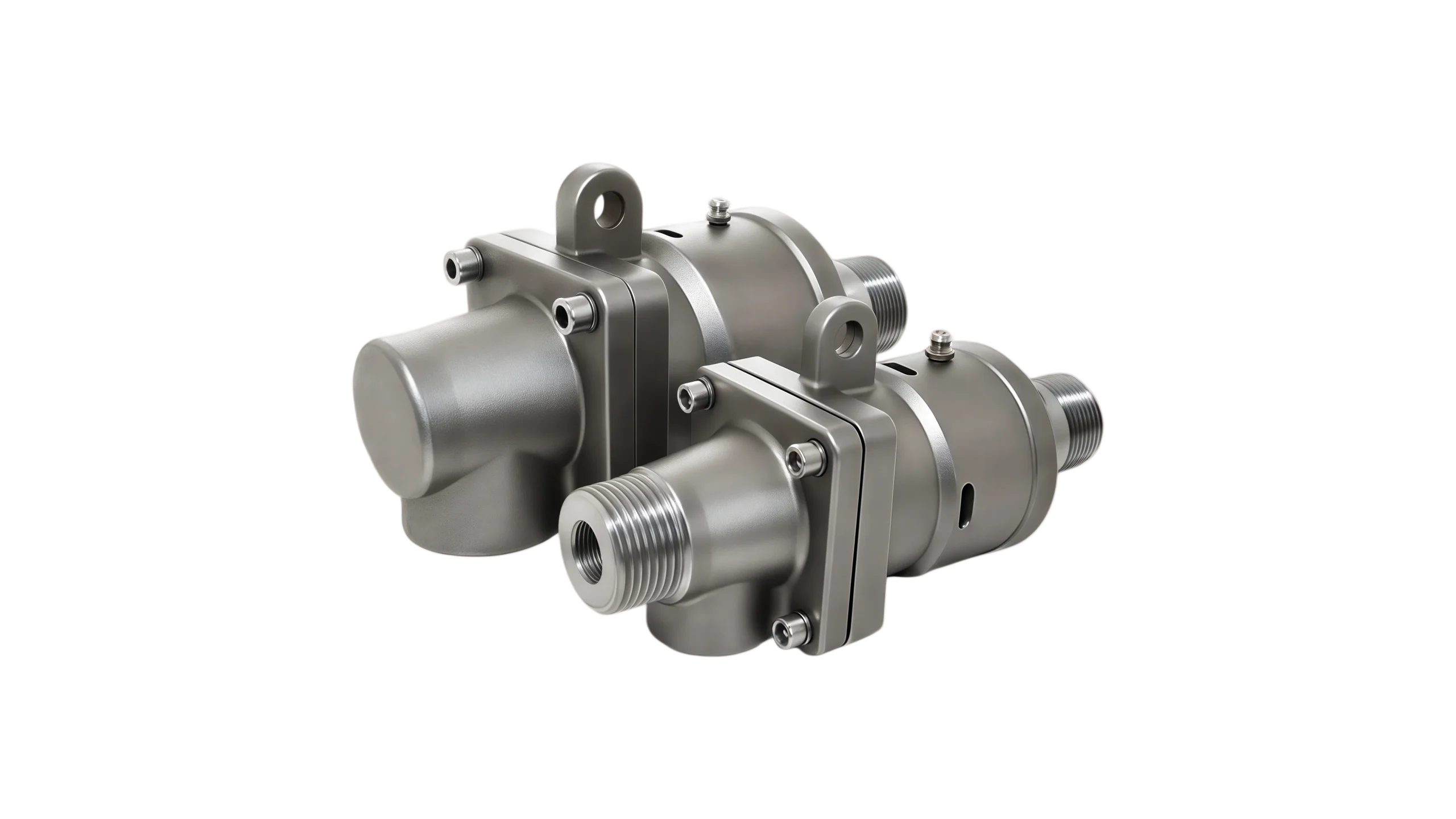
 rotary jointsrotary joints
Search the whole station
The core characteristics of rotary joints used in environmental engineering are corrosion resistance, reliable sealing, environmentally friendly and compliant materials, adaptability to low temperature/room temperature media (such as water, coolant, low concentration chemical liquids), and emphasis on leak prevention and maintenance convenience
The core characteristics of rotary joints used in environmental engineering are corrosion resistance, reliable sealing, environmentally friendly and compliant materials, adaptability to low temperature/room temperature media (such as water, coolant, low concentration chemical liquids), and emphasis on leak prevention and maintenance convenience. They usually do not involve extreme working conditions of high temperature and high pressure.
Environmentally friendly and corrosion-resistant materials: The shell is mostly made of 304/316L stainless steel or food grade engineering plastic, and the sealing components are made of rubber (FFKM) or polytetrafluoroethylene (PTFE) to ensure no heavy metal leaching and compliance with environmental or food grade contact standards (such as FDA, EU 10/2011).
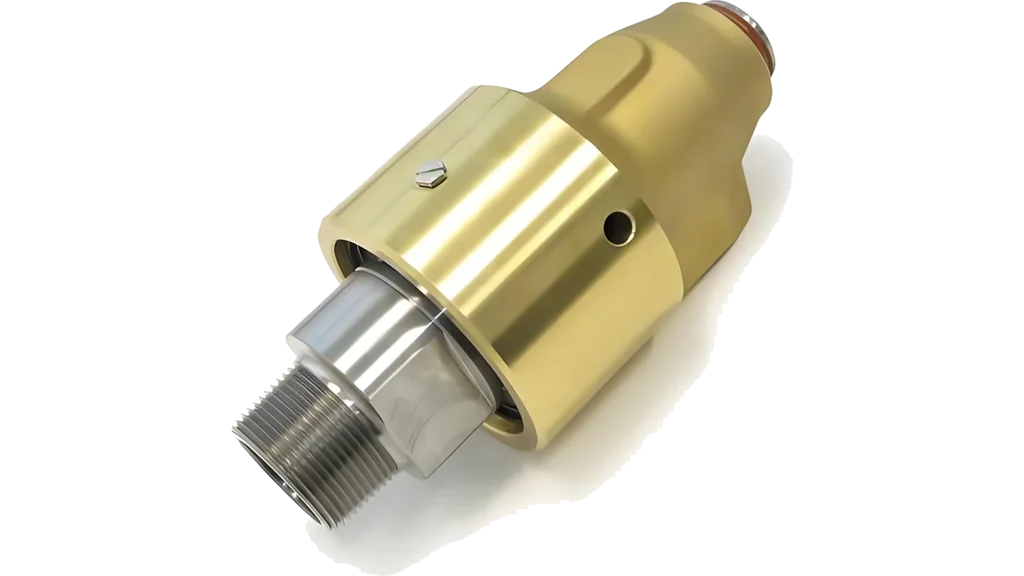
The sealing structure focuses on room temperature and low pressure: mainly flat sealing (D-type) or spherical sealing (Q-type), with a working pressure usually ≤ 1.6MPa and a temperature range of -20 ℃~120 ℃. It is suitable for scenarios such as sewage treatment aeration equipment, sludge dewatering machines, washing rollers, and environmentally friendly cleaning lines.
Leak proof and easy to maintain design: often equipped with leak observation holes and visible wear structures, supporting non-stop replacement of seals (such as HK type) to avoid toxic/corrosive media leakage; Multiple metal hose connections are used to compensate for installation offsets and reduce stress leakage.
The media are mainly water, compressed air, and dilute solutions: rarely used for high-temperature steam or organic solvents, and partially used for exhaust gas washing tower spray systems or environmental protection equipment cooling circuits, requiring anti crystallization and anti blocking performance.
The installation specifications emphasize concentricity and anti rotation: it is required that the jumping should be ≤ 0.1mm, and direct connection of hard pipes is prohibited. The anti rotation rod should be 2mm smaller than the hole to ensure smooth operation at low speeds (usually<1000 rpm), prolong the service life, and reduce the risk of failure and shutdown.
1. Performance parameters
Speed: Normal type ≤ 3000rpm, high-speed type 3000-20000rpm, ultra high speed type (such as aviation) ≥ 20000rpm.
Pressure: Low pressure type ≤ 1.6MPa, medium pressure type 1.6-10MPa, high pressure type 10-30MPa (such as hydraulic equipment), ultra-high pressure type ≥ 30MPa (such as high-pressure cleaning machines).
Temperature resistance range
Room temperature type: -20 ℃~120 ℃ (water, air medium);
Medium temperature type: 120 ℃~300 ℃ (steam, hot oil);
High temperature type: 300 ℃~600 ℃ (molten metal liquid, requiring ceramic/metal sealing);
Low temperature type: -200 ℃~-40 ℃ (for liquid nitrogen and LNG equipment, low-temperature resistant alloys are required).
2. Structure and interface parameters
Number of Passages
Single channel (transmitting a single medium), dual channel (gas-liquid separation), multi-channel (gas+liquid+electric synchronous transmission, such as 4-8 channels)
Interface Specification
Thread types: NPT, BSP, G thread, etc., common sizes G1/4 “~G2”;
Flange standards: DIN, ANSI, JIS, pressure rating PN10~PN100;
Quick change interface: Suitable for quick connection of hoses (such as ISO 7241-A type).
3. Material and sealing parameters
main material
Cast iron (HT300), stainless steel (304/316L), titanium alloy (TA2), aluminum alloy (6061), ceramic (Al ₂ O3).
sealing material
Soft seal: Fluororubber (FKM, temperature resistance -20 ℃~200 ℃), Silicone Rubber (VMQ, temperature resistance -60 ℃~250 ℃);
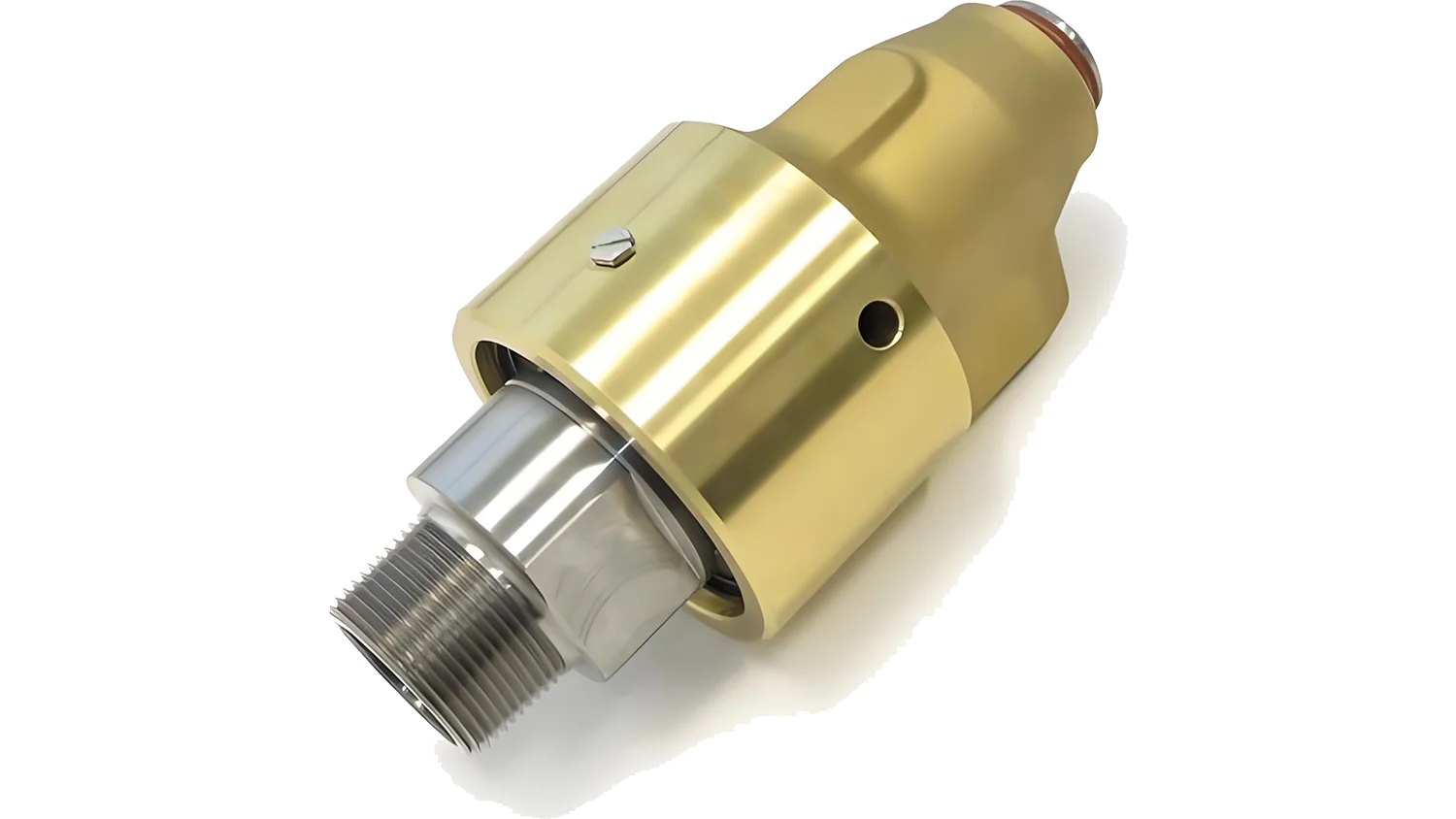
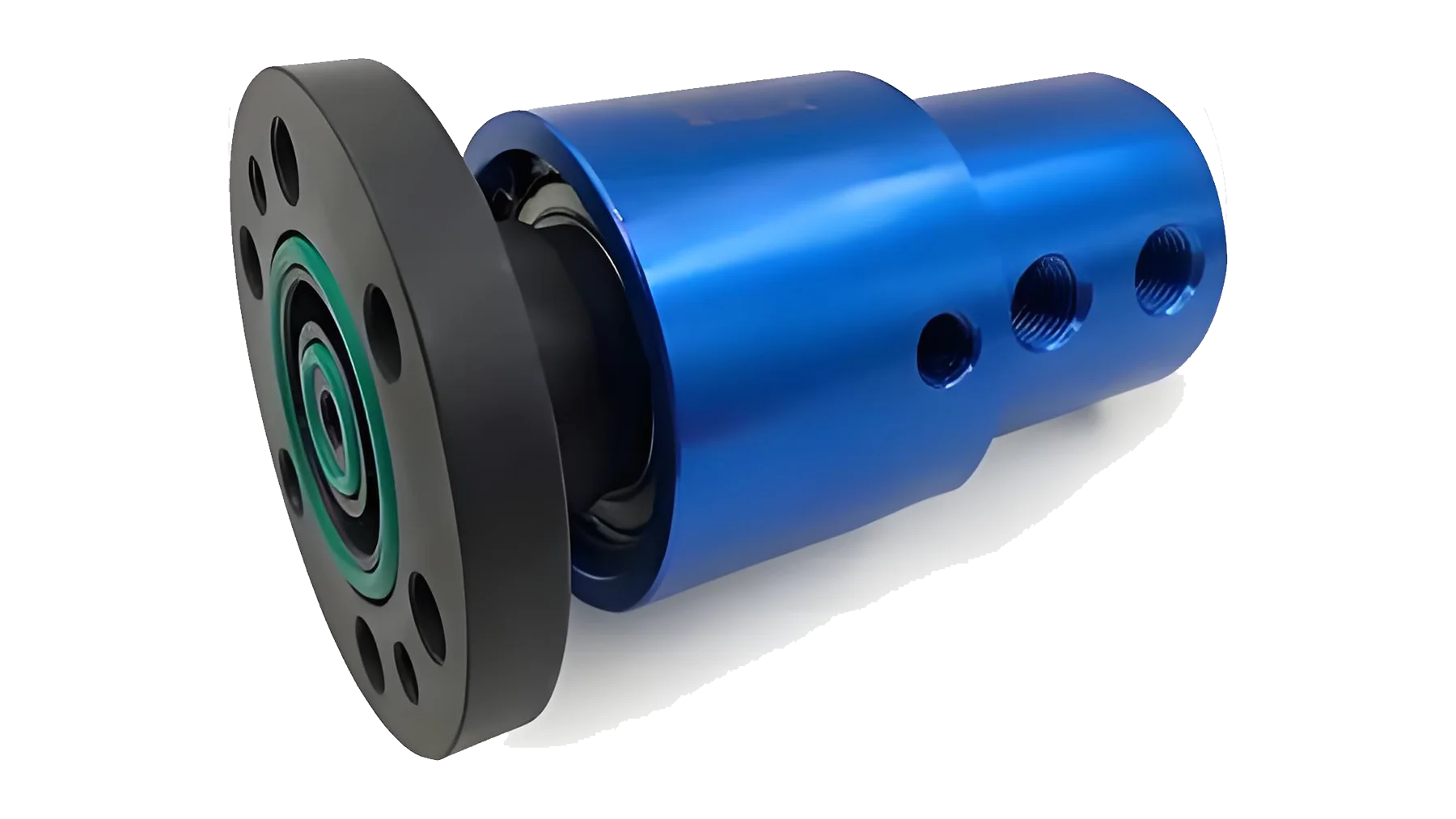
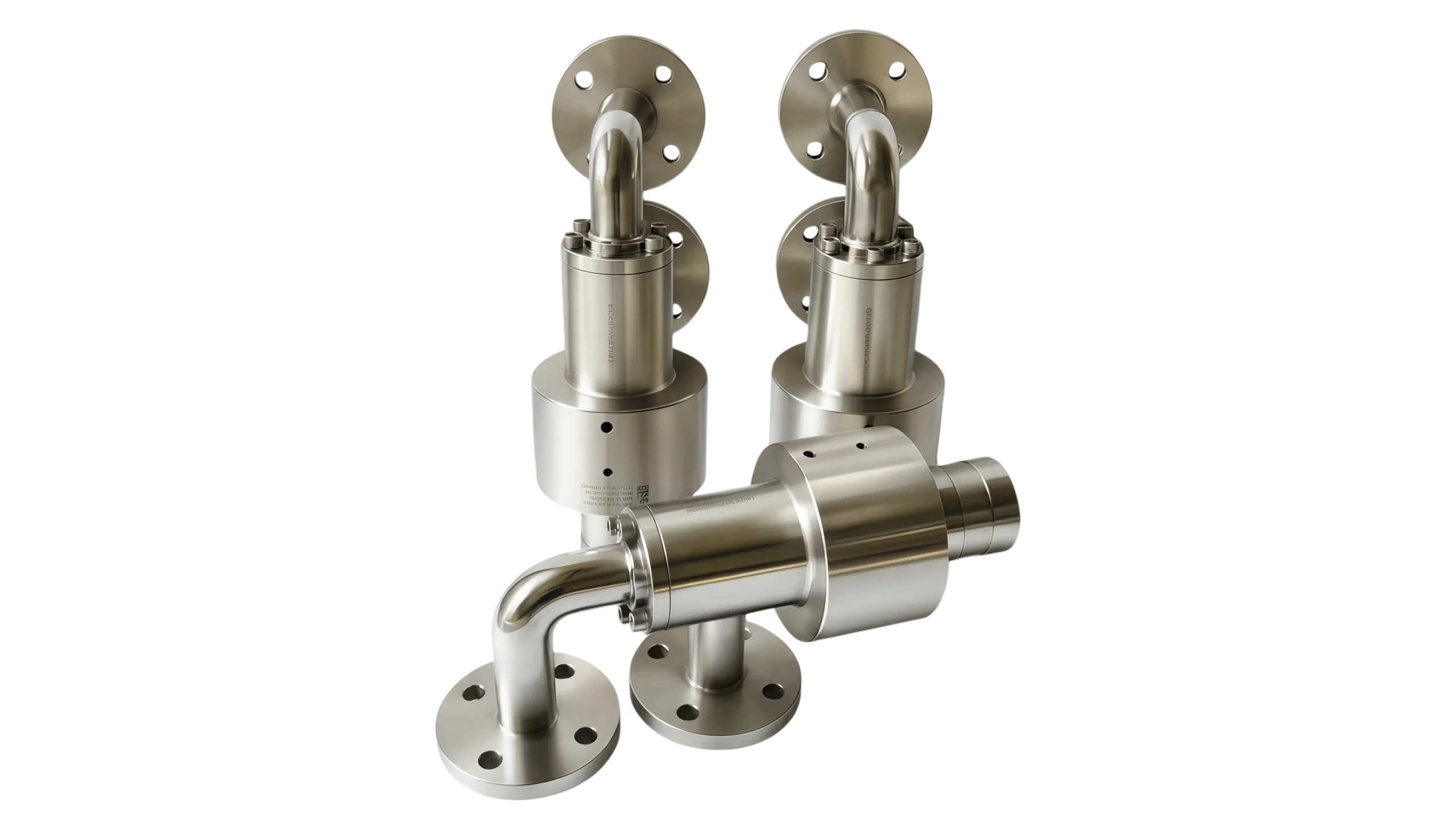
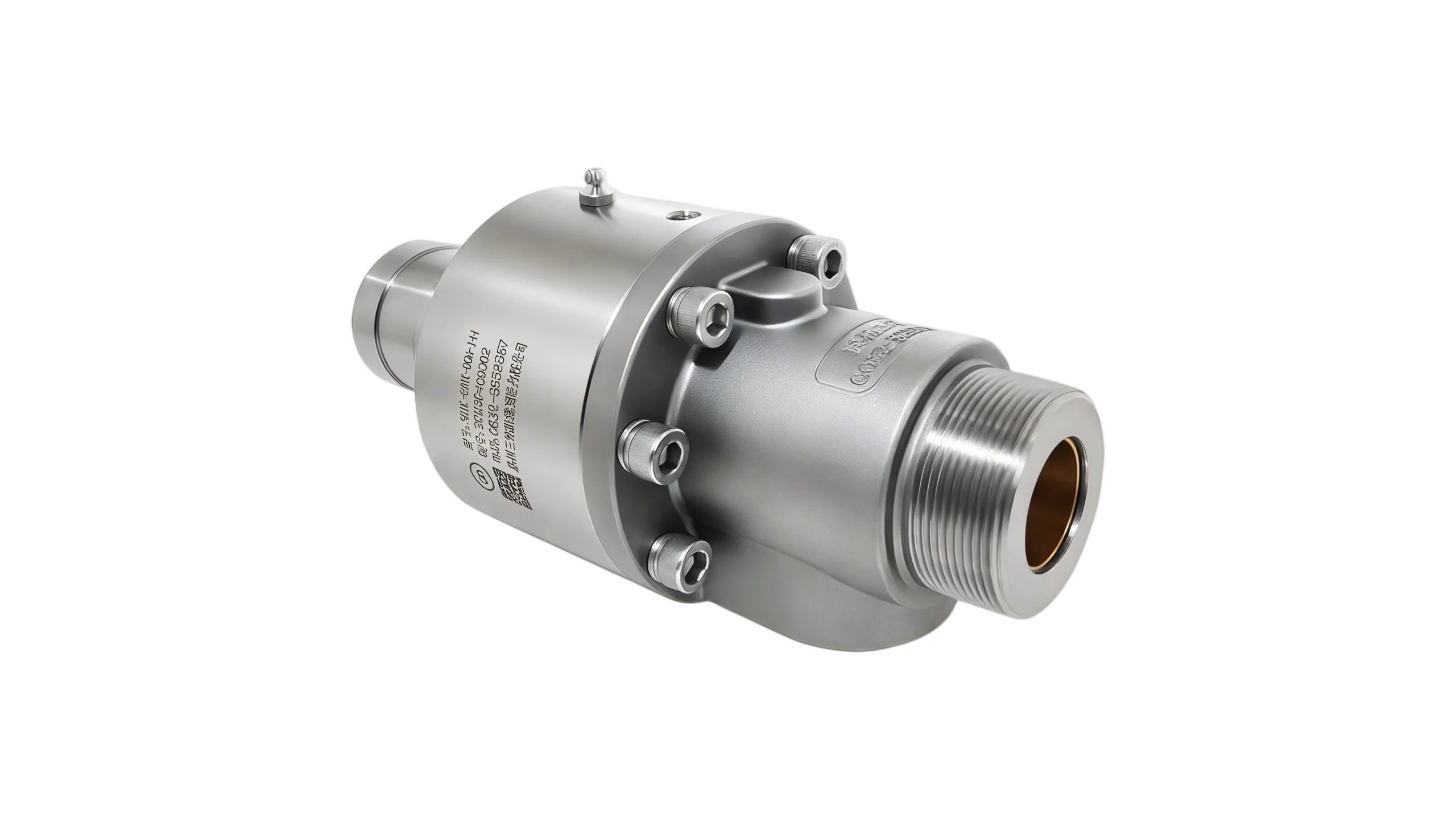
A rotary joint is a sealing device that connects stationary pipelines and rotating equipment, achieving leak free fluid transmission under 360 ° rotation. It allows fluid media to flow smoothly between fixed pipelines and rotating machines, and is a key component in industrial equipment
F90 swivel unions Transporting equipment components from a fixed pipeline system to high-speed rotating or reciprocating motion
Q32 swivel unions
JD40 rotary joint is a key sealing component in industrial fluid transmission systems, usually referring to a rotary connection device with a diameter of DN40 (or corresponding British caliber). As a transitional sealing device that transports fluid media (such as water, steam, hydraulic oil, thermal oil, compressed air, etc.) from static pipelines to dynamic rotating or swinging equipment