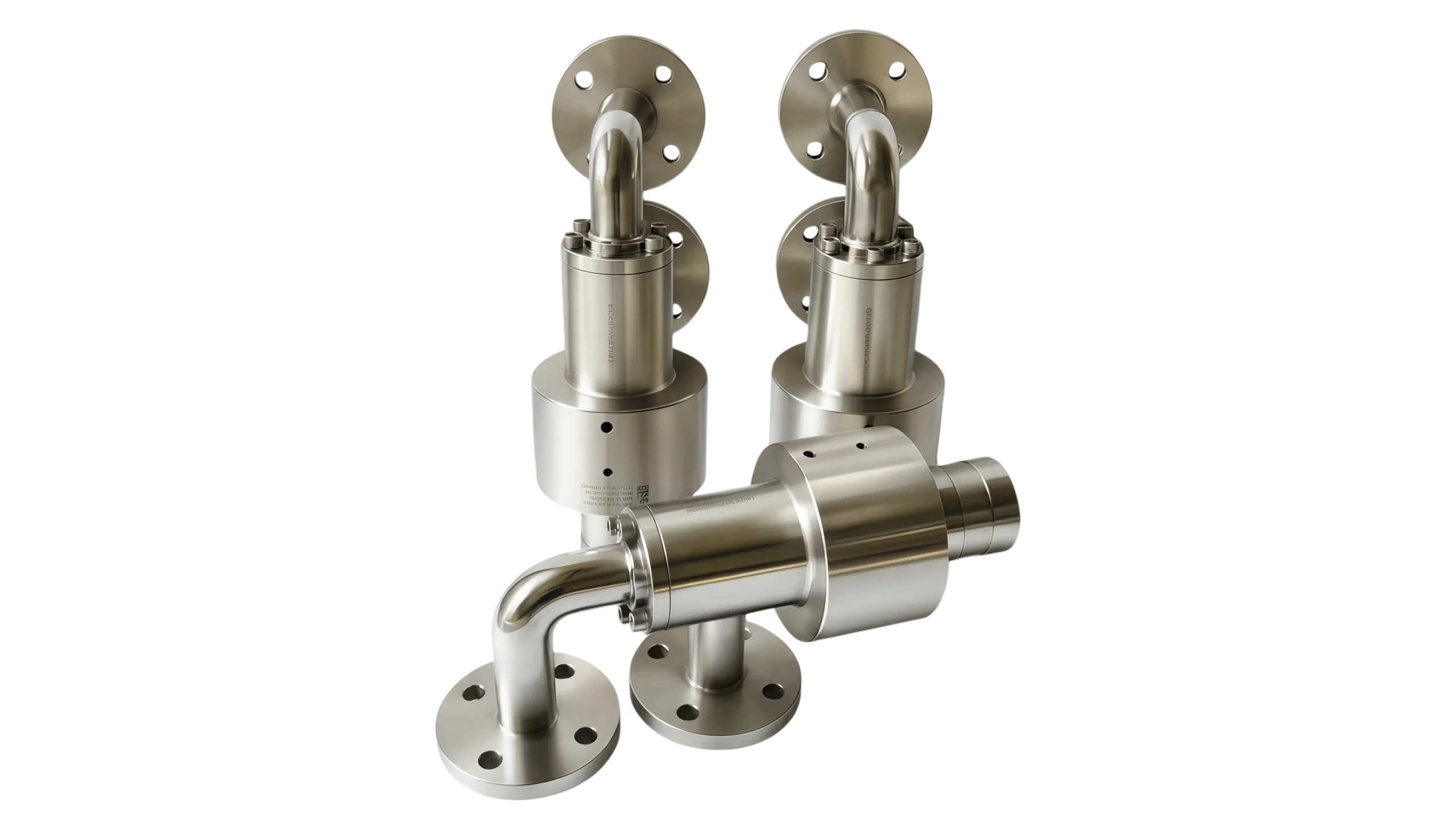
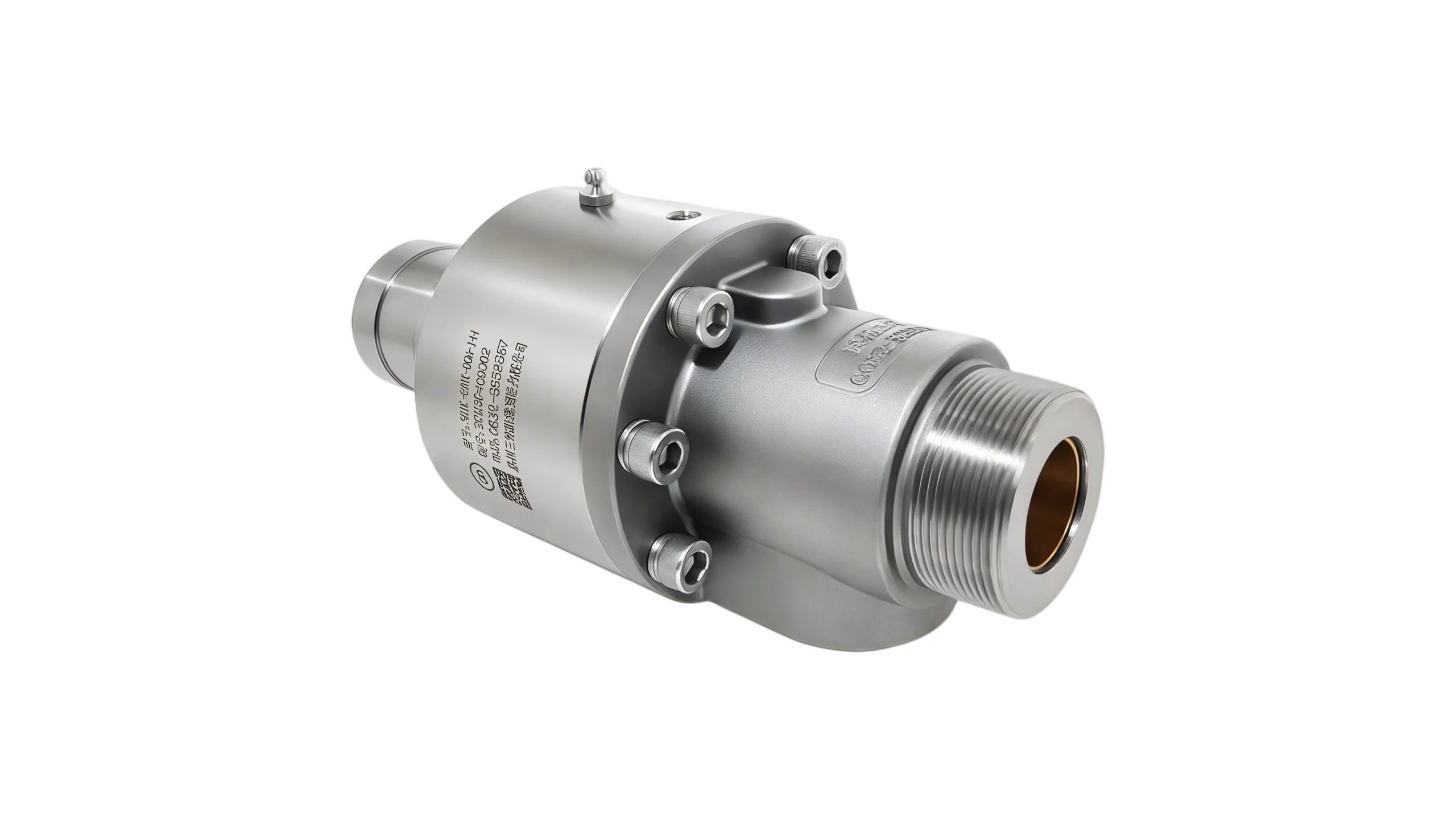
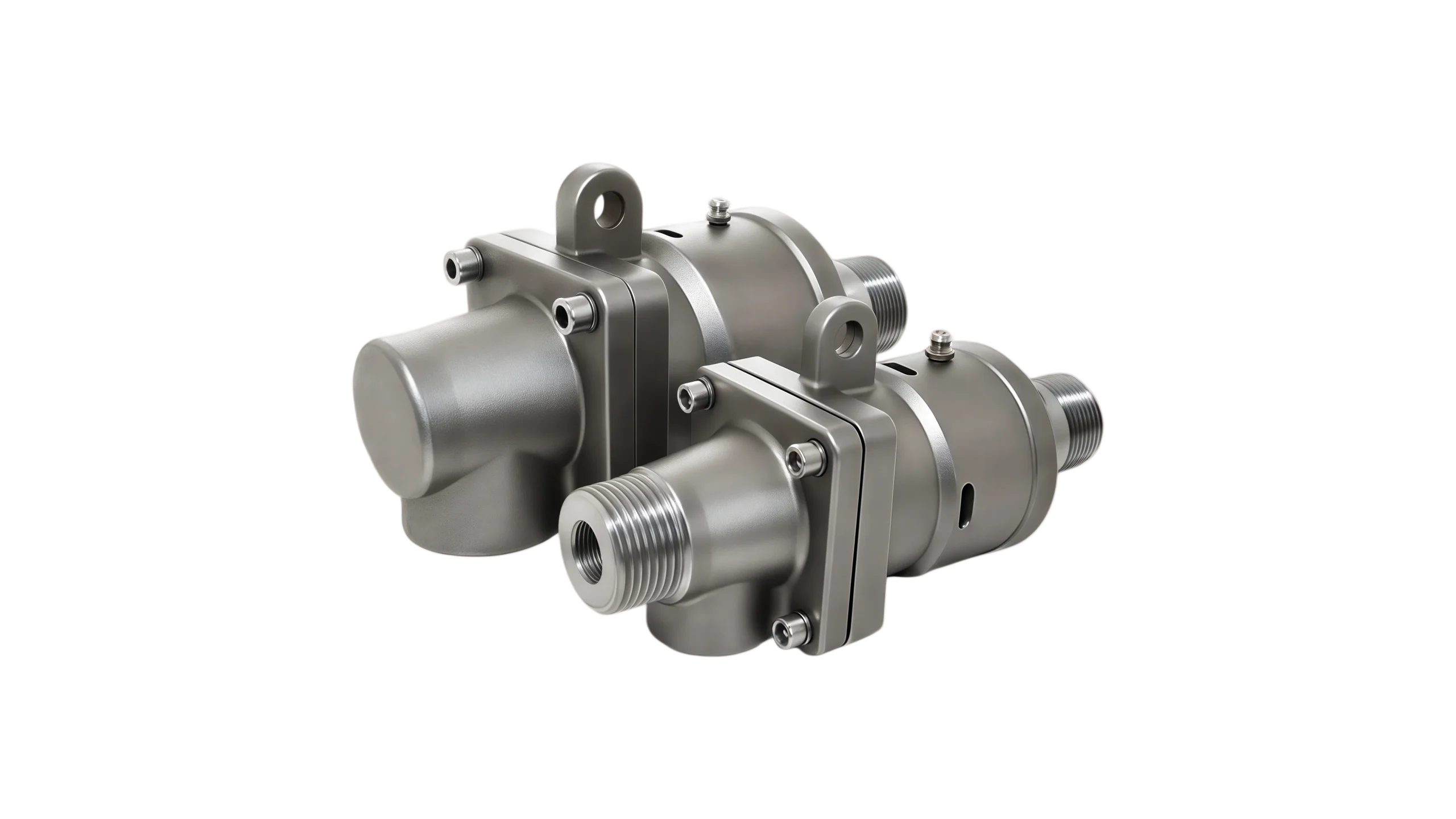
 rotary jointsrotary joints
Search the whole station
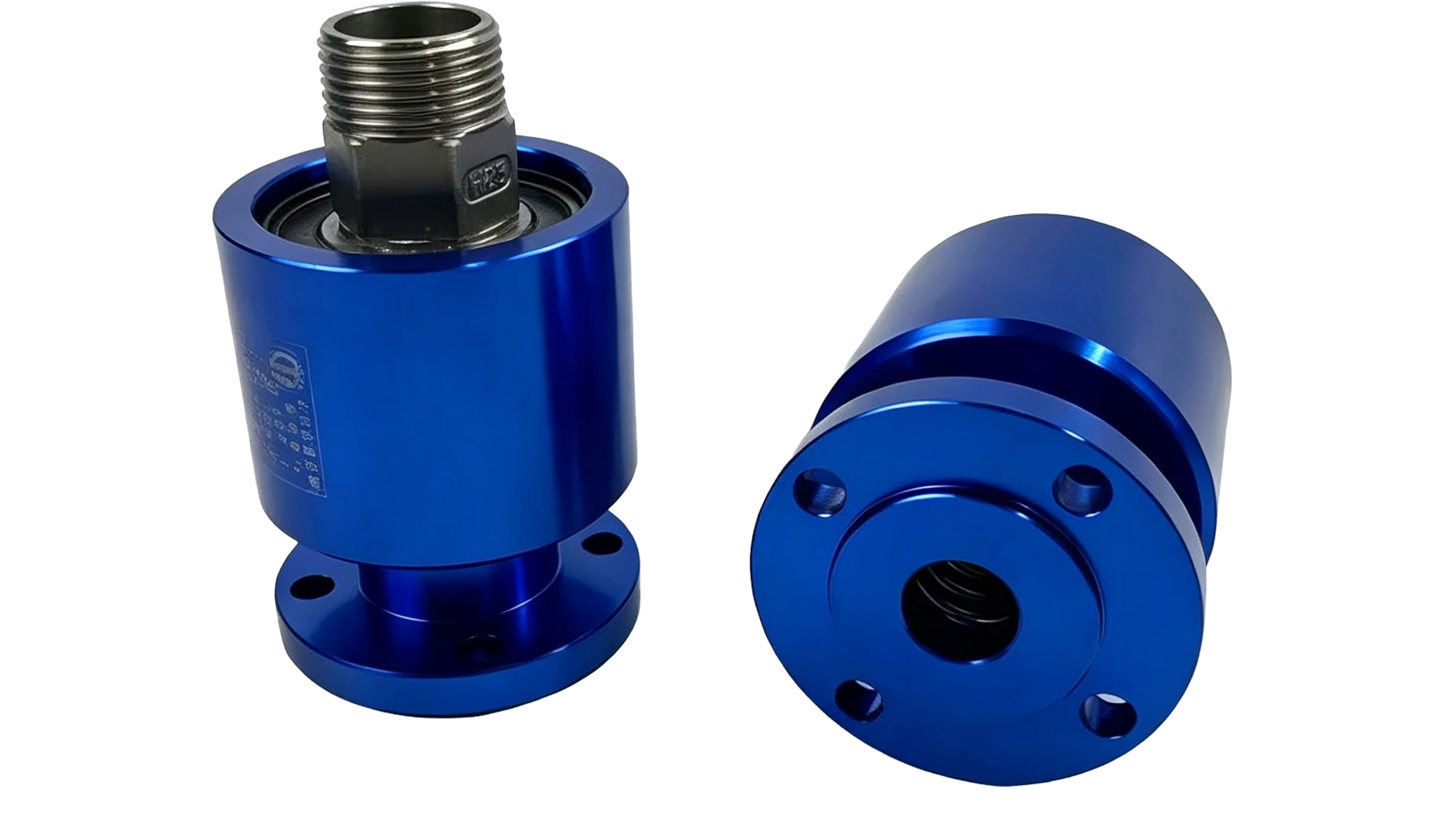
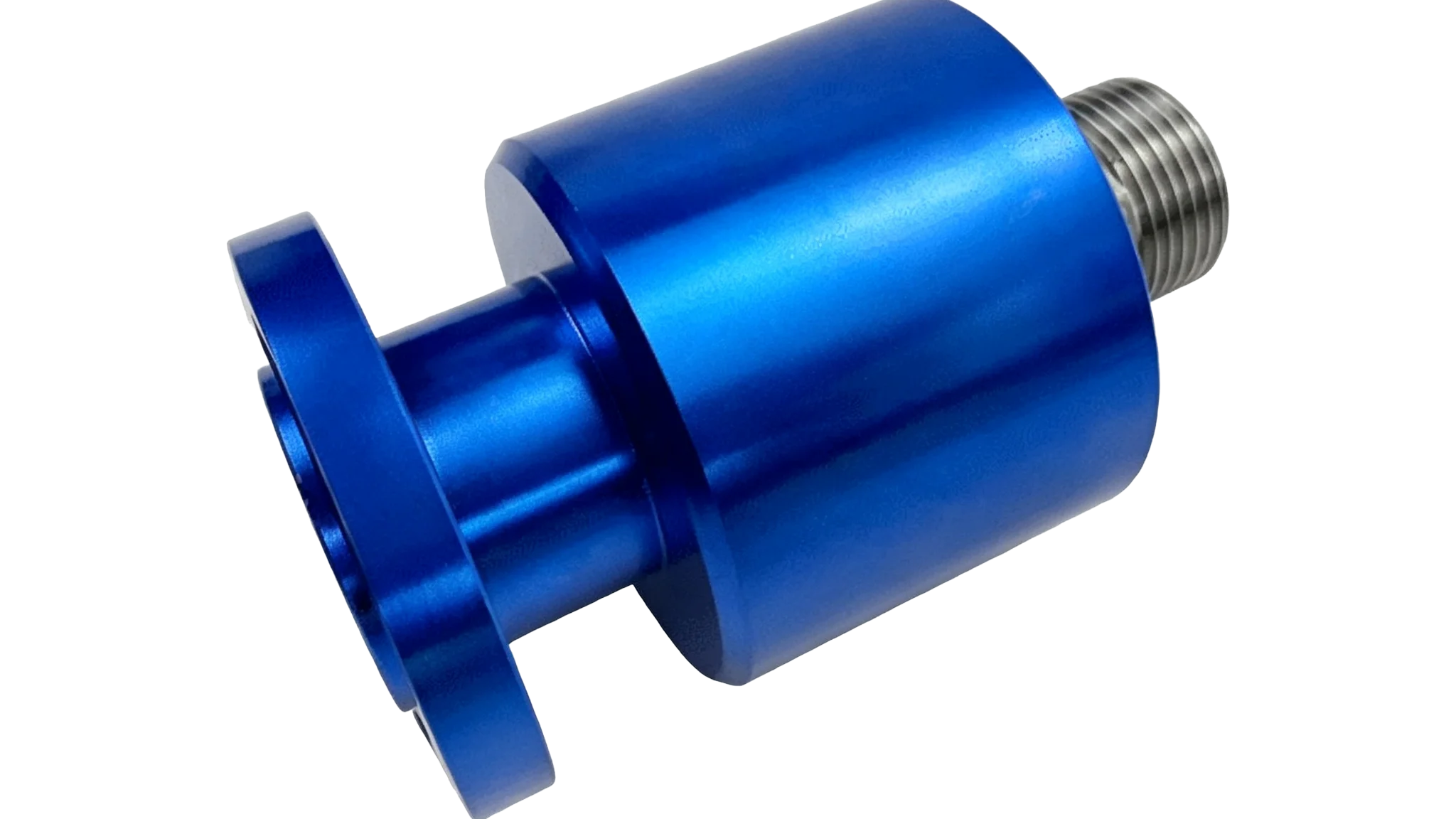
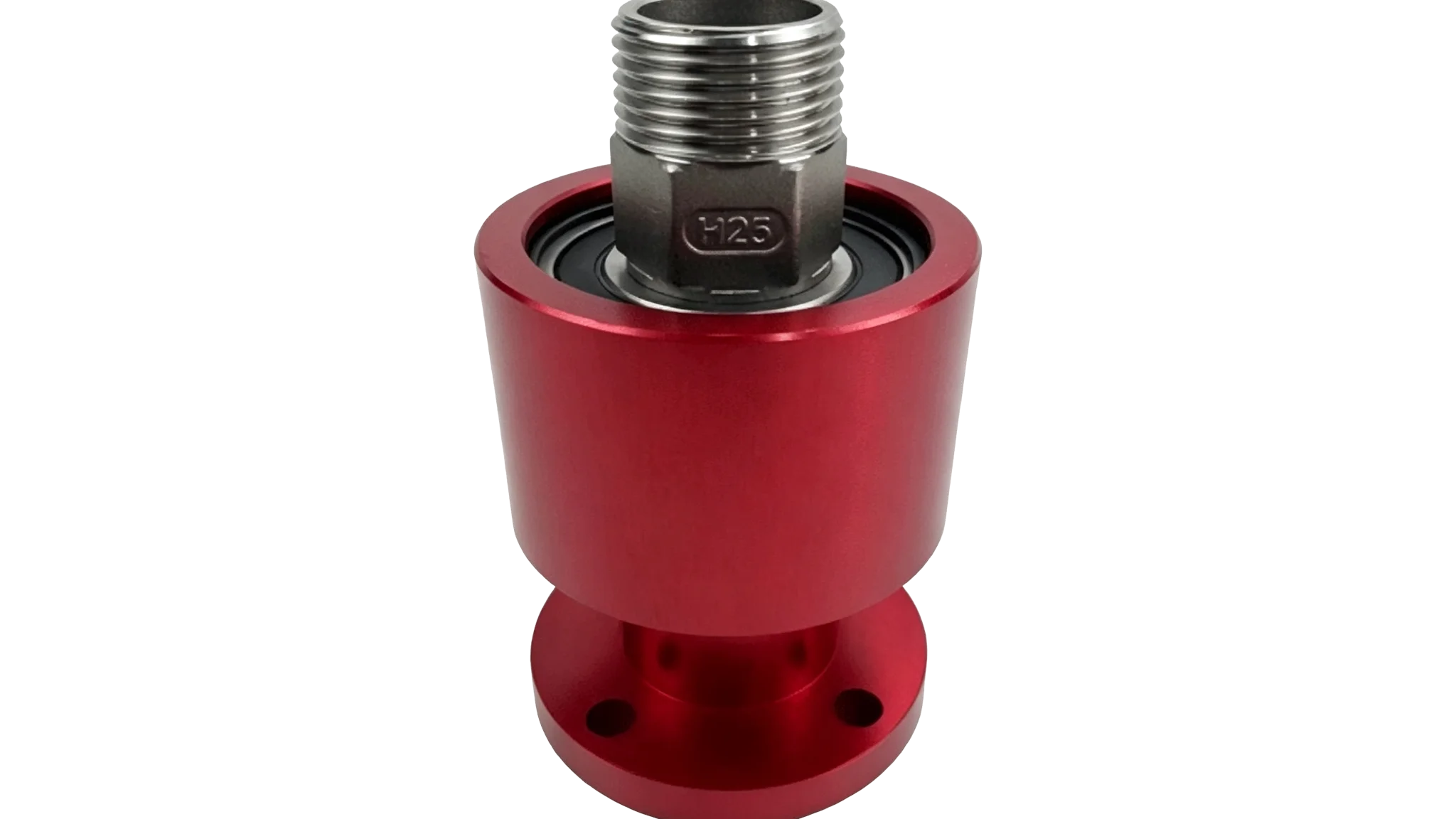
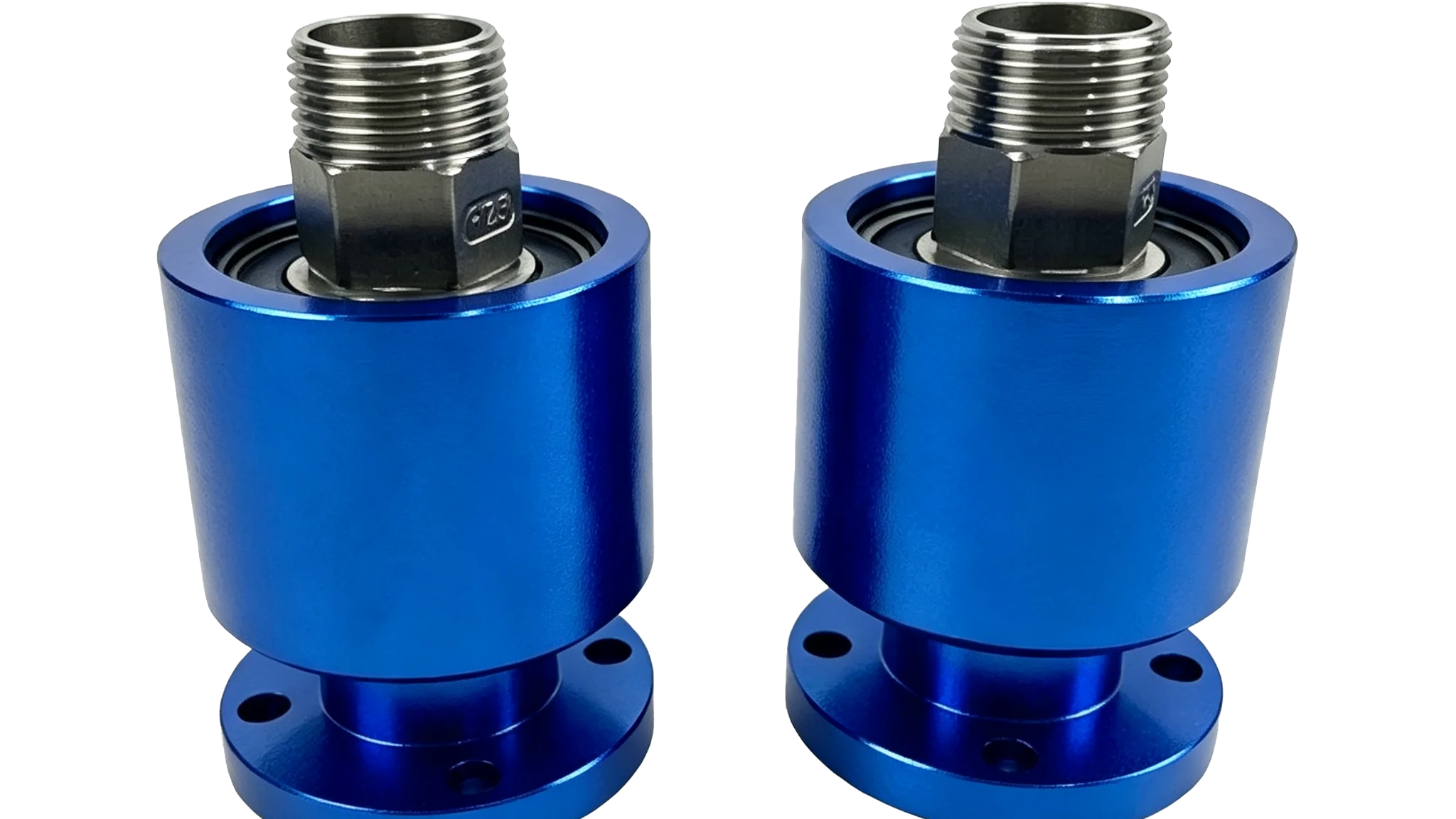
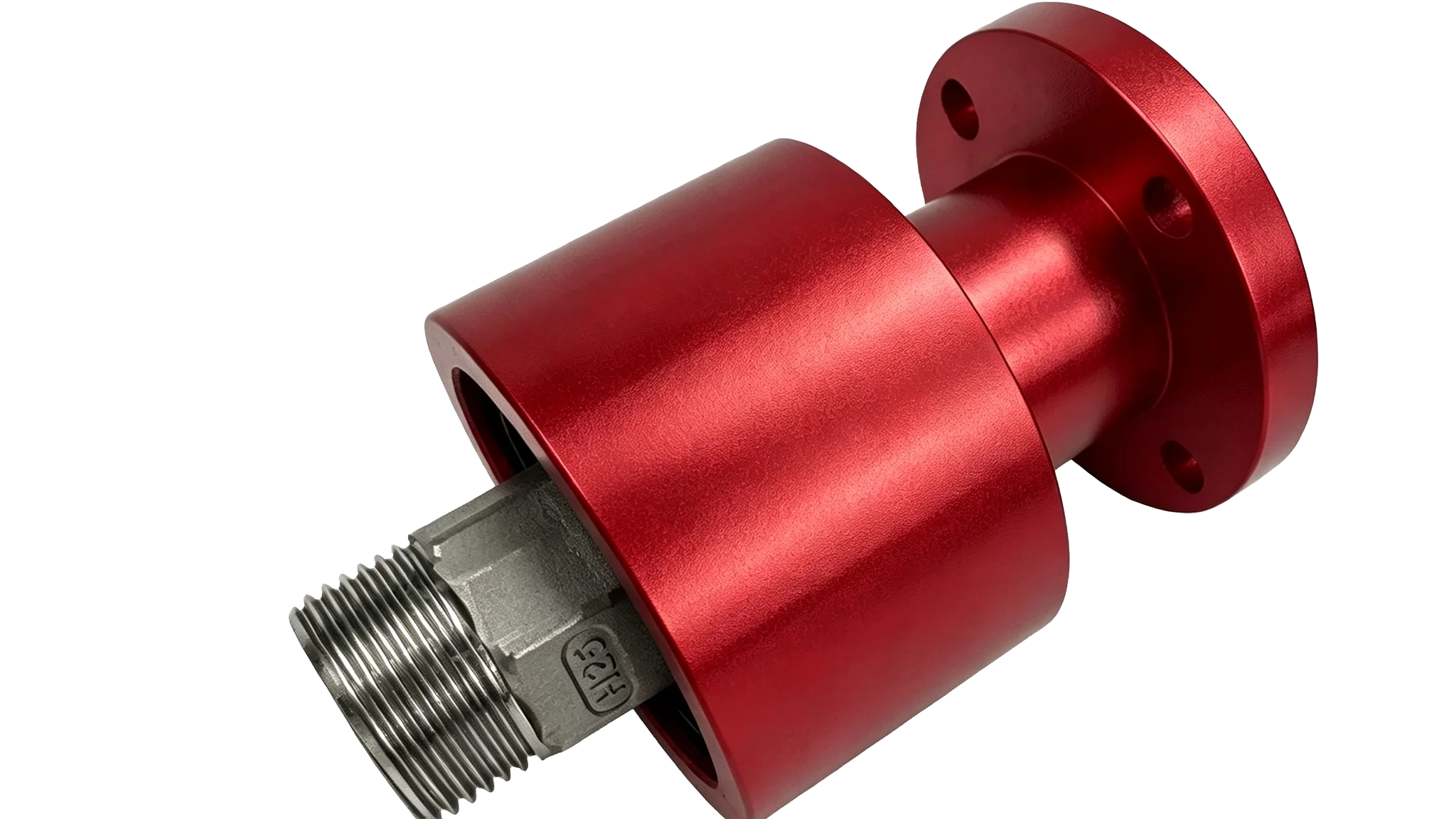
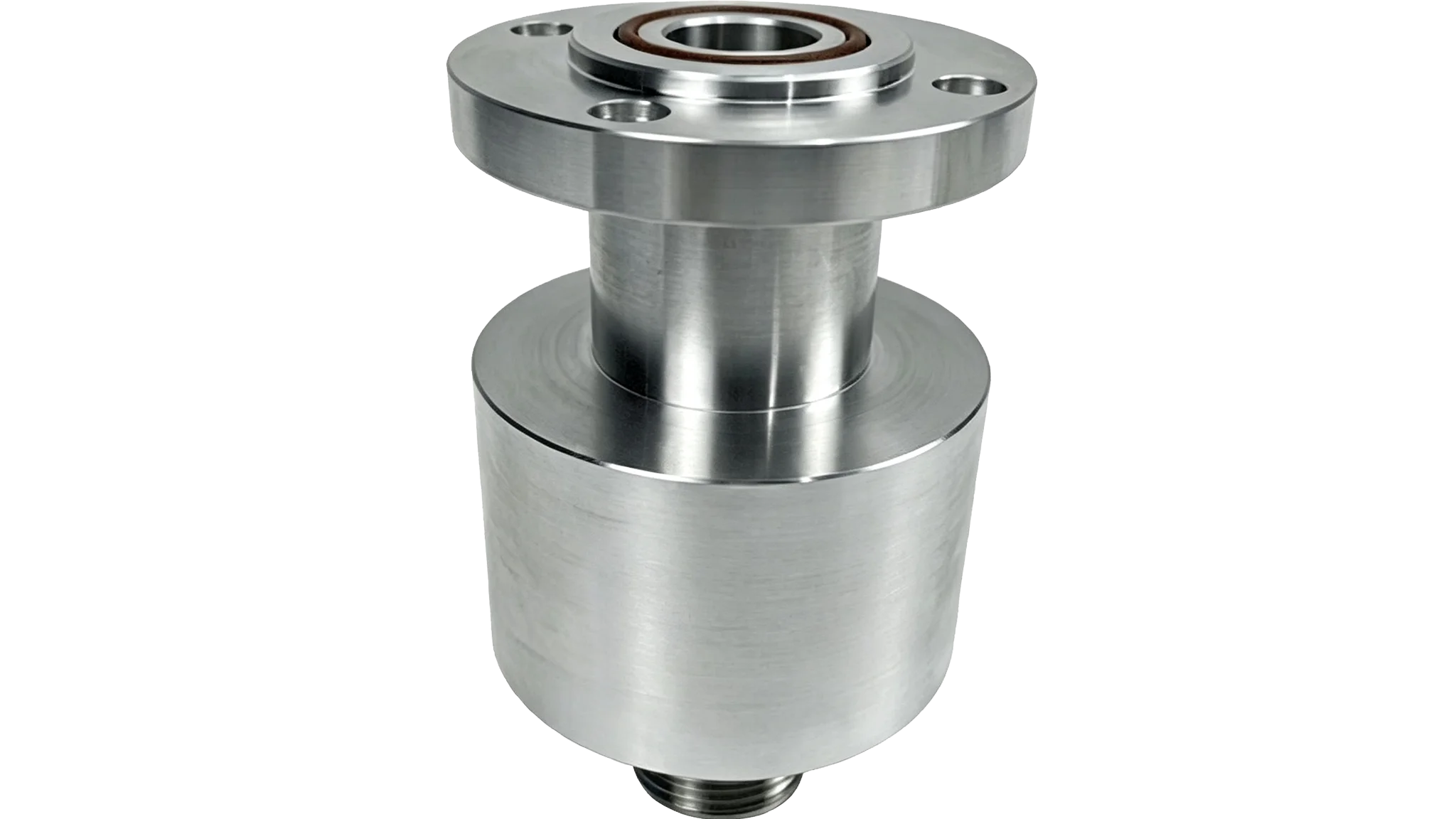
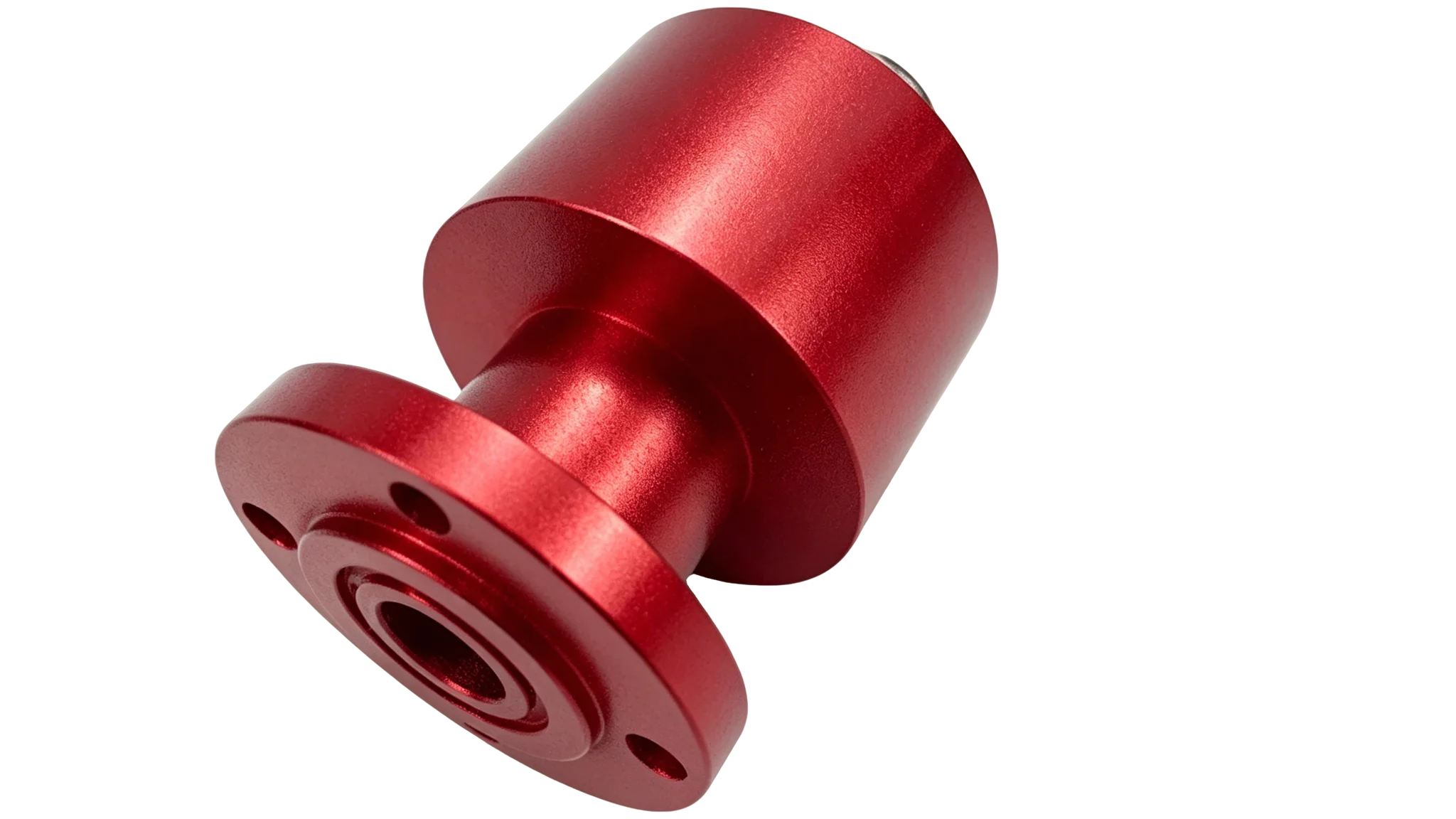
The clutch intake rotary joint is a key dynamic sealing component in mechanical presses that connects the fixed air path with the rotating clutch. Its core function is to introduce compressed air into the high-speed rotating clutch cylinder without leakage, achieving “slow intake, fast exhaust” to accurately control the engagement and disengagement of the clutch.
The clutch intake rotary joint is a key dynamic sealing component in mechanical presses that connects the fixed air path with the rotating clutch. Its core function is to introduce compressed air into the high-speed rotating clutch cylinder without leakage, achieving “slow intake, fast exhaust” to accurately control the engagement and disengagement of the clutch.
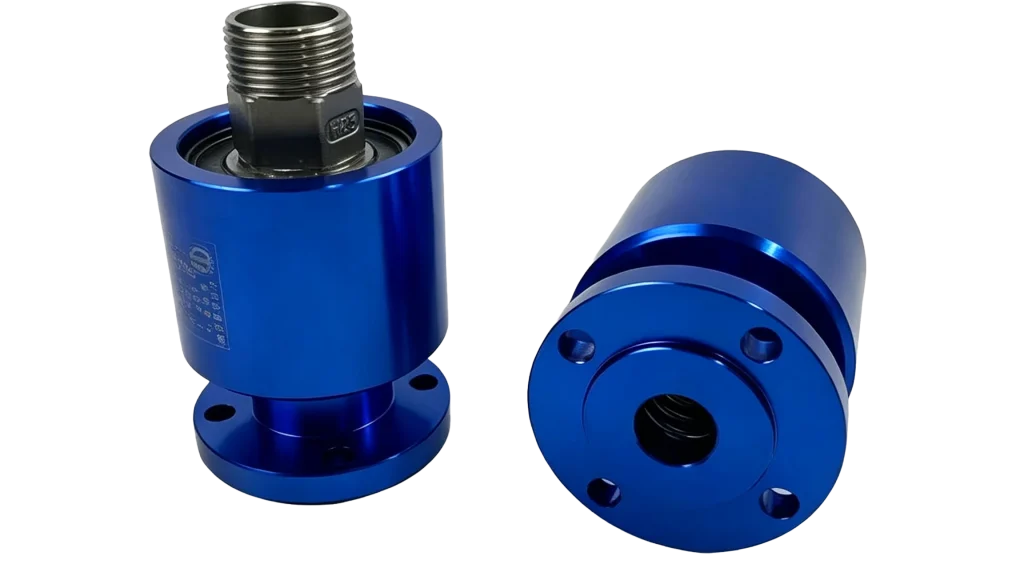
In the fast-paced world of industrial machinery, power transmission systems rely on precise, reliable components to keep operations running smoothly. One such critical component is the clutch intake rotary joint. Whether you are managing heavy-duty manufacturing equipment, printing presses, or metal stamping machines, understanding how this part functions—and how to maintain it—is essential for minimizing downtime and maximizing efficiency.
This guide explores the engineering behind these dynamic components, sharing practical insights on installation, maintenance, and troubleshooting to keep your rotating equipment in peak condition.
At its core, a clutch intake rotary joint is a specialized fluid-transfer device. It connects a stationary supply line to a rotating machine part, allowing air, hydraulic fluid, or coolant to pass through without leaking. When integrated into a drive system, it frequently acts as a pneumatic air distribution union for clutches, delivering the compressed air necessary to engage or disengage the clutch mechanisms safely.
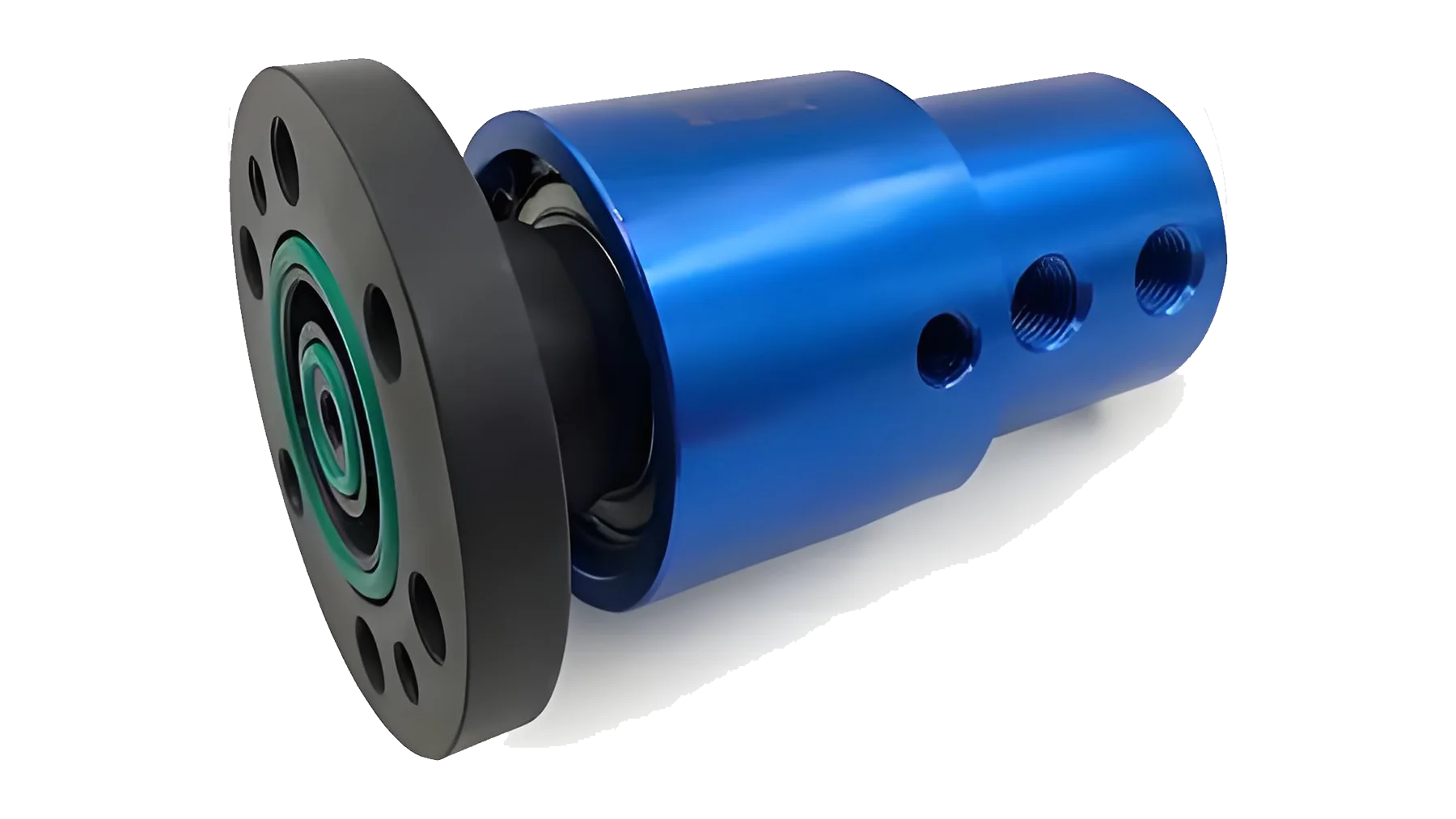
When selecting components for a system, engineers often weigh the benefits of single passage vs multi passage rotary joints.
To ensure energy is not wasted through mechanical friction, manufacturers often incorporate low torque seals for industrial power transmission. These specialized seals reduce drag on the rotating shaft, ensuring the motor expends its energy on the actual workload rather than overcoming the friction of the joint.
Choosing the right swivel union for heavy duty clutches requires careful consideration of your machinery’s specific operating conditions. A mismatched joint can lead to catastrophic failure, lost production time, and expensive repairs.
When evaluating options, pay close attention to rotational speed and pressure ratings for fluid unions. A joint designed for low-speed, high-pressure hydraulic applications will quickly burn out if installed on a high-speed pneumatic spindle. Additionally, verify media compatibility for hydraulic transfer joints. The internal seals and housing materials must be chemically compatible with the exact hydraulic oil, coolant, or compressed air being used to prevent seal degradation.
Even the highest-quality components will fail prematurely if improperly installed. Knowing exactly how to install a shaft mounted rotary union is the first line of defense against unexpected breakdowns.
Here are the critical steps for a successful installation:
One of the most critical factors to monitor during installation is alignment. Shaft misalignment effects on rotary couplings are notoriously destructive. Even a slight offset can cause uneven wear on the bearings, create severe vibrations, and ultimately lead to premature seal failure and fluid blow-by.
Maintaining industrial air intake systems for drive components is a continuous process. Implementing a structured schedule for high speed hydraulic rotary coupling maintenance can extend the lifespan of your components by years.
If you are currently troubleshooting fluid transfer in rotating shafts, the most common symptom you will encounter is leakage. Many technicians ask: why is a swivel joint leaking air in machinery?
More often than not, an air leak is a symptom of worn internal seals caused by abrasive contaminants in the air supply or insufficient lubrication. Leaks can also stem from the aforementioned shaft misalignment, which forces the seal faces apart, allowing air or fluid to escape. Regular inspection of air filters and lubricators is vital to prevent particulate matter from scarring the internal sealing surfaces.
Friction is the enemy of any rotating machinery. Reducing heat in high pressure rotary seals is essential, as excessive temperatures can cause elastomeric seals to harden, crack, and fail. To combat this, ensure the media flowing through the joint provides adequate lubrication and cooling. In extreme applications, you might need to upgrade to a balanced mechanical seal design for durability. Balanced seals are engineered to handle high-pressure environments by equalizing the hydraulic forces on the seal faces, significantly reducing friction, heat generation, and wear.
Eventually, even the most durable seals will reach the end of their operational life. When dealing with high-heat or dry-running applications, carbon graphite seals are an industry standard. If you are conducting a repair, follow a basic carbon graphite seal ring replacement guide:
A rotary joint is a sealing device that connects stationary pipelines and rotating equipment, achieving leak free fluid transmission under 360 ° rotation. It allows fluid media to flow smoothly between fixed pipelines and rotating machines, and is a key component in industrial equipment
F90 swivel unions Transporting equipment components from a fixed pipeline system to high-speed rotating or reciprocating motion
Q32 swivel unions
JD40 rotary joint is a key sealing component in industrial fluid transmission systems, usually referring to a rotary connection device with a diameter of DN40 (or corresponding British caliber). As a transitional sealing device that transports fluid media (such as water, steam, hydraulic oil, thermal oil, compressed air, etc.) from static pipelines to dynamic rotating or swinging equipment