 rotary jointsrotary joints
Search the whole station
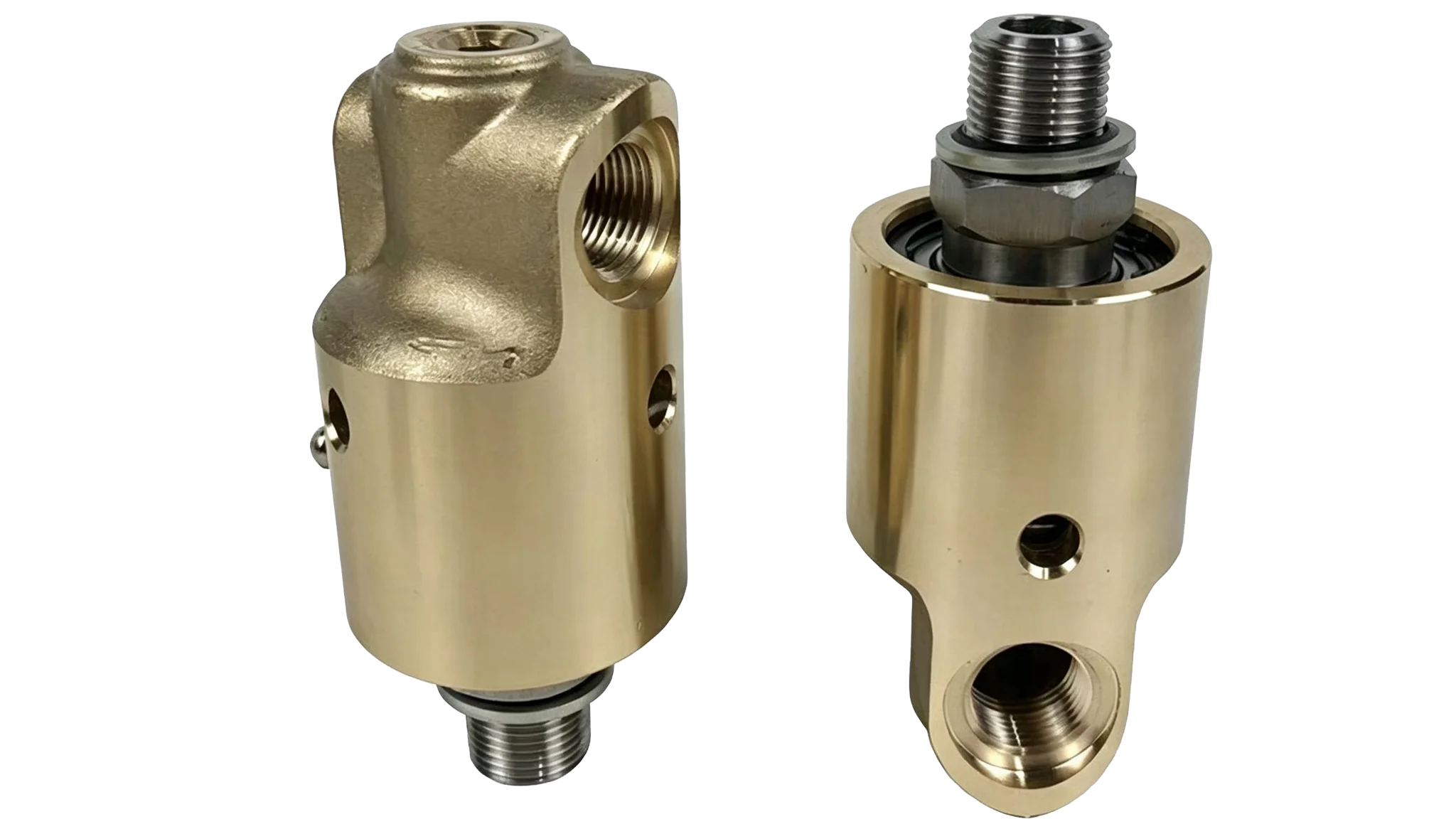
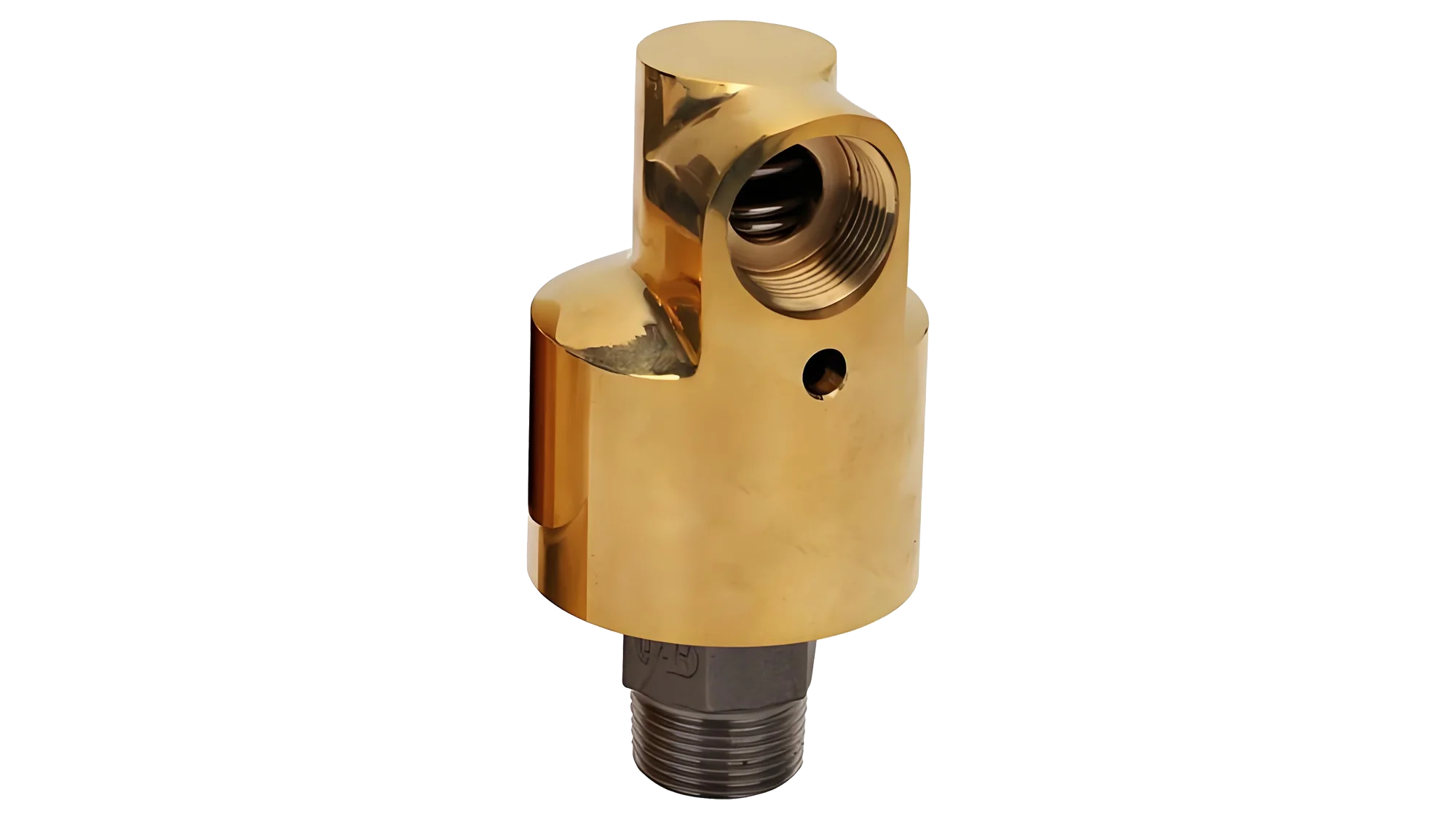
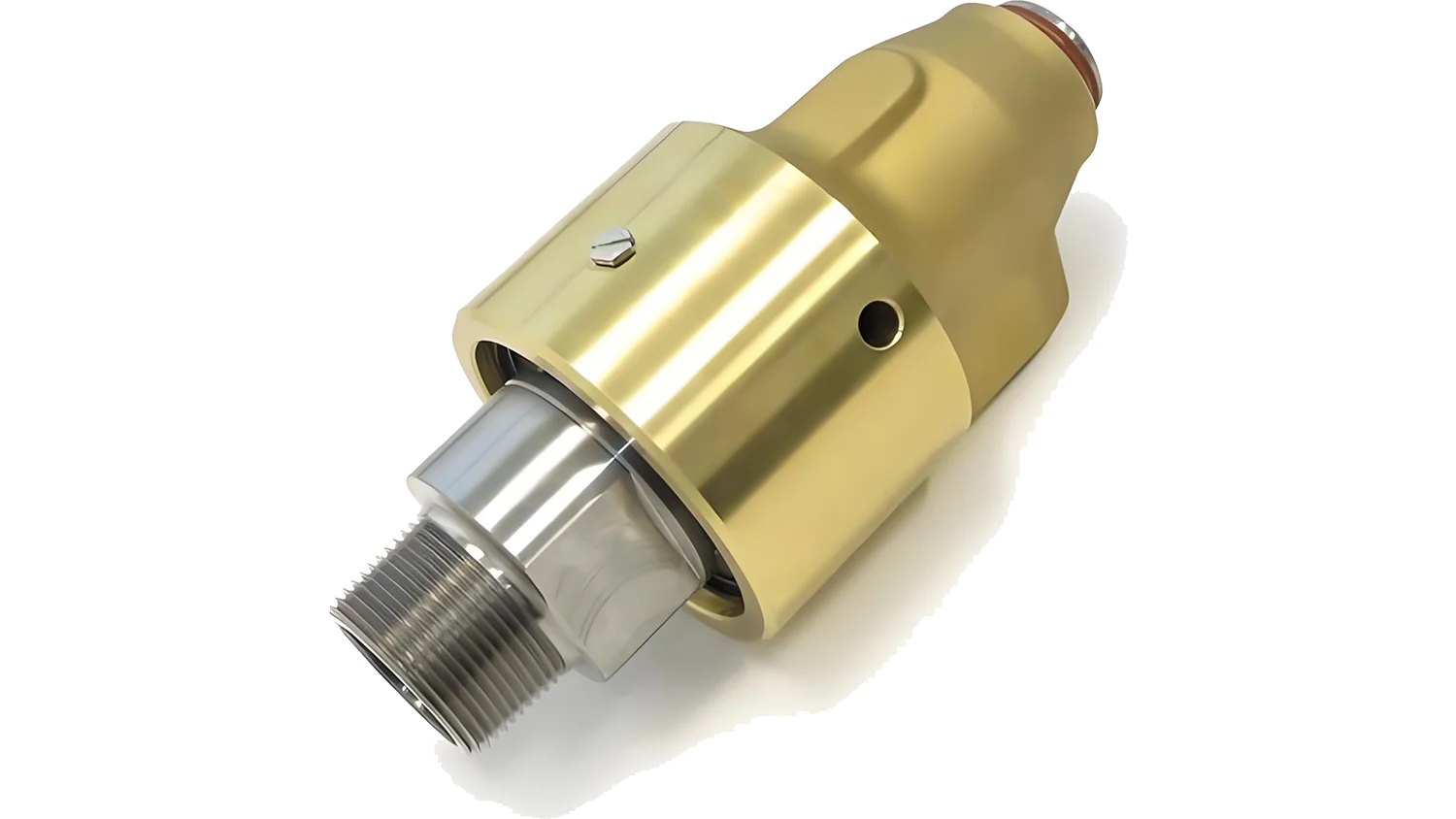
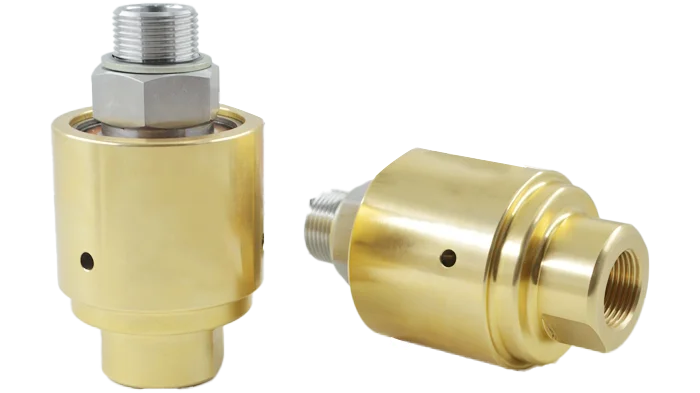
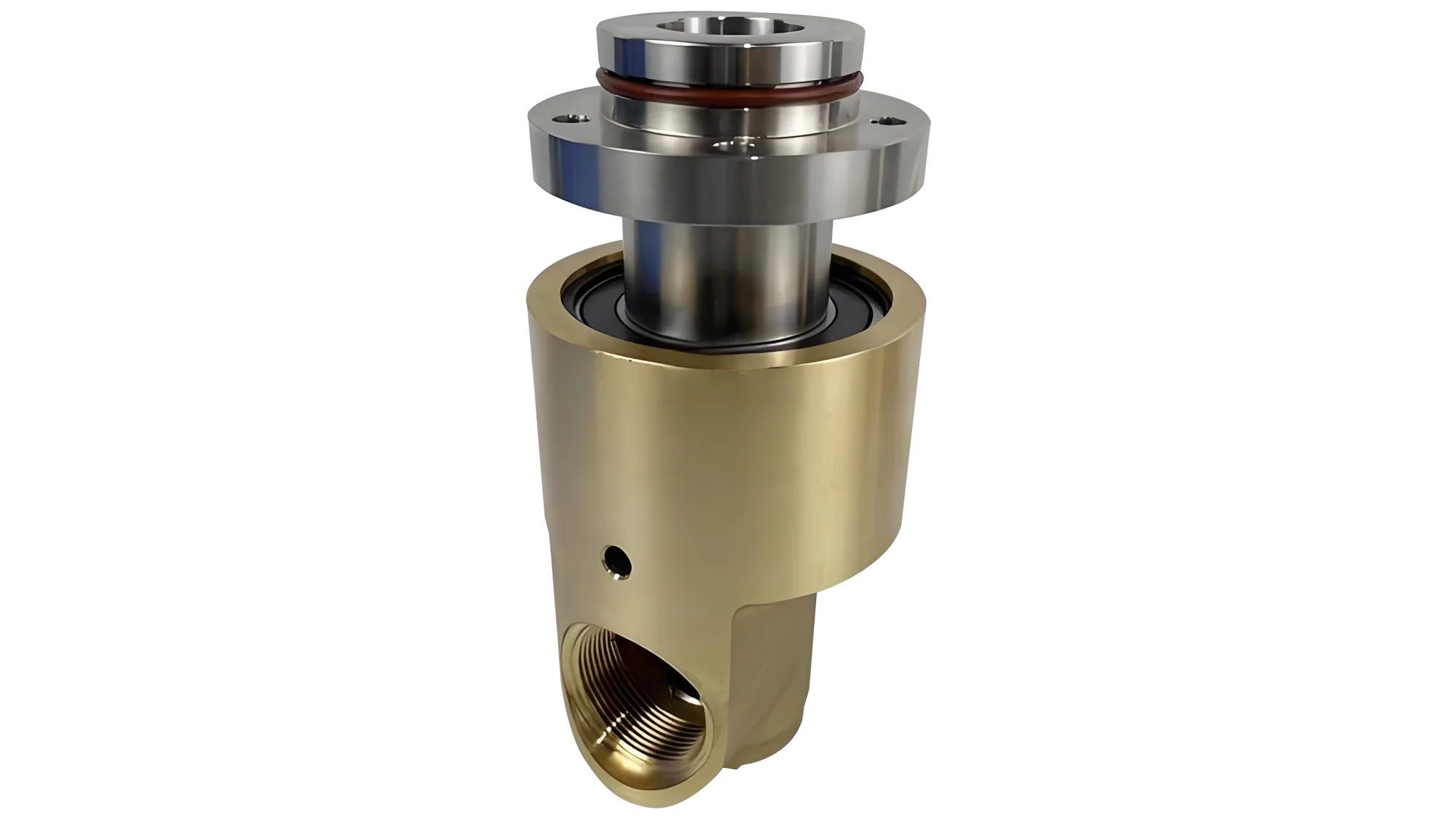
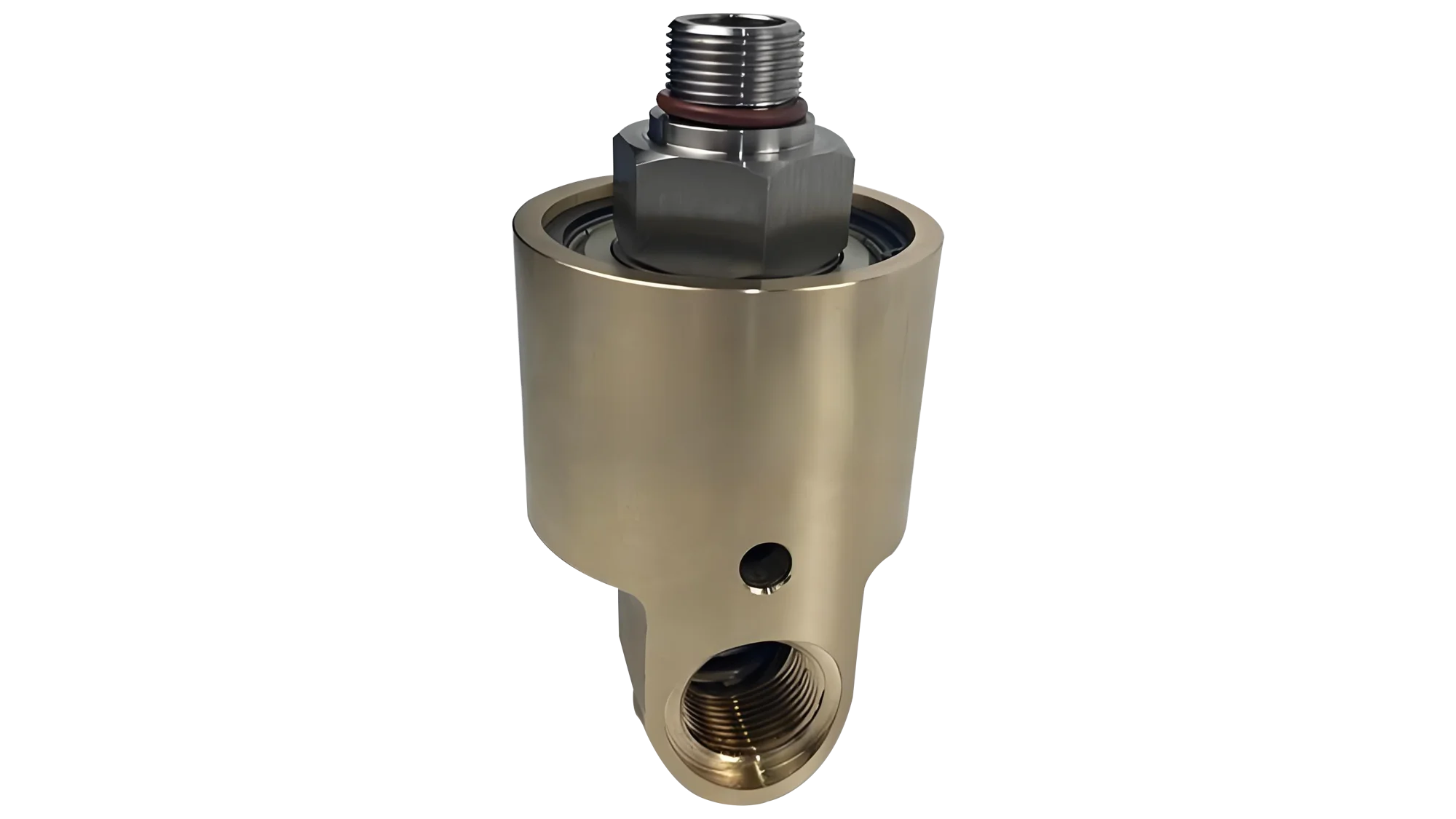
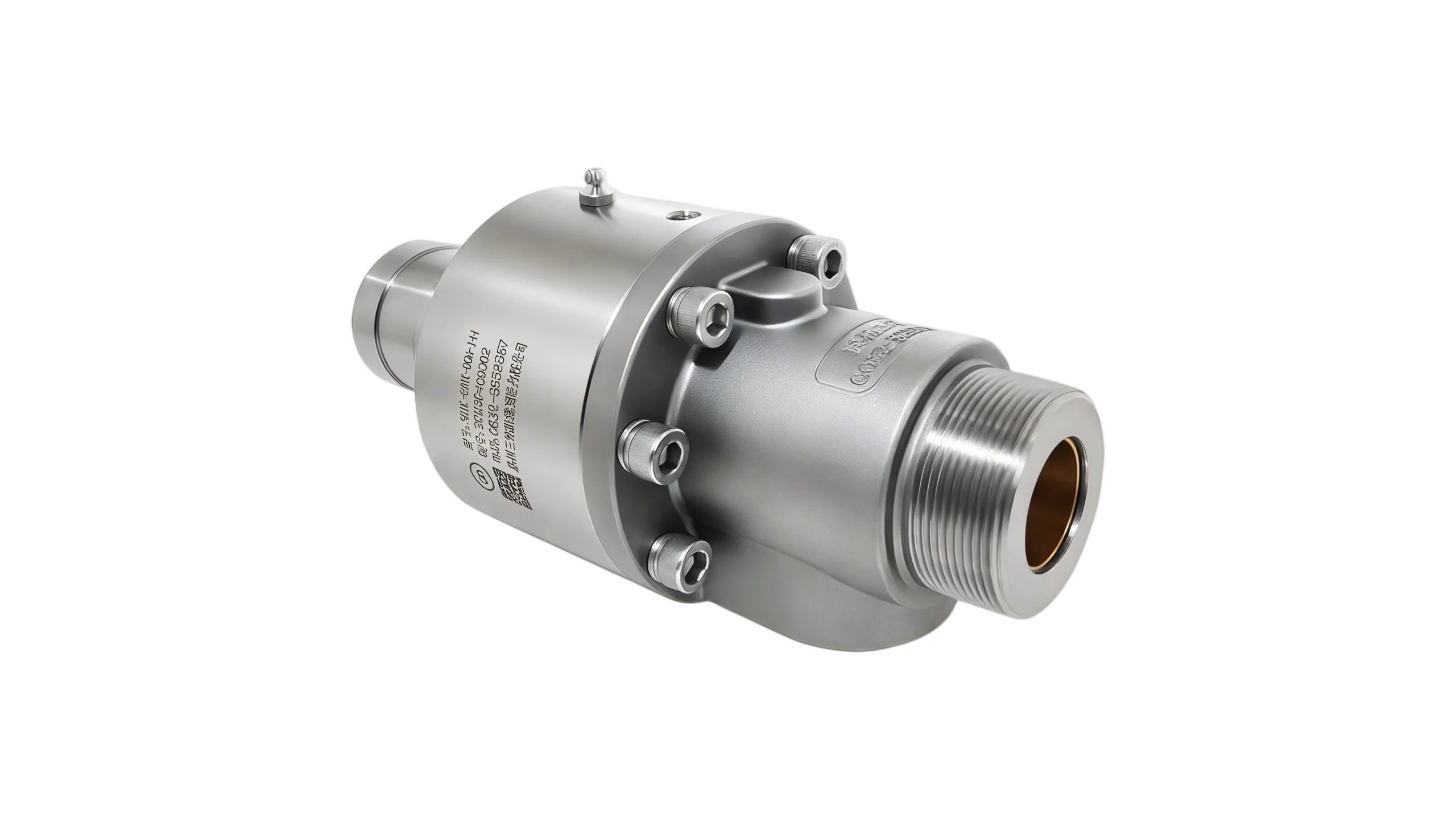
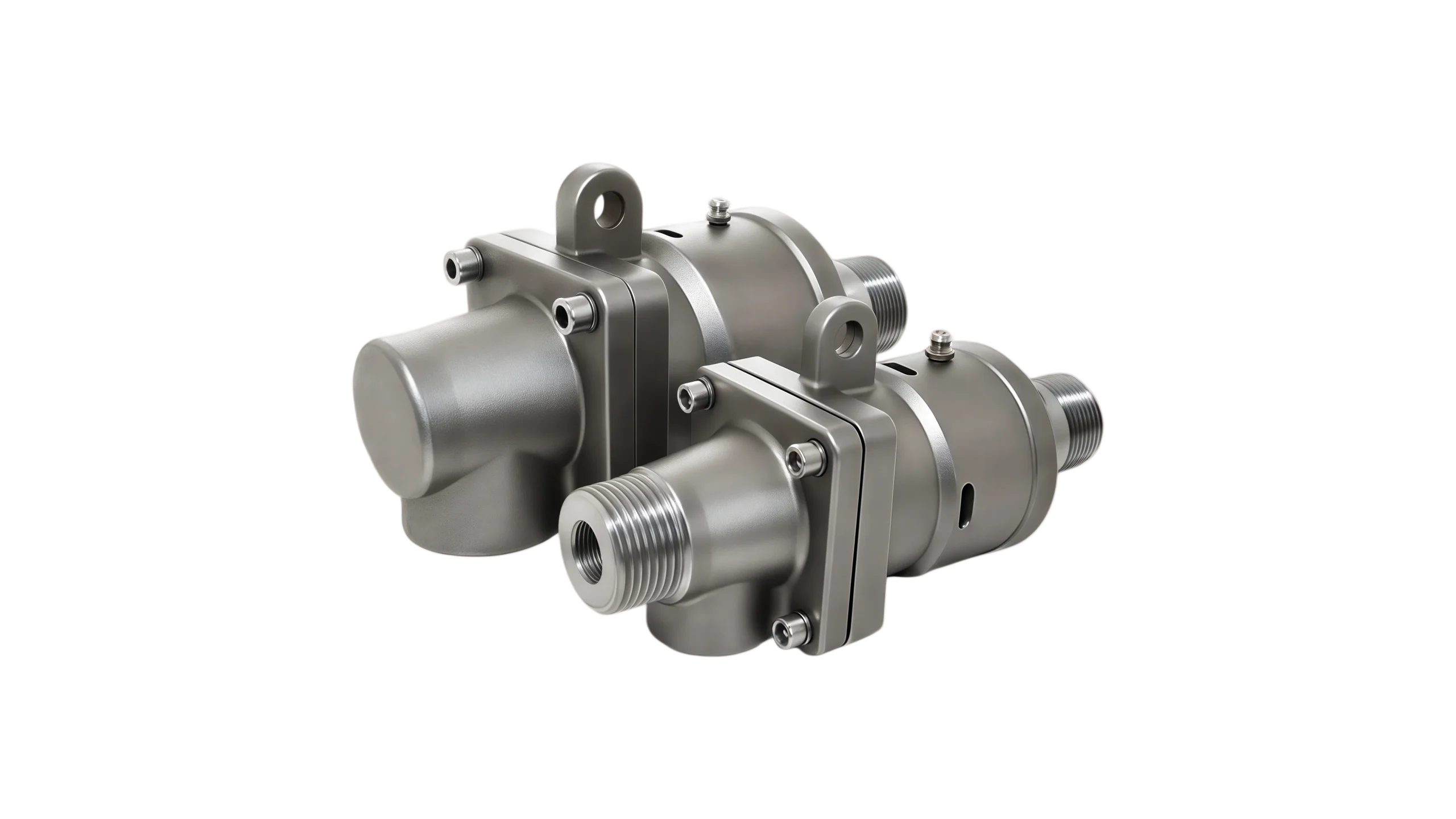
57-000-094 is a 57 series single channel self-supporting rotary joint designed for sealed transmission of media such as water, steam, and hot oil in rotating equipment. Its core features include forged copper shell+stainless steel rotor, E.L.S. long-life seal, lifetime lubricated bearing, and three leakage hole monitoring structure.
57-000-094 is a 57 series single channel self-supporting rotary joint designed for sealed transmission of media such as water, steam, and hot oil in rotating equipment. Its core features include forged copper shell+stainless steel rotor, E.L.S. long-life seal, lifetime lubricated bearing, and three leakage hole monitoring structure.
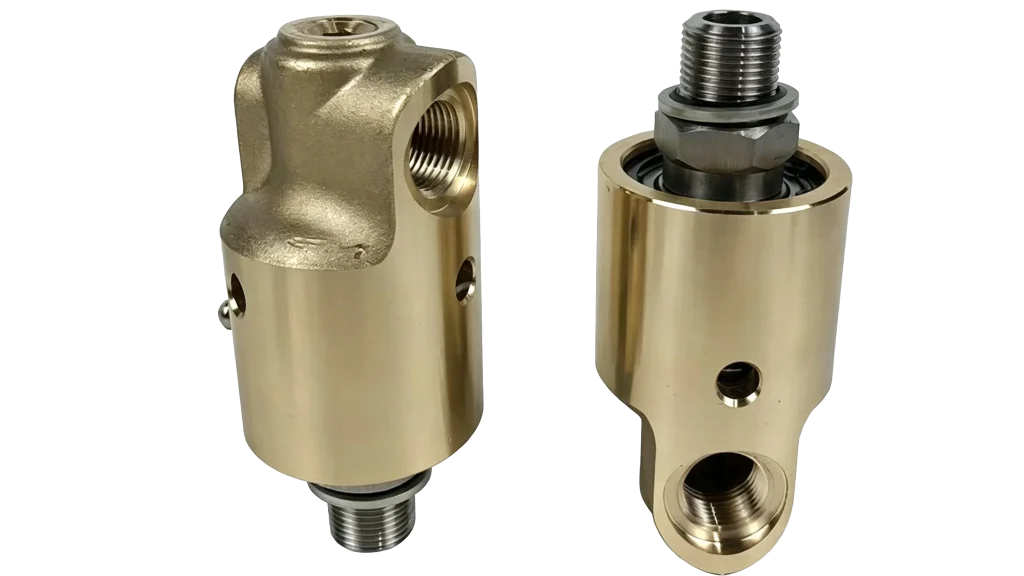
Keeping industrial machinery running smoothly requires top-tier components that can handle continuous mechanical stress. When it comes to reliable fluid transfer, the 57-000-094 swivel union stands out as a highly dependable solution for modern manufacturing facilities. Whether you are managing complex hydraulic systems, coolant lines, or pneumatic controls, choosing the right union fitting is crucial to minimizing downtime and maximizing overall operational efficiency.
The versatility of a premium swivel joint lies in its adaptable construction. When upgrading equipment, engineers must prioritize selecting hydraulic rotary union materials—such as stainless steel or specialized alloys—to ensure long-term resistance to corrosion and abrasive wear.
The 57-000-094 swivel union is engineered to accommodate diverse operational demands. It supports varying system architectures, allowing engineers to choose between a dual flow vs single flow design depending on whether the machinery needs to supply and return fluids through a single rotating connection. Furthermore, this component excels among low torque fluid transfer solutions, significantly reducing mechanical strain and energy consumption on connected drive systems. Because of its robust internal design, it easily handles a broad spectrum of compatible fluids for industrial swivels, ranging from chilled water to synthetic thermal oils and compressed gases.
Proper setup is vital for immediate system success. If operators experience initial binding or minor drips upon startup, referencing standard rotary joint installation troubleshooting guidelines can quickly resolve most alignment issues. Before commissioning any system, you must always verify the maximum operating pressure for rotary joints to prevent dangerous equipment blowouts.
Environmental conditions also play a critical role in system integrity. Accounting for swivel union thermal expansion factors during the installation phase ensures that drastic temperature fluctuations won’t compromise the structural integrity or cause the connection points to warp.
Consistent high-speed swivel union maintenance is the absolute best strategy for extending rotary joint lifespan. Maintenance teams must stay vigilant for early signs of rotary seal failure, such as unexpected pressure drops, unusual grinding noises, or visible fluid weeping at the connection point. When evaluating internal wear, understanding the dynamic differences of a mechanical seal vs carbon bearings helps technicians accurately diagnose the root cause of friction and excessive vibration.
To keep your systems operating flawlessly, integrate these actionable tips into your maintenance routine:
Investing time in proper maintenance and understanding the intricate mechanics of your fluid transfer equipment yields massive long-term dividends. By prioritizing routine technical inspections and utilizing high-quality assemblies, you can ensure seamless, leak-free operations across your entire facility.
Single channel and dual channel design
Self supporting rotary connector
Radial shell connection
Balanced mechanical seal
Compression rotor seal
Convenient and quick replacement of seals
Lifetime lubricated ball bearings
E. L.S. (Long Life) sealing combination for poor quality water
Three leakage holes
Forged copper shell and stainless steel rotor
Special options, including threaded leakage ports
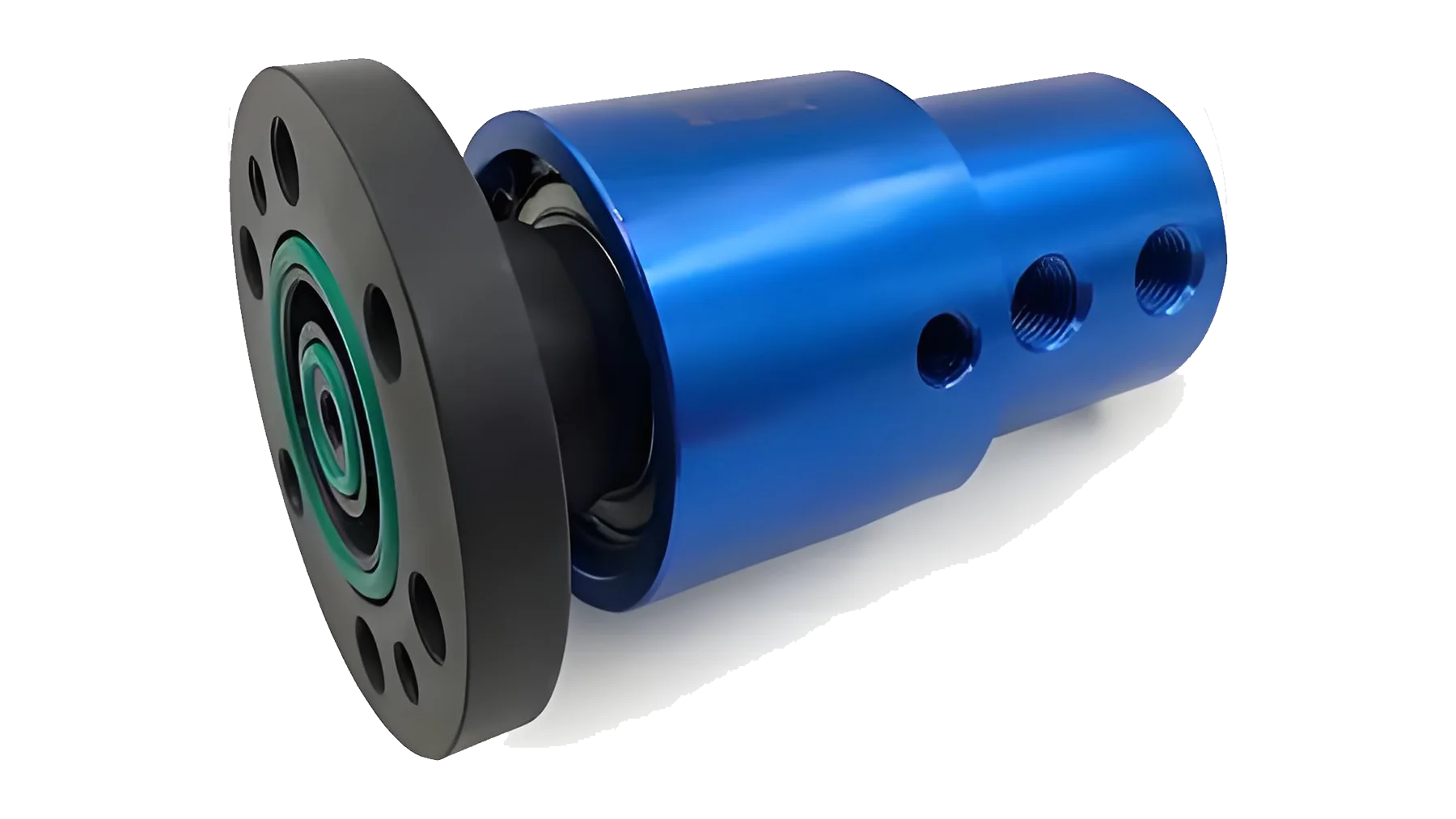
A rotary joint is a sealing device that connects stationary pipelines and rotating equipment, achieving leak free fluid transmission under 360 ° rotation. It allows fluid media to flow smoothly between fixed pipelines and rotating machines, and is a key component in industrial equipment
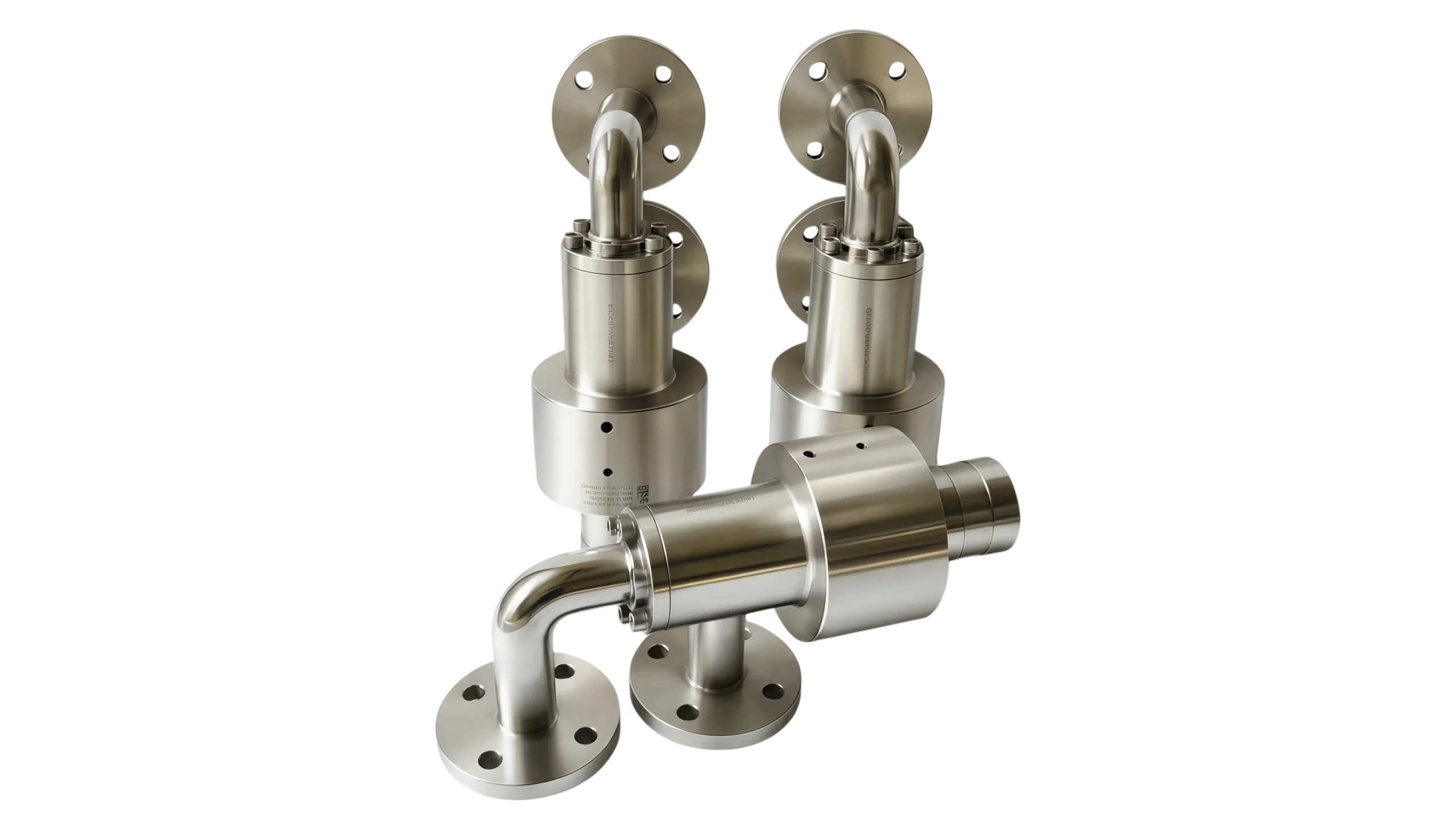
F90 swivel unions Transporting equipment components from a fixed pipeline system to high-speed rotating or reciprocating motion
Q32 swivel unions
JD40 rotary joint is a key sealing component in industrial fluid transmission systems, usually referring to a rotary connection device with a diameter of DN40 (or corresponding British caliber). As a transitional sealing device that transports fluid media (such as water, steam, hydraulic oil, thermal oil, compressed air, etc.) from static pipelines to dynamic rotating or swinging equipment