 rotary jointsrotary joints
Search the whole station
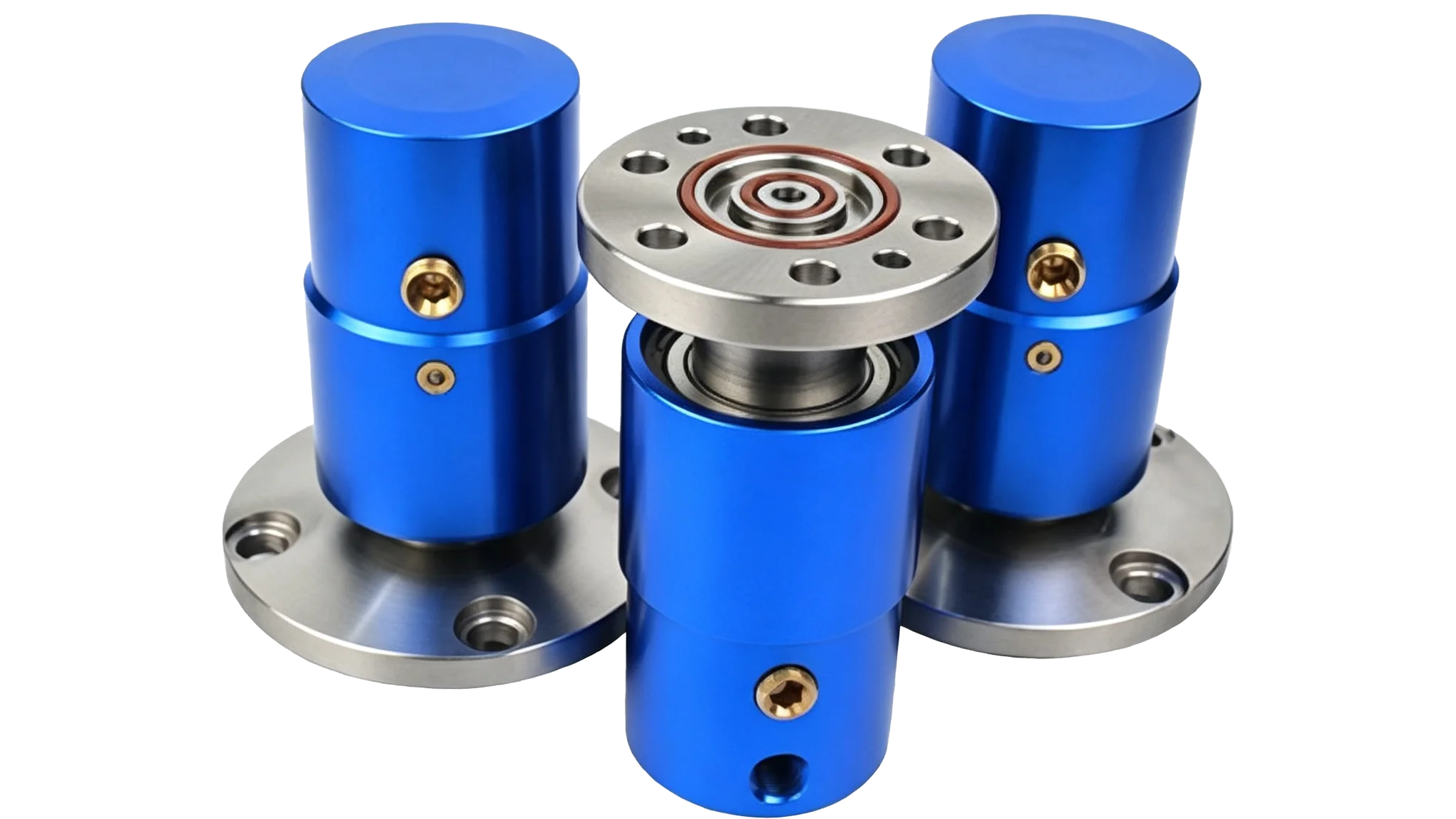
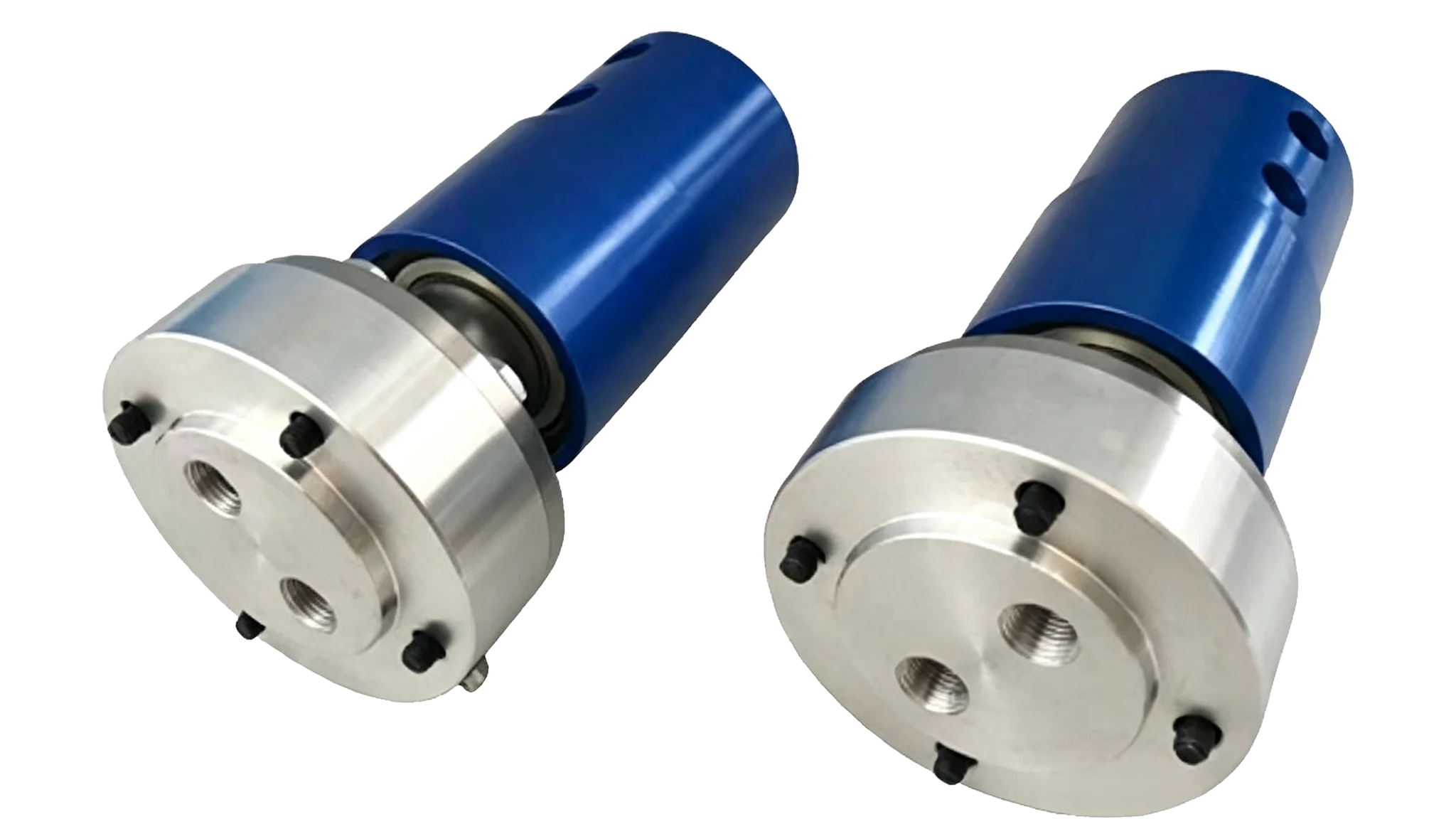
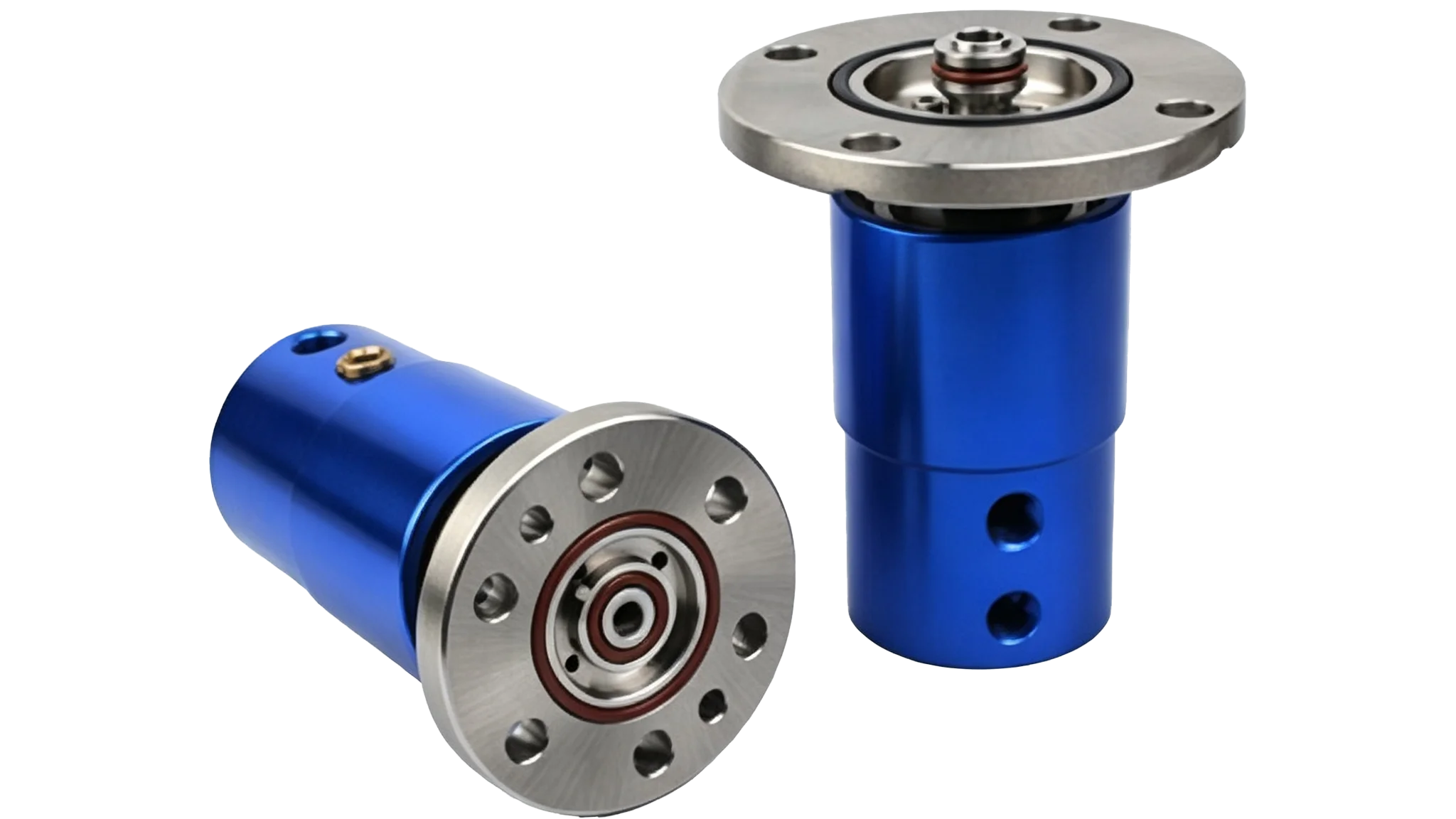
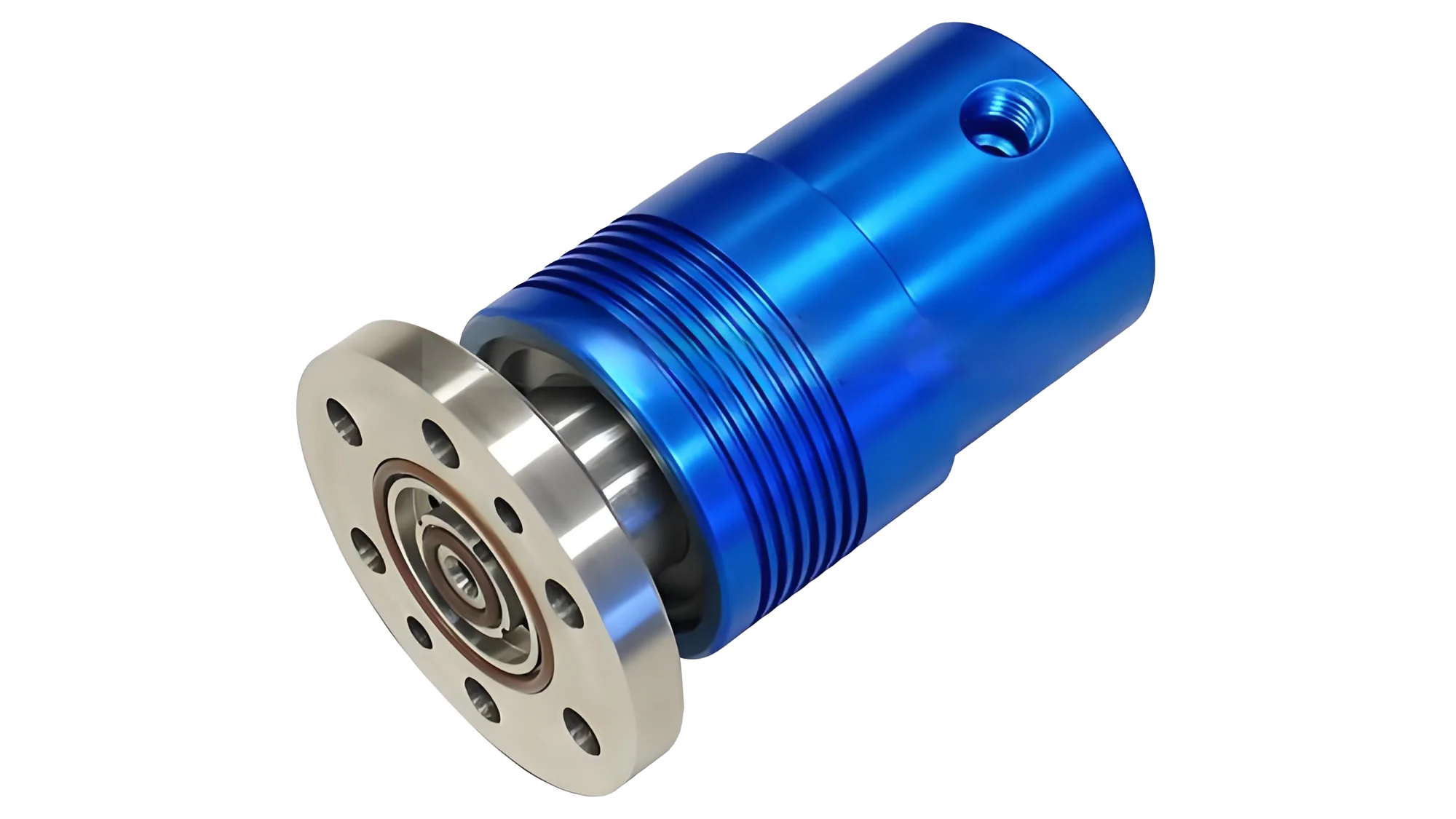
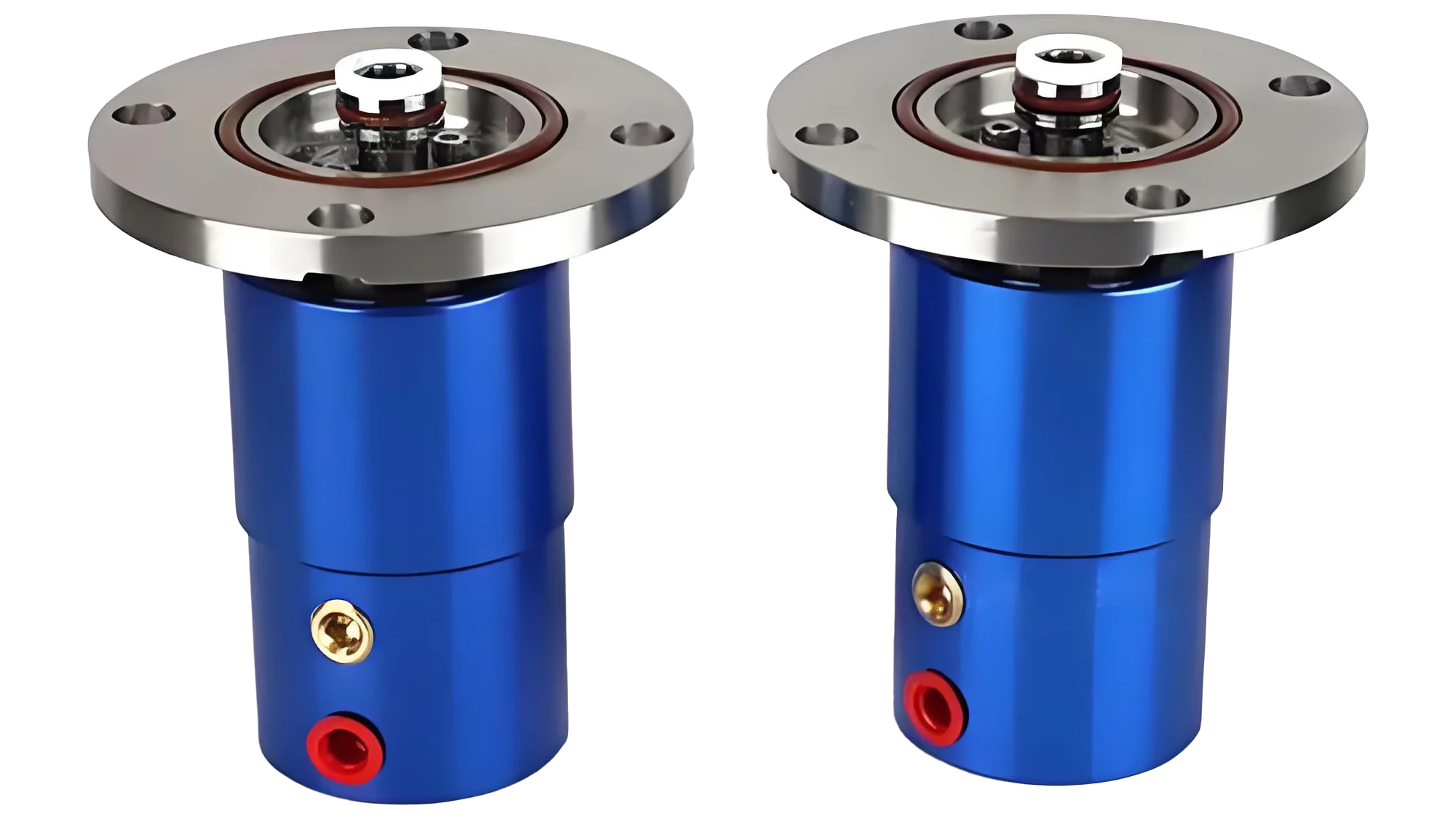
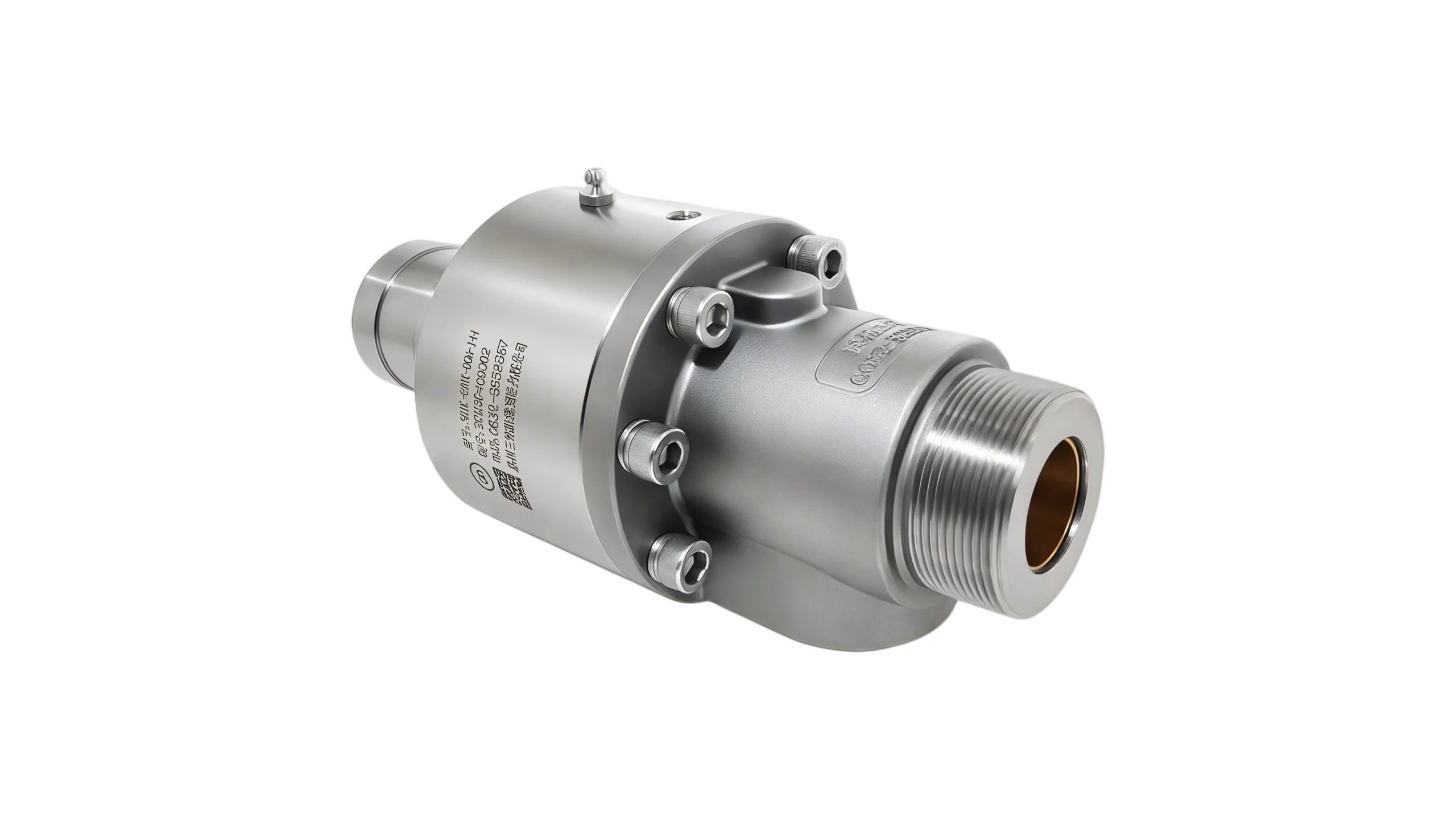
Optimize your machinery with 2620-000-157 swivel unions for efficient fluid power transmission. Connects with hydraulic and hose fittings for versatile, reliable performance.
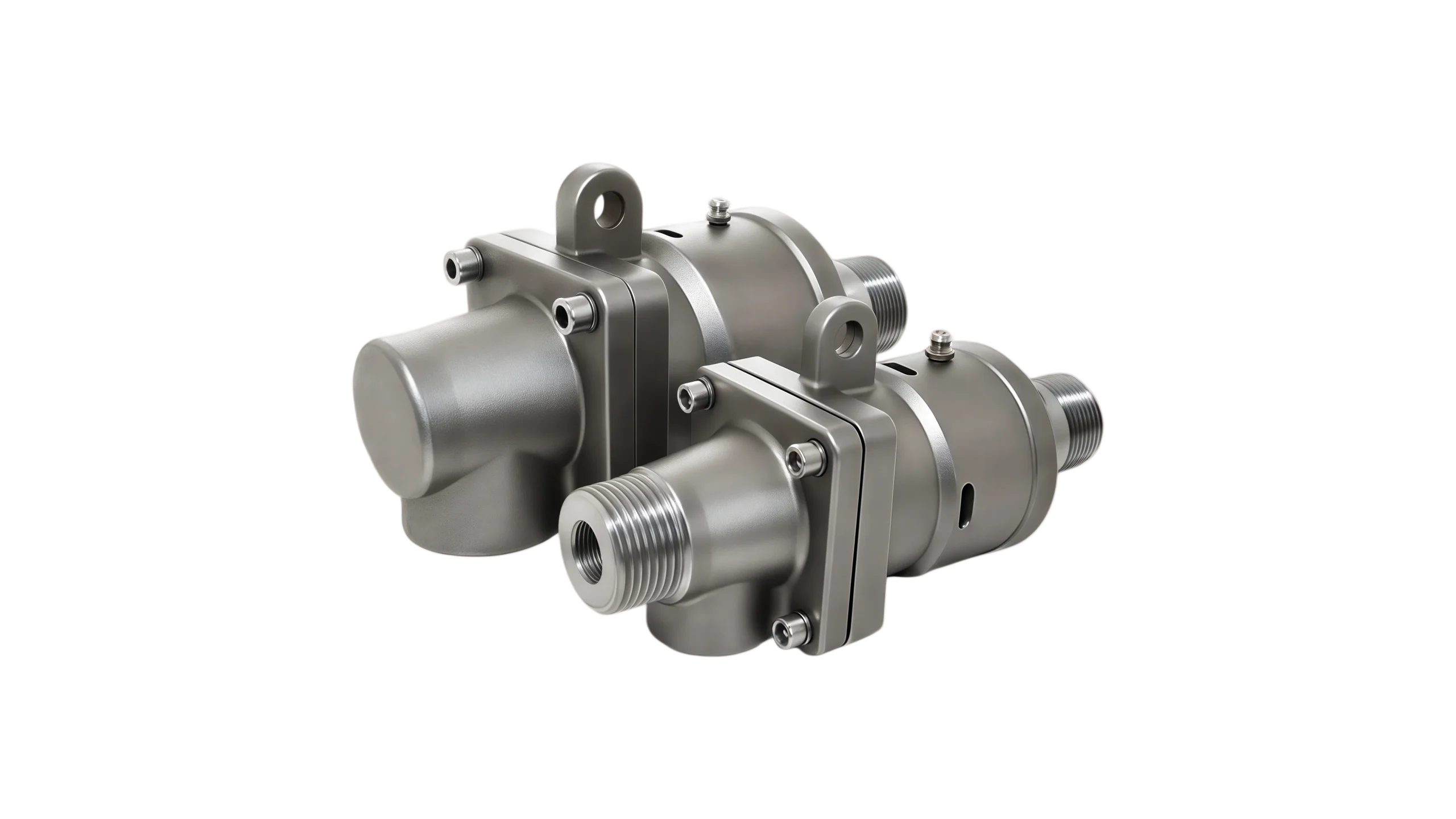
When optimizing industrial machinery, few components are as critical to your infrastructure as 2620-000-157 swivel unions. These specialized devices act as the secure lifeline between stationary pipes and rotating equipment, ensuring absolute fluid power transmission efficiency. Whether you are routing water, thermal oil, or compressed air, utilizing reliable industrial fluid transfer swivel joints prevents catastrophic leaks and avoids costly production downtime.
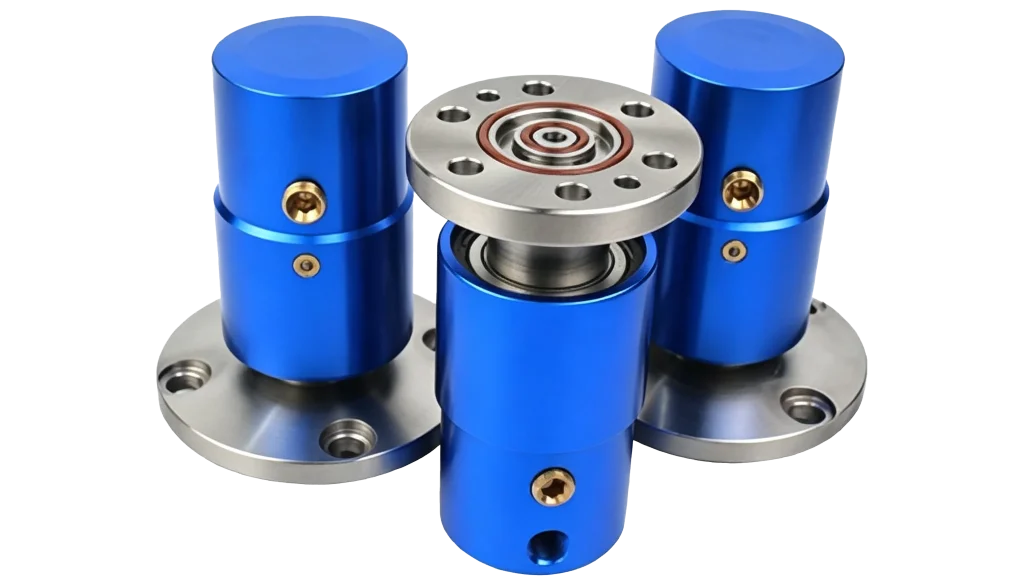
Before integrating these components, it is helpful to clarify the rotary union vs swivel joint differences. While often used interchangeably in the field, traditional rotary unions typically handle higher speeds and continuous, 360-degree rotation. Conversely, basic swivel joints usually manage slower, oscillating movements.
The design of 2620-000-157 swivel unions beautifully bridges this gap. They connect seamlessly with standard hydraulic fittings and standard hose fittings for highly versatile applications, making them one of the most effective high-speed coolant transmission solutions available for modern CNC machining.
What makes this specific union stand out in a crowded market? It comes down to premium internal engineering:
Plant managers frequently ask, “Why do rotary joints fail?” Most often, the culprits are abrasive media, improper alignment, or simply neglected upkeep. Implementing a consistent routine for high pressure hydraulic rotary union maintenance is vital for facility safety and efficiency.
Here are actionable strategies for maintaining your equipment:
Investing time in understanding and maintaining your fluid transfer systems pays massive dividends. By prioritizing proper installation and proactive care for your swivel mechanisms, you guarantee a safer, more productive operation. Choose quality components, respect their operational limits, and your heavy machinery will run seamlessly for years to come.
A rotary joint is a sealing device that connects stationary pipelines and rotating equipment, achieving leak free fluid transmission under 360 ° rotation. It allows fluid media to flow smoothly between fixed pipelines and rotating machines, and is a key component in industrial equipment
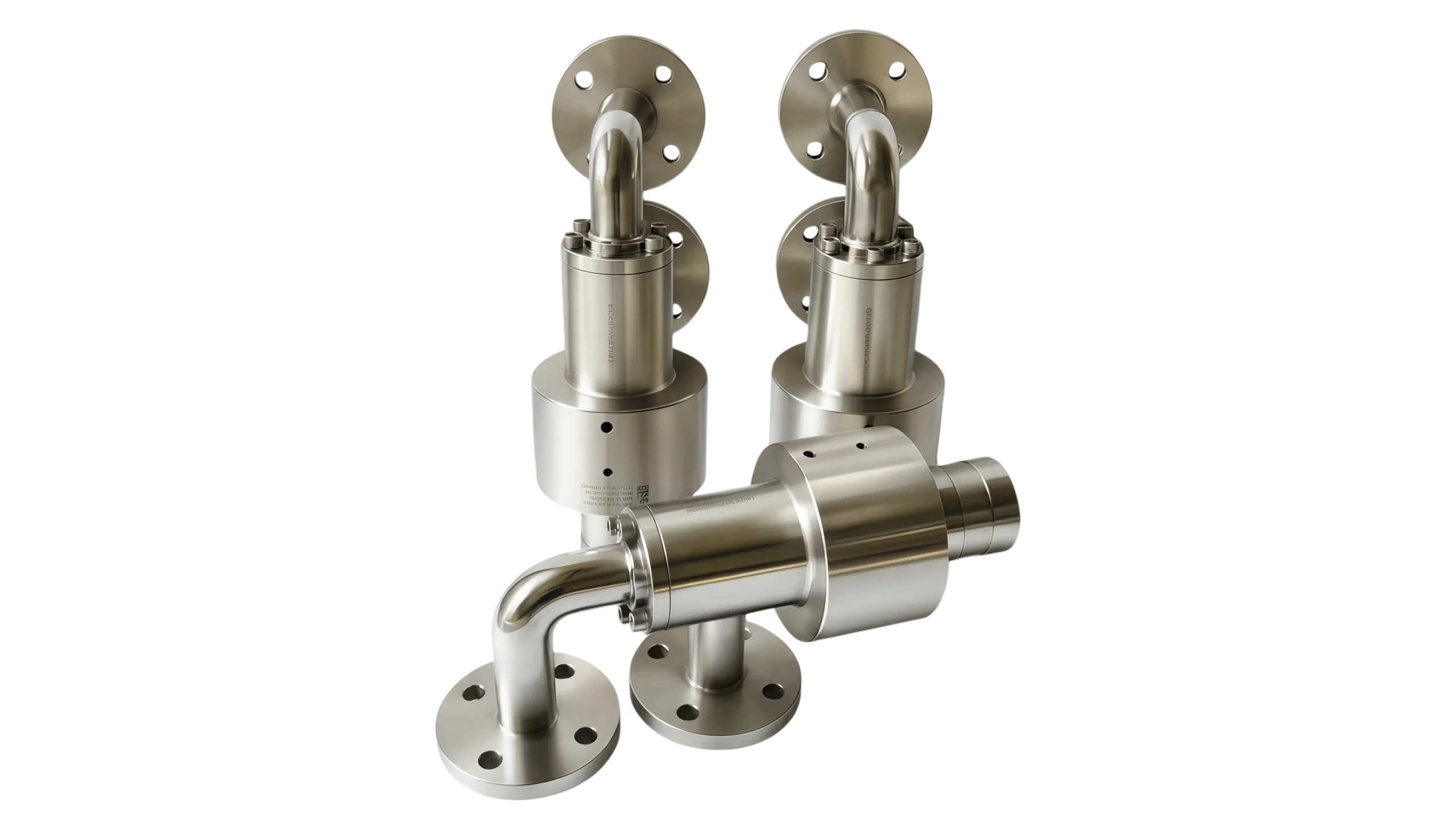
F90 swivel unions Transporting equipment components from a fixed pipeline system to high-speed rotating or reciprocating motion
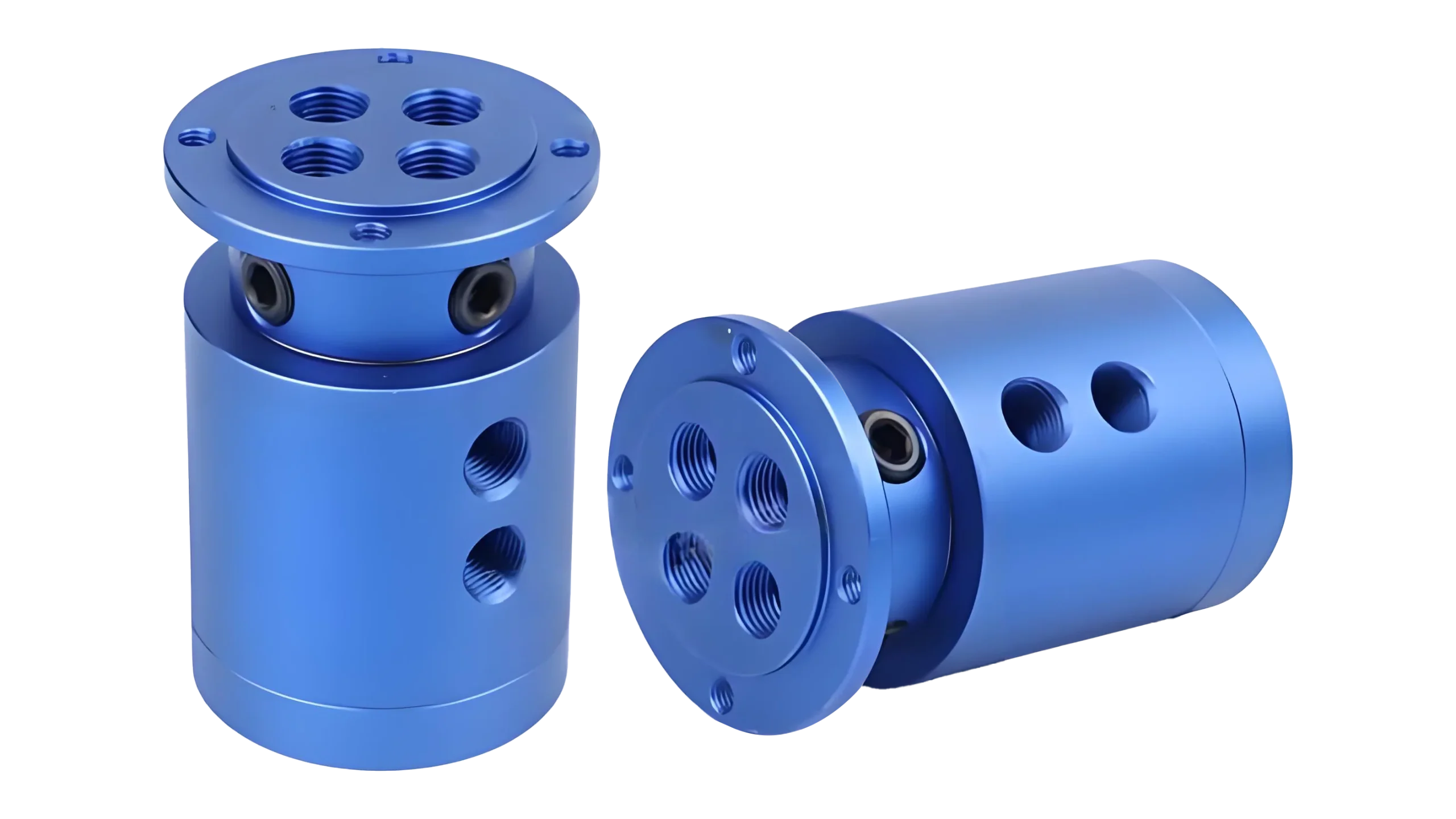
Q32 swivel unions
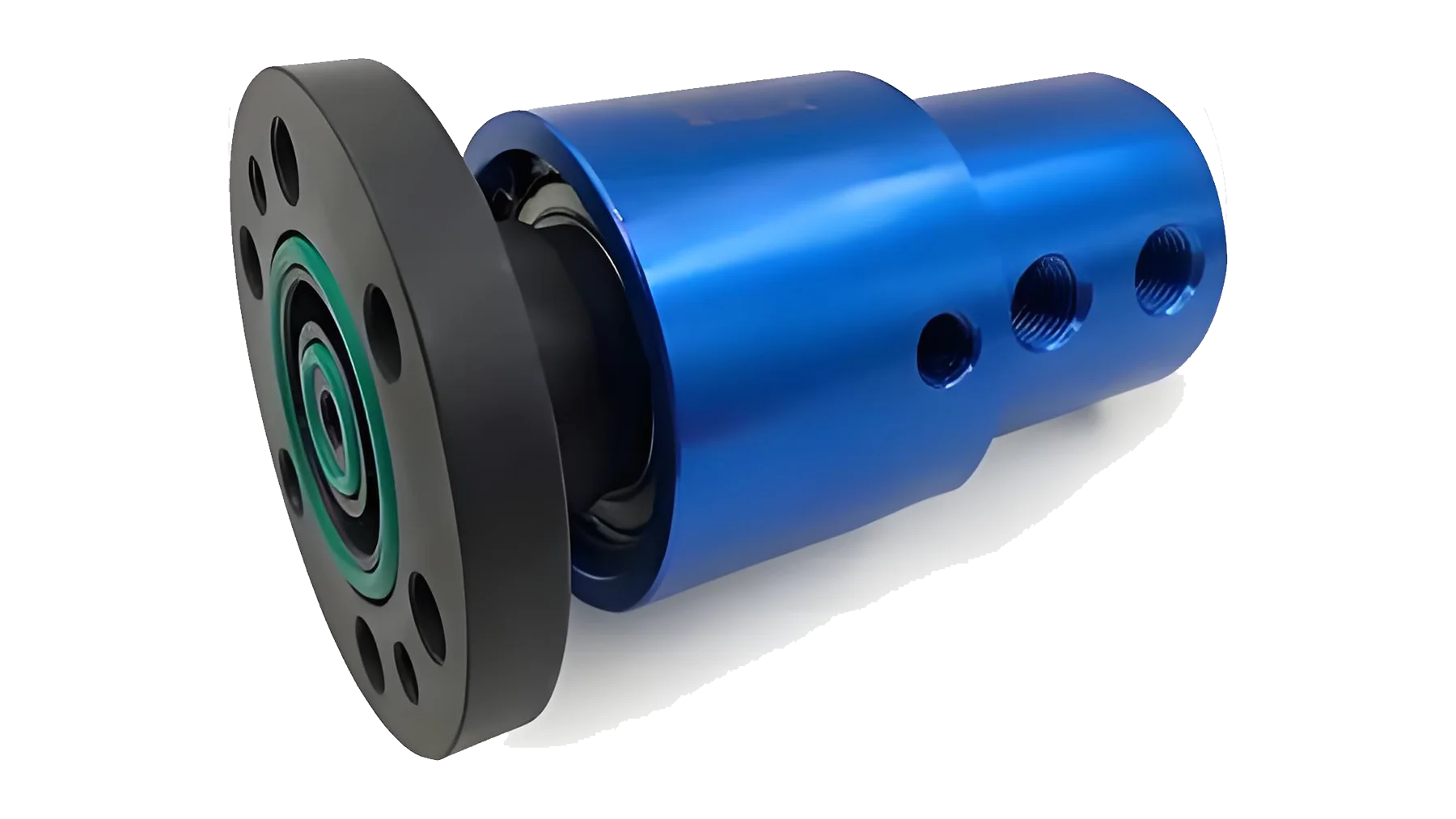
JD40 rotary joint is a key sealing component in industrial fluid transmission systems, usually referring to a rotary connection device with a diameter of DN40 (or corresponding British caliber). As a transitional sealing device that transports fluid media (such as water, steam, hydraulic oil, thermal oil, compressed air, etc.) from static pipelines to dynamic rotating or swinging equipment