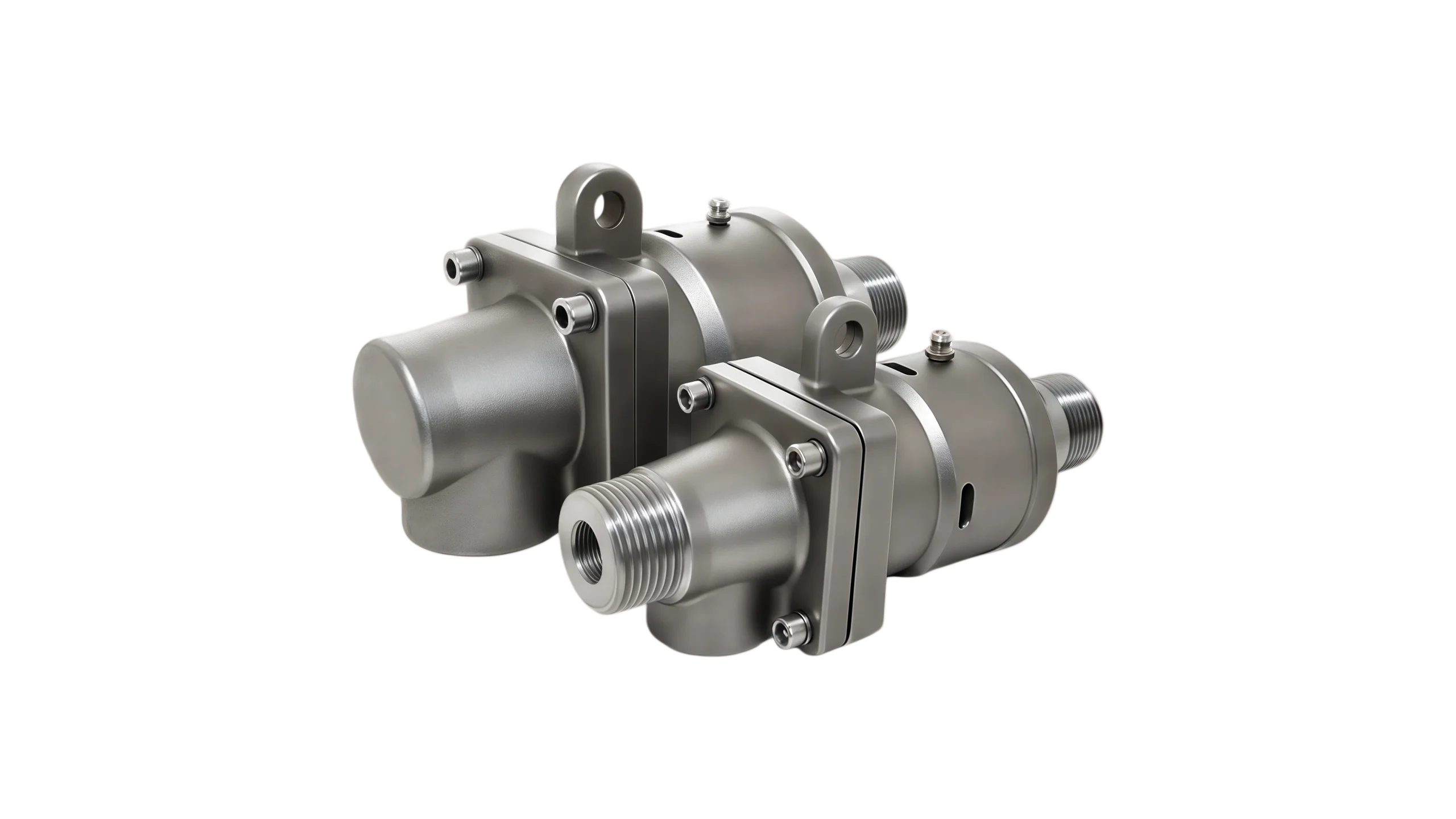
 rotary jointsrotary joints
Search the whole station
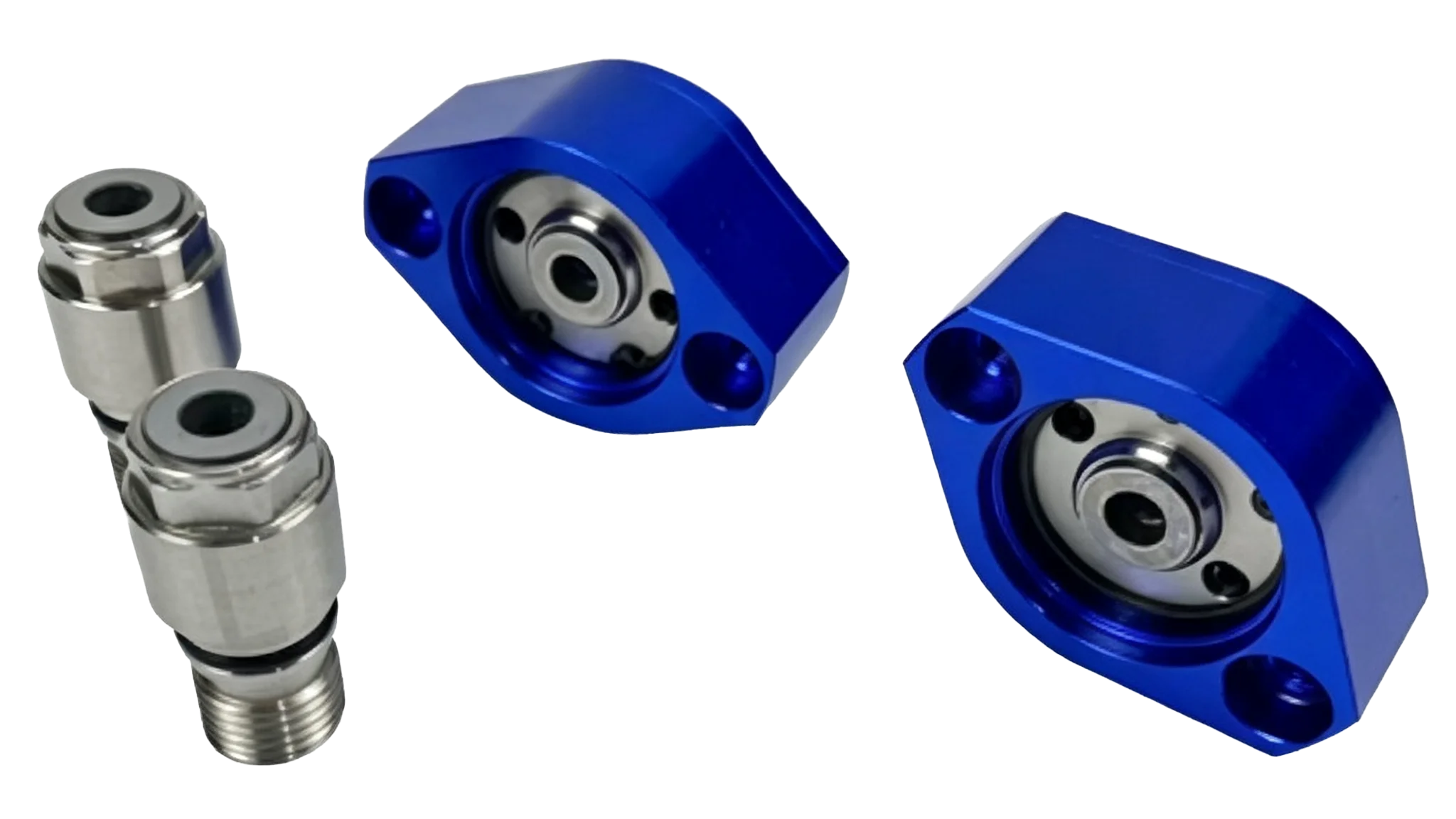
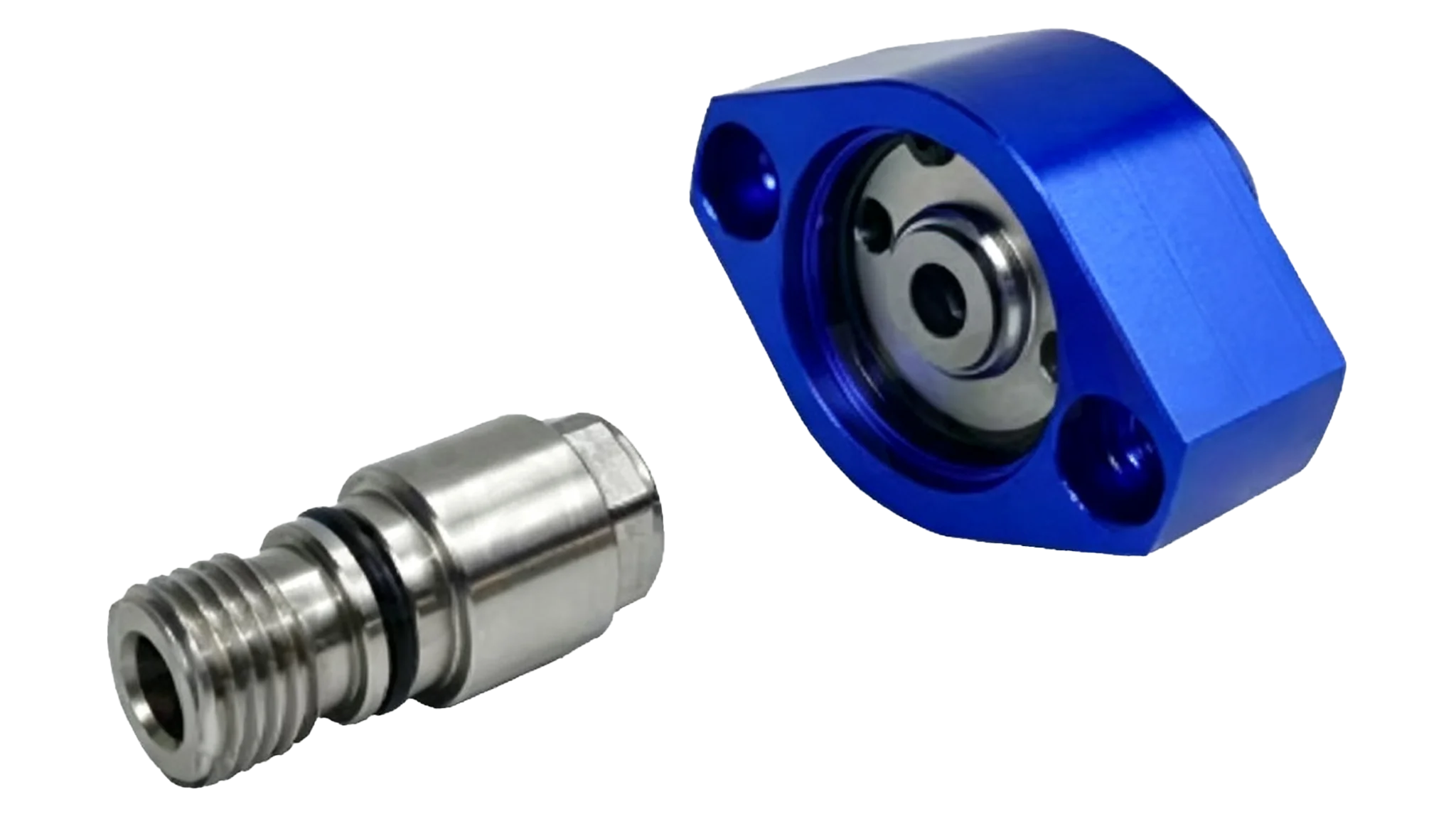
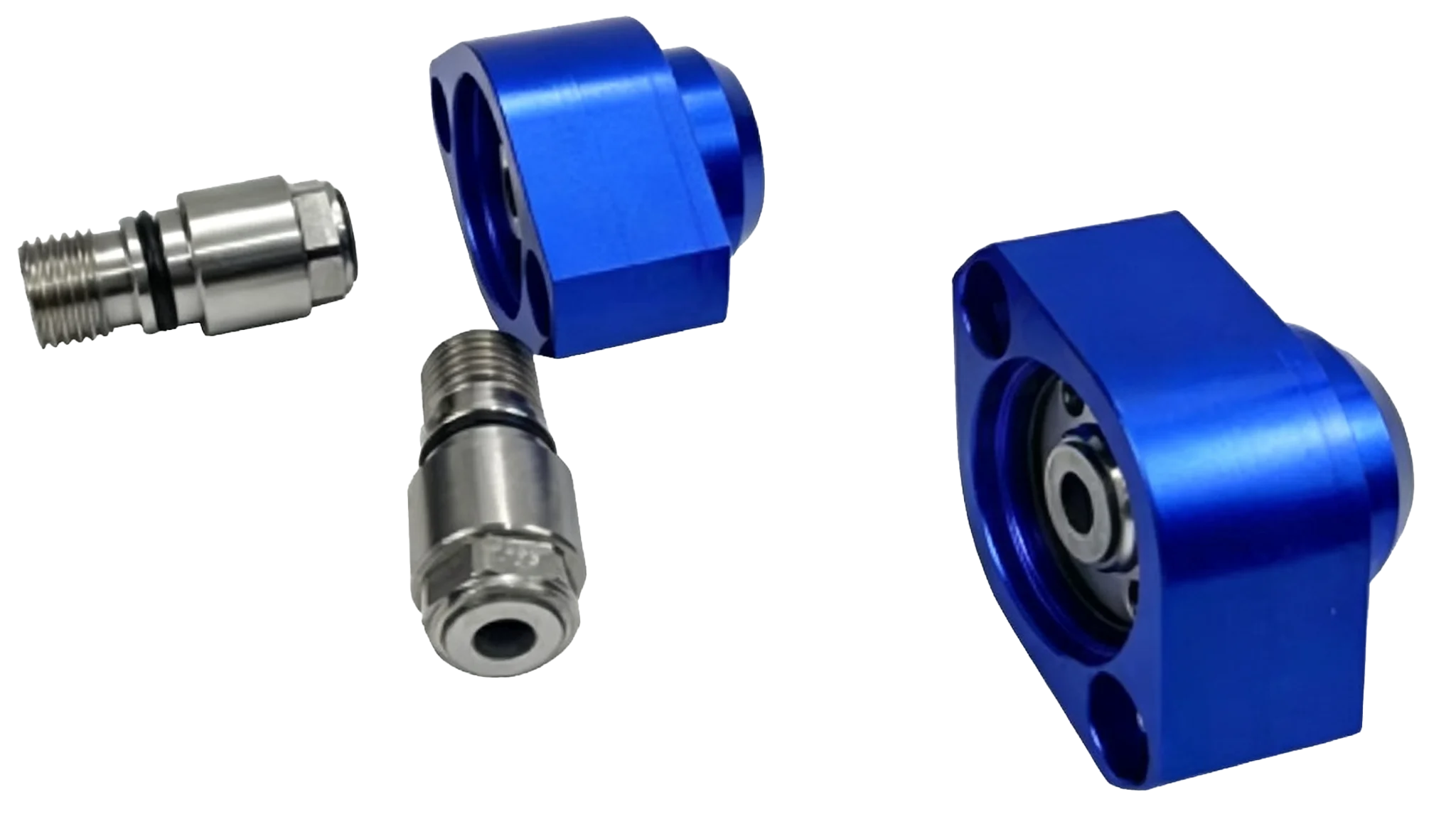
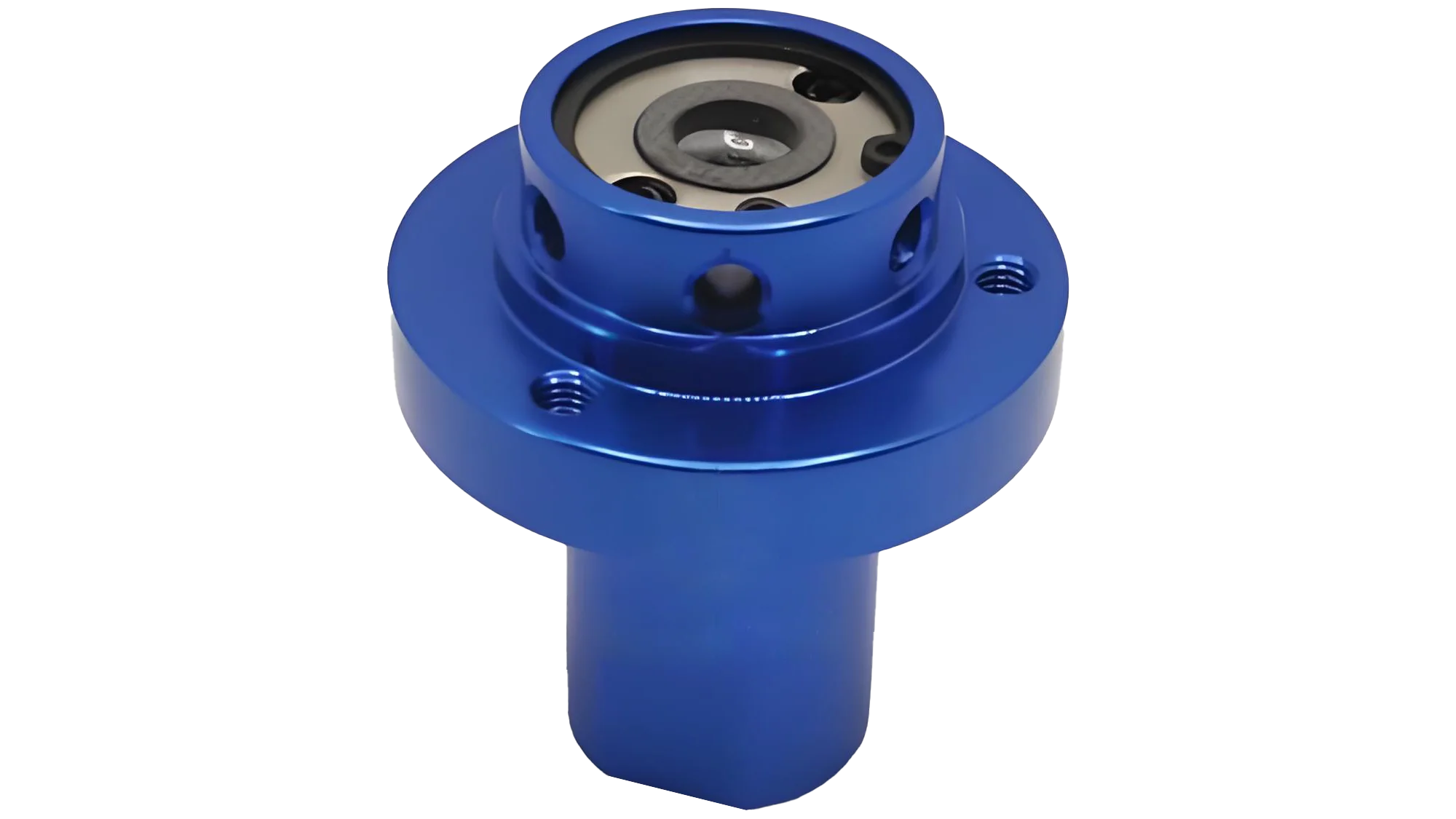
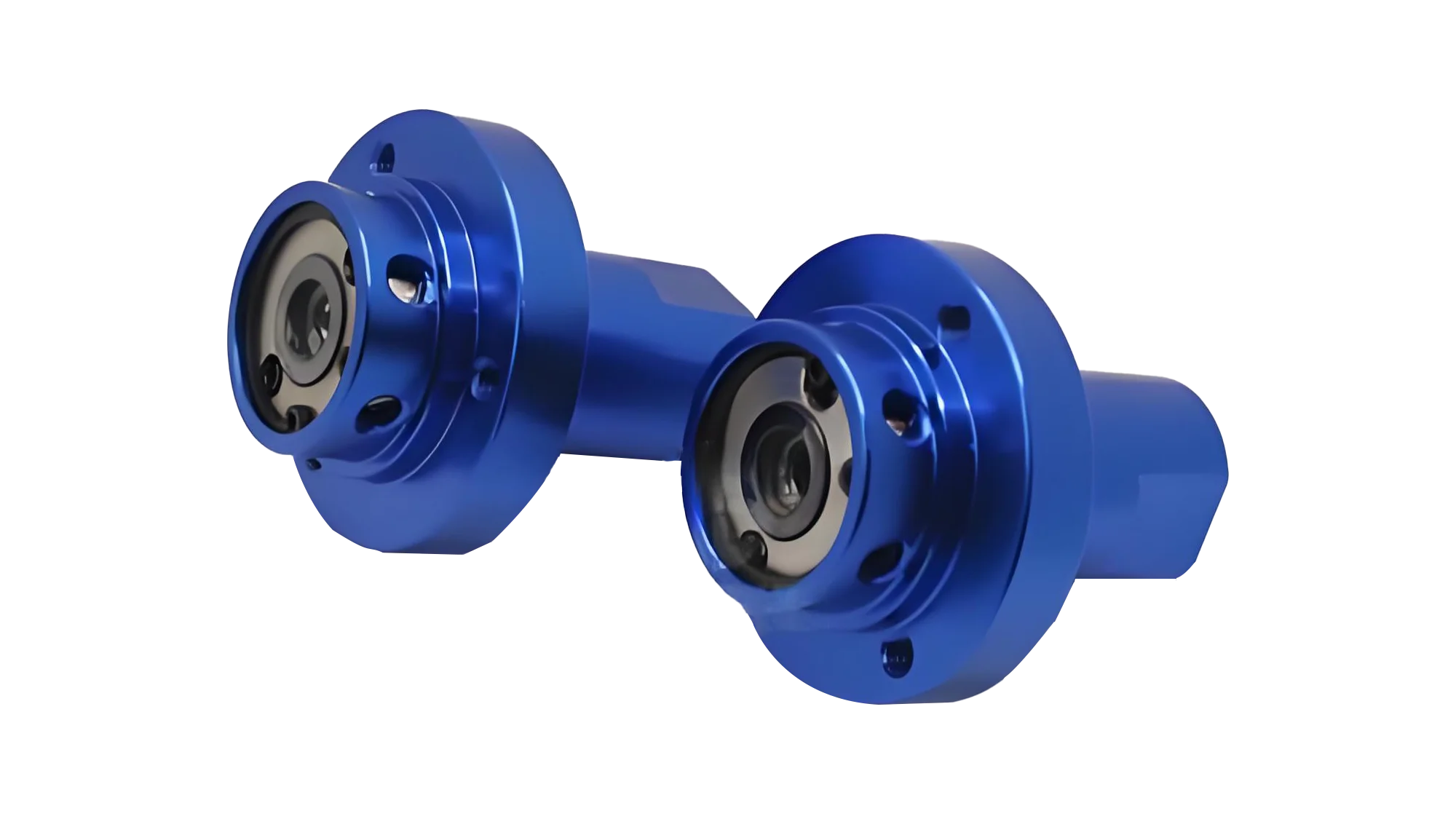
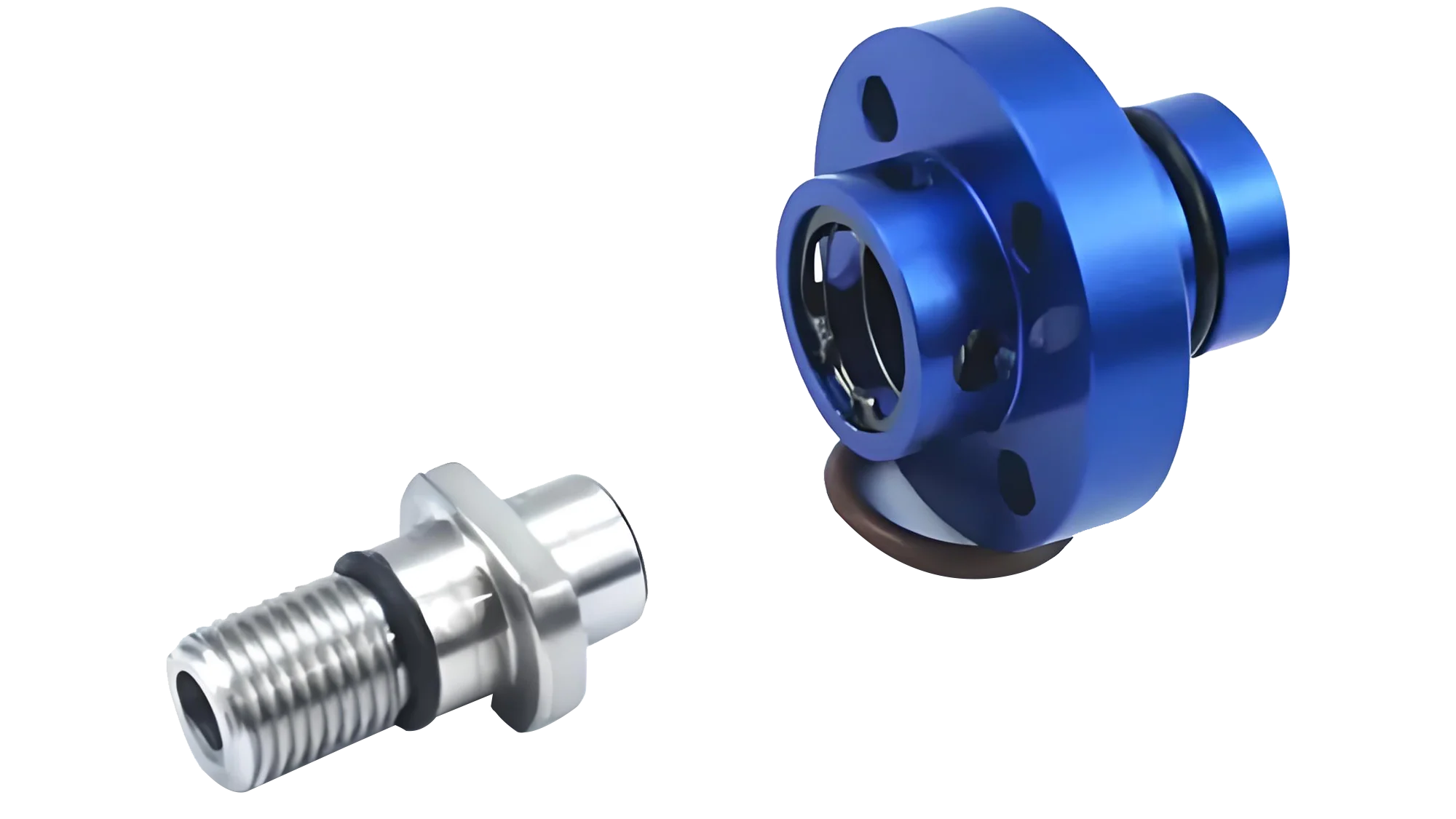
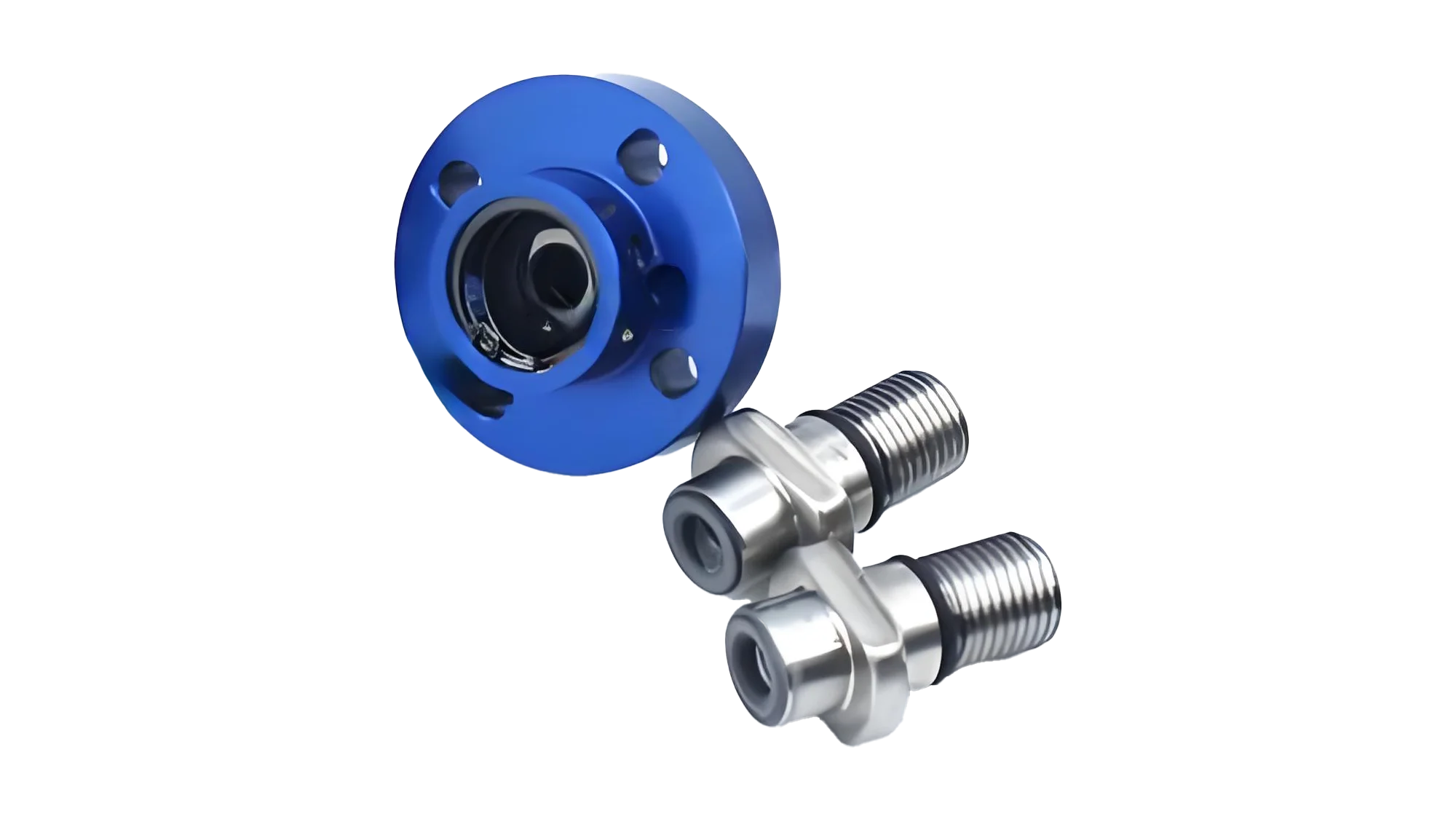
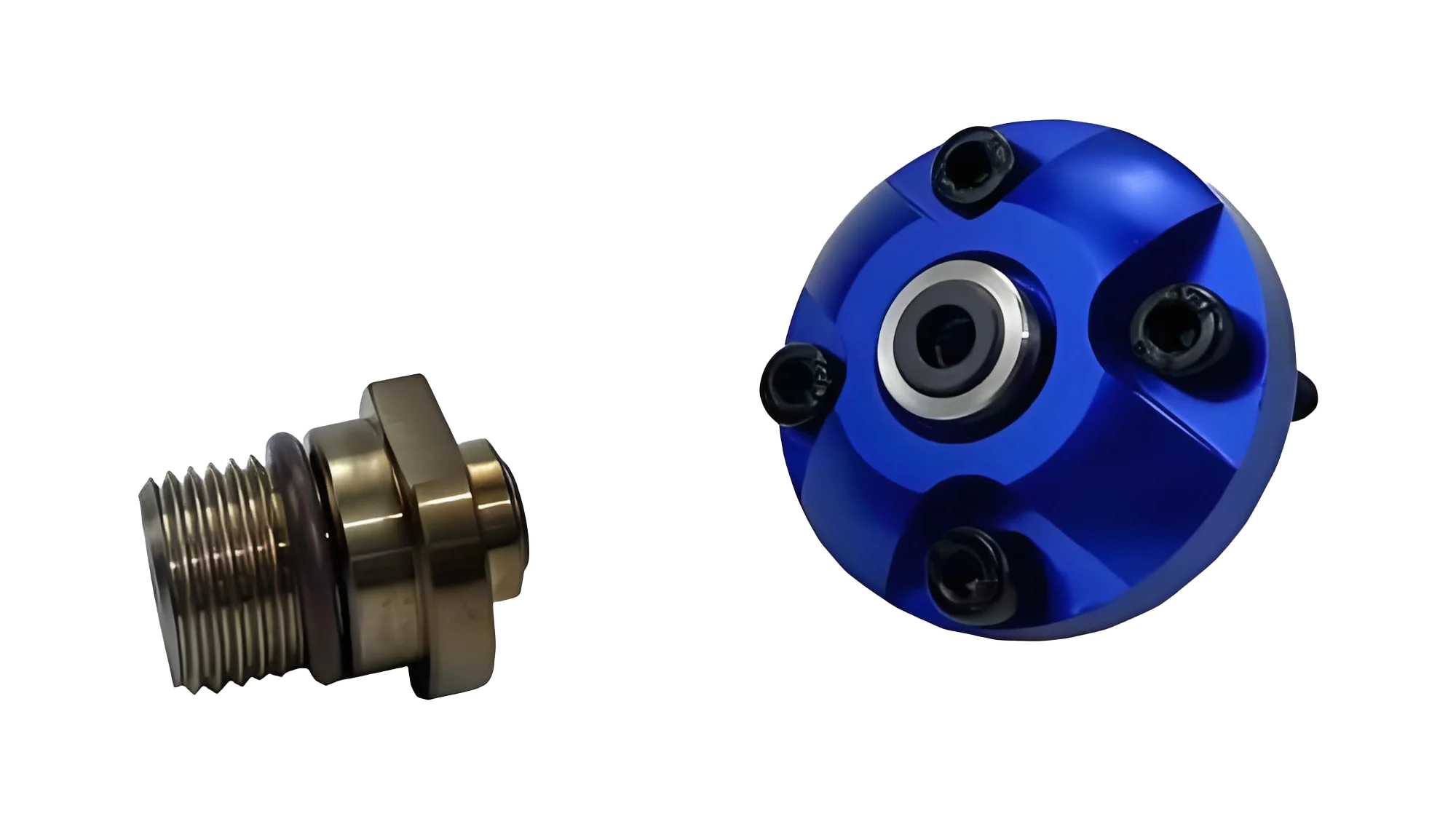
1121-948-954 rotary joint is a specific model of bearingless high-speed center outlet rotary joint, dedicated to the internal cooling system of machine tool spindles, supporting extremely high speeds and high-pressure coolant transmission.
1121-948-954 swivel union is a specific model of bearingless high-speed center outlet rotary joint, dedicated to the internal cooling system of machine tool spindles, supporting extremely high speeds and high-pressure coolant transmission.
Single pass universal for coolant or MQL
Allow infinite dry operation without medium pressure
Ultra short 0.1m disengagement stroke, limiting residual coolant leakage during tool change
Full flow design, unobstructed passage, avoiding residual impurities
The balanced mechanical seal uses silicon carbide, which has a long service life, even under harsh operating conditions
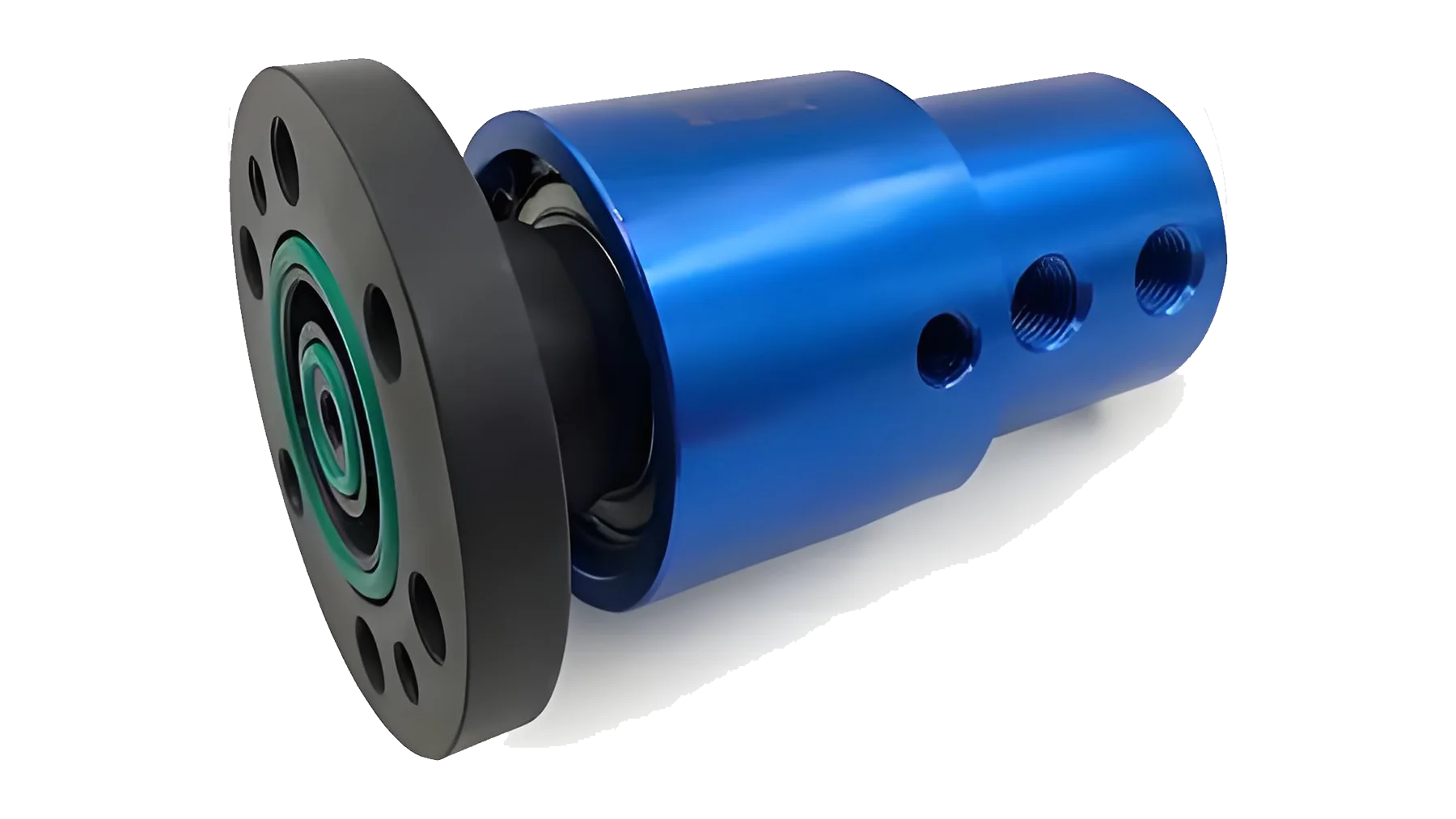
Anodized aluminum shell for corrosion resistance
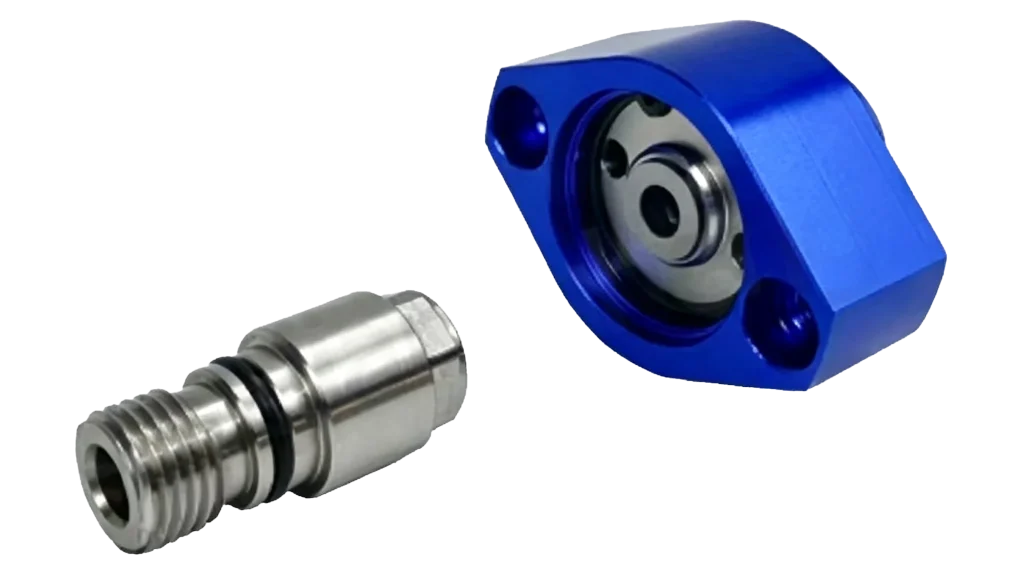
In the fast-paced world of industrial manufacturing, the reliable transfer of fluids, gases, and coolants between stationary pipes and rotating equipment is critical. At the heart of this continuous motion is the 1121-948-954 high-speed rotary joint. Engineered to withstand intense operational demands, this specialized component ensures that fluid transfer systems remain leak-free, highly efficient, and perfectly balanced even at peak rotational speeds.
Whether you are optimizing a CNC machine, upgrading a heavy-duty printing press, or managing complex hydraulic systems, understanding the mechanics of a high-speed rotary joint is essential. This guide will dive deep into the engineering, installation, and maintenance of the 1121-948-954 high-speed rotary joint, offering actionable insights to maximize its performance and lifespan on your factory floor.
A high speed rotary joint acts as a dynamic bridge, allowing pressurized media—like water, oil, or coolant—to flow smoothly into a rotating roll, spindle, or cylinder. The 1121-948-954 model stands out in the industry due to its precision-engineered internals, which are designed to combat the unique physical stresses generated by rapid, continuous rotation.
When evaluating high-pressure hydraulic rotary joint specifications, engineers look closely at pressure tolerance, temperature range, and media compatibility. The 1121-948-954 checks all these boxes, offering a robust housing and advanced seal technology capable of handling significant pressure spikes without compromising the rotational speed. This ensures that industrial systems maintain their output quality without experiencing sudden drops in fluid pressure.
The reliability of any rotating coupling comes down to the materials used in its construction and how well it manages physical forces.
One of the most critical debates in rotary union engineering is the mechanical seal vs carbon bearing design. While carbon bearings offer excellent dry-running capabilities and are ideal for low-speed, high-temperature steam applications, they often fall short in high-velocity scenarios. The 1121-948-954 relies heavily on an optimized mechanical seal system.
To enhance durability, manufacturers frequently incorporate silicon carbide seal rings for industrial unions into these designs. Silicon carbide is exceptionally hard and wear-resistant, making it perfect for handling abrasive fluids and preventing premature seal degradation. Furthermore, taking advantage of balanced mechanical seal benefits for high speeds ensures that fluid pressure does not force the seal faces together too tightly. This balancing act dramatically reduces friction, lowers operating temperatures, and minimizes wear.
Operating at thousands of revolutions per minute introduces severe physical challenges. Chief among these is the impact of centrifugal force on rotary joint seals. As rotational speeds increase, centrifugal forces can cause standard seal components to distort or separate, leading to catastrophic leaks. The 1121-948-954 is structurally reinforced to counteract these forces, keeping the seal faces perfectly aligned.
Temperature management is another vital factor. Friction inevitably generates heat, and preventing thermal expansion in high-speed unions is a priority. If internal components expand at different rates due to excess heat, the joint can bind or leak. This is where material selection—like utilizing low-expansion alloys and superior heat-dissipating ceramics—becomes a game-changer in maintaining structural integrity.
Even the most advanced rotary joint will fail if installed incorrectly. Precision during the setup phase dictates the long-term success of the component.
Learning how to install industrial rotary joints correctly is the first step toward operational excellence. Here are a few golden rules:
When selecting the right rotary union for CNC spindles, precision and coolant delivery are paramount. CNC spindles often run at extreme velocities to achieve fine surface finishes on machined parts. Therefore, you must adhere strictly to the maximum RPM limits for fluid transfer joints specified by the manufacturer. Pushing a joint past its RPM rating causes the fluid film between the seals to break down, leading to immediate overheating and failure.
Additionally, maintaining the correct coolant flow rate requirements for rotary joints is non-negotiable in CNC operations. An inadequate flow rate will fail to remove the heat generated by seal friction, whereas the proper flow creates a continuous cooling effect, lubricating the seal faces and preventing thermal shock.
Energy efficiency in industrial machinery is heavily influenced by torque. Reducing torque resistance in rotating couplings reduces the electrical load on drive motors, saving energy and decreasing wear on the entire drivetrain. The 1121-948-954 achieves low torque resistance through its balanced seal design and the use of ultra-smooth, precision-ground ball bearings that allow for effortless rotation even under intense fluid pressure.
A rotary joint is a sealing device that connects stationary pipelines and rotating equipment, achieving leak free fluid transmission under 360 ° rotation. It allows fluid media to flow smoothly between fixed pipelines and rotating machines, and is a key component in industrial equipment
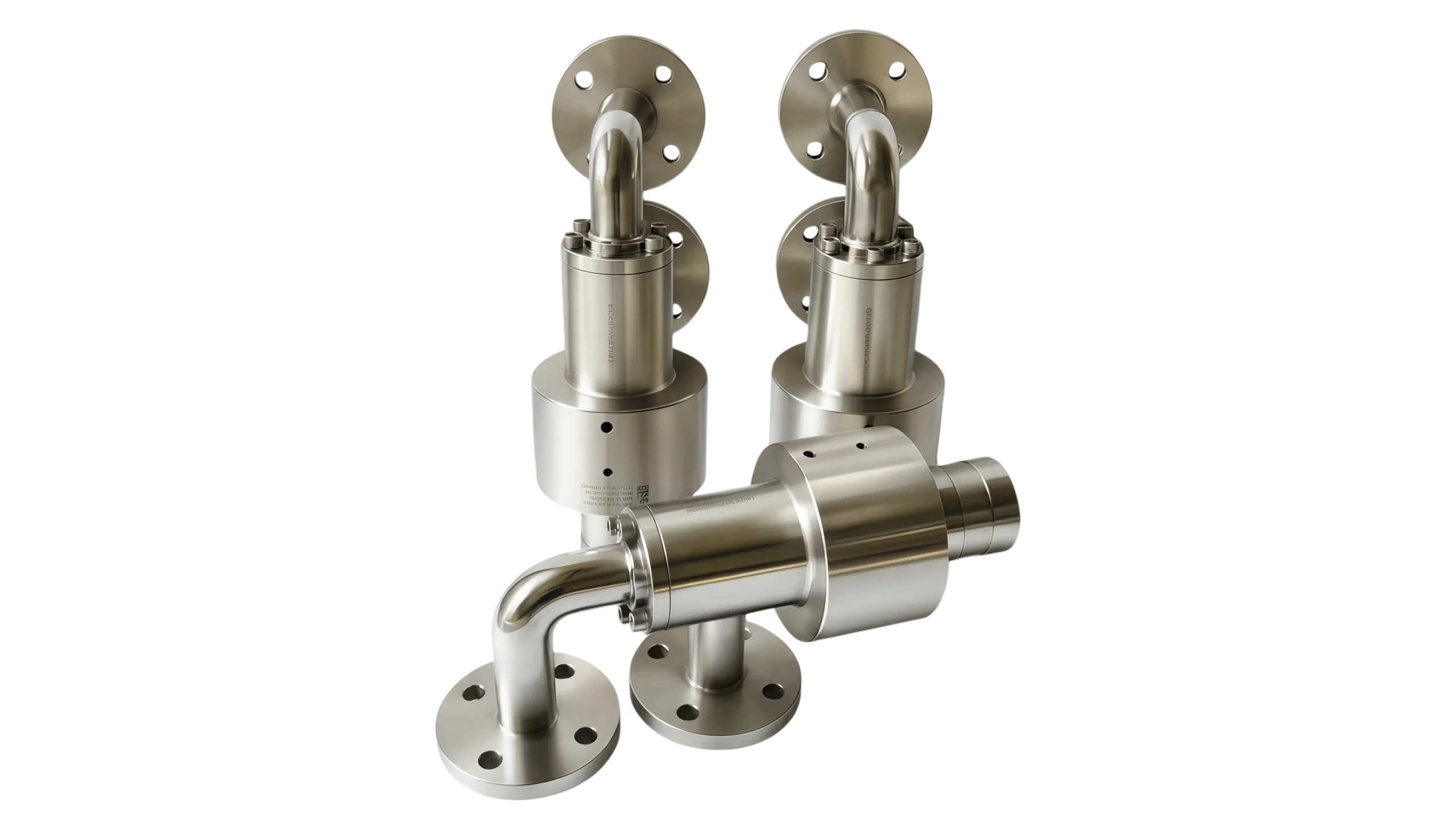
F90 swivel unions Transporting equipment components from a fixed pipeline system to high-speed rotating or reciprocating motion
Q32 swivel unions
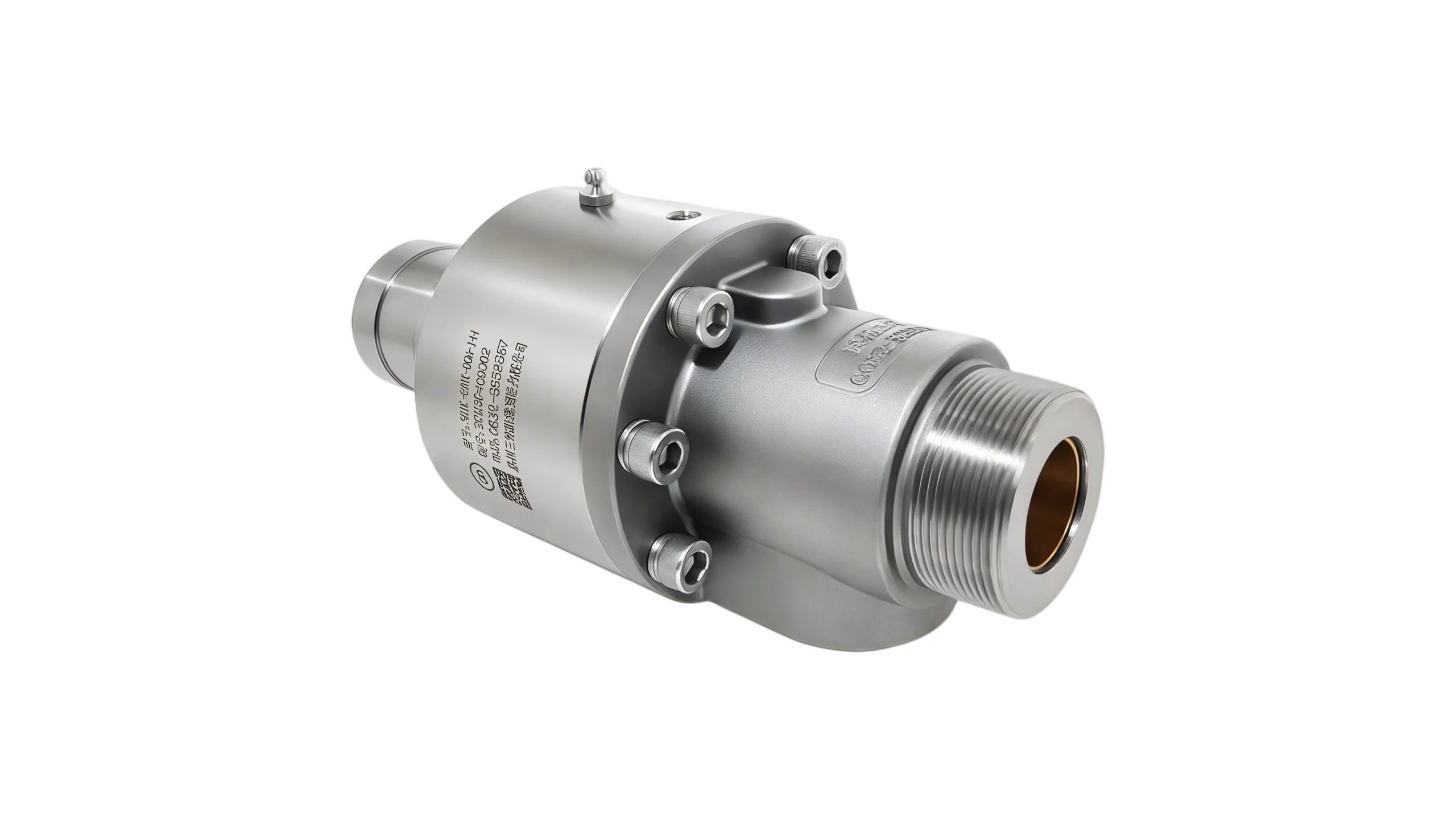
JD40 rotary joint is a key sealing component in industrial fluid transmission systems, usually referring to a rotary connection device with a diameter of DN40 (or corresponding British caliber). As a transitional sealing device that transports fluid media (such as water, steam, hydraulic oil, thermal oil, compressed air, etc.) from static pipelines to dynamic rotating or swinging equipment