 rotary jointsrotary joints
Search the whole station
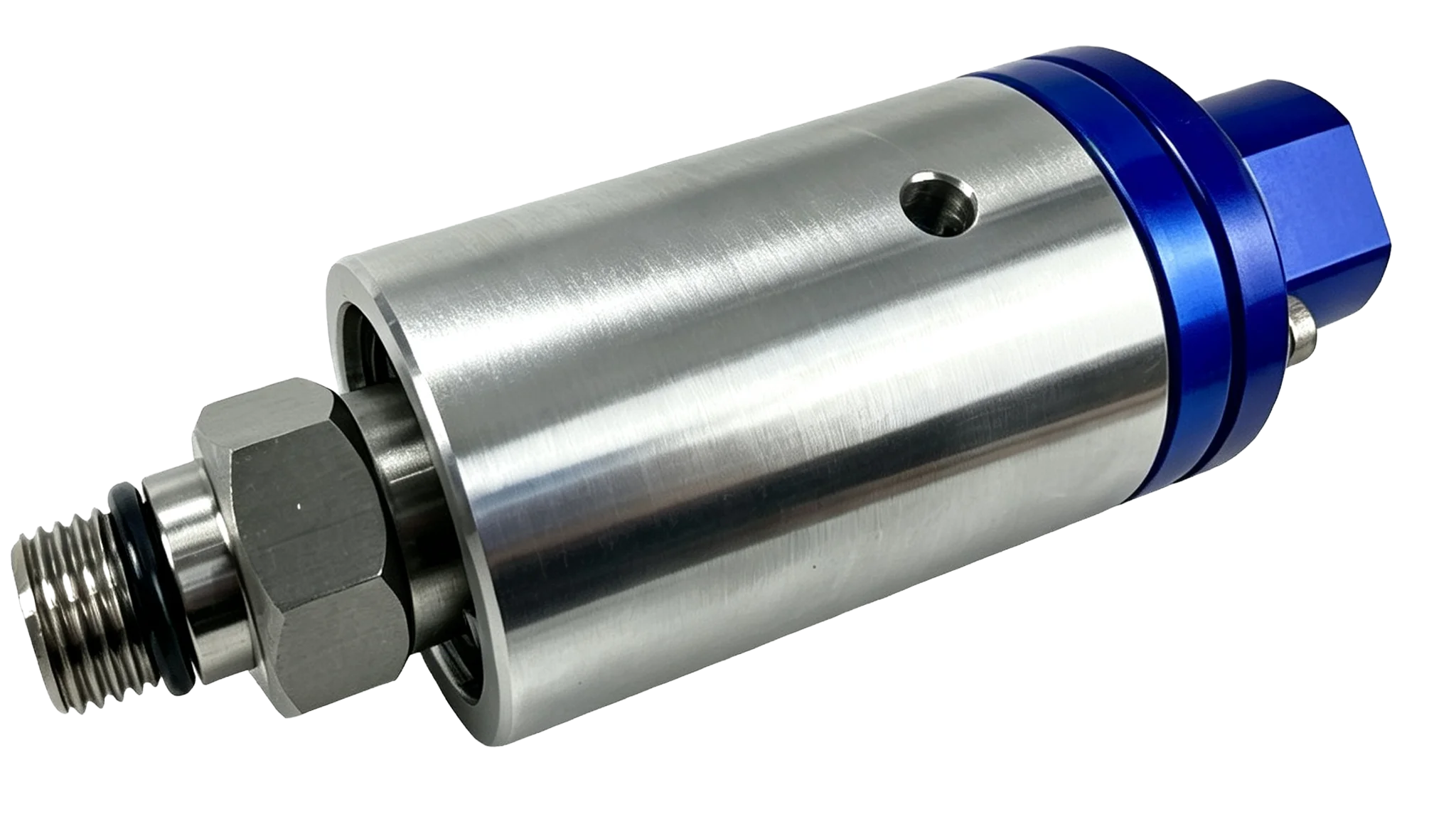
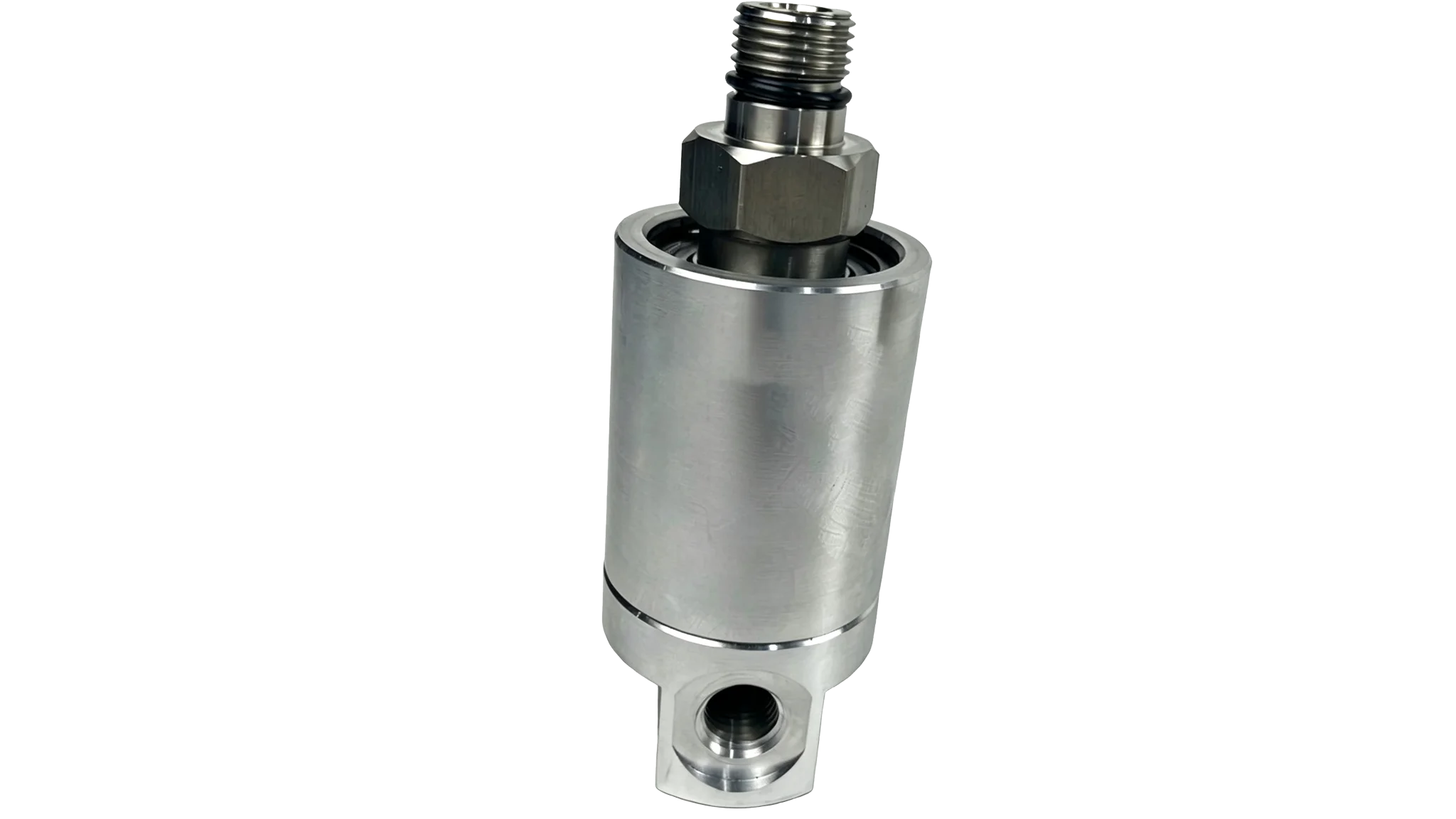
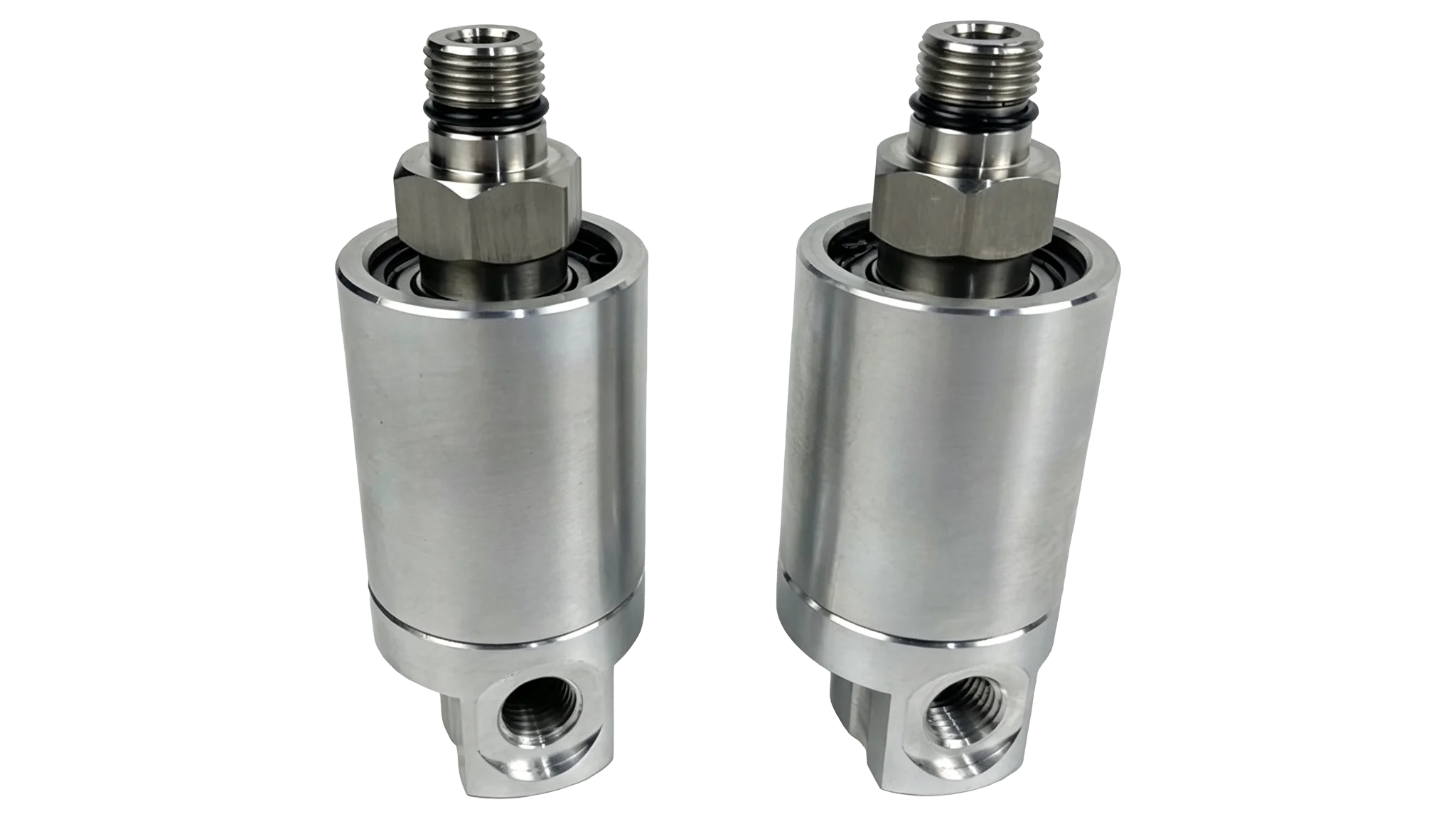
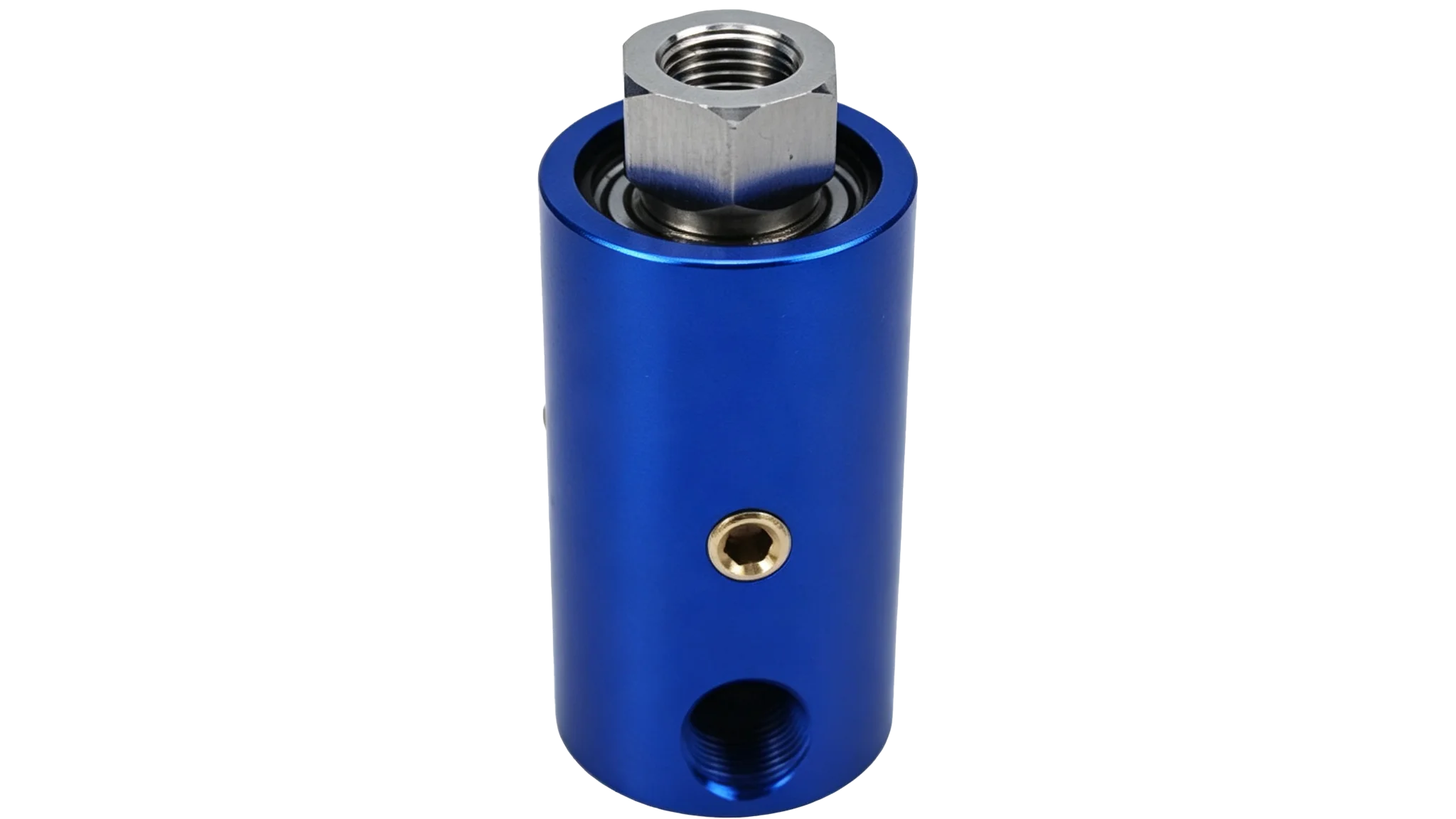
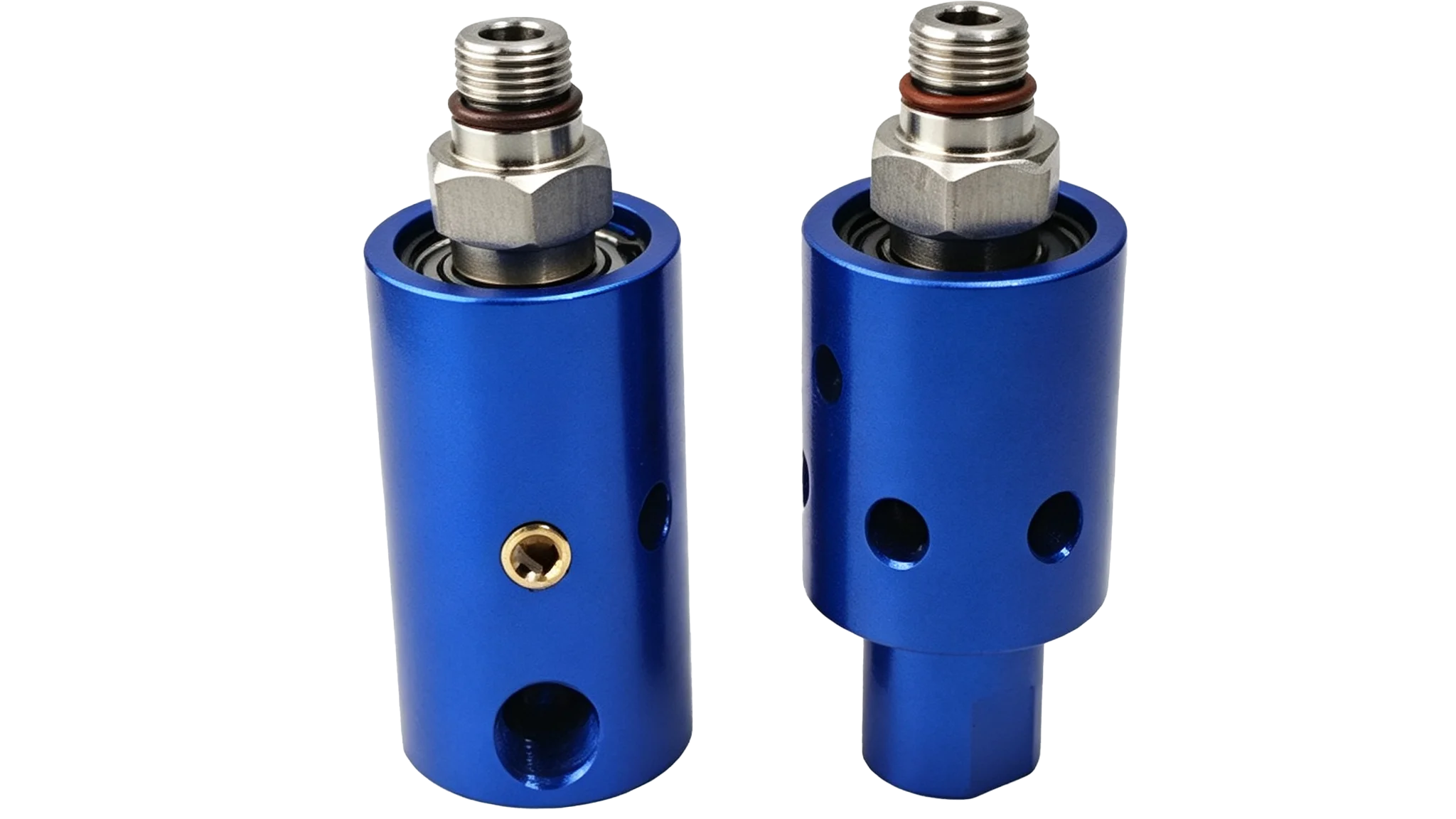
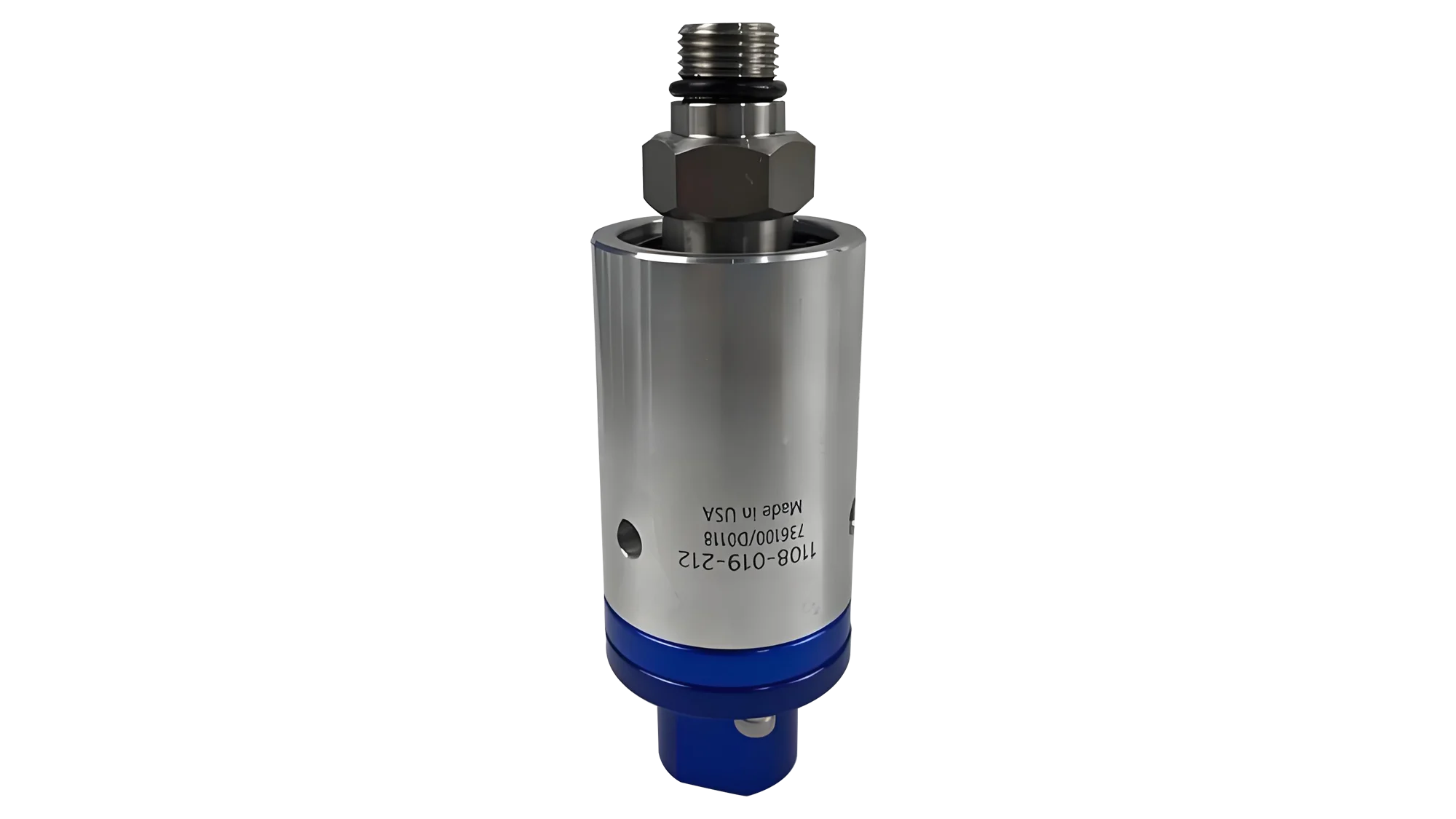
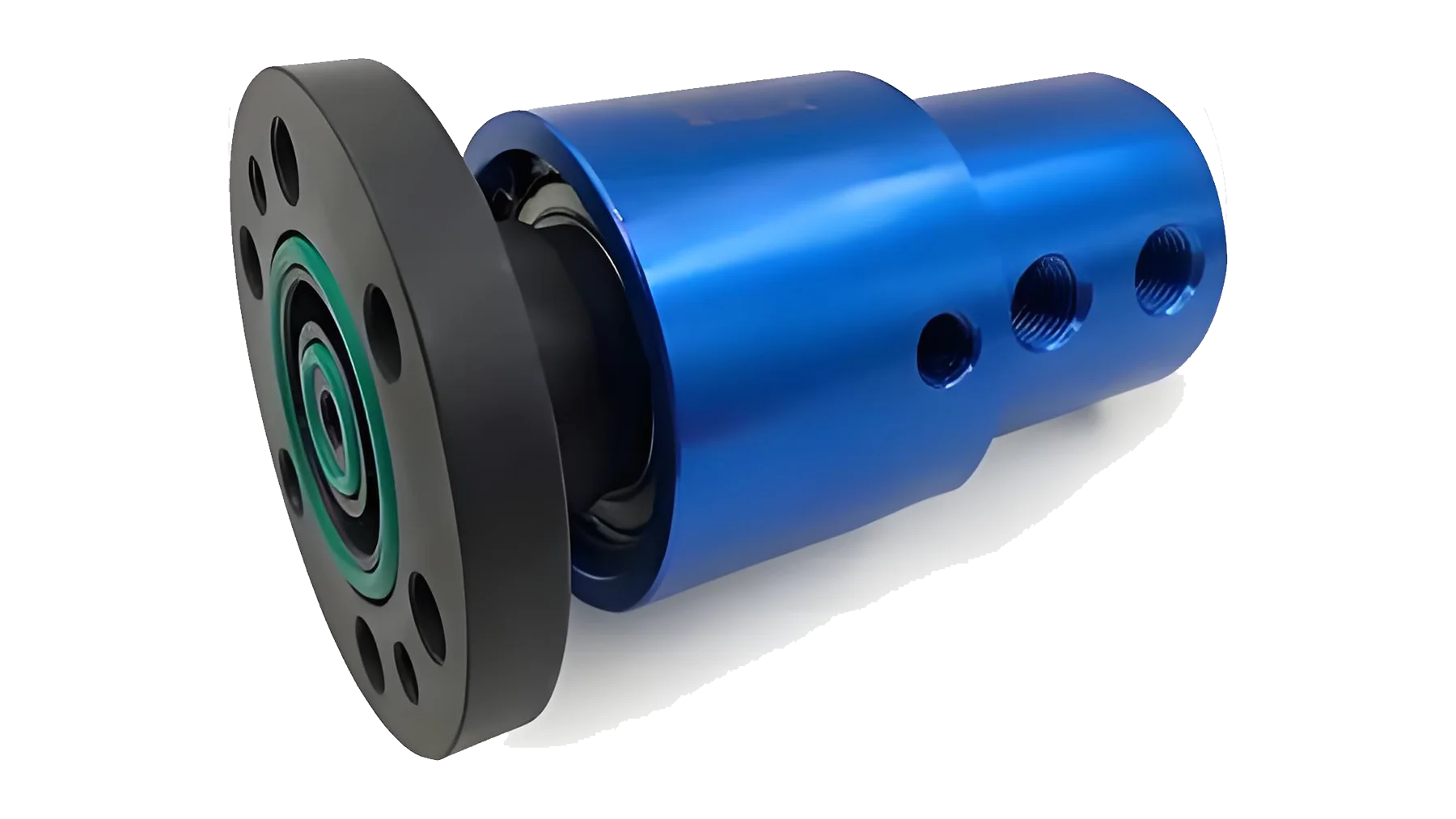
1108-019-217 rotary joint is a single pass rotary joint model, designed for the transmission of water/coolant media in medium and low-speed rotating equipment (such as machine tool spindle center water outlet, roller cooling), using NPT right-hand thread connection,
1108-019-217 rotary joint is a single pass rotary joint model, designed for the transmission of water/coolant media in medium and low-speed rotating equipment (such as machine tool spindle center water outlet, roller cooling), using NPT right-hand thread connection,
When it comes to maintaining peak performance in manufacturing, the reliability of your fluid transmission system is paramount. The 1108-019-217 rotary joint is a prime example of excellence in this field. Serving as critical high-pressure fluid transfer components, these joints seamlessly deliver fluids from stationary pipes to rotating equipment. Whether you are upgrading industrial machinery coolant transfer systems or optimizing a heavy-duty manufacturing line, understanding the nuances of these components is crucial.
Before diving into maintenance, it is essential to source the right part. Reputable rotary joint suppliers often highlight the versatility of the 1108-019-217 rotary joint for diverse operational needs. Depending on your system design, you may need to evaluate single flow vs dual flow rotary unions. Single flow models manage one media type, while dual flow versions can handle supply and return lines simultaneously through concentric internal tubes.
These configurations are highly adaptable, supporting a wide range of pneumatic and hydraulic swivel joint applications. In particular, a robust hydraulic rotary joint setup requires precise engineering to handle extreme pressure without failing under continuous rotation.
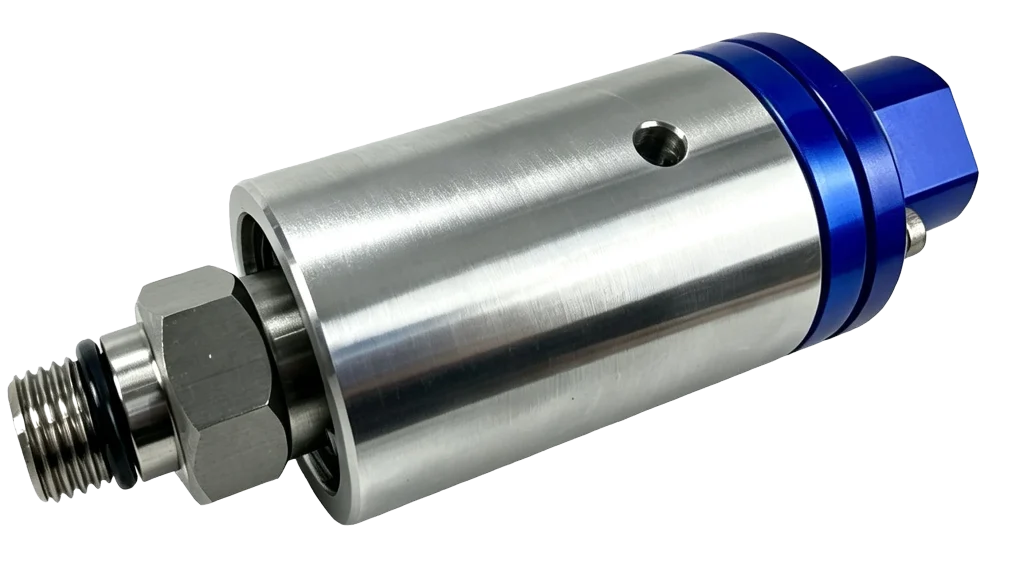
Proper setup dictates long-term success. If you are wondering how to install a rotating union safely, the process begins with preparation. Start by accurately measuring rotary union port thread sizes to prevent cross-threading and misalignment during assembly. Furthermore, understanding your specific high-speed rotating union torque requirements ensures that the unit operates smoothly without placing undue stress on the internal bearings. Always use flexible hoses to connect the joint to rigid piping, as this minimizes lateral tension and prevents premature wear.
The heart of any rotating component is its sealing mechanism. When comparing mechanical seal vs carbon bearing unions, mechanical seals typically offer superior leak prevention in high-stress environments. Leveraging balanced mechanical seal technology benefits allows the joint to maintain consistent face pressure regardless of internal fluid pressure fluctuations. Couple this advanced engineering with stainless steel swivel joint durability, and you have a component capable of withstanding corrosive media and harsh, continuous operating conditions.
A rotary joint is a sealing device that connects stationary pipelines and rotating equipment, achieving leak free fluid transmission under 360 ° rotation. It allows fluid media to flow smoothly between fixed pipelines and rotating machines, and is a key component in industrial equipment
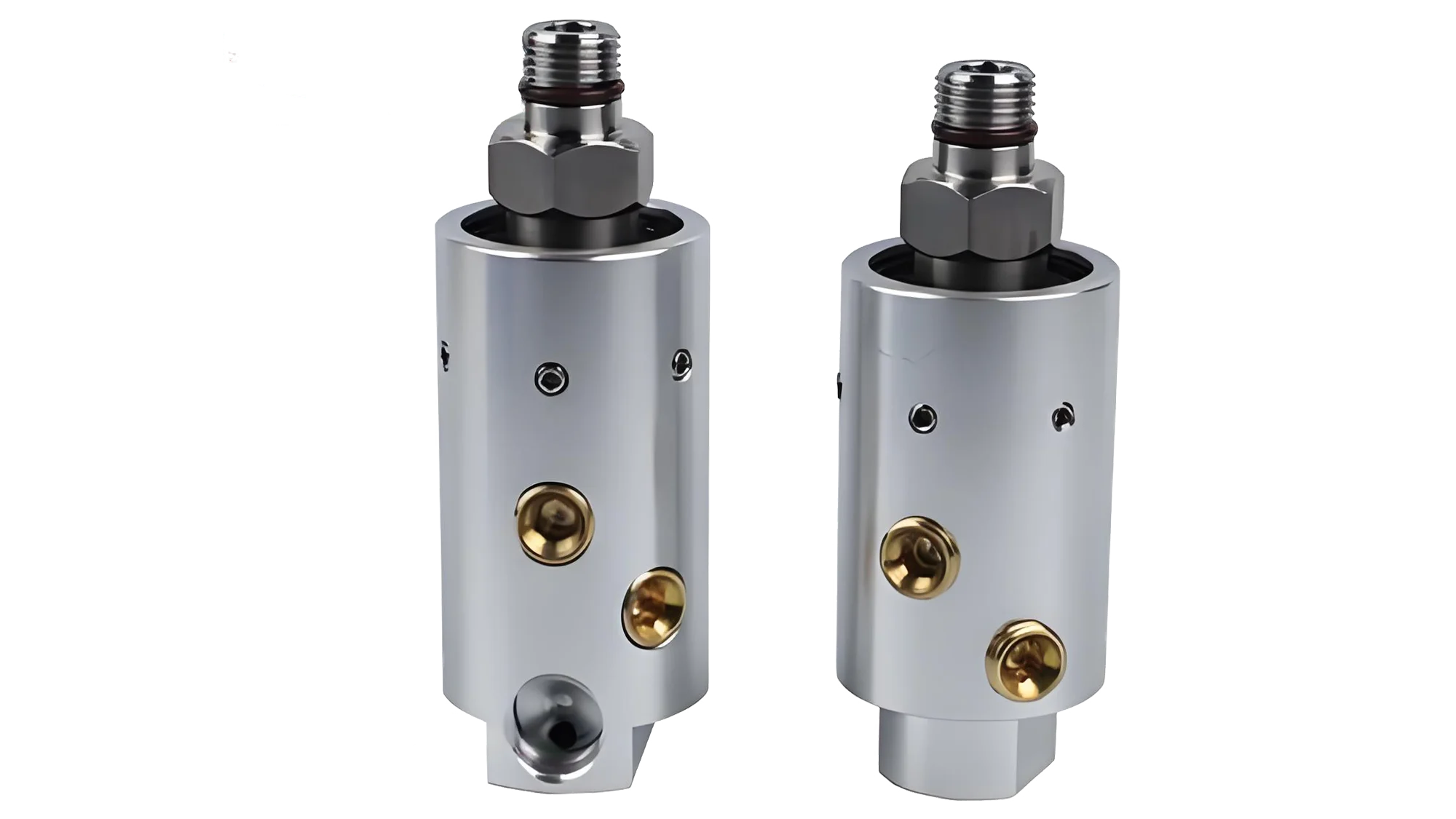
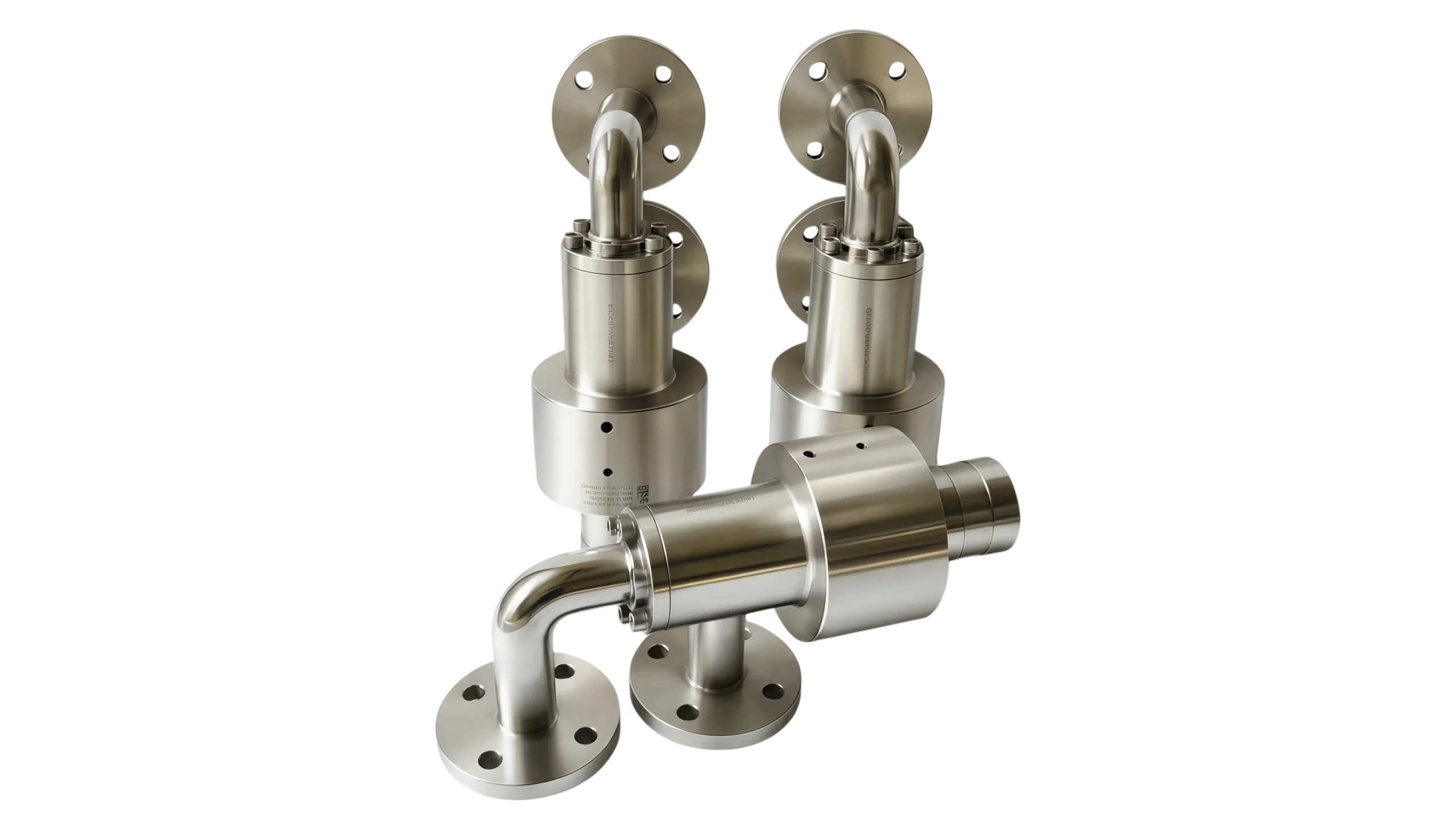
F90 swivel unions Transporting equipment components from a fixed pipeline system to high-speed rotating or reciprocating motion
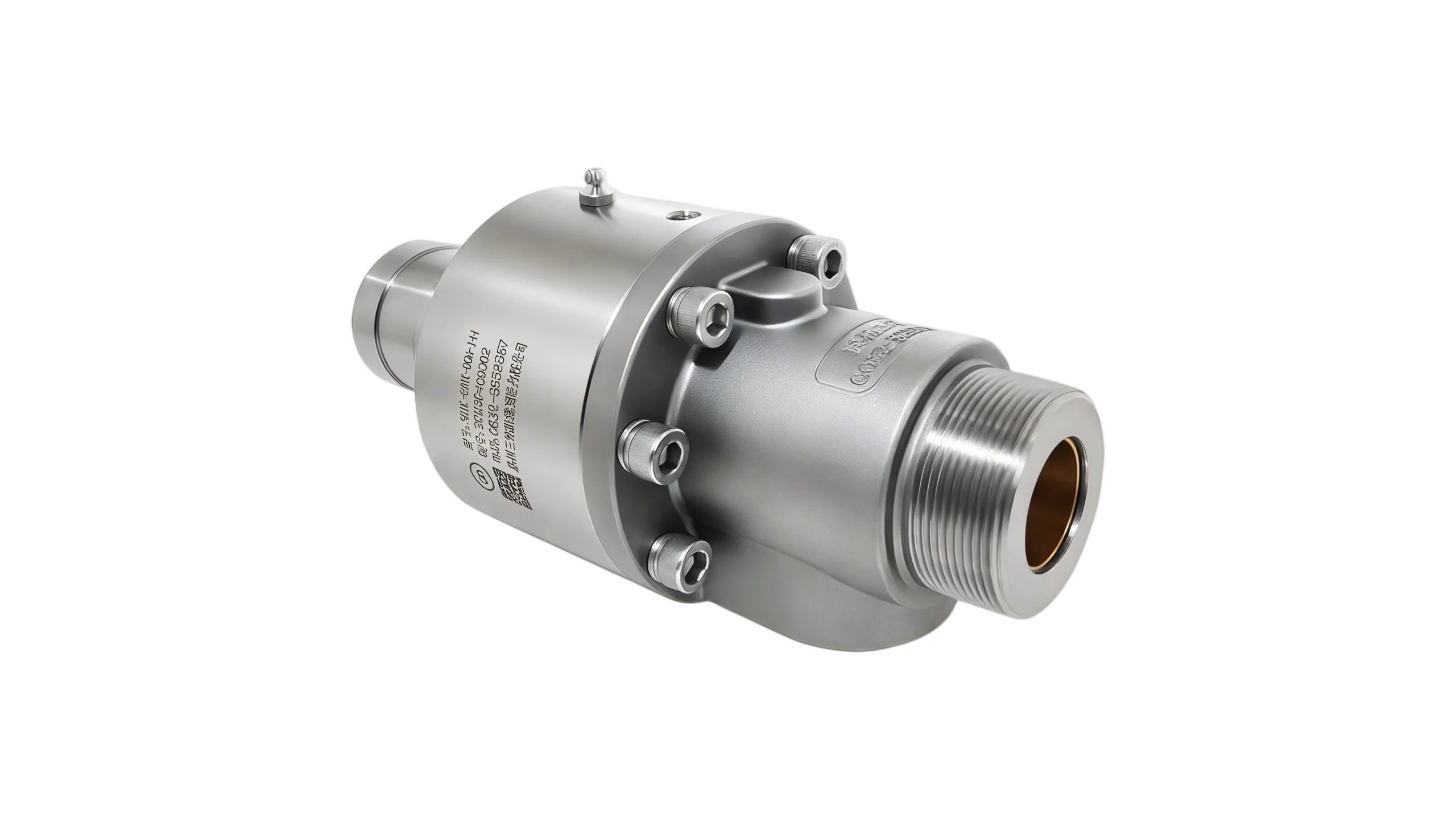
Q32 swivel unions
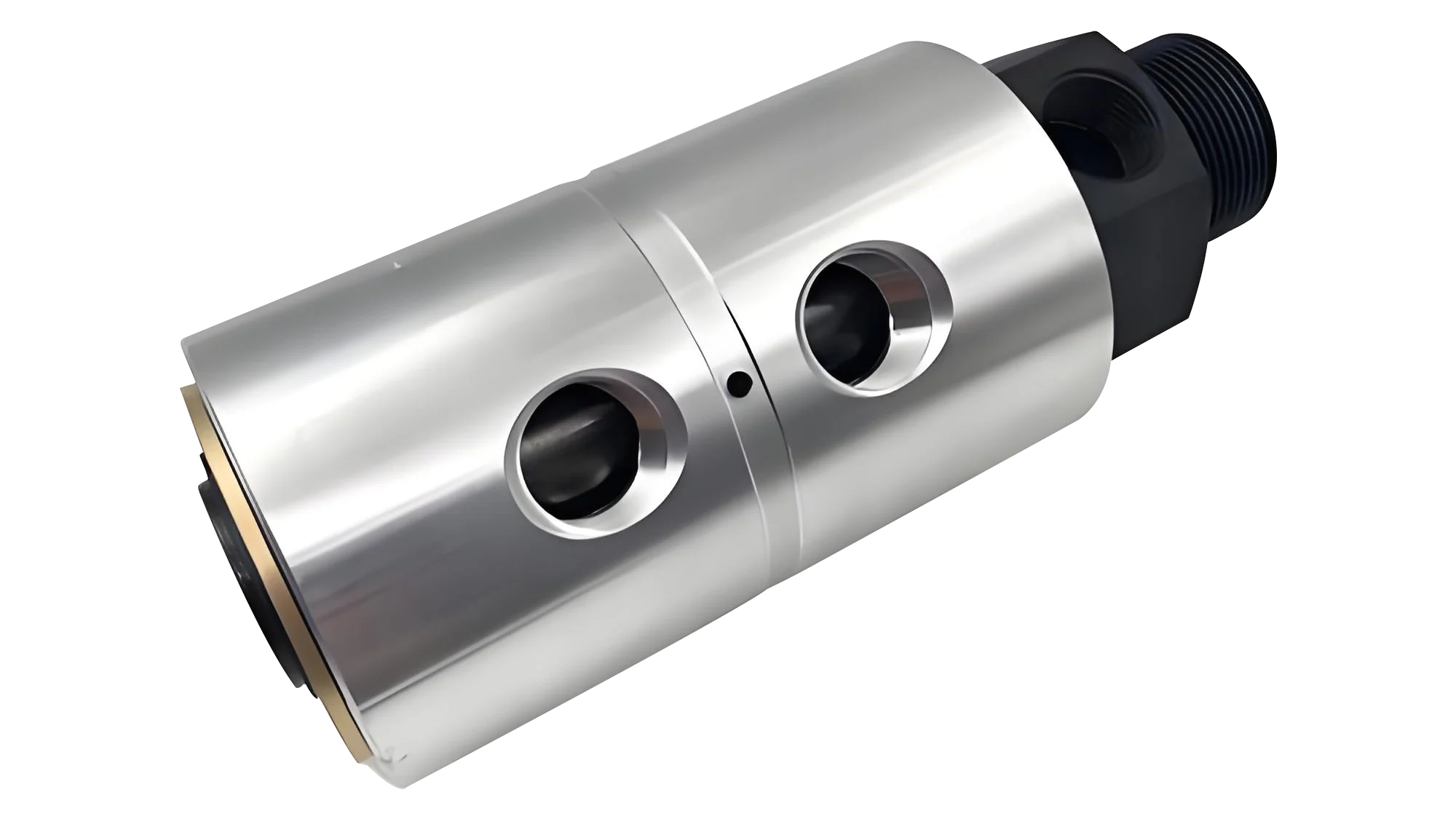
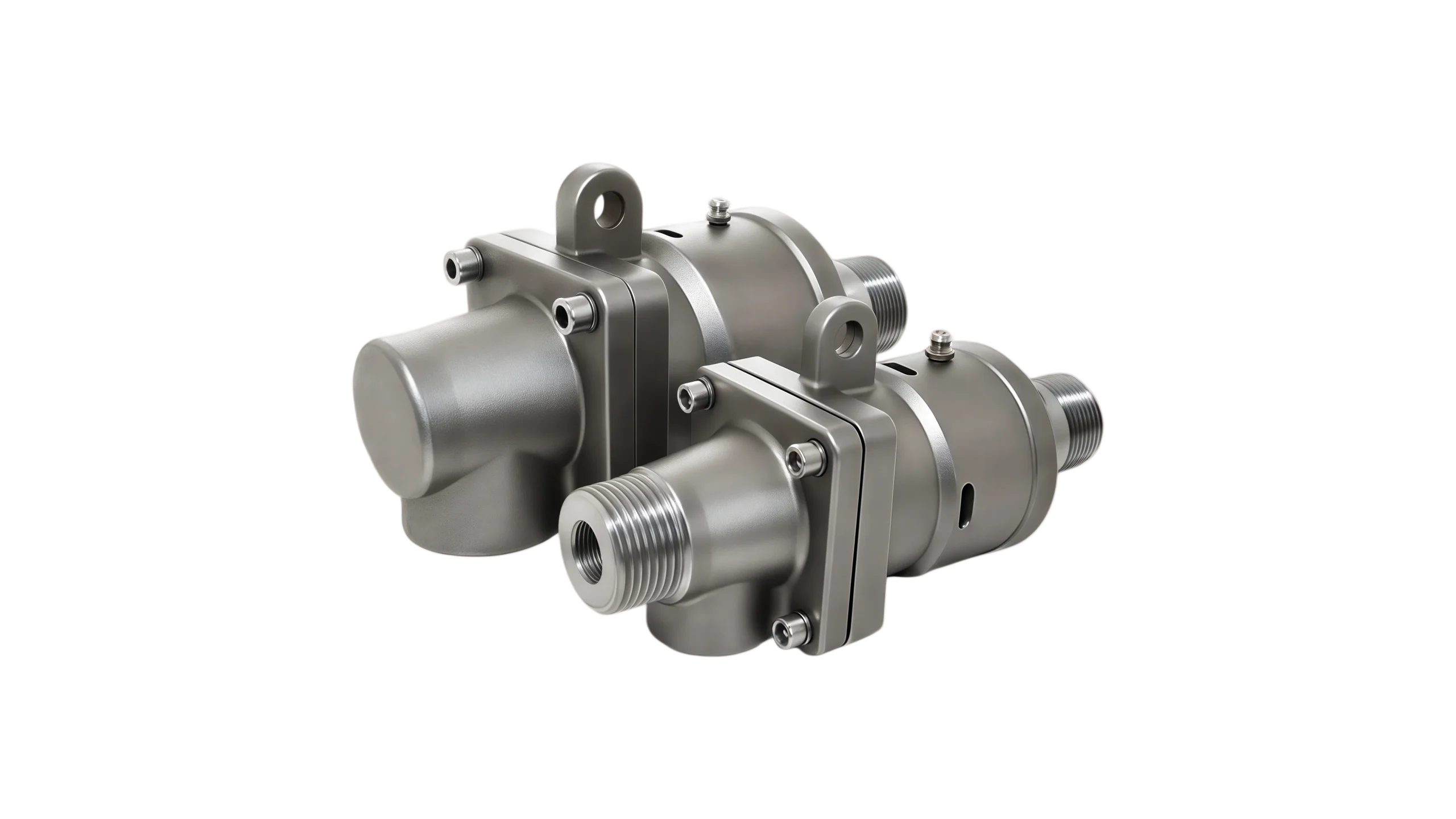
JD40 rotary joint is a key sealing component in industrial fluid transmission systems, usually referring to a rotary connection device with a diameter of DN40 (or corresponding British caliber). As a transitional sealing device that transports fluid media (such as water, steam, hydraulic oil, thermal oil, compressed air, etc.) from static pipelines to dynamic rotating or swinging equipment