 rotary jointsrotary joints
Search the whole station
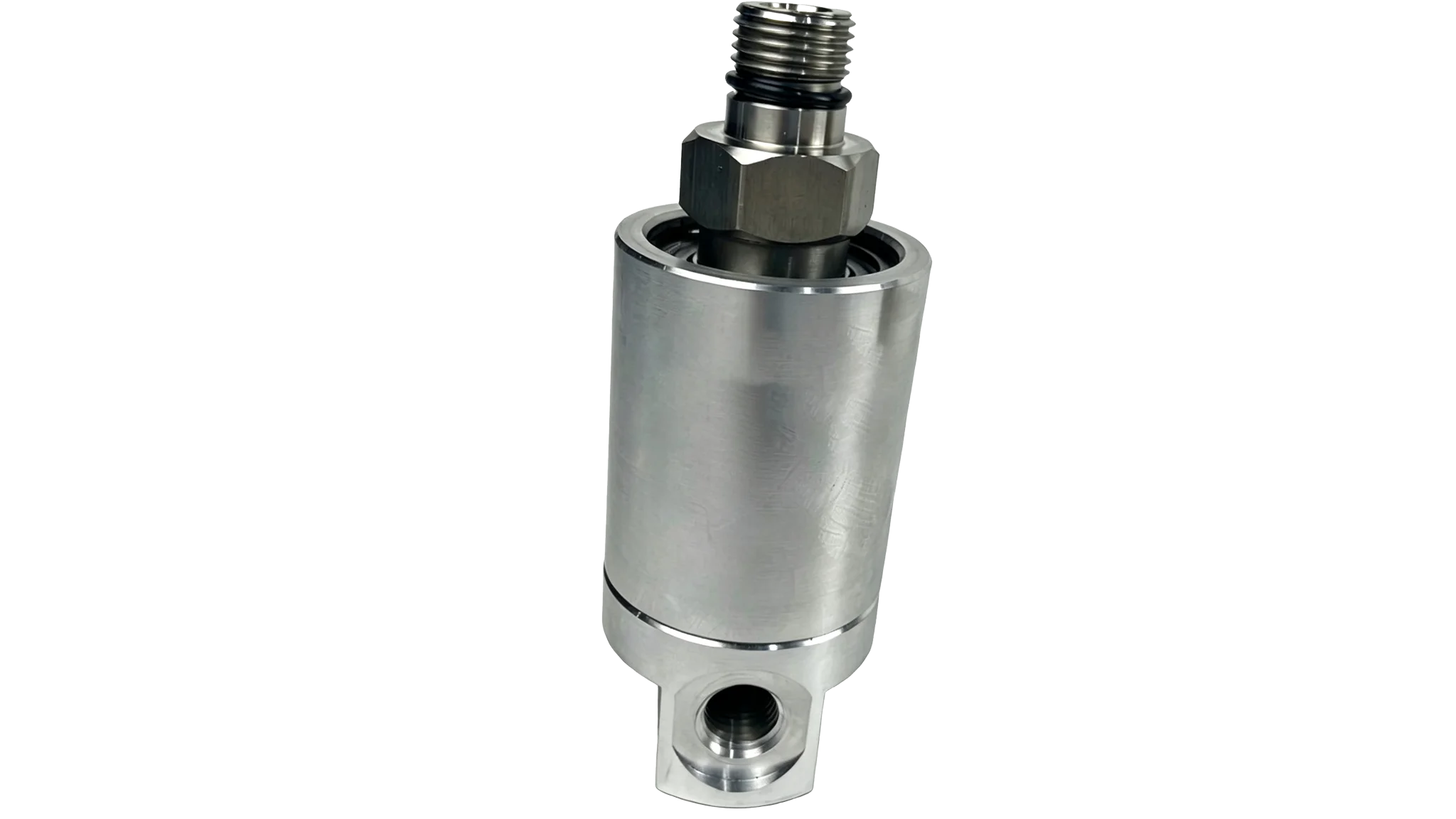
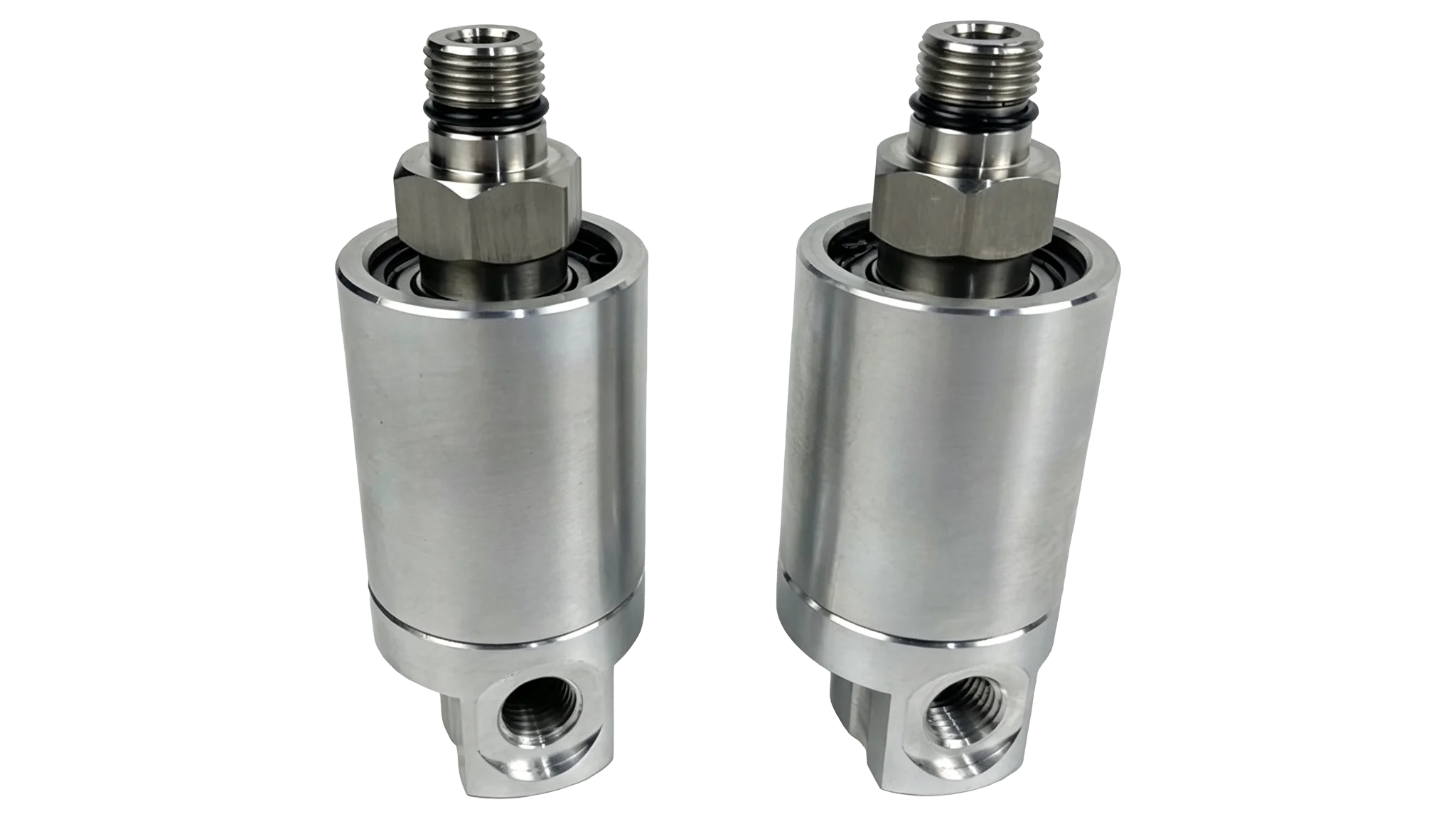
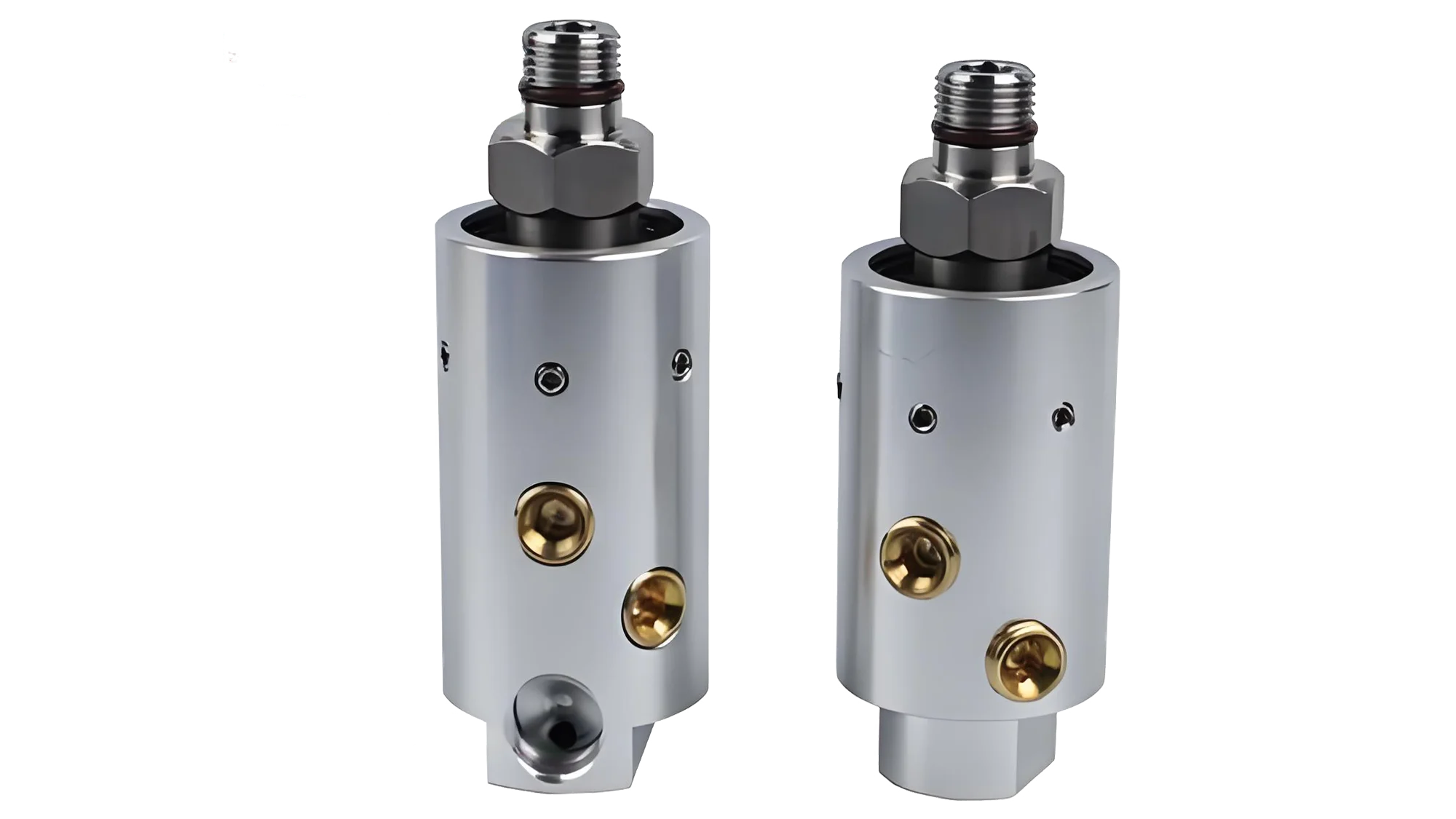
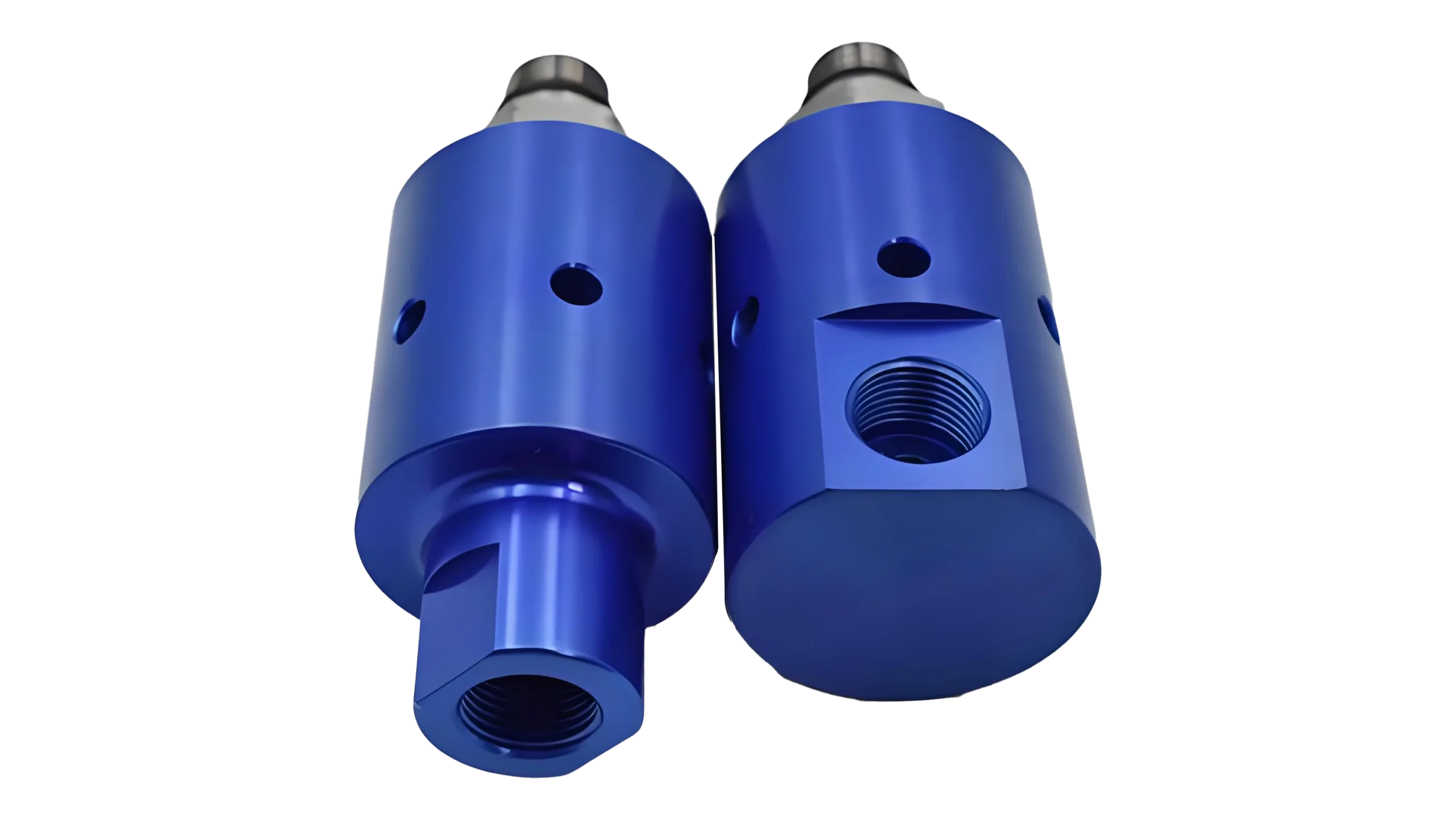
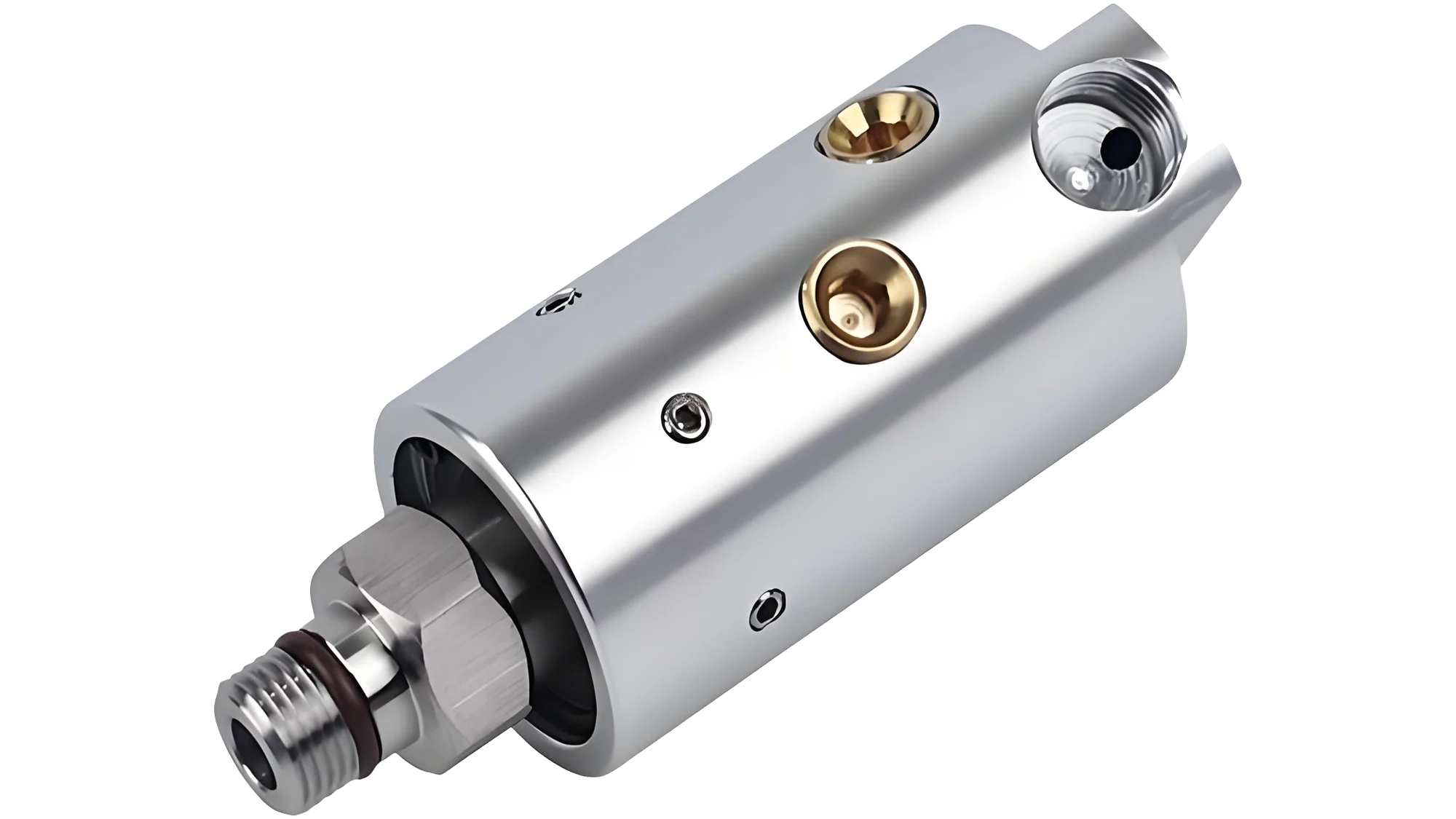
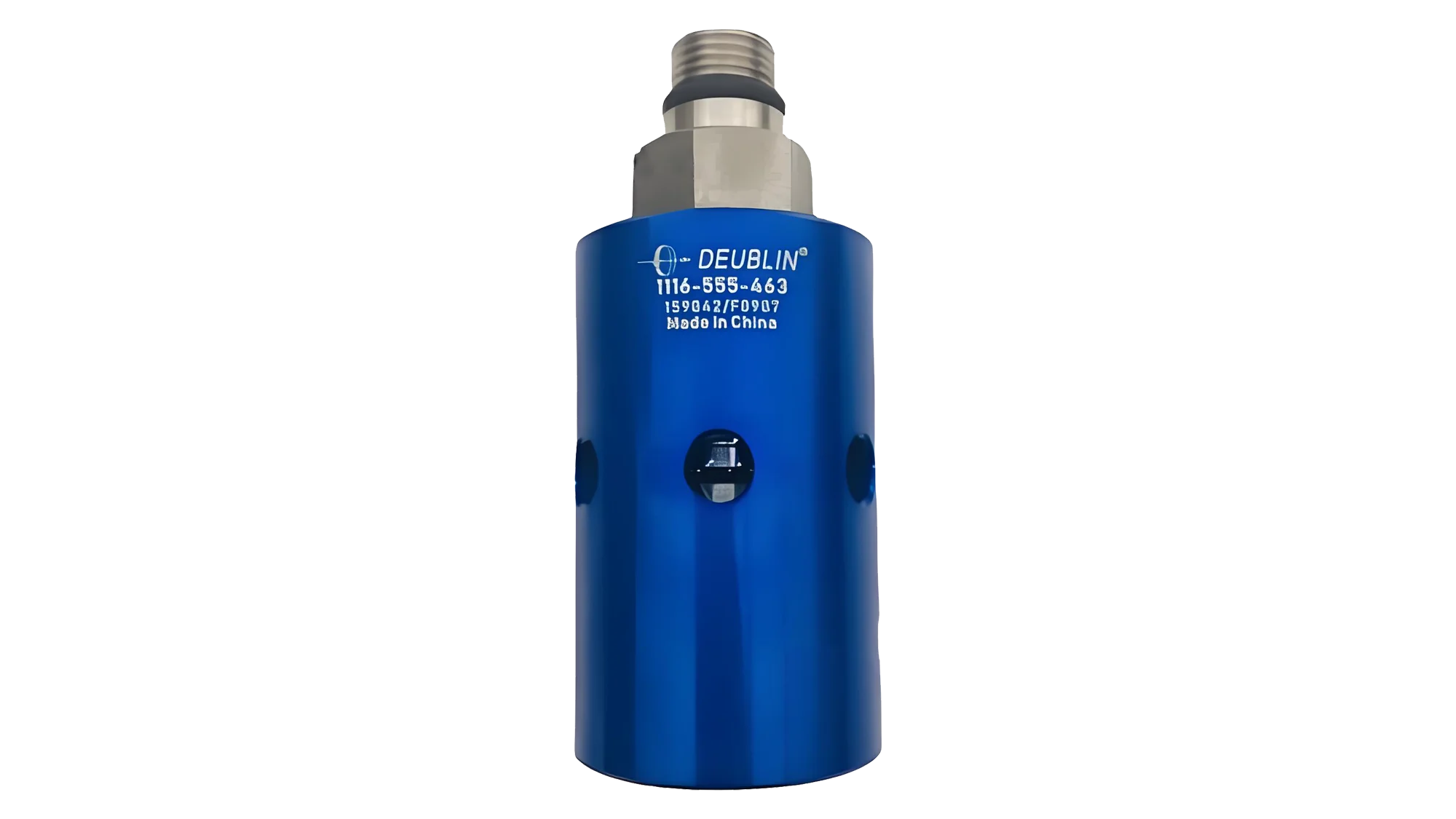
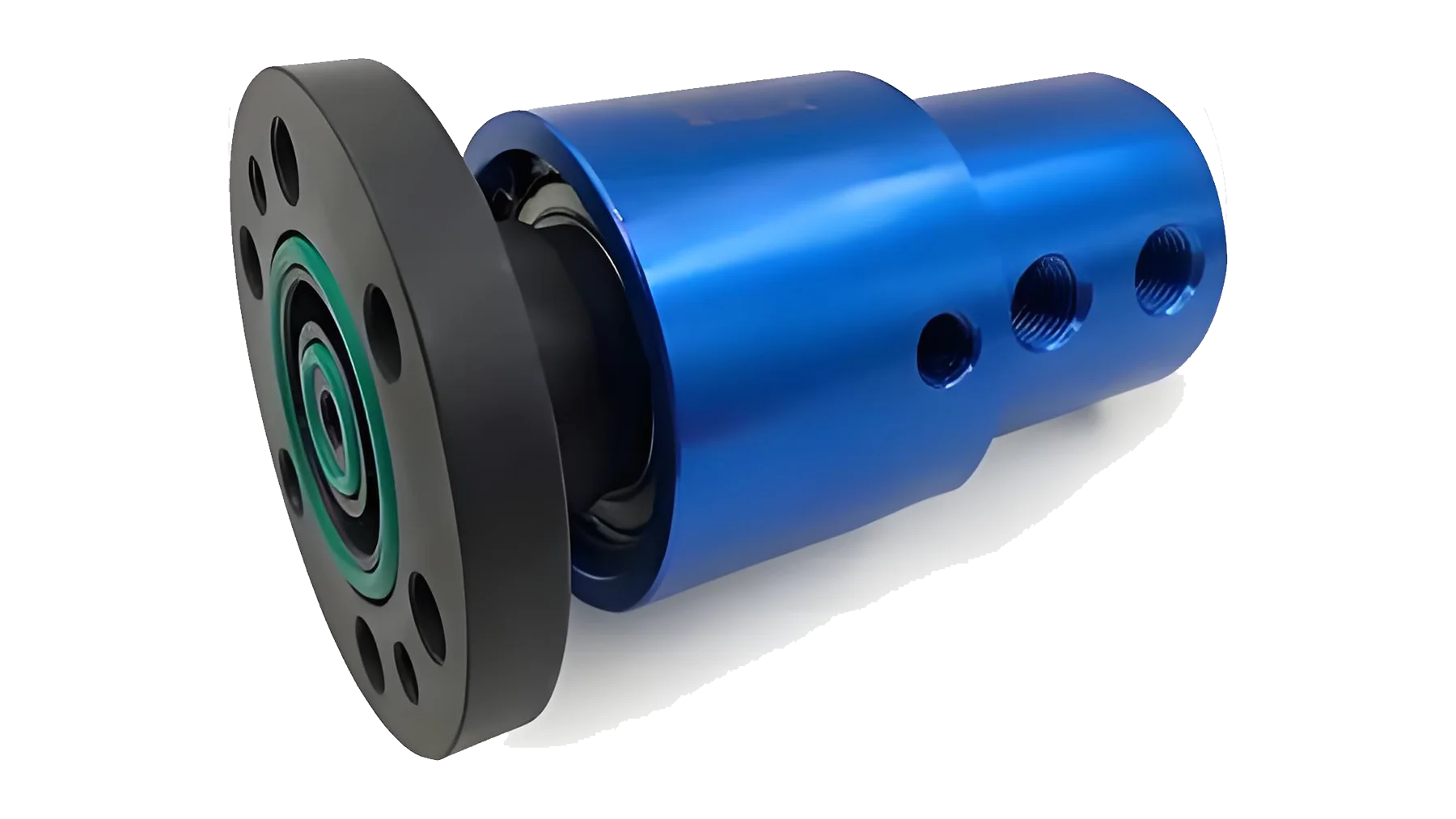
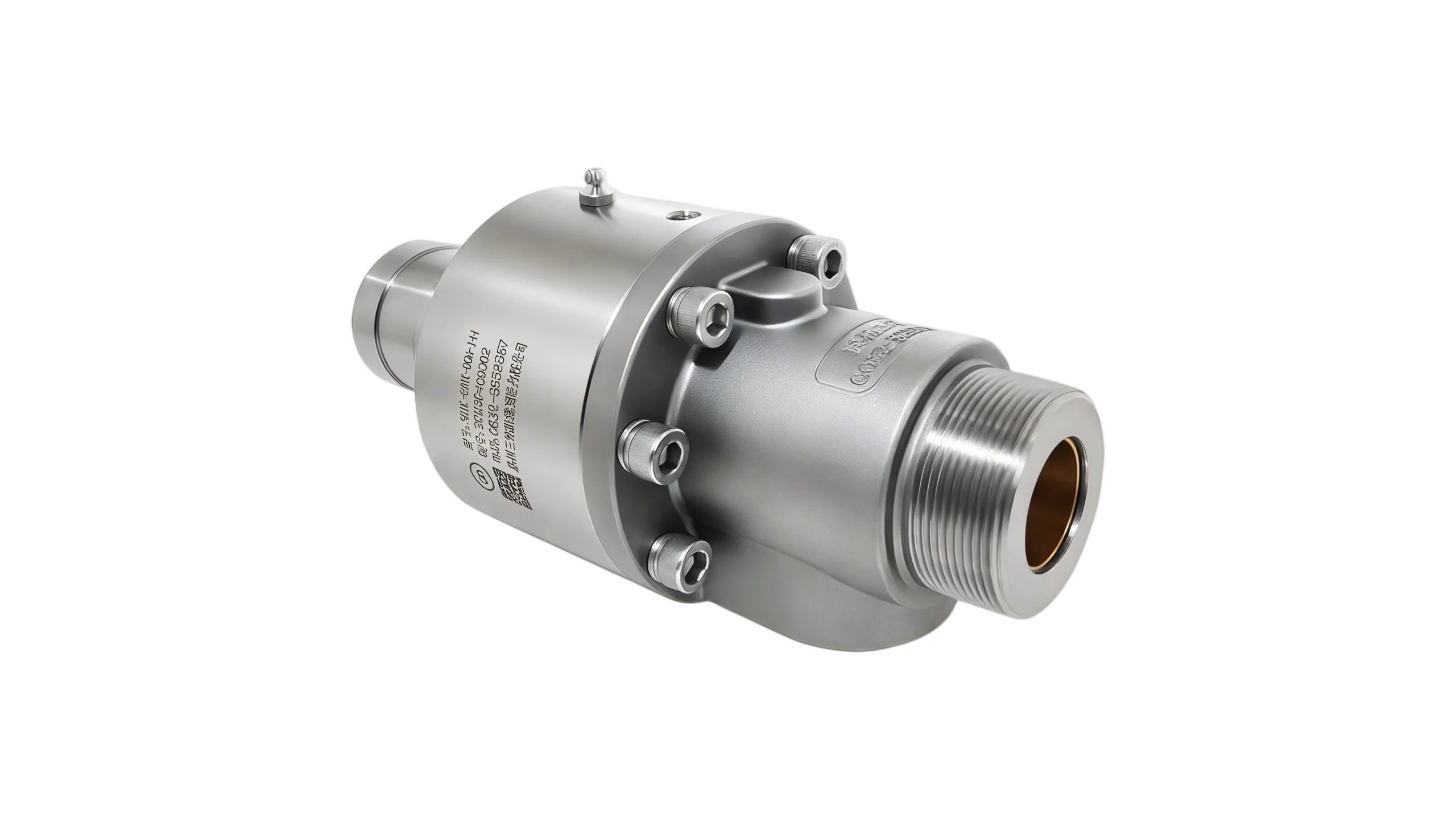
1105-429-430 rotary joint is a single channel high-speed rotary joint designed for stable transmission of air or low viscosity fluids under high-speed, medium and low pressure conditions. It is commonly used in printing, winding and automated rotating equipment
1105-429-430 rotary joint is a single channel high-speed rotary joint designed for stable transmission of air or low viscosity fluids under high-speed, medium and low pressure conditions. It is commonly used in printing, winding and automated rotating equipment
When upgrading your fluid handling systems, selecting the right hardware is essential for long-term efficiency and workplace safety. The 1105-429-430 swivel union is a standout component designed to keep your industrial operations running smoothly. As a versatile hydraulic swivel union, it is engineered to provide reliable 360-degree rotational fluid joints. This unrestricted, continuous movement is the ultimate solution for preventing industrial hose kinking, reducing mechanical stress on your equipment, and significantly extending the lifespan of your hoses.
Before integrating the 1105-429-430 swivel union into your existing setup, it is crucial to match its specifications to your exact operational demands. One of the first steps in any successful installation is choosing the correct pipe thread size to ensure a secure, leak-free connection. During this phase, you will often need to evaluate NPT vs JIC hydraulic thread types. NPT relies on a tapered thread seal, which is great for general plumbing, whereas JIC uses a 37-degree flared seating surface that excels in high-vibration, high-pressure environments.
Material selection is equally important for long-term performance. When comparing stainless steel vs brass swivel connectors, consider your operating environment carefully. Stainless steel serves as one of the best corrosion resistant swivel materials for harsh chemicals and outdoor use. Brass, on the other hand, is a cost-effective alternative for water and lighter non-corrosive fluids. Regardless of the material, always verify the maximum PSI rating for swivel unions to ensure the hardware safely aligns with your system’s peak pressure output.
These robust rotating components are highly adaptable across multiple industries. Common practical applications include:
Even the highest-quality components require periodic upkeep. Proper lubrication system component maintenance is key to maximizing equipment longevity. But why does a swivel joint leak under pressure? The most common culprit is dynamic seal wear in rotating unions. Over time, constant friction combined with fluid pressure naturally degrades the internal O-rings and backup rings.
If you are actively troubleshooting hydraulic swivel failure, start by closely inspecting these internal seals. Learning how to replace fluid swivel seals is a practical, cost-saving skill that minimizes factory downtime. Simply depressurize the system entirely, disassemble the union, clean the internal housing of any debris, and carefully install the new seal kit using system-compatible lubricants.
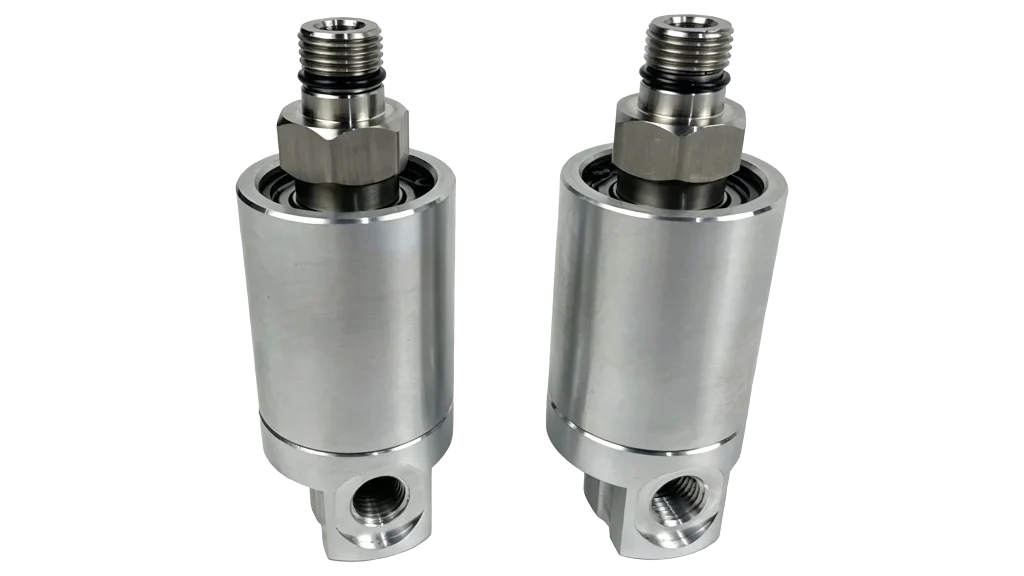
working parameters
medium
Hydraulic oil, air
rotor connection
M16x1.5 LH, 16.025 mm pilot
Supply Connection
1/4″-18 NPT
High air flow rate
2549 l/min
High air pressure
10 bar
High air temperature
121 °C
Hydraulic oil with high flow rate
12.5 l/min
Hydraulic oil high pressure
34.5 bar
Hydraulic oil high temperature
121 °C
A rotary joint is a sealing device that connects stationary pipelines and rotating equipment, achieving leak free fluid transmission under 360 ° rotation. It allows fluid media to flow smoothly between fixed pipelines and rotating machines, and is a key component in industrial equipment
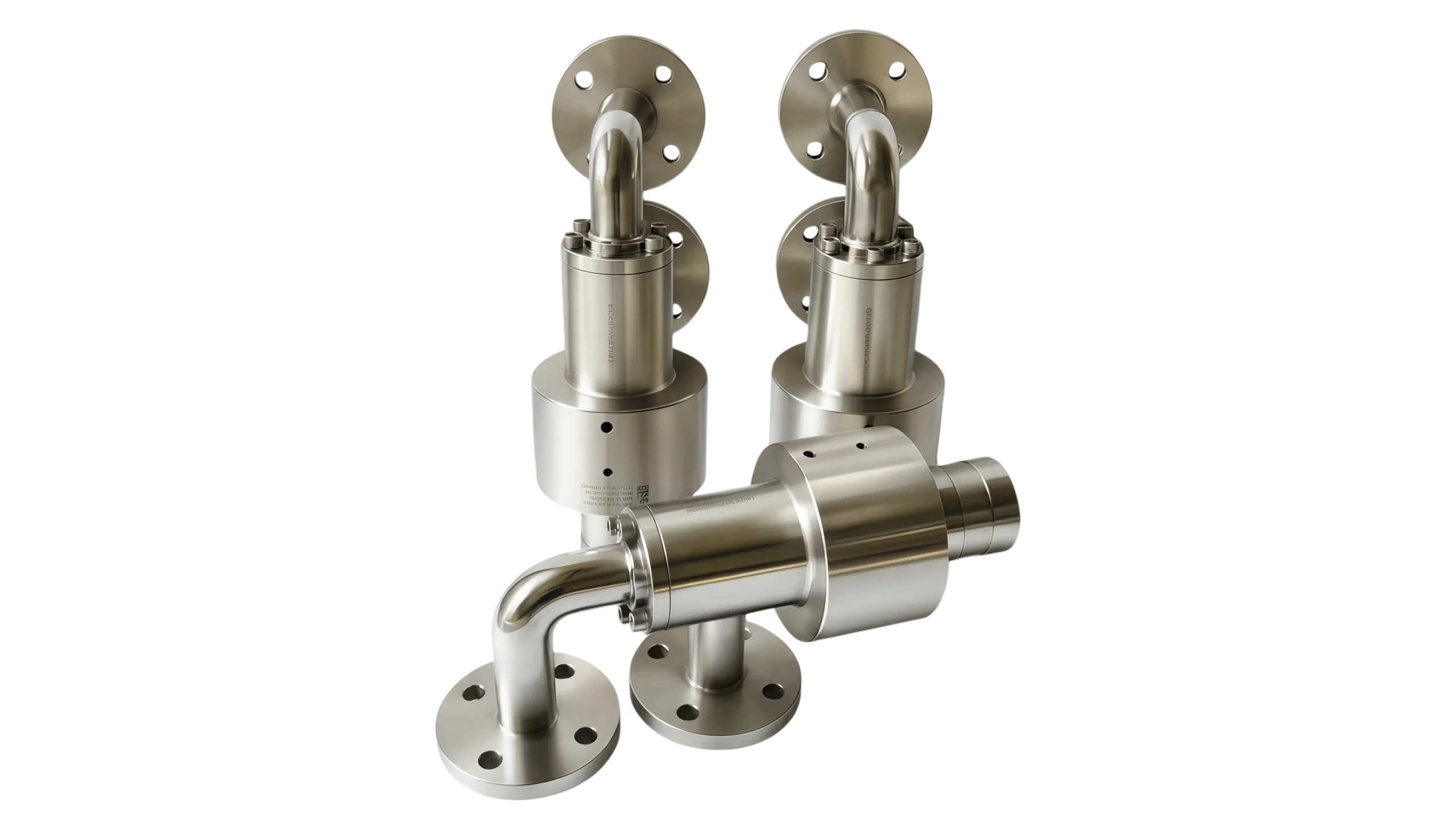
F90 swivel unions Transporting equipment components from a fixed pipeline system to high-speed rotating or reciprocating motion
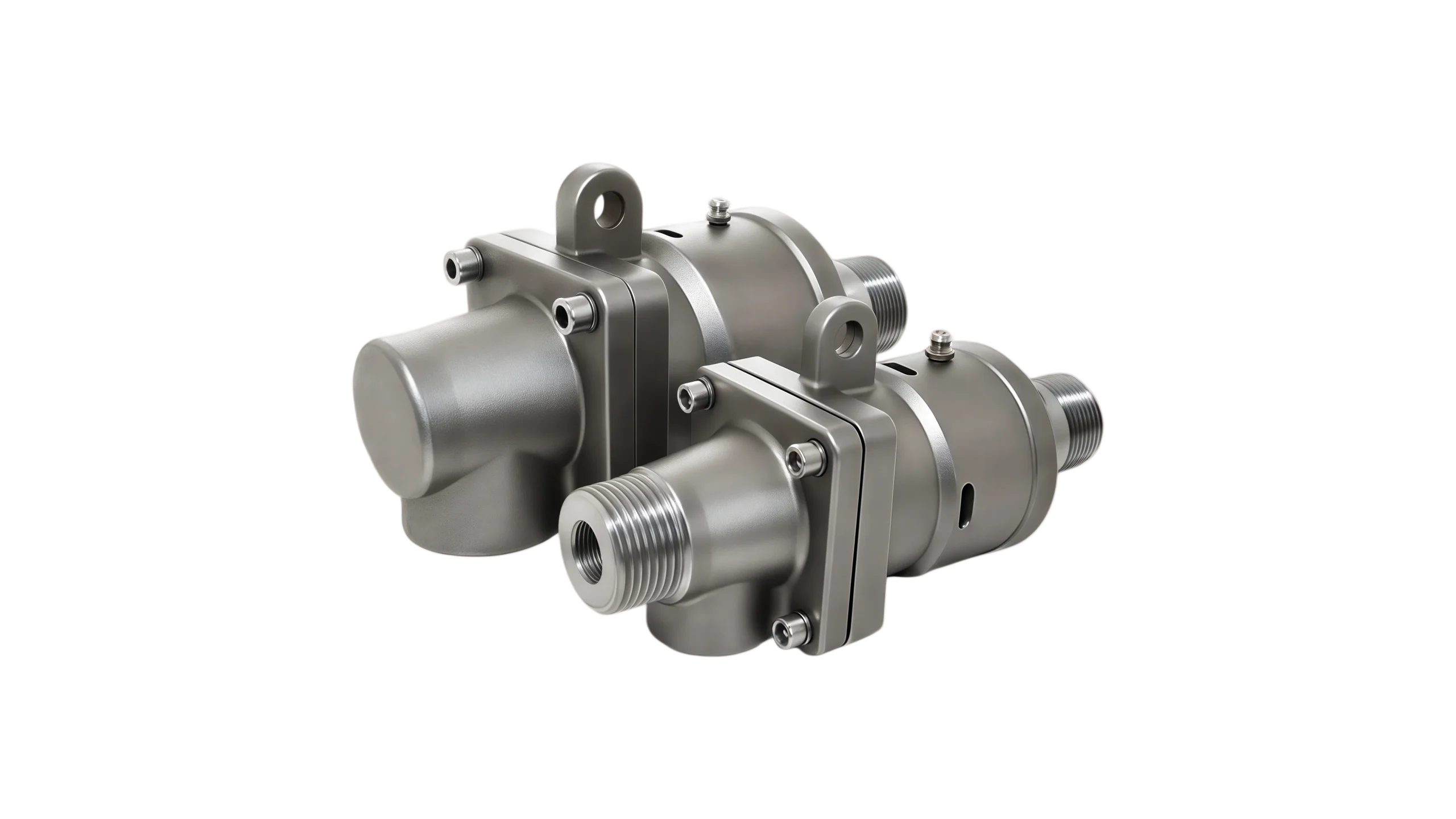
Q32 swivel unions
JD40 rotary joint is a key sealing component in industrial fluid transmission systems, usually referring to a rotary connection device with a diameter of DN40 (or corresponding British caliber). As a transitional sealing device that transports fluid media (such as water, steam, hydraulic oil, thermal oil, compressed air, etc.) from static pipelines to dynamic rotating or swinging equipment