 rotary jointsrotary joints
Search the whole station
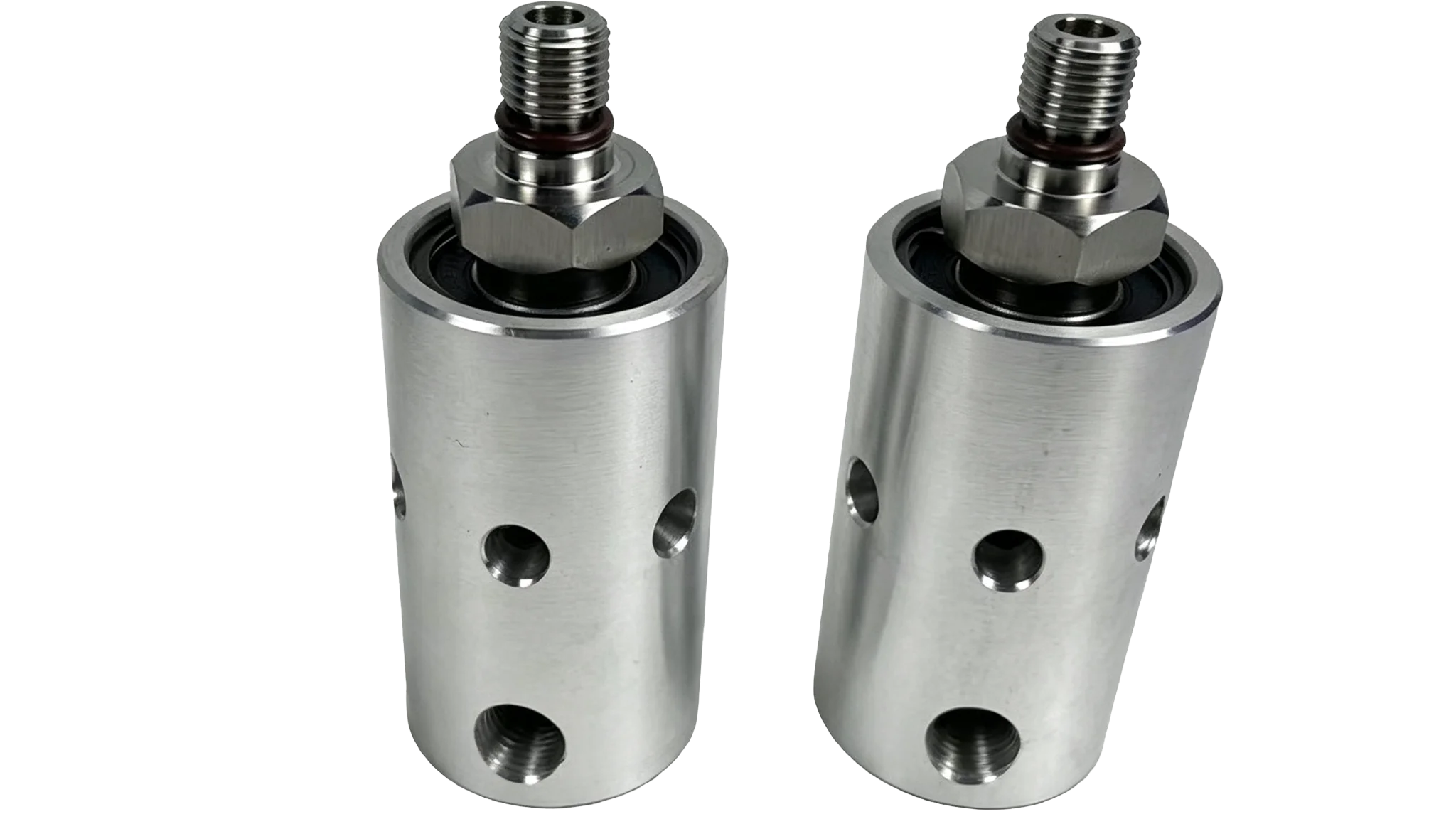
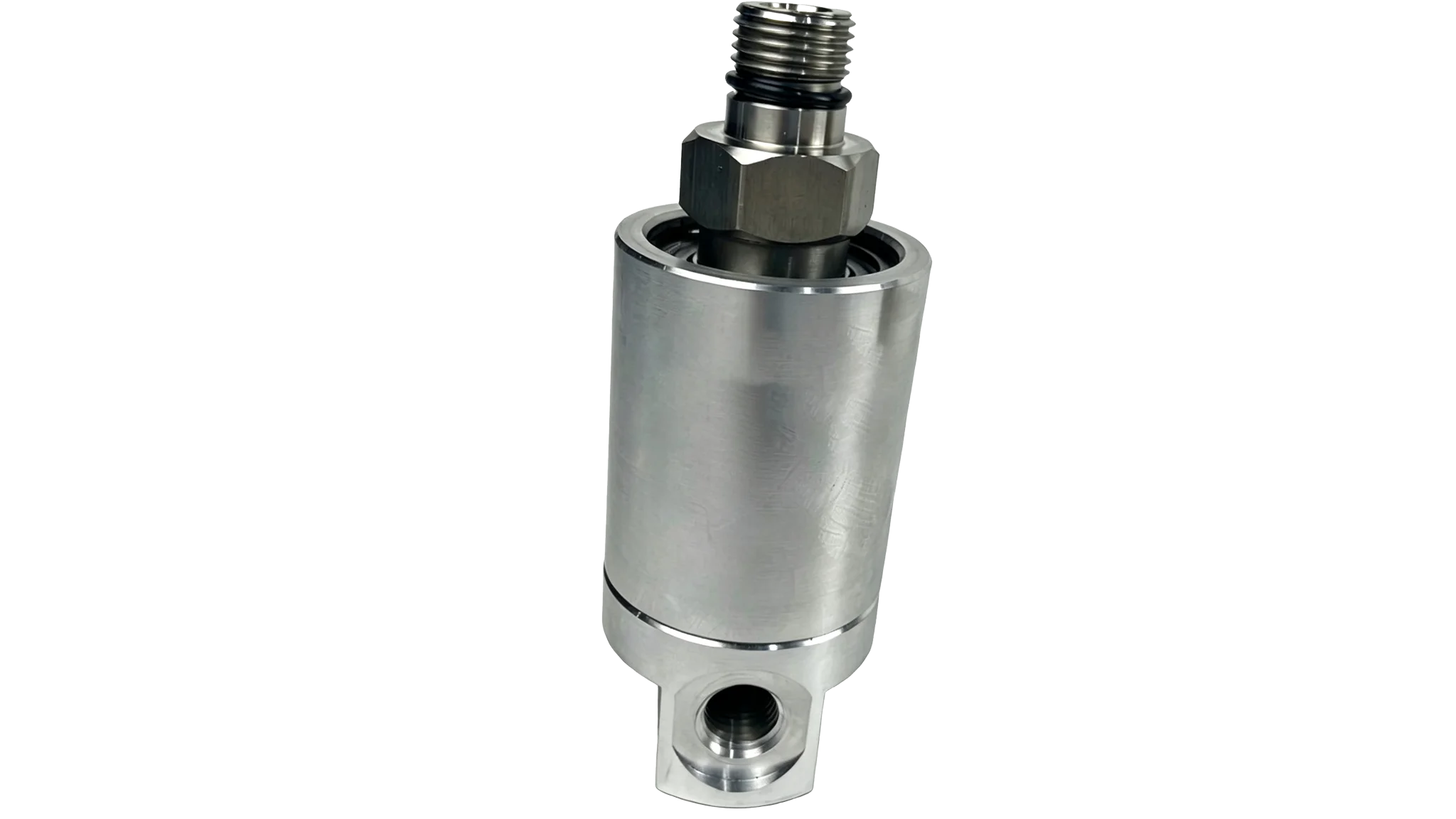
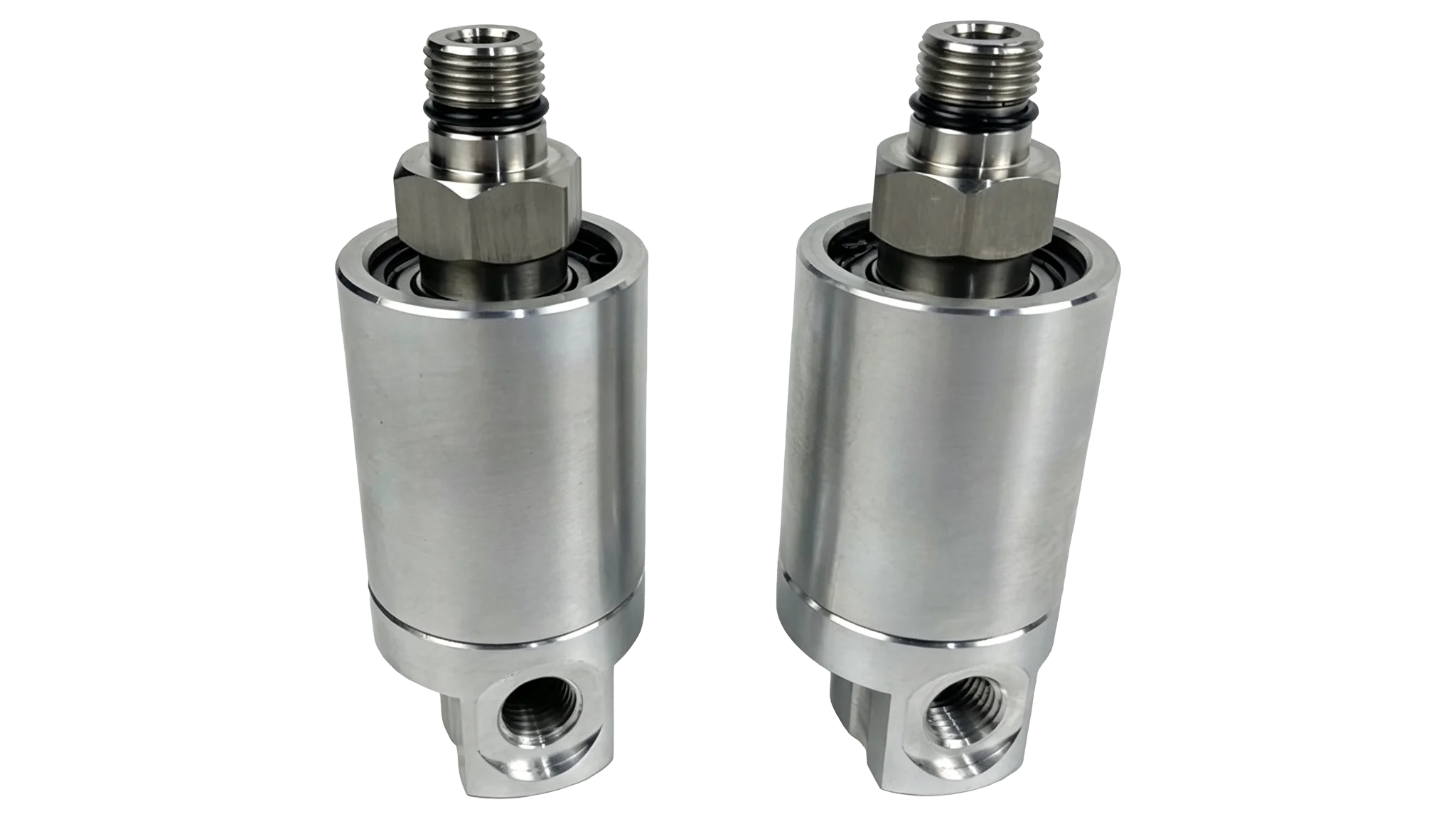
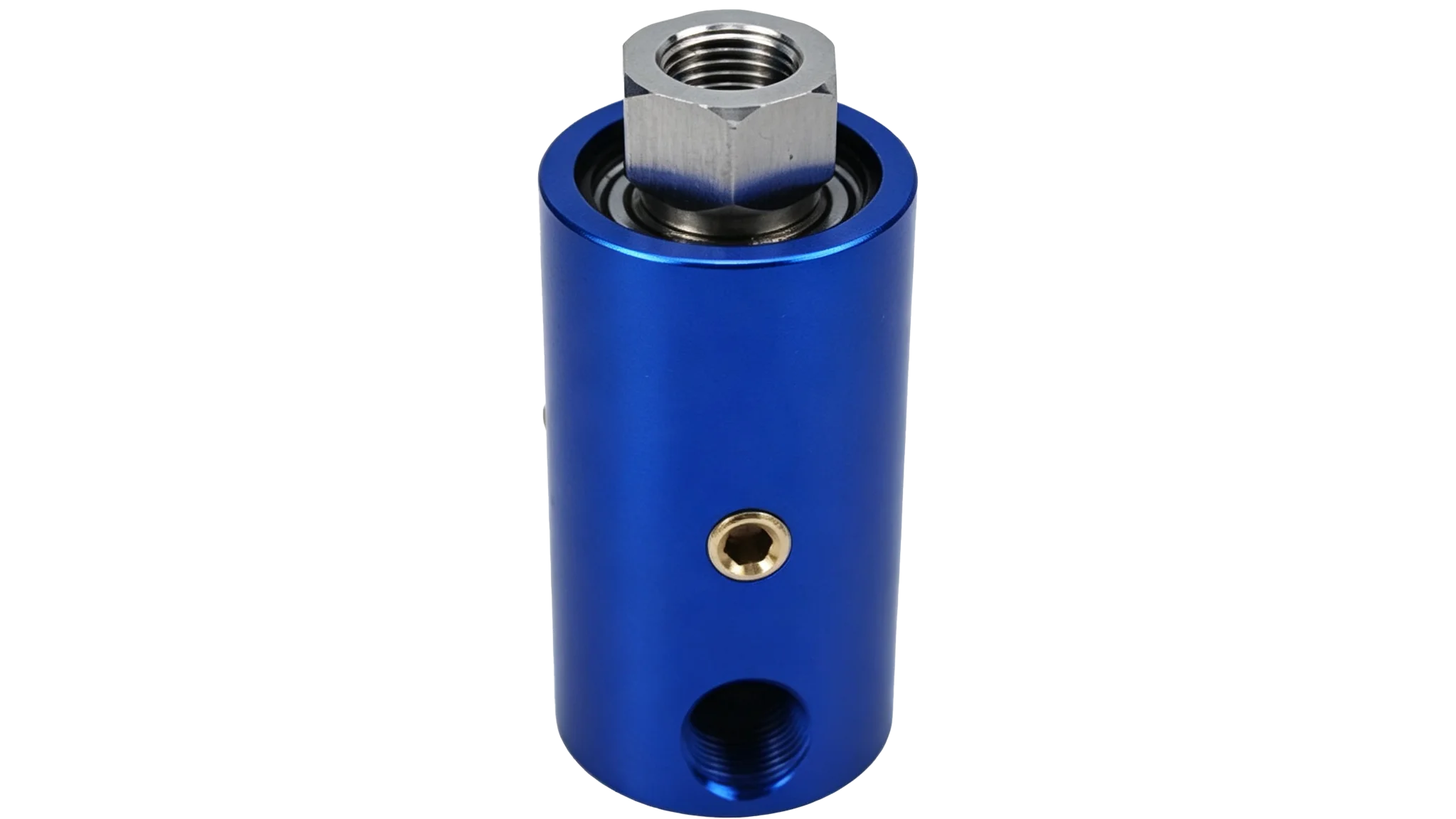
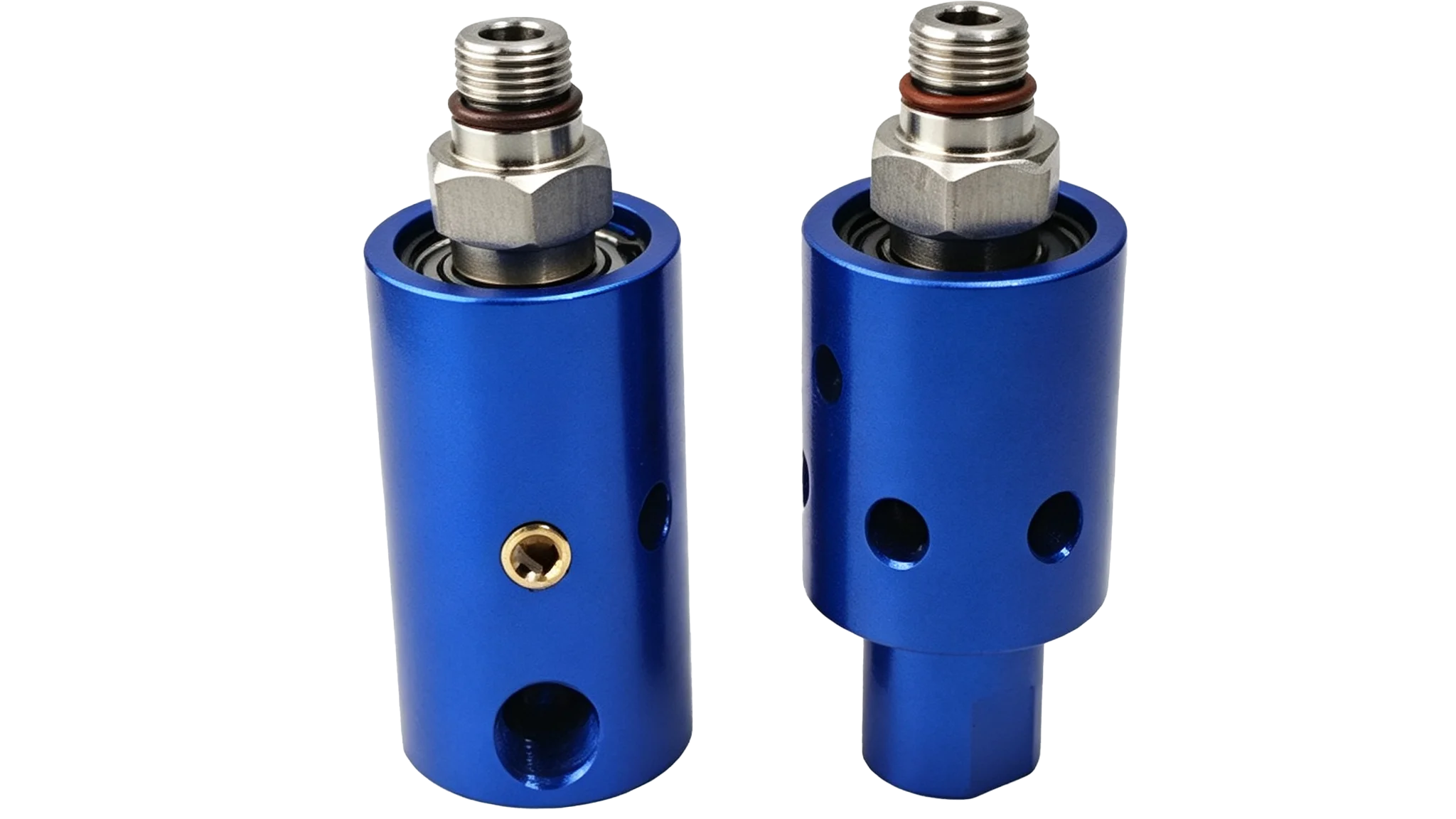
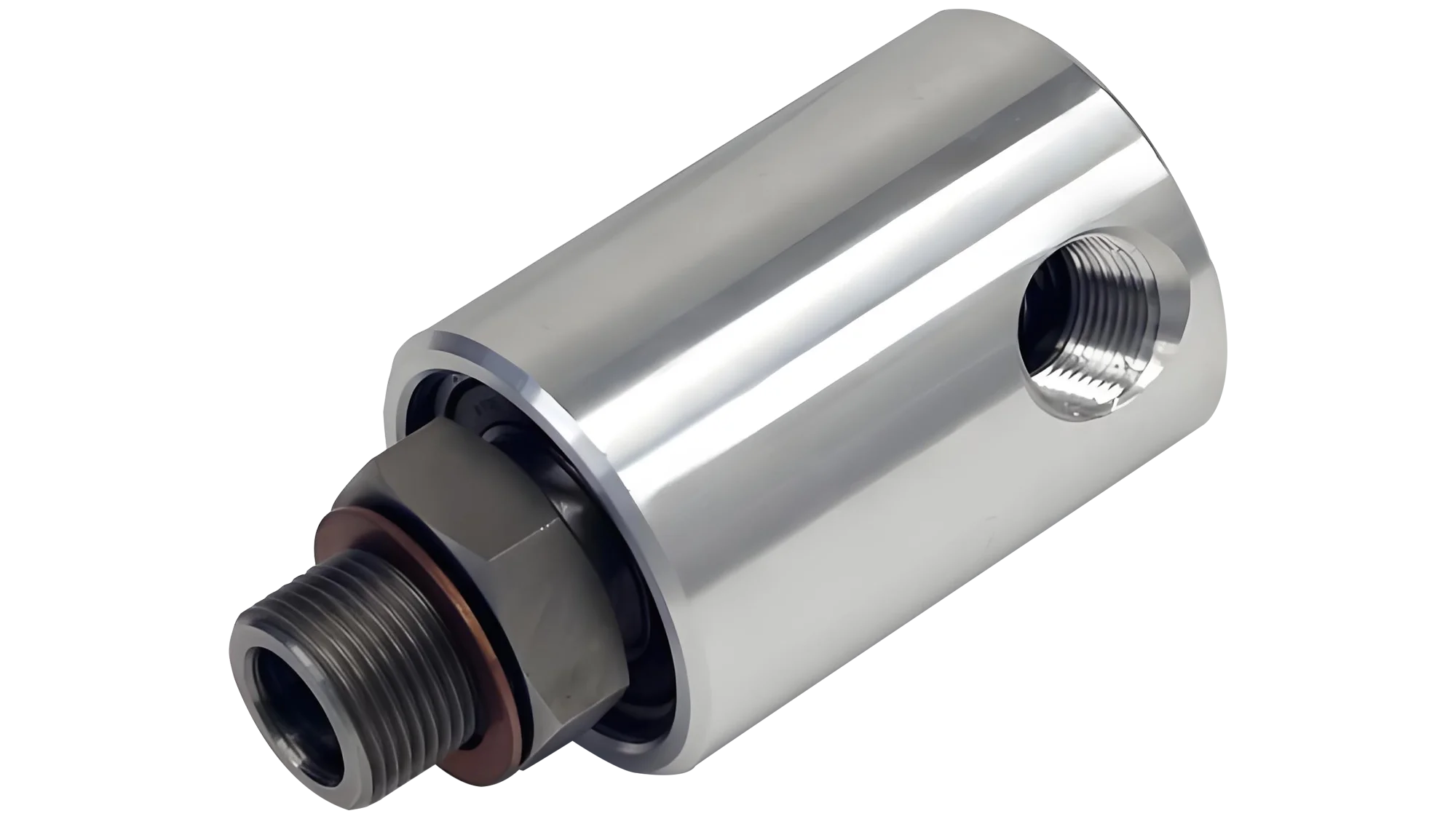
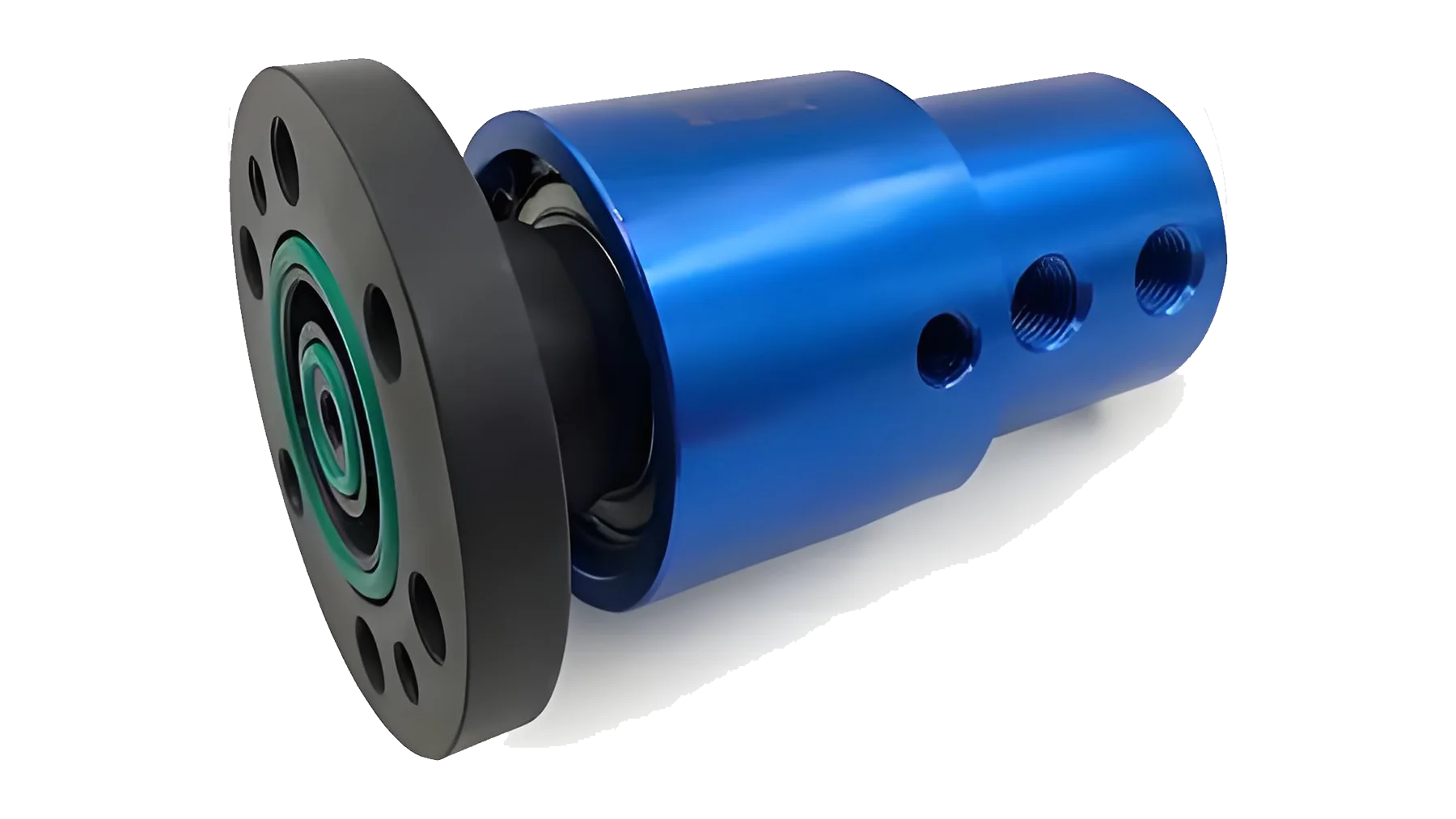
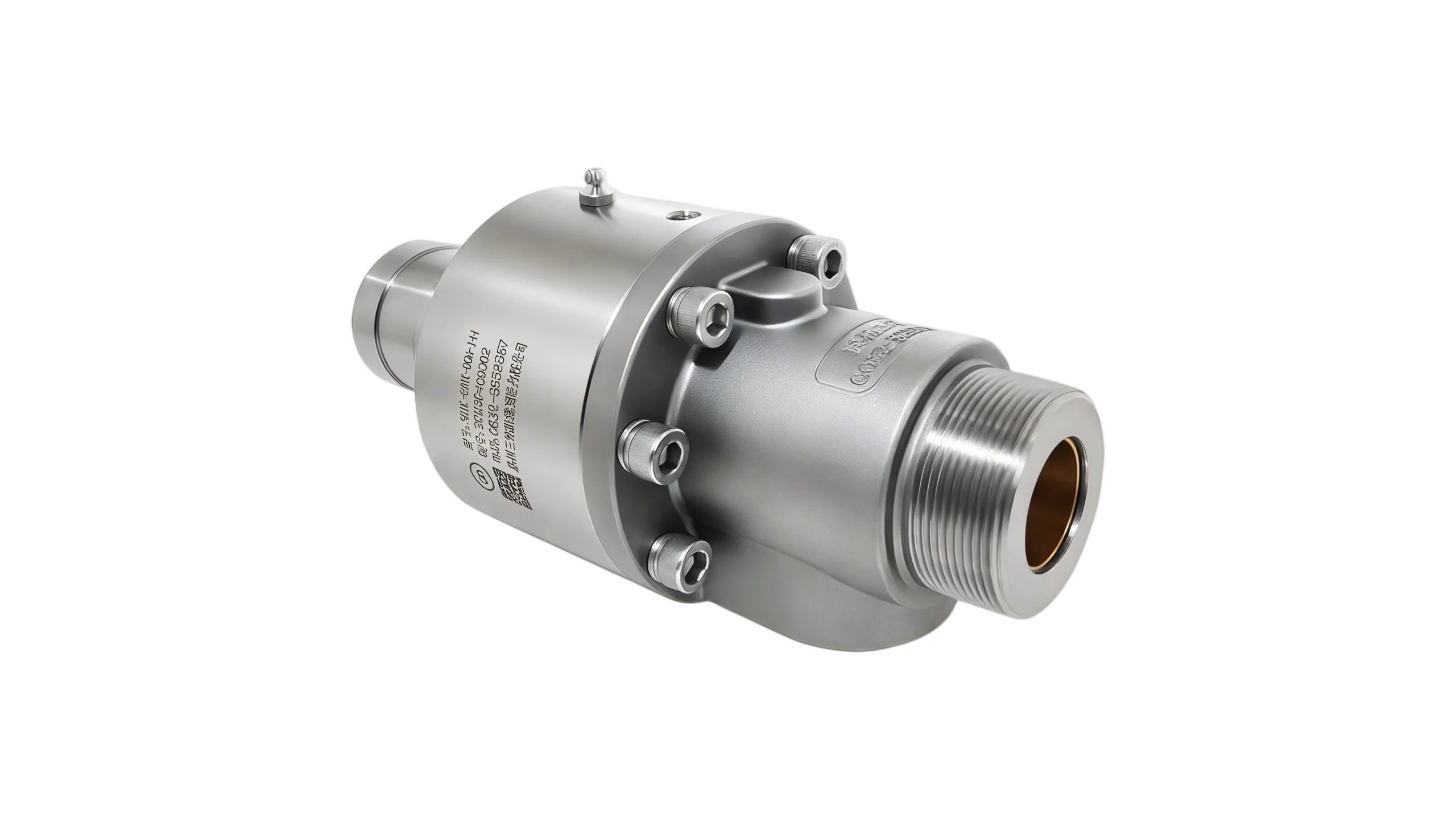
The 1005-042-448 rotary joint is the specific specification and model of the 1005 series single channel rotary joint, designed specifically for high-speed machine tool spindle center water/coolant delivery. It adopts a balanced mechanical seal and bearing supported rotor structure, suitable for MQL (micro lubrication) or coolant working conditions.
The 1005-042-448 rotary joint is the specific specification and model of the 1005 series single channel rotary joint, designed specifically for high-speed machine tool spindle center water/coolant delivery. It adopts a balanced mechanical seal and bearing supported rotor structure, suitable for MQL (micro lubrication) or coolant working conditions.
Structural features: Full flow barrier free channel (anti impurity residue), anodized aluminum shell, stainless steel rotor, double leakage labyrinth seal protection bearing
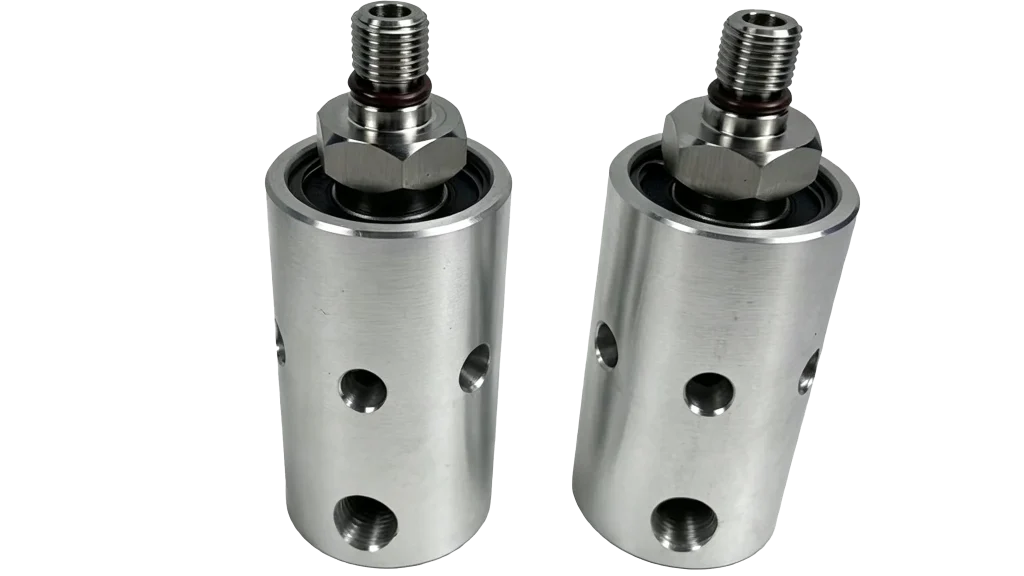
When optimizing precision machining fluid handling components, selecting the right equipment is absolutely critical for your operation. The 1005-042-448 rotary joint is expertly engineered to deliver exceptional reliability, particularly within high-speed spindle coolant delivery systems. Whether you are running complex CNC operations or managing heavy-duty cooling lines, understanding the mechanics of this joint will help you maximize your machinery’s uptime and overall efficiency.
Understanding your machinery’s specific fluid requirements is the first step toward efficient thermal management. Depending on your operational setup, you must evaluate a monoflow versus duoflow configuration. The 1005-042-448 rotary joint adapts seamlessly to these distinct setups, allowing for either a single, straightforward fluid path or simultaneous supply and return lines in a single unit.
To guarantee safe and efficient operation, operators must always verify the rotating union flow rate specifications before installation. Furthermore, it is vital to never exceed the maximum operating pressure for swivel joints. Pushing past these engineered limits is a common catalyst for catastrophic equipment failure and safety hazards.
Durability is where this specific rotary union truly shines. The unit boasts incredible stainless steel rotor corrosion resistance, which actively protects the internal mechanisms from harsh water-based or synthetic coolants.
Additionally, the silicon carbide seal ring benefits cannot be overstated; they include superior thermal conductivity, extreme hardness, and robust resistance to abrasive particles. How do these internal seals last so long? With modern hydrostatic sealing technology explained simply as the utilization of internal fluid pressure to maintain a frictionless, microscopic gap between seal faces, mechanical wear is drastically reduced.
Even premium industrial parts require proper care. Consistent industrial fluid transfer coupling maintenance prevents minor operational hiccups from escalating into costly downtime. Follow these rotary union installation best practices to ensure peak performance:
If you spot a drop in coolant pressure or a visible puddle on the shop floor, troubleshooting rotary union leaks becomes your immediate priority. Identifying the core causes of premature seal failure—such as dry running, improper filtration, or severe misalignment—will save you both time and money.
By carefully examining mechanical seal wear patterns, maintenance technicians can pinpoint exactly what went wrong internally. For example, uneven wear usually indicates severe misalignment, while heavy grooving points to fluid contamination. Once a failure is accurately diagnosed, replacing rotary joint repair kits is a quick, cost-effective way to restore full functionality. Always partner with authorized rotary joint suppliers to ensure you are receiving genuine, high-quality OEM replacement parts.
Investing time in understanding and maintaining your fluid transfer systems pays off immensely. By adhering to operational limits and performing proactive maintenance, your rotary joint will operate flawlessly for years to come.
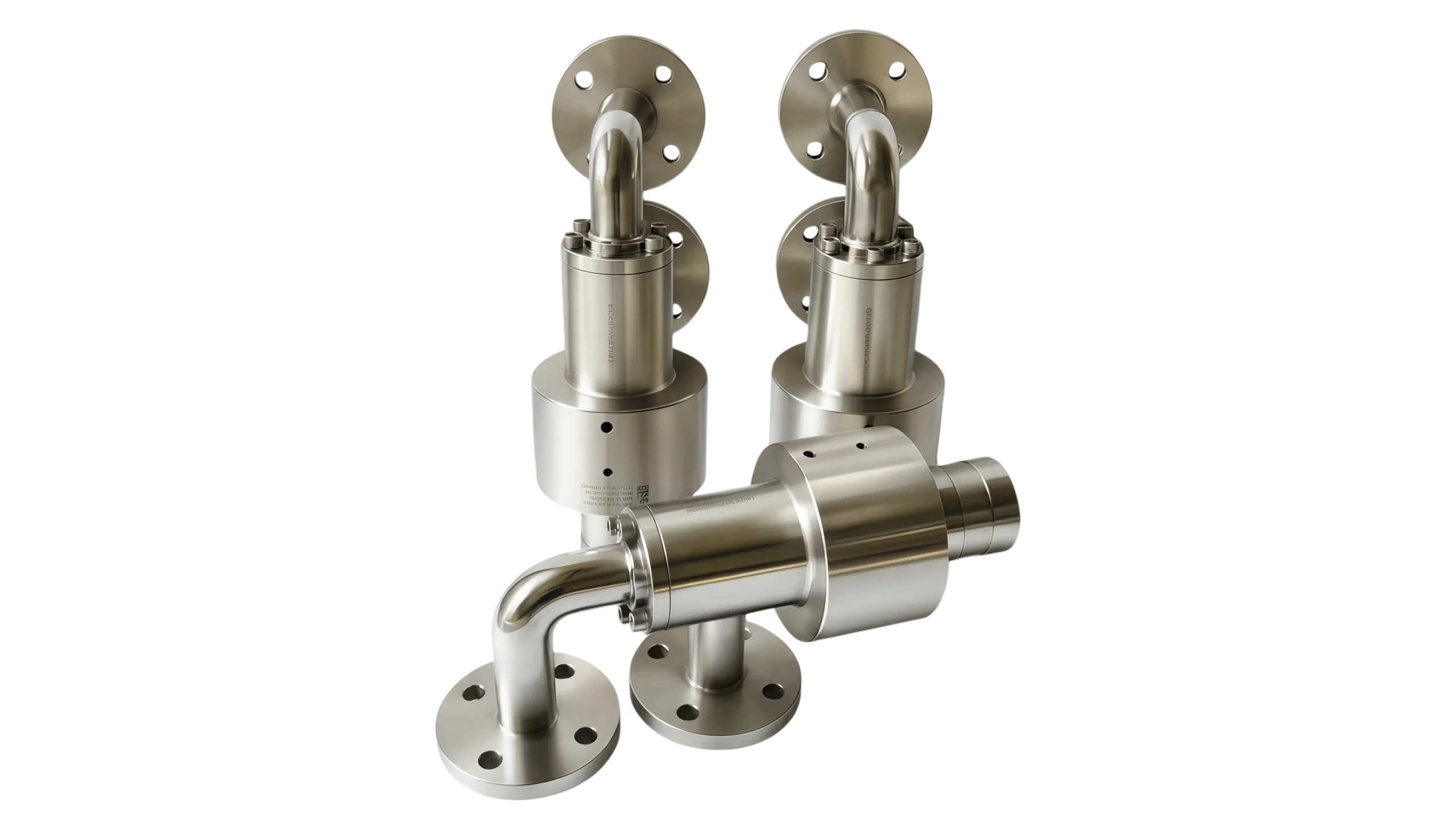
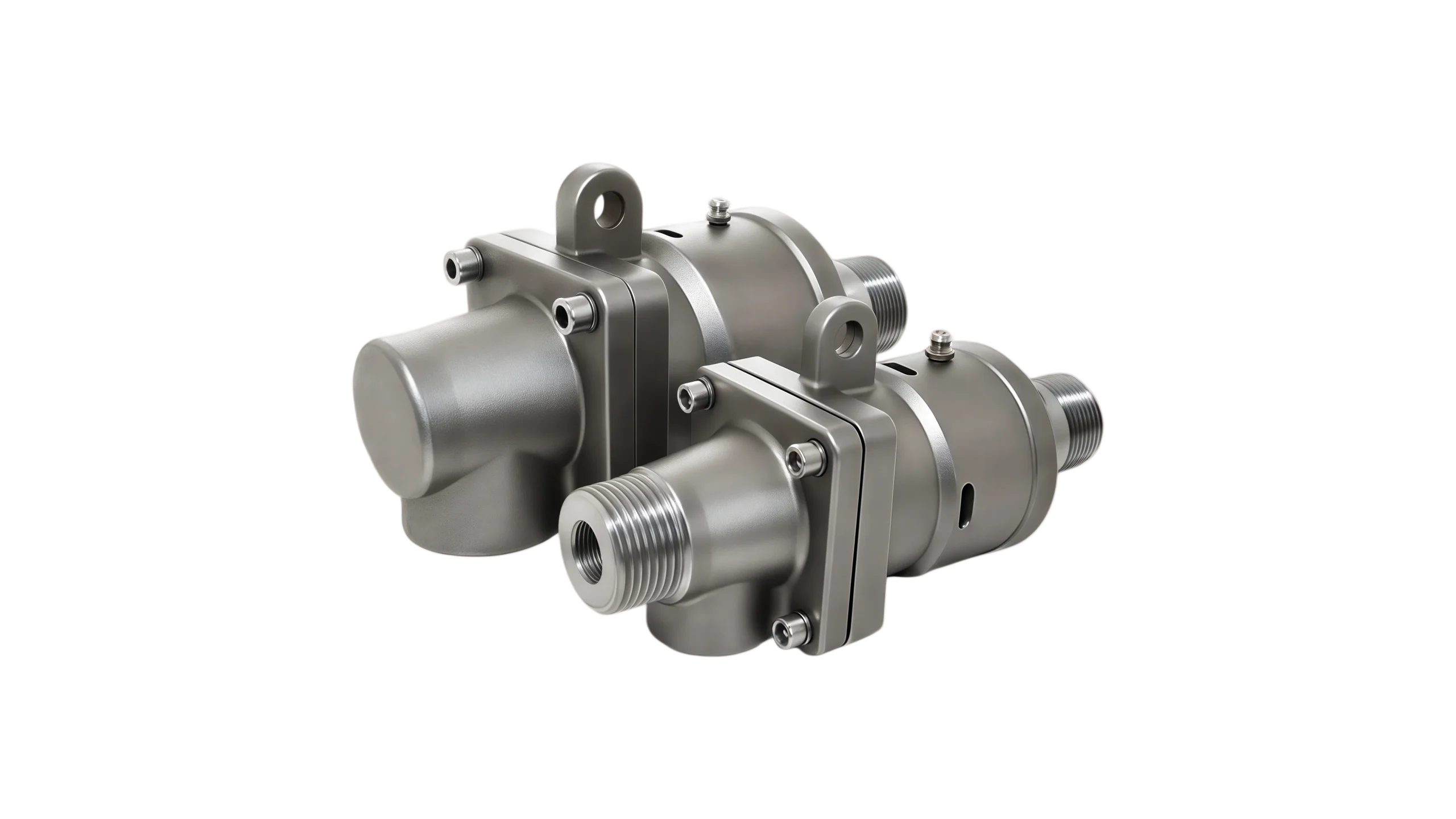
A rotary joint is a sealing device that connects stationary pipelines and rotating equipment, achieving leak free fluid transmission under 360 ° rotation. It allows fluid media to flow smoothly between fixed pipelines and rotating machines, and is a key component in industrial equipment
F90 swivel unions Transporting equipment components from a fixed pipeline system to high-speed rotating or reciprocating motion
Q32 swivel unions
JD40 rotary joint is a key sealing component in industrial fluid transmission systems, usually referring to a rotary connection device with a diameter of DN40 (or corresponding British caliber). As a transitional sealing device that transports fluid media (such as water, steam, hydraulic oil, thermal oil, compressed air, etc.) from static pipelines to dynamic rotating or swinging equipment