 rotary jointsrotary joints
Search the whole station
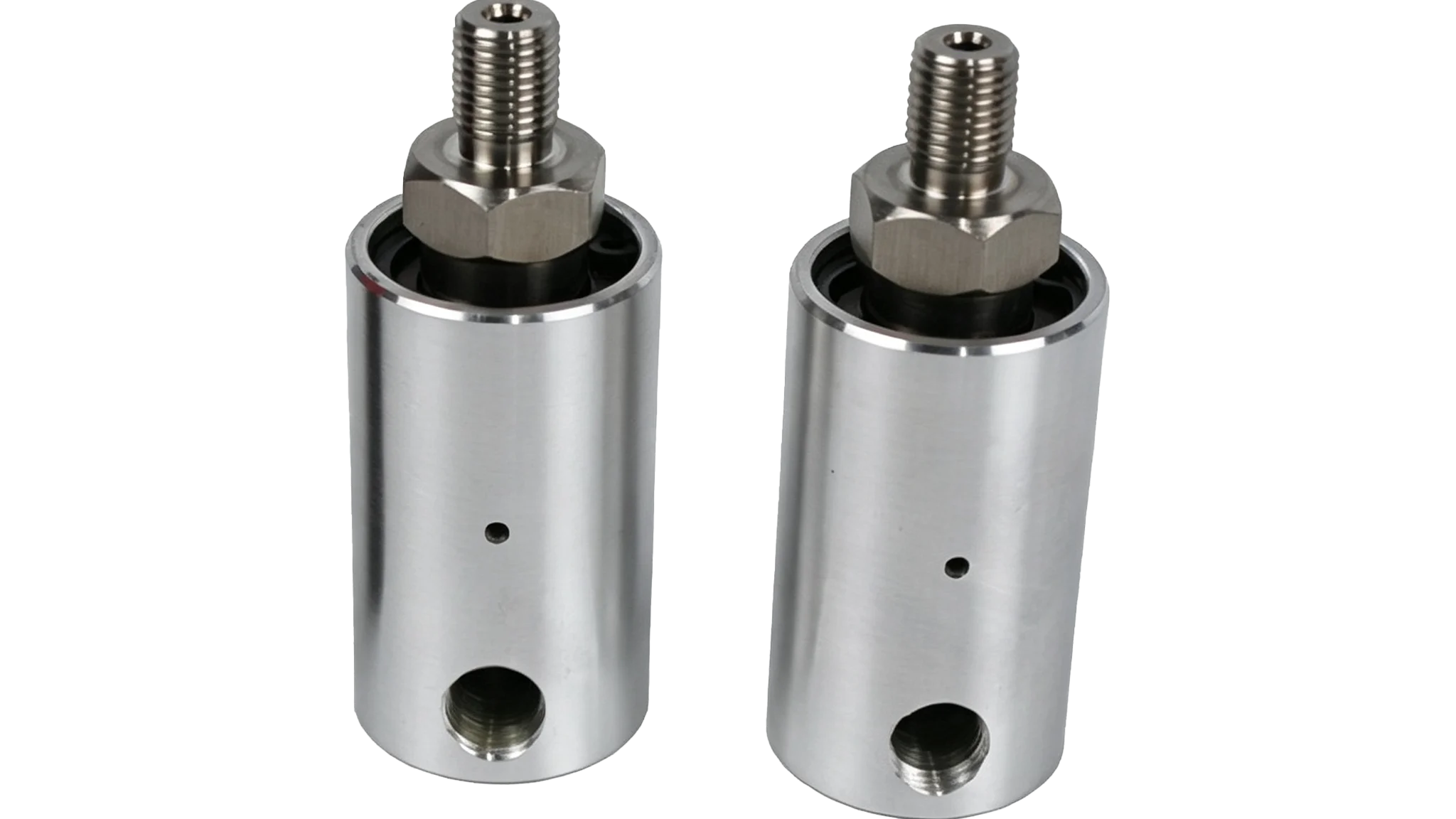
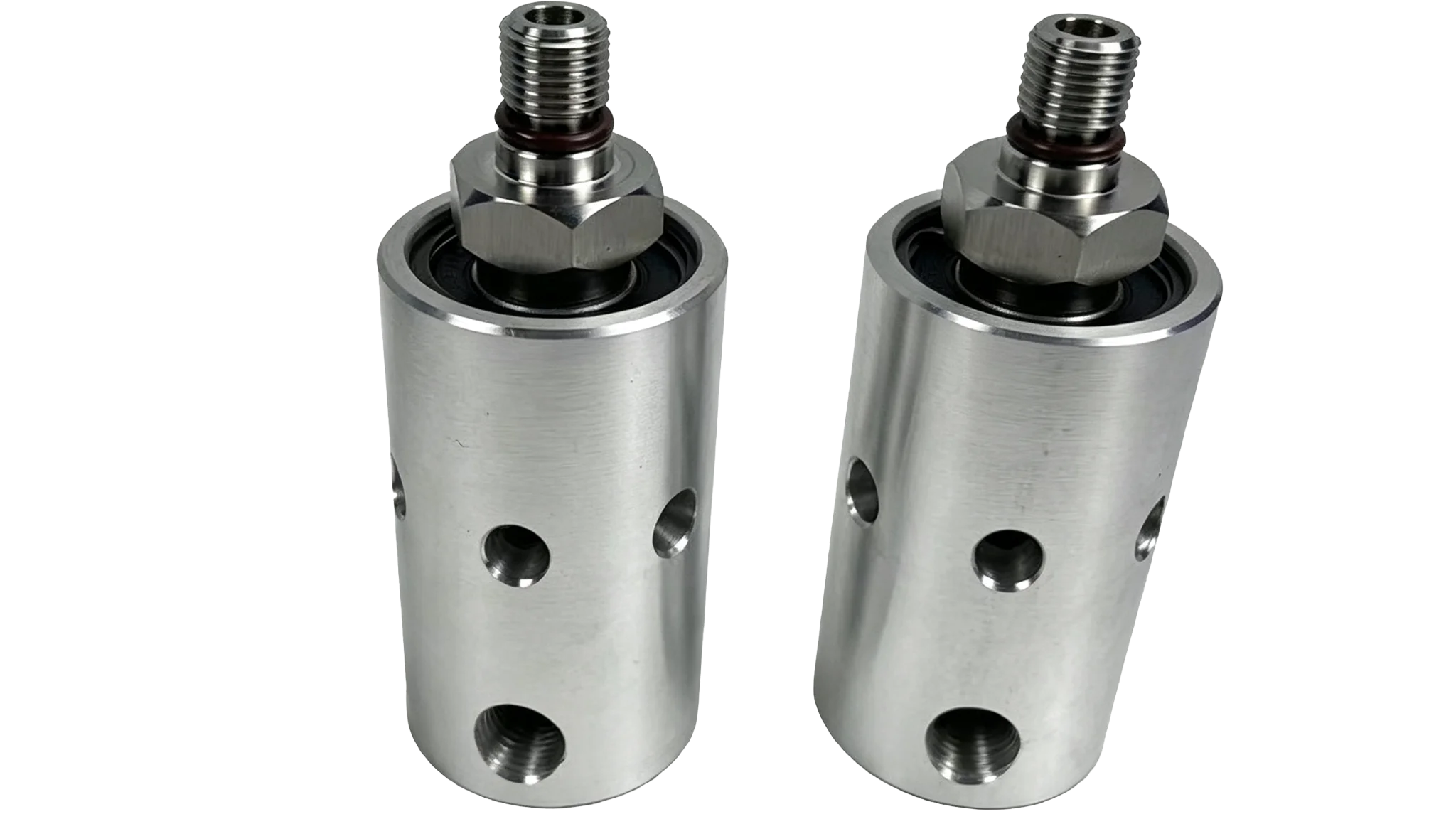
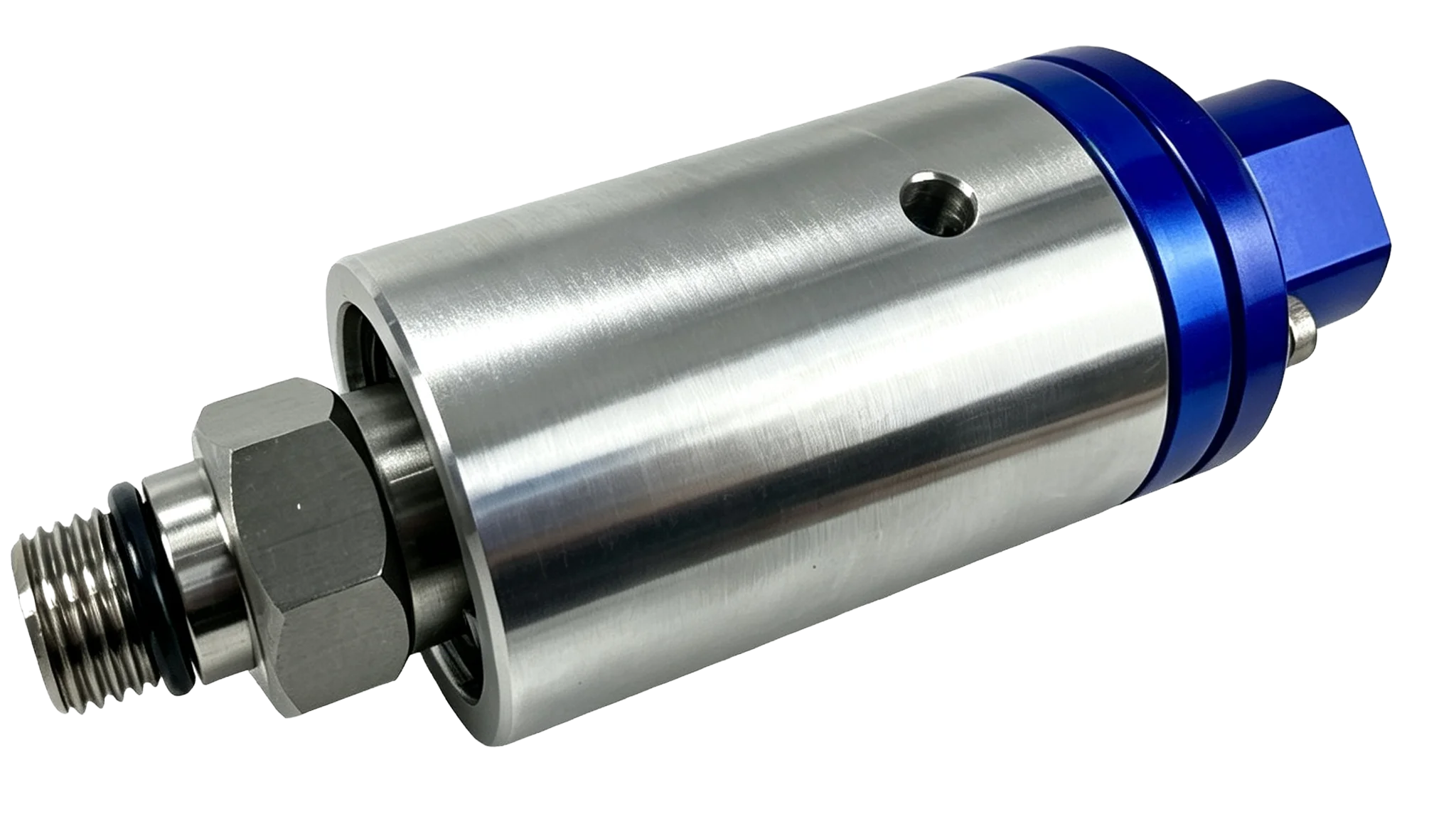
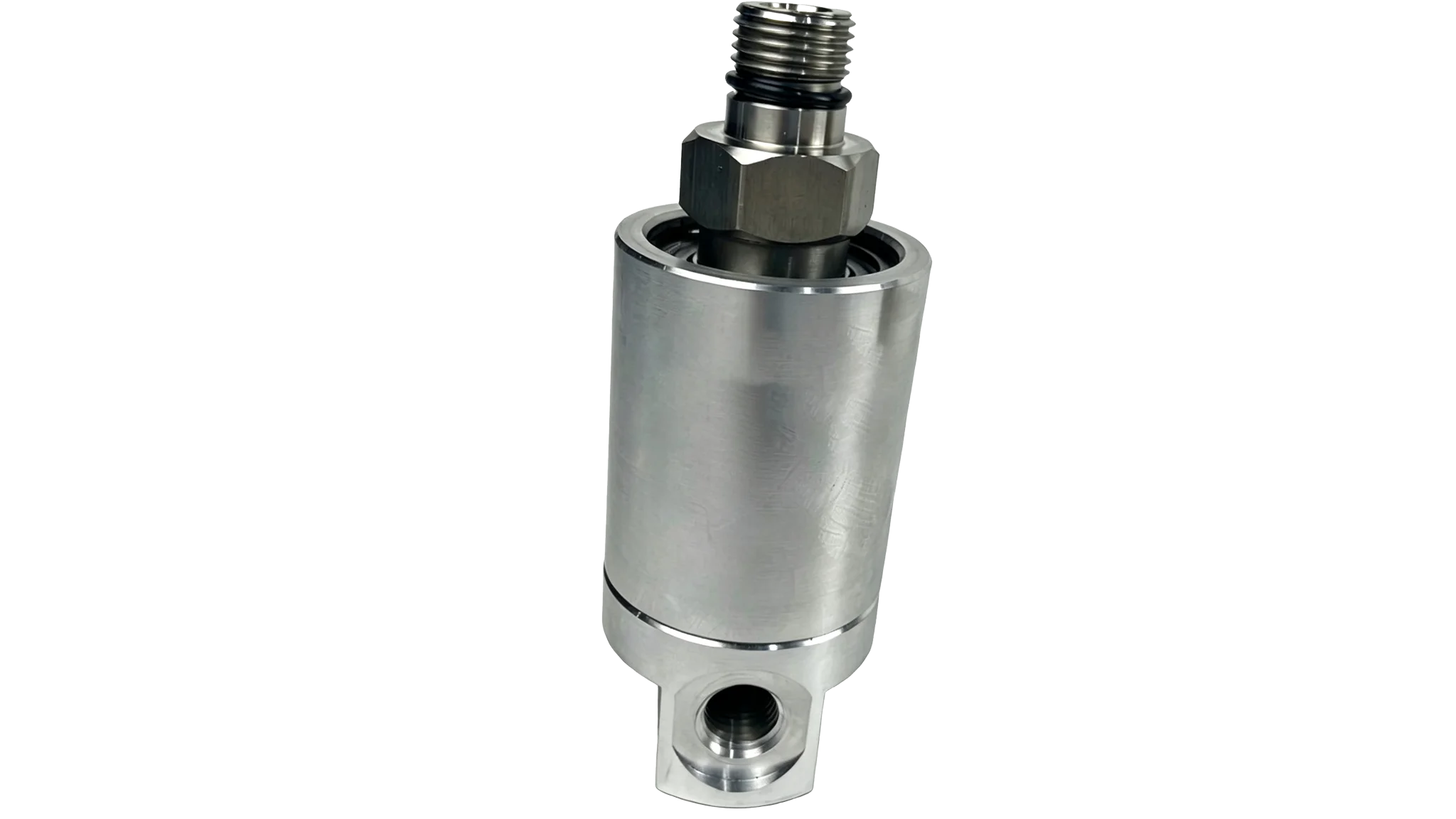
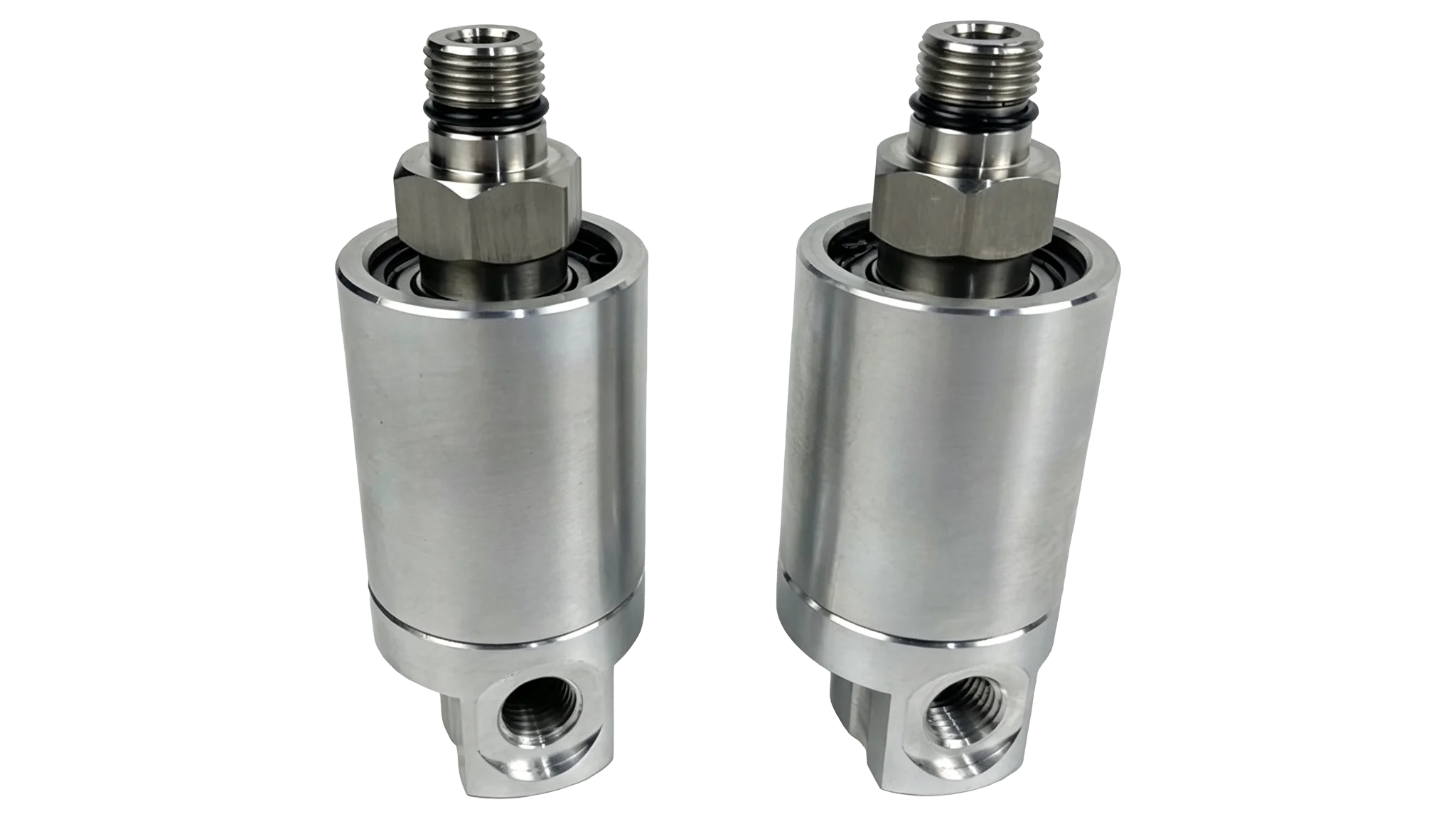
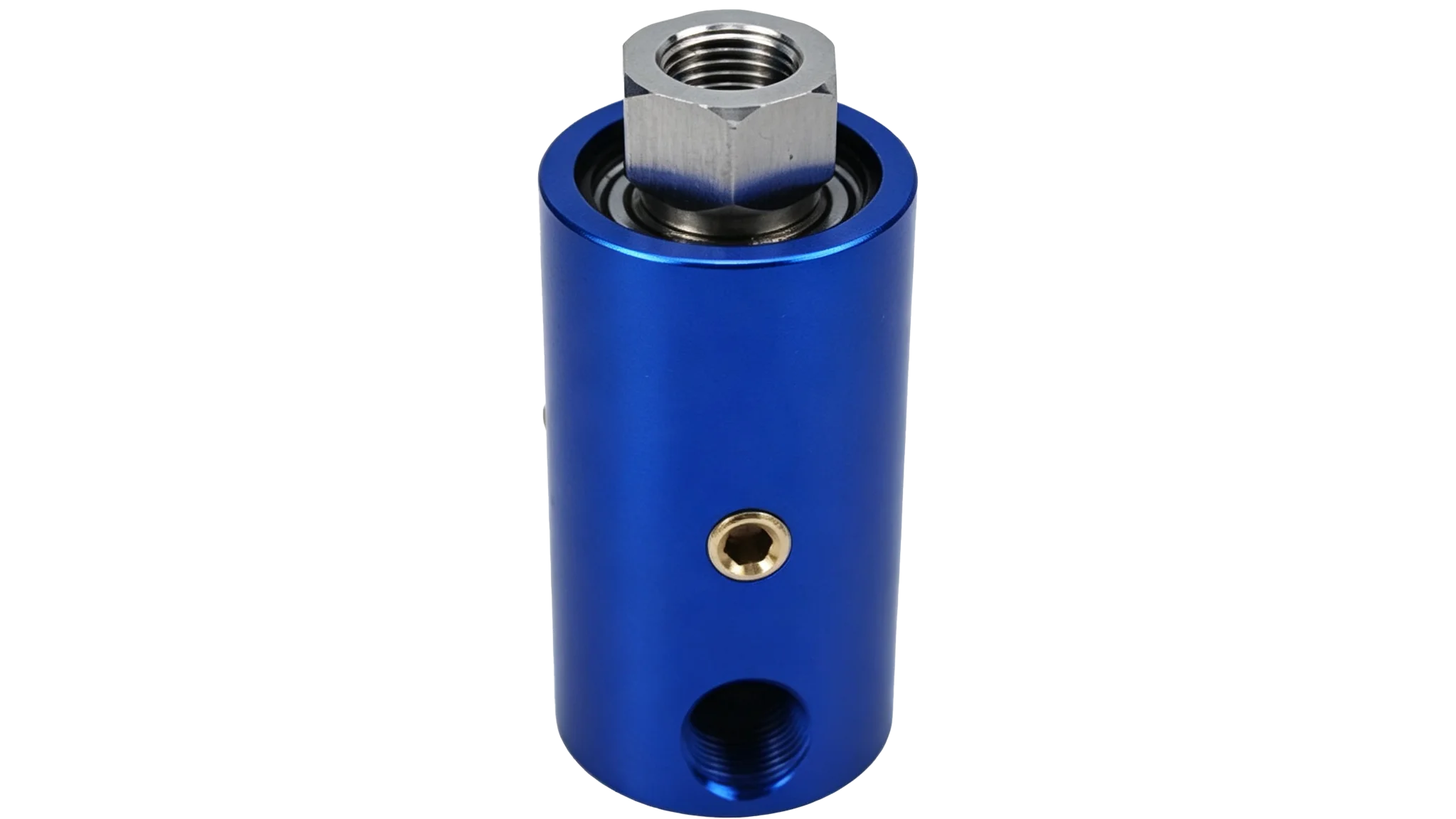
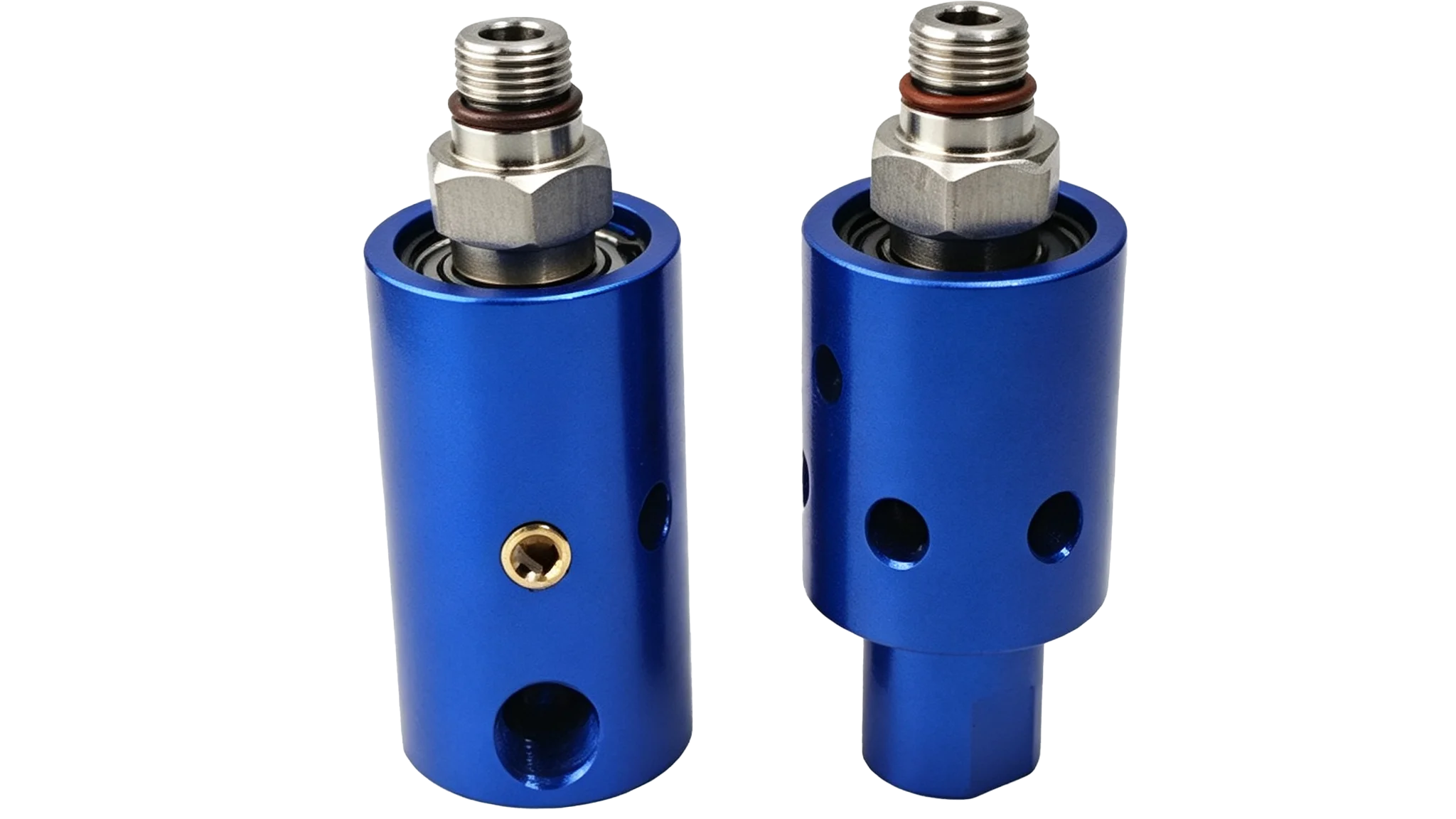
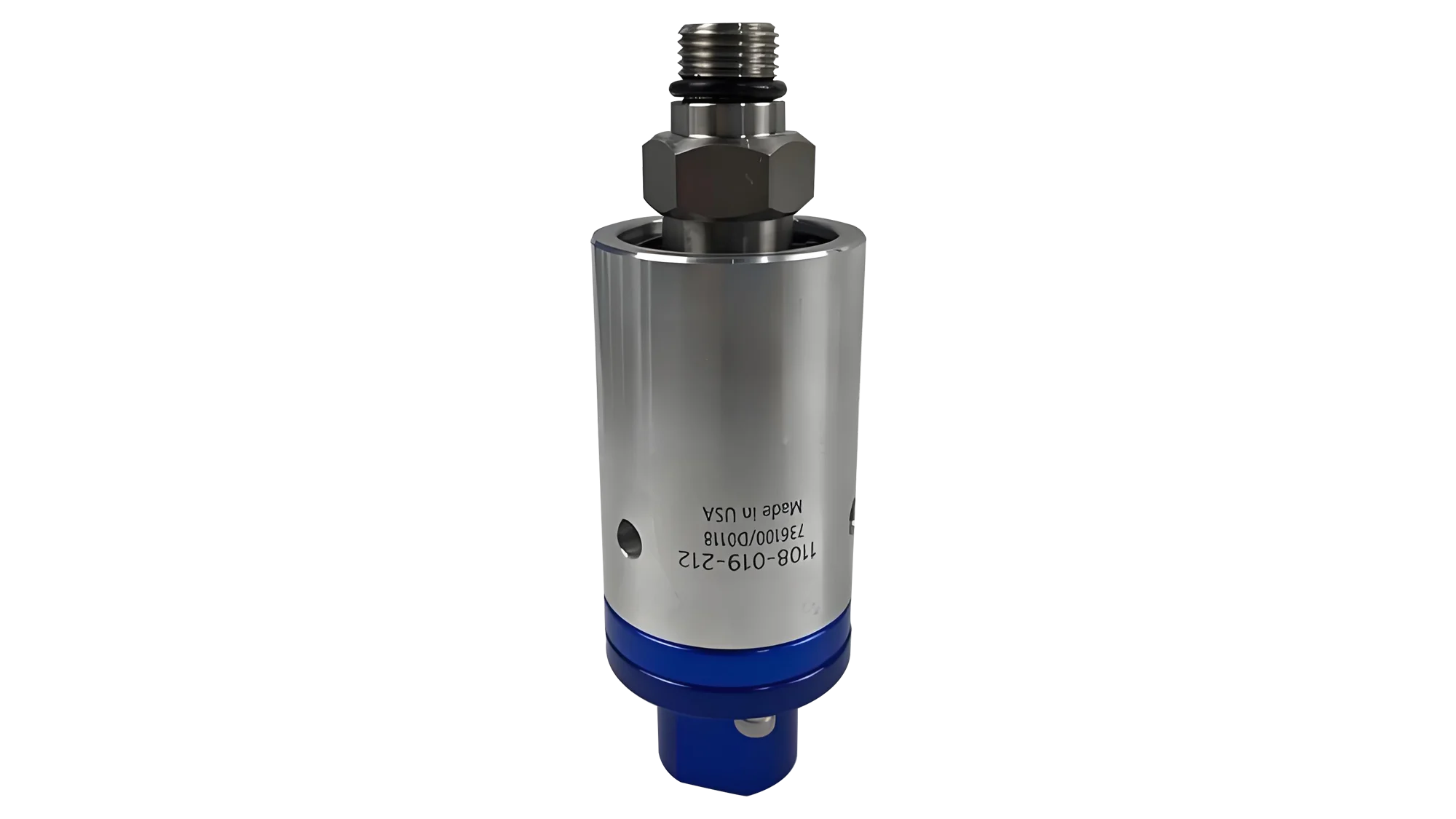
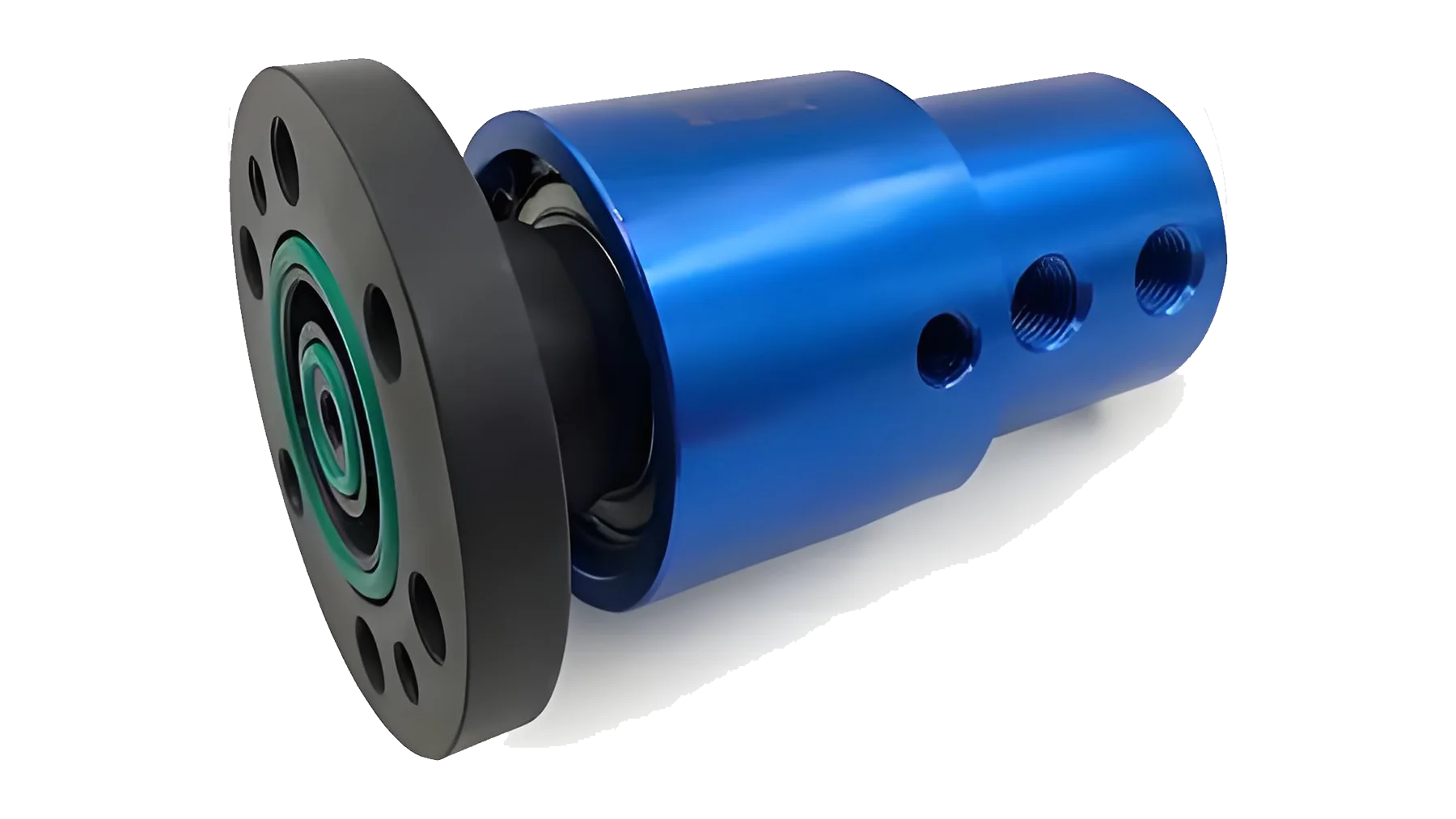
The 1005-020-019 rotary joint is a 1005 series single channel high-speed rotary joint, designed with a balanced mechanical seal for stable transmission of hydraulic oil/coolant and other media at high speeds.
The 1005-020-019 rotary joint is a 1005 series single channel high-speed rotary joint, designed with a balanced mechanical seal for stable transmission of hydraulic oil/coolant and other media at high speeds.
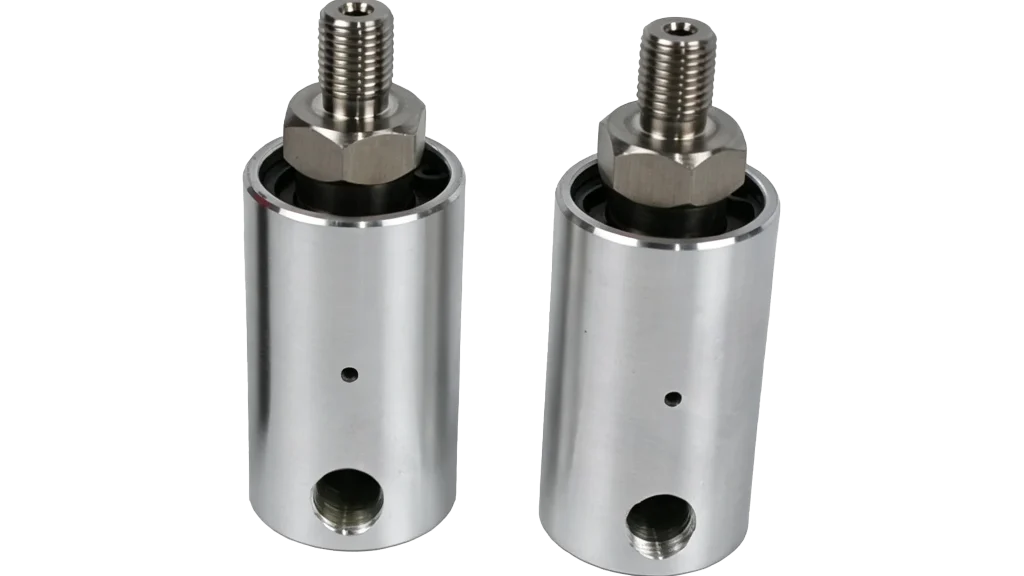
When it comes to optimizing fluid power transmission in rotating equipment, selecting the right precision components is paramount. Among the leading solutions on the market today is the highly reliable 1005-020-019 rotary joint. Designed to withstand rigorous industrial environments, this specialized component ensures seamless fluid delivery while maintaining peak operational efficiency for your most demanding machinery.
Before upgrading your equipment, understanding rotating union vs swivel joint differences is crucial. While swivel joints typically handle slow or oscillating movements, a true rotary union is built for continuous, fast-paced rotation. The 1005-020-019 rotary joint excels precisely in these high-speed applications.
When you review the 1005 series rotary union technical specifications, you will find it integrates advanced high pressure fluid transfer technology capable of managing water, coolant, and hydraulic oils. Compared to other rotary joint types, this specific series is highly prized for improving spindle cooling efficiency during heavy milling, turning, or drilling cycles.
A major factor in how to choose a coolant union for CNC applications is the internal sealing mechanism. Engineers often weigh the pros and cons of silicon carbide vs tungsten carbide seals. Both materials offer exceptional wear resistance, but the optimal pairing found in high-quality joints maximizes longevity.
Furthermore, operators gain the significant benefits of balanced mechanical seals, which drastically reduce internal friction and minimize wear on critical components. Another standout feature of this unit is its dry run capability for machine tool spindles. This crucial innovation prevents catastrophic seal damage, allowing the machine to safely operate for short periods even if fluid flow is briefly interrupted.
Knowing exactly how to install high speed rotary joints correctly is the absolute best way to prevent premature failure. When replacing coolant union seals in CNC machines or installing a brand-new unit, mechanical alignment is everything.
Routine upkeep is the fundamental backbone of effective machine tool downtime prevention strategies. Whether you are consulting your machine’s OEM manual or a comprehensive Deublin rotary union maintenance guide, the core principles of care remain consistent.
If you ever notice a sudden drop in coolant pressure or pooling fluid, follow these essential rotary joint leakage troubleshooting steps:
Single channel design
Self supporting rotary connector
Radial shell connection
Balanced mechanical seal
Sealing combination: carbon graphite/quenched tool steel or carbon graphite/silicon carbide
Sealed chamber felt for air medium
Oil nozzle for lubrication (3 to 5 drops per month)
Low torque design
Weight optimization design
Aluminum shell, stainless steel or carbon steel rotor, depending on the model
Lifetime lubricated ball bearings
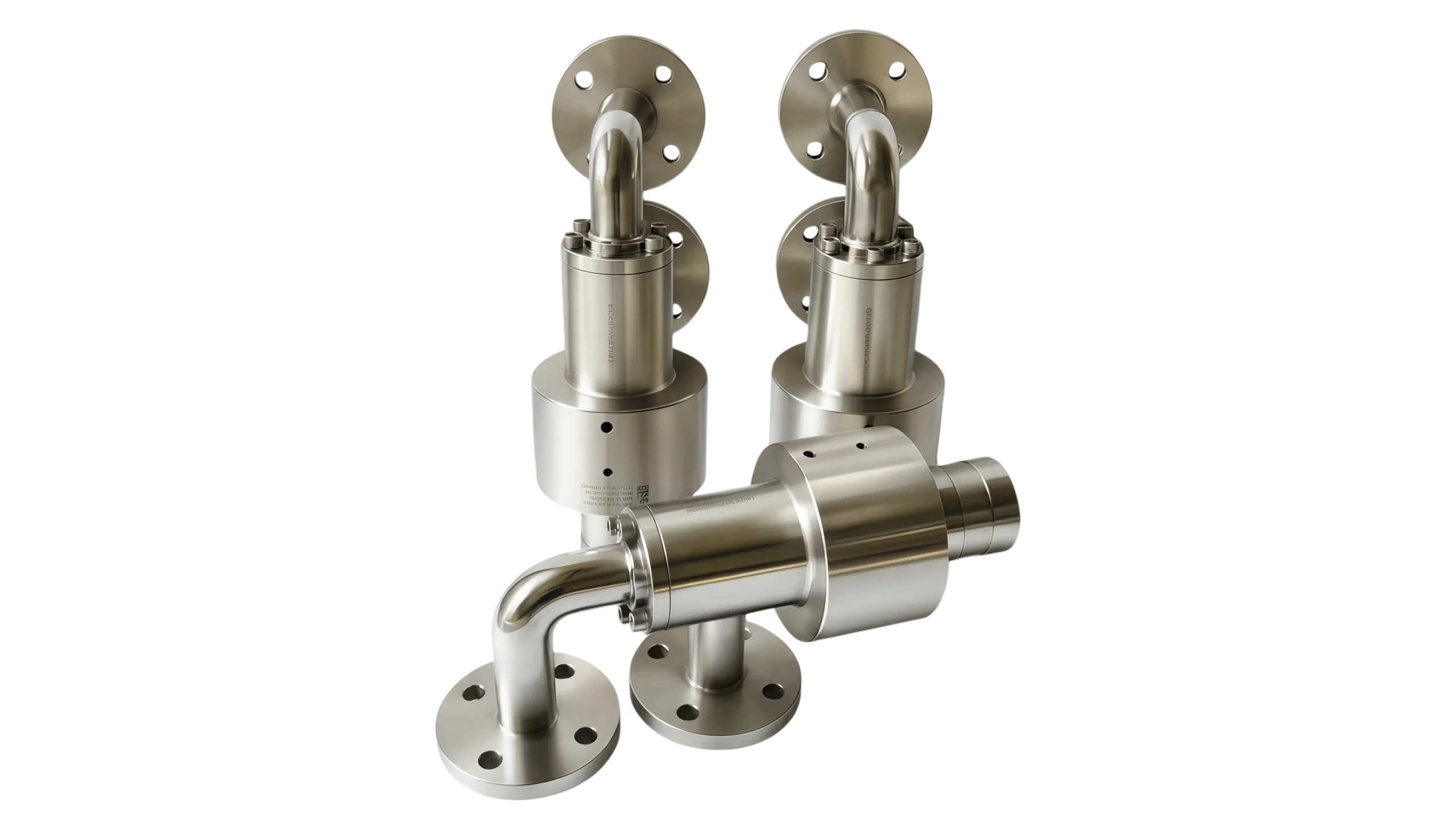
A rotary joint is a sealing device that connects stationary pipelines and rotating equipment, achieving leak free fluid transmission under 360 ° rotation. It allows fluid media to flow smoothly between fixed pipelines and rotating machines, and is a key component in industrial equipment
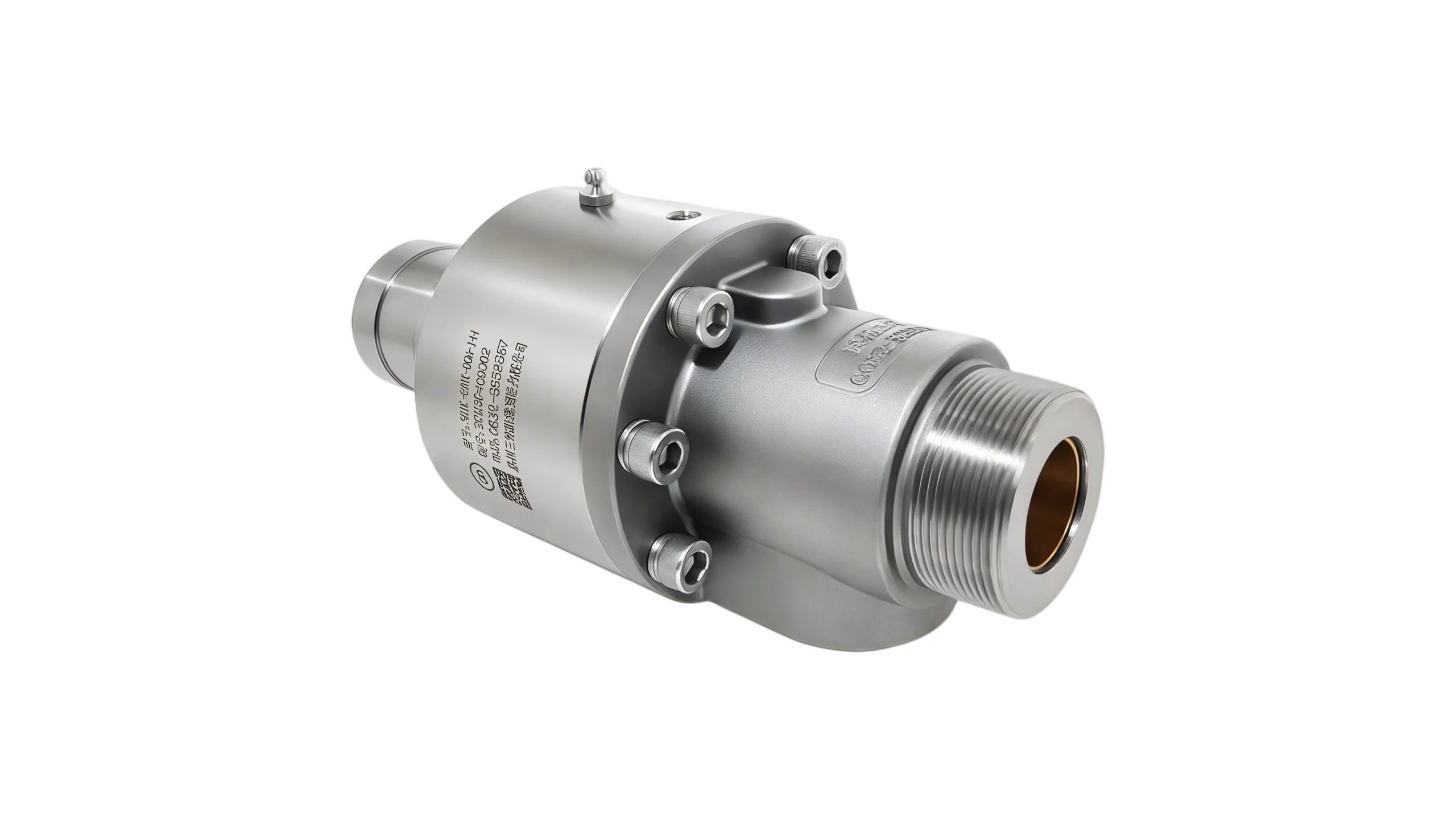
F90 swivel unions Transporting equipment components from a fixed pipeline system to high-speed rotating or reciprocating motion
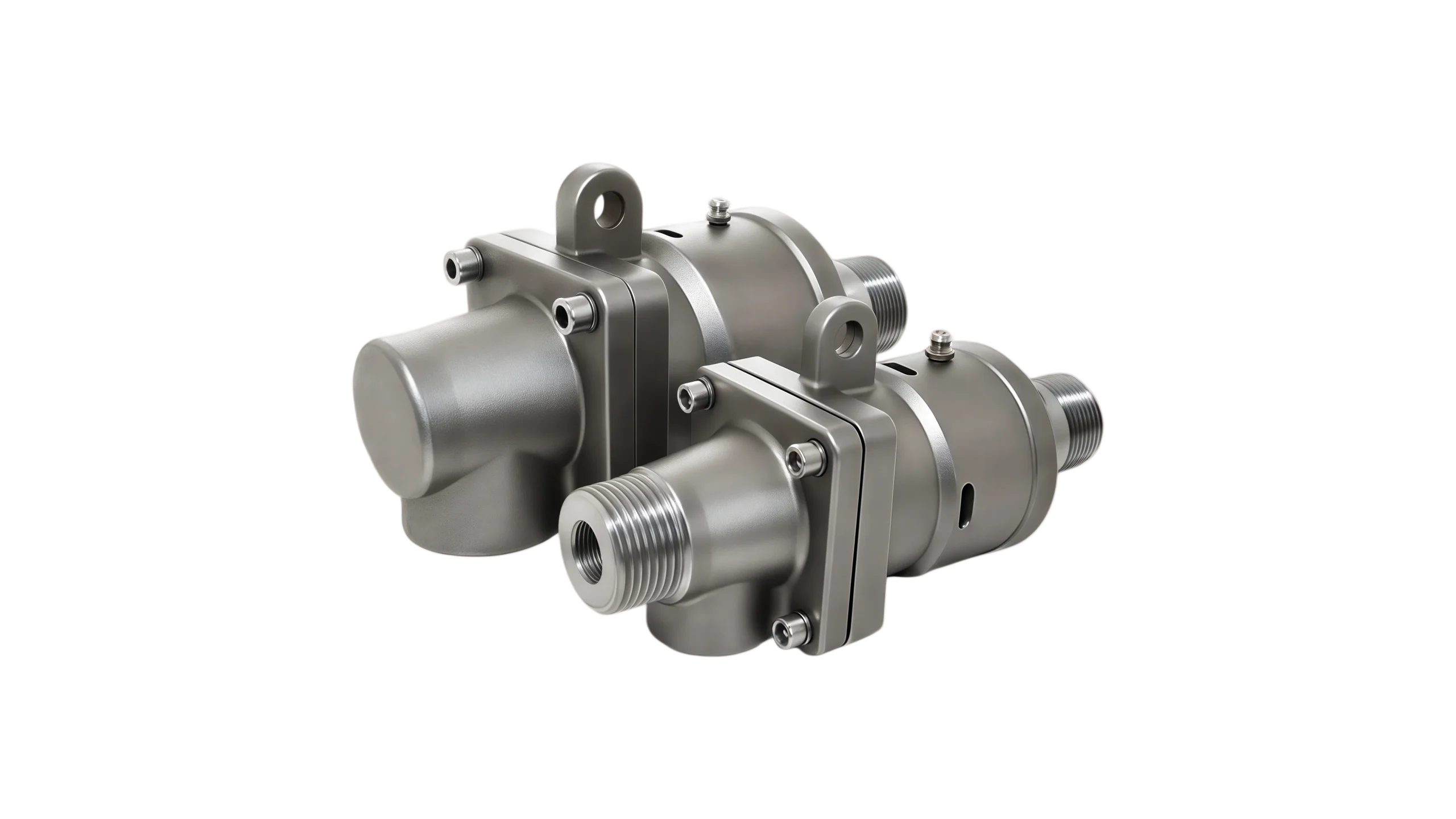
Q32 swivel unions
JD40 rotary joint is a key sealing component in industrial fluid transmission systems, usually referring to a rotary connection device with a diameter of DN40 (or corresponding British caliber). As a transitional sealing device that transports fluid media (such as water, steam, hydraulic oil, thermal oil, compressed air, etc.) from static pipelines to dynamic rotating or swinging equipment