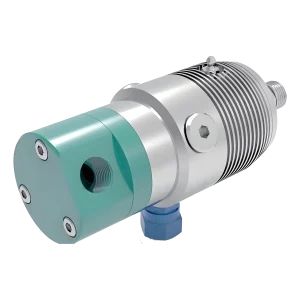
What should do if the rotary joints leaks right after use
What to do if rotary joints leak right after use. Check for loose installation, damaged seals and pressure overload immediately. Follow standardized troubleshooting steps to locate leakage causes quickly and fix faults, restoring normal operation of industrial swivel unions.
Read More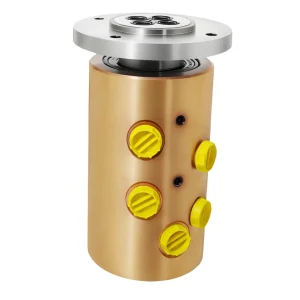
How to replace the seal of the rotary joints
How to replace the seal of rotary joints. Follow standard disassembly and installation steps to replace worn or aging seals correctly. Professional seal replacement eliminates fluid leakage, restores sealing performance and extends the service life of industrial swivel unions effectively.
Read More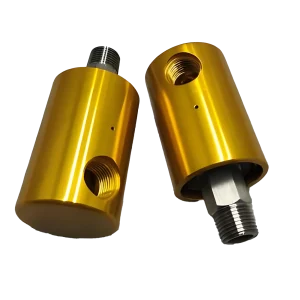
Pneumatic-rotary-joints
Introduction to pneumatic rotary joints. These lightweight industrial swivel unions adopt precision sealing structures to realize 360° free rotation air transmission. They effectively avoid pipeline twisting, ensure stable airflow operation and fit various automated pneumatic machinery systems.
Read More
Introduction to hydraulic multi-path rotary joints
Introduction to hydraulic multi-path rotary joints. These precision swivel unions adopt independent sealed channel structures, enabling simultaneous 360° rotating transmission of multiple hydraulic oil circuits without crosstalk, delivering stable high-pressure fluid supply for heavy-duty rotary machinery.
Read More
Working principle of pneumatic multi-path rotary joints
Working principle of pneumatic multi-path rotary joints. Adopting independent multi-channel isolation structure, these swivel unions realize simultaneous 360° rotating transmission of multiple air circuits without interference, ensuring stable and synchronous pneumatic power supply for automated rotary equipment.
Read More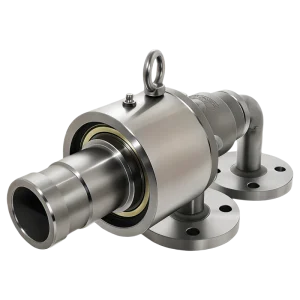
what is swivel union
What is a swivel union? Also known as a rotary joint, it is a precision connecting component for 360° rotating fluid transmission. It features reliable sealing, low friction and pressure resistance, ensuring leak-free and stable operation of industrial fluid conveying equipment.
Read More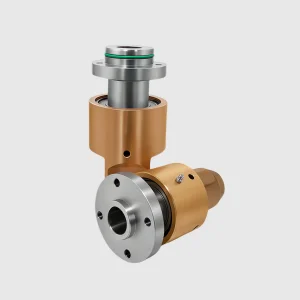
Characteristics of rotary joint
Characteristics of rotary joints. Industrial swivel unions support 360° unlimited rotating fluid transmission, featuring reliable sealing, low friction and strong pressure resistance. Stable performance, durable structure and wide compatibility meet diverse industrial equipment operation needs.
Read More
Precautions for installing rotary joint
Precautions for installing rotary joints. Ensure coaxial alignment, avoid rigid pipe stress and protect sealing surfaces during mounting. Standard installation procedures prevent eccentric wear, leakage and vibration, maintaining long-term stable operation of industrial swivel unions.
Read More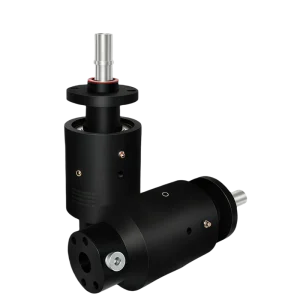
Advantages of MXPH series rotary joint
Advantages of MXPH series rotary joints. Adopting balanced plane sealing and precision friction pair design, these copper alloy swivel unions deliver ultra-low torque, wear resistance and stable high-speed operation. Double bearing support ensures reliable leak-free performance for water and oil media.
Read More
Advantages of MXB series rotary joint
Advantages of MXB series rotary joints. Featuring multi-spring plane sealing and full-flow design, these swivel unions deliver low pressure drop, low torque and stable high-speed operation. Split structure allows quick on-site seal replacement for easy maintenance.
Read More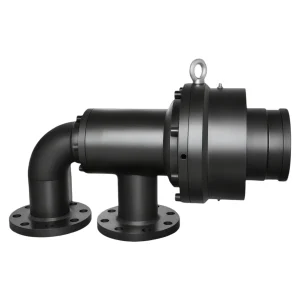
Selection and selection steps for rotary joints forms
Selection and selection steps for rotary joints. Follow standard procedures to confirm working medium, pressure, temperature and speed. Scientific selection of swivel unions guarantees matching performance, stable operation and long service life for industrial equipment.
Read More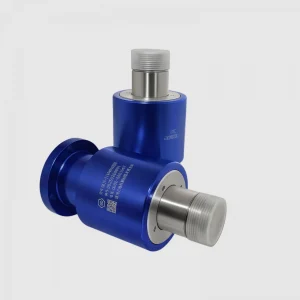
The difference between pneumatic rotary joints and hydraulic rotary joint
What is the difference between pneumatic and hydraulic rotary joints? Pneumatic types suit low-pressure air systems, while hydraulic swivel unions adapt to high-pressure oil transmission. They differ in pressure resistance, sealing structure and industrial application scenarios.
Read More