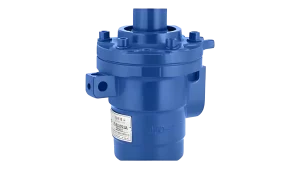
Dismantling and maintenance methods for rotary joint
Learn professional dismantling and maintenance methods for rotary joints. Follow standardized disassembly, cleaning, inspection, seal replacement and lubrication steps to avoid failure and extend equipment lifespan.
Read More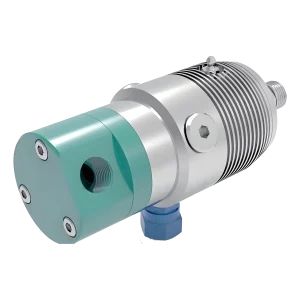
Wear characteristics of high-speed rotary joint
Explore the wear characteristics of high-speed rotary joint. High rotational speed causes friction heat, surface abrasion and seal wear, affecting the service life and sealing performance of rotary unions.
Read More
Reasons for steam rotary joints leakage
Find out the common reasons for steam rotary joints leakage. Learn about O-ring aging, surface wear, improper installation and pressure fluctuations to troubleshoot steam rotary union leaks.
Read More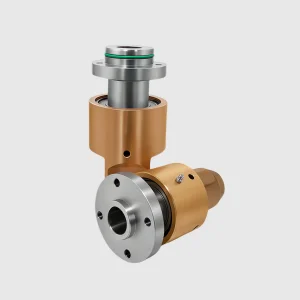
The purpose of rotary joint seal
Learn the purpose of rotary joint seal. It prevents fluid leakage, isolates media, maintains pressure stability and protects internal components to guarantee normal rotary union operation.
Read More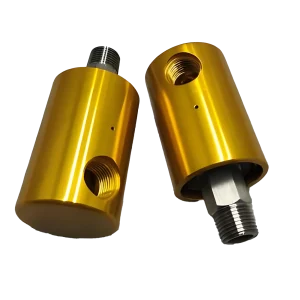
The application of rotary joint in the steel industry
Discover the application of rotary joint in the steel industry. These rotary unions deliver reliable fluid transmission for continuous casting, rolling mills and steel cooling systems.
Read More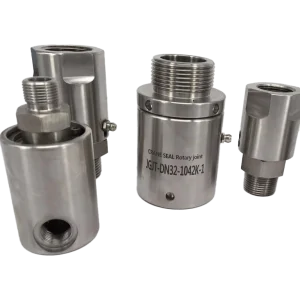
The core steps of the inlet and outlet water connection of the rotary joints
Master the core steps of the inlet and outlet water connection of rotary joints. Learn pipeline alignment, sealing installation, fastening and pressure inspection to avoid water leakage and ensure stable operation.
Read More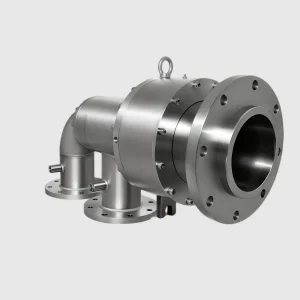
How to replace the O-ring of the rotary joints
Learn how to replace the O-ring of rotary joints. Follow step-by-step disassembly, cleaning, installation and leak testing to fix rotary joint leakage and extend service life.
Read More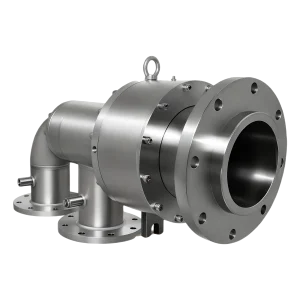
The use of rotary joint in the rubber industry
Explore the use of rotary joints in the rubber industry. Professional high-temperature resistant rotary unions transmit steam and thermal oil steadily for vulcanizing, calendering and rubber mixing machines, solving pipeline winding issues and ensuring consistent heating for rubber processing production.
Read More
Why do high-speed rotary joint need to be sealed with silicon carbide
Why do high-speed rotary joints need silicon carbide sealing? Silicon carbide features ultra-high hardness, excellent wear resistance and low friction coefficient. It resists high-speed friction heat and abrasion, maintains stable sealing tightness and effectively prevents leakage during long-term high-speed rotating operation.
Read More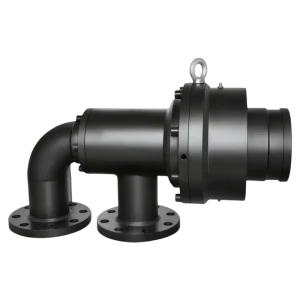
Maintenance of high-temperature rotary joint
Key maintenance methods for high-temperature rotary joints. Timely cleaning, lubrication and seal inspection minimize thermal abrasion and leakage, ensuring continuous stable and safe operation of high-temperature rotary fluid equipment.
Read More
The rotary joints leaked immediately after installation
Why do rotary joints leak immediately after installation? Improper coaxiality, incorrect seal installation and excessive tightening are main causes. Learn effective troubleshooting and correction methods to fix installation leakage and ensure normal leak-free operation of swivel unions.
Read More
Installation method of high voltage joints
Learn standardized installation methods for high voltage joints. Strictly control assembly coaxiality, install insulating accessories correctly and avoid external stress. Scientific mounting prevents electric leakage and structural damage for high-pressure and high-voltage equipment.
Read More