
Transport packaging for rotary joints
As a precision fluid dynamic sealing device, rotary joints contain precision bearings, sealing rings, and high-precision machined surfaces, which are sensitive to transportation and storage environments
Rotary joint transport packaging is a specialized discipline that protects precision mechanical components from impact, vibration, moisture, dust, and corrosion throughout domestic distribution and international shipping. Because rotary joints contain finely machined sealing faces, bearings, threads, and often delicate electrical passages, inadequate packaging can lead to costly damage before the product ever reaches the installation site. This guide explains the materials, methods, standards, and quality checks required to deliver rotary joints and related rotary components in perfect condition.
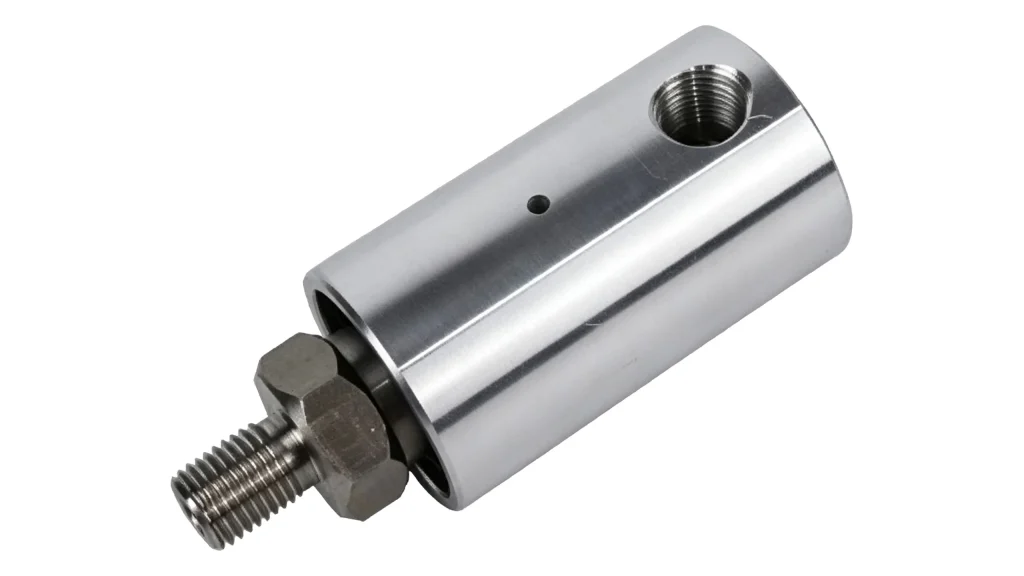
Quick Preview: Transport Packaging Essentials
| Packaging Element | Primary Function | Common Materials |
|---|---|---|
| Inner protective wrap | Prevent scratches and corrosion on machined surfaces | VCI film, PE bubble film, anti-static foil |
| End caps and thread guards | Protect connection threads and port openings | Plastic caps, rubber plugs, metal guards |
| Cushioning layer | Absorb shock and vibration during transit | EPE foam, PU foam, corrugated inserts |
| Rigid outer carton | Provide structural strength and stackability | Five-layer corrugated board, plywood crate |
| Moisture barrier | Block humidity and salt spray in maritime transport | Aluminum barrier bag, desiccants, VCI emitters |
| Labeling and marking | Communicate handling instructions and contents | Fragile labels, orientation arrows, UN marks |
| Palletization | Enable forklift handling and container loading | Wooden or plastic pallets, stretch film |
| Documentation pouch | Keep certificates and manuals with shipment | Self-adhesive plastic envelope |
| Export-grade crating | Satisfy phytosanitary and customs requirements | ISPM-15 treated wood, IPPC stamp |
1. What Is Transport Packaging for Rotary Joints?
This packaging system refers to the complete set of materials, containers, cushioning, moisture protection, and markings used to move rotary joints from the manufacturing facility to the end-user installation point without functional or cosmetic damage. Unlike generic mechanical component packaging, this approach must account for the specific vulnerabilities of rotary interfaces: lapped seal faces that cannot tolerate scratches, bearings sensitive to impact loads, precision threads that must remain clean, and optional electrical or optical sub-assemblies that require anti-static and shock protection.
The packaging system is typically designed in multiple layers. The inner layer contacts the product directly and prevents surface corrosion and abrasion. The middle layer provides cushioning against drops and vibration. The outer layer withstands stacking pressure, handling abuse, and environmental exposure during long-distance transport. Each layer is selected based on the joint’s size, weight, value, surface finish, and the expected transport route.
2. Why Proper Packaging Matters for Rotary Components
Rotary joints are precision devices. A small nick on a sealing face or contamination inside a flow passage can cause premature leakage, vibration, or complete failure after installation. The cost of replacing or repairing a damaged unit far exceeds the cost of proper packaging. Effective shipping protection therefore delivers three core benefits:
- Physical protection: Cushioning and rigid containers prevent deformation, thread damage, and bearing brinelling caused by drops, shocks, and vibration.
- Environmental protection: Moisture barriers, desiccants, and volatile corrosion inhibitors prevent rust and oxidation during humid or maritime transit.
- Operational readiness: Clean, dry, and undamaged components can be installed immediately, reducing commissioning time and field service costs.
Beyond direct product protection, compliant packaging also simplifies customs clearance, reduces insurance claims, and supports a professional brand image with international customers.
3. Core Packaging Components Explained
3.1 Inner Protective Wrap
The first layer against the rotary joint surface is typically a VCI (Volatile Corrosion Inhibitor) film or PE bubble film. VCI film releases corrosion-inhibiting molecules that form a protective molecular layer on metal surfaces, making it ideal for carbon steel housings and exposed stainless steel parts. Anti-static variants are used when the joint includes integrated electrical slip rings or sensors.
3.2 End Caps and Thread Guards
Connection threads, port openings, and pilot diameters must be sealed with plastic caps, rubber plugs, or metal guards. These inexpensive components prevent mechanical damage, keep dust and moisture out of internal passages, and preserve the integrity of O-ring grooves and seal cavities.
3.3 Cushioning Layer
Expanded polyethylene (EPE) foam, polyurethane (PU) foam, or molded corrugated inserts hold the joint firmly in place while absorbing shocks. Custom-cut foam cavities prevent rotation and movement inside the box, which is especially important for heavy units that can shift during transport.
3.4 Rigid Outer Container
For lightweight and medium-duty rotary joints, a double-wall or five-layer corrugated carton is usually sufficient. For heavy, high-value, or overseas shipments, plywood crates or ISPM-15 treated wooden boxes provide superior compression strength and resistance to puncture.
3.5 Moisture and Corrosion Control
Maritime and tropical environments require aluminum barrier bags with heat-sealed seams, combined with silica gel desiccants and VCI emitters. This combination can maintain a dry microclimate inside the package for extended periods, often exceeding thirty to sixty days.
4. Packaging Design by Transport Mode
Different transport modes impose different risks. Packaging engineers should tailor protection to the dominant hazards of each mode.
| Transport Mode | Primary Risks | Recommended Packaging Enhancements |
|---|---|---|
| Road freight | Vibration, sudden braking, stacking | Corner protectors, foam cushioning, pallet bands |
| Rail freight | Heavy vibration, longitudinal shocks | Reinforced crates, shock-absorbing base pads |
| Air freight | Altitude pressure changes, rough handling | Pressure-equalized seals, lightweight but strong boxes |
| Sea freight | High humidity, salt spray, container condensation | VCI barrier bags, desiccants, IPPC wooden crates |
| Multi-modal | Cumulative handling and environmental exposure | Export-grade crating, comprehensive moisture control |
5. International Standards and Regulatory Compliance
Global shipments of rotary joints must comply with packaging and phytosanitary regulations. The most commonly referenced standards include:
- ISPM-15: International standard for wood packaging material, requiring heat treatment or fumigation and an official IPPC mark on wooden crates and pallets.
- ASTM D4169: Standard practice for performance testing of shipping containers and systems, covering drop, vibration, compression, and environmental exposure.
- ISTA 3A/3E: International Safe Transit Association procedures for packaged-product testing in parcel delivery and truckload shipment environments.
- ISO 2234: Standard for stationary stacking tests using uniform loads, useful for verifying carton and crate compression resistance.
- Mil-STD-2073: Military standard for packaging and packing requirements, occasionally referenced for defense-sector rotary components.
Compliance with these standards not only reduces damage risk but also satisfies the documentation requirements of many industrial buyers and government contracts.
6. Packaging Validation and Performance Testing
Before a new packaging design enters production use, it should pass controlled performance tests that simulate real-world distribution hazards. Validation testing provides objective evidence that the package can protect rotary joints through the expected supply chain. Common test protocols include drop testing from specified heights, random vibration testing on a shaker table, compression testing to simulate warehouse stacking, and temperature-humidity cycling to evaluate moisture barrier effectiveness.
Drop testing is particularly important for cartons that will be handled by parcel carriers. A typical test sequence involves dropping the package on its corners, edges, and faces from heights ranging from 0.6 meters to 1.2 meters depending on gross weight. After the test, the rotary joint is inspected for seal face damage, thread deformation, bearing noise, and corrosion indicators. Any failure requires redesign of the cushioning or outer container.
Vibration testing reproduces the continuous shaking experienced during truck, rail, or air transport. Random vibration profiles based on ASTM D4728 or ISTA standards help identify resonant frequencies that could cause internal movement or fatigue. For heavy rotary joints mounted on pallets, the test should include the palletized unit rather than the individual carton, because pallet dynamics differ significantly from single-package handling.
Environmental conditioning verifies that moisture protection performs under tropical or maritime climates. Packages are exposed to high temperature and high humidity cycles while internal humidity is monitored with data loggers or indicator cards. A well-designed barrier system keeps relative humidity inside the package below forty percent even when external conditions exceed eighty-five percent.
7. Transport Packaging Specification Table
The following table summarizes typical packaging specifications for rotary joints across common size and weight categories. Actual specifications should be adjusted based on product design, destination climate, and carrier requirements.
| Parameter | Small Rotary Joints | Medium Rotary Joints | Large Rotary Joints |
|---|---|---|---|
| Weight range | 0.5 kg – 5 kg | 5 kg – 30 kg | 30 kg – 200 kg |
| Inner wrap | VCI bag + bubble film | VCI bag + foam sheet | VCI film + protective end caps |
| Cushioning | 10 mm EPE foam | 20 mm EPE foam | Custom foam or rubber mounts |
| Outer container | Triple-wall corrugated box | Five-layer corrugated box or plywood crate | ISPM-15 plywood crate with base frame |
| Moisture control | 1 desiccant pouch | 2–3 desiccant pouches + VCI emitter | Barrier bag + multiple desiccants |
| Palletization | Not required | Optional on shared pallet | Required, individual pallet or skid |
| Drop test target | ISTA 3A | ISTA 3E | ASTM D4169 DC 13 or custom |
| Labeling | Fragile, orientation, weight | Fragile, orientation, weight, handling | All markings + lifting points, ISPM mark |
| Documentation | Instruction manual, certificate | Manual, certificate, packing list | Manual, certificate, packing list, customs docs |
| Sealing method | Pressure-sensitive tape | Reinforced tape + strapping | Steel banding + screw-fastened crate lid |
8. Step-by-Step Packaging Process
A consistent packaging workflow reduces human error and ensures every shipment meets the same protection standard. The recommended sequence is:
- Pre-clean and inspect: Verify the rotary joint is clean, dry, and free of machining residues. Inspect sealing faces and threads for defects.
- Install protective closures: Fit plastic caps, thread guards, and port plugs to all openings. Secure any loose accessories separately.
- Apply inner wrap: Wrap the unit in VCI film or anti-static bubble film. For long storage or sea transport, use a heat-sealed aluminum barrier bag.
- Position in cushioning: Place the wrapped joint into a custom-cut foam insert or corrugated cradle. Ensure no direct contact with the outer box.
- Insert desiccants: Add silica gel or clay desiccants according to package volume and expected transit time. Avoid contact with painted surfaces.
- Seal outer container: Close the carton or crate with appropriate tape, strapping, or banding. Apply fragile, orientation, and weight labels.
- Palletize if needed: Secure packages to pallets with stretch film and corner boards. Maintain stable stacking height and weight distribution.
- Attach documentation: Fix packing lists, certificates, and manuals in a waterproof pouch on the exterior of the package.
9. Quality Inspection and Acceptance Checklist
Before releasing any shipment, a packaging quality check should confirm that protection, labeling, and documentation are complete. The following checklist is widely used for rotary joint shipments:
- Product surface is clean, dry, and free of corrosion or contamination.
- All threads, ports, and openings are capped or plugged.
- VCI film or barrier bag fully covers exposed metal surfaces.
- Foam cushioning is intact, with no compression set or gaps.
- Joint does not move or rattle inside the container.
- Desiccant quantity matches package volume and transit duration.
- Outer container shows no tears, dents, or moisture damage.
- Labels include fragile handling, orientation arrows, gross weight, and destination.
- Wooden crates carry valid IPPC / ISPM-15 markings when applicable.
- Documentation pouch contains packing list, certificates, and manuals.
10. Sustainable Packaging Considerations
Environmental responsibility is becoming an increasingly important factor in industrial packaging decisions. While protection remains the first priority, manufacturers can reduce packaging waste without compromising rotary joint safety. Recyclable corrugated board, biodegradable cushioning materials, and reusable returnable crates all offer pathways to lower environmental impact.
For domestic distribution loops, reusable plastic totes or collapsible crates can replace single-use cartons. These returnable packaging systems require an initial investment but reduce material costs over time and present a cleaner, more professional appearance at customer facilities. When reusable containers are not practical, specifying recycled-content corrugated board and paper-based cushioning keeps the packaging aligned with common sustainability targets.
It is important to balance green packaging choices with performance requirements. Biodegradable loose fill or thin recycled board may not provide adequate moisture or impact protection for overseas shipments. The best approach is to match the environmental initiative with the actual distribution hazard: use lighter materials for safe routes and reserve robust protective systems for challenging logistics environments.
11. Common Packaging Mistakes to Avoid
Even experienced shippers can overlook details that lead to damage. The most frequent errors include:
- Insufficient thread protection: Missing or loose caps allow thread damage and contamination of internal passages.
- Wrong desiccant quantity: Too little desiccant cannot absorb container condensation, while too much may be unnecessary cost.
- Over-tightened strapping: Steel or plastic bands applied directly to cartons can crush walls and deform light housings.
- Ignoring orientation: Rotary joints with internal lubricant or delicate slip ring assemblies may require specific upright positioning.
- Reusing untreated wood: Non-ISPM-15 wooden packaging can be rejected at destination ports, causing delays and additional fees.
Avoiding these mistakes requires both good packaging design and disciplined execution on the packing line.
12. Frequently Asked Questions
The most critical aspect is protecting precision sealing surfaces and bearings from impact, moisture, and contamination. Even minor scratches or rust on seal faces can cause leakage after installation, so multi-layer packaging with VCI protection and cushioning is essential.
Yes. Units that combine fluid rotary joints with electrical slip rings require anti-static inner wrapping, additional shock protection for brush and ring assemblies, and moisture control to prevent corrosion of copper traces and contacts. Orientation marking is also important to avoid disturbing internal lubricants or delicate conductors.
High-quality VCI film typically provides corrosion protection for six months to two years when the package remains sealed. For overseas or long-term storage, combining VCI film with desiccants and aluminum barrier bags extends protection significantly.
Not always. Lightweight and medium-duty joints can ship safely in strong corrugated cartons on pallets. However, heavy units, high-value precision assemblies, or routes with rough handling usually benefit from ISPM-15 treated plywood or wooden crates.
Minimum labeling should include fragile handling symbols, orientation arrows, gross weight, package dimensions, destination address, and any special handling instructions. Export crates also need the IPPC mark and may require country-of-origin labels.
Use heat-sealed aluminum barrier bags combined with the correct amount of desiccant based on package volume and expected temperature range. Ensuring the joint is dry before sealing is equally important, since trapped moisture cannot be fully absorbed by desiccants.
Damaged outer packaging is a warning sign that the product may have experienced impact or moisture exposure. The shipment should be inspected immediately, seal faces and bearings checked, and any concerns documented with the carrier before installation.
Conclusion
Professional rotary joint shipping protection is far more than a simple cardboard box; it is an engineering discipline that safeguards precision components through vibration, shock, humidity, and temperature changes across global supply chains. By selecting appropriate inner wraps, cushioning, rigid containers, moisture controls, and compliant labeling, manufacturers and distributors can ensure that every rotary joint arrives at its destination ready for reliable installation and long service life. Investing in professional packaging design and disciplined inspection procedures ultimately reduces warranty claims, strengthens customer trust, and supports efficient industrial operations worldwide.