
Reason for rotating joint failure
Reason for rotating joint failure, Reason for rotating joints failure, Reason for rotating union failure, Reason for rotating unions failure
Reason for Rotating Joint Failure: Top Causes, Symptoms, and Prevention
The most common reason for rotating joint failure is degradation of the seal package over time, but in practice the root cause is usually a combination of factors that build on each other. A rotary joint that runs quietly for months can start to leak suddenly when a contaminated fluid charge reaches the seal face, when a temperature spike warps the body, or when a maintenance interval is missed. Understanding which factors matter most and how they interact is the surest way to keep equipment running and avoid unplanned downtime.
A rotary joint sits at the interface between a stationary pipe and a rotating roll, drum, or cylinder. It contains a pressurized fluid—steam, thermal oil, water, or hydraulic oil—while allowing the rotating member to turn continuously. The component must seal at full system pressure, cope with thermal expansion, and run for long intervals between services. Any weakness in the seal, the bearing, the body, or the installation will eventually show up as leakage, vibration, or process drift, and a failure here can halt an entire production line.
This guide walks through the leading causes of failure, the symptoms that appear before breakdown, and the practical steps that prevent each one. Whether the application is paper drying, plastic calendering, or hydraulic clamping, the same fundamental failure patterns apply, and addressing them early is always cheaper than fixing them after the fact.
What a Rotary Joint Does and Why It Fails
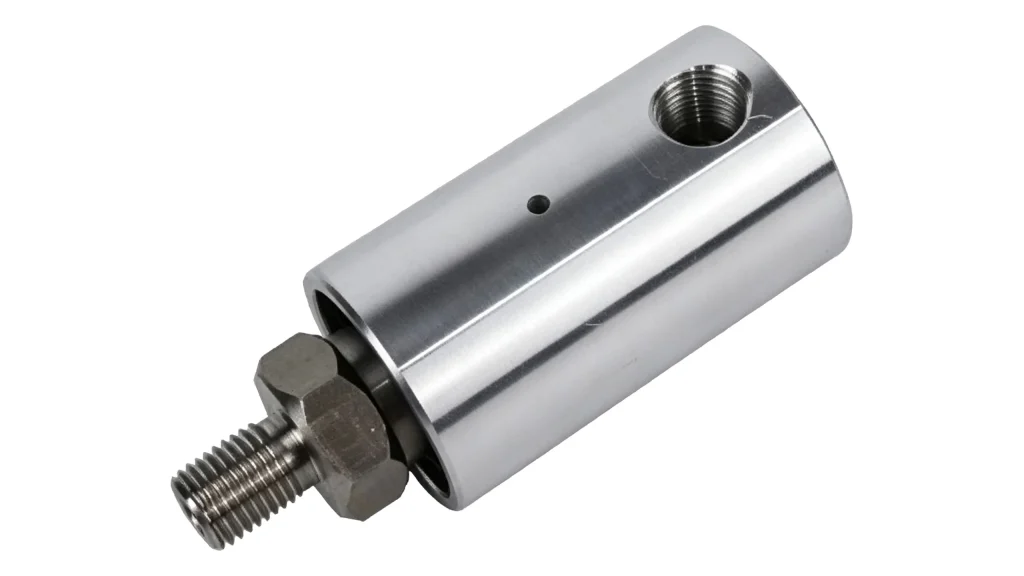
A rotary joint is a precision seal that bridges a stationary fluid supply and a rotating machine member. The fluid enters through the stationary side, passes through the rotating shaft, and travels into the roll, drum, or cylinder where it does its work—typically heating or cooling. The component must hold the fluid at full system pressure while the assembly turns continuously, often for years at a time.
Failure happens when one or more parts can no longer do their job. The seal faces wear, the bearings lose preload, the body distorts, or the connection loosens. Once any of these conditions reaches a critical point, leakage begins and performance drops. The good news is that almost every failure leaves a trail of small symptoms in the days and weeks leading up to it, and a careful operator can catch the problem before it becomes a shutdown.
Top 9 Causes of Rotating Joint Failure
The following failure modes account for the great majority of rotary joint problems in the field. Each section describes what the failure is, why it happens, how it shows up, and how to prevent it.
1. Seal Wear and Degradation
The seal faces are the part of a rotary joint that does the actual sealing, and they are designed to wear gradually over time. Normal friction, thermal cycling, and chemical attack all slowly erode the lapped surfaces until the gap grows large enough for fluid to escape. Once weepage exceeds the design limit, the joint must be serviced.
Why it happens. Continuous rotation at speed, sustained high temperature, abrasive particles in the fluid, and chemical incompatibility between the seal material and the fluid all accelerate wear. Running beyond rated pressure or speed shortens seal life sharply.
What to look for. A gradual increase in weepage from the drain port, visible steam or oil around the joint, and a rise in the temperature of the rotating member are all classic signs.
How to prevent it. Match the seal material to the fluid and temperature, keep the fluid clean, replace seals on a planned schedule, and avoid running outside the rated envelope.
2. Contamination of the Fluid
Particles, water, and chemical contaminants carried in the fluid are among the most damaging things a rotary joint can face. Solid particles score the seal faces like sandpaper, water in hot oil causes corrosion and hydrolysis, and corrosive chemicals attack both seals and metal parts.
Why it happens. Inadequate filtration, neglected oil changes, water from condensation or leaking coolers, and chemical breakdown of the fluid itself all introduce contaminants over time. New fluid can also arrive dirty if the supply chain is not controlled.
What to look for. Darkened or discolored fluid, a milky appearance in oil, metallic particles on filters, and accelerated seal wear without an obvious mechanical cause all point to contamination.
How to prevent it. Maintain filters, change fluid on schedule, sample fluid regularly, and seal the system against water and air ingress. A clean fluid supply is the single most cost-effective investment in rotary joint life.
3. Misalignment and Side Loading
A rotary joint handles axial and modest radial loads, but is not designed to take heavy side loads from a misaligned shaft or a poorly supported roll. Side loads concentrate wear on one side of the seal and bearing, accelerating both toward failure.
Why it happens. Improper installation, worn couplings, settling of the machine frame over time, and thermal growth that is not properly accommodated all introduce misalignment. A heavy roll that is not properly supported puts constant side load on the joint.
What to look for. Uneven wear patterns on the seal faces, a hot spot on one side of the housing, vibration in the rotating member, and a shortened service life are the typical signs.
How to prevent it. Align the joint carefully during installation, support the rotating member properly, use flexible couplings where appropriate, and re-check alignment after any major maintenance.
4. Overpressure and Pressure Spikes
Every rotary joint has a maximum working pressure, and operating above that limit can blow past the seal, deform the body, or damage the bearings. Pressure spikes from valve closures, pump surges, or thermal expansion of trapped fluid are particularly damaging because they are sudden and often invisible.
Why it happens. Incorrect system settings, failed relief valves, water hammer in cold-start conditions, and rapid valve closures all generate pressure spikes. A blocked return line can also let pressure build on the normally low-pressure side.
What to look for. Sudden leakage that appears after a process change, deformation around the flange or housing, and damaged bearings or seals discovered during service are common indicators.
How to prevent it. Set relief valves correctly, open and close valves slowly during startup and shutdown, install surge protection where water hammer is a risk, and never trap fluid in a dead-end line.
5. Overheating and Thermal Cycling
Seal materials, elastomers, and bearing lubricants all have temperature limits. Sustained overheating or repeated thermal cycling pushes the joint past those limits, hardening elastomers, softening seal faces, and breaking down lubricants. The result is accelerated wear and eventual failure.
Why it happens. Operating above the rated temperature, running with insufficient cooling, sudden cold starts that shock hot components, and frequent stop-start cycles all contribute. Steam service is particularly demanding because the temperatures are high and the thermal gradients are steep.
What to look for. Discolored or hardened seal materials, a sudden change in machine noise, increased weepage after a thermal event, and visible distortion of metal parts are the typical signs.
How to prevent it. Warm the system up and cool it down gradually, keep the fluid within its rated temperature range, monitor operating temperature continuously, and replace seals and lubricants on a schedule that matches the actual thermal duty.
6. Bearing Failure
The bearings support the rotating shaft and keep the seal gap stable. When bearings fail, the seal gap opens and closes unpredictably, leakage increases, and the entire joint can seize. Bearing failure is often the final stage of another problem—contamination, overheating, or misalignment—rather than a cause in itself.
Why it happens. Contamination of the bearing lubricant, overheating, water ingress, side loading from misalignment, and simply reaching the end of the bearing’s service life all cause bearing failure. Lack of lubrication on greaseable bearings is a common and easily prevented cause.
What to look for. A rumbling or grinding noise, increased vibration, a hot bearing housing, and a loose or wobbly shaft are clear signs that the bearing is failing.
How to prevent it. Lubricate bearings on schedule, keep seals intact, monitor bearing temperature and vibration, and replace bearings as a set during major service to avoid a second failure soon after the first.
7. Corrosion and Chemical Attack
The wrong body material for the fluid, or a seal material that is not chemically compatible with the medium, can cause rapid degradation. Corrosion roughens the seal faces and the body interior, while chemical attack on elastomers causes them to swell, harden, or crack.
Why it happens. Specifying a standard carbon-steel body for a corrosive fluid, using the wrong elastomer for a chemical process, and failing to account for cleaning chemicals are the most common causes. Even small amounts of an incompatible chemical can cause major damage over time.
What to look for. Pitting or discoloration on metal surfaces, swelling or cracking of elastomers, and a sudden change in seal performance after a process change are the usual indicators.
How to prevent it. Match body and seal materials to the fluid and process, including any cleaning chemicals that may contact the joint. Review material compatibility whenever the process changes.
8. Improper Installation
Many failures that show up weeks or months after startup are actually caused by installation errors. Uneven bolt tightening, incorrect torque, missing gaskets, foreign material left in the joint during assembly, and reversed orientation of seals or connections all lead to early failure.
Why it happens. Rushed installation, lack of training, missing components, and the absence of a written installation procedure are the typical root causes. A joint that looks correct on the outside can still be wrong on the inside.
What to look for. Leakage that starts immediately after installation, uneven gasket compression, and rapid wear compared to similar machines on the same line are the typical signs.
How to prevent it. Follow a written installation procedure, use the correct torque values, inspect all parts before assembly, and train installers on the specific joint design being used.
9. Improper or Missed Maintenance
Even a well-designed joint will fail if it is not maintained. Skipped seal replacements, neglected lubrication, ignored weepage, and missed inspections all allow small problems to grow into major failures. In many plants, missed maintenance is the single largest cause of unplanned downtime.
Why it happens. Production pressure, lack of spare parts, unclear maintenance procedures, and the absence of a condition-monitoring program all contribute. Operators may not know what to look for, and maintenance staff may not have the time or the parts to act on early warnings.
What to look for. A pattern of failures that could have been prevented, missing or incomplete maintenance records, and operators who are not trained to spot early symptoms are all warning signs of a maintenance problem rather than an equipment problem.
How to prevent it. Build a written maintenance schedule for every joint, keep critical spares on hand, train operators and maintenance staff on what to look for, and act on early symptoms before they grow.
How to Diagnose Rotating Joint Problems
When a problem is suspected, a systematic diagnosis saves time. Start with the easiest checks: visual inspection for leakage, temperature at the housing, and listening for unusual sounds. Then check the fluid condition, system pressure, and alignment. Only after these simple checks should the joint be disassembled, because the most common causes are external or operational rather than internal defects. Document the findings so the next service can compare, and keep a record of seal changes, fluid changes, and any process changes that coincided with the problem. A small investment in record-keeping pays back many times over.
Preventive Maintenance Best Practices
A consistent preventive maintenance program is the most effective way to extend rotary joint life. Schedule seal replacement based on operating hours, keep critical spares on hand, and train operators to spot early symptoms. Keep the fluid clean, monitor its condition regularly, and address contamination as soon as it appears. Review the maintenance program after every major service and adjust it based on what was actually found, so the program improves with every cycle.
FAQ
What is the leading reason for rotating joint failure? In most plants, the leading cause is seal wear combined with fluid contamination, accelerated by missed maintenance. Together these account for most unplanned downtime.
How can I tell a rotary joint is about to fail? Look for increased weepage from the drain port, a rise in the temperature of the rotating member, unusual noise or vibration, and visible leakage.
How often should seals be replaced? Replacement intervals depend on duty, but a typical steam or hot-oil joint near its rated limits should be inspected annually and have its seals replaced every one to three years.
What is the most important preventive measure? Keeping the fluid clean is the single most cost-effective step. Clean fluid, matched seals, and a written schedule will prevent the great majority of failures.
Conclusion
Each reason for rotating joint failure points to a specific preventive action, and the most successful programs address all of them together. Seal wear, contamination, misalignment, overpressure, overheating, bearing wear, corrosion, installation errors, and missed maintenance are all predictable and all preventable. The investment in clean fluid, scheduled seal replacement, operator training, and proper installation pays back many times over in longer joint life, fewer shutdowns, and lower total cost of ownership.