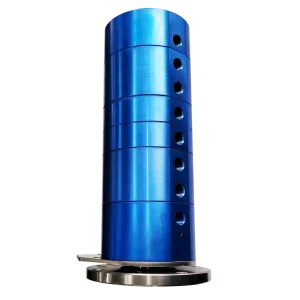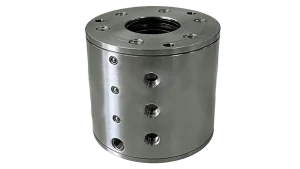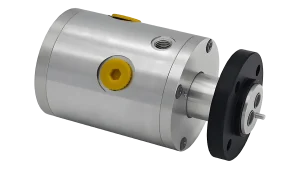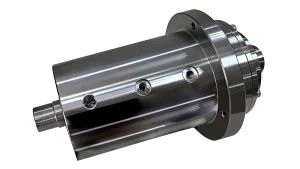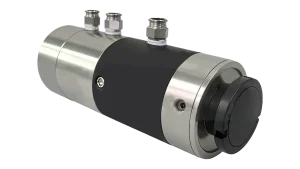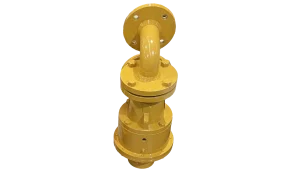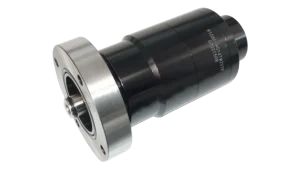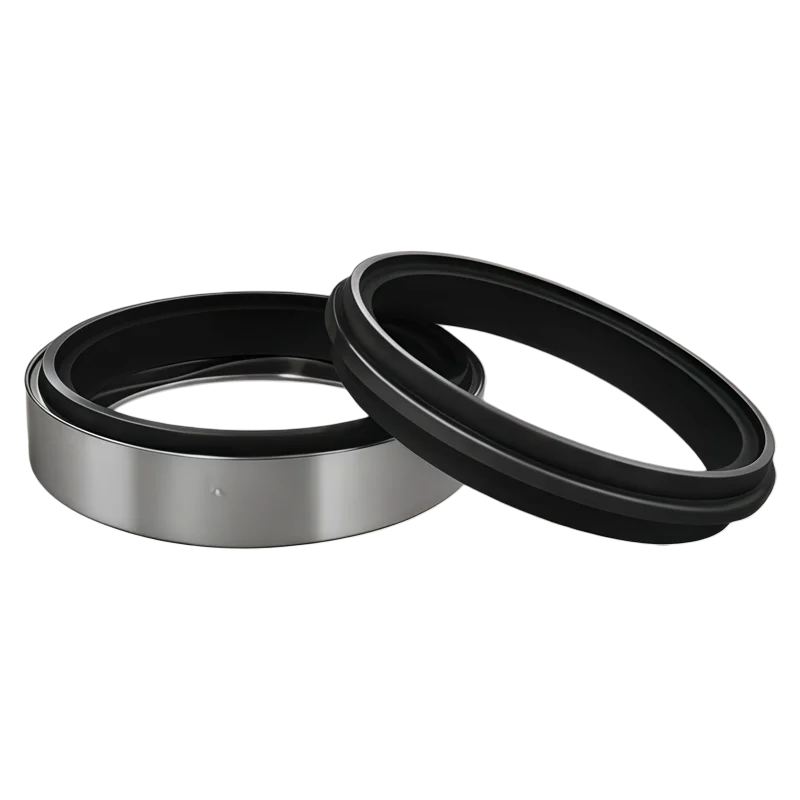
mechanical seal for rotary joint
Mechanical seal is one of the precision and structurally complex mechanical basic components
- Operating Temperature-50℃-450℃
- work pressure≤16MPa
mechanical seal for rotary joint
Mechanical seal is one of the precision and structurally complex mechanical basic components
mechanical seal’s information:
1、mechanical seal Divided by material: carbon graphite, silicon carbide, tungsten carbide, and other materials
2、mechanical seal Divided by temperature range: -50℃-450℃.
3、mechanical seal Divided by speed: ≤20000r/m
4、mechanical seal Non-standard customization can be provided according to customer needs
The spring type mechanical seal of ordinary rotary joints can provide sealing isolation between liquid and gas media or between media and surrounding air. The spring of the rotary joint is used to provide the initial internal sealing pressure. Once the joint starts to operate, it enters a pressure sealed state, and the spring compensates for seal wear. Low pressure or vacuum environments rely on spring thrust for sealing. There are generally three sealing forms for rotary joints: flat sealing, spherical sealing, and elastomeric rotary surface sealing.
With the improvement of rotary joint technology, the rotary joint has adopted a balanced seal in the flat sealing section. Balanced sealed rotary joints are commonly used for liquid media such as water, coolant, etc., and can also be used for conducting water vapor or other gas media. Balanced sealing technology keeps the medium pressure, thrust load, and sealing surface contact pressure to a minimum. This not only reduces wear but also extends the sealing life. Using springs to load and fix the sealing surface, preventing it from rotating or moving. It is precisely this rotation and movement that causes premature aging of the auxiliary seal, leading to leakage in the rotary joint. Balanced seals are usually supported by ball bearings.
Spherical seal is a sealing structure commonly used in rotary joints. The basic principle is to achieve sealing through the contact surface between the spherical and conical surfaces, which has the characteristics of good sealing performance and easy disassembly and assembly. In a spherical sealing structure, there are two main factors that affect its sealing performance: first, the machining quality of the spherical and conical surfaces; The second is the grinding accuracy of spherical and conical surfaces.
The sealing surface of the elastic cylinder seal is a narrow cylindrical surface, which is compensated for wear by an elastic body. This sealing mechanism requires high requirements for cylindrical machining, with strict guarantees for groove bottom machining dimensions, surface roughness, roundness, coaxiality, etc.
The sealing ring is the main vulnerable part of the rotary joint. During operation, the sealing ring not only bears the pressure of the internal fluid medium but also the rotational torque generated by the operation of the outer pipe. Therefore, working conditions such as vehicle speed, temperature, and medium can affect the service life of the sealing ring. To a considerable extent, the rotary joint is actually just a sealed shell. Poor quality sealing rings wear out quickly, resulting in increased maintenance time, downtime, and repair costs. If the seal fails, medium leakage will affect the heating or cooling efficiency of the equipment, and the cost of replacing a sealing ring is much smaller than the total economic loss after seal failure.