
How to maintain a rotary joints
How to maintain a rotary joint, How to maintain a rotary unions, How to maintain a swivel unions
The rotary joint is a specialized type of rotary joint designed for low-speed, high-pressure applications involving multiple media and multi-channel equipment. It serves devices such as machining center rotary tables, hydraulic workstations, coilers, converters, ladle turrets, hydraulic machinery, and multi-channel high-pressure controllers. Rotary joints are commonly used but also prone to wear. To save costs and extend the lifespan of rotary joints, maintenance is necessary. So, how can we maintain and care for rotary joints to achieve a longer service life?
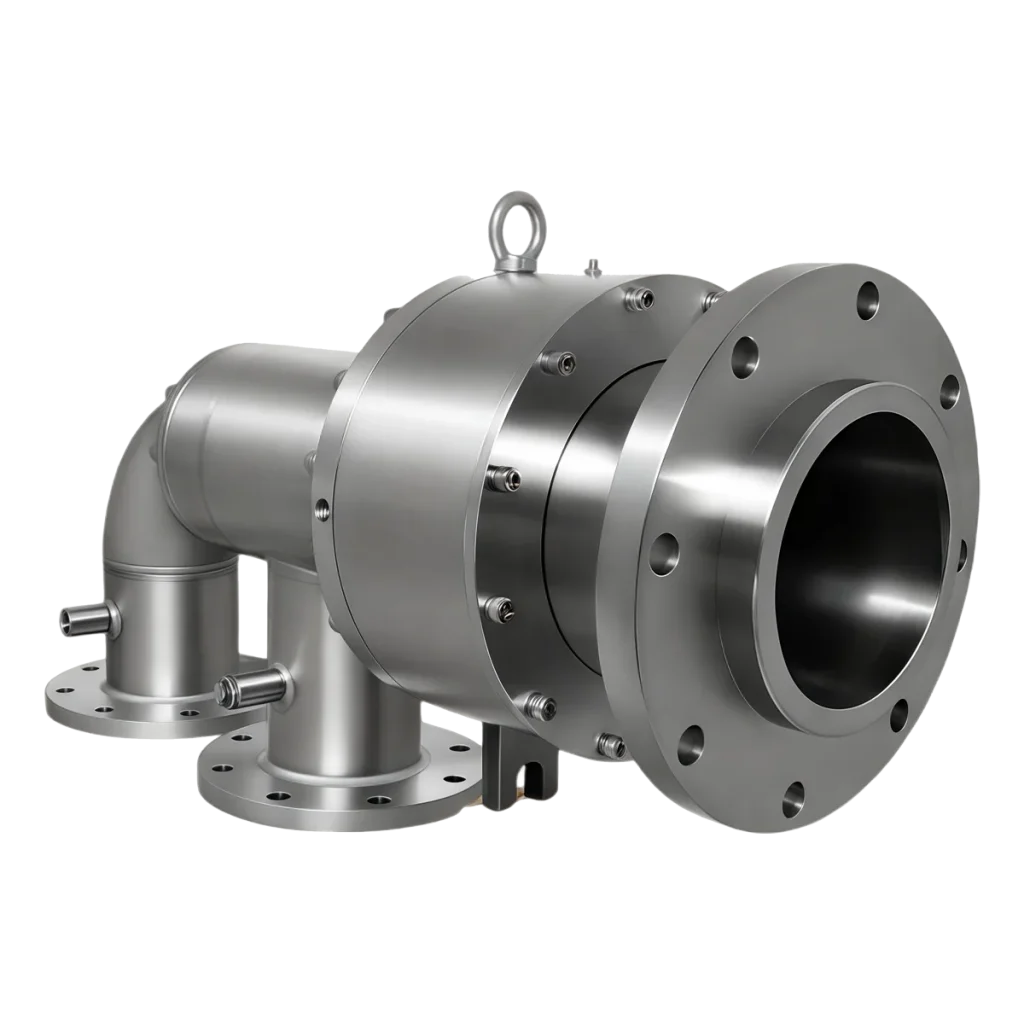
Proper maintenance of a rotary joint (rotary union) helps prevent leakage, overheating, seal failure, and premature bearing wear. The exact procedure depends on the type (water, oil, steam, air, coolant, hydraulic, multi-passage, high-speed, etc.), but the following practices apply to most rotary joints.
1. Regular inspection
Check the rotary joint during normal machine operation:
- Look for leakage
- Fluid leakage around the shaft or housing usually indicates worn seals or damaged O-rings.
- Small leakage at the drain port may indicate seal wear.
- Check temperature
- Excessive heat may be caused by:
- insufficient lubrication
- excessive pressure
- incorrect installation
- worn bearings or seals
- Excessive heat may be caused by:
- Listen for abnormal noise
- Grinding, vibration, or rattling can indicate bearing damage or shaft misalignment.
- Check rotation
- The rotary joint should rotate smoothly without resistance or vibration.
2. Keep the fluid clean
Contaminated media is one of the main causes of rotary joint failure.
- Install proper filtration where required.
- Remove metal particles, dirt, rust, and scale from the fluid system.
- Flush new piping before connecting the rotary joint.
- Avoid running abrasive fluids unless the rotary joint is designed for them.
3. Lubrication maintenance
Depending on the design:
Bearing-type rotary joints
- Lubricate bearings according to the manufacturer’s recommendation.
- Do not over-grease, as excessive grease can increase heat.
Self-lubricated designs
- Ensure the operating fluid provides adequate lubrication.
- Avoid dry running unless the rotary joint is designed for it.
4. Check installation conditions
Incorrect installation greatly reduces service life.
Verify:
- Shaft alignment is correct.
- The rotary joint is not supporting pipe weight.
- Hoses have enough flexibility.
- Do not use the rotary joint as a pipe support.
- Use a proper anti-rotation device if required.
- Avoid excessive side load and bending forces.
5. Seal maintenance
Seals are the most common wear parts.
Replace seals when you notice:
- continuous leakage
- pressure loss
- increased torque
- overheating
- reduced performance
When replacing seals:
- Clean the shaft surface.
- Check for scratches or grooves.
- Use the correct seal material for the fluid and temperature.
- NBR: general oils and water applications
- EPDM: hot water and steam applications
- FKM/Viton: high temperature and chemical resistance
- PTFE: aggressive chemicals and high temperature
6. Storage before installation
If a rotary joint is stored for a long time:
- Keep it in a dry, clean place.
- Protect ports with caps.
- Avoid dust entering the internal passages.
- Rotate the shaft periodically if stored for extended periods.
7. Recommended maintenance schedule (typical)
| Frequency | Maintenance |
|---|---|
| Daily/weekly | Check leakage, noise, temperature |
| Monthly | Inspect mounting, hoses, vibration |
| Every 3–6 months | Check seals and operating condition |
| During overhaul | Replace worn seals, bearings if necessary |
Common causes of rotary joint failure
| Problem | Possible cause |
|---|---|
| Leakage | Worn seal, dirty fluid, damaged shaft |
| High temperature | Poor lubrication, excessive speed, wrong pressure |
| Short seal life | Misalignment, vibration, contamination |
| Vibration | Bearing wear, improper mounting |
| Seized rotation | Dry running, corrosion, internal damage |